Health
Discover facts about health. Small discoveries that change the way you see familiar things.
Health

The modern trampoline turned a circus bounce into a sport
George Nissen developed the apparatus in the 1930s, inspired by the rebound of aerial performers landing in a net. A controlled, repeatable bounce gave…
Discover more
Your bladder lining can change its shape
As urine fills the bladder, cells in its inner lining flatten and spread out instead of staying rounded. The lining can stretch to make room, like a folded…
Discover more
Why weekend sleep can't erase a lost week
A week of short nights is not a bill you can pay off in one Sunday morning. Sleeping until noon can shift your timing later, so bedtime comes around while…
Discover more
Mind-muscle connection heavily boosts physical outcomes
Attention can change how much a target muscle joins in: concentrating on it may increase its activation during an exercise. The mind-muscle connection is not…
Discover more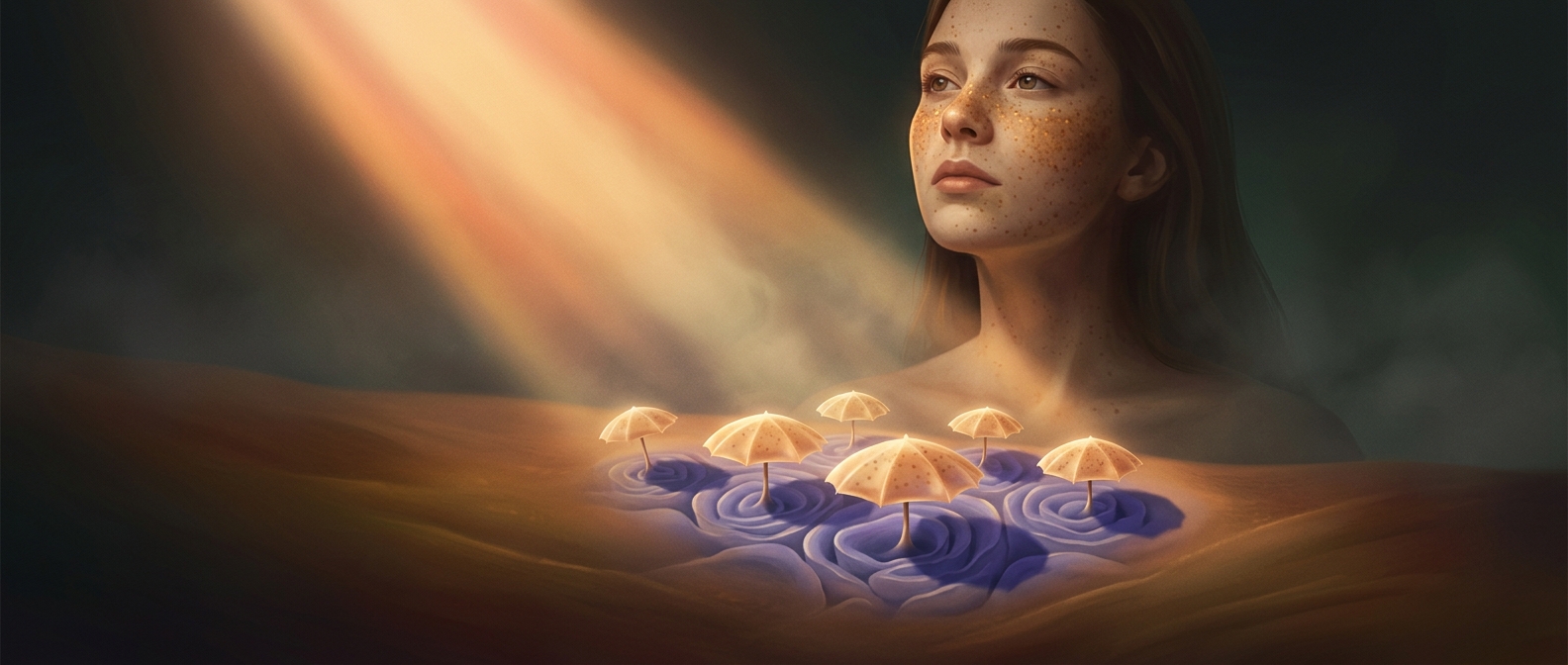
Why freckles appear in tiny clusters
Sunlight can prompt patches of skin to make extra melanin, the pigment that darkens skin. When that increase happens in small areas rather than evenly across…
Discover more
Talcum powder physically absorbs friction between skin folds
Fine powder particles settle between damp skin folds and reduce direct skin-on-skin contact. That makes them a dry lubricant: they help the surfaces slide…
Discover more STACKY FOR IPHONE
A bigger world.
One discovery
at a time.
Keep discovering with Stacky. Interesting facts in an app that is always within reach.
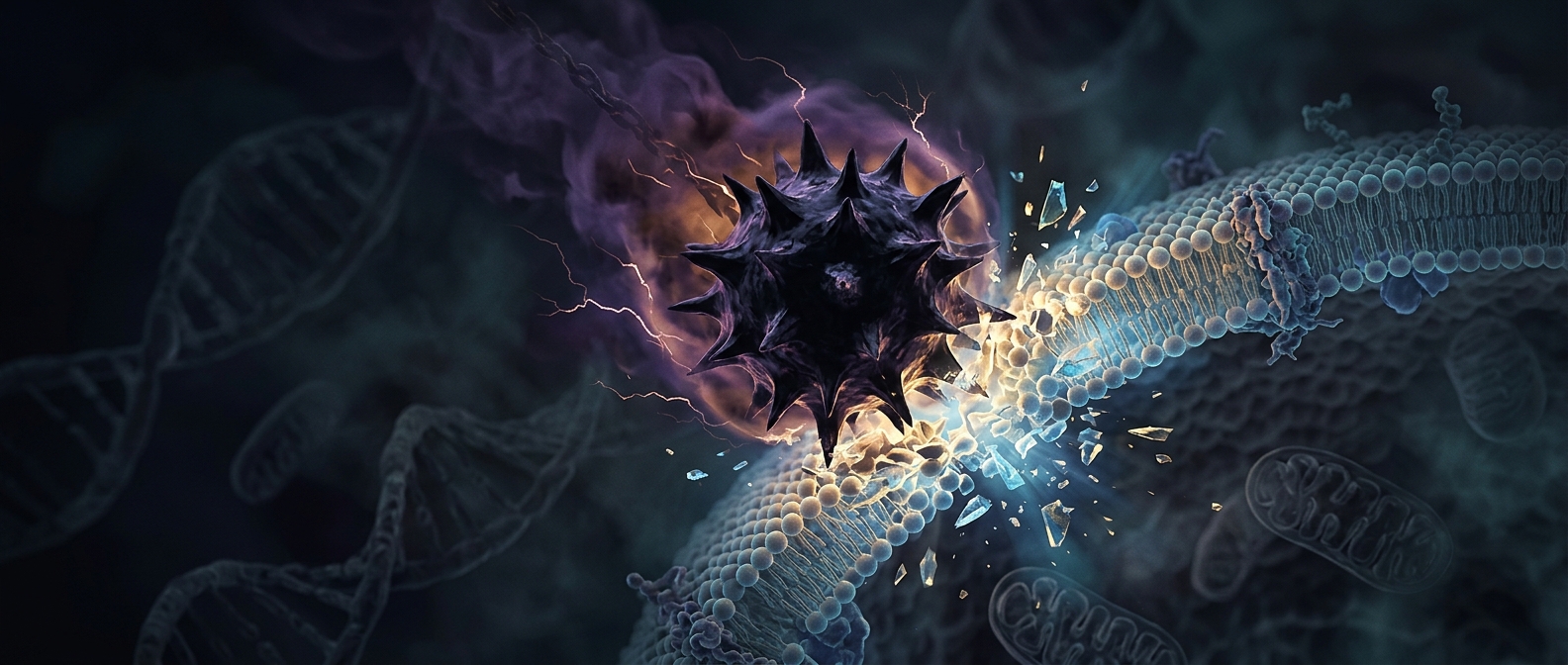
Free radicals are cellular wrecking balls
A free radical can take an electron from a nearby molecule, leaving that molecule more likely to react in turn. This chain of oxidative reactions can damage…
Discover more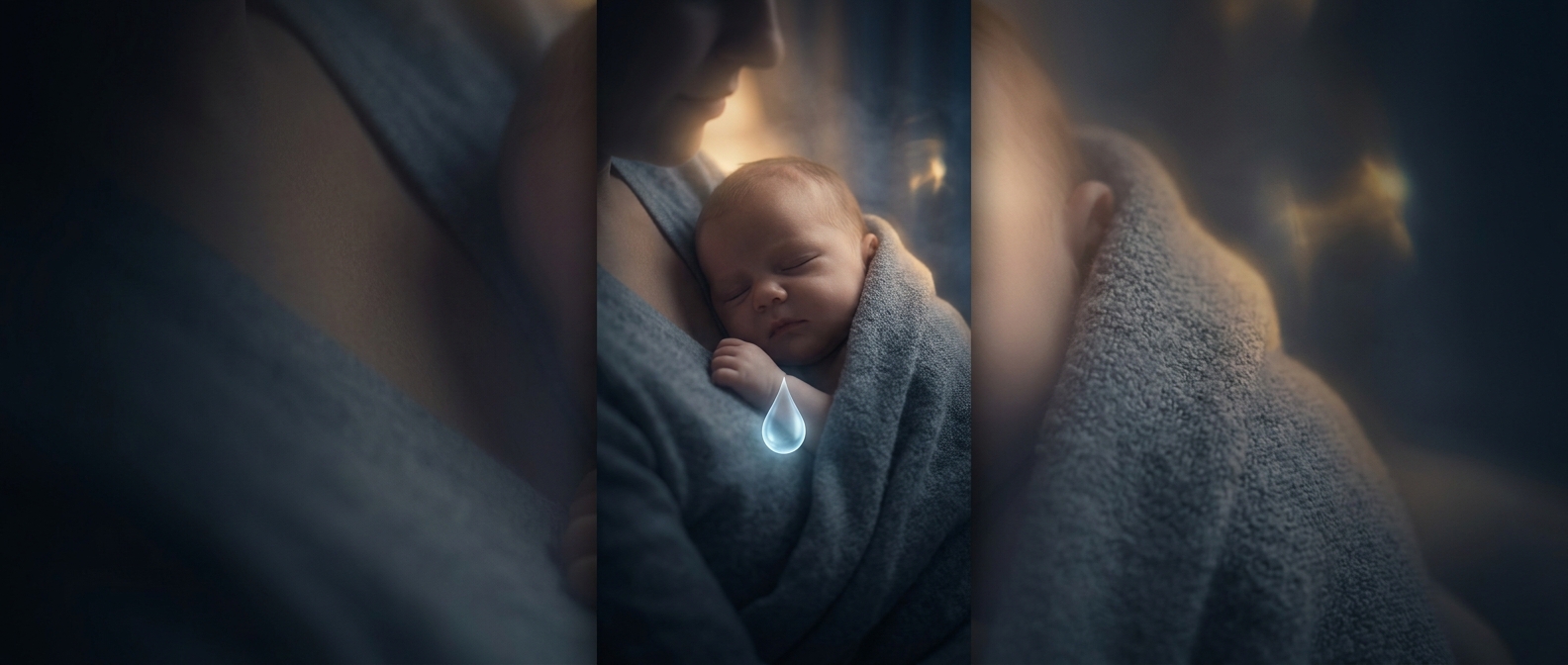
A newborn's crying can arrive before tearful cheeks
Early tears keep the eyes moist, but visible overflow during crying develops over the first weeks. The sound and facial expression do not need to wait for…
Discover more
Why reheating rice won't always make it safe
Bacillus cereus can leave heat-resistant spores behind when rice is cooked. Given time at room temperature, those spores can grow and produce toxins that may…
Discover more
Vaginal hymen acts as a residual embryological tissue fold
The hymen is a small fold of tissue left from embryonic development, not a barrier with a structural job. Its appearance varies, and it cannot reliably tell…
Discover more
Why a remarkable memory can still lose your keys
Remembering an object starts when you put it down. If your attention is on a message or the next task, that moment may never be strongly encoded. The problem…
Discover more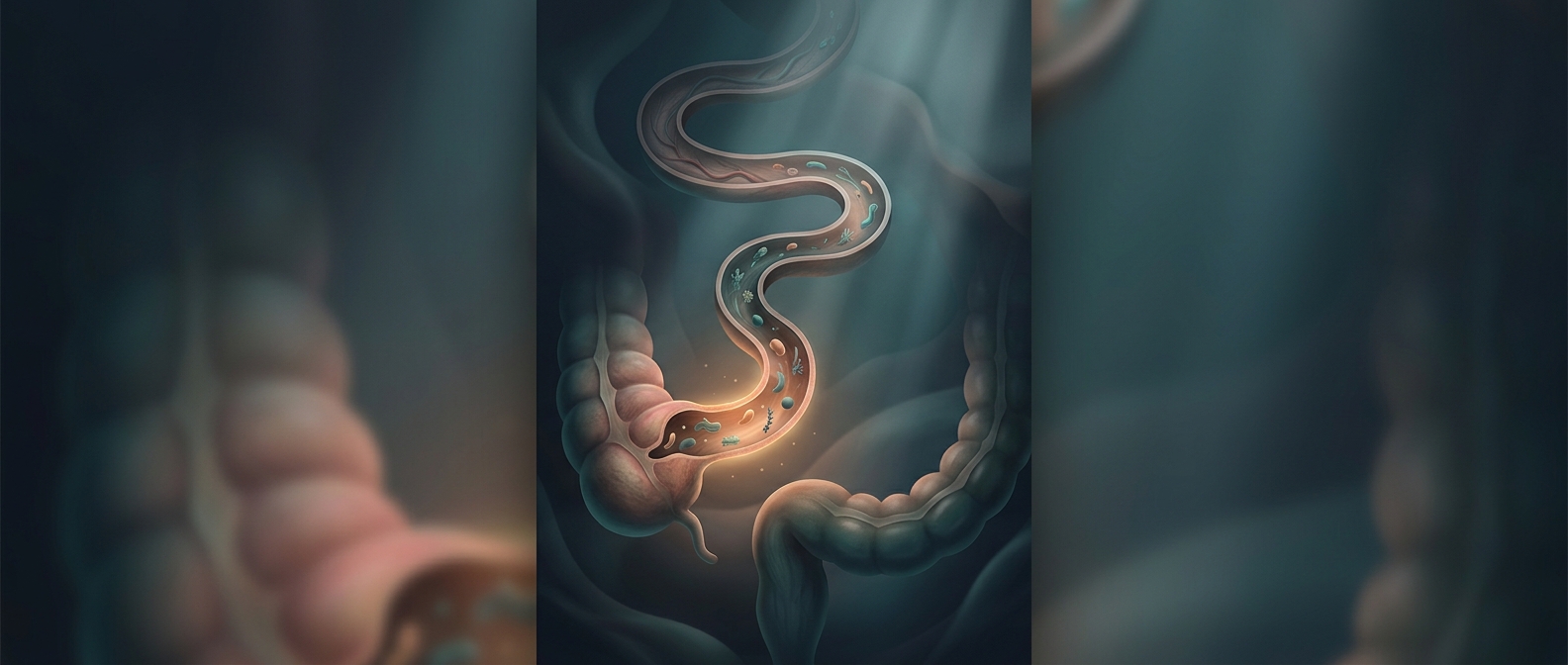
Ileum directly connects the small and large intestines
Food and other remaining contents pass through the ileum, the final section of the small intestine, and then cross into the large intestine. The ileum is the…
Discover more
A reading study found a survival gap that a bookshelf alone cannot explain
Researchers followed 3,635 older adults and found book readers had lower mortality during follow-up than nonreaders, even after adjusting for several…
Discover more
Muscle fibers come in slow and fast types
Slow muscle fibers can keep working for a long time, while fast fibers produce stronger, quicker bursts but tire sooner. The mix in a muscle helps shape…
Discover more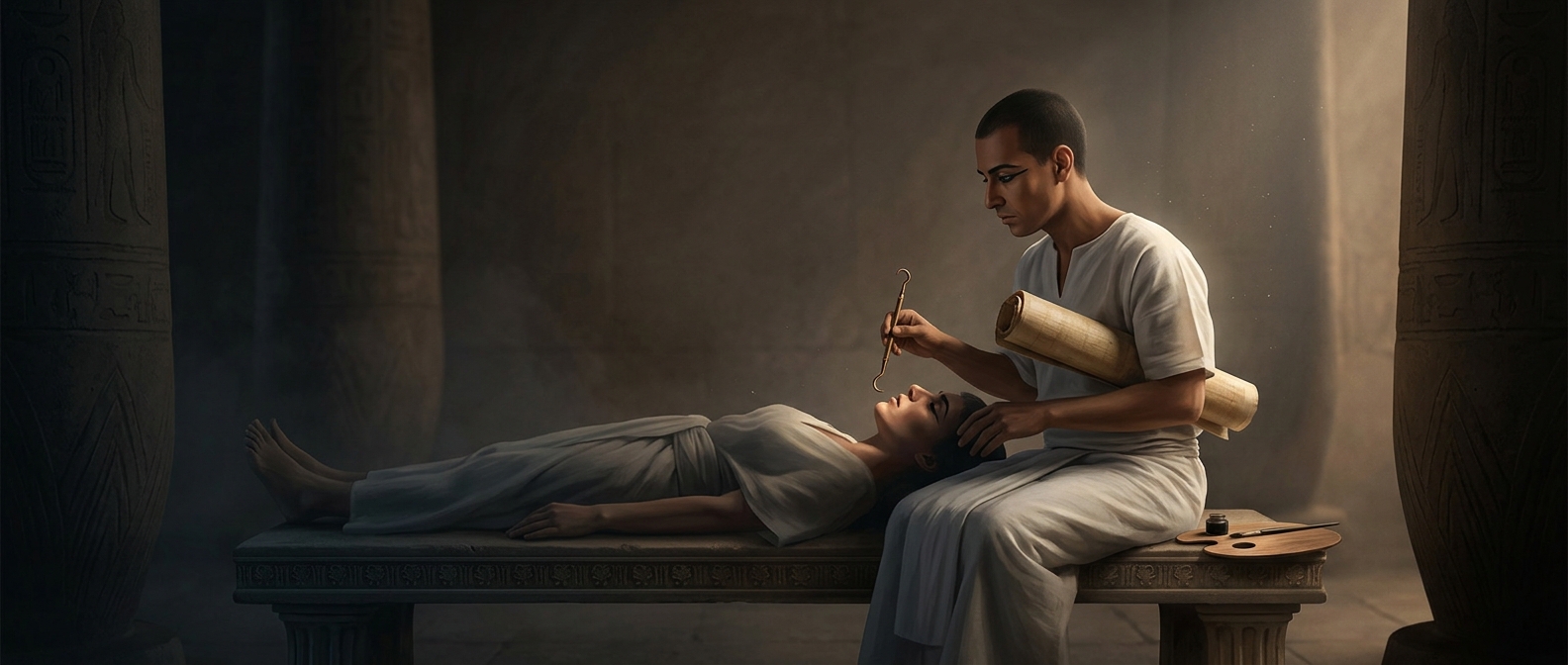
The first recorded dentist was an Egyptian scribe
More than 4,600 years ago, an Egyptian scribe’s tomb described him as the “Greatest of those who deal with teeth.” That inscription is why he is known as the…
Discover more
A dollar bill can carry traces of the people who handled it
Researchers studying New York banknotes found DNA from microbes associated with human skin and mouths, as well as food-related organisms. Some living microbes…
Discover more
Walking is a balancing act disguised as a simple habit
Moving a leg is only part of a step: muscles also support your weight, steady the pelvis, and control how your body moves over the planted foot. Different…
Discover more
The letters of a human genome fit on a thumb drive
One set of human chromosomes contains about three billion DNA letters. Store each as one byte of text and the sequence occupies roughly three gigabytes; more…
Discover more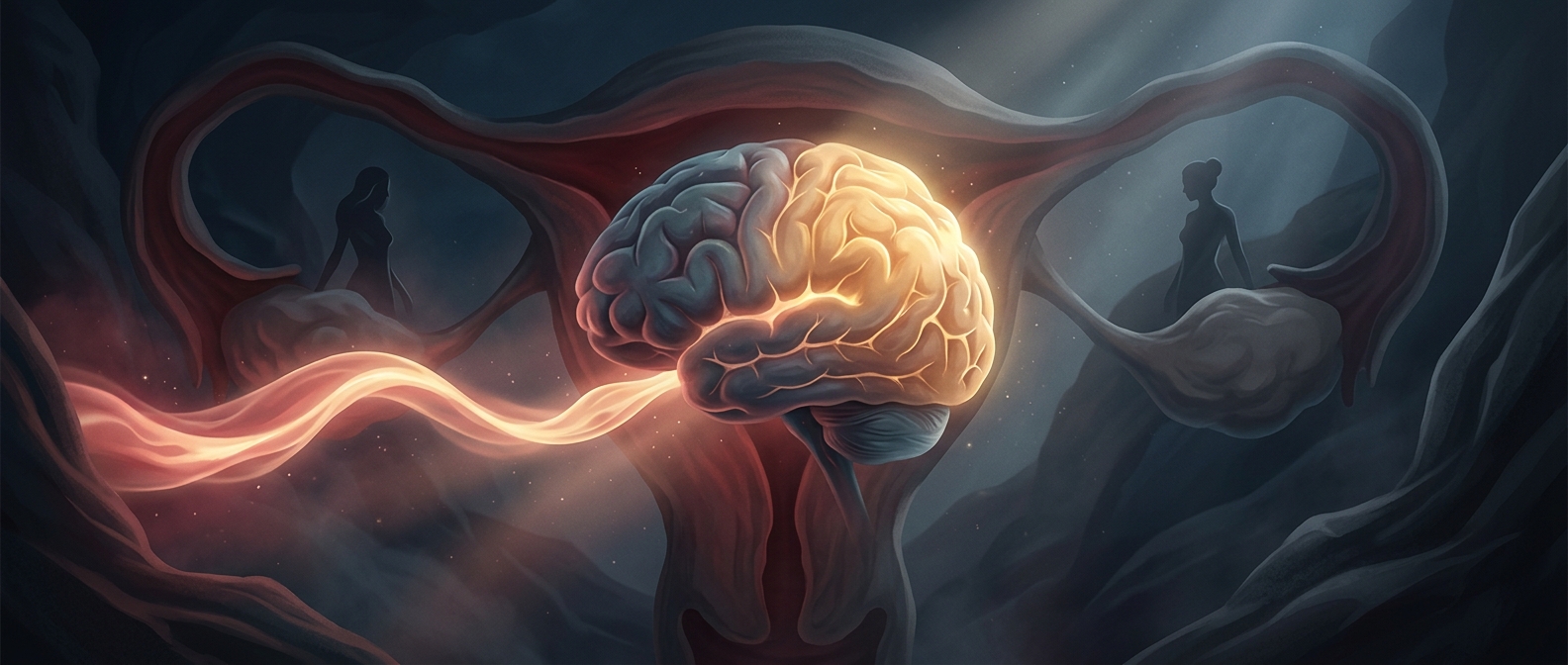
Your brain changes throughout the menstrual cycle
Hormone levels fluctuate across the cycle, and the brain responds: regions including the hippocampus and amygdala can change in volume. Those areas are…
Discover more
Older records describe a first sleep and a second sleep
Historian A. Roger Ekirch found repeated references to waking between two stretches of nighttime sleep, with time for conversation, prayer, or other quiet…
Discover more
Hydrogen is your most abundant atom by far
Most of the body's hydrogen is bound up in water and fat. Because hydrogen atoms are so light and plentiful in those molecules, they outnumber all the body's…
Discover more
Wind chill can't cool your car below the air temperature
Wind removes heat from warm skin faster, which is why exposed skin feels colder in a breeze. It can also cool a warm engine more quickly, but it does not…
Discover more
Why you shouldn't wash raw chicken
Water cannot sanitize raw chicken, and the force of rinsing can fling contaminated droplets onto nearby surfaces. The bird may leave the sink no safer, while…
Discover more
Your philtrum marks where your face fused together
Before birth, separate facial structures meet and fuse in the middle of the upper lip. The small groove left at that meeting point is your philtrum.
Discover more