Health
Discover facts about health. Small discoveries that change the way you see familiar things.
Health

Why holding in gas can raise your blood pressure
The intestine is sensitive to stretching, so trapped gas can act like a stress signal when it distends the gut. Your body may answer by raising heart rate and…
Discover more
Ventricular fibrillation makes the heart quiver uselessly
A normal heartbeat depends on an electrical signal that makes the heart chambers contract in order. In ventricular fibrillation, the signals scramble and the…
Discover more
Sleep deprivation can become fatal faster than starvation
Prolonged sleep loss can seriously disrupt brain function and the immune system, eventually putting the body’s organs under dangerous strain. Starvation…
Discover more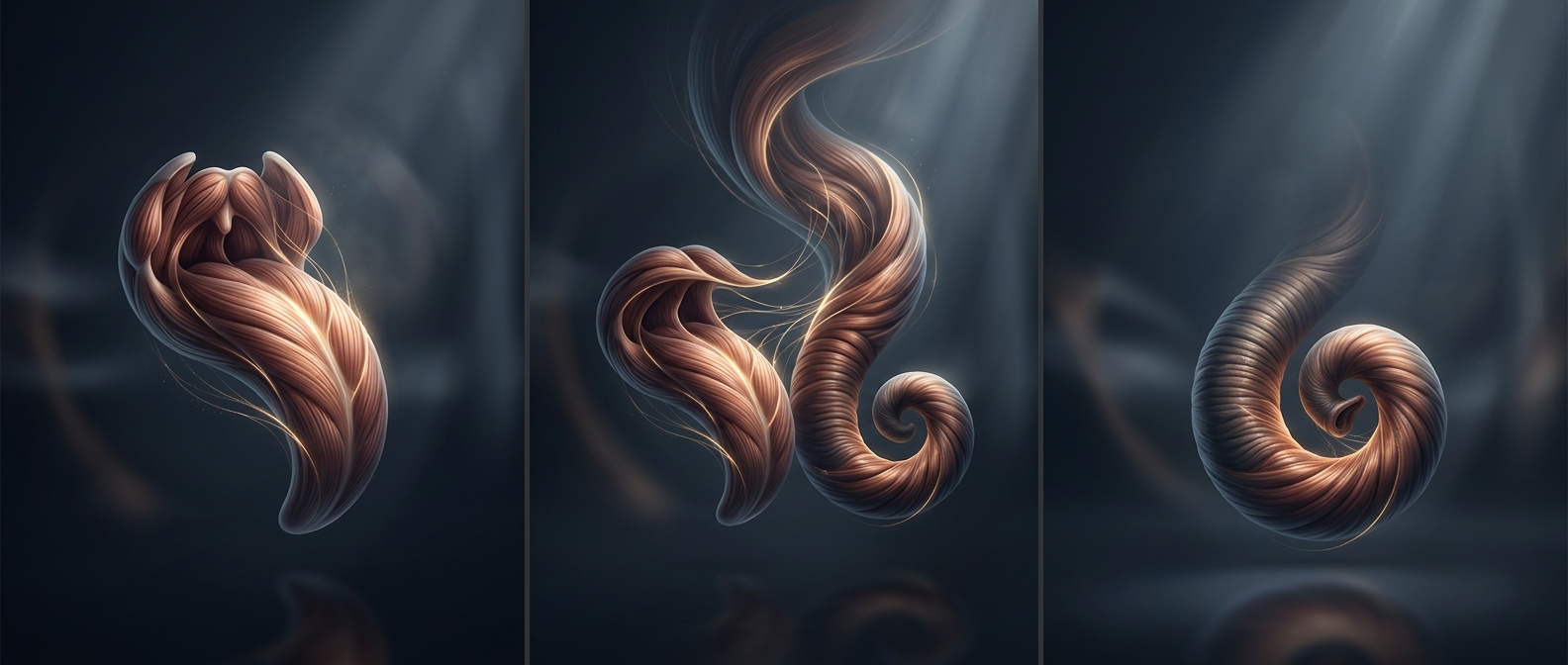
Your tongue works like an elephant's trunk
Your tongue changes shape through interwoven muscles rather than joints around a rigid skeleton. Shortening some fibers makes other dimensions expand, helping…
Discover more
A sealed can preserves food by solving two problems at once
Proper commercial processing destroys microorganisms, and the intact container prevents new contamination. That combination can keep suitable foods…
Discover more
Butter is a coating, not first aid for a burn
A greasy layer does not remove heat the way running water does and can interfere with caring for the injury. NHS guidance recommends cool running water for…
Discover more STACKY FOR IPHONE
A bigger world.
One discovery
at a time.
Keep discovering with Stacky. Interesting facts in an app that is always within reach.

Skin comprises exactly fifteen percent of total body weight
The skin's outer surface is just one layer of a larger organ, with substantial tissue underneath. Together, skin weighs roughly 15% of the body—far more than…
Discover more
Biliary gallstones form as solid cholesterol rocks
Bile normally keeps cholesterol mixed into digestive fluid, but if its chemical balance shifts, some cholesterol can come out of solution and form crystals.…
Discover more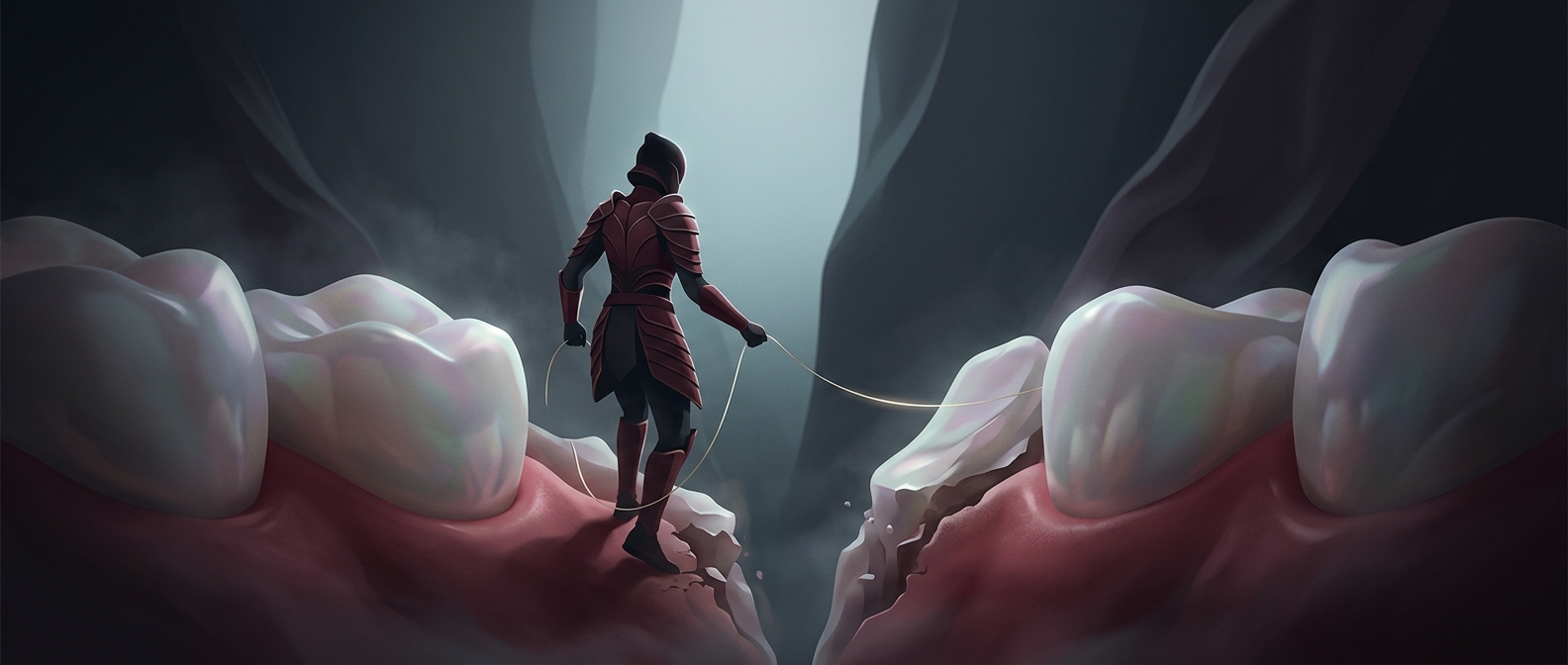
Flossing saves your gums from slow destruction
Without floss, plaque can remain on about 30% of your tooth surfaces—like vacuuming the middle of a room and leaving the corners untouched.
Discover more
Dehydration can starve kidneys of blood, not just water
A severe fluid shortage reduces circulation through the kidneys, depriving their tissues of the oxygen needed to work properly. Urine production falls, and…
Discover more
Can lip balm make your lips depend on it
Lip balm doesn’t switch off your lips’ ability to stay moist or make them biologically dependent. It forms a temporary barrier that helps limit moisture loss,…
Discover more
A detailed imaginary scene can occupy a sleepless mind
In a 2002 experiment with people who had insomnia, imagining an engaging scene helped participants fall asleep sooner than receiving no distraction…
Discover more
What the bumps around your nipples actually do
Each bump can release a little oil onto the skin around the nipple. That natural coating helps protect the delicate area from drying and cracking—more like…
Discover more
Slow wave rest exclusively consolidates memory storage
Some memories become more stable during deep, slow-wave sleep. The brain reactivates and reorganizes recent information, helping transfer some of it from…
Discover more
Why spicy food temporarily boosts your metabolism
Capsaicin, the compound that makes chili peppers feel hot, activates heat-sensing nerves. The body responds as if it needs to cool down, using a little extra…
Discover more
Golden blood can be precious—and difficult to replace
Rh-null blood lacks the Rh antigens normally found on red cells. It can help certain patients with exceptionally rare compatibility needs, but its donors face…
Discover more
Why collagen cream can't reach deep into your skin
The outer layer of skin is a barrier, and collagen molecules are too large to get through it. So a cream containing collagen mainly sits on the surface, where…
Discover more
Your body makes a liter of mucus a day
Mucus is a sticky filter lining your airways: it traps dust and debris, then tiny hairs help move it up toward the throat. Most of it ends up swallowed…
Discover more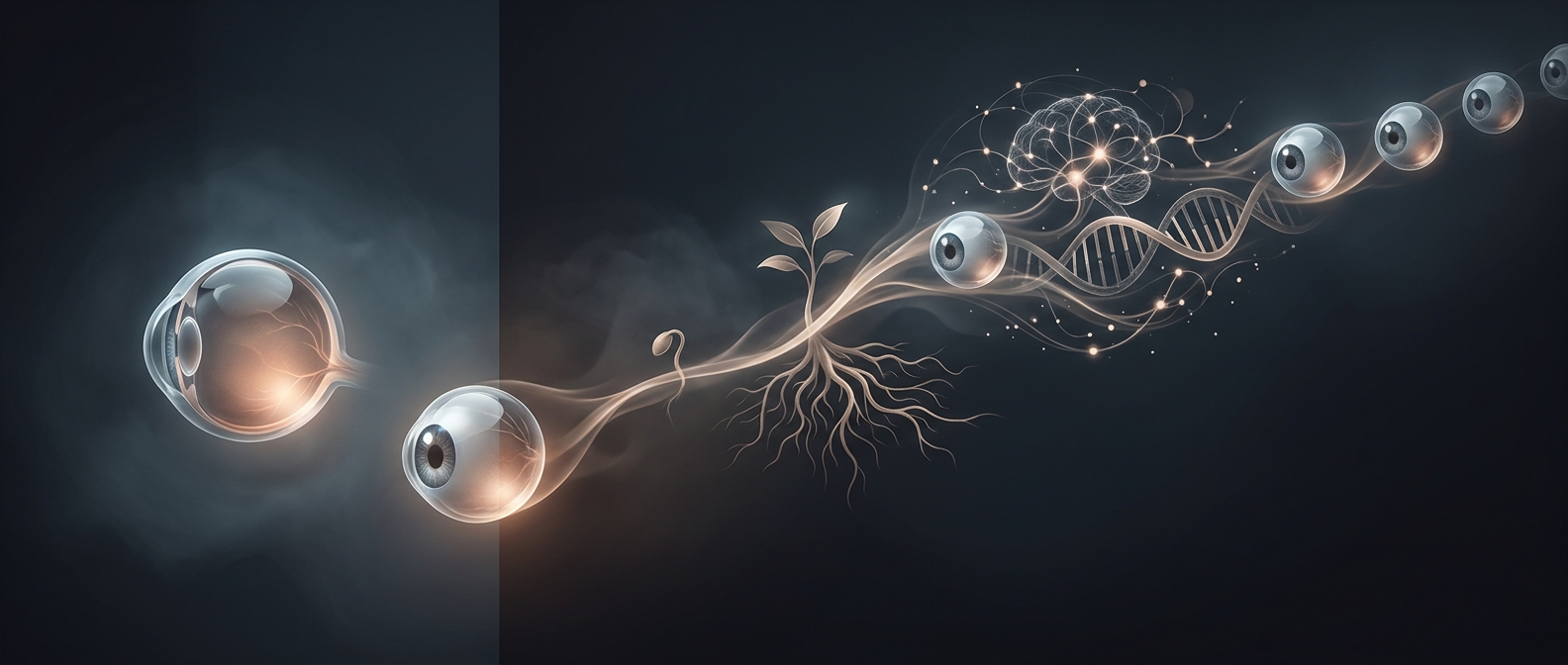
A baby's big-looking eyes still have growing to do
A newborn's eye is about 16.5 millimeters long, compared with roughly 24 millimeters in an adult. Much of the growth happens early in life, with another…
Discover more
Does extra body hair signal higher intelligence
Those surveys compared groups; they did not show that body hair makes anyone smarter or that intelligence causes thicker hair. A reported connection between…
Discover more
Your jaw can deliver a surprisingly powerful bite
When you bite down, the masseter muscles pull the jaw upward, pressing your molars together with substantial force. The jaw acts like a lever, so those…
Discover more
Your body contains about 7 octillion atoms
Atoms are so tiny that a body made of them adds up to roughly 7 octillion—7 followed by 27 zeros. It’s an almost comically large headcount for a person who…
Discover more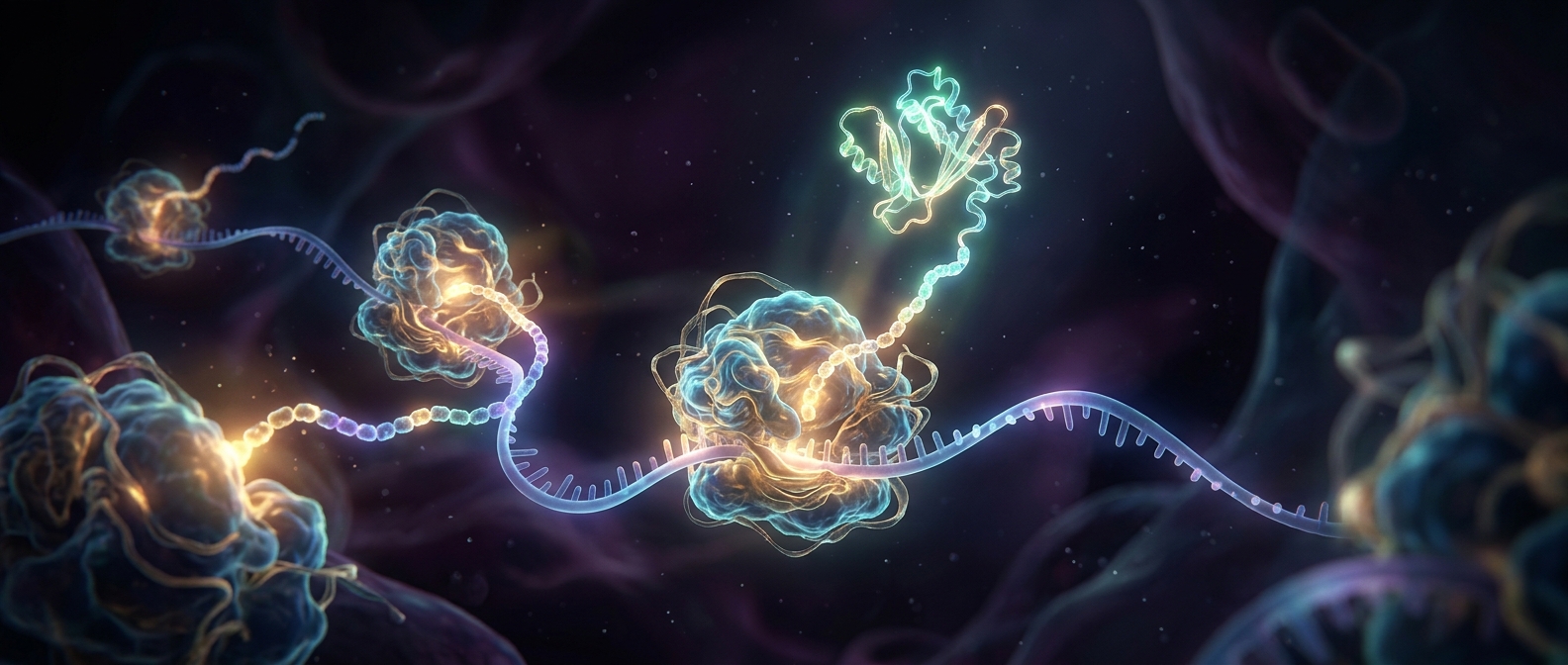
Cellular ribosomes function as microscopic protein makers
Think of a ribosome as a molecular sewing machine: it reads a genetic instruction and stitches amino acids together in the prescribed order. The resulting…
Discover more
Plantaris is known as the freshman nerve
Plantaris is a very thin, weak muscle in the calf, with a slender tendon that can look like a cord. To a first-year anatomy student sorting through unfamiliar…
Discover more