Health
Discover facts about health. Small discoveries that change the way you see familiar things.
Health

Opposable thumbs are an exceptionally rare anatomical trait
An opposable thumb can move across the palm to meet the fingertips. That lets you pinch and adjust small objects with more control than a grip that can only…
Discover more
Calcium ions are required for your muscles to contract properly
A rise in calcium inside a muscle cell exposes spots on muscle fibers where the contracting machinery can grab. With those spots available, the fibers pull…
Discover more
Why starving a fever is bad advice
During a fever, the body is working harder while it responds to infection. Choosing not to eat doesn’t switch off the illness—it can simply leave the body…
Discover more
Frozen vegetables may be fresher than fresh produce
Flash-freezing slows the changes that gradually drain nutrients from harvested vegetables. So a bag from the freezer can be as nutritious as produce labeled…
Discover more
Premolars smoothly combine the utility of canines and molars
A premolar sits between the pointed canine and the broad molar, so its shape can do a bit of both jobs. Its edges help tear food, while its wider surface…
Discover more
Your smallest blood vessels turn circulation into close-up delivery
Arteries branch into tiny capillaries that bring blood near the cells using its oxygen and nutrients. Their very thin walls let substances pass between blood…
Discover more STACKY FOR IPHONE
A bigger world.
One discovery
at a time.
Keep discovering with Stacky. Interesting facts in an app that is always within reach.

Flamingos owe their pink feathers to their diet
Flamingos digest carotenoid pigments from algae and brine shrimp, then deposit them in growing feathers. Their pink isn’t painted on by the water; it comes…
Discover more
Why your veins look blue when blood is red
Blood in your veins is red, but you view it through skin that scatters and absorbs light. The light returning to your eyes makes some veins look blue; the…
Discover more
Why screens can keep your brain in daytime mode
Blue light from screens can suppress melatonin release, making the body’s sleep-wake clock treat late night more like daytime. When the eyes detect bright,…
Discover more
Why MSG panic survived despite its everyday sources
The fear grew from a 1968 anecdotal letter linking MSG to headaches, a claim that lacked scientific evidence, and was amplified by xenophobia. MSG also occurs…
Discover more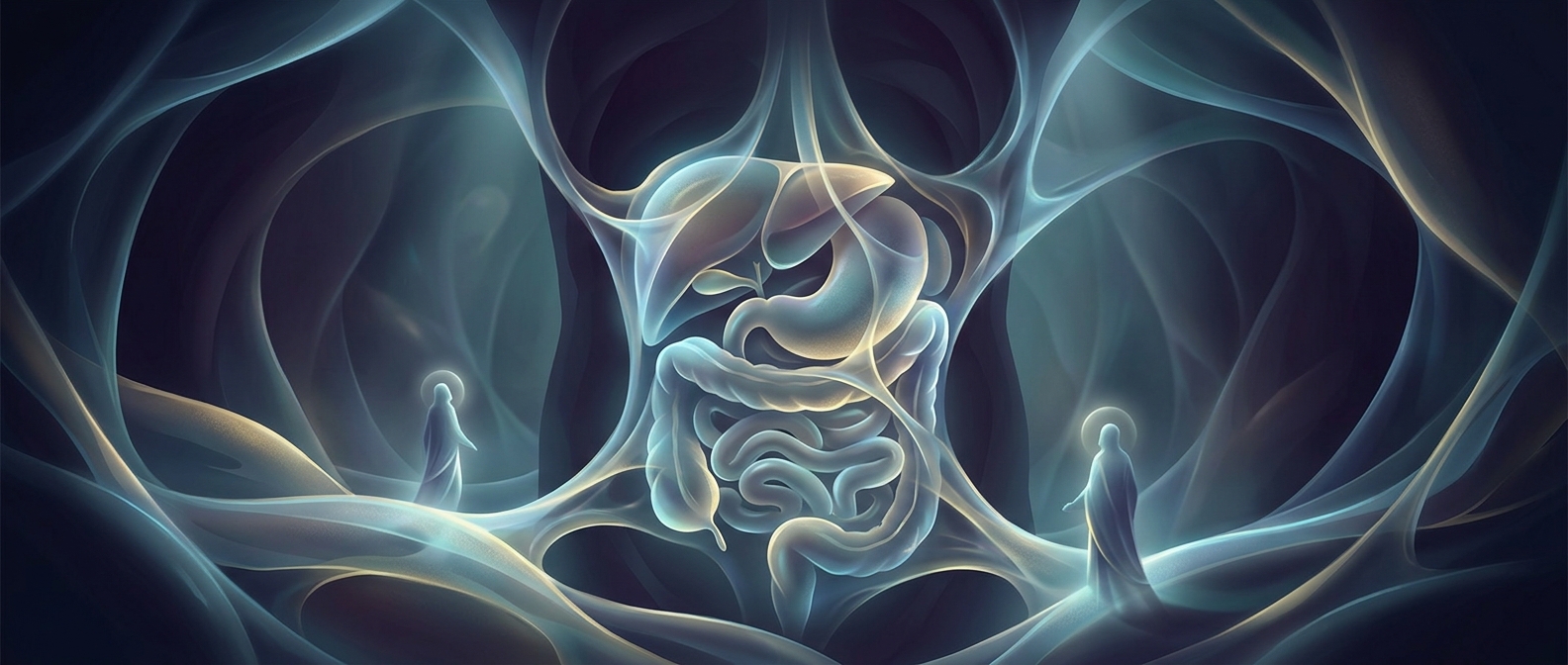
A slick membrane lines your abdomen so your organs can move without rubbing
Many abdominal organs are wrapped in a continuous membrane called the peritoneum. The membrane’s slick surfaces reduce friction, so organs can shift as you…
Discover more
Why most of your dreams vanish within minutes
During sleep, the brain is not laying down every dream as a durable memory. After waking, the stream of new information takes over, and what you do not recall…
Discover more
Your senses begin as electrical signals
A sensory cell changes a physical event—such as light hitting the eye or pressure on the skin—into an electrical signal. Neurons pass that message to the…
Discover more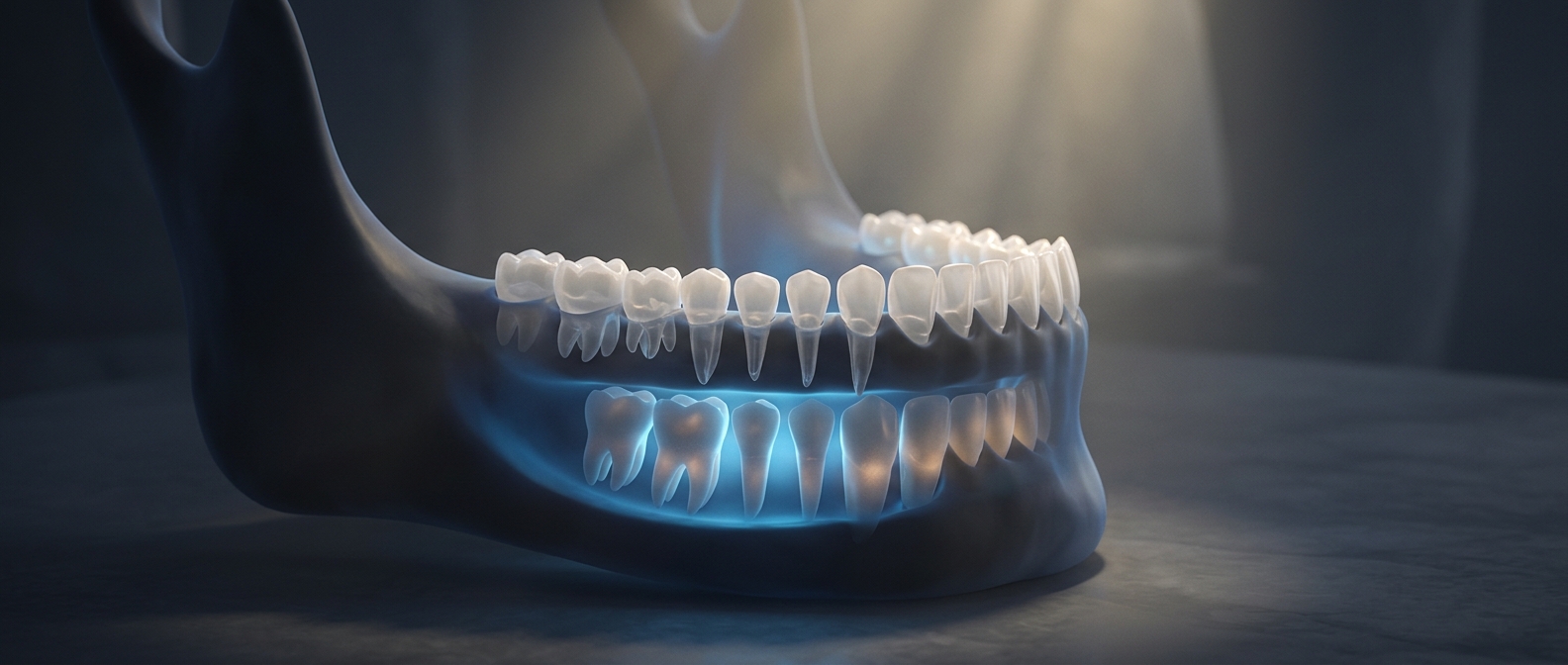
Primary teeth physically reserve structural space in the jaw
Baby teeth are temporary, but the spaces they hold are not. They keep nearby teeth from sliding into the gaps while permanent teeth develop underneath,…
Discover more
Why red hair resists dye
The pigment in natural red hair can resist both removal and coverage, making artificial color less predictable. A dye job is not coloring a blank canvas; the…
Discover more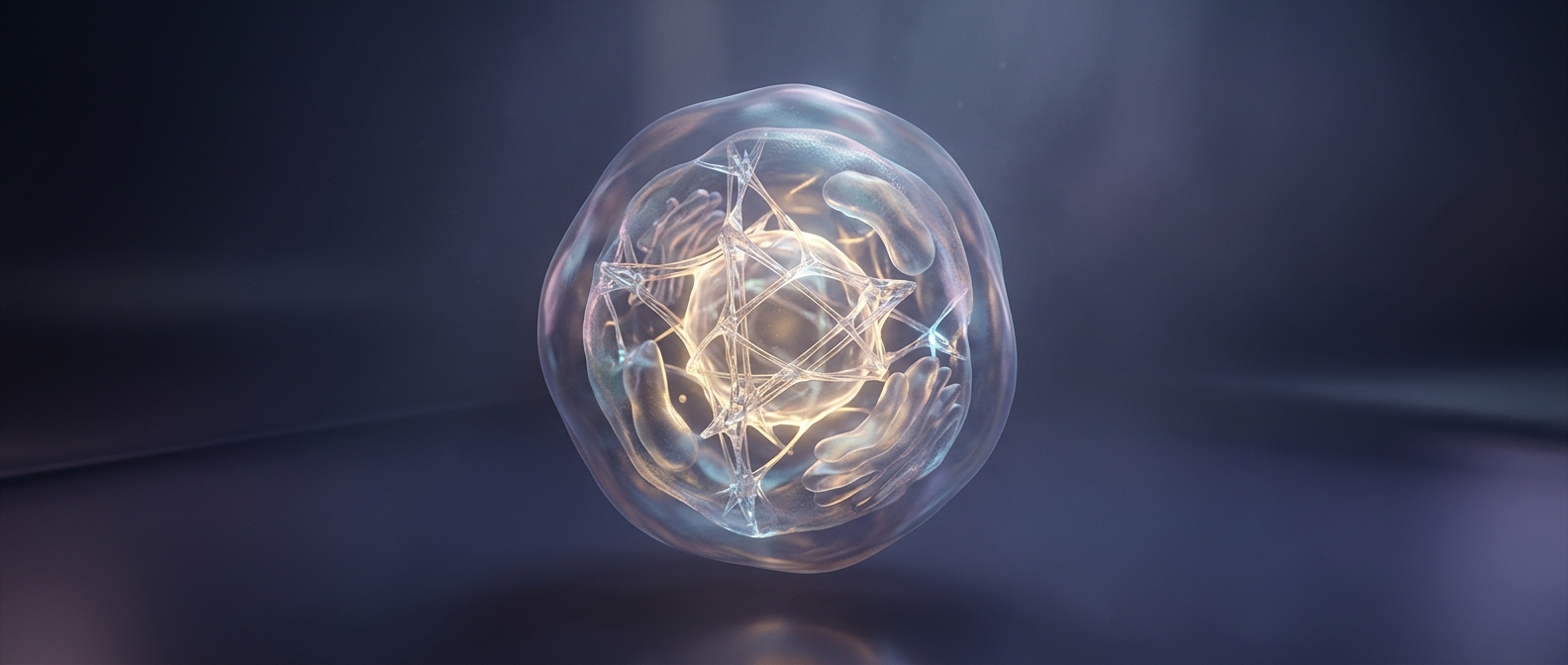
The microscopic scaffolding holding your cells together
Inside a cell, protein tubes form a changeable framework and pathways for cargo. Tiny motor proteins can carry materials along those tracks, so the…
Discover more
Why more muscle can mean a faster metabolism
Muscle uses energy even when you are resting, because its cells are always maintaining themselves. More lean muscle therefore nudges resting energy use…
Discover more
Brief explosive noises cause instant acoustic trauma
A nearby firecracker can send an intense pressure wave into the inner ear, where delicate hair cells help turn sound into nerve signals. The blast can shear…
Discover more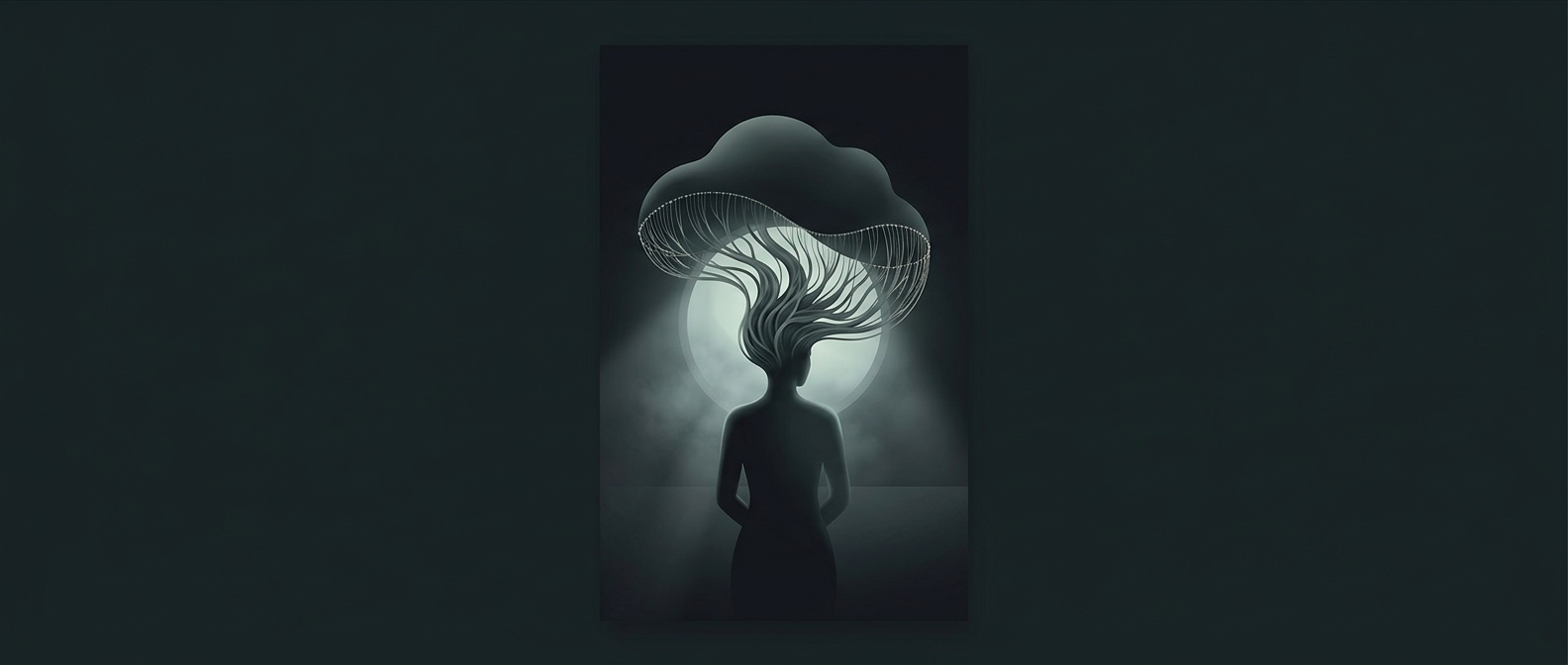
Arm hair stops early because its growth phase is short
A follicle alternates between growth, transition, and rest before a hair is shed. Arm hairs spend much less time growing than scalp hairs, so they rarely…
Discover more
Your mouth contains several microbial neighborhoods
Teeth, tongue and gums offer different surfaces and conditions, so they do not host identical communities. Researchers have identified hundreds of bacterial…
Discover more
Transverse colon crosses the entire abdomen horizontally
The transverse colon runs from one side of the abdomen to the other, carrying digestive contents between neighboring sections of the large intestine. It is…
Discover more
Why travel can upset your immune system
Travel changes both what you encounter and how your body is coping: unfamiliar microbes may expose you to infection, while transit stress can unsettle…
Discover more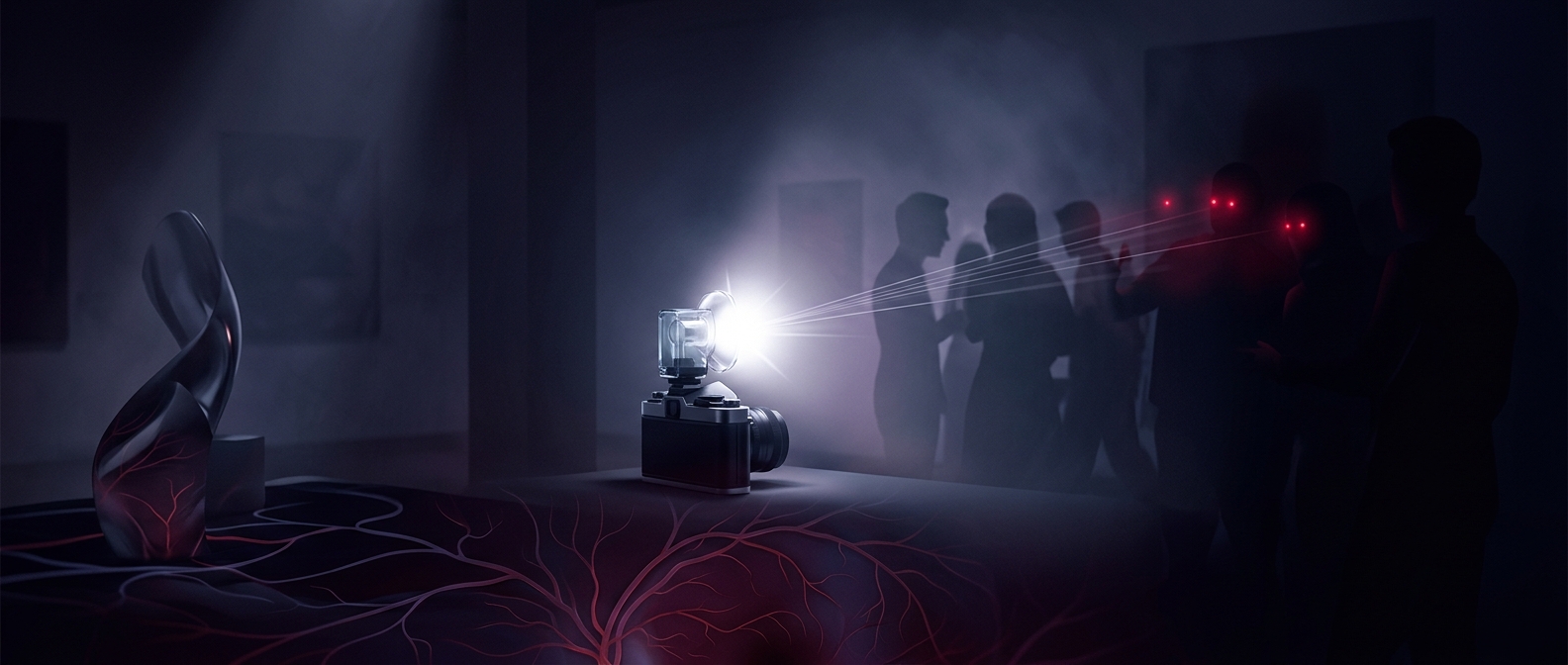
Why camera flashes make your eyes glow red
In a dark room, your pupils are wide, so a camera flash can travel through them and reflect off the blood-rich retina at the back of the eye. Some of that red…
Discover more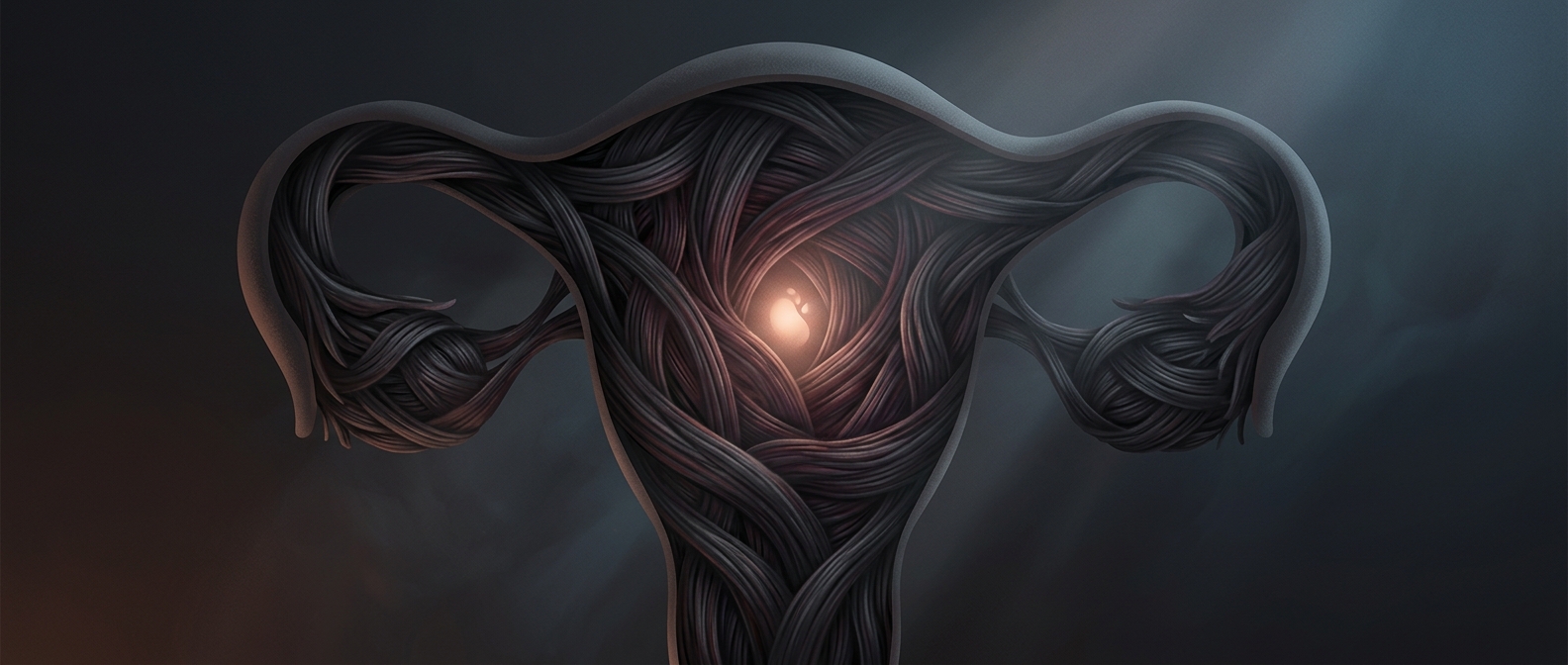
Myometrium consists of incredibly dense muscular tissue
The myometrium is the thick muscle layer in the wall of the uterus. During labor, it tightens in waves, squeezing the uterus and helping push the fetus toward…
Discover more