The world is more interesting than you think.
Unexpected facts, big ideas, and little discoveries. Find something that sparks your curiosity today.
A little more wonder
Car culture wasn’t born in showrooms but backyards: teenagers in 1950s America modifying engines, painting flames, and parading their creations.
The heart of car culture didn’t pulse in polished dealerships—it thumped in cluttered garages and driveways during the 1950s. Teenagers grabbed old engines,…
Discover more
African Folklore Holds Sacred Woodlands As Places Where Ancestors Still Speak When Wind Crosses Trees
In some African traditions, rustling leaves in sacred groves are understood as ancestral voices carried by the wind, making the woodland a place of ongoing…
Discover more
A mining truck makes its cab look like a balcony
Everything is scaled around moving enormous loads: huge tires, a tall chassis, and a cargo bed that dwarfs the driver. The empty vehicle must already be…
Discover more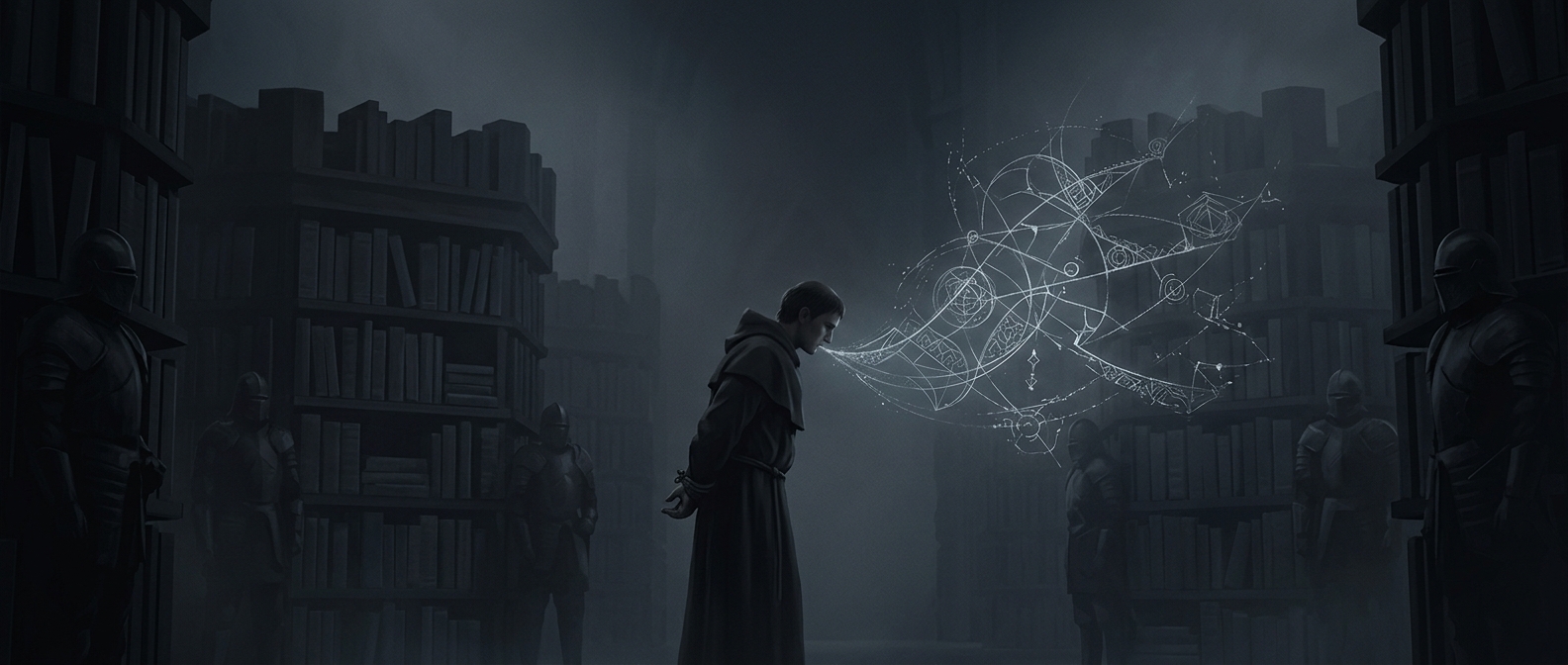
When authorities put ideas on trial
When authorities feared an idea could weaken religious or political power, they could put its advocates on trial for heresy. Punishing thinkers was a way to…
Discover more
Caribbean Omens Warn Of Black Dogs Guarding Crossroads And Staring Until Travelers Forget Their Names
In some Caribbean folklore, black dogs guard crossroads at night, and meeting their gaze is said to make travelers forget even their own names.
Discover more
The strange evolution of laptops and screens
The shift is less about speed than shape: prototypes have explored transparent laptops, while foldable screens bend instead of staying rigid. Those designs…
Discover more STACKY FOR IPHONE
A bigger world.
One discovery
at a time.
Keep discovering with Stacky. Interesting facts in an app that is always within reach.
Until the late 1800s in England, suicide wasn’t just tragedy—it was a crime.
It’s astonishing to imagine grief sharpened into punishment. In England, for centuries, a person’s final despair was branded as criminal, with their family…
Discover moreAttention is less like a spotlight and more like a hungry animal—whatever you feed it regularly becomes its craving.
Attention works like a puppy—you feed it treats, and soon it chases them on its own. Each repeated action, like checking your phone in idle moments, plants a…
Discover moreSuffragettes chained themselves to fences, smashed windows, and staged hunger strikes—not just peaceful petitions.
When we picture the road to women’s voting rights, it’s tempting to imagine polite requests and tidy marches. The truth was far stormier. Suffragettes shook…
Discover moreBefore cell phones, people tried ‘pager watches’ in the 1980s—a wrist device that beeped specific messages.
In the flashy 1980s, people strapped little beeping gadgets to their wrists called pager watches. These curious devices flashed codes and short messages, long…
Discover more
Why retirement now requires more than a pension
With fewer pensions, retirement income may have to come from several places at once: rent from property, stock dividends, or side work. One guaranteed check…
Discover moreEarlier this fall, a bizarre bug turned an enemy boss into an ally dog in a popular RPG.
Errors aren’t always mistakes—they can be gateways to magic. This fall, a glitch transformed a terrifying boss into a loyal tail-wagging dog, turning battles…
Discover moreThroughout West Africa, iron nails hammered into statues called nkisi were believed to trap enemies’ spirits.
Imagine a statue that doesn’t just sit quietly on display, but one that once served as a vault for human emotions—anger, revenge, protection, and fear. The…
Discover moreIn medieval Europe, some cities banned throwing banana peels, rotten food, or chamber pot waste out the windows after people slipped to death on dirty streets.
Picture a medieval street: pigs rooting through garbage, chamber pot waste dripping from second‑floor windows, and every step a hazardous gamble. The problem…
Discover moreIn ancient Sparta, teenagers were sent into the wilderness alone with a knife, expected to steal and survive as proof of grit.
For a Spartan teenager, survival was a final exam—with no classroom walls, only forests and shadows. Armed with a knife and their own cunning, they learned to…
Discover moreFirst car race in 1895 wasn’t about speed—it was about not breaking down.
Today’s races boast sleek machines battling at breakneck speed, but the very first organized car race in 1895 resembled more a trial of endurance than of…
Discover moreGrocery stores in some cities now run cashier‑less: sensors, cameras, and AI track what you grab and charge your card when you leave.
Walking out of a store with a basket of food and no checkout line feels like you’ve just performed a heist in plain sight. But it isn’t magic—it’s an…
Discover moreTea bags were created entirely by accident when a merchant shipped tea in small silk bags and customers assumed they were meant to be dunked, sparking a global invention that…
One curious misunderstanding can change the way the world sips its tea. In the early 1900s, an American merchant sent out samples tucked into dainty little…
Discover more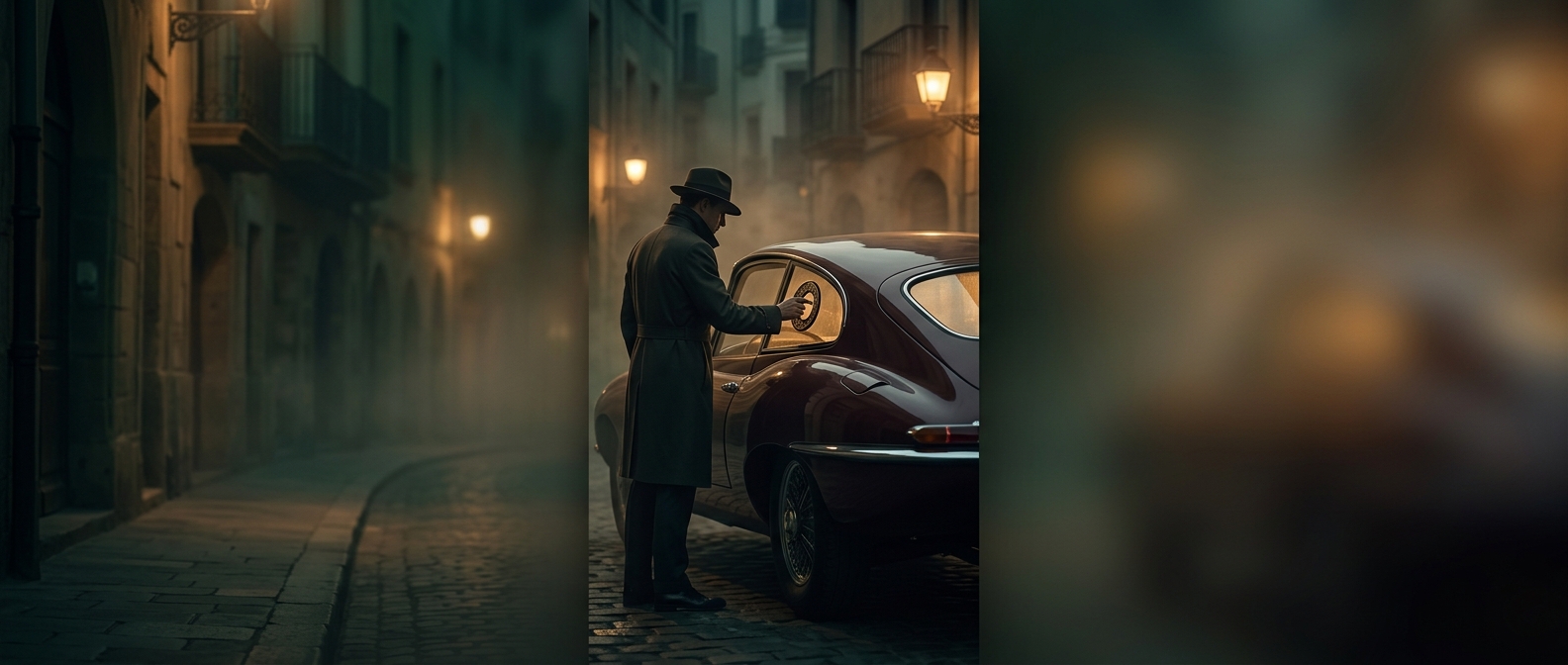
Why do cars have those tiny triangular windows
That little fixed triangle fills the gap beside the windshield and gives the driver a clearer view near the mirror. In older cars, it also swung open to send…
Discover more
Why pressure can make skilled people freeze
A high-stakes moment gives your mind two jobs: do the skill and worry about what happens if you fail. That worry uses the same limited attention the task…
Discover more
How bananas cross oceans while you sleep
Bananas are picked green, then shipped in refrigerated holds that slow ripening. They cross the ocean while the fruit’s internal clock ticks at a crawl,…
Discover more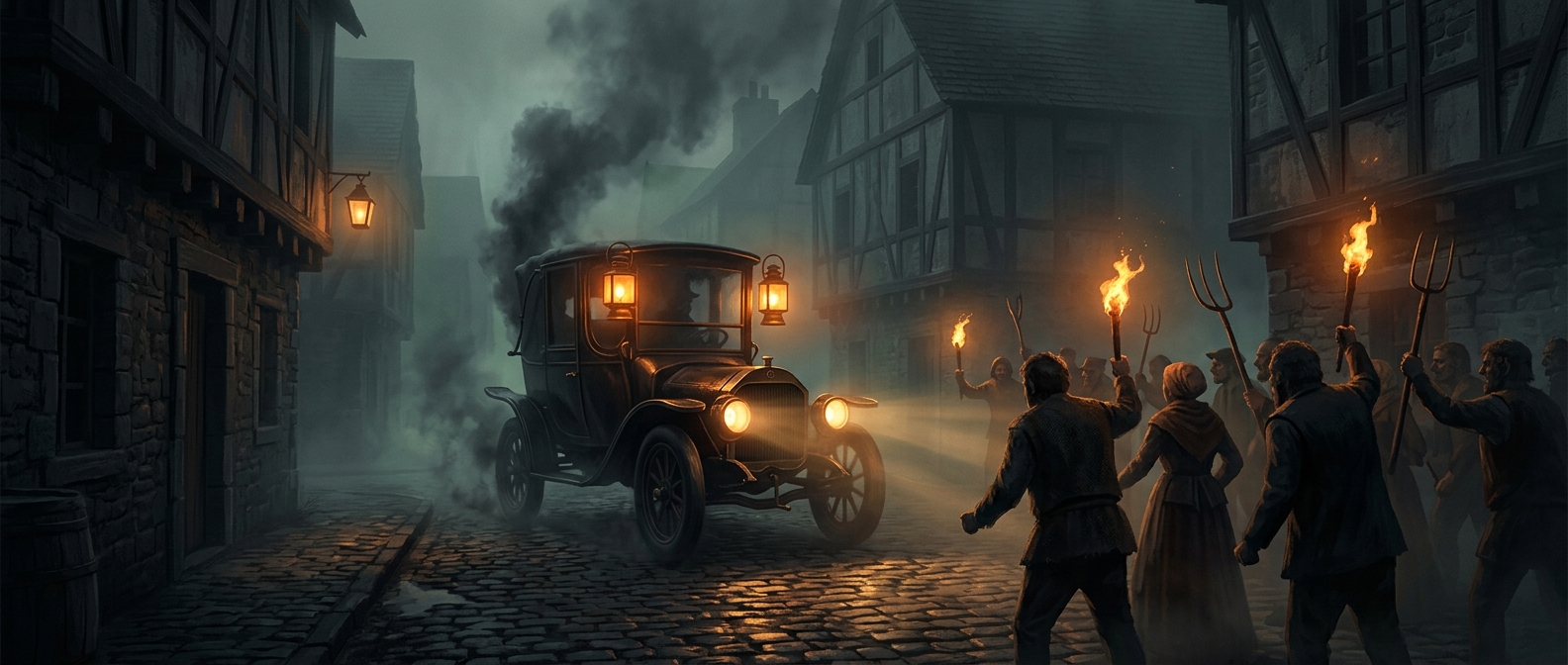
When cars were treated like dangerous beasts
Early motorcars were loud and unfamiliar, and their noise spooked horses, so some laws made them crawl behind a person waving a red flag. Within decades, the…
Discover more
The hidden patterns mathematicians see in prime numbers
Imagine publishing the result of multiplying two enormous prime numbers while keeping the primes themselves secret. Anyone can use the public number to help…
Discover more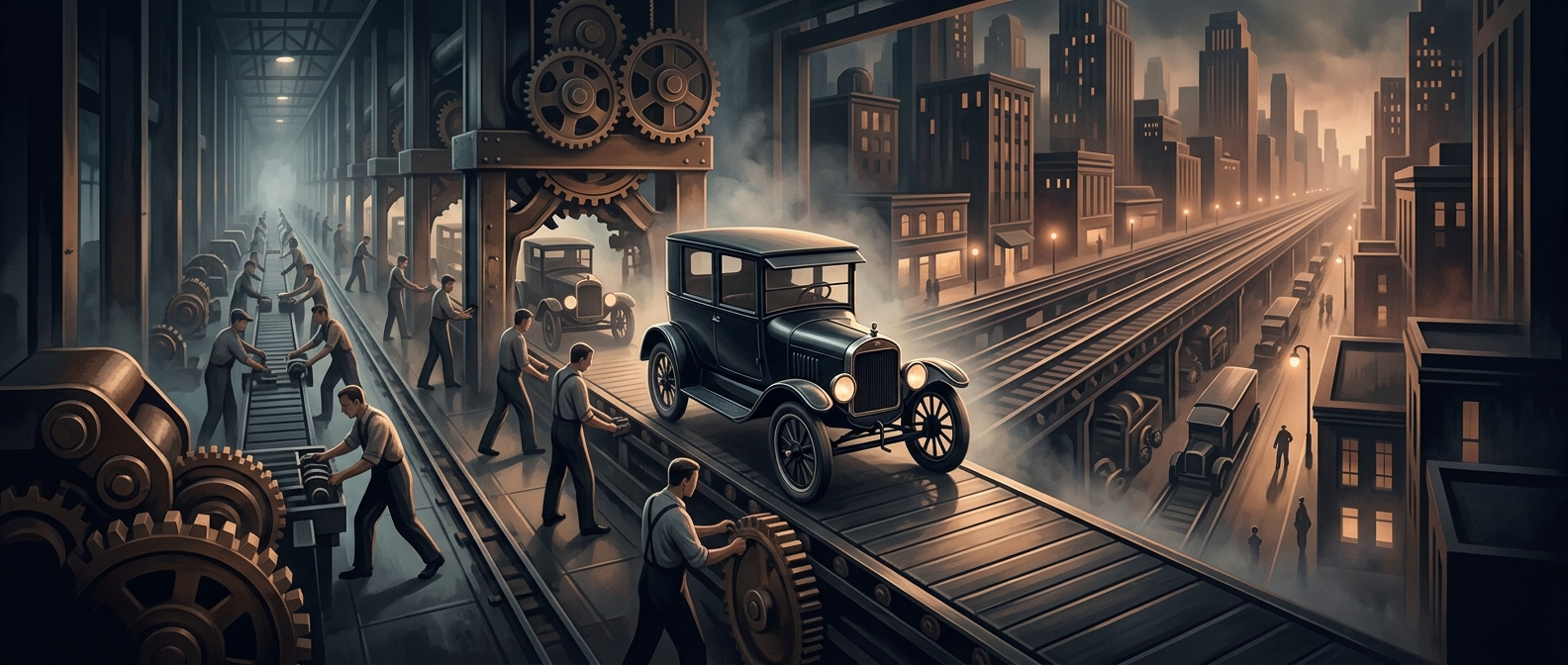
The Model T helped move ordinary life farther apart
Mass production lowered the car's price and widened access to personal transport. Homes, jobs, and shops no longer had to sit within the same walking radius.…
Discover more