Economy
Discover facts about economy. Small discoveries that change the way you see familiar things.
Economy

The US stopped making circulating pennies after their cost far exceeded one cent.
The US stopped making circulating pennies after their cost far exceeded one cent. The Mint cited a production cost of 3.69 cents per penny when explaining the…
Discover more
When workers were paid in vodka
When the Soviet Union collapsed and the economy buckled, some employers could not pay wages in ordinary money. Workers instead went home with goods—including…
Discover more
Airline miles are a product sold to banks, not just a gift for frequent flyers.
Airline miles are a product sold to banks, not just a gift for frequent flyers. Credit-card partners buy miles to award customers, giving airlines revenue…
Discover more
Unused Starbucks balances become a line in its revenue.
Unused Starbucks balances become a line in its revenue. When some prepaid value is expected never to be redeemed, Starbucks recognizes 'breakage' under its…
Discover more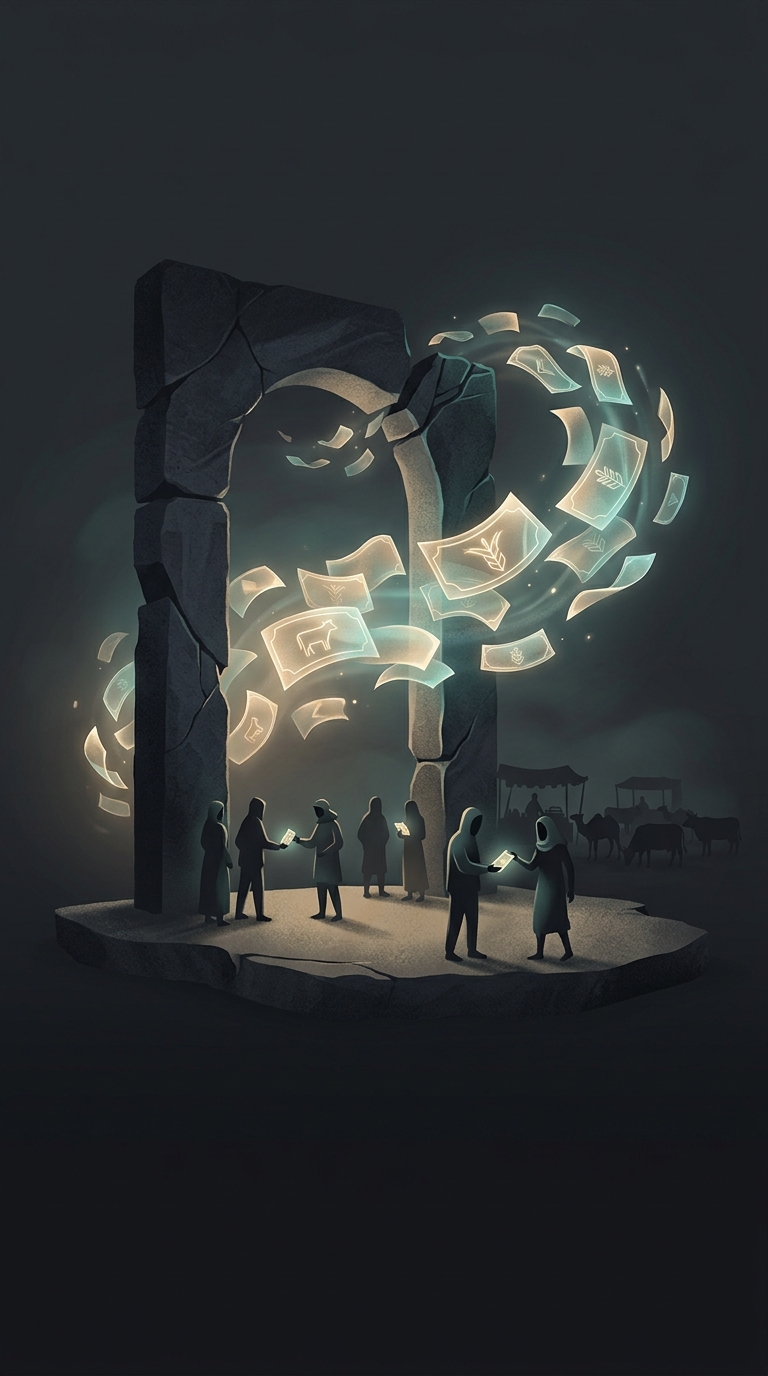
Counterfeit shillings became usable money in Somalia.
Counterfeit shillings became usable money in Somalia. After state collapse disrupted official currency issuance, unofficial notes continued to circulate…
Discover more
The credit-card experiment that dropped 60,000 cards
People in Fresno didn’t have to apply: in 1958, Bank of America mailed 60,000 credit cards to them unsolicited. The rollout brought fraud and missed bills,…
Discover more STACKY FOR IPHONE
A bigger world.
One discovery
at a time.
Keep discovering with Stacky. Interesting facts in an app that is always within reach.

The US central bank sets rates independently
The president chooses the Fed’s board, but Congress doesn’t have to approve each interest-rate decision. That leaves monetary policy in the central bank’s…
Discover more
Internal Revenue Service tax code is currently over nine million words long, which makes it about eight times longer than the entire Harry Potter series combined.
Internal Revenue Service tax code is currently over nine million words long, which makes it about eight times longer than the entire Harry Potter series…
Discover more
Gym members paid more for the workouts they imagined doing.
Gym members paid more for the workouts they imagined doing. A study of 7,752 members at three U.S. health clubs found that monthly-plan users attended only…
Discover more
Even a nuclear apocalypse can't stop the taxman
The Internal Revenue Manual sets a deadline of 30 days after a catastrophic nuclear strike to resume tax assessments and collections. The plan puts the tax…
Discover more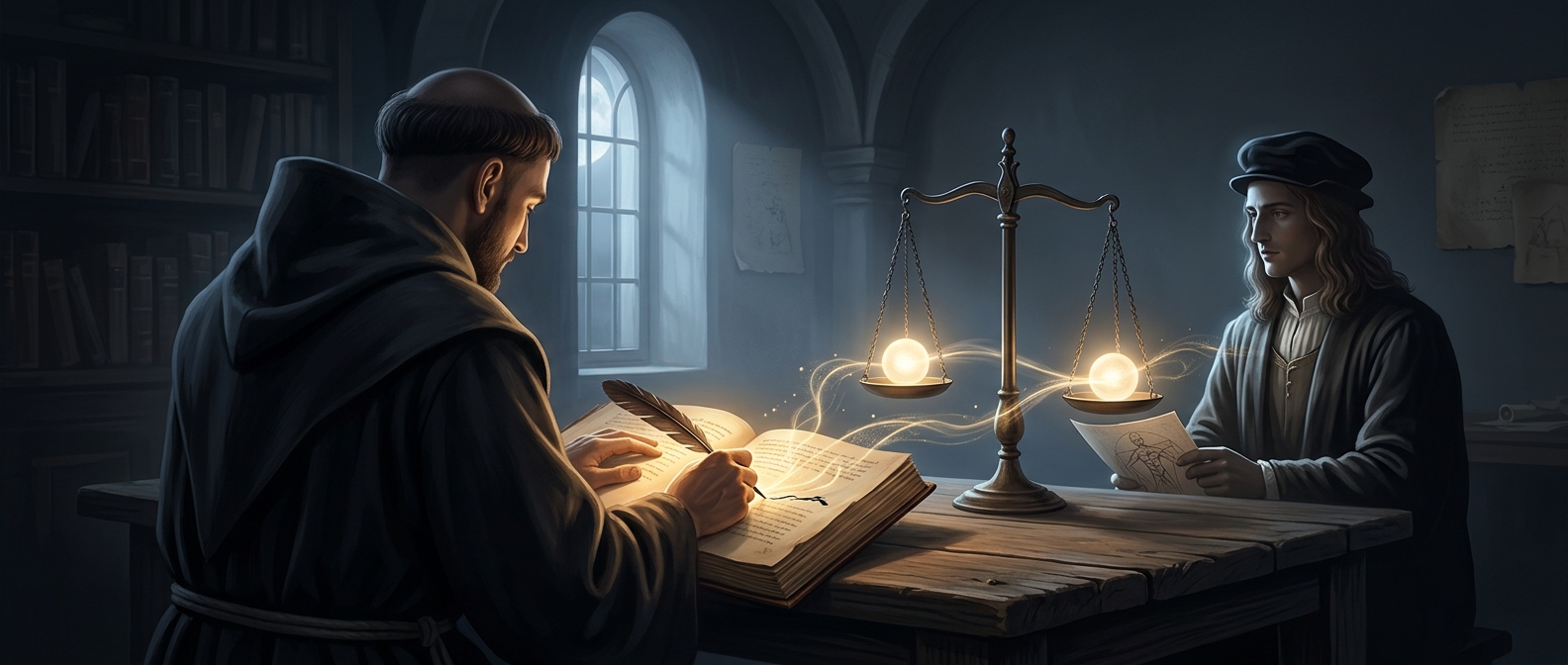
A Renaissance book helped spread double-entry bookkeeping
In 1494, Luca Pacioli published an influential explanation of the method already used by merchants. Each transaction appears in balancing entries, making the…
Discover more
Spain once threw platinum away as worthless silver
The miners couldn’t easily melt platinum: it takes higher temperatures than silver. So Spanish miners treated it as an irritating impurity and threw it away…
Discover more
Iceland once counted wealth in dried fish
Its old valuation system linked goods such as dried fish, woolen cloth, and livestock. One unit called a hundred could equal 240 qualifying dried fish or a…
Discover more
Buffett beat five hedge-fund portfolios by buying the index.
Buffett beat five hedge-fund portfolios by buying the index. His ten-year wager ended in 2017 with an S&P 500 index fund up 125.8%, ahead of all five…
Discover more
Advertising executive Gary Dahl became a multimillionaire in 1975 by successfully convincing consumers to purchase literal rocks carefully packaged in cardboard boxes.
Advertising executive Gary Dahl became a multimillionaire in 1975 by successfully convincing consumers to purchase literal rocks carefully packaged in…
Discover more
Global lightbulb manufacturers formed a secret alliance in 1924 called the Phoebus Cartel explicitly to engineer products that would intentionally burn out faster.
Global lightbulb manufacturers formed a secret alliance in 1924 called the Phoebus Cartel explicitly to engineer products that would intentionally burn out…
Discover more
Why IKEA stores feel like confusing mazes
The winding route can keep shoppers browsing long enough to find things they never planned to buy. More wandering means more chances for an extra item to land…
Discover more
A hedge fund can get paid while its investors lose
Under the traditional 'two and twenty' arrangement, the manager charges an annual fee of 2% of assets plus 20% of qualifying profits. The asset-based fee does…
Discover more
Why Americans save their $2 bills
People stash $2 bills because they look rare, so those bills stay in drawers instead of going back into circulation. The Fed has more than a billion out…
Discover more
A coin toss nudged people into happier decisions
In Steven Levitt's experiment, people stuck on major choices could receive a random recommendation to change or stay put. Those nudged toward change were more…
Discover more
A centuries-old temple builder survived under a new owner
Kongo Gumi, whose history traces back to 578, joined the Takamatsu group in 2006 after financial difficulties. Its independent family-business chapter ended,…
Discover more
America wrote a special tax law for imitation cheese
The 1896 Filled Cheese Act targeted cheese-like products made with added fats, imposing taxes and rules on their manufacture and sale. A cheaper substitute…
Discover more
How the US Mint profits from shiny collector coins
Collectors pay more than a commemorative coin’s face value—or even its metal value—for a special issue or proof set. Since these coins are rarely spent, the…
Discover more
One U.S. child-cost estimate passed $300,000 before college
A 2022 Brookings calculation projected $310,605 to raise a child born in 2015 through age 17 in a middle-income married family with two children. It updated…
Discover more