Economy
Discover facts about economy. Small discoveries that change the way you see familiar things.
Economy

Importing foreign games avoids regional restrictions
Welcome to the grey market, a legally ambiguous twilight zone where goods are perfectly authentic but sold outside authorized channels. Gamers and camera…
Discover more
Japan traded rice before it was even planted
At the Dojima Rice Exchange in the seventeenth century, feudal lords began selling tickets for rice that had not even been planted yet. This allowed them to…
Discover more
Feeling artificially wealthy triggers reckless spending
When home appraisals surge or portfolios temporarily spike, individuals experience the wealth effect. Despite not having realized a single cent in actual…
Discover more
Bees can boost an apple harvest for free
Positive externalities happen when bystanders get massive benefits from someone else's hustle. A beekeeper just wants to harvest honey, but their bees end up…
Discover more
Some factories are simply better at making everything
In contrast to comparative nuances, absolute advantage is the brutal reality that a massive industrial powerhouse can produce literally every single good…
Discover more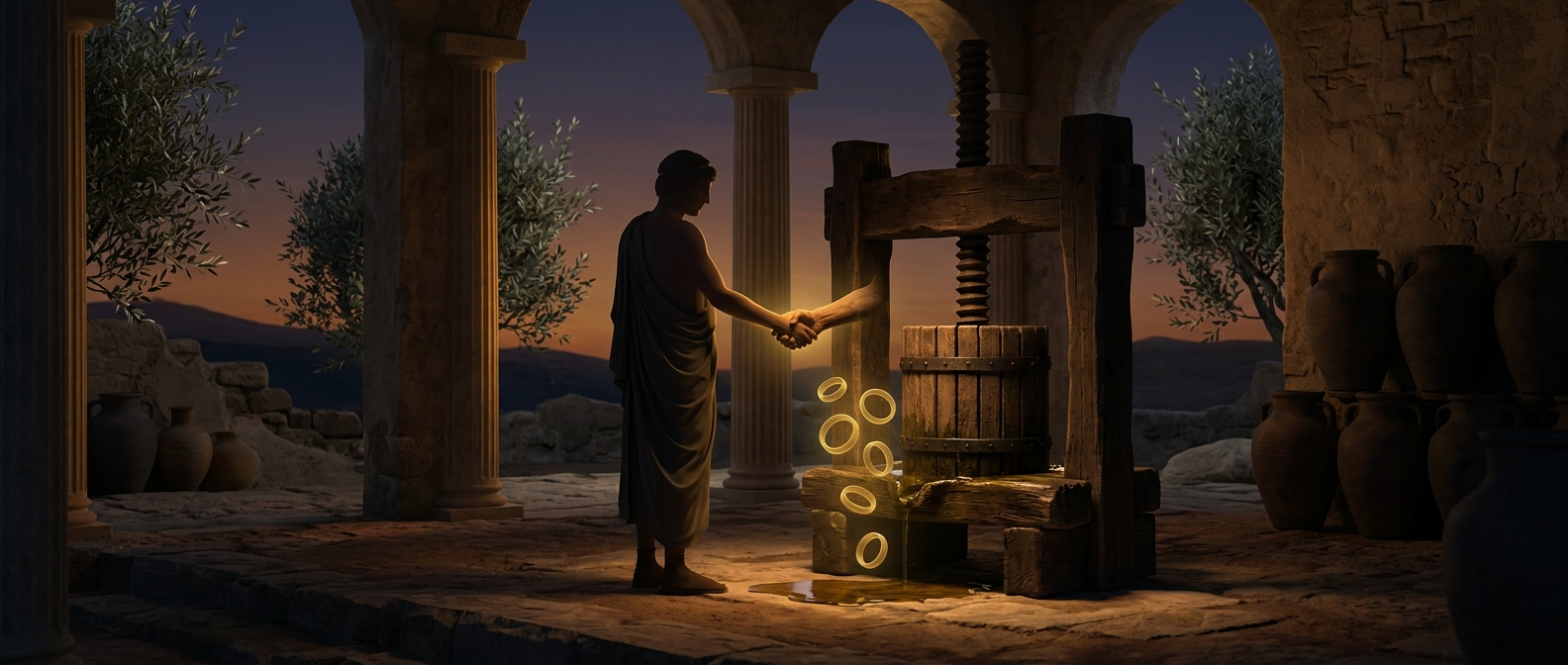
The first options trade began with olive presses
The philosopher Thales of Miletus predicted a massive olive harvest based on astrology. He quietly placed small deposits on every local olive press months in…
Discover more STACKY FOR IPHONE
A bigger world.
One discovery
at a time.
Keep discovering with Stacky. Interesting facts in an app that is always within reach.

Making a billion pizzas makes each slice cheaper
If you buy an industrial oven, making the first pizza is incredibly expensive. But by the thousandth pie, the oven's cost is spread out so thin that each…
Discover more
Giant factories eventually become too big to function
There is a tragic point where getting larger actually ruins a company. Diseconomies of scale kick in when a firm becomes so comically massive that departments…
Discover more
Why being first can give rivals the advantage
Everyone worships the visionary who invents a new market, but reality favors the second-mover advantage. The pioneer spends massive fortunes educating…
Discover more
Why a string quartet costs more but plays no faster
Baumol's cost disease is a fascinating quirk where fields with zero productivity growth still become wildly expensive. A violin quartet takes the exact same…
Discover more
How Spirit Halloween takes over abandoned stores
Spirit Halloween is the grim reaper of the retail apocalypse. The moment a Sears or Toys "R" Us goes bankrupt, this pop-up franchise swoops in to sign a…
Discover more
Why supermarkets throw away perfectly good food
The produce aisle is an artificial utopia built on mountains of trashed vegetables. Supermarkets intentionally overstock perishable goods to create an…
Discover more
Why dating apps need you to keep swiping
If a dating app actually helped everyone find true love, it would immediately go bankrupt. Their business model relies on a delicate balance: giving you just…
Discover more
Why Apple slowed down old iPhones
Turns out all those conspiracy theorists complaining about their phones right before a new launch were totally right. Apple was caught and fined for…
Discover more
How drop shipping turns cheap junk into pricey gadgets
You aren't buying a bespoke product from an innovative startup; you're buying heavily delayed junk from a middleman. Drop shipping is a business model where…
Discover more
Why divorce is a billion-dollar industry
Vowing "until death do us part" is cute, but the legal untangling of two lives is a massive economic engine. From aggressive family lawyers and mediators to…
Discover more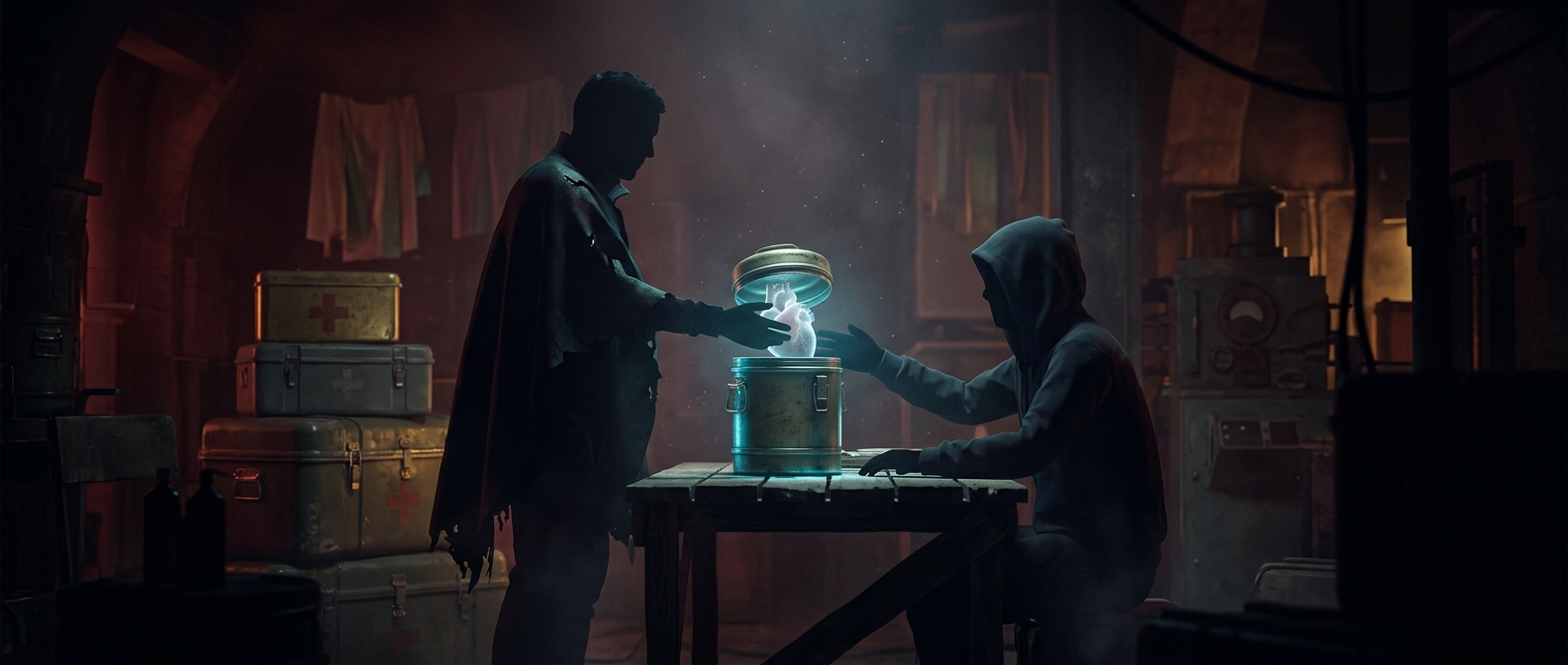
Why banning organ sales fuels a black market
The macabre economy of black market kidneys exists strictly because of well-intentioned legal barriers. Since governments universally ban the legal sale of…
Discover more
How Beyoncé's tour nudged up Sweden's inflation
Queen Bey didn’t just break ticket records; she literally disrupted a sovereign nation's macroeconomic stability. When she kicked off her Renaissance tour in…
Discover more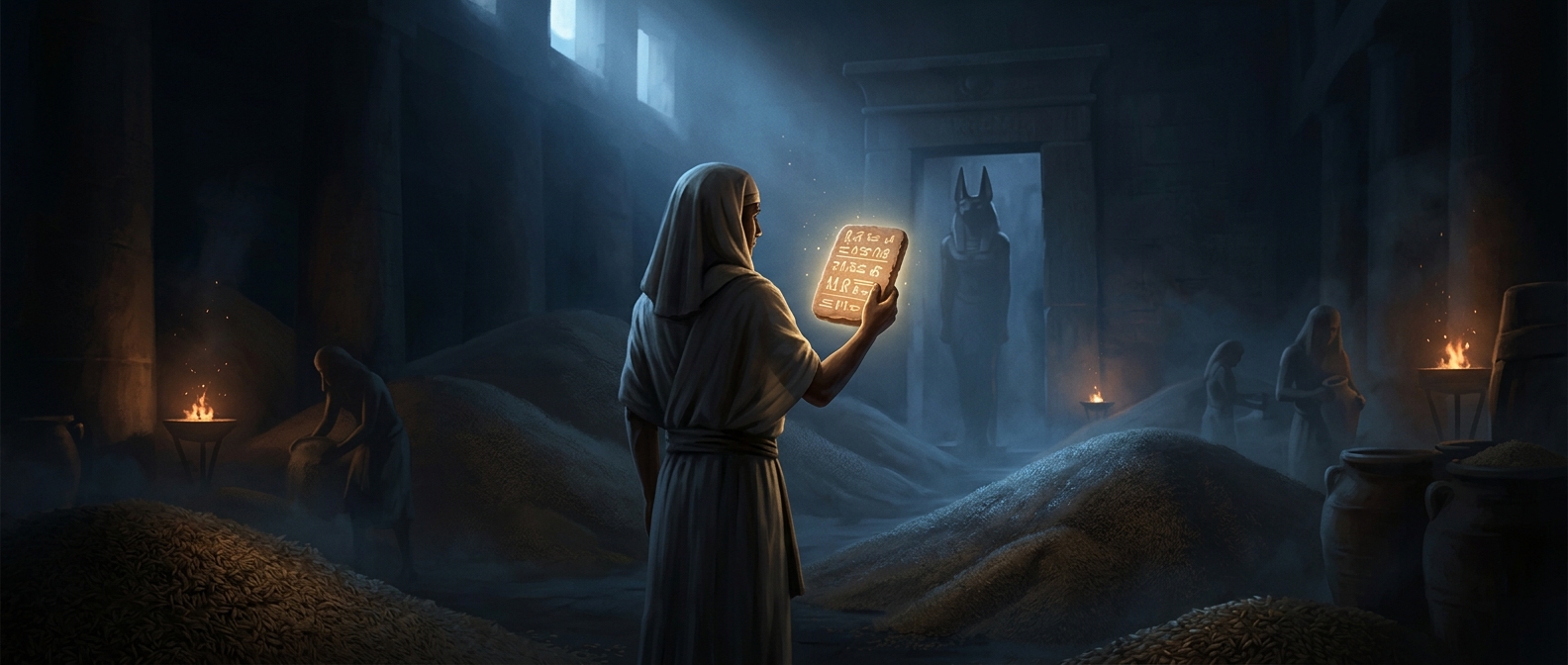
Ancient Egyptians used grain receipts like money
Long before central banks, farmers were flexing their wheat portfolios. Wealth in ancient Egypt was stored in massive state-run grain silos. Instead of…
Discover more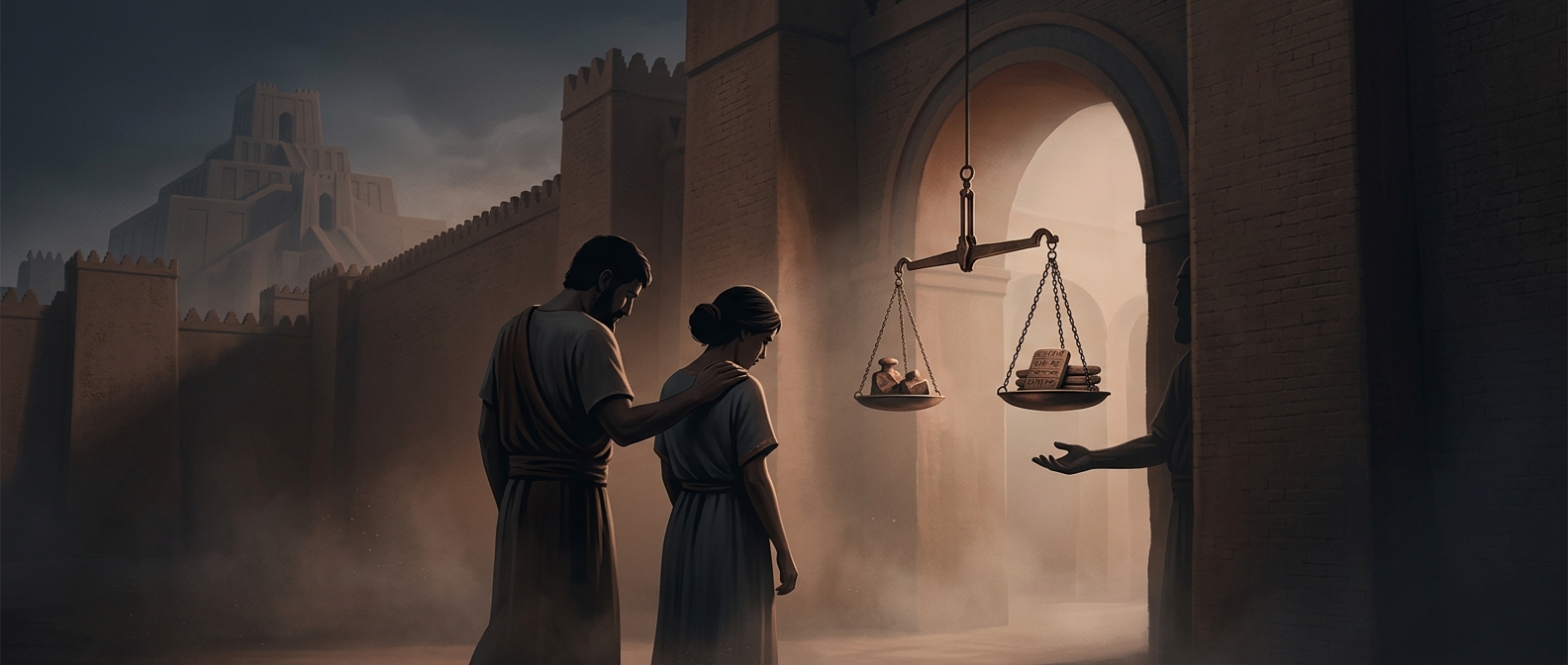
Babylonian debtors could surrender wives or children
Talk about liquidating your domestic assets. Under the Code of Hammurabi, a man who fell severely into debt could literally hand over his wife or children to…
Discover more
Internal Revenue Service guidelines explicitly require US taxpayers to declare income generated from bribes, theft, and illegal drug sales on their annual tax returns.
Internal Revenue Service guidelines explicitly require US taxpayers to declare income generated from bribes, theft, and illegal drug sales on their annual tax…
Discover more
Macroeconomic scholars advocate for the implementation of a Pigovian tax to correct negative market externalities, effectively charging corporations a premium for dumping…
Macroeconomic scholars advocate for the implementation of a Pigovian tax to correct negative market externalities, effectively charging corporations a premium…
Discover more
Ronald Wayne co-founded Apple alongside Steve Jobs and Steve Wozniak but sold his ten percent stake back to them for just eight hundred dollars barely two weeks after the company was formed in 1976.
Ronald Wayne co-founded Apple alongside Steve Jobs and Steve Wozniak but sold his ten percent stake back to them for just eight hundred dollars barely two…
Discover more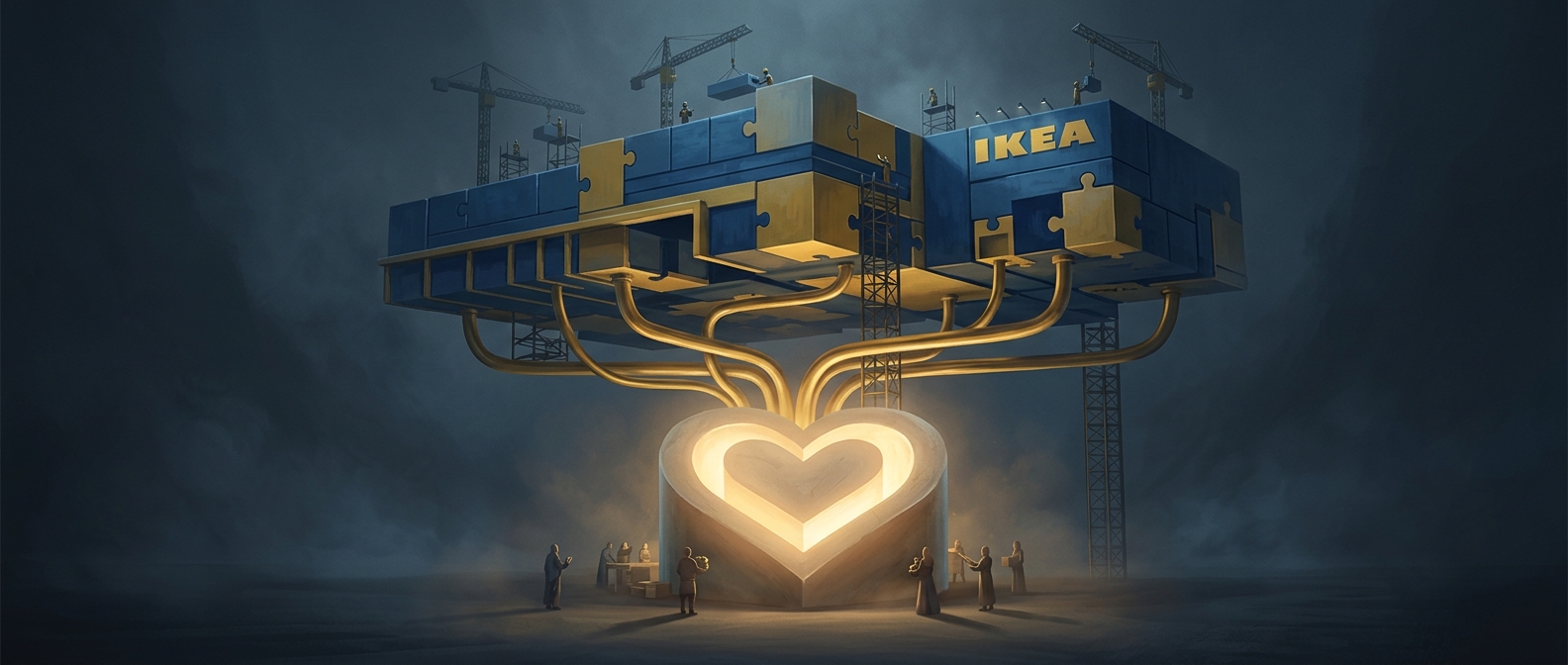
The charitable foundation behind IKEA
You might think IKEA is just a massive corporation exploiting our collective desire for cheap particle board, but legally, it is a non-profit miracle. Through…
Discover more