Economy
Discover facts about economy. Small discoveries that change the way you see familiar things.
Economy

The economist who blamed sunspots for crashes
Jevons tried to forecast crashes by modeling sunspots. His reasoning ran from solar activity to weather, from weather to crop yields, and from poor harvests…
Discover more
Falling prices can make an unchanged debt harder to repay
In the late nineteenth century, the international shift toward gold coincided with prolonged deflation in gold-standard countries. A farmer could receive…
Discover more
Glass-Steagall put a legal wall between parts of banking
Provisions of the 1933 U.S. law separated commercial banking from important securities activities, changing how firms could combine those businesses. Key…
Discover more
Why metal prices are still set by shouting
For five minutes per metal, traders sit on red leather couches and shout bids in the London Metal Exchange’s Ring. Those shouted deals help set benchmark…
Discover more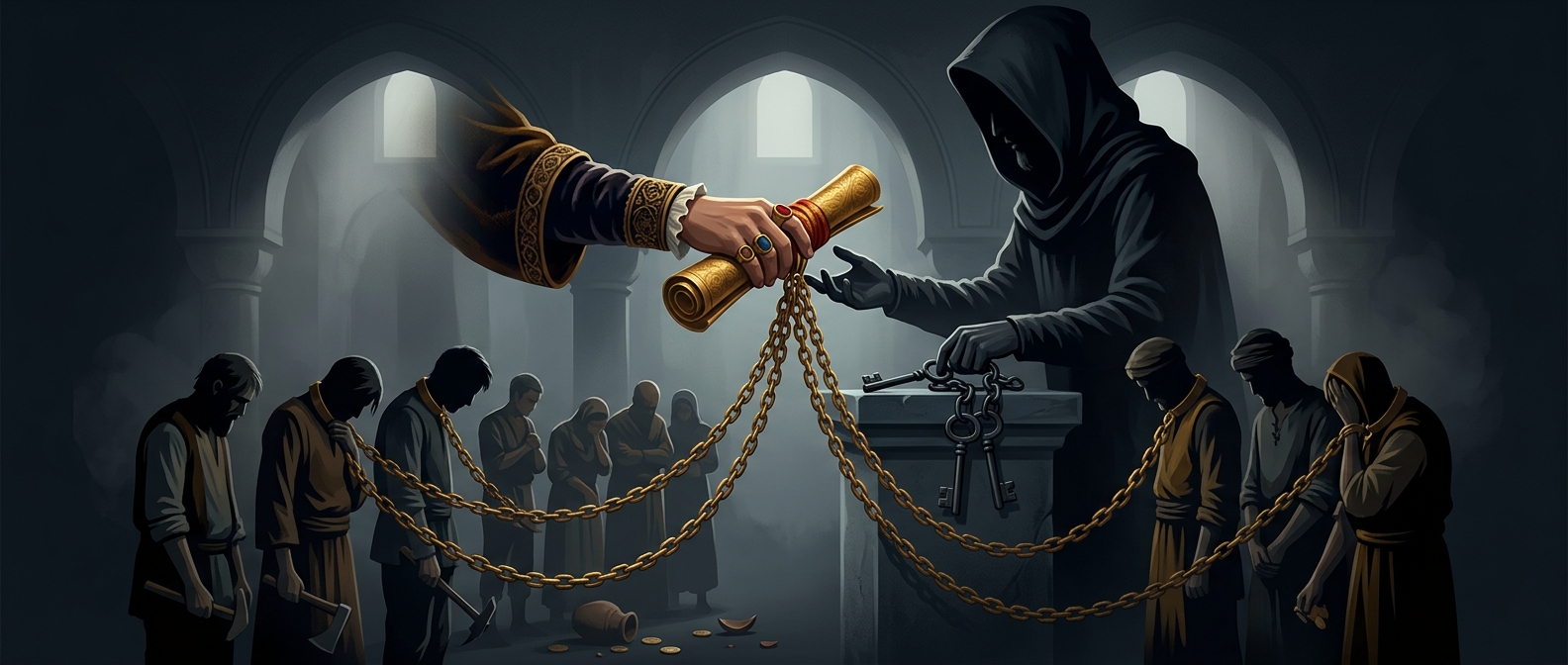
The Ottoman Empire auctioned off the right to collect taxes
Under iltizam, a wealthy bidder paid the Ottoman state in advance for the right to collect taxes in a district. If the bidder collected more than the upfront…
Discover more
Bitcoin's anti-spam idea came before Bitcoin
Adam Back proposed Hashcash in 1997 as a way to make sending email require a small amount of computation. A modest cost per message could become expensive for…
Discover more STACKY FOR IPHONE
A bigger world.
One discovery
at a time.
Keep discovering with Stacky. Interesting facts in an app that is always within reach.

Why Phillips screws strip so easily
If the driver doesn’t fit snugly, it can slip out of a Phillips screw’s cross-shaped slot. The slipping chews up the recess until the screw is hard to turn.
Discover more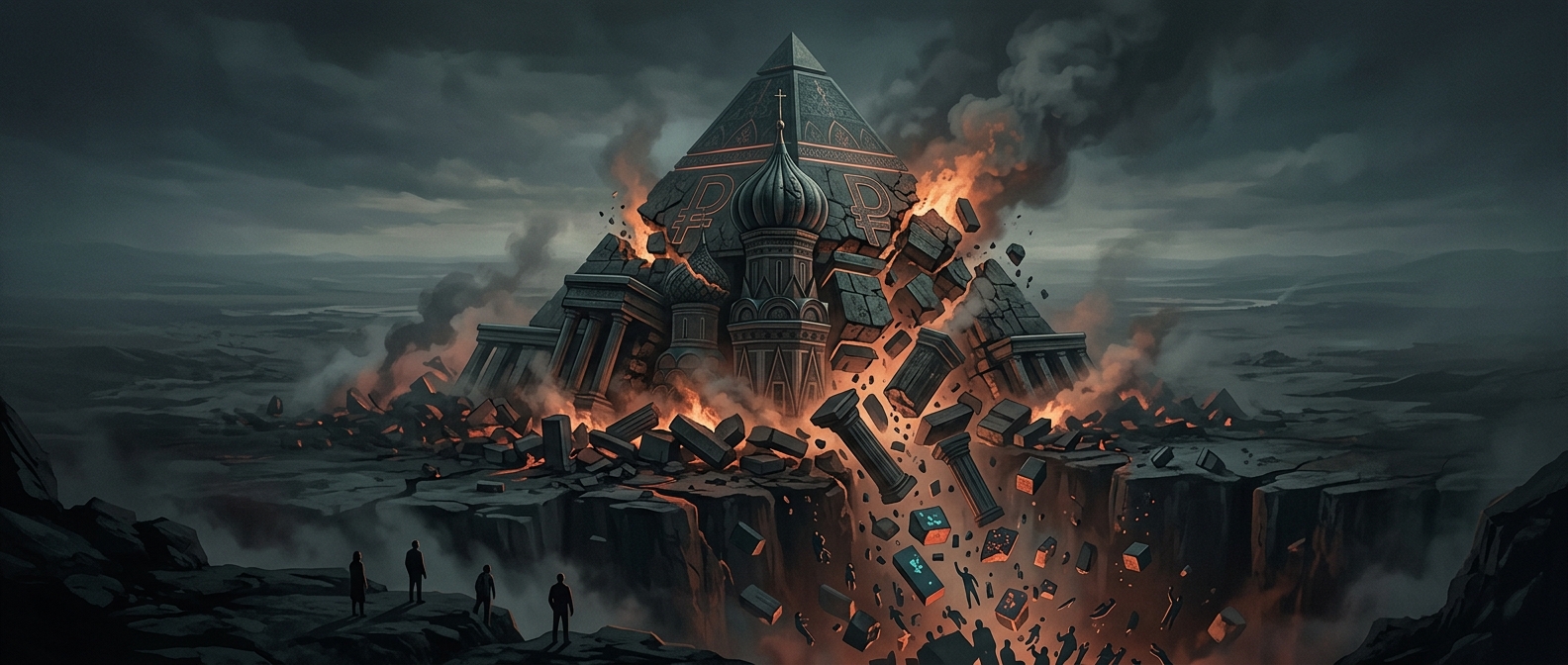
Russia's debt offered huge returns just before disaster
In July 1998, yields on Russia's short-term government bills approached 200 percent. Such returns signaled how much compensation investors demanded for the…
Discover more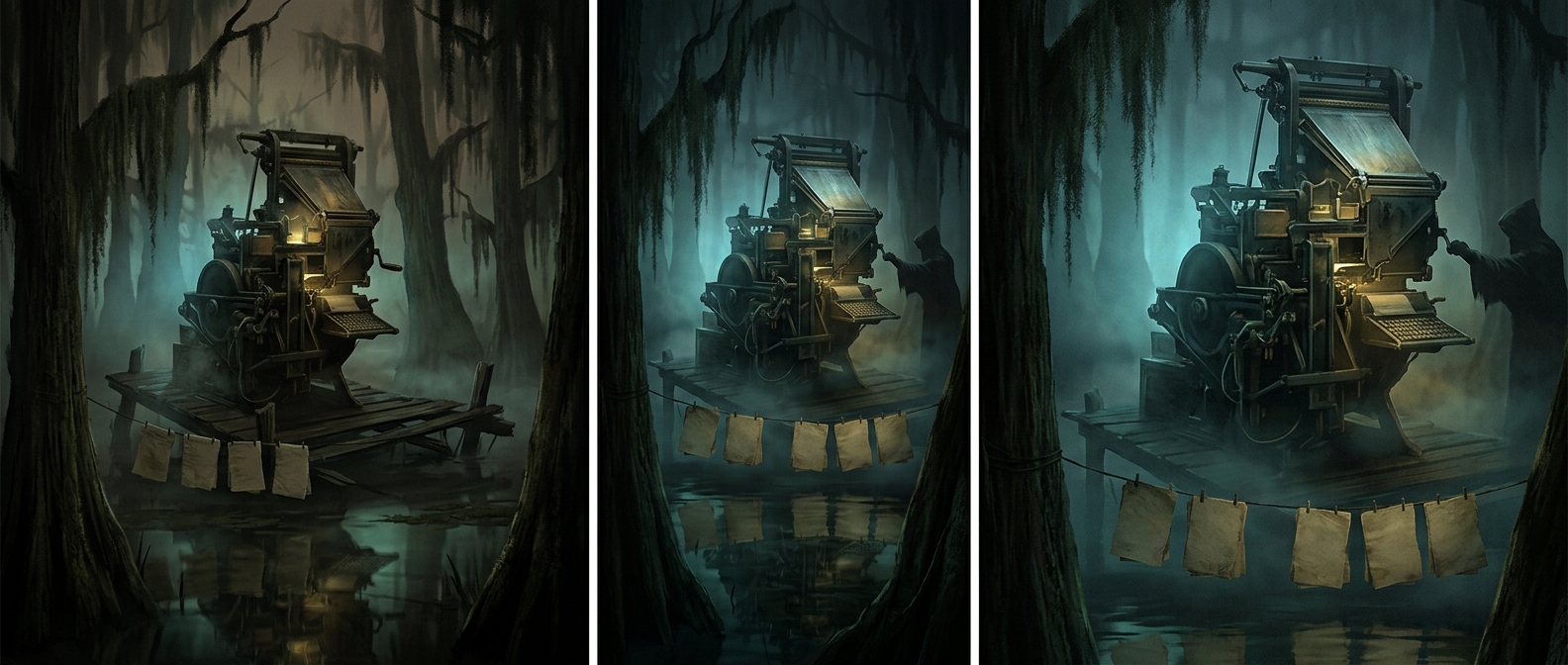
A dollar bill once depended on which bank printed it
Before America's national currency system, individual banks issued notes promising redemption in gold or silver. A note's reliability depended on its issuer's…
Discover more
Sewing machines once had to display royalty stamps
After a patent fight with Isaac Singer, Elias Howe joined a patent pool that made sewing-machine manufacturers pay royalties. Each machine carried a stamp…
Discover more
One engineer thought workers couldn't afford what they made
Clifford Hugh Douglas thought he had found a gap between factory output and workers’ pay: the goods cost more than the wages workers received. He argued that…
Discover more
When Europe faced a shortage of coins
Silver was scarce, while gold flowed east to pay for luxury goods, leaving Europe short of coins. People cut coins into pieces, bartered, or borrowed on…
Discover more
The aristocrats who tried to turn a swamp into real estate
The Adventurers wanted the Great Fen’s wetlands drained so they could turn them into farmland. Local people depended on the fen for fishing and foraging, so…
Discover more
The farmers who secretly reshaped China's agriculture
In 1978, households in Xiaogang village secretly agreed to farm separate plots and keep the output left after meeting state obligations. The pact tied extra…
Discover more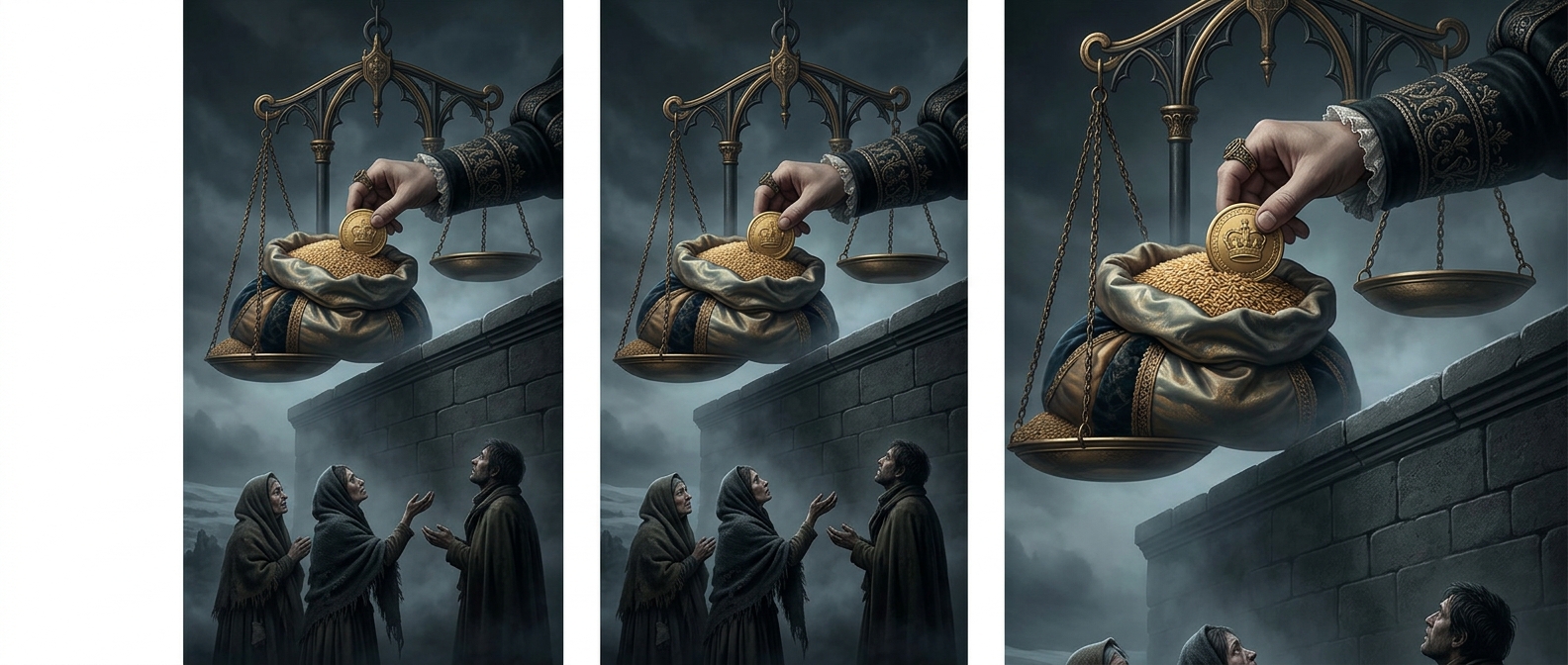
How Britain made bread unaffordable with a law
Britain taxed imported grain to shield domestic landowners from cheaper competition. The cost showed up in workers’ bread: the law protected the people…
Discover more
Why Hayek replaced “economy” with “catallaxy”
“Economy” sounded to Hayek like a household with one manager deciding what everyone should do. He preferred “catallaxy”: people trade separately, and their…
Discover more
Why futures prices go wild near expiration
A rainstorm can be a footnote to wheat due in three years and a crisis for wheat due tomorrow. Near expiration, there’s little time for conditions to change,…
Discover more
One economist argued that taking longer to build things creates capital
Böhm-Bawerk’s example starts with a fishing net: build the tool first, catch fish later. He argued that this longer route creates capital and helps explain…
Discover more
Early American finance traded promises written on paper
After the Revolutionary War, certificates representing government debts circulated among buyers and sellers, often below their face value. Someone needing…
Discover more
Brazil destroyed coffee to keep the remaining coffee valuable
During the Depression, enormous surpluses collided with collapsing demand. The government bought and destroyed stocks as part of efforts to support prices. To…
Discover more
The euro architect who called currencies a monoculture
He worried that relying on national currencies was like planting a whole field with one crop: efficient until the same shock hit everything. He wanted local…
Discover more
Bitcoin once came with a private key under a sticker
In 2011, Mike Caldwell put a Bitcoin private key under a hologram sticker on a brass token. The sticker showed if someone had tampered with it, and the loaded…
Discover more
Chicago's 1933 World's Fair had money-like certificates of its own
Merchants distributed small-value certificates usable for the fair and services around the city, including hotels and transport. The American Numismatic…
Discover more
Making a machine cheaper to run can increase total fuel use
Greater efficiency lowers the cost of doing a task, which can encourage people to do much more of it. Jevons described this problem for coal-powered industry.…
Discover more