Economy
Discover facts about economy. Small discoveries that change the way you see familiar things.
Economy
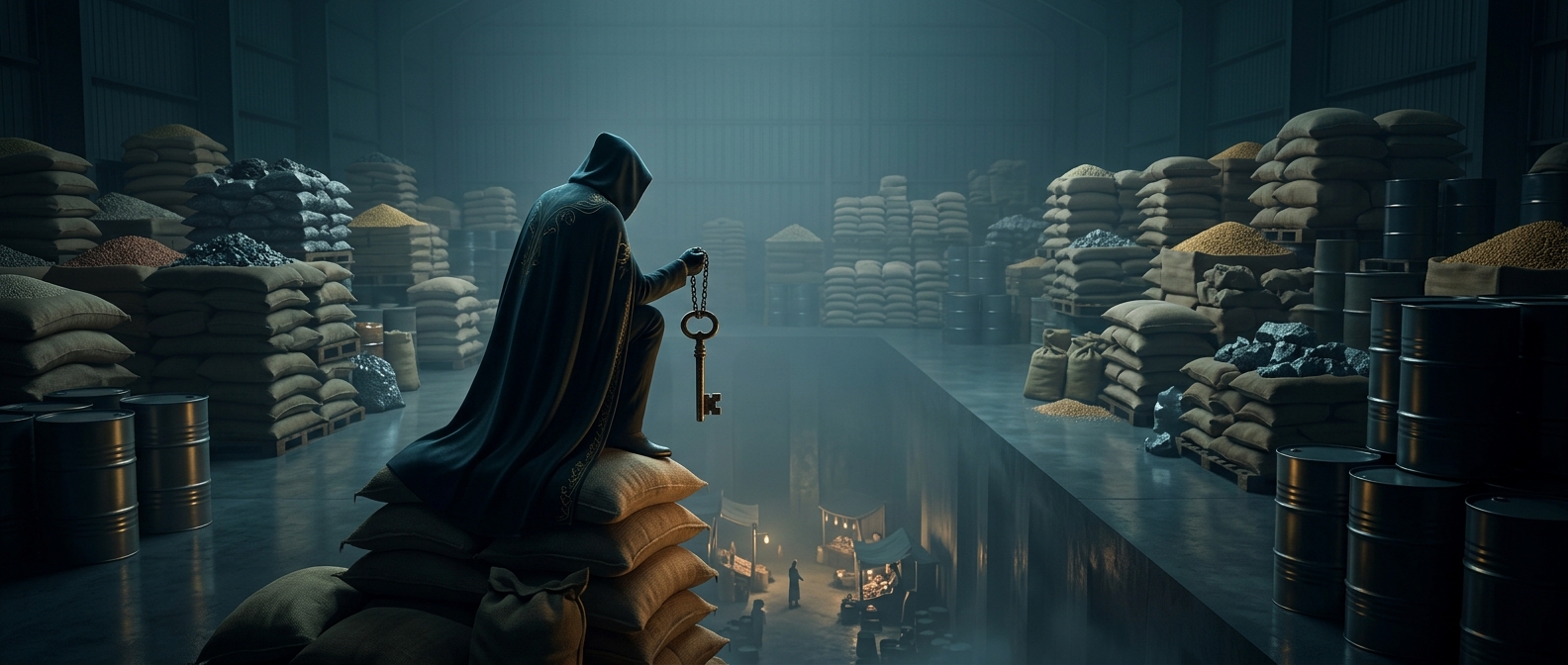
Hoarding commodities just to create monopolies
A trader who buys most of a commodity leaves buyers with few places to turn. With much of the supply in hand, the trader gains leverage over the price.
Discover more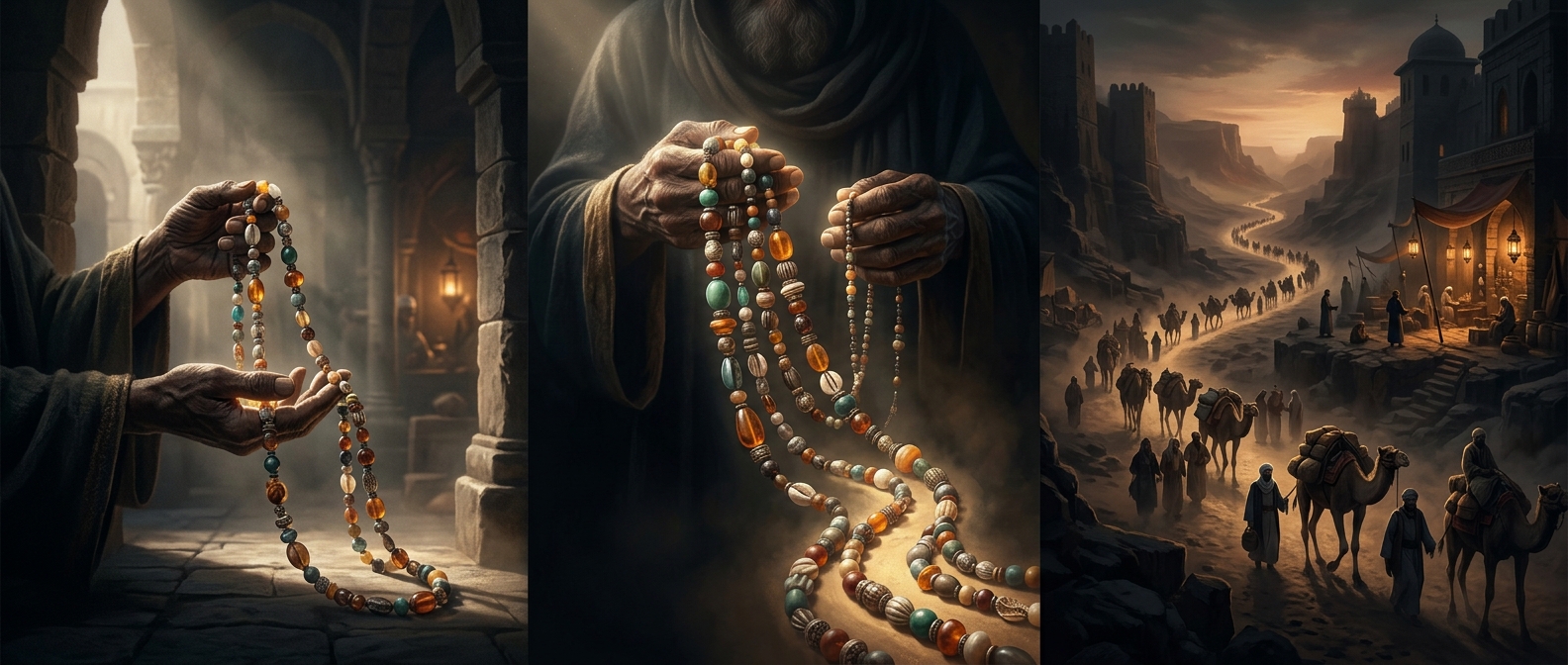
The beads that carried wealth and sealed agreements
Shell beads weren’t just decoration. Woven into patterned belts, they could mark a contract, serve as a diplomatic gift, or carry wealth from one person to…
Discover more
A casino chip is a tiny IOU, not a miniature dollar
Nevada's rules define chips as evidence of a debt owed by the casino that issued them. Their value rests on redemption at that business, rather than general…
Discover more
Colonial Virginia had to stop people burning buildings for nails
Nails were scarce enough that recovering them could make destroying a structure tempting. Colonial records describe restrictions on burning buildings for that…
Discover more
Woolen blankets functioning as compensation
A blanket’s stripes did more than decorate its edge: their number signaled its value. Across cold borders, blankets could serve as compensation in territorial…
Discover more
Gold standard implies cash is tied to shiny metal
A banknote under the gold standard pointed back to a country’s gold reserves. Those reserves were often kept in guarded vaults, while the money circulated…
Discover more STACKY FOR IPHONE
A bigger world.
One discovery
at a time.
Keep discovering with Stacky. Interesting facts in an app that is always within reach.

A bottled-water date is not a countdown to the water turning bad
The FDA does not require an expiration date on bottled water. Manufacturers can use dates to indicate expected quality, and storage conditions and packaging…
Discover more
A child star's lost fortune helped change the law
Jackie Coogan became famous alongside Charlie Chaplin, then discovered as an adult that his childhood earnings were gone. His fight helped produce…
Discover more
Cats have inherited million-dollar fortunes
A wealthy owner can leave a fortune for a pet, but the cat can’t collect or spend it. Instead, a trust holds the money while appointed people manage the…
Discover more
The IRS taxes some trades without money
The plumber gets a haircut, the barber gets a repair, and neither pays in cash—but the IRS can still treat the exchange as taxable income. Bartered services…
Discover more
Retailers raise prices to cover expected shoplifting
Retailers expect some goods to disappear without payment, so they can build those losses into prices. The bill may land partly on shoppers who did nothing but…
Discover more
Germany's early state pension started at age 70
The old-age insurance law passed under Bismarck in 1889 set an initial pension age of 70. Workers and employers contributed, with a state subsidy added to the…
Discover more
Why rounded logos feel more trustworthy
A logo can use rounded edges to suggest friendliness and sharp angles to suggest aggression. Those shapes let a company hint at its personality before you…
Discover more
Many ambitious startups fail simply because founders argue
A startup can have a good product and funding and still be brought down by its original founders fighting with one another. Sometimes the first team is the…
Discover more
Retirement turns a stockpile of money into a cash-flow problem
While working, a saver can focus on building a balance; afterward, that balance has to support withdrawals over an uncertain lifespan. Inflation and the order…
Discover more
Watching arbitrary red and green lines dictate wealth
A trader can glance at a chart and see the convention immediately: green marks rising prices, red marks falling ones. The colors compress a stream of price…
Discover more
Tracking global development via banana imports
Banana imports can rise as a country improves the systems needed to move perishable food: refrigerated transport and more capable ports. The fruit’s arrival…
Discover more
Cutting out microscopic promotional slips
Some shoppers cut coupons for less than a penny off canned soup. If finding and clipping the offer takes longer than the saving is worth, the bargain eats its…
Discover more
When cities sell the names of public places
The city gets money by letting a company name a stadium, station, or park. The odd result: a public place can keep advertising a struggling bank simply…
Discover more
Paying monthly for things you never use
A service you stopped thinking about can keep taking money from your account. If a free trial renews automatically, forgetting to cancel it can turn into…
Discover more
Hoarding useless discount coupons
An expired coupon still looks like a promise of future savings, even though the discount is gone. Keep enough of them and the only thing they fill is a drawer.
Discover more
Letting fresh produce rot in the fridge
The spinach looked like a good plan at the store, then turned to liquid in the crisper drawer. The groceries are gone, and the bag leaves behind a small dose…
Discover more
Why you buy clothes for a more active you
A pair of hiking boots can be bought for a person who mostly sits on the sofa. People sometimes shop for the active version of themselves they hope to become,…
Discover more
Accumulating endless paper loyalty stamps
The deal is simple: buy enough sandwiches and the next one is free. The awkward part is keeping track of a dozen cards for places you visit once in a decade.
Discover more