Psychology
Discover facts about psychology. Small discoveries that change the way you see familiar things.
Psychology
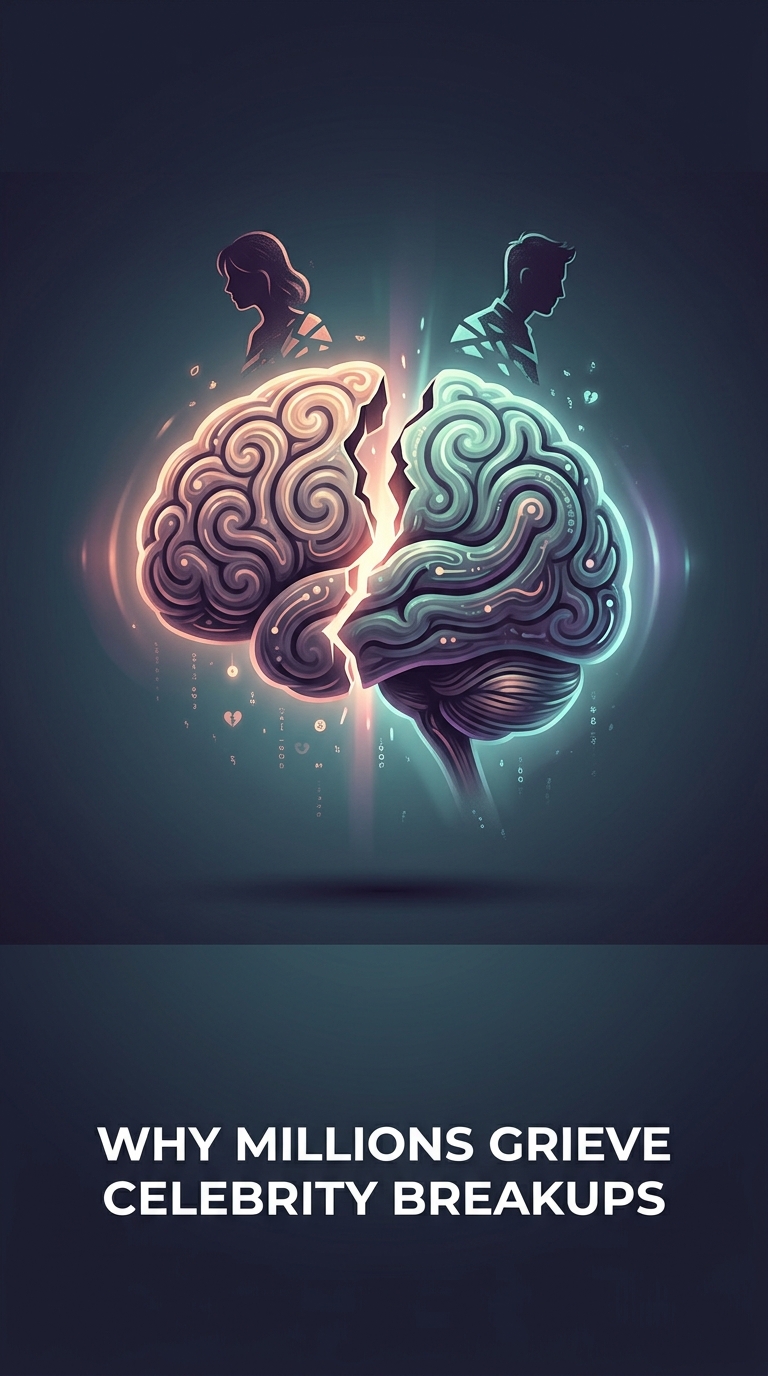
Why did millions of people feel genuine grief when their favorite celebrity couple broke up?
Why did millions of people feel genuine grief when their favorite celebrity couple broke up?
Discover more
Why does complaining about a mutual enemy bond you with a new friend faster than sharing hobbies?
Why does complaining about a mutual enemy bond you with a new friend faster than sharing hobbies?
Discover more
What is the proven psychological result of reading statistics that completely disprove your political beliefs?
What is the proven psychological result of reading statistics that completely disprove your political beliefs?
Discover more
Why do most drivers instinctively turn down the car radio when looking for a specific address?
Why do most drivers instinctively turn down the car radio when looking for a specific address?
Discover more
What is the actual scientific reason nobody steps in to help during a public emergency in a crowded place?
What is the actual scientific reason nobody steps in to help during a public emergency in a crowded place?
Discover more
Why do highly attractive people frequently receive lighter prison sentences and faster corporate promotions?
Why do highly attractive people frequently receive lighter prison sentences and faster corporate promotions?
Discover more STACKY FOR IPHONE
A bigger world.
One discovery
at a time.
Keep discovering with Stacky. Interesting facts in an app that is always within reach.

What dark psychological mechanism causes you to want to aggressively squeeze or bite cute animals?
What dark psychological mechanism causes you to want to aggressively squeeze or bite cute animals?
Discover more
What is the most psychologically proven way to make someone who dislikes you start warming up to you?
What is the most psychologically proven way to make someone who dislikes you start warming up to you?
Discover more
Why do highly successful professionals often live in secret terror that they will be exposed as frauds?
Why do highly successful professionals often live in secret terror that they will be exposed as frauds?
Discover more
What bizarre mental process actually causes you to wake up knowing the solution to a complex problem?
What bizarre mental process actually causes you to wake up knowing the solution to a complex problem?
Discover more
People can explain a choice they never actually made.
People can explain a choice they never actually made. In a 2005 experiment, participants chose between photographs of faces. Researchers sometimes secretly…
Discover more
A disaster warning can lose to the expectation of an ordinary day.
A disaster warning can lose to the expectation of an ordinary day. Research on emergency warnings describes people seeking confirmation or interpreting…
Discover more
People can explain a choice they did not actually make.
People can explain a choice they did not actually make. In choice-blindness experiments, researchers secretly switched a selected face for the rejected one…
Discover more
Experiencing a sudden, overwhelming feeling that you have already lived through the exact present moment is a neurological glitch formally known as deja vu.
Experiencing a sudden, overwhelming feeling that you have already lived through the exact present moment is a neurological glitch formally known as deja vu.…
Discover more
An unfamiliar group can look more alike than your own.
An unfamiliar group can look more alike than your own. You know the exceptions, personalities and disagreements inside a group you belong to. Outsiders are…
Discover more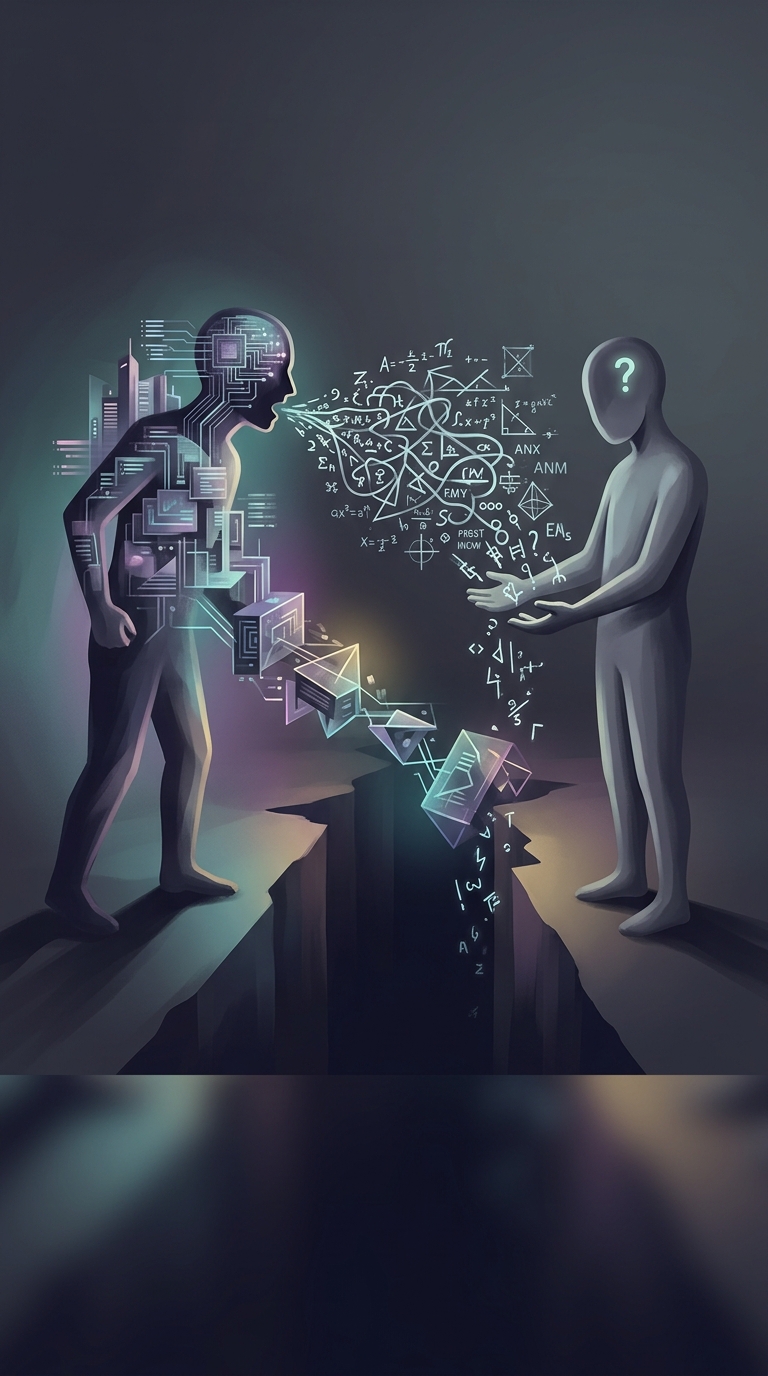
Curse of knowledge is a cognitive bias that occurs when an individual, communicating with other individuals, unknowingly assumes that the others have the background to understand.
Curse of knowledge is a cognitive bias that occurs when an individual, communicating with other individuals, unknowingly assumes that the others have the…
Discover more
Your eyes can change the syllable you hear.
Your eyes can change the syllable you hear. In the McGurk effect, mismatched lip movements and speech sounds can produce the perception of a third syllable.…
Discover more
Humans are statistically more likely to remember the first and last items in any given sequence, a cognitive quirk known as the serial position effect; psychologists divide this…
Humans are statistically more likely to remember the first and last items in any given sequence, a cognitive quirk known as the serial position effect;…
Discover more
People chose extra pain when the ending felt slightly better.
People chose extra pain when the ending felt slightly better. In a 1993 experiment, volunteers held a hand in painfully cold water for a minute. Another trial…
Discover more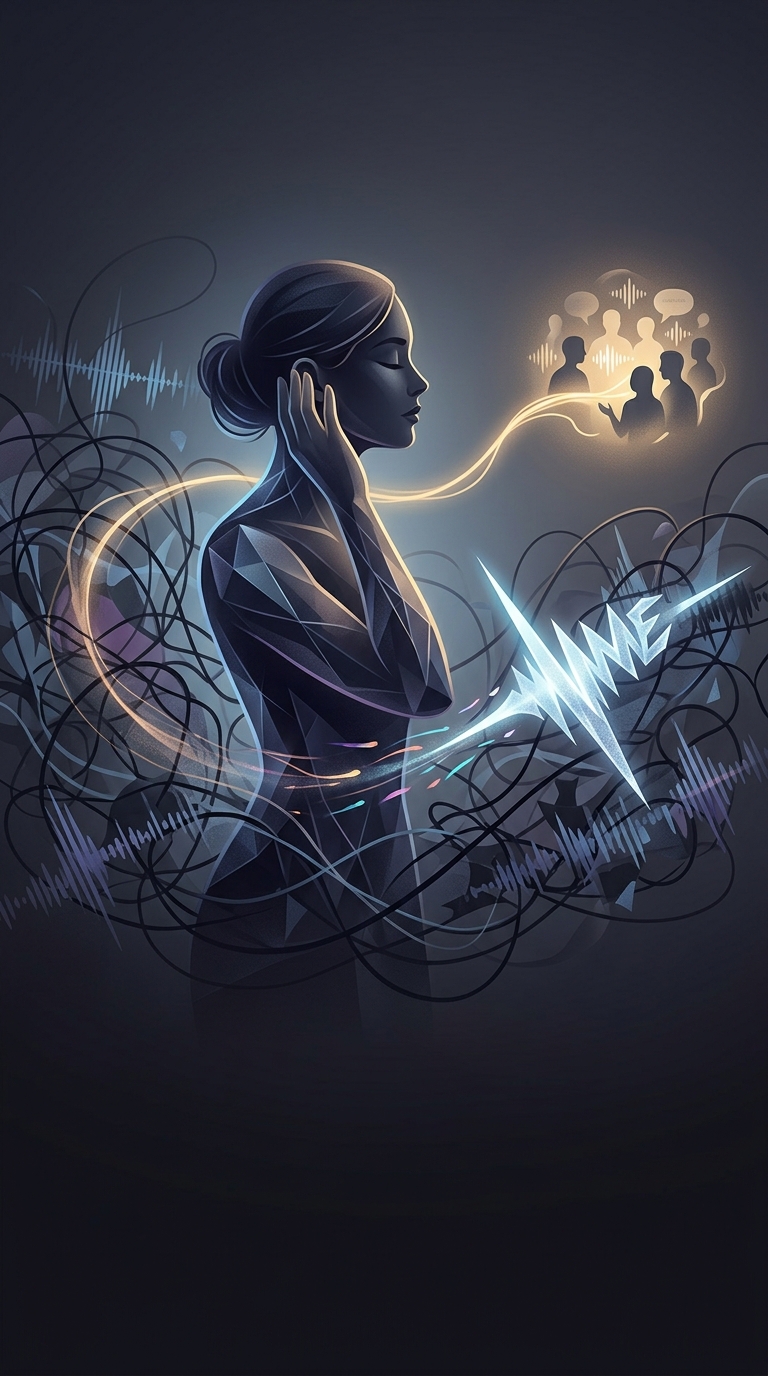
Your auditory cortex has the remarkable ability to selectively focus on a single specific voice in a crowded, noisy room while entirely filtering out the surrounding acoustic chaos.
Your auditory cortex has the remarkable ability to selectively focus on a single specific voice in a crowded, noisy room while entirely filtering out the…
Discover more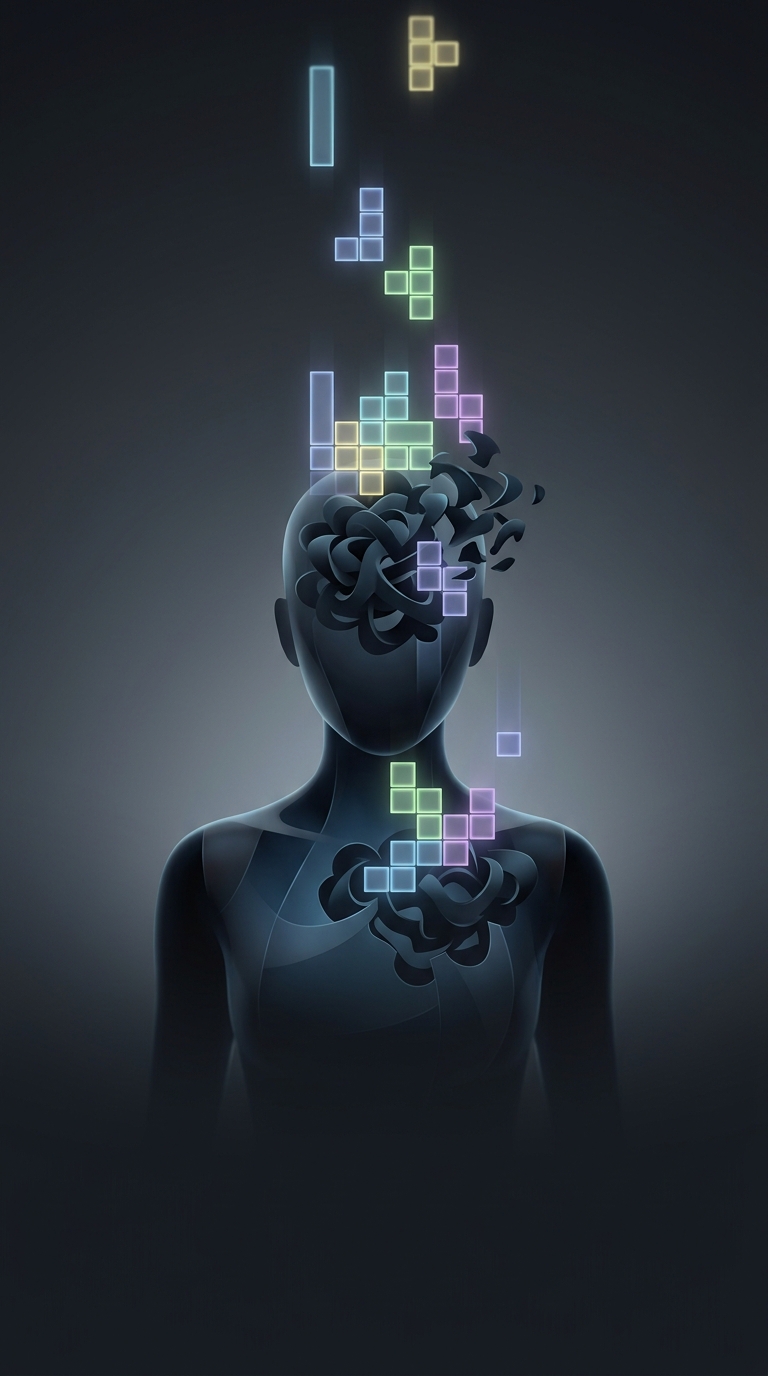
Researchers tested Tetris against intrusive memories.
Researchers tested Tetris against intrusive memories. A small trial asked road-accident patients to briefly recall the event, then play Tetris within hours of…
Discover more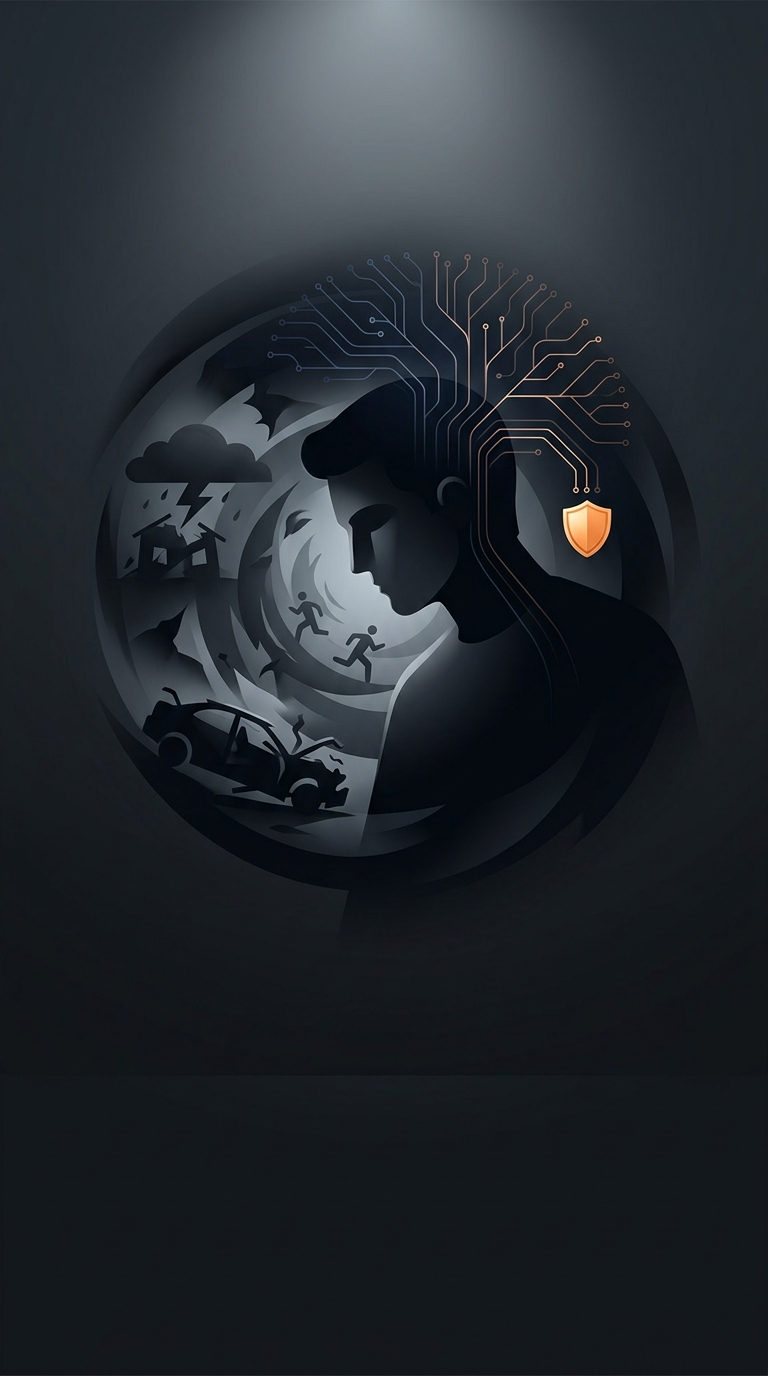
People are naturally drawn to horrific, disturbing, or violent imagery because our survival instincts demand we understand threats, which explains the psychology of morbid curiosity.
People are naturally drawn to horrific, disturbing, or violent imagery because our survival instincts demand we understand threats, which explains the…
Discover more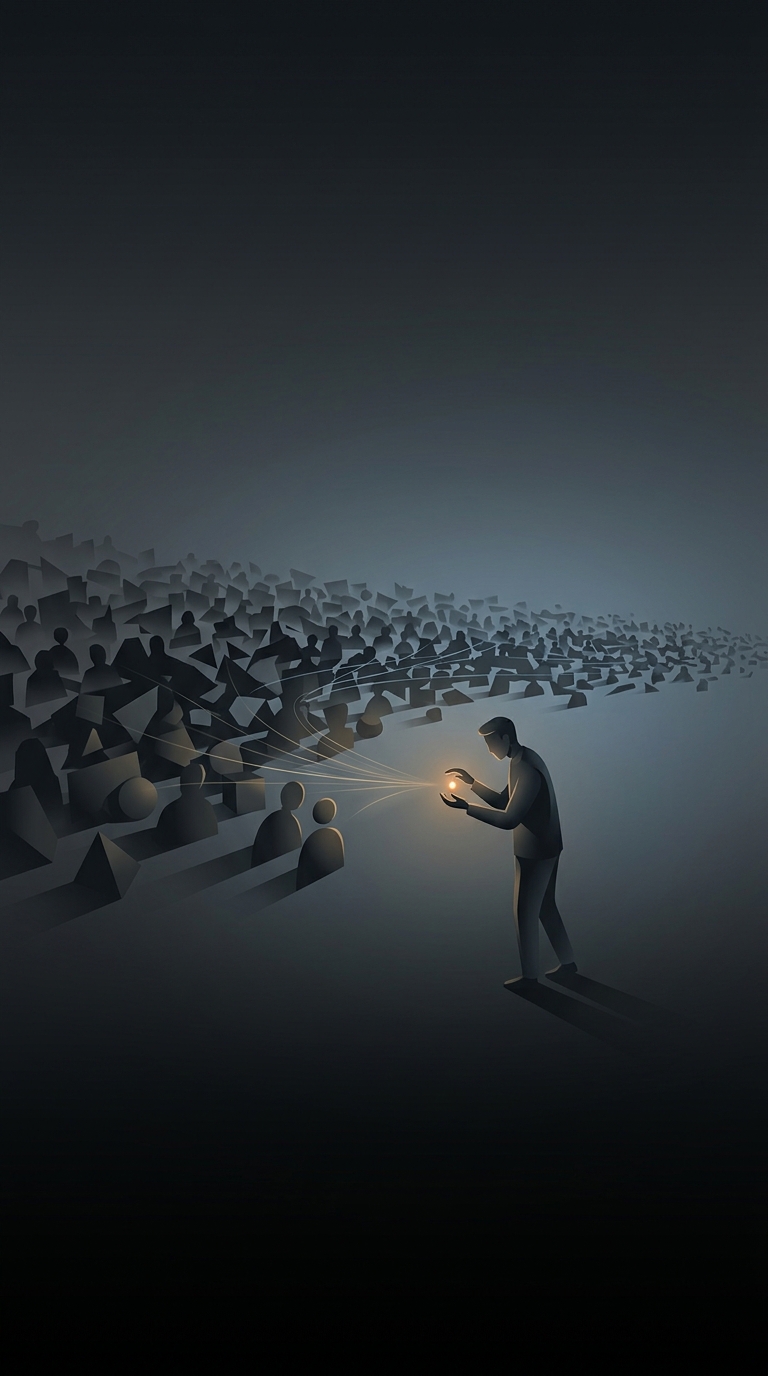
Human empathy significantly decreases as the number of victims in a tragedy increases, a dark and depressing psychological reality called compassion fade.
Human empathy significantly decreases as the number of victims in a tragedy increases, a dark and depressing psychological reality called compassion fade. One…
Discover more
People sometimes build an excuse for failure before they even try.
People sometimes build an excuse for failure before they even try. Psychologists call it self-handicapping: creating or claiming an obstacle that makes a…
Discover more