Psychology
Discover facts about psychology. Small discoveries that change the way you see familiar things.
Psychology
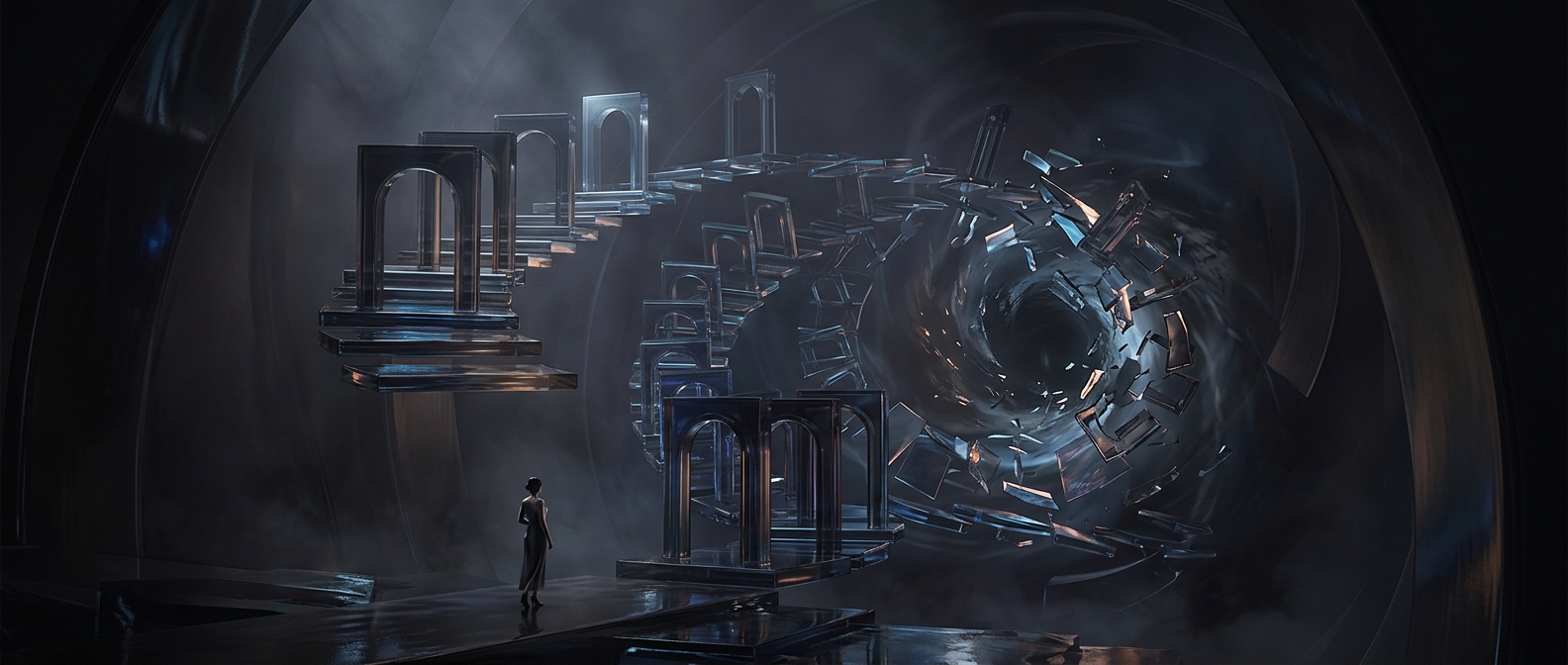
Why some sentences crash your brain
Your mind predicts where a sentence is going as you read. If the next words reveal that your first interpretation was wrong—“The horse raced past the barn…
Discover more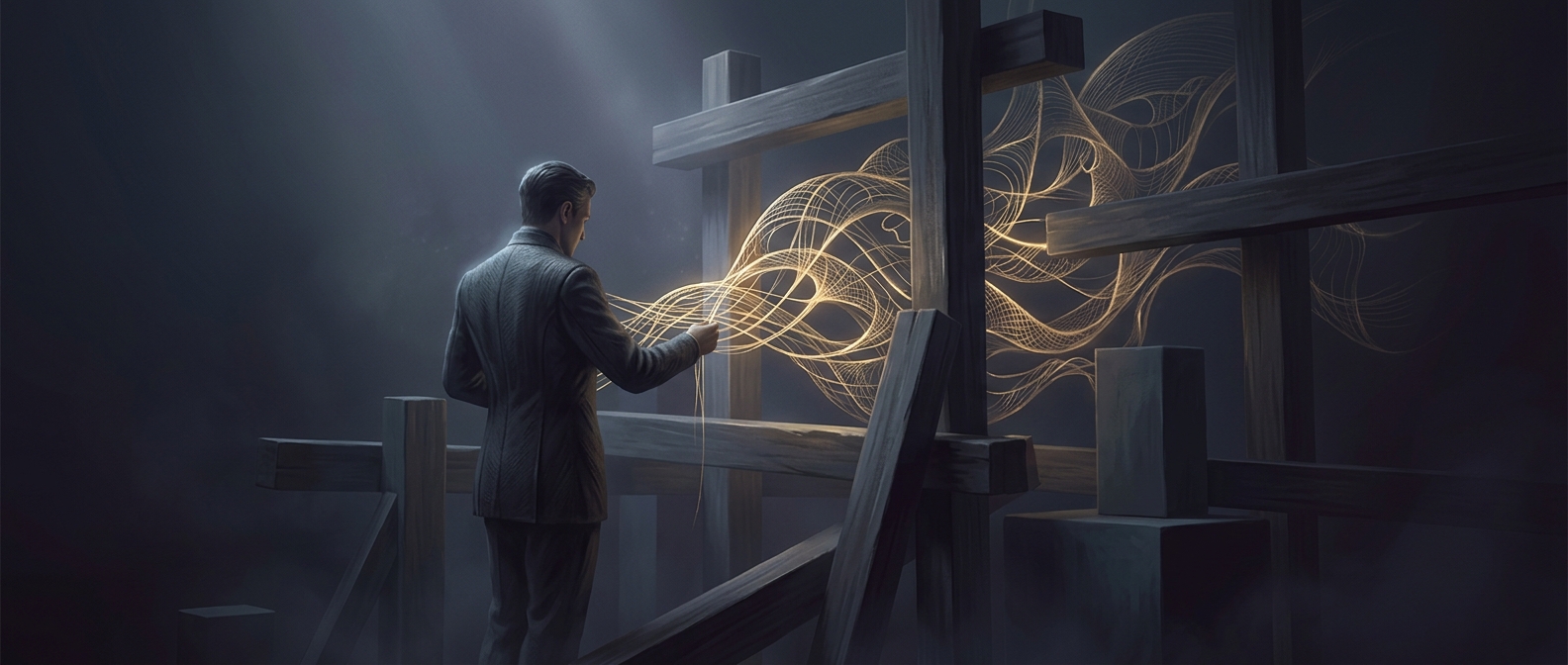
Novice instruction methods severely hinder experts
A beginner needs each step spelled out; an expert may already know the steps and find the instructions in the way. Their knowledge has built a faster route,…
Discover more
Simplifying complex systems ignores crucial nuances
When you reduce a complicated system to a few boxes and arrows, you gain a map you can use—and lose the messy connections between them. Those missing links…
Discover more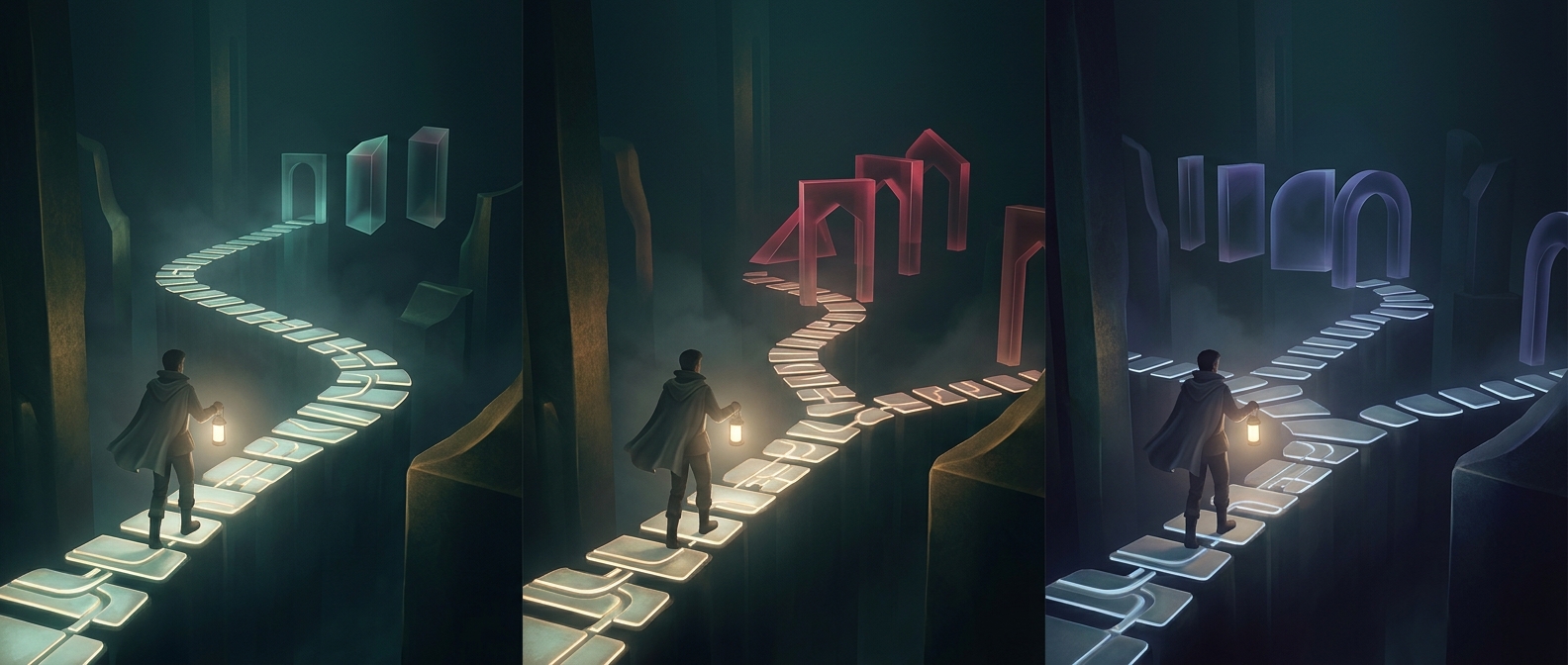
Shuffling query sequence alters subsequent responses
Ask the same questions in a different order and the answers can change. An earlier question gives the mind a frame, making certain memories or ideas easier to…
Discover more
Assuming reversed statistics creates severe flaws
Imagine an alarm that usually sounds when there’s a fire. That doesn’t mean a sounding alarm usually signals a fire: if fires are rare, false alarms can…
Discover more
Glaring factual errors bypass text verification
Proofreading often feels like checking words, but the mind is busy building meaning. Once it has guessed what a sentence is supposed to say, that expectation…
Discover more STACKY FOR IPHONE
A bigger world.
One discovery
at a time.
Keep discovering with Stacky. Interesting facts in an app that is always within reach.
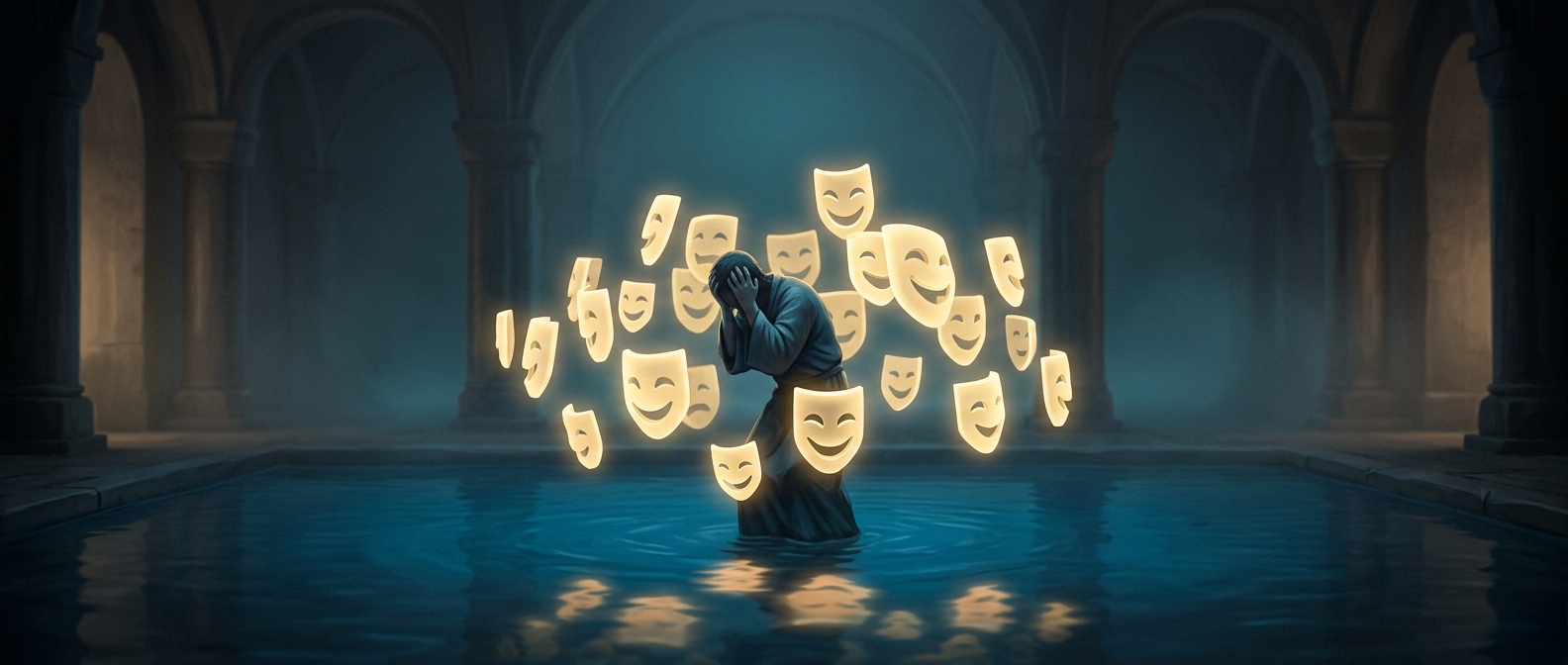
Why forced positivity can make problems worse
Telling yourself to be positive can turn pain into a second problem: now you’re upset, and you feel you’re failing at being upbeat. Pushing unpleasant…
Discover more
Guilt helps you fix mistakes while shame makes you hide
Guilt points at an action: “I hurt someone.” That makes it easier to apologize or repair the damage. Shame points the accusation at the whole self: “I am…
Discover more
Why your teenage years stick in memory
You are building a sense of who you are during your teens, so experiences from that period can become unusually important chapters in your personal story. A…
Discover more
Why missed chances haunt us more than mistakes
Regret over a mistake has an event to attach to; regret over a chance you never took has a blank space. Your mind can fill that space with the version where…
Discover more
Seeing enemies succeed brings intense misery
Your rival’s good news arrives with an unwelcome comparison attached: they are doing well, and you have to watch. That can stir envy and make their success…
Discover more
Why hiding your sadness can make it worse
Trying to hide sadness takes attention: you monitor your face, voice, and words while the feeling is still there. That effort can keep the emotion active in…
Discover more
Writing down sad feelings provides closure
When a sad thought stays in your head, it can replay without ever reaching an ending. Writing forces you to choose words and put events in an order, turning a…
Discover more
Jealousy and envy are not the same feeling
Your friend gets a promotion you wanted: that’s envy. Your partner laughs with someone else and you fear losing them: that’s jealousy. Envy centers on a thing…
Discover more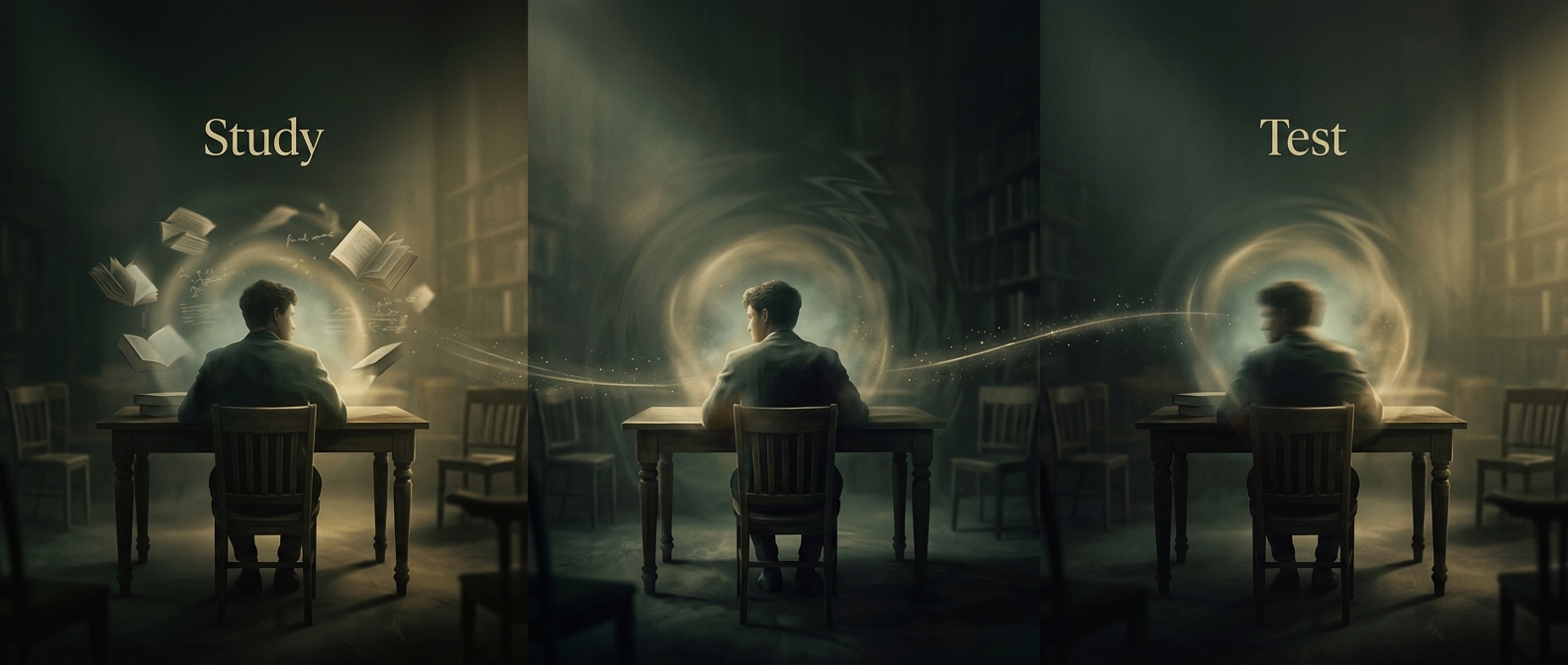
Memory can carry clues from the state you learned in
State-dependent memory describes how matching an internal condition at learning and recall can help retrieve information. That does not make alcohol a useful…
Discover more
Dark humor takes more brainpower than you think
A dark joke asks your mind to hold two meanings at once: the awful literal one and the unexpected, harmless twist. Catching the gap—and deciding the speaker…
Discover more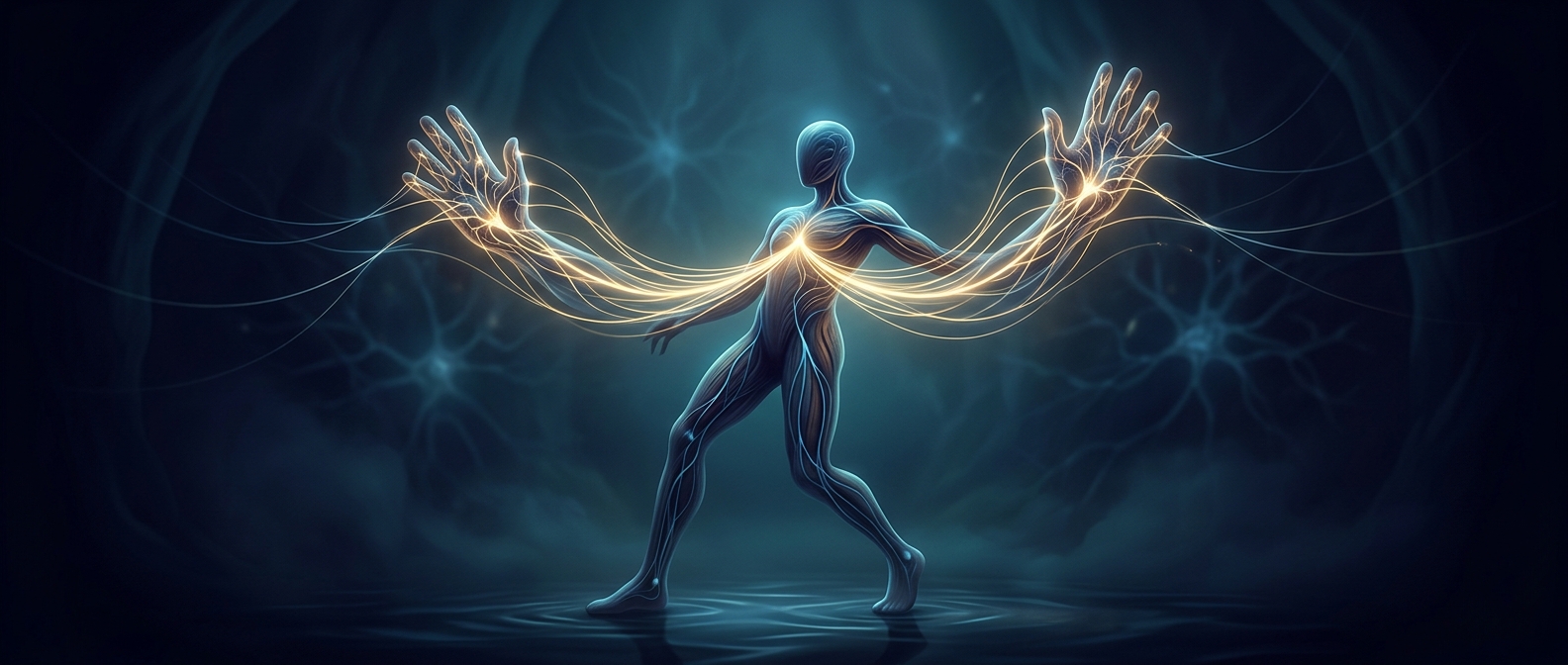
Motor cortex prioritizes hands over legs
Move a finger and move a leg: the brain doesn’t split its movement-control territory evenly. Hands need delicate, constantly changing instructions, so the…
Discover more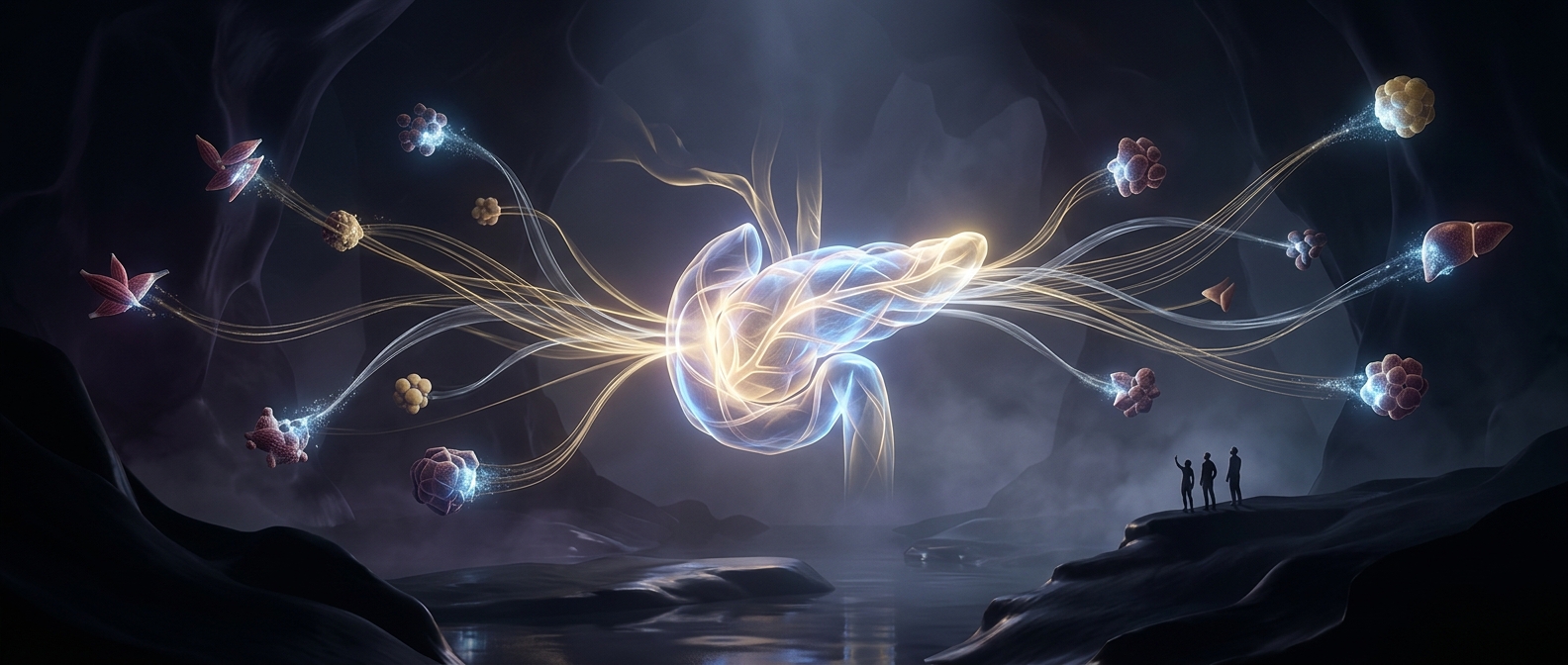
Pancreatic output controls energy distribution
Food puts glucose into the bloodstream; insulin from the pancreas helps move that fuel into cells and storage. When the body needs energy later, different…
Discover more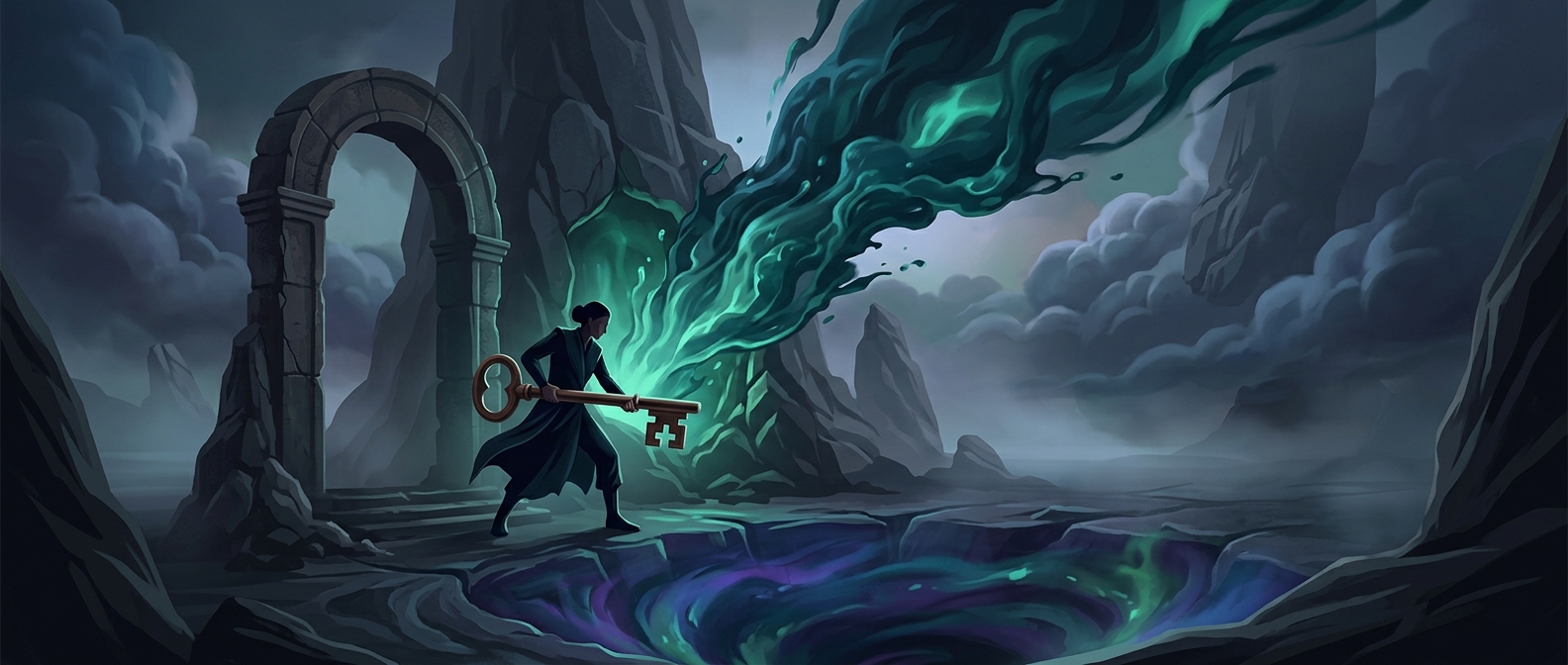
Area postrema triggers projectile vomiting
Some substances in the blood can’t be screened by the brain’s usual protective barrier. The area postrema monitors that vulnerable territory and can trigger…
Discover more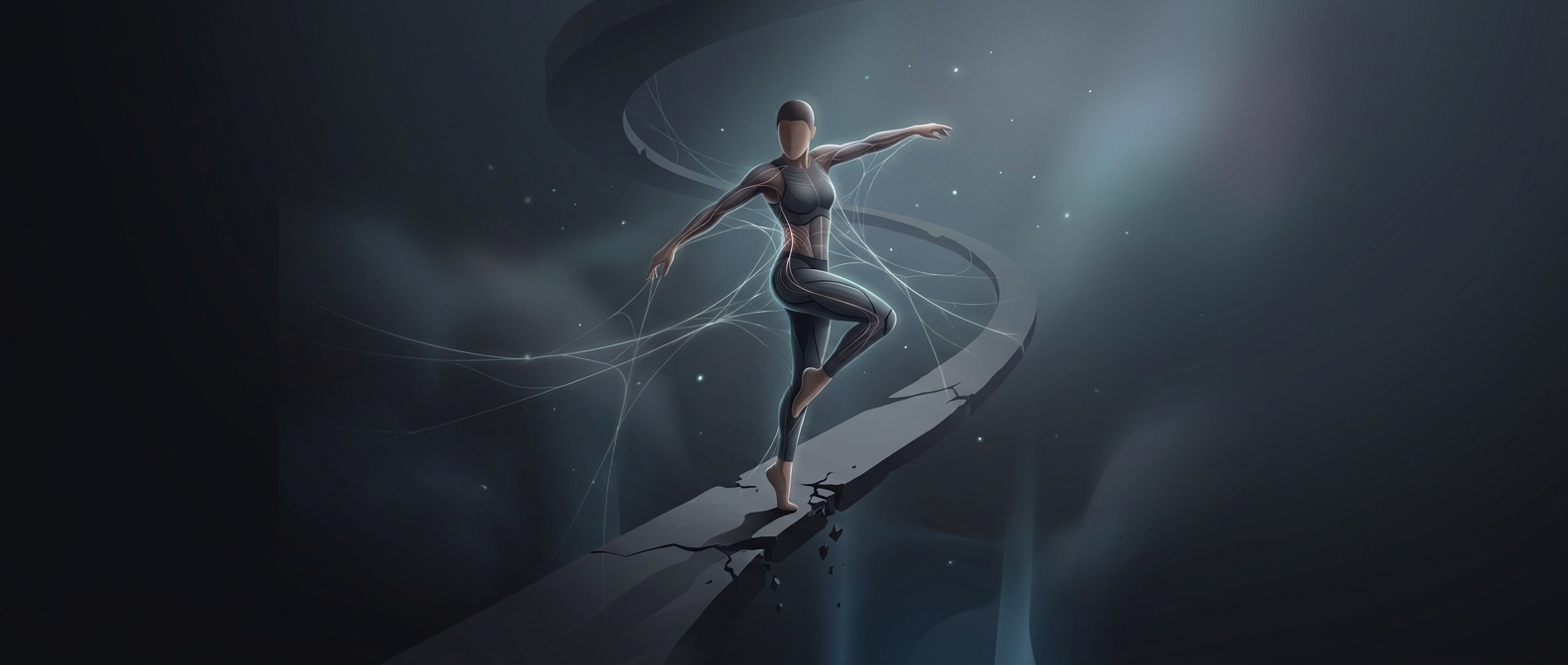
Proprioception prevents you from falling over
Your balance depends on more than what you see. Proprioception tells your brain where your limbs are without looking, while signals from your inner ear help…
Discover more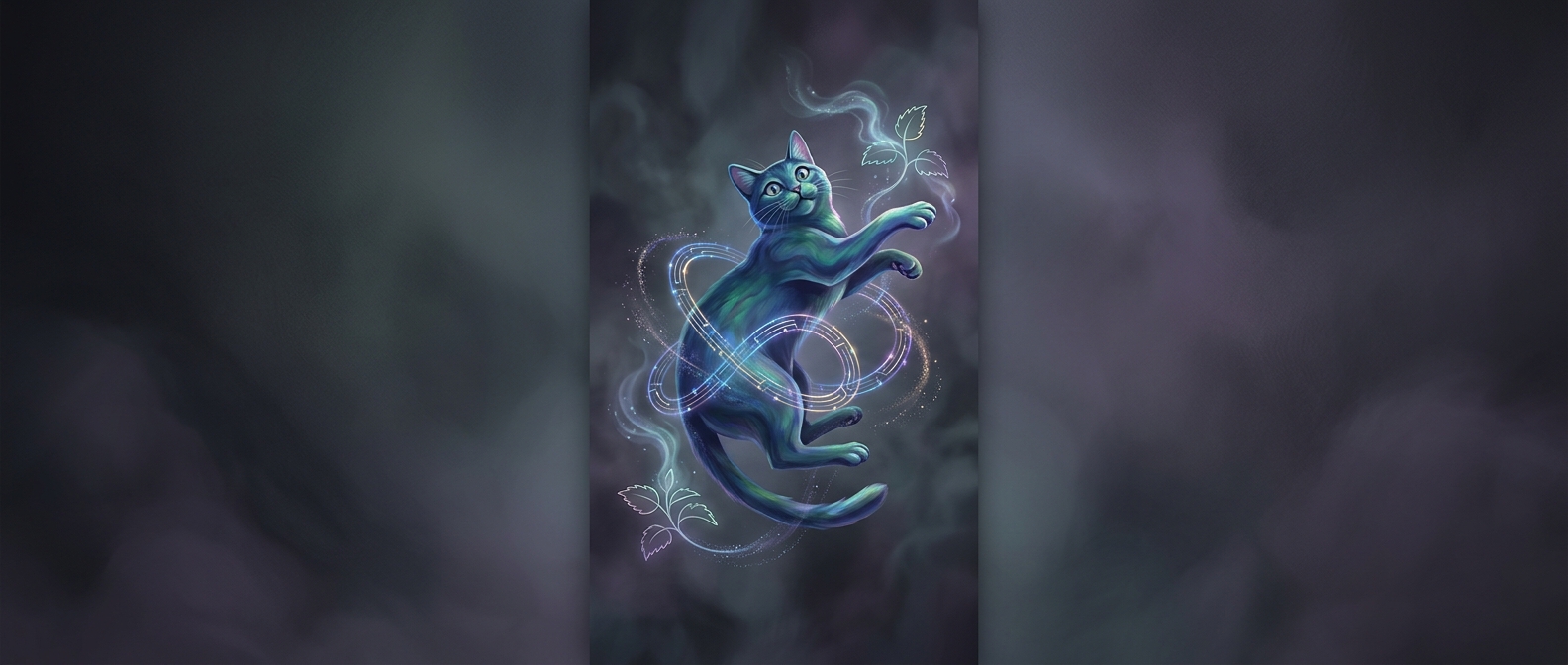
Nepetalactone triggers feline neurological loops
A cat sniffs catnip, then may rub, roll, lick, or kick at it as if the plant has started a very specific party. Nepetalactone is the scent compound that sets…
Discover more
Amusia renders individuals completely tone deaf
With amusia, music can reach the ears without its changes in pitch snapping into a recognizable tune. Notes that other listeners hear as rising, falling, or…
Discover more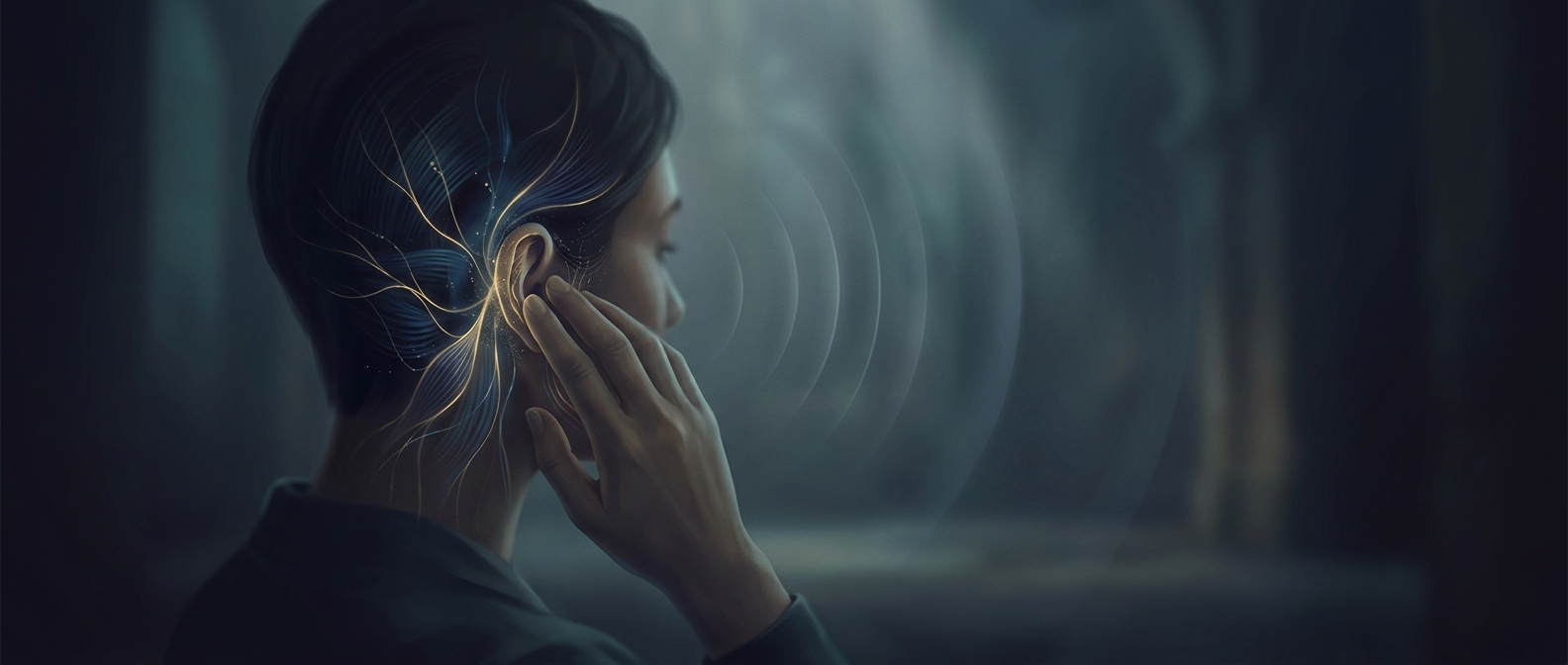
Some people can make their ears rumble
Some people can voluntarily tense a tiny muscle in the middle ear, the tensor tympani. That muscle makes a low rumbling sound they hear inside their own…
Discover more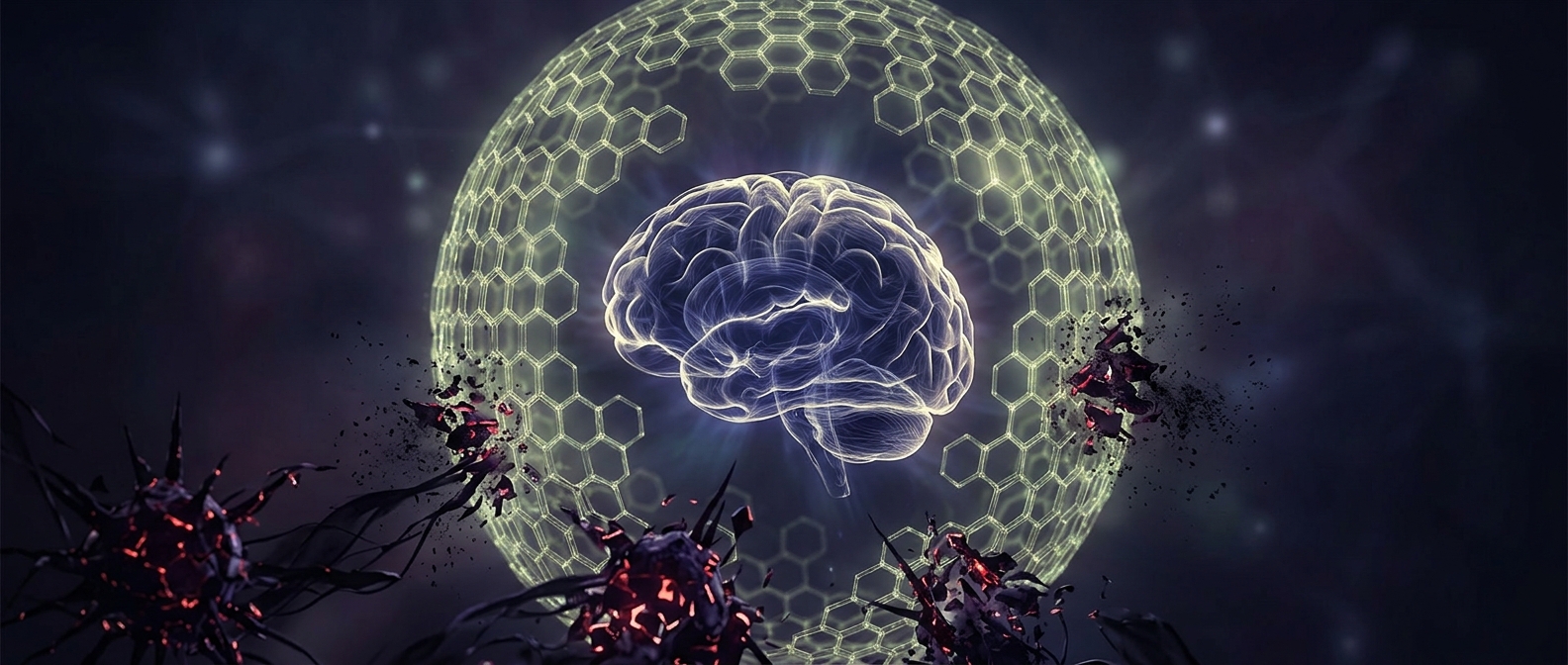
Blood-brain barrier blocks chemical invaders
The brain does not let the bloodstream wander in unchecked. Tightly joined cells around its blood vessels filter many substances before they can reach brain…
Discover more