Psychology
Discover facts about psychology. Small discoveries that change the way you see familiar things.
Psychology
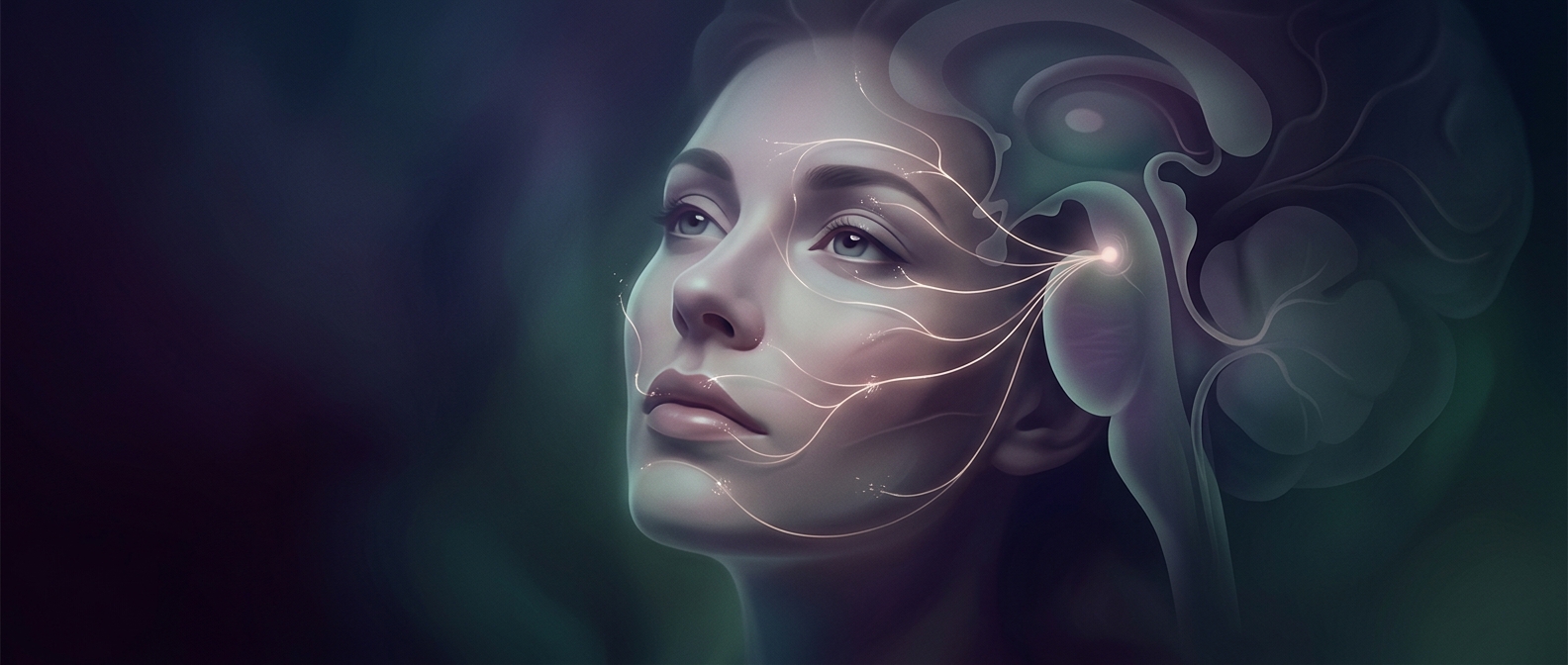
Pons coordinates your unconscious facial twitches
Your face is not waiting for a conscious instruction before every movement. The pons helps route signals involved in facial expressions, including quick,…
Discover more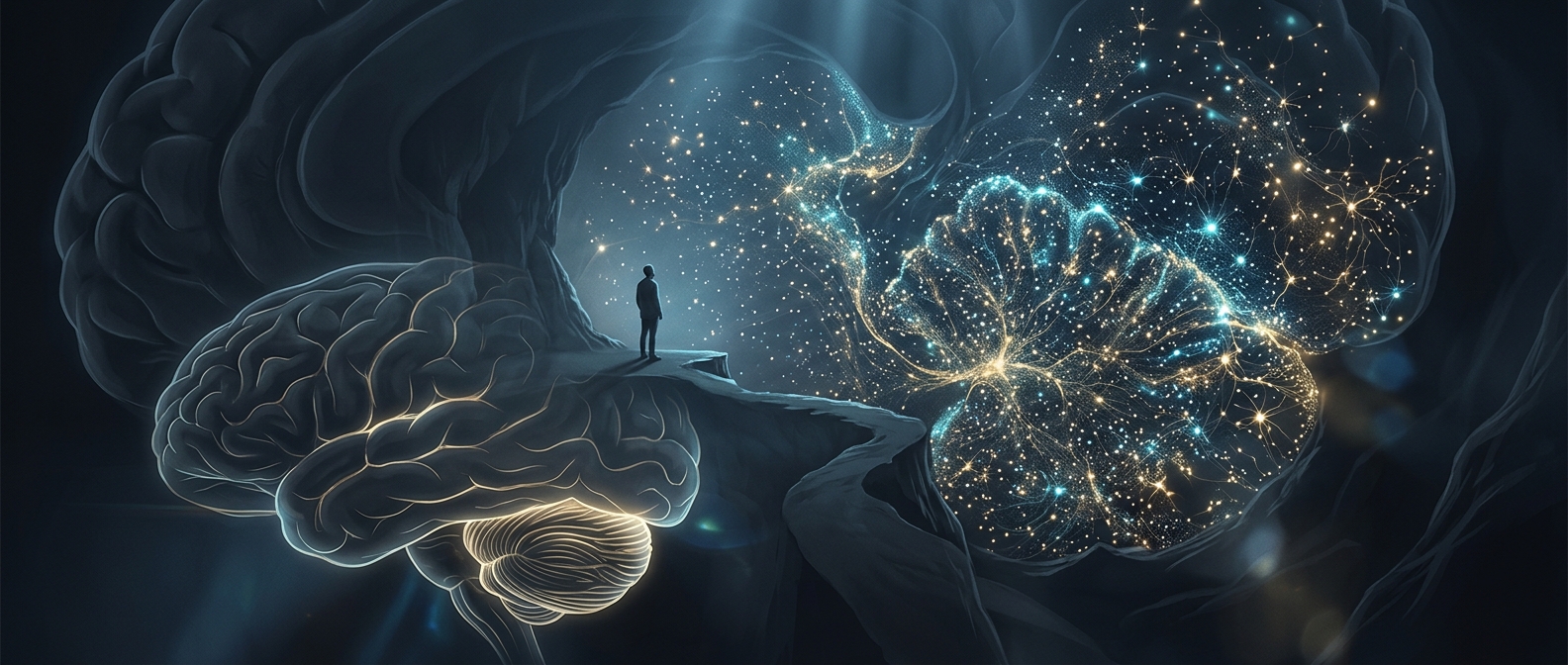
Cerebellum contains half your overall neurons
A brain region doesn’t need to be big to be crowded. The cerebellum holds about half your neurons in a compact space, where they help smooth and coordinate…
Discover more
Your brain has janitors called glial cells
Think of glial cells less as passive filler and more as the crew keeping a busy worksite running. They help nourish and protect neurons, maintain the…
Discover more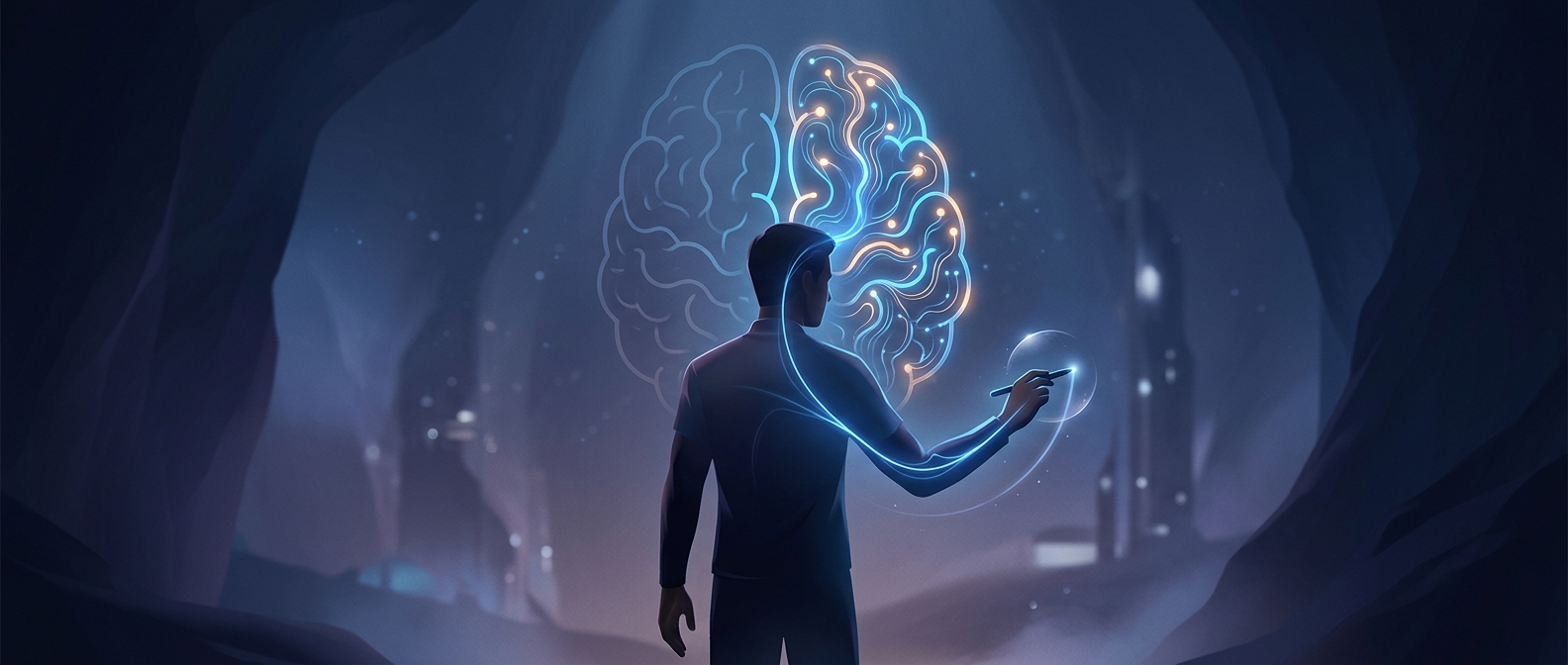
Left-handedness stems from right motor dominance
When someone favors the left hand, the brain’s right hemisphere plays the leading role in controlling its movements. Motor pathways mostly cross the body, so…
Discover more
Weber's law dictates noticing weight differences
Your hand doesn’t judge an added weight in isolation; it compares the change with what it was already holding. That’s Weber’s law: noticeable differences…
Discover more
Absolute pitch allows musical note identification
Play a single note with no song or tuning tone to compare it with, and a person with absolute pitch can still identify it. They have learned to connect a…
Discover more STACKY FOR IPHONE
A bigger world.
One discovery
at a time.
Keep discovering with Stacky. Interesting facts in an app that is always within reach.

Some people can taste a temperature change
In thermal-taste experiments, warming or cooling the tongue can evoke sensations such as sweetness even without adding a sweet substance. The effect differs…
Discover more
Thyroid hormones dictate your metabolic burn
Thyroid hormones help set the pace at which the body uses energy. They influence how quickly cells carry out many jobs, from generating heat to processing…
Discover more
Why Googling your opinion can make it harder to change
Googling a belief can turn a passing opinion into a case you’re prepared to defend. You gather supporting links, remember the evidence that fits, and build a…
Discover more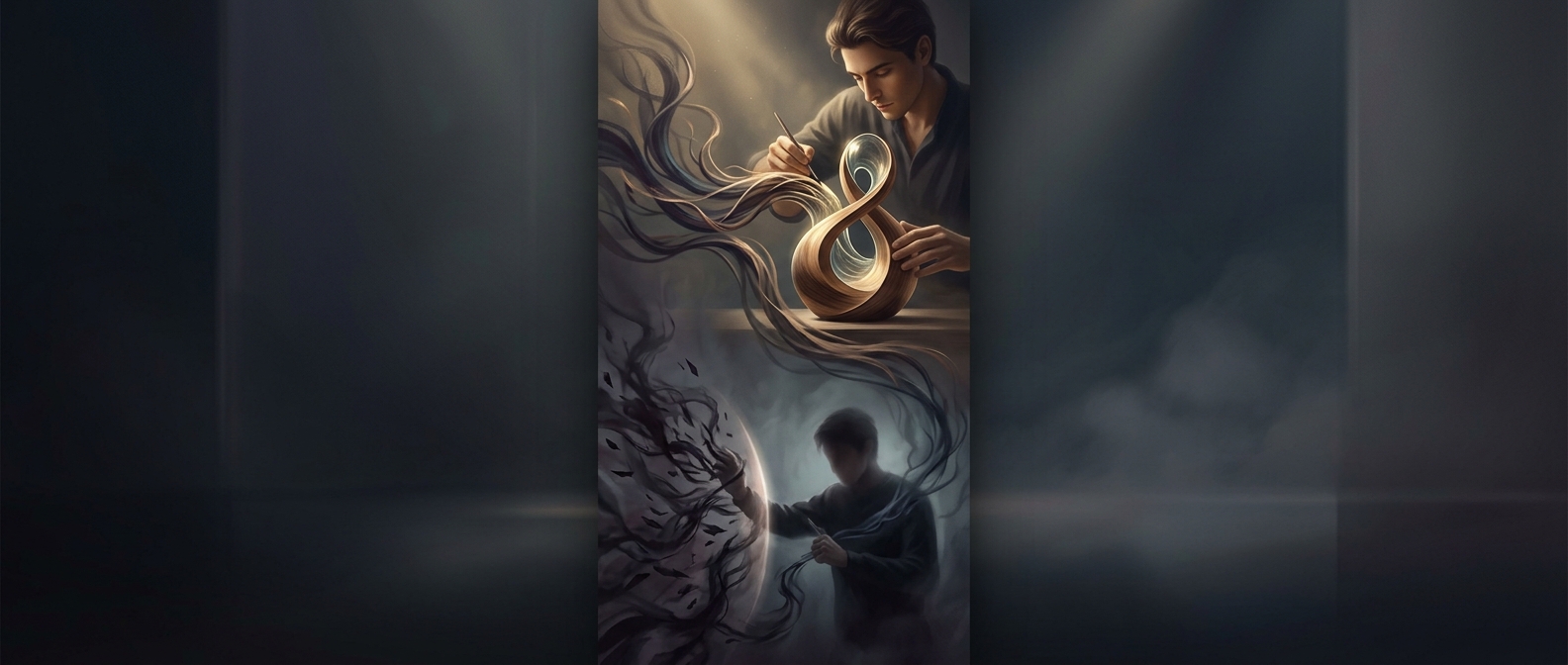
Sublimation channels anger into socially accepted work
Sublimation is what happens when a difficult impulse gets a socially acceptable outlet. Instead of acting out anger, someone might pour that energy into…
Discover more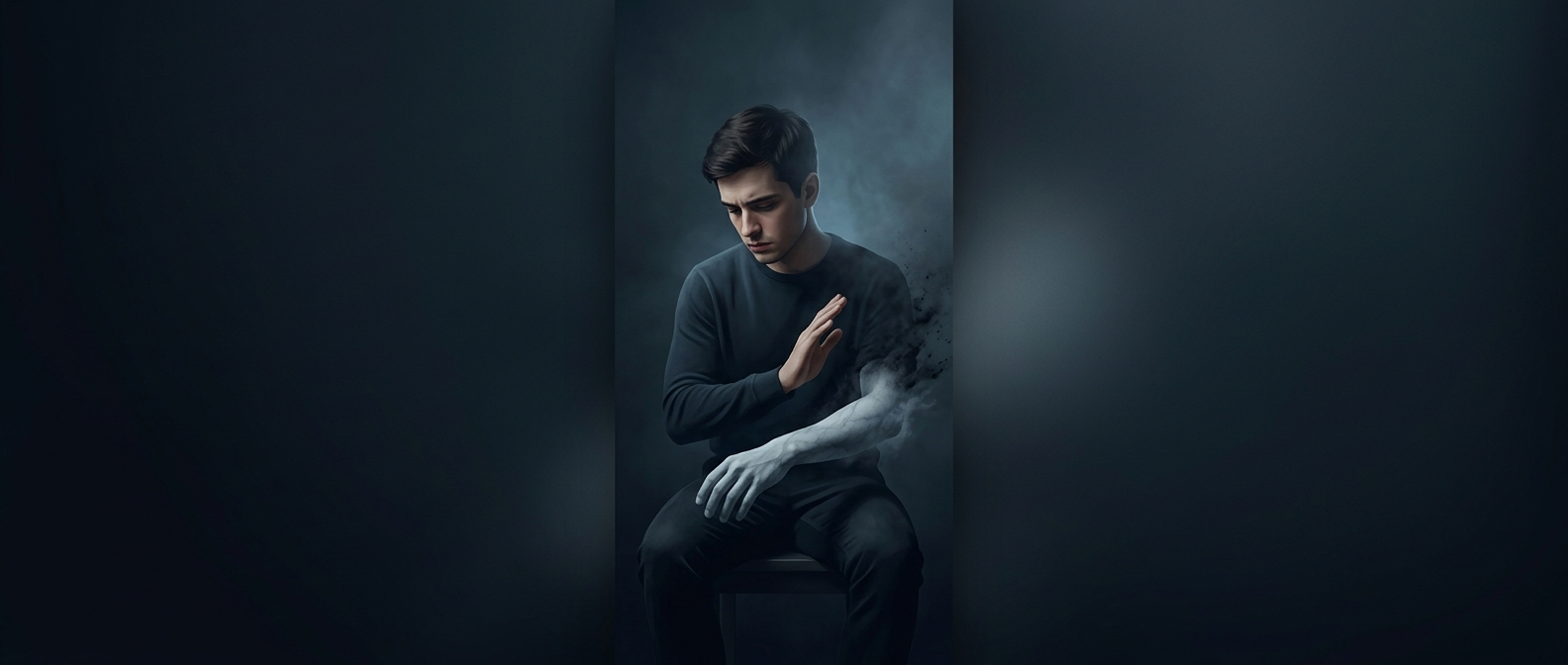
When your own limb feels like a stranger’s
Your brain normally combines signals about a limb—what you see, feel, and intend to move—to experience it as yours. When those signals stop lining up, the…
Discover more
Burying terrible experiences deep in the unconscious
Pushing a terrible experience out of awareness can mean avoiding the reminders that bring it back. The event may not be on your mind, but the fear attached to…
Discover more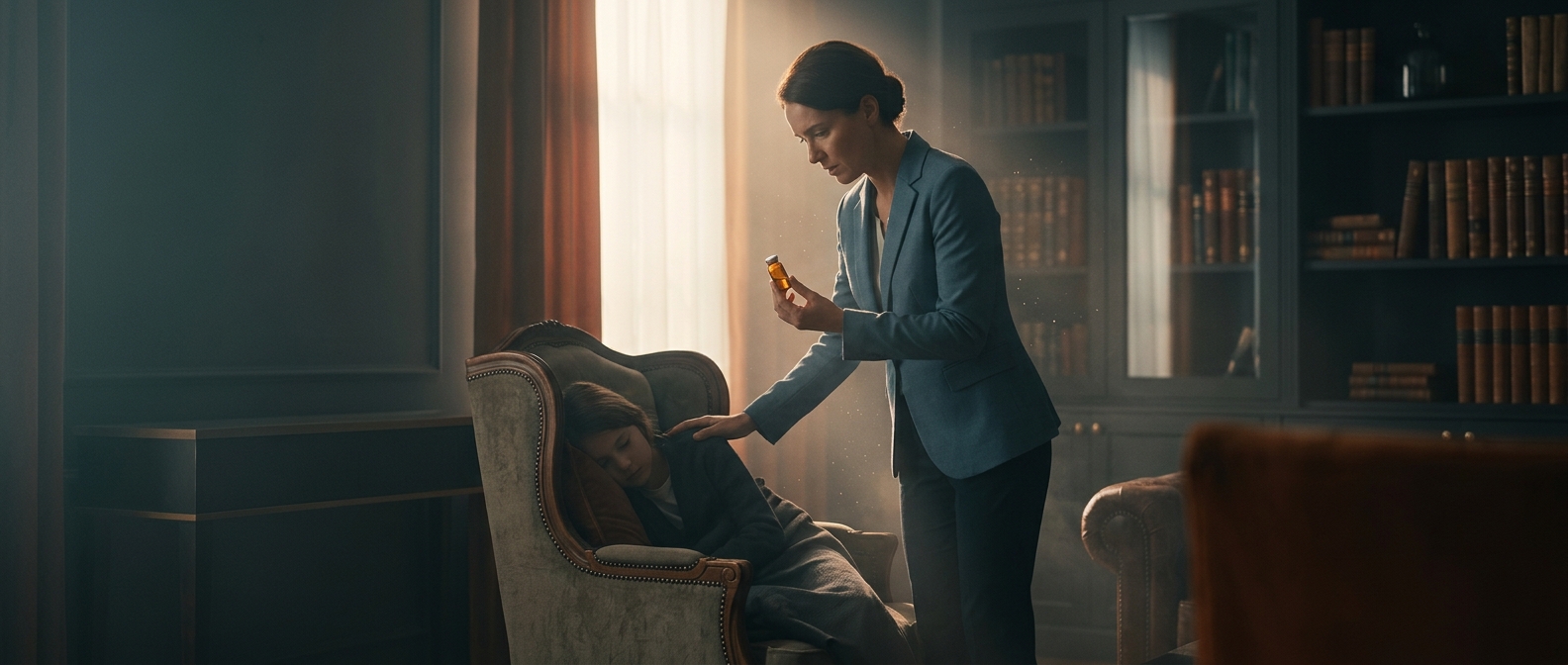
Why someone would make a loved one sick
A caregiver who makes a loved one sick can gain something from being seen as the devoted person managing a crisis. In factitious disorder imposed on another,…
Discover more
Being entirely incapable of living independently alone
Even adults who live alone rely on other people’s work: food systems, power, medicine, and the skills learned from generations before them. Human life begins…
Discover more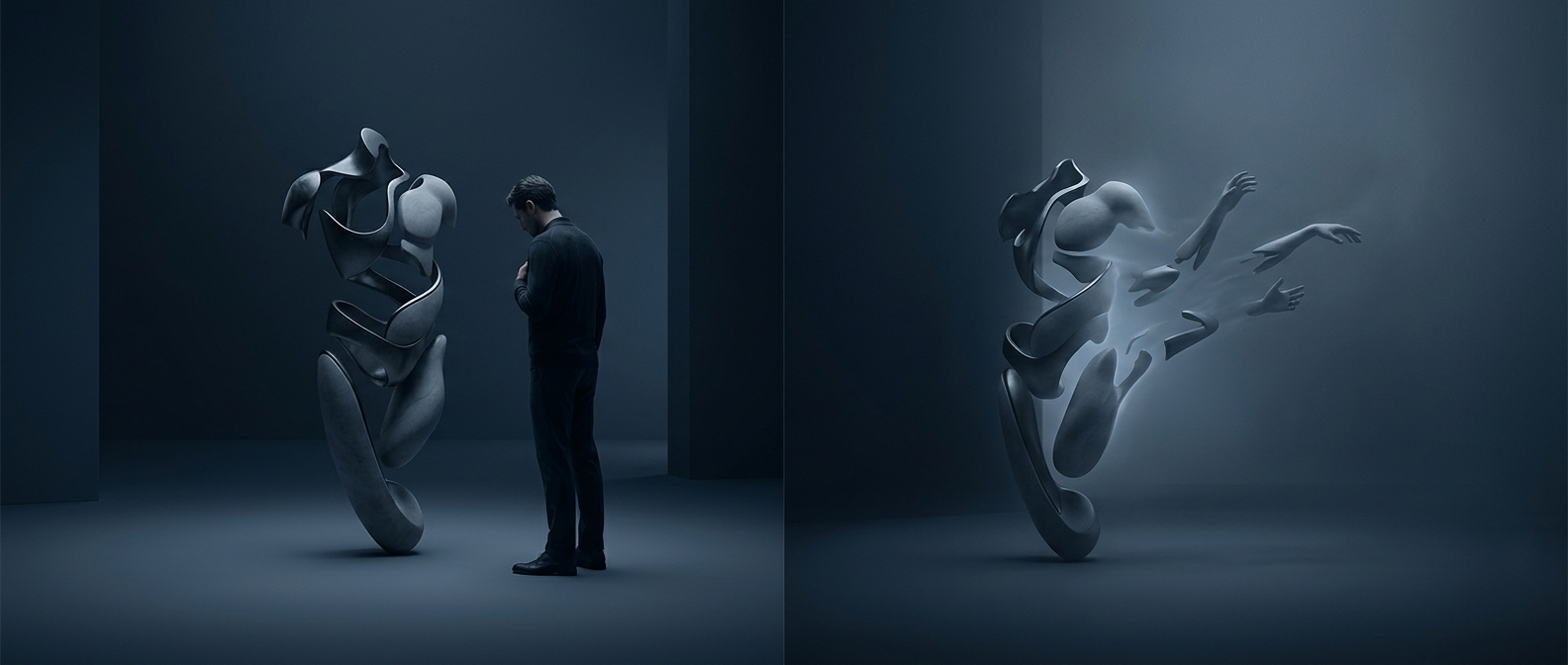
The strange psychoanalytic theory behind male insecurity
Psychoanalyst Karen Horney proposed “womb envy”: the idea that men might feel insecure about their inability to bear children and compensate by pursuing…
Discover more
Balancing primal urges and strict rules causes panic
Imagine wanting something intensely and believing that wanting it makes you bad. The urge pulls one way; the rule yanks the other, leaving no easy move. That…
Discover more
Lacking any biological capacity to care about others
Some people experience little emotional response to other people’s suffering. They may still understand that someone is frightened or hurt, but that knowledge…
Discover more
Freud thought boys saw their fathers as rivals
Freud’s theory of the Oedipus complex cast a young boy’s mother as the object of his desire and his father as the rival standing in the way. He thought the…
Discover more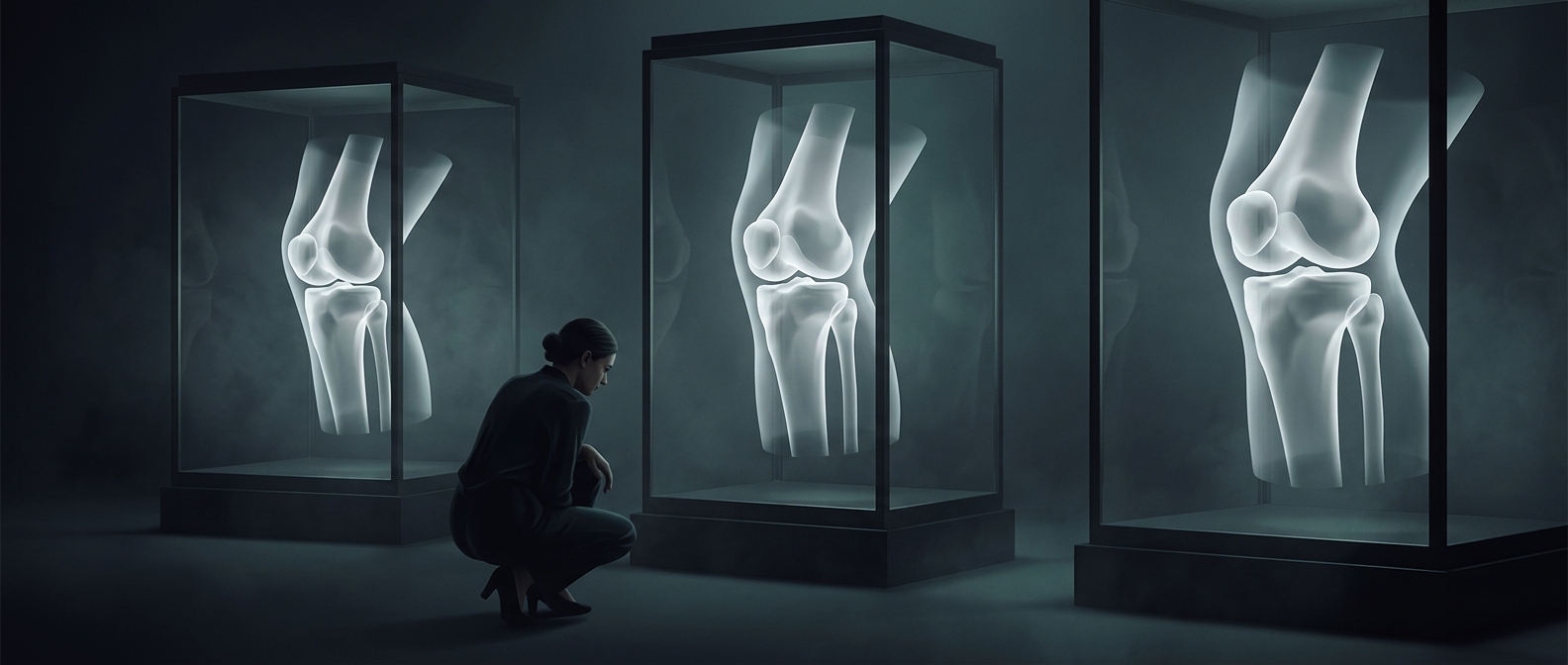
A phobia can attach itself to an ordinary body part
For someone with an intense fear of knees, seeing or touching the joint can trigger distress far beyond an ordinary dislike. The feared object need not be…
Discover more
Can handwriting really reveal your personality
Your handwriting records more than words: it also records the movements that made them. Pace, pressure, and spacing can reflect a person’s habits and state of…
Discover more
Some people are terrified of ordinary buttons
A row of buttons can provoke fear because the mind can learn to treat an ordinary object as a danger cue. Once the sight or feel of buttons sets off alarm,…
Discover more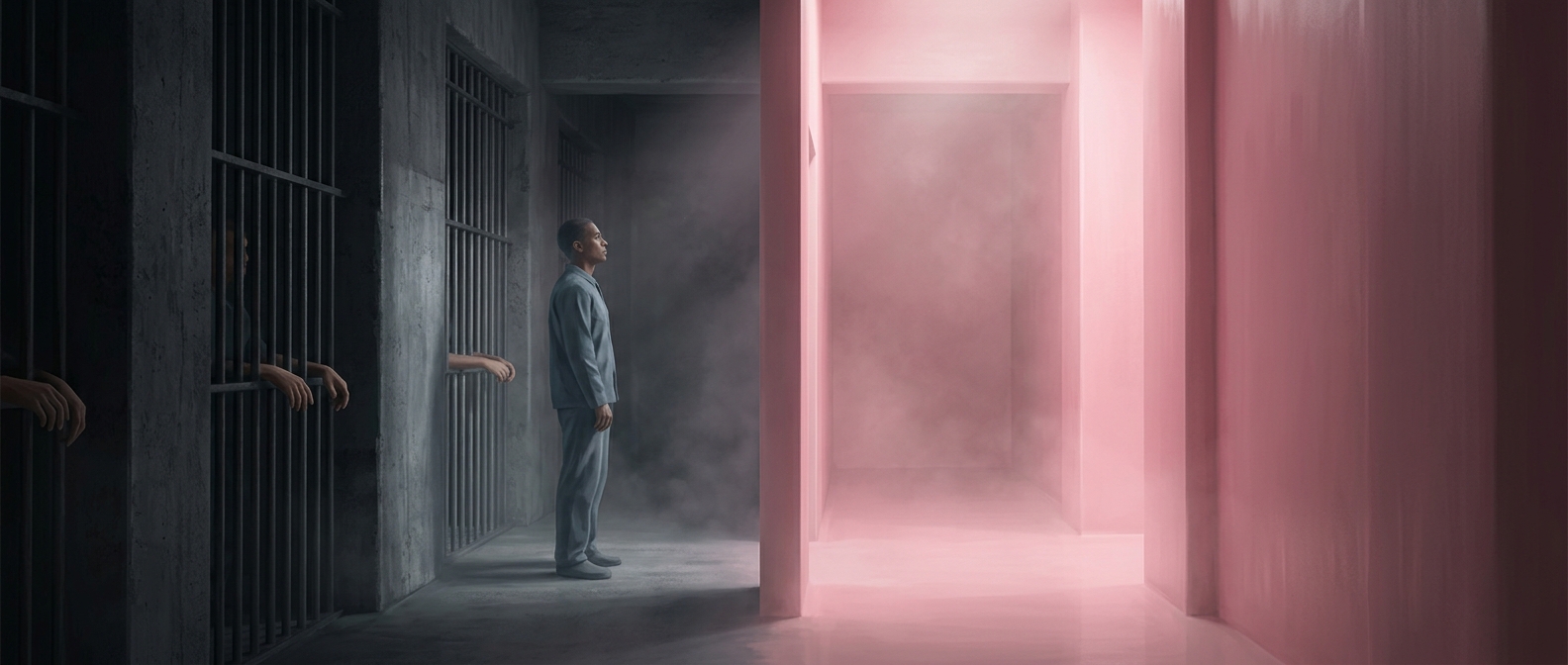
Why some prison cells were painted bubblegum pink
Some prisons used bubblegum-pink cells in the hope that the color would calm agitated people. The walls became part of the behavior-control plan: instead of…
Discover more
Some people are terrified of the color yellow
A color can become frightening when it gets linked to a frightening experience. After that association forms, seeing yellow may trigger the alarm before a…
Discover more
That inner critic may be your superego
That harsh voice keeping score may resemble what Freud called the superego: internalized rules that judge whether you are behaving as you “should.” It can…
Discover more