Economy
Discover facts about economy. Small discoveries that change the way you see familiar things.
Economy
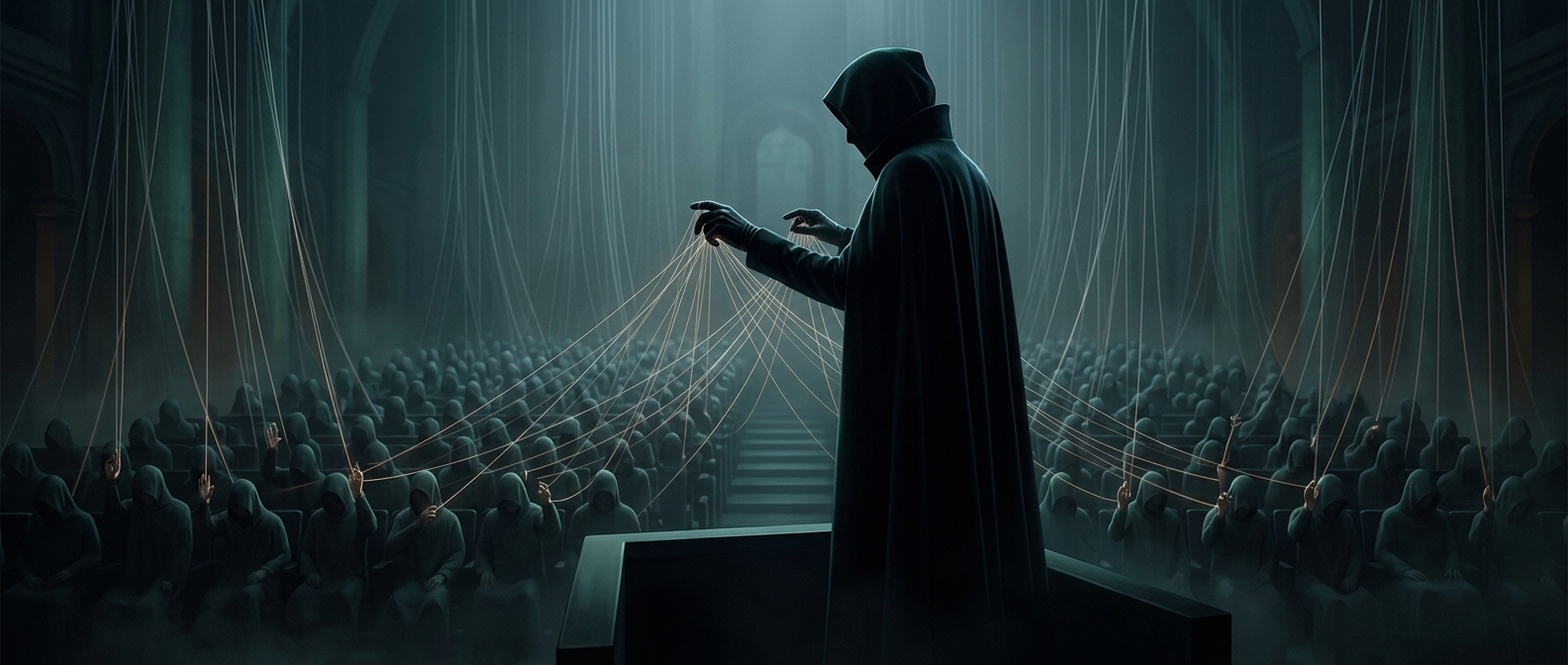
A handful of firms can steer how giant funds vote
A huge fund may own shares in hundreds of companies but face thousands of votes on corporate proposals. Rather than review them all from scratch, it can lean…
Discover more
A privately operated navigation light could sell ships a safer route
Economists have studied historical lighthouses and lightships to ask how a service visible to everyone could be financed. One case is the Nore lightship,…
Discover more
The tooth fairy may follow the stock market
Delta Dental polling found that tooth-fairy payouts tend to rise when stocks boom and fall in recessions. In some surveys, a lost molar brought a child more…
Discover more
A heavier bottle can change what you expect from the soap
An experiment varied liquid-soap packaging and found that its weight helped influence expected effectiveness and perceived fragrance intensity. Those…
Discover more
The private firefighters protecting wealthy estates
If public firefighting crews are overwhelmed, insurers may send private crews to protect wealthy clients' homes. The unusual buyer is the insurance company,…
Discover more
The hidden clause that can keep you out of court
The hidden trade is where a dispute gets heard: many agreements require private arbitration, so a customer cannot take that dispute through the usual court…
Discover more STACKY FOR IPHONE
A bigger world.
One discovery
at a time.
Keep discovering with Stacky. Interesting facts in an app that is always within reach.

How Vatican City pays its bills
With no farms, factories, or natural resources to sell, Vatican City earns heavily from visitors. Museum admissions, postage stamps, and souvenirs help bring…
Discover more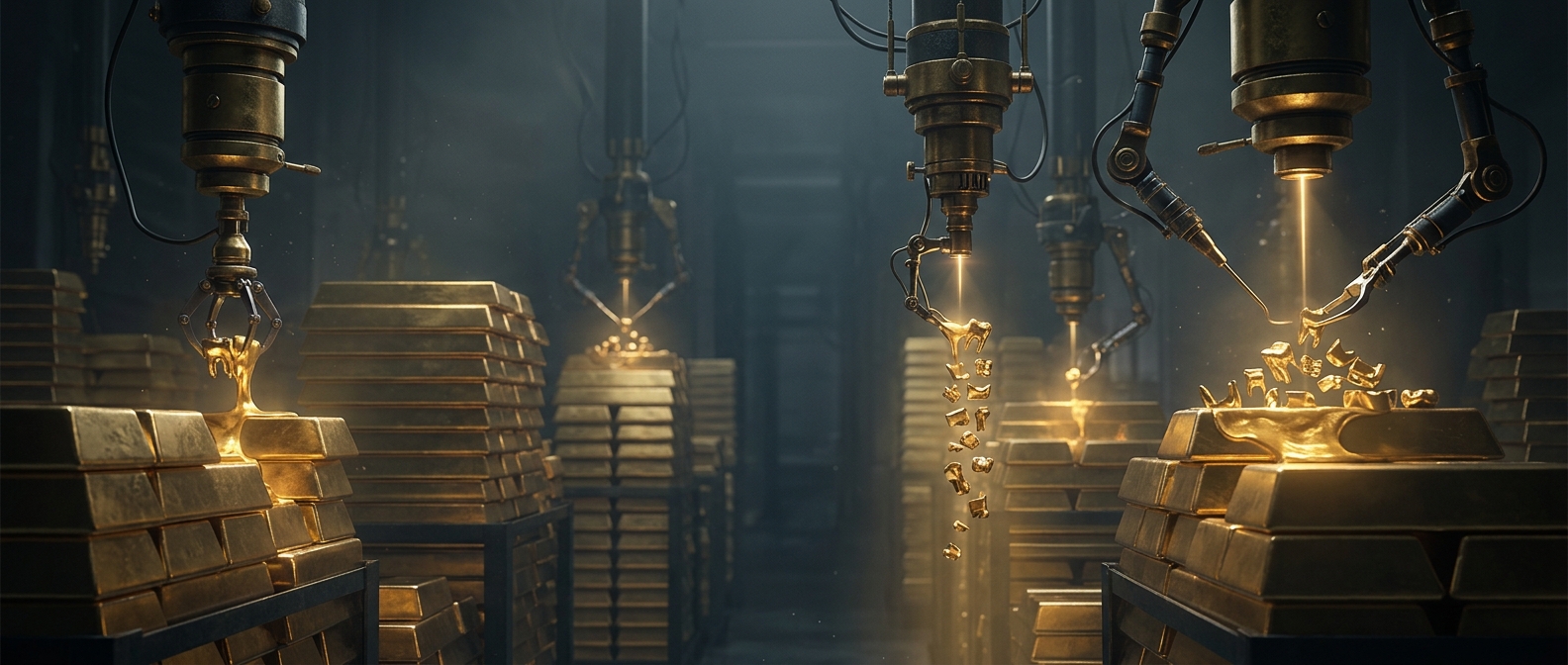
When dentists used tons of gold every year
For years, a trip to the dentist could mean putting gold in your mouth. Before composite resins became common, gold was a routine material for dental work,…
Discover more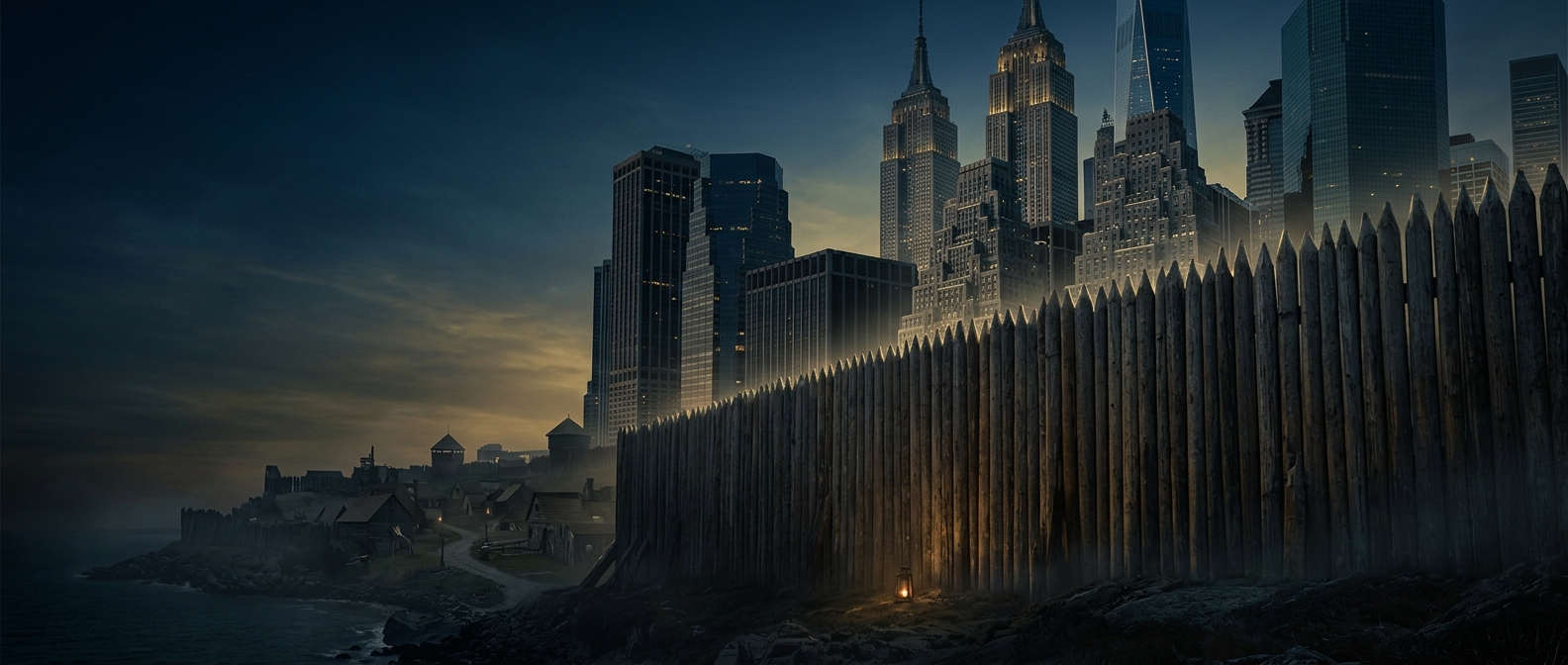
Wall Street got its name from a real wall
A wooden defense wall once stood beside the street in 17th-century New Amsterdam. The palisade came down, but the street kept its name—Wall Street began as a…
Discover more
The communities where an hour always equals an hour
A member who spends an hour fixing a neighbor’s sink earns an hour to spend on someone else’s help. A violin lesson costs the same, even though the skills are…
Discover more
Why office-fridge lunches mysteriously disappear
When nobody is responsible for the shared fridge, each person can tell themselves one extra lunch won’t matter. Add enough private calculations like that, and…
Discover more
Why OnlyFans can out-earn legacy giants
Low overhead means the subscription platform can keep a larger share of what it earns than traditional companies with bigger operating costs. That helps…
Discover more
Why donated bodies may be divided and sold for medical training
Some brokers sell a donated body piece by piece instead of keeping it intact. Individual limbs can end up at surgical training seminars, where doctors…
Discover more
Why returning an opened laptop can cost you
Opening a laptop can make a return costly: some retailers charge a substantial percentage fee, saying it covers testing and repackaging. The fee can be enough…
Discover more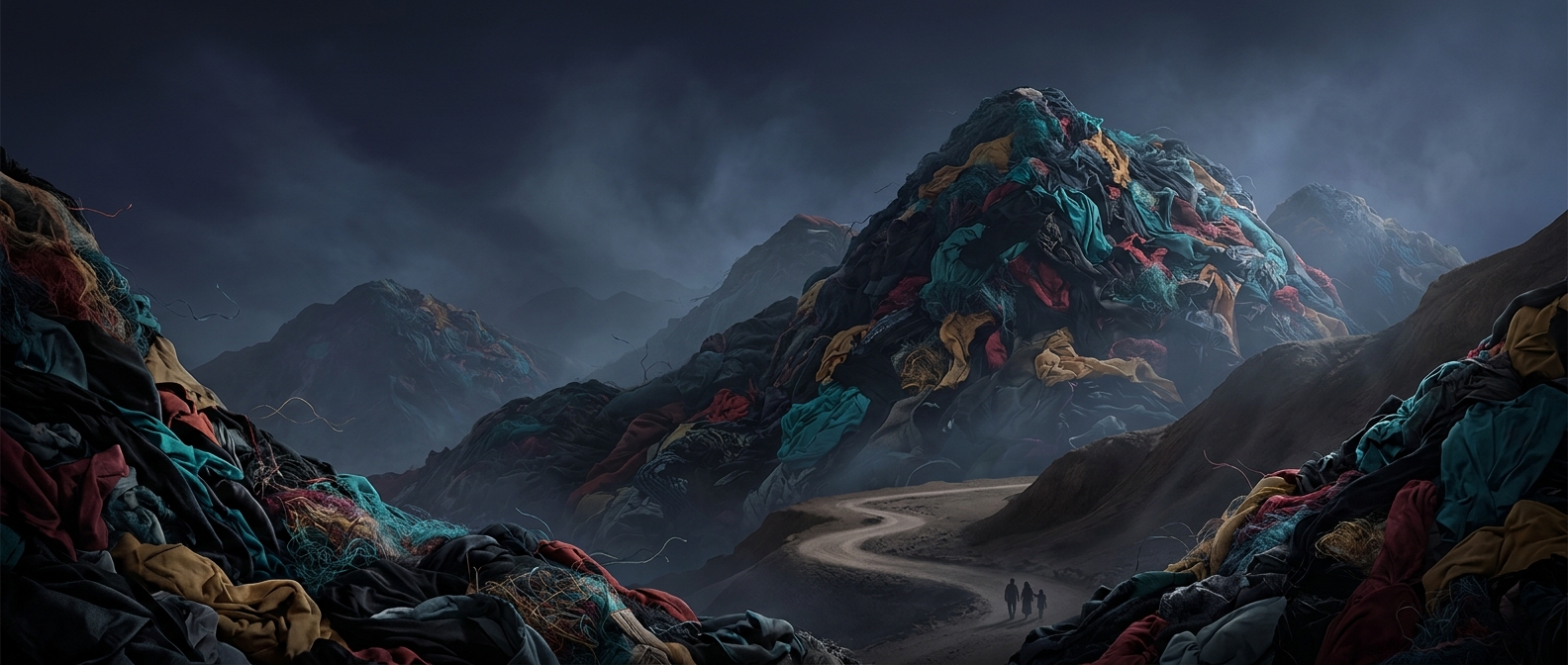
Fast fashion is piling up in the Atacama Desert
Many of the dumped garments are synthetic and hard to recycle, so unsold clothes and discards build into colorful mountains in the Atacama Desert. The piles…
Discover more
English is popular simply because everyone else speaks it
If you want to reach the most people, speaking the language they already use helps. Each new English speaker makes it more useful to the next, drawing in…
Discover more
Why refusing charity overhead can hurt the cause
If donors forbid a charity from spending on overhead, it may struggle to pay its staff or keep the lights on. The rule meant to protect donations can leave…
Discover more
Why ventriloquist dummies sell for fortunes
For oddity collectors, an antique wooden ventriloquist figure is worth bidding on—even if its face gives everyone else the creeps. Some sell for high prices…
Discover more
Why strict rules can strengthen a group
A group can make membership costly on purpose: members who accept uncomfortable clothes or strict food rules show they’re willing to put up with the same…
Discover more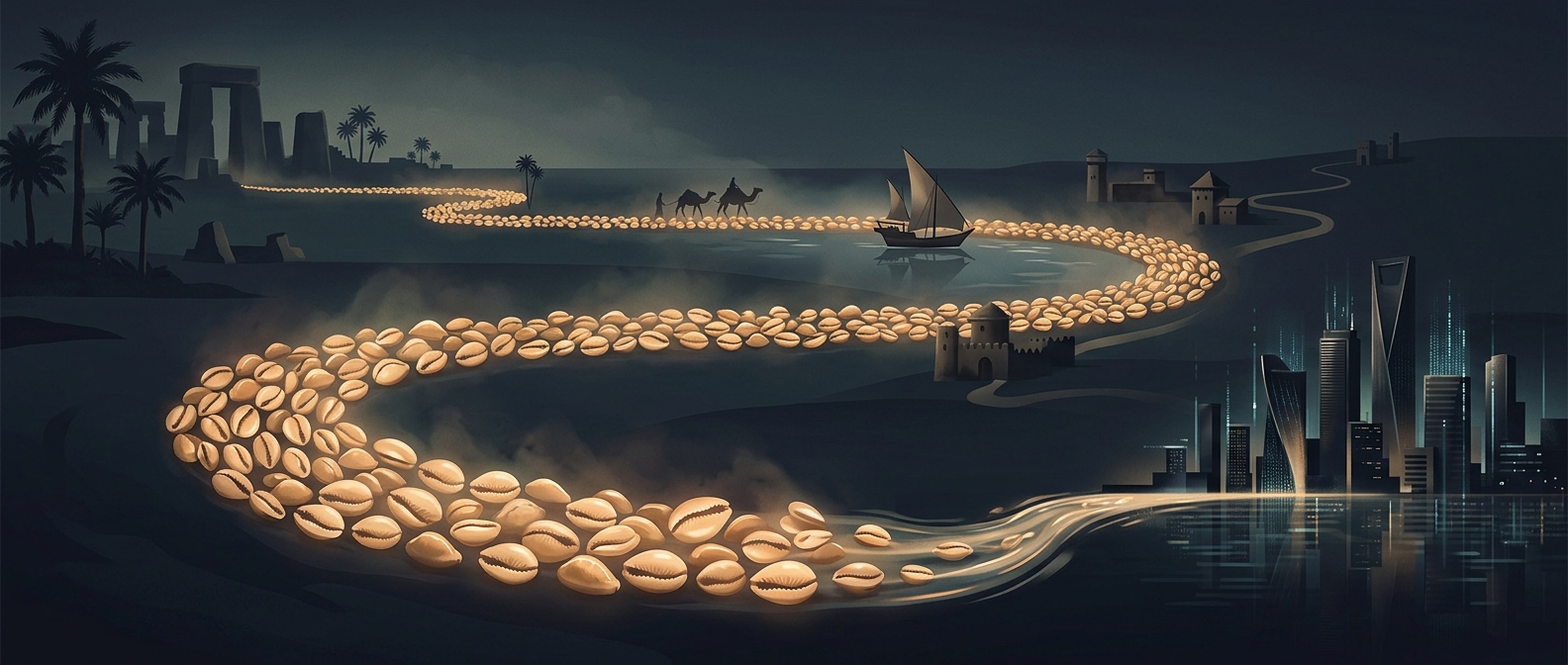
Chinese money words still carry traces of shell currency
The cowrie-shell symbol appears within characters connected with buying, loans, taxes, and wealth. Shells served as valuables long before modern banknotes,…
Discover more
Cacao cultivation requires a specific equatorial climate
The trees behind chocolate need a particular equatorial climate. Because cacao grows in a narrow zone, changing weather there can put production at risk.
Discover more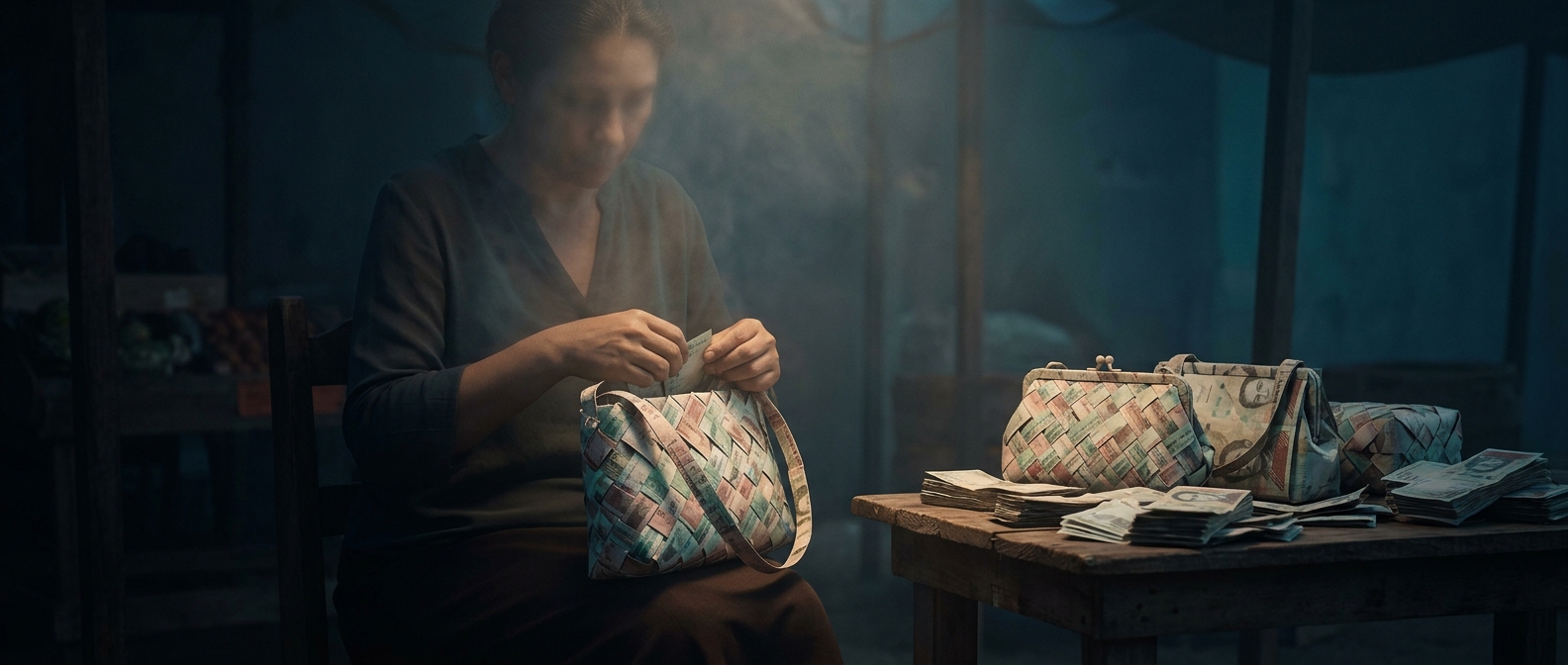
When Venezuelan banknotes became handbags
Venezuelan artisans turned stacks of devalued bolivars into handbags and paper swans. As inflation ate away the notes’ buying power, tourists could buy them…
Discover more
How investors can profit from a collapse they don't own
You can buy a contract that pays if a financial asset collapses, even if you never owned that asset. If it goes down, the contract can pay out—so the buyer…
Discover more
Sewage treatment is massively underfunded
A repaired sewer pipe rarely gets noticed, so municipalities may delay expensive upgrades. Then a failure turns the hidden maintenance bill into an urgent one.
Discover more