Economy
Discover facts about economy. Small discoveries that change the way you see familiar things.
Economy

Feudal serfs were tied to the land and could not move
The land could be sold, and its residents came with it. Serfs were legally bound to their local lord’s estate and could not simply move away.
Discover more
Governments can seize private homes for public use
When authorities need property for a public project such as a highway, eminent domain lets them take privately owned land. The road may be public; the…
Discover more
A Broadway actor can belong to two unions for one role
The 2005 Sweeney Todd revival had performers supply the instrumental music as well as the acting. Patti LuPone played tuba while portraying Mrs. Lovett, and…
Discover more
Politicians waste millions in taxpayer dollars by talking
A filibuster can turn a vote into a waiting game: a senator keeps talking, sometimes reading aloud for hours, so the Senate cannot move on to the decision.
Discover more
Putting a man on the moon consumed massive federal budgets
At Apollo’s peak, putting astronauts on the moon took a striking share of federal spending. The United States was paying for a race to reach the moon before…
Discover more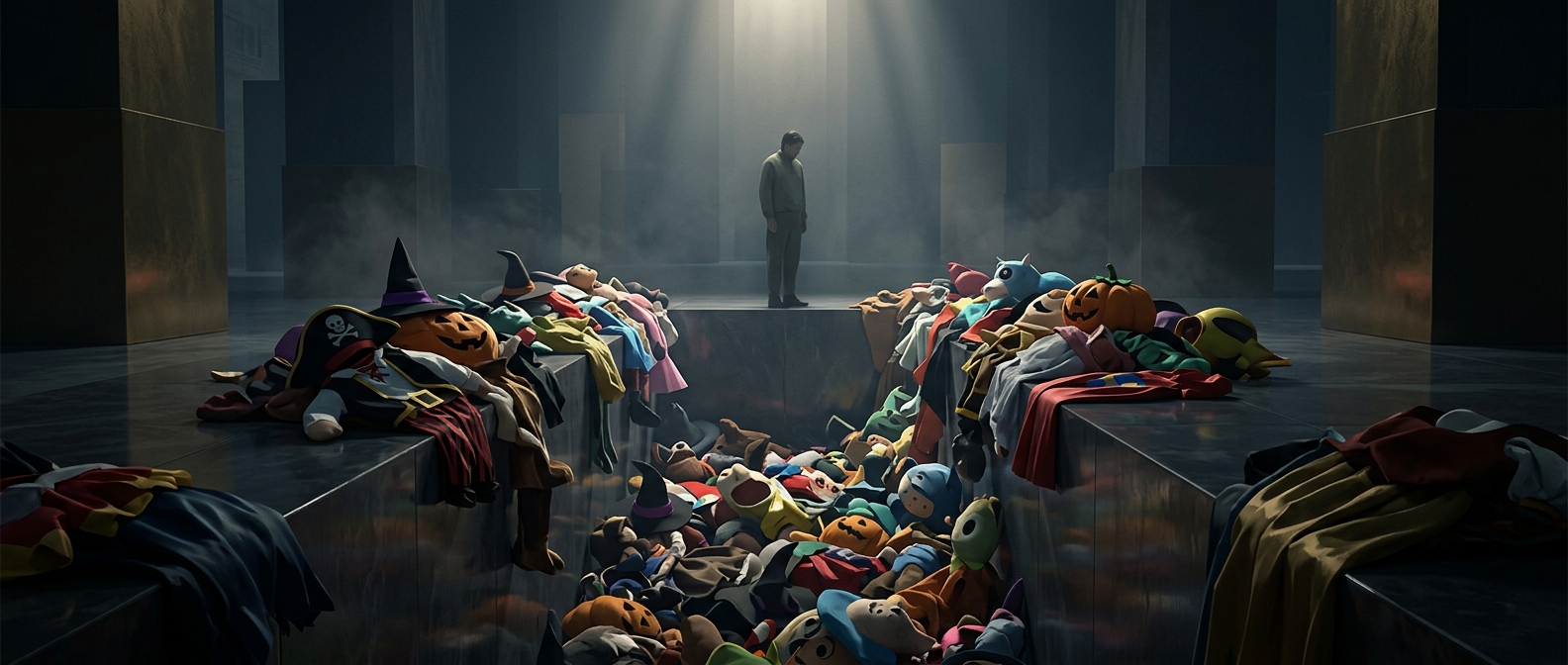
Americans planned nearly $1 billion in Halloween costumes—for pets
The National Retail Federation's 2026 survey projected $920 million in spending on animal outfits. Pumpkins led the choices, ahead of hot dogs and ghosts. It…
Discover more STACKY FOR IPHONE
A bigger world.
One discovery
at a time.
Keep discovering with Stacky. Interesting facts in an app that is always within reach.

Dating apps don't create romance—they create the meeting place
The app does the unromantic part: it puts singles who want to date in the same place. It can arrange the meeting, but the people swiping have to make the…
Discover more
Growing societies must get worse before getting better
As factories grow, their owners may pull ahead before broader prosperity arrives. The Kuznets curve is the hypothesis that inequality rises first, then falls…
Discover more
Nobody wants to change their mind in equilibrium
Each TV network could move its commercials to a different time—but only if it knew the rival would stay put. If one network moves alone, viewers can switch to…
Discover more
RuneScape gave players a market to learn by losing money
Players trade equipment and materials whose prices respond to supply and demand. A game update can make an item easier to obtain and change what buyers will…
Discover more
When Diablo III turned into a marketplace
Players could buy top gear instantly through Diablo III’s auction house instead of earning it by hunting for loot. The menu became a shortcut around the…
Discover more
America once wanted to farm hippos in Louisiana
Louisiana’s 1910 hippo proposal promised weed control and a new source of meat. Its boosters gave the product an optimistic name: “lake cow bacon.”
Discover more
Everyone involved in a negative-sum game loses everything
A country can win a war and still lose wealth, roads, buildings and lives. Fighting shrinks the resources both sides have left; the winner gets the victory,…
Discover more
Trading apples for oranges magically creates value
You have apples but would rather have oranges; your neighbor has oranges but would rather have apples. Swap, and both get the fruit they prefer without…
Discover more
Mathematical squares prove trades benefit both parties
The Edgeworth box puts two people’s resources on one diagram. A trade is a move inside the box; if both end up better off, the exchange has helped both of them.
Discover more
How self-interest can keep society running
You get dinner not because the butcher loves you, but because the butcher wants to earn a living. The baker’s self-interest keeps bread on the shelves, while…
Discover more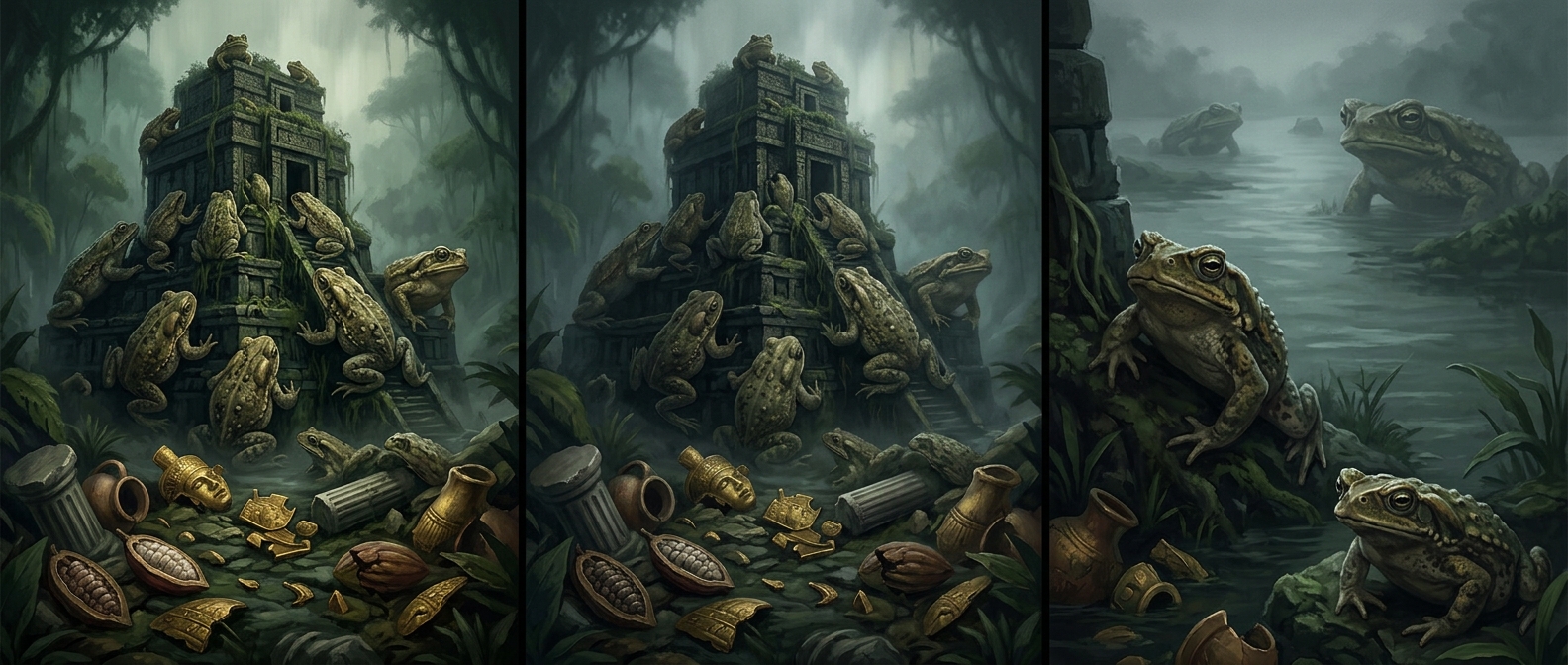
Australia imported a pest solution that became a pest
Cane toads were released in Queensland in 1935 to fight cane beetles. They failed as the hoped-for crop protection and spread, with their toxins endangering…
Discover more
Graphing exactly how unequal society's pie gets sliced
On the graph, perfect equality is a straight diagonal: each share of the population gets the same share of resources. The more the curve bows away from that…
Discover more
Why people give away money in the Dictator Game
The recipient has no veto in the Dictator Game, so the person dividing the money could keep it all. Many still give away about 20% to 30%—apparently, having…
Discover more
Why rival ice-cream stands end up side by side
On a long beach, the middle is where the most customers can reach either stand. One seller moves closer; the rival follows so it won’t lose half the crowd.…
Discover more
In the Centipede Game, perfect logic can end the profit early
Two players take turns choosing whether to stop and take money or continue as the rewards grow. Reasoning backward from the final move can make stopping…
Discover more
Bribing your noisy neighbor to finally turn off the stereo
The deal works only if silence matters more to the neighbor than loud music matters to the stereo owner. The neighbor can offer money to turn it down, and if…
Discover more
The $90 million domain sold on a 35-year payment plan
The deal was for LasVegas.com, not the entire business of Vegas.com. Starting in 2005, the buyer agreed to spread payments for the domain through 2040. A…
Discover more
Bubble wrap was supposed to be wallpaper
Engineers made bubble wrap by sealing two shower curtains together, hoping to sell it as wallpaper. When nobody wanted bubble walls, the company found a buyer…
Discover more