Health
Discover facts about health. Small discoveries that change the way you see familiar things.
Health

What ultra-processed food may do to teenage brains
Ultra-processed sugary foods may contribute to inflammation, which can affect the hippocampus—the brain region involved in emotional regulation. That offers a…
Discover more
Why childbirth can trigger a chemical crash in the brain
During pregnancy, the brain gets used to high levels of allopregnanolone, a steroid that has a calming effect on nerve activity. After birth, those levels…
Discover more
A swallowed capsule can warn athletes of heatstroke
A sensor inside the capsule tracks an athlete’s internal temperature and transmits it to a coach’s iPad. Thirst is a feeling; the capsule gives the team a…
Discover more
The same meal can produce different blood-sugar curves
A 2015 study monitored glucose responses in hundreds of people and found substantial differences after identical meals. Researchers combined personal…
Discover more
Why some people living with high radiation show extra DNA repair
Radiation can damage DNA, so cells use repair machinery to fix some of that damage. Researchers have reported higher DNA-repair activity in some residents of…
Discover more
Why migraines can strike before your period
Just before a period, estrogen levels can drop. That change can switch on the trigeminal pain pathway and release CGRP, which is involved in migraine—helping…
Discover more STACKY FOR IPHONE
A bigger world.
One discovery
at a time.
Keep discovering with Stacky. Interesting facts in an app that is always within reach.
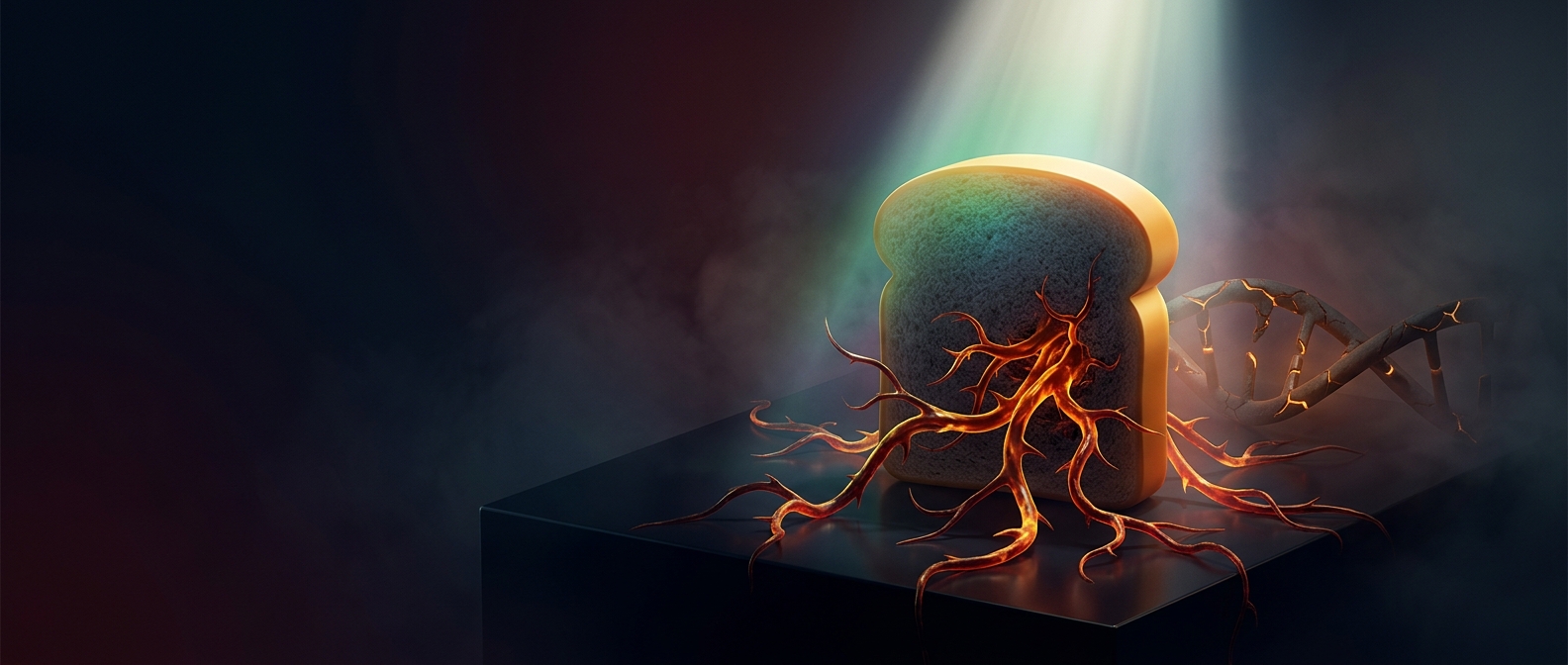
A common gene variant changes folate processing—not whether you can do it
MTHFR supplies instructions for a protein that helps the body use folate, a vitamin needed to make DNA. Common variants can affect that process, but people…
Discover more
Wi-Fi and X-rays sit on different sides of an important energy divide
Wi-Fi uses radiofrequency electromagnetic waves, whose individual photons lack the energy to ionize atoms as X-rays can. At sufficiently high intensities,…
Discover more
The gut's barrier is living tissue that responds to stress signals
Cells lining the intestine are joined by structures that regulate what passes between them. Researchers study how stress changes that regulation, with…
Discover more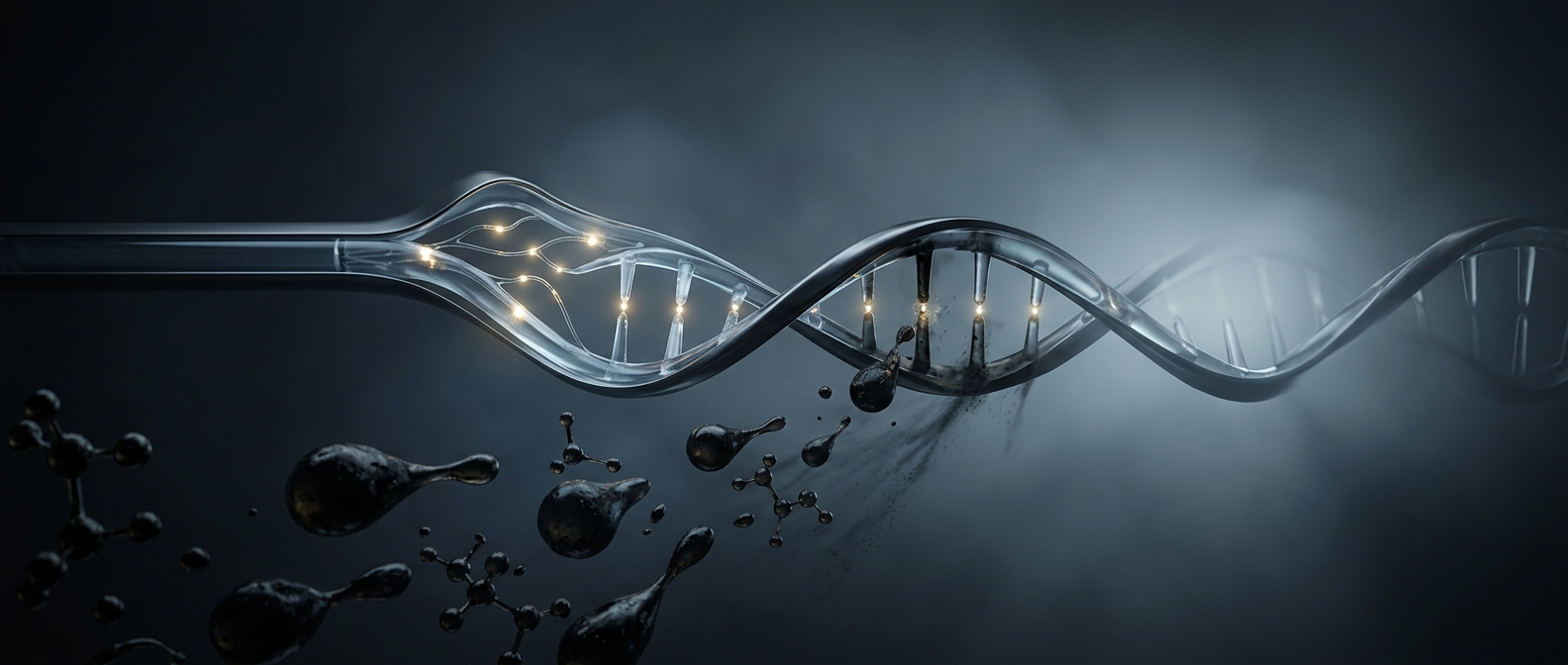
An Alzheimer's risk gene is not a diagnosis
APOE helps move fats through the body, and one version, APOE ε4, is associated with a higher risk of Alzheimer's disease. Some carriers never develop it,…
Discover more
A wool sweater's itch can start with the thickness of its fibers
Coarser fibers can press against the skin strongly enough to create a prickling sensation; finer fibers bend more easily. Sensitive skin and sensory…
Discover more
The heat illness devastating sugarcane workers’ kidneys
Extreme heat and dehydration can repeatedly injure the kidney tubules, which help the kidneys reclaim water and salts. In some young sugarcane workers in…
Discover more
Researchers brought a forest scent into a hotel laboratory
In a small study, twelve men spent three nights in rooms where hinoki cypress oil was vaporized. Researchers measured changes in natural killer cells, immune…
Discover more
The clock can be part of a chemotherapy experiment
Researchers study whether matching drug delivery to daily biological rhythms changes toxicity and effectiveness. Cells do not process every drug identically…
Discover more
The hookworms being tested against Crohn's disease
Hookworms release proteins that can quiet parts of the host’s immune response. Researchers are testing whether that effect could reduce the inflammation…
Discover more
Systematic desensitization cures avoidant restrictive food intake disorder in children
Instead of forcing a bite, gradual exposure lets a child approach a feared food one small step at a time—first seeing it, then touching it, then tasting it.…
Discover more
Philips Respironics CPAP machines fail patients with low cortical arousal thresholds
For some patients, the brain’s alarm is set to react early: a small breathing change can wake them before carbon dioxide rises enough to prompt a deeper…
Discover more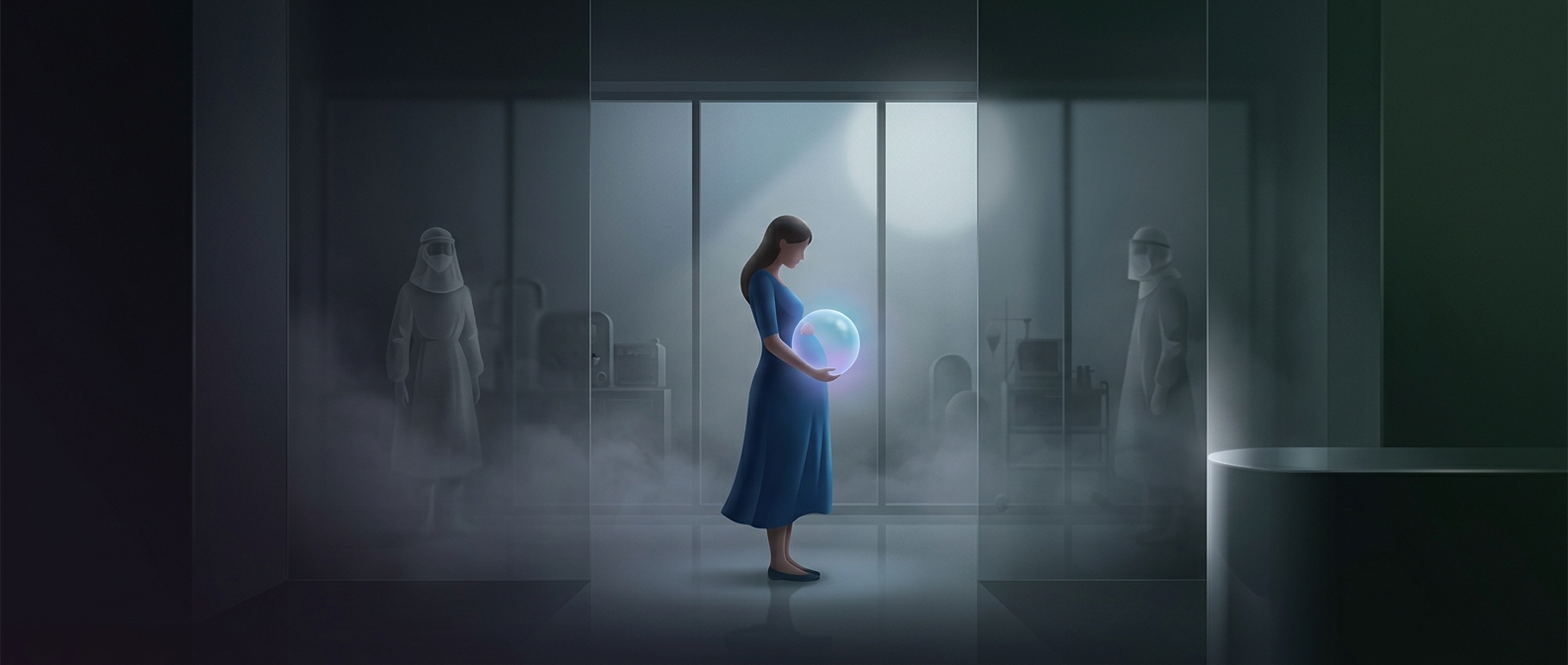
Why old medical scandals still shape pregnancy choices
A past medical disaster can echo into present-day decisions, including whether to accept vaccination during pregnancy. That hesitation may be rooted in real…
Discover more
How a CPAP mask can help a failing heart
CPAP sends a gentle stream of pressurized air through a mask to help keep the airway open during sleep. When sleep apnea repeatedly interrupts breathing, the…
Discover more
A wearable patch is being tested as a cancer-treatment early warning
The PR-DOC trial monitors patients remotely for changes in vital signs and other measurements during treatment. Alerts can prompt a team to contact the…
Discover more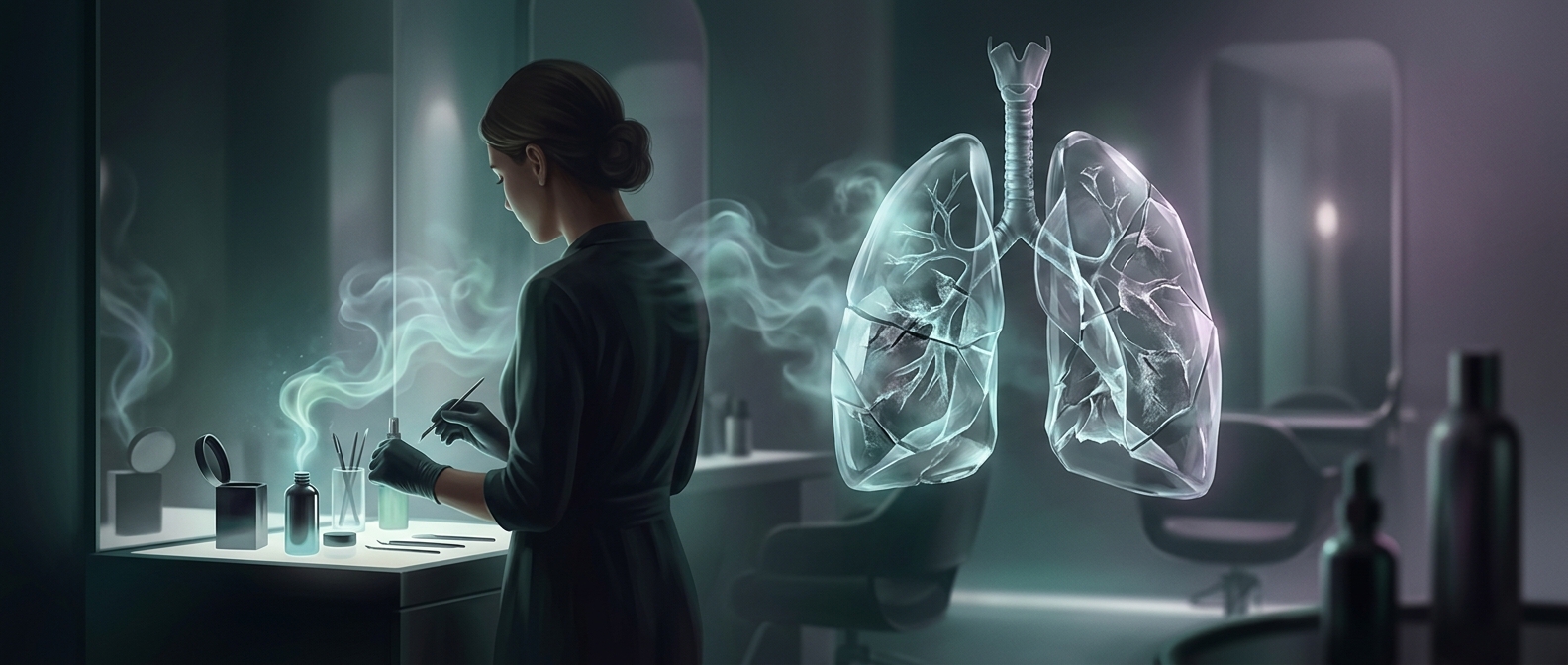
Acrylic nail work can expose lungs to a sensitizer
Some chemicals used in artificial nails can irritate airways or cause occupational asthma. For a technician, repeated exposure at the workbench matters more…
Discover more
When falling estrogen can starve the heart of oxygen
The heart depends on tiny vessels widening to bring extra oxygen to its muscle. In microvascular angina, they fail to open enough, and changes in estrogen may…
Discover more
Maternal Tdap refusal denies fetal placental antibodies
A Tdap vaccination during pregnancy prompts the mother to make antibodies, which can cross the placenta in the third trimester. Those borrowed defenses give a…
Discover more
Interleukin-6 proteins predict elderly collapse
A higher IL-6 level can be a warning signal of vulnerability, not a prediction that someone is about to collapse. In older adults, it may flag increased…
Discover more