Health
Discover facts about health. Small discoveries that change the way you see familiar things.
Health

The cells that have been dividing for decades
Most human cells eventually stop dividing, but Henrietta Lacks’s cancer cells continued to grow in the lab. They became HeLa, a durable cell line used in…
Discover more
How one blood donation can help three patients
A donated unit of blood can be separated into red cells, plasma, and platelets. Red cells carry oxygen, plasma is the liquid that carries blood components,…
Discover more
A long space mission can change the shape of an astronaut's eyes
Researchers have observed changes including flattening at the back of the eyeball and swelling around the optic disc. Fluid shifting toward the head in…
Discover more
Your sweat can slowly corrode metal
As sweat dries, it can leave dissolved salts and acidic compounds behind on metal. Repeated exposure may corrode sensitive jewelry or instrument parts—a slow…
Discover more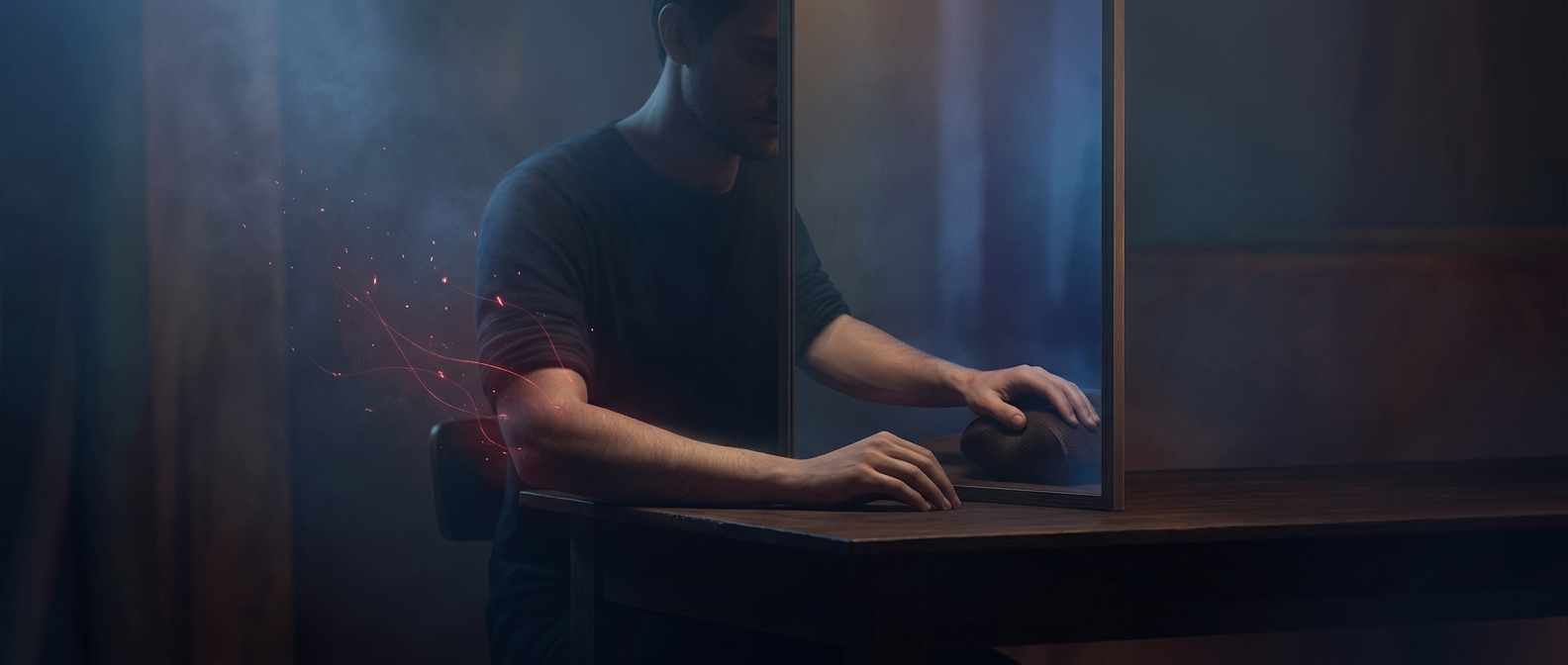
How a mirror can ease phantom-limb pain
The brain still has movement and body maps for a limb that has been amputated, but it cannot see that limb. A mirror places the reflection of the remaining…
Discover more
Phineas Gage survived an iron rod passing through his head
The railway foreman's 1848 accident damaged part of his frontal brain. His doctor's reports of changes in behavior made the case important to thinking about…
Discover more STACKY FOR IPHONE
A bigger world.
One discovery
at a time.
Keep discovering with Stacky. Interesting facts in an app that is always within reach.
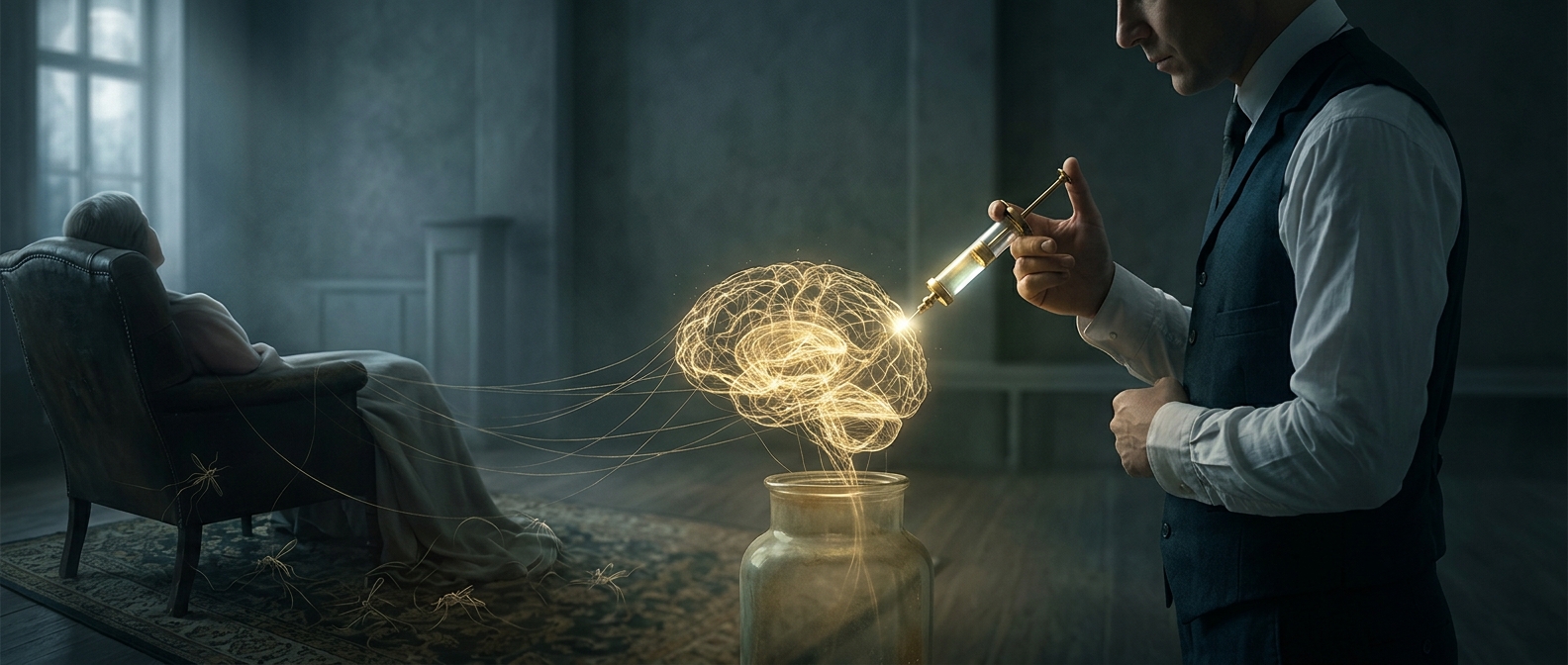
Doctors once treated syphilis by giving patients malaria
Before penicillin, some doctors deliberately gave patients malaria to produce repeated high fevers, hoping the heat would help treat syphilis that had reached…
Discover more
One donor helped supply 2.4 million doses of a vital medicine
James Harrison donated 1,173 times over more than six decades. His unusual antibodies helped make anti-D, given to prevent an Rh-negative mother's immune…
Discover more
A child's brain can adapt after one hemisphere is disconnected
For some severe epilepsy cases, surgeons disconnect or remove much of one hemisphere to stop seizures spreading. The remaining side can support surprisingly…
Discover more
Why dry food won't go down without saliva
Saliva wets dry food and binds it into a soft, slippery lump that can travel safely down your throat. Without that coating, crackers stay scratchy and pills…
Discover more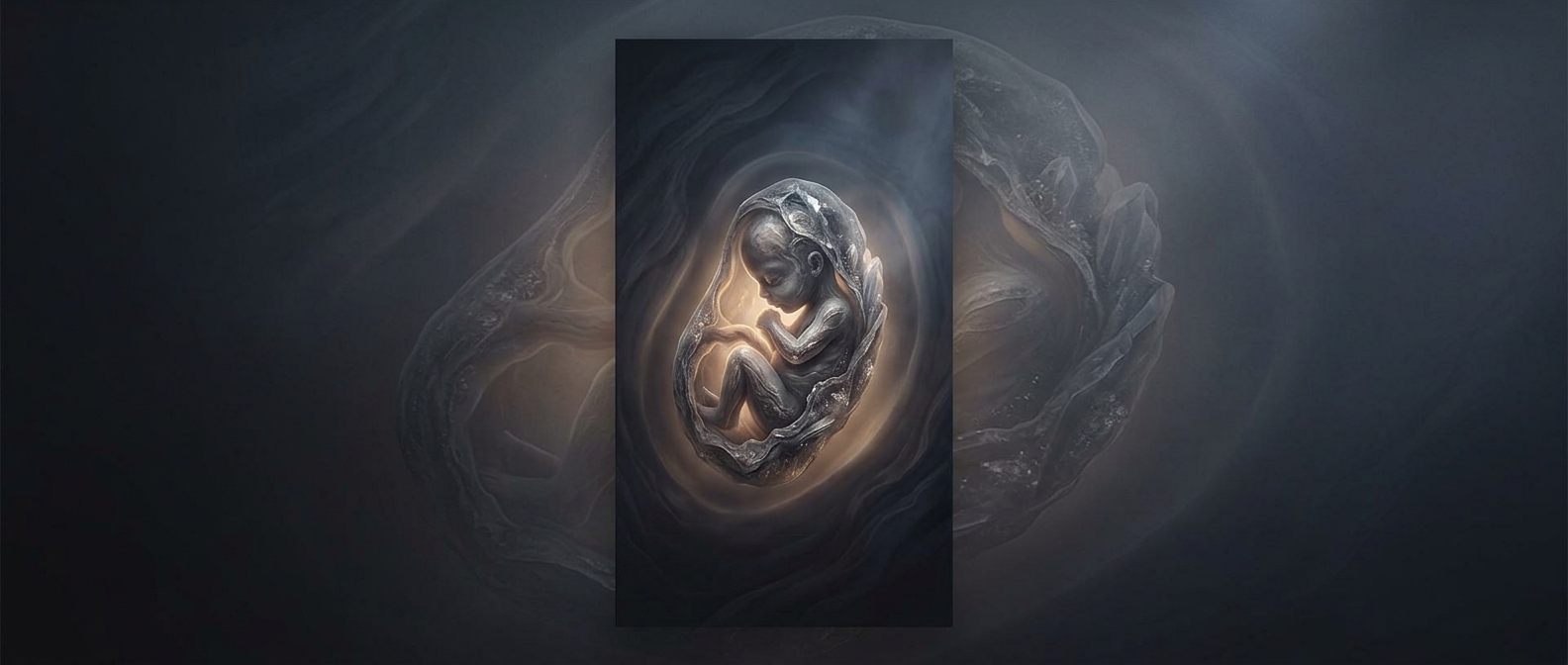
How a fetus can turn to stone
In an abdominal pregnancy, a fetus can remain outside the uterus, where the body may be unable to absorb it after it dies. In rare cases, surrounding tissue…
Discover more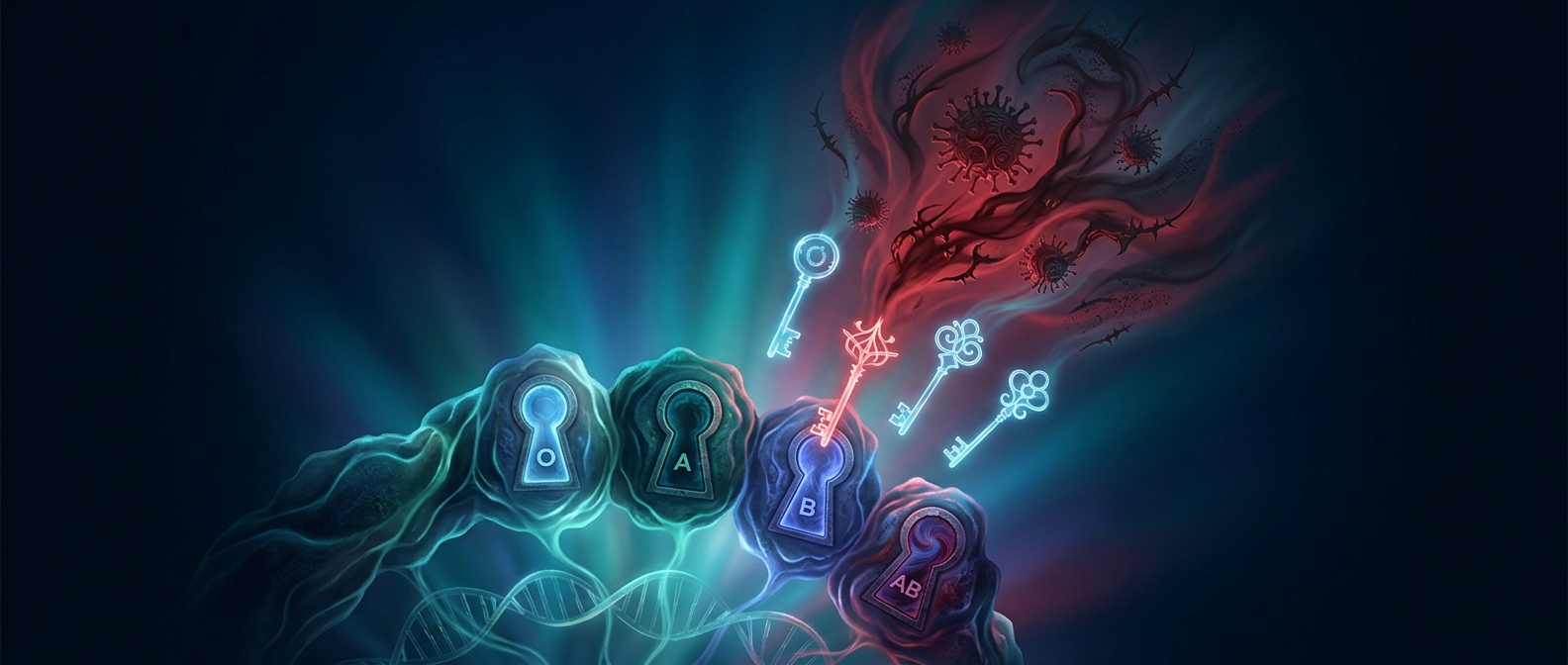
Your blood type can change disease risk
Different blood groups carry different surface markers, and those markers can change how certain diseases affect the body. That is one reason blood type can…
Discover more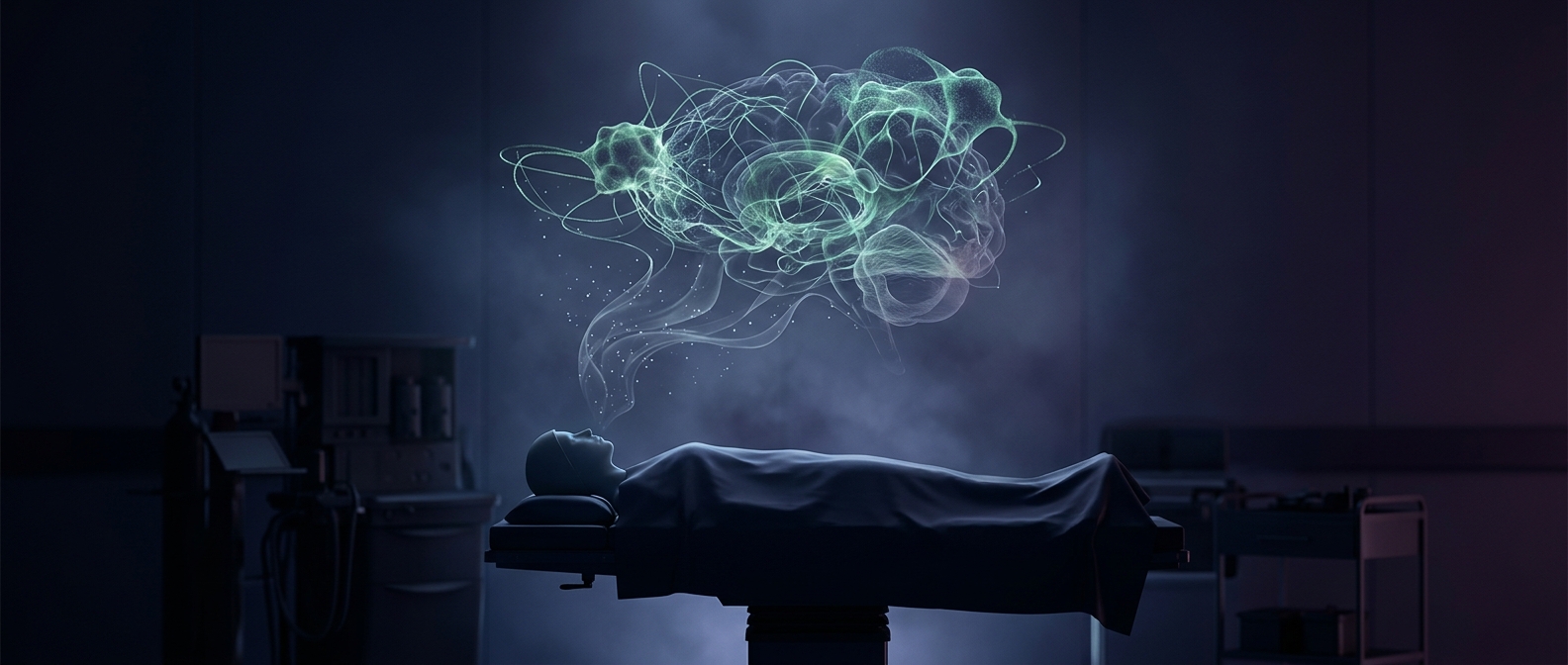
Why scientists still cannot fully explain anesthesia
Anesthesia changes how brain cells signal and coordinate, which can suppress consciousness and responses to pain. But awareness depends on complicated…
Discover more
Can a pill help protect your skin from the sun
Fern-extract antioxidants in some supplements are intended to help the skin resist UV damage from within. They do not stop UV rays from reaching your skin, so…
Discover more
Losing smell takes away more than the scent of dinner
Familiar odors help make food rewarding and call up memories of people and places. Long-term smell loss can disrupt those experiences and is associated with…
Discover more
Acetaminophen dampens some brain responses to emotional pain
Acetaminophen can dampen some of the brain’s responses to emotional as well as physical pain. While it is active, other people’s distress may feel less vivid…
Discover more
Why doctors give surgery patients chewing gum
The chewing motion sends a “food is coming” signal to the digestive system. After abdominal surgery, gum can provide that cue without adding solid food to the…
Discover more
Salk's polio vaccine came without a private patent
When asked who owned it in 1955, Jonas Salk answered that it belonged to the people and compared patenting it to patenting the sun. Manufacturers still had to…
Discover more
Why swallowing two magnets is an emergency
Two strong magnets swallowed together can attract even when separate sections of intestine lie between them. They can pinch the trapped tissue, cutting off…
Discover more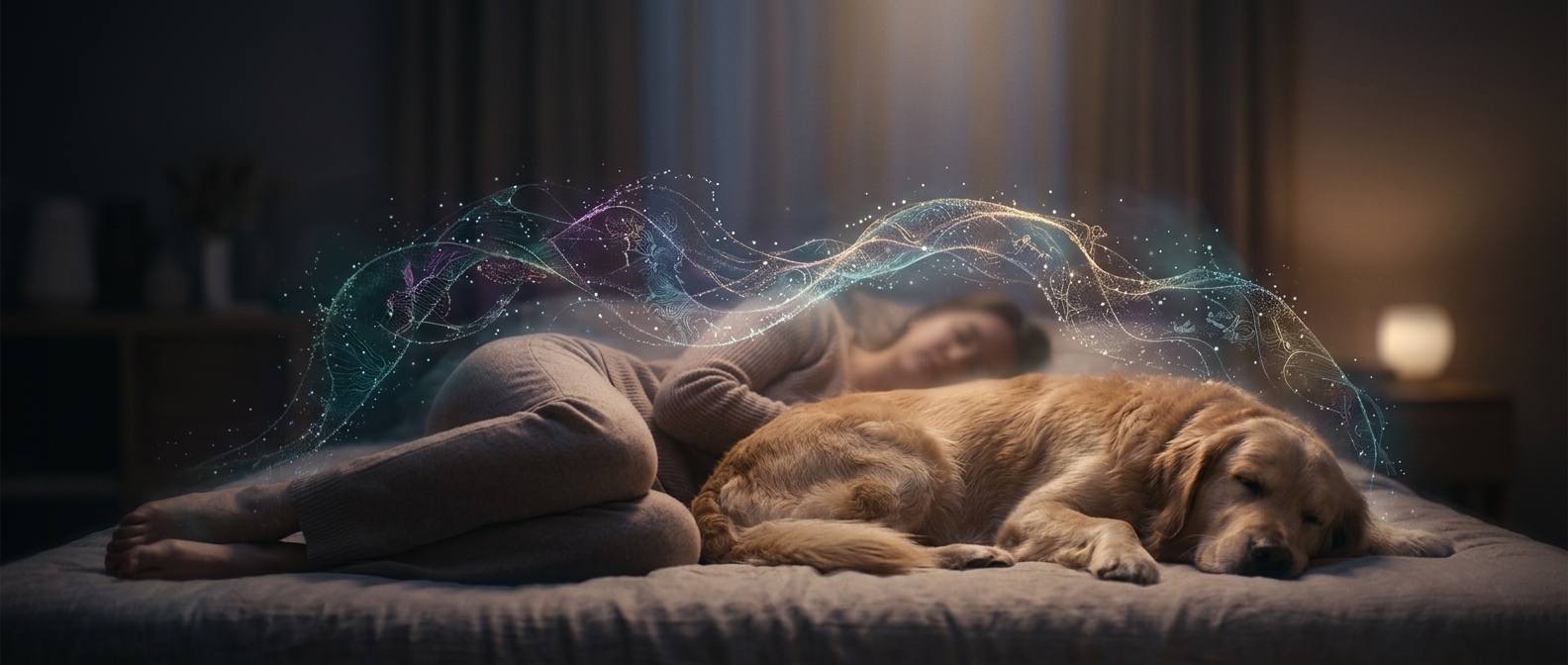
You can share more skin microbes with your dog than with someone else's
A study of 60 households found stronger microbial similarities among people living together, particularly on the skin. Dog owners also shared more skin…
Discover more
Aspirin began as bitter willow-bark tea
Long before aspirin tablets, people used willow bark remedies containing salicin. That compound helped point toward the pain-relieving chemistry behind…
Discover more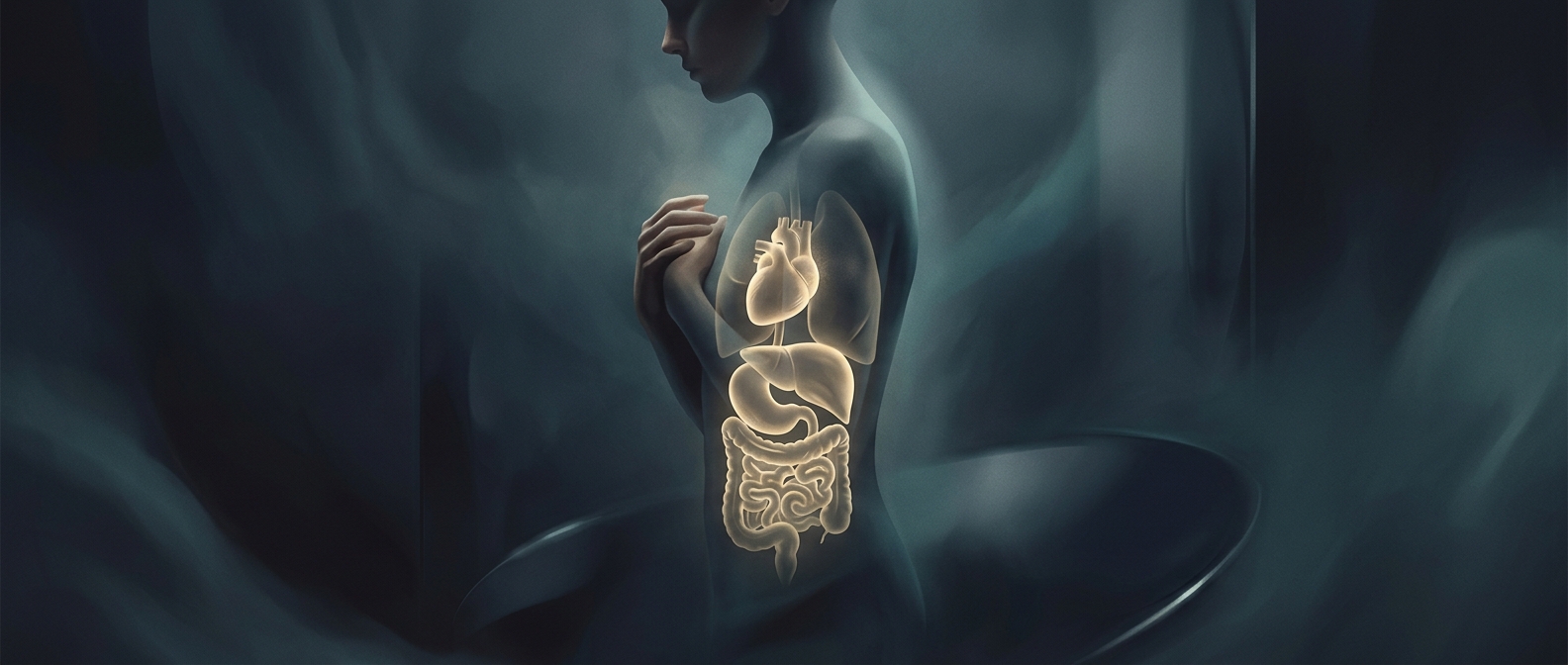
Some people have their organs mirrored
Situs inversus is a mirror-image arrangement of major organs, not necessarily a problem with how they work. That is why someone can feel entirely well and…
Discover more
When you are conscious but unable to move
The striking mismatch is that the mind can be awake while the body cannot respond. Locked-in syndrome can prevent movement and speech without erasing…
Discover more
The rare mystery of spontaneous cancer remission
In a spontaneous remission, a cancer shrinks or disappears without an expected explanation, even though treatment may not account for it. Researchers suspect…
Discover more