Myths & mysteries
Discover facts about myths & mysteries. Small discoveries that change the way you see familiar things.
Myths & mysteries

Wearing exclusively bright orange clothing
Bright robes signal a renunciation of worldly goods while making the wearer easy to spot in a crowd.
Discover more
Refusing to utilize standard furniture entirely
Doing everything on the floor means relying less on furniture—and frees up room in the home.
Discover more
Hanging bright squares of fabric outdoors
The belief is that natural drafts carry the flags’ prayers across the land, letting the wind do the delivering.
Discover more
Insisting on extremely specific laundry rules
The rule turns laundry into a purity test: each garment must be washed separately from the others.
Discover more
Demanding flawlessly rigid posture during greetings
The rule turns a greeting into a posture drill, demanding perfect alignment to enforce uniformity.
Discover more
Holding hands silently in a massive group formation
Joining hands with strangers can create a sense of collective connection—if you can get past the awkward handshakes and wildly different grip strengths.
Discover more STACKY FOR IPHONE
A bigger world.
One discovery
at a time.
Keep discovering with Stacky. Interesting facts in an app that is always within reach.

Holding out a simple beggar's bowl
The bowl turns receiving donations into the practice itself, making dependence on others a visible part of the role.
Discover more
Swaying vigorously during chanting sessions
The rocking is thought to aid concentration while reading sacred texts, though it can look like an effort to stay awake.
Discover more
Strapping tiny square cases to yourself
The small cases hold parchment and are strapped to the body as a religious duty, though they can look like an unusually restrictive accessory.
Discover more
Wearing garments crafted entirely from rags
Stitching discarded scraps into clothes signaled extreme humility, even as the ragged look could pass for avant-garde fashion.
Discover more
Taking a vow to obey someone unquestioningly
The appeal is that handing over every choice can feel like freedom from responsibility, even as it means surrendering personal judgment.
Discover more
Bowing deeply to an entirely empty chair
A leader's former chair can inspire reverence even when it is empty, showing how powerful the association can be.
Discover more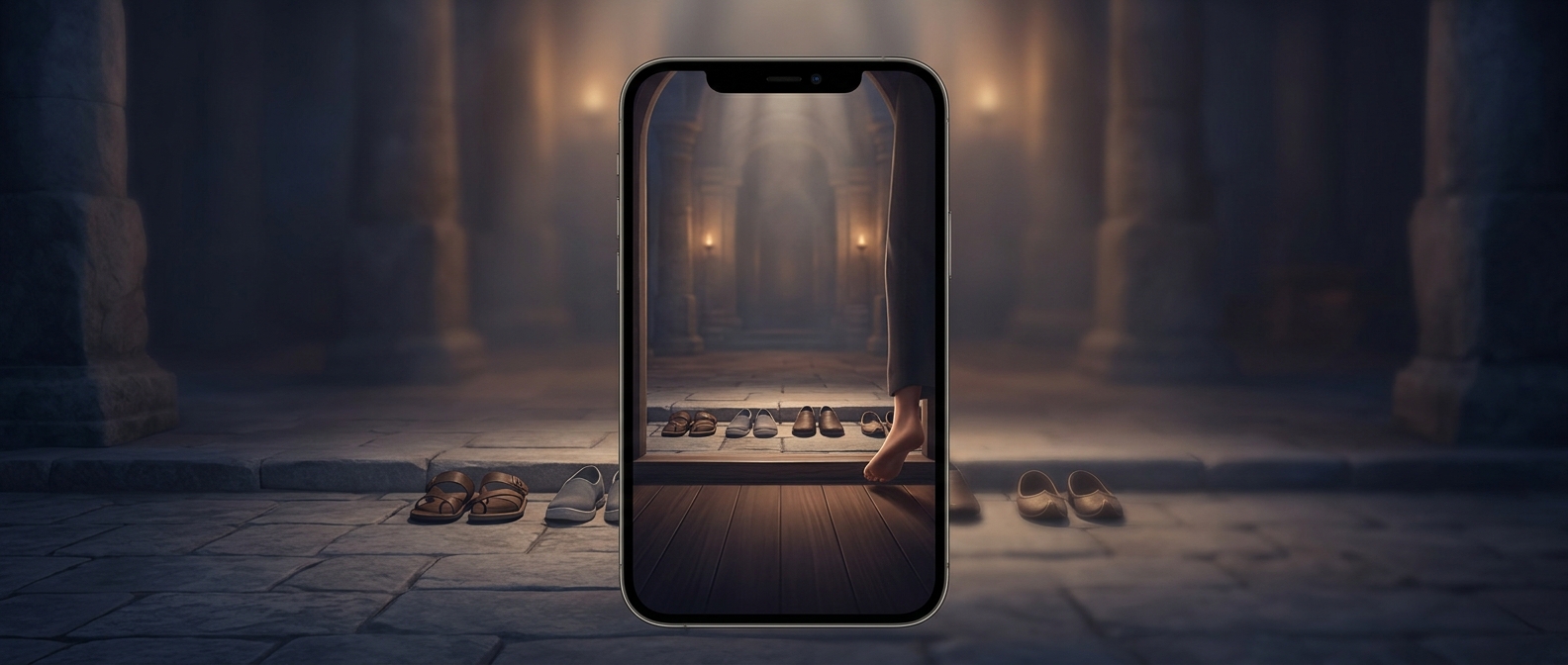
Removing all footwear before stepping inside
In some customs, removing shoes marks the transition into a clean or sacred space. It also helps keep floors clean, though it can leave odors behind.
Discover more
Refusing to interact with modern electronics
Going offline keeps participants away from modern distractions—and means they won't have to explain how to fix a router.
Discover more
Refusing to wear tailored or stitched cloth
The idea is to wrap yourself in one unsewn sheet, giving up the convenience of tailored clothes and zippers.
Discover more
Carrying a large designated walking staff
A distinctive walking staff can signal authority and mark its bearer as a pilgrim or seasoned wanderer, rather than just someone out for a stroll.
Discover more
Refusing to ever touch coins or banknotes
Followers handled the group's money and purchases, allowing its leader to claim detachment from wealth while still benefiting from what others bought.
Discover more
Assuming a completely new identity and title
Taking a grand, exotic name when joining a group can signal a fresh start—and make your birth name seem suddenly ordinary.
Discover more
Carrying a specialized whisk for ceremonies
The stiff bundle is waved during rituals as a purification tool, functioning much like a ceremonial duster.
Discover more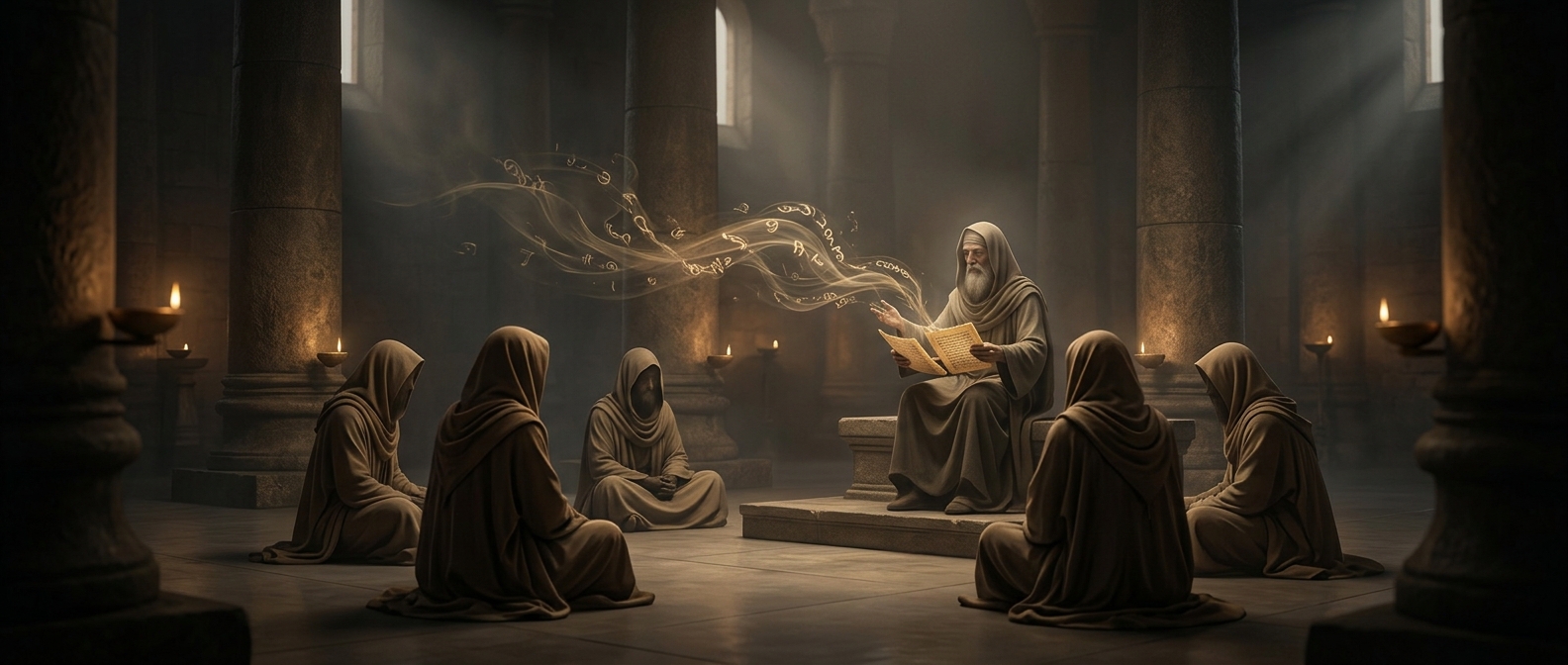
Sitting on the floor listening to long lectures
Hard floors make long talks physically uncomfortable, turning patience into an endurance test.
Discover more
Throwing yourself completely flat on floors
The repeated full-body bow is both an act of submission and a physically demanding movement.
Discover more
Blowing forcefully into a large hollowed object
The blast marks the start of ceremonies, with a deep, foghorn-like sound.
Discover more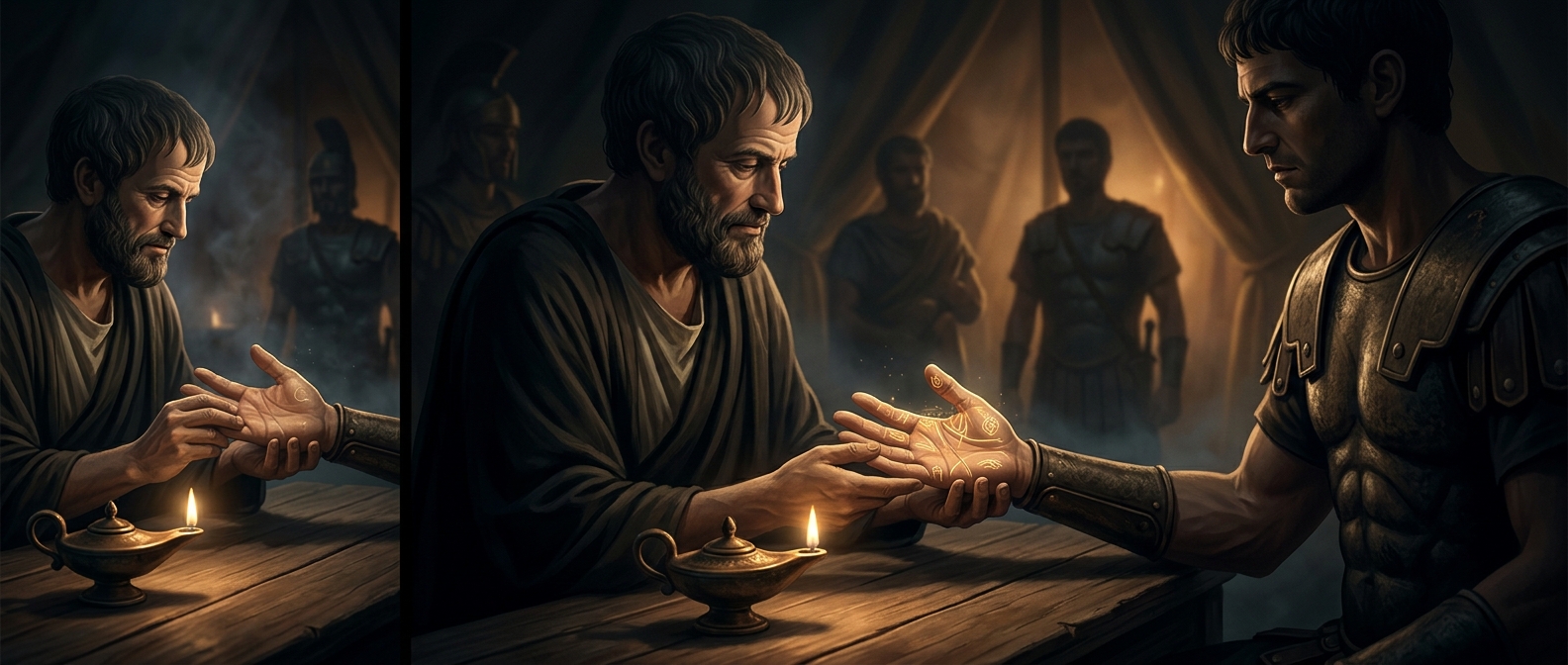
Philosopher Aristotle used palm reading to evaluate the psychological traits of military officers
Aristotle reportedly regarded palm lines as signs of a person’s soul and used palmistry to advise Alexander the Great about which officers to trust.
Discover more
Walter Kilner invented aura reading goggles using a highly toxic chemical dye called dicyanin
In 1911, Kilner claimed that looking through glass screens containing the coal-tar dye dicyanin let people see colored halos around the body.
Discover more