Technology
Discover facts about technology. Small discoveries that change the way you see familiar things.
Technology
Automation isn’t always sleek robots.
When we think of automation, we often imagine gleaming robots and sci-fi machines. But peek behind the curtain of real businesses, and you’re just as likely…
Discover more
The people checking whether algorithms play fair
Algorithm auditors investigate whether digital systems treat people fairly, checking tools that can sort résumés or influence law enforcement. Companies hire…
Discover more
Why people are searching TikTok for restaurants
Short videos show meals, restaurant atmosphere, and other diners’ reactions—details static search results can’t capture as vividly.
Discover moreWhat feels like sci-fi today—glasses that overlay live translation, cars that drive themselves, AI that drafts your emails—quickly normalizes.
Do you remember when video calls felt like magic, beamed straight out of science fiction panels? Now they’re background noise to dinner prep. This is the…
Discover more
How hybrid schedules are forcing companies to choose culture over cost in the remote work battle
Hybrid schedules can cut office costs, but companies worry that less time together weakens the connections that help retain talent. Some prioritize culture…
Discover moreNot every shiny tech innovation wins—remember Google Glass?
Google Glass wasn’t defeated by bad technology—it was a time traveler stuck in the wrong decade. Innovations aren’t judged in isolation; they wrestle with…
Discover more STACKY FOR IPHONE
A bigger world.
One discovery
at a time.
Keep discovering with Stacky. Interesting facts in an app that is always within reach.

When an algorithm judges your work by keystrokes
Workplace monitoring systems count keystrokes, mouse clicks, and idle time, so careful thinking can look like low productivity when the metrics reward speed.
Discover more
When machines decide faster than humans, who is to blame for the consequences nobody predicted in code
Responsibility can be spread across programmers, companies, and regulators, especially when a machine's decision leads to an outcome no one directly intended.…
Discover more
A targeted scam can borrow details from your routine
A message becomes more convincing when it mentions a workplace, trip, or service you actually use. Attackers can collect such details from public posts or…
Discover more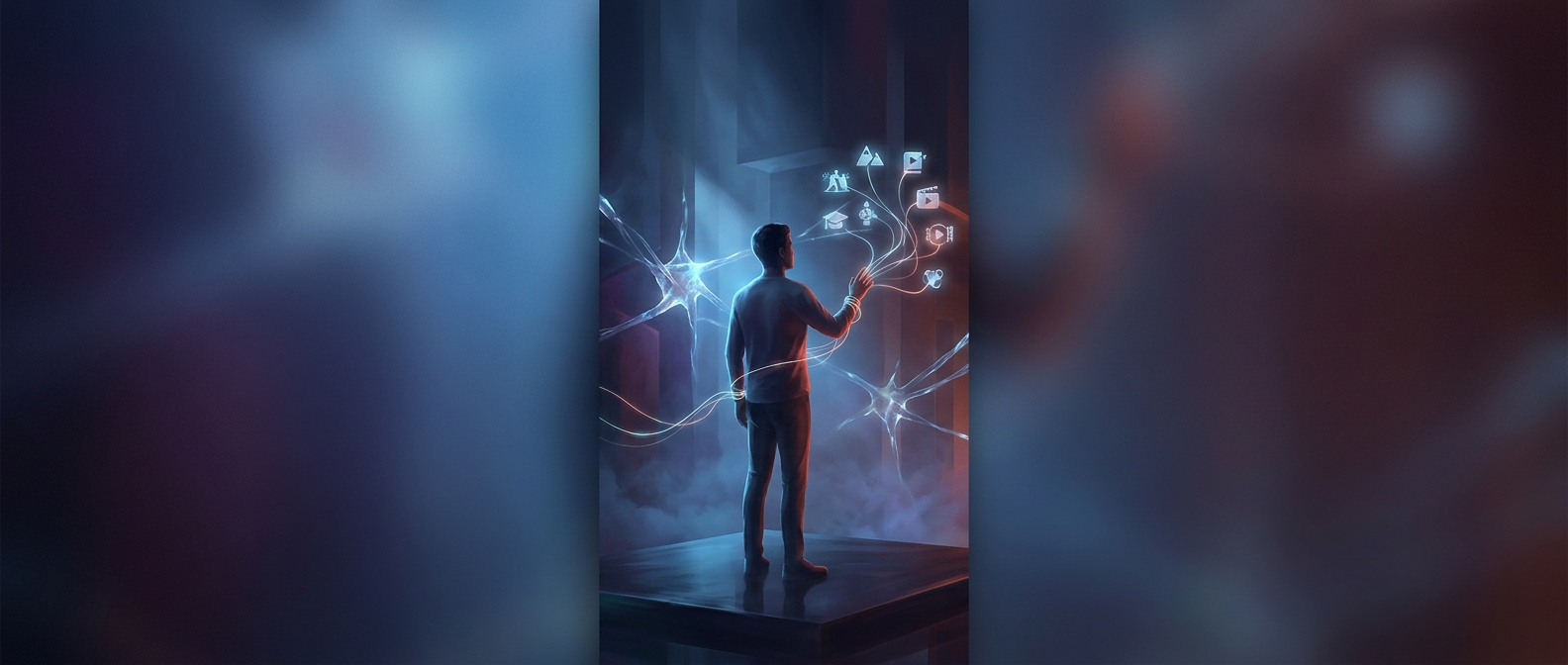
Your video feed is shaping what you want
Recommendation algorithms use what you watch and click to choose what to show next, steering your attention toward more of the same. That can shape what you…
Discover more
When AI writes your email, who is the author
The human still makes the choices that shape the message: what to send, keep, or delete. The AI can supply the words, but the person directing it decides what…
Discover moreInternet never forgets.
Think of the internet as a giant attic where nothing ever truly disappears, even if you think you’ve tossed it out. Posts, pages, and comments are like faded…
Discover more
How AI is turning notes into thinking partners
By summarizing notes, linking related ideas, and surfacing potentially useful details, AI note-taking apps can make a scattered archive easier to use as a…
Discover more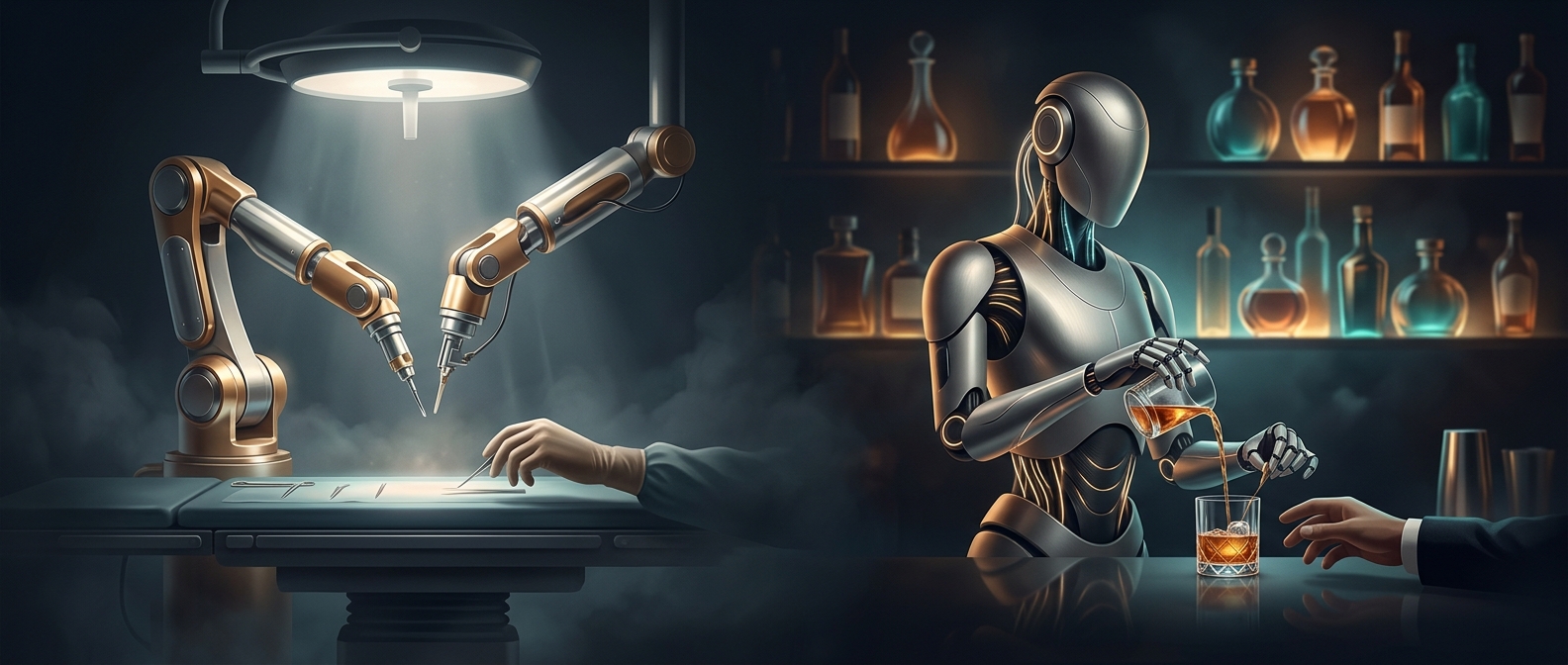
A surgical robot extends the surgeon's hands
In robot-assisted systems, a surgeon controls instruments through an interface that can scale motion and support precise movements. The device does not have…
Discover more
How one line of code can make a post go viral
A ranking rule can be as small as one line of code that boosts posts with a keyword or downranks posts containing certain links. That tiny adjustment can…
Discover more
How pocket translators are changing travel
Palm-sized devices translate speech in real time, turning broken phrases and awkward pauses into quicker exchanges without a traveler having to thumb through…
Discover more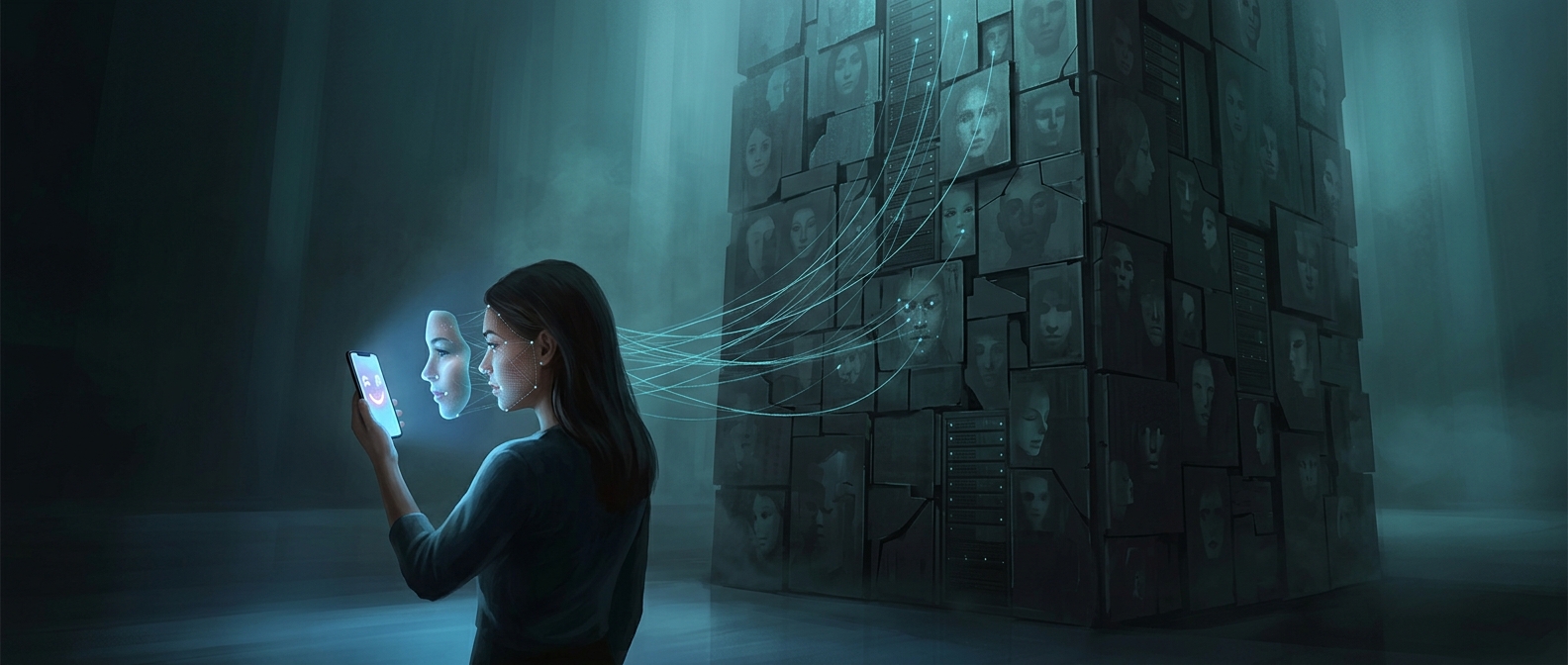
A photo app had to delete the AI it trained on people's faces
The FTC's settlement with Everalbum required deletion of certain photos, face data, and facial-recognition models developed from users' material. The agency…
Discover more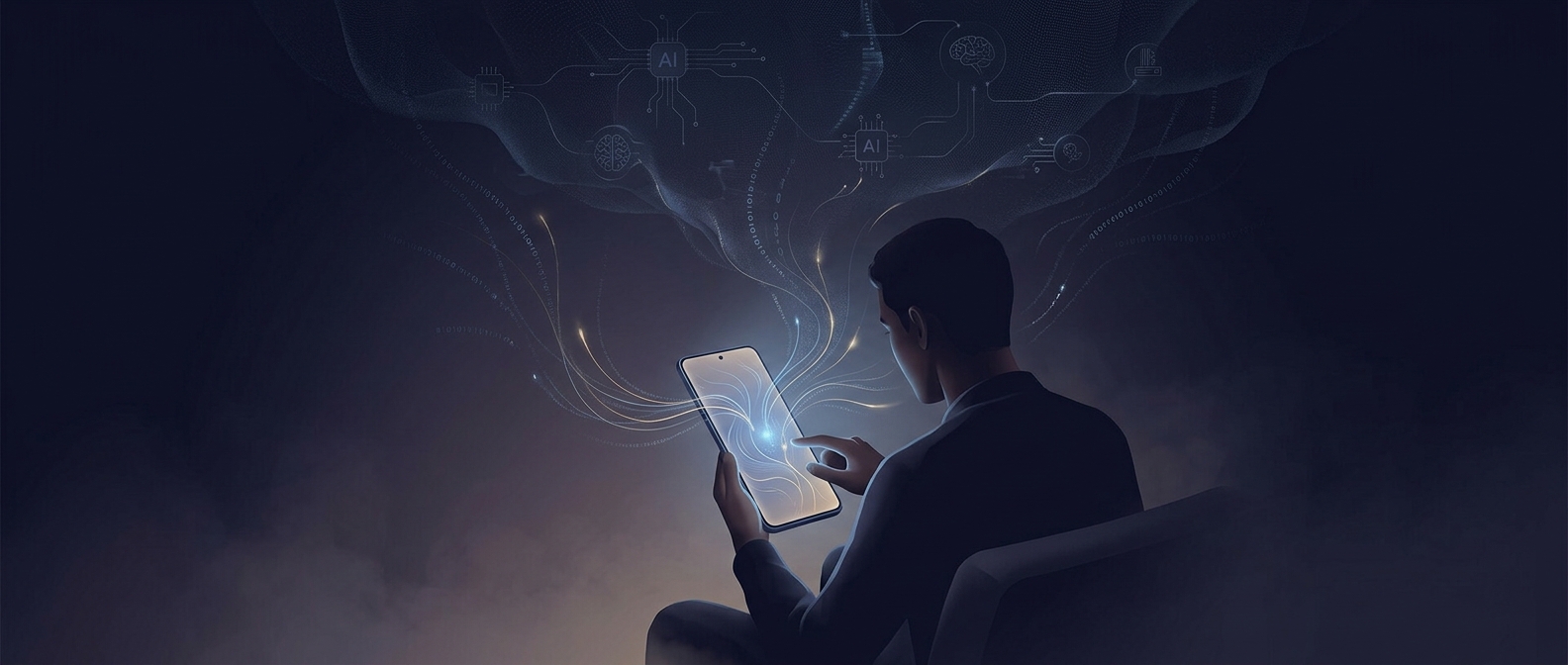
Your typos may be helping train AI
Typos can help predictive-text software learn common mistakes and improve its suggestions for words and sentences.
Discover more
A harmless-looking scanner app can hide a second download
ThreatFabric documented Google Play apps that initially offered ordinary tools, then prompted selected users to install an update carrying the Anatsa banking…
Discover more
AI tutors help students—and track how they learn
AI tutors tailor feedback and pacing using data such as students’ clicks, pauses, and wrong answers. That close tracking can help personalize lessons, but it…
Discover more
Why encryption is a political battleground
End-to-end encryption keeps messages readable only to the people communicating, not even the messaging service. Governments that see it as a way to hide…
Discover more
Apple made a hidden music player visible with white earbuds
The iPod stayed in a pocket, but its white wires advertised it on the street. Apple's silhouette ads used the same contrast: a dark figure, a bright…
Discover more
The strange evolution of laptops and screens
The shift is less about speed than shape: prototypes have explored transparent laptops, while foldable screens bend instead of staying rigid. Those designs…
Discover moreGrocery stores in some cities now run cashier‑less: sensors, cameras, and AI track what you grab and charge your card when you leave.
Walking out of a store with a basket of food and no checkout line feels like you’ve just performed a heist in plain sight. But it isn’t magic—it’s an…
Discover more