Technology
Discover facts about technology. Small discoveries that change the way you see familiar things.
Technology
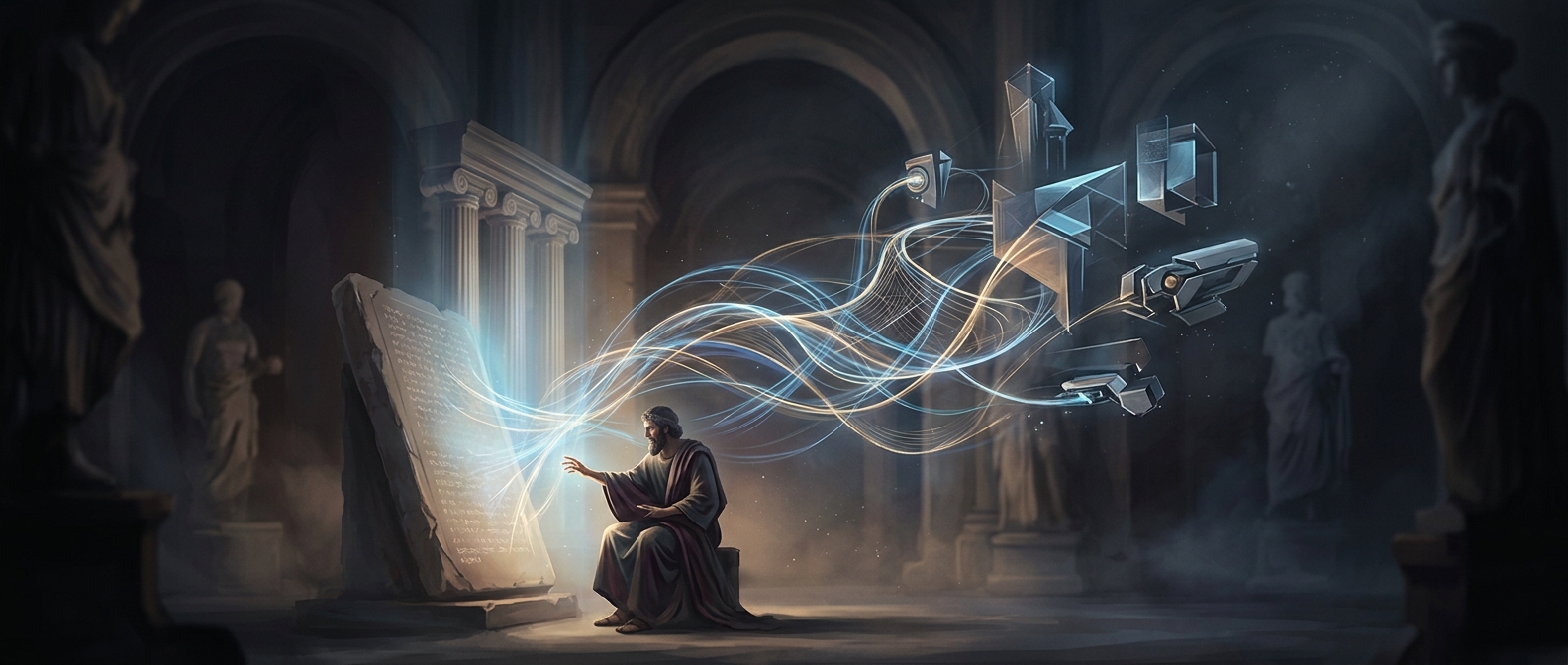
Word technology stems from ancient Greek terms for crafting
The ancient Greek word téchnē meant art, craft, or skill. The roots of “technology” reach back to a word for making things by hand.
Discover more
Wireless charging pads transfer energy via magnetic fields
A coil in the pad creates an alternating magnetic field that induces current in a coil inside the device. The device can grow warm, and charging may be slower…
Discover more
VoLTE networks treat voice calls as standard data
VoLTE sends voice as data packets over LTE instead of using the dedicated voice circuits of older cellular networks, alongside other network traffic.
Discover more
Steve Jobs named the Apple Lisa after his daughter
He initially claimed Lisa stood for “Local Integrated System Architecture,” then later acknowledged that the 1983 computer was named for his daughter.
Discover more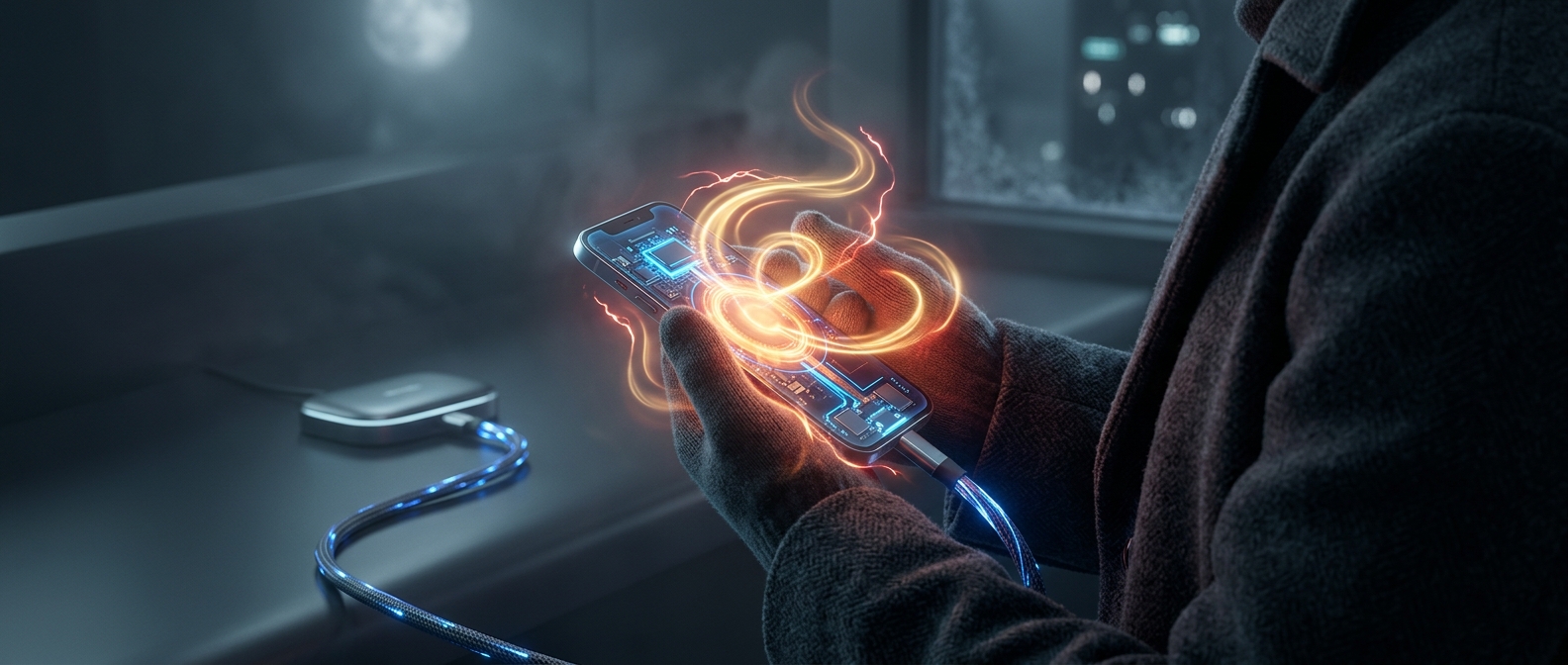
Why fast charging can turn your phone into a hand warmer
Rapid charging sends a lot of power through the phone, and electrical resistance turns some of that energy into heat. That's why the device can feel warm…
Discover more
Electronic breadboards connect components without solder
The holes hold spring clips that grip component wires, creating temporary connections engineers can rearrange without soldering.
Discover more STACKY FOR IPHONE
A bigger world.
One discovery
at a time.
Keep discovering with Stacky. Interesting facts in an app that is always within reach.

Duck Hunt breaks after you beat round 99
The next round rolls the display back to zero and behaves like a kill screen, with erratic ducks and an effectively unplayable challenge. Reaching the limit…
Discover more
Mark Twain tried typewriting while the technology was still new
He bought an early Remington in the 1870s and later had Life on the Mississippi submitted in typed form. The 1883 book is a memoir, not a novel. A writer…
Discover more
Why regular expressions look like gibberish
Their compact notation packs text-matching rules into symbols, slashes, and brackets, making a regex hard to read unless you know the syntax.
Discover more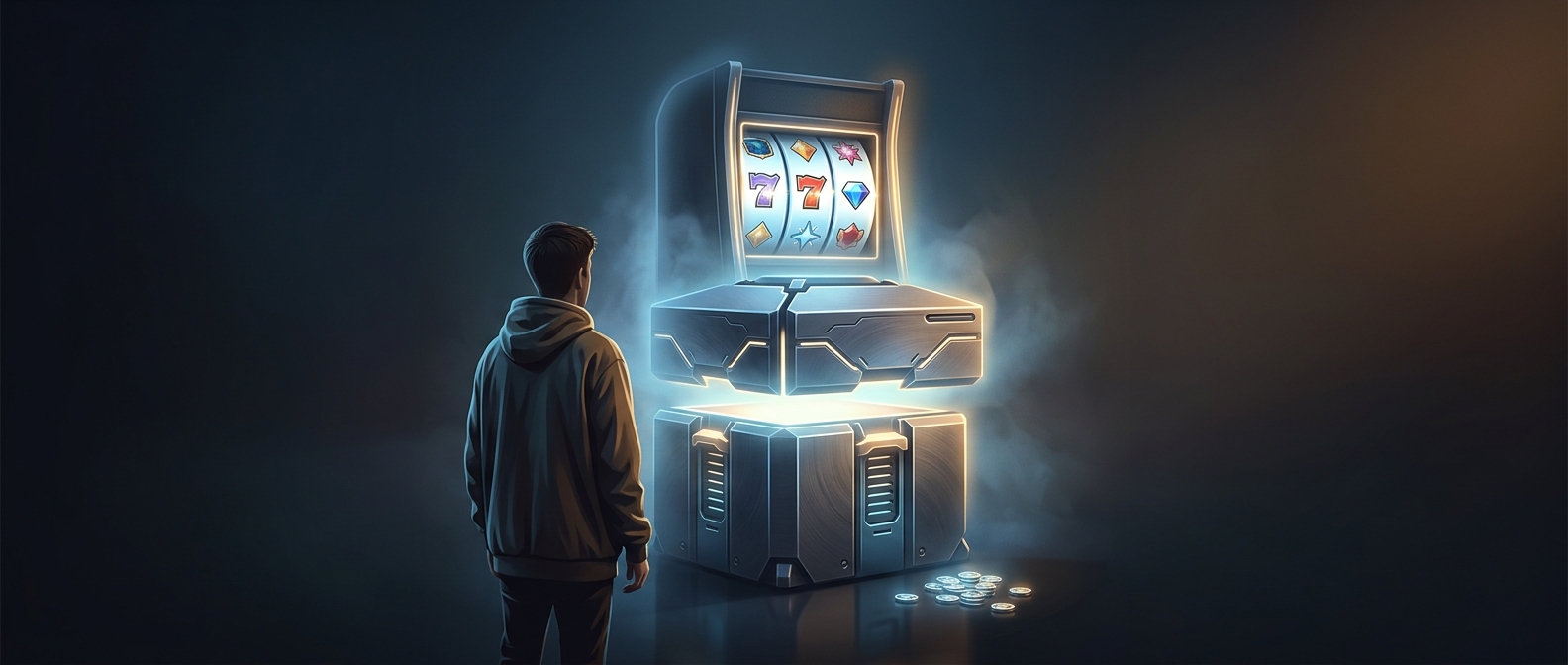
A paid loot box sells a chance at an item
Instead of choosing exactly what to buy, a player pays before learning which reward appears. The combination of money, uncertainty, and desirable rare…
Discover more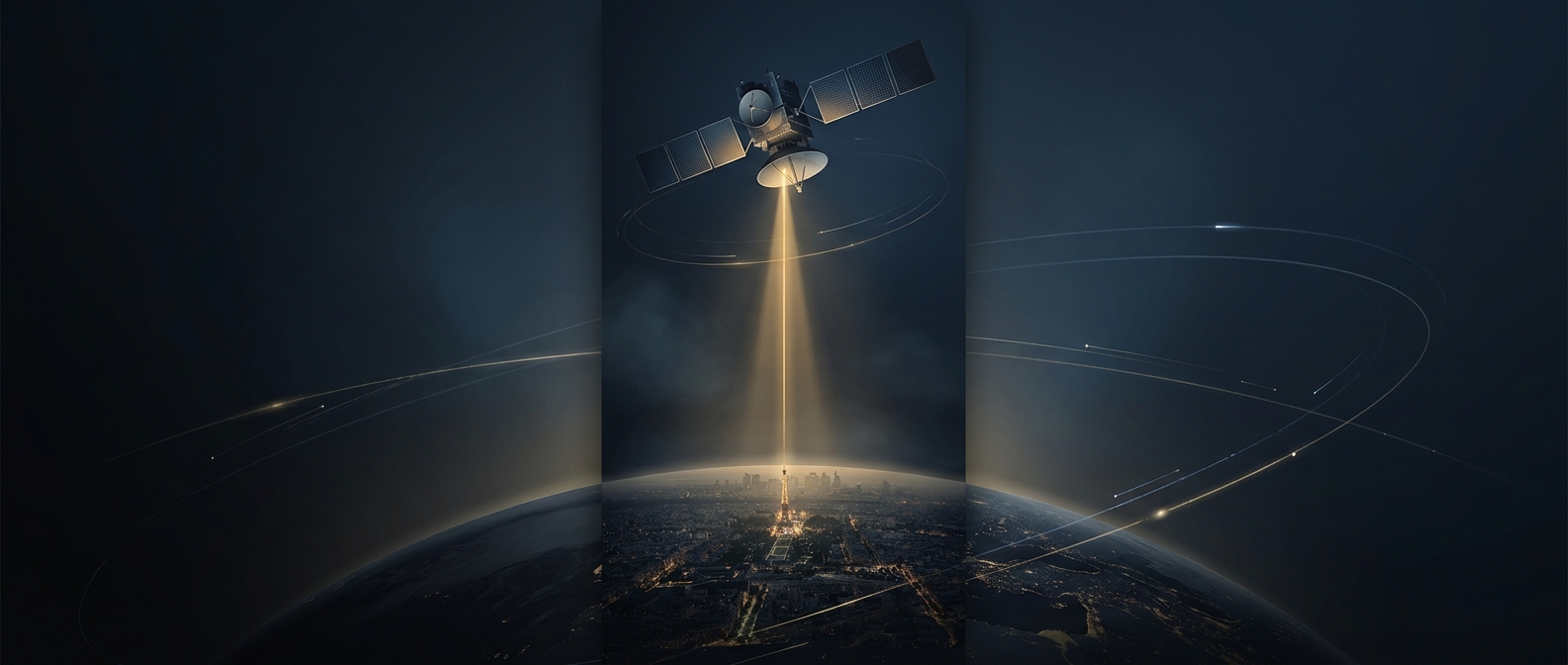
Geostationary satellites stubbornly hover over one spot
At a particular altitude, a satellite's orbit takes the same time as Earth's rotation, so it appears fixed above one spot—like a radio tower in the sky.
Discover more
Ribbon cables save space but horribly restrict airflow
Their flat shape lets ribbon cables lie close to surfaces, but inside a desktop case they can obstruct airflow from cooling fans. Rounded cables can be easier…
Discover more
Parity bits count ones and zeros to spot mistakes
A parity bit is added so the total number of 1s is odd or even, depending on the system. If a bit flips during transfer, the parity changes and flags an error.
Discover more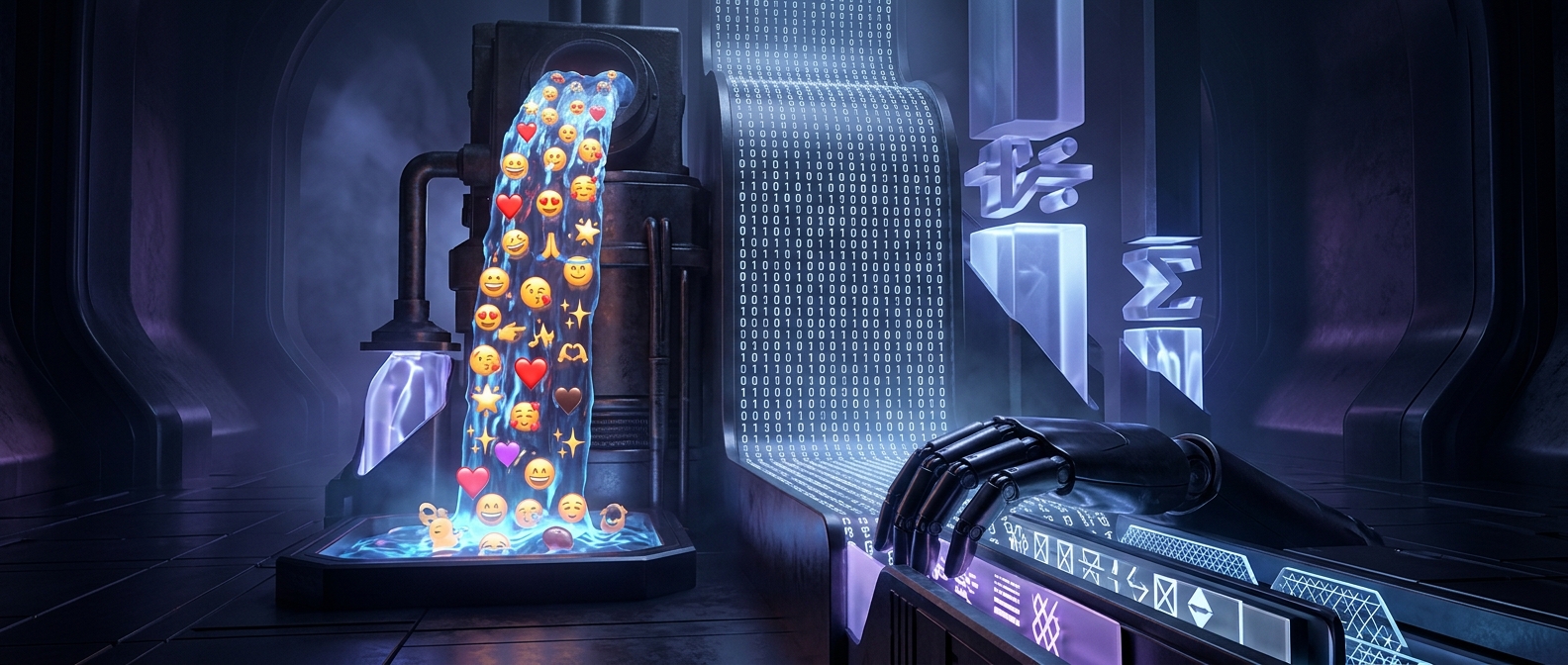
Your emoji is really just a number
An emoji is sent as a Unicode code, not as a picture. The receiving device uses that code to render its own version of the symbol.
Discover more
A typist can press three keys during one blink
Using the typing convention of five characters per word, 120 words per minute works out to ten characters per second. A blink lasting three-tenths of a second…
Discover more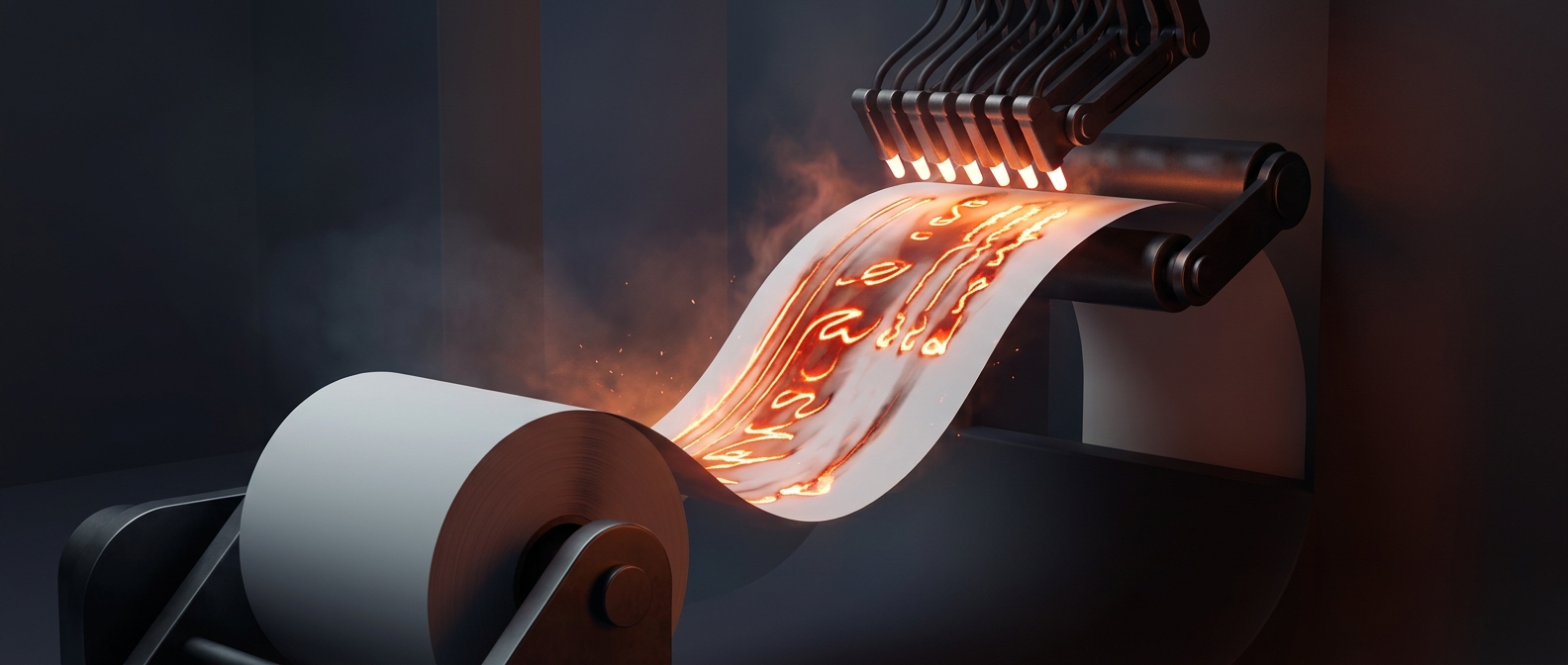
Why receipts turn black in the heat
Thermal receipts use heat-sensitive chemical paper instead of ink. Heat can darken the paper or erase the printed text, so a hot car may leave you with a…
Discover more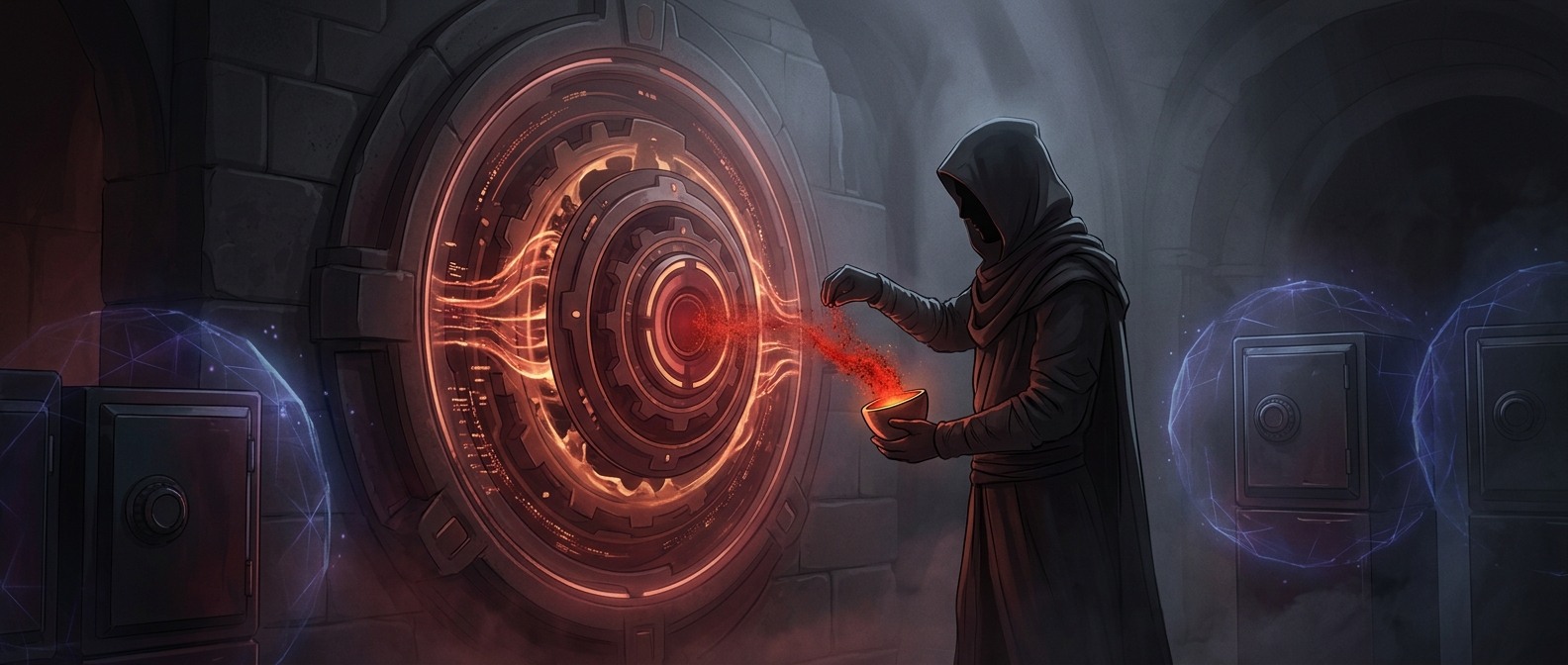
Why passwords need a secret pepper
Unlike a salt, which is stored alongside password data, a pepper is a secret value kept separately. If attackers steal only the database, they still need that…
Discover more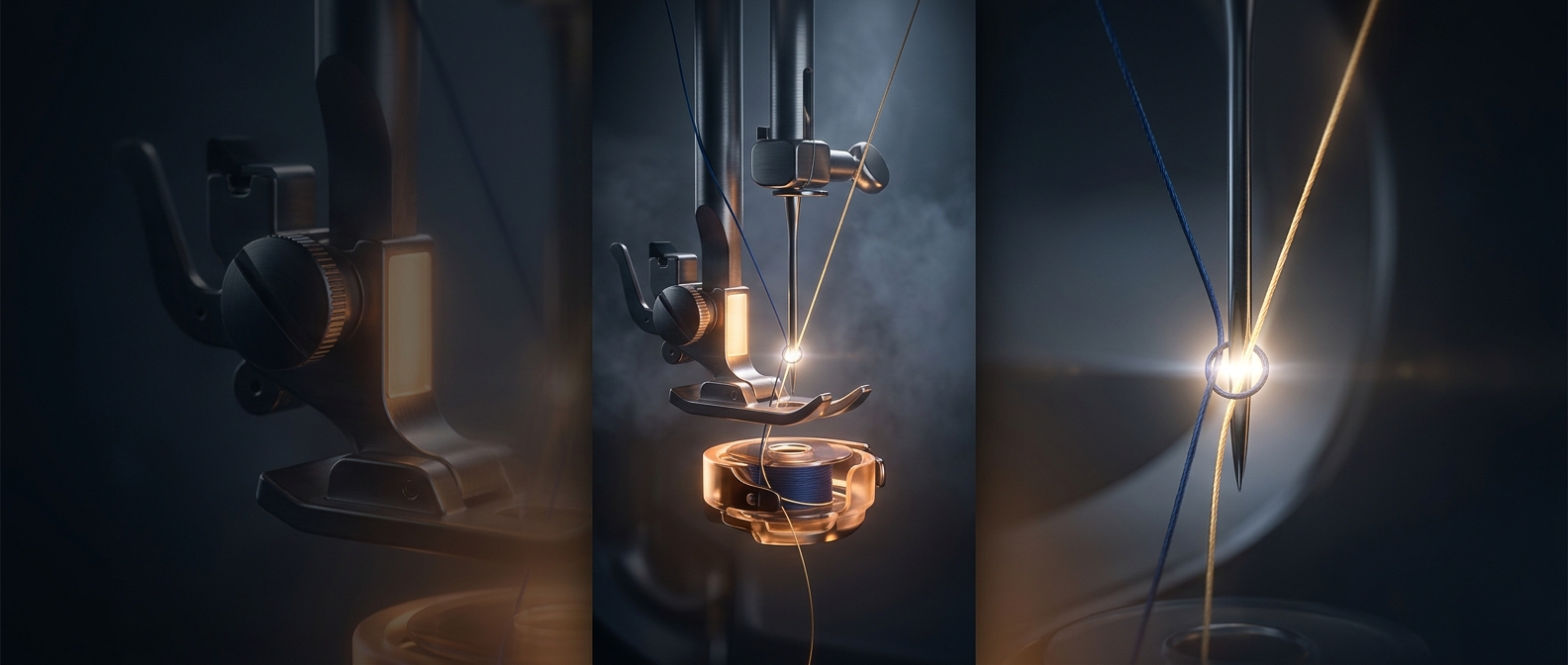
A lockstitch hides its knot between two threads
A hook catches the loop carried down by the needle and passes it around the bobbin thread below the fabric. Tightening interlocks the two threads inside the…
Discover more
Google reported more than five trillion searches in a year
The company disclosed that annual volume in 2025. Averaged over a year, it means more than 158,000 queries each second—not all shopping or homework, but an…
Discover more
How traffic lights know your car is waiting
A wire loop buried in the pavement creates an electromagnetic field. A car's metal disrupts it, signaling the light that a vehicle is waiting.
Discover more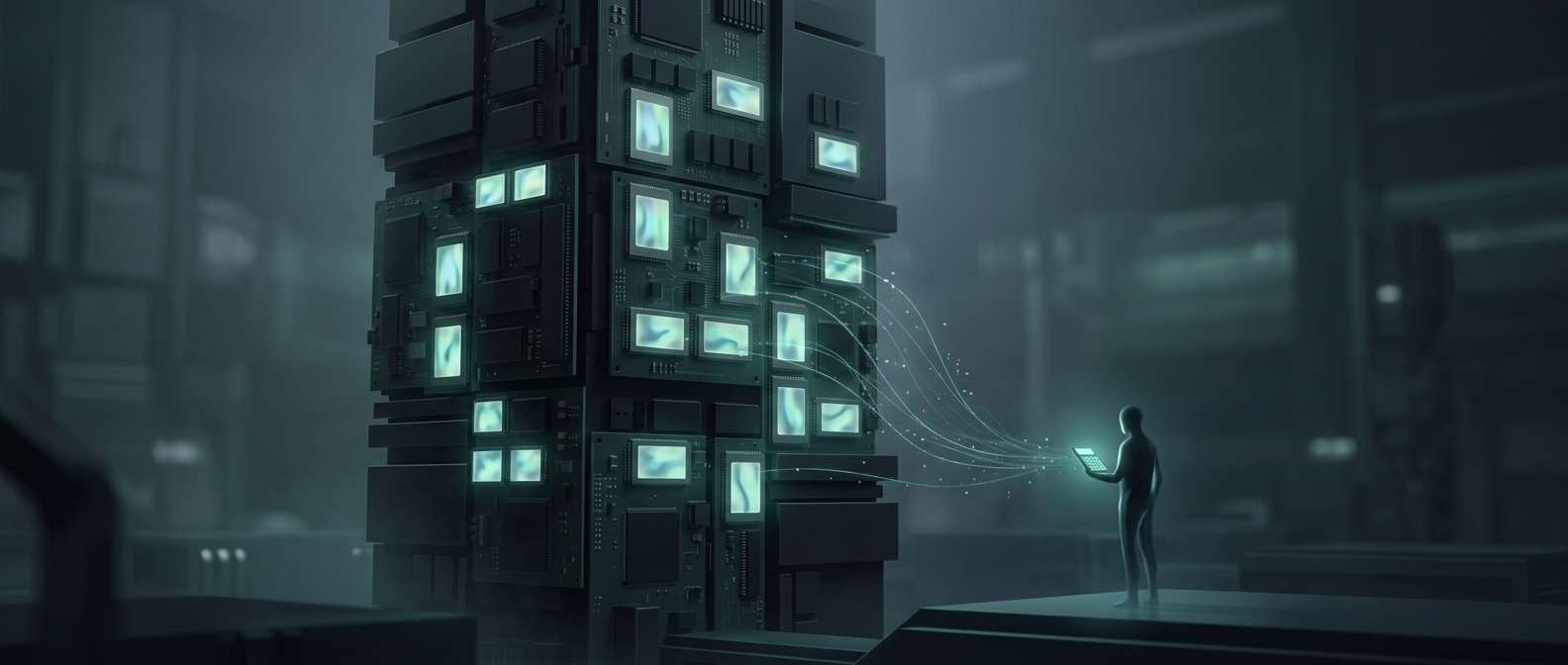
Why basic calculators still use liquid crystals
Basic calculators use simple, low-power liquid-crystal displays because they can run for years on a tiny battery.
Discover more
The Mac startup sound was designed to calm you down
Sound designer Jim Reekes created the soothing C-major chord as a reassuring sign that the computer had booted successfully, replacing the anxiety-provoking…
Discover more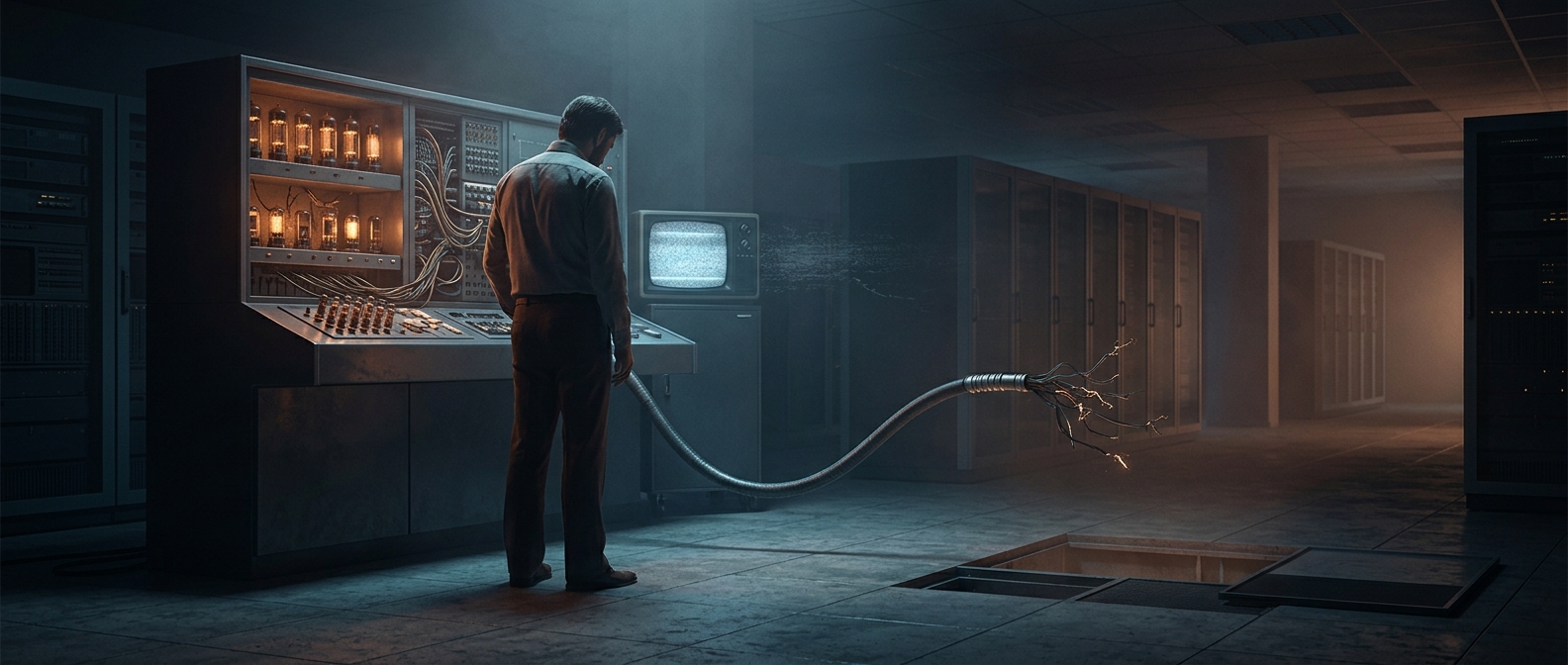
An early network email traveled between neighboring computers
In 1971, Ray Tomlinson sent test messages between machines in the same room and used @ to separate a user from the destination computer. The distance was…
Discover more
Laptop hinges crack from basic friction
Tight hinges are screwed into relatively weak mounting points, so repeatedly opening and closing the screen can eventually crack them—even on premium machines.
Discover more