Technology
Discover facts about technology. Small discoveries that change the way you see familiar things.
Technology
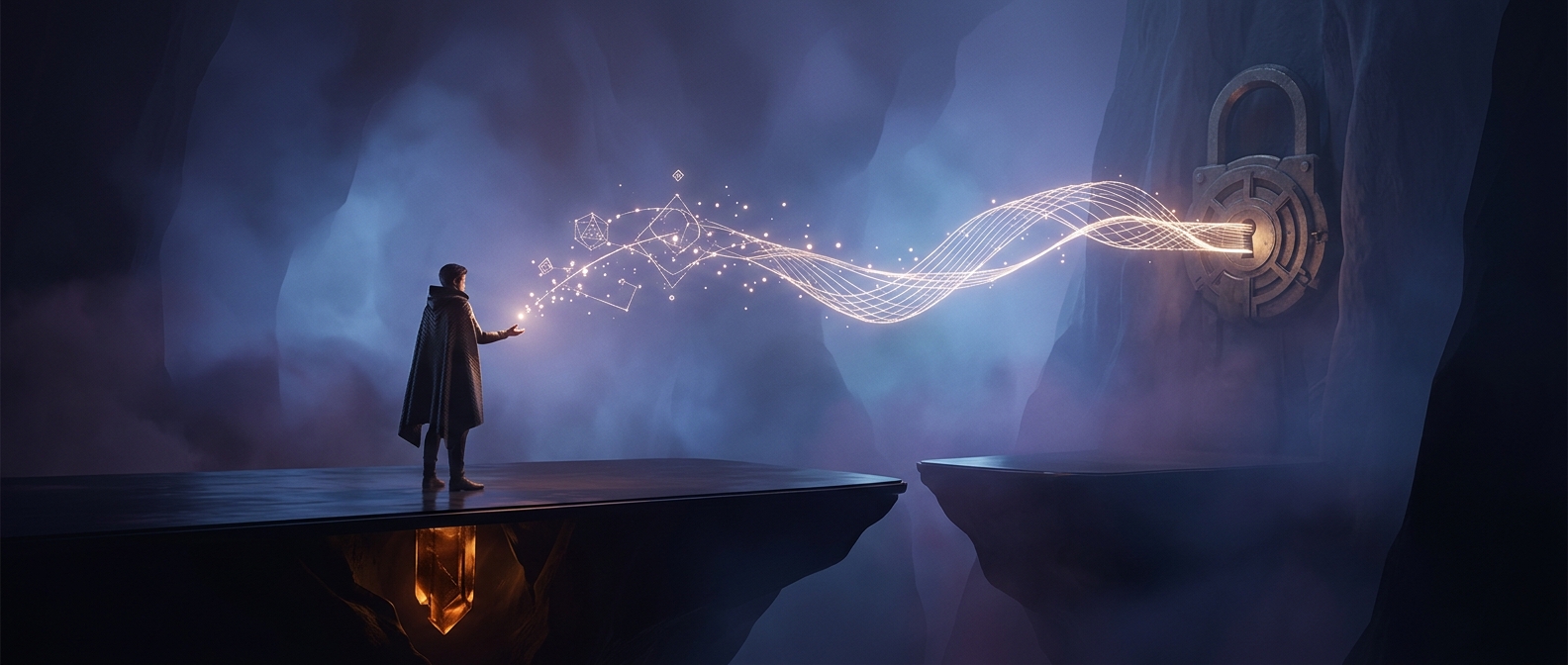
Asymmetrical encryption pairs public and private keys
Anyone can use your public key to encrypt a message for you, but only your private key can decrypt it. The private key stays on your device, so you don’t have…
Discover more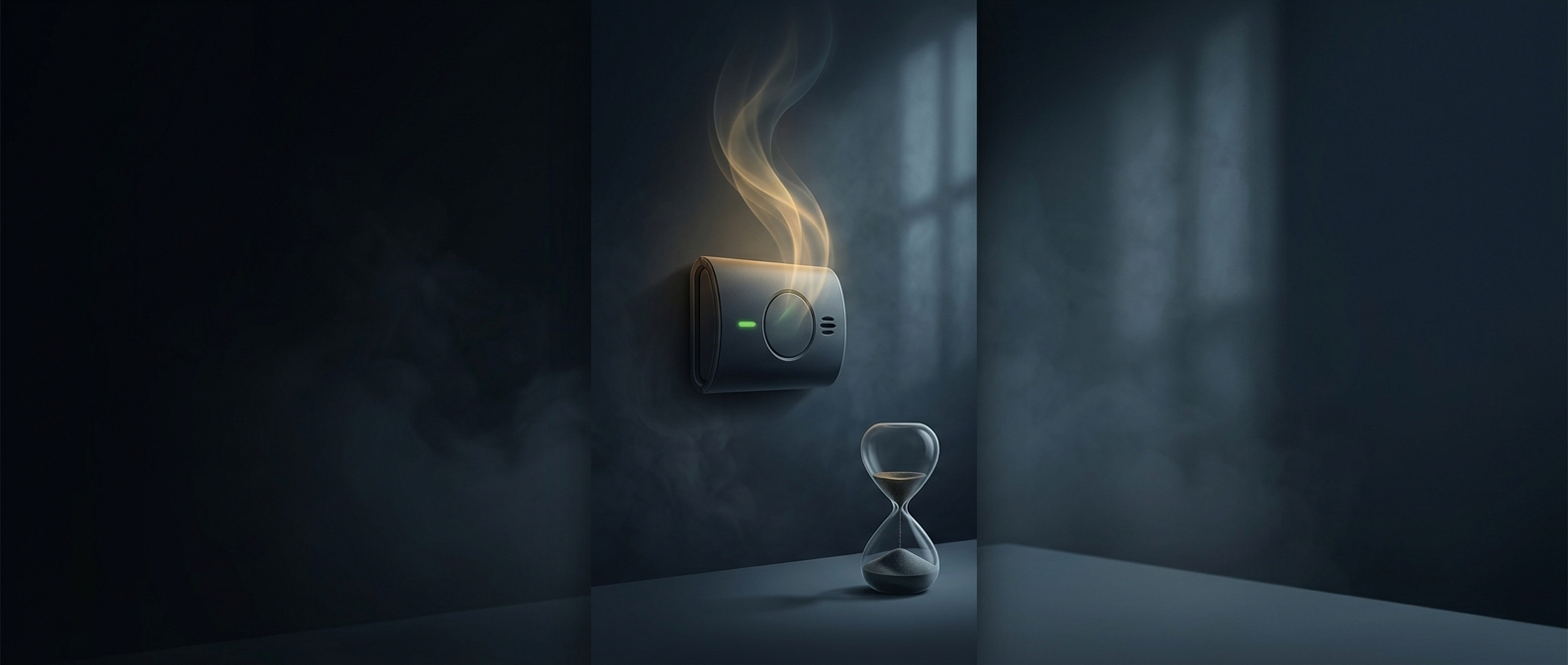
Your carbon monoxide detector won't last forever
The sensor inside a carbon monoxide detector degrades as it reacts with room air. Once it reaches its expiration date, it may no longer detect the gas.
Discover more
Why sarcasm confuses sentiment algorithms
Sentiment tools can mistake sarcasm for praise because they may score positive and negative keywords without recognizing context. A review calling a product…
Discover more
Why games reward you with a tiny burst of music
A brief flourish after opening a chest or clearing a room makes the reward feel satisfying—and can keep players chasing the next one.
Discover more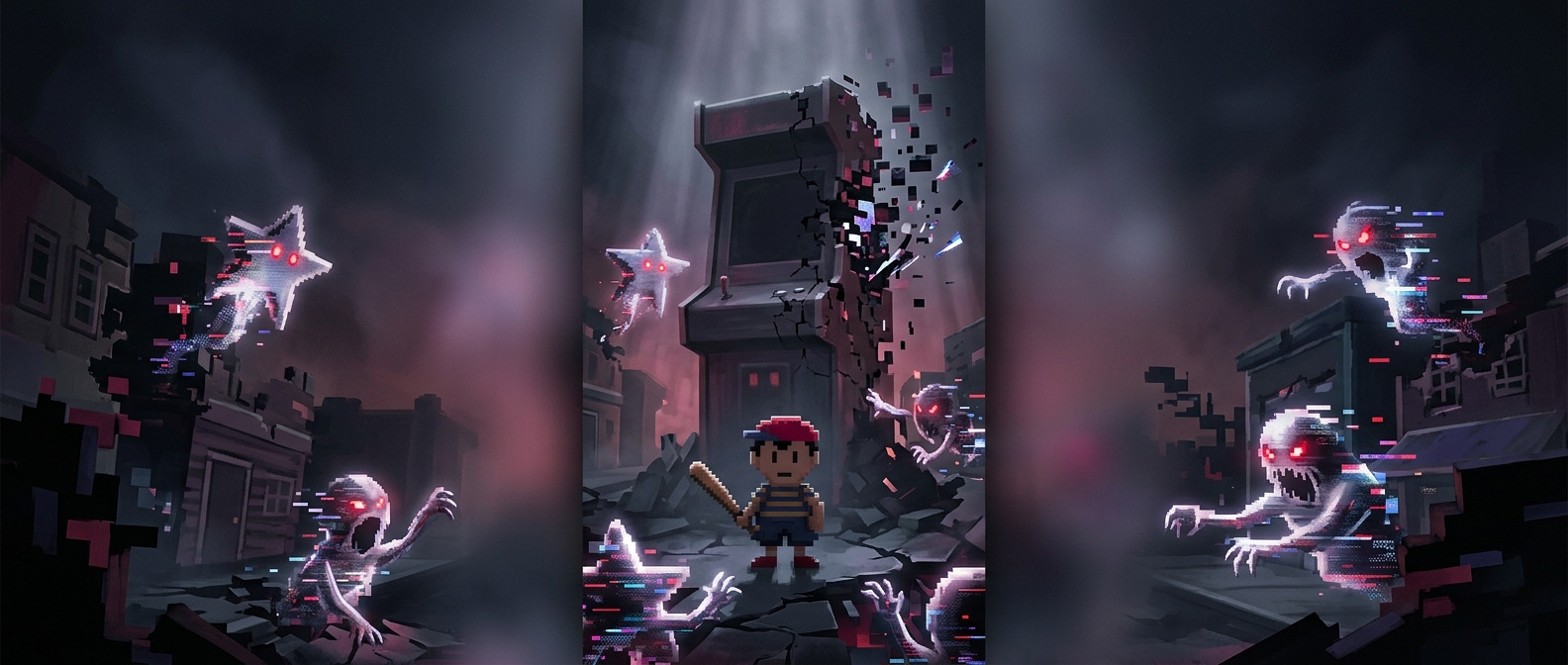
EarthBound's copy protection could wait until the final battle
Some anti-piracy checks increase enemy encounters rather than stopping play immediately. If a detected copy reaches Giygas, another check can crash the game…
Discover moreChuck Norris facts started as Vin Diesel jokes
The meme began on an online forum as absurdly tough “facts” about Vin Diesel after The Pacifier. Users later voted to replace his name with Chuck Norris,…
Discover more STACKY FOR IPHONE
A bigger world.
One discovery
at a time.
Keep discovering with Stacky. Interesting facts in an app that is always within reach.
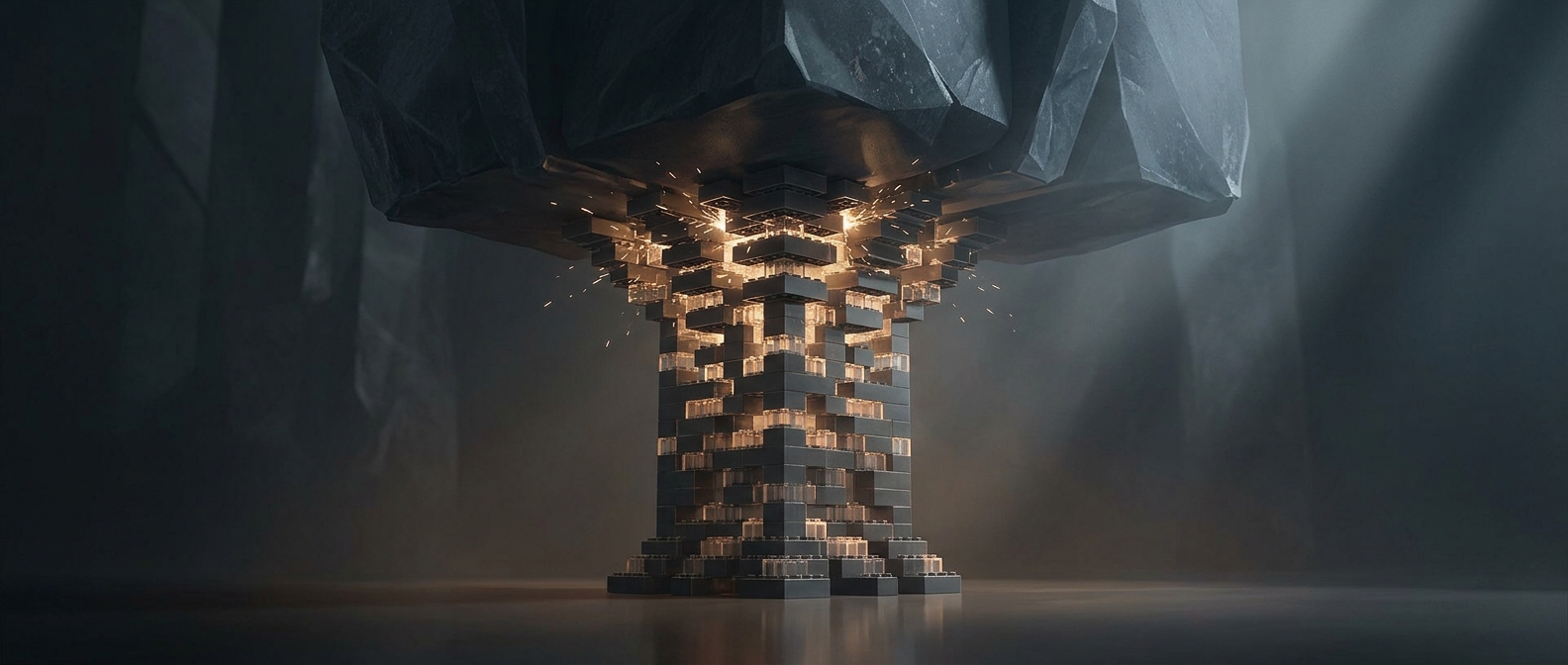
A single Lego brick can withstand enormous force
A single brick can withstand more than 900 pounds of force before crushing. Theoretically, a tower made from enough bricks could rise over two miles before…
Discover more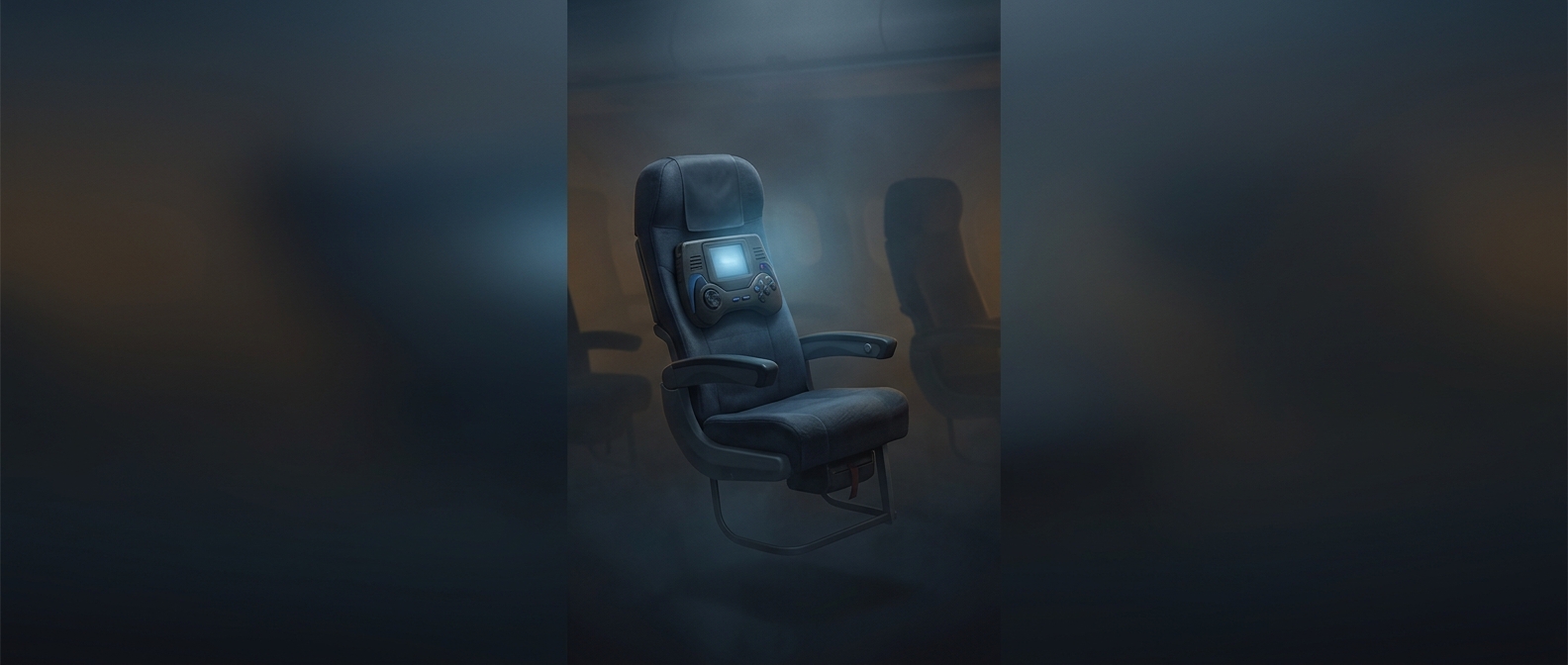
Sega's airplane console borrowed the screen in your seat
Japan Airlines began lending the Mega Jet on international flights in 1993. The controller and console were combined, but the picture appeared on the seat's…
Discover more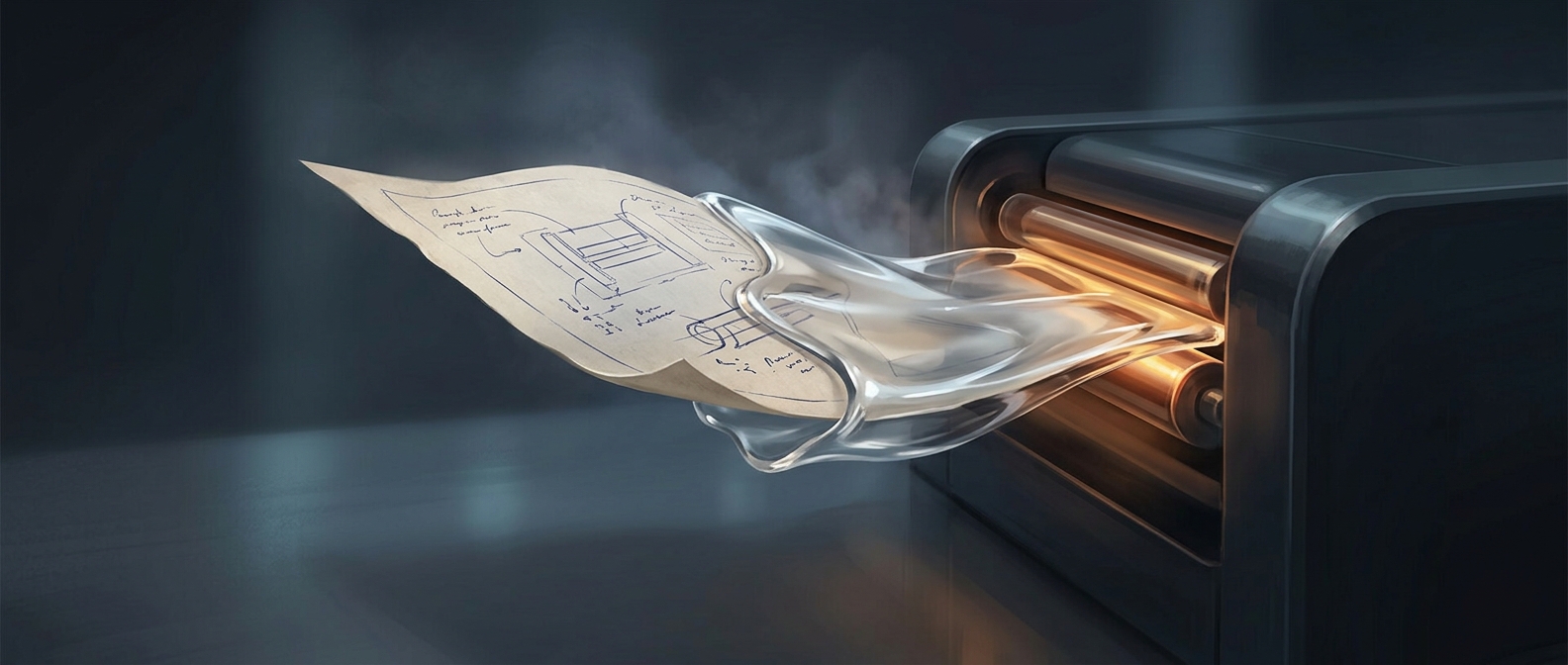
Laminators melt plastic pouches to permanently seal paper
Heated rollers press the pouch's heat-activated adhesive around the paper, fusing it into a sealed plastic covering.
Discover more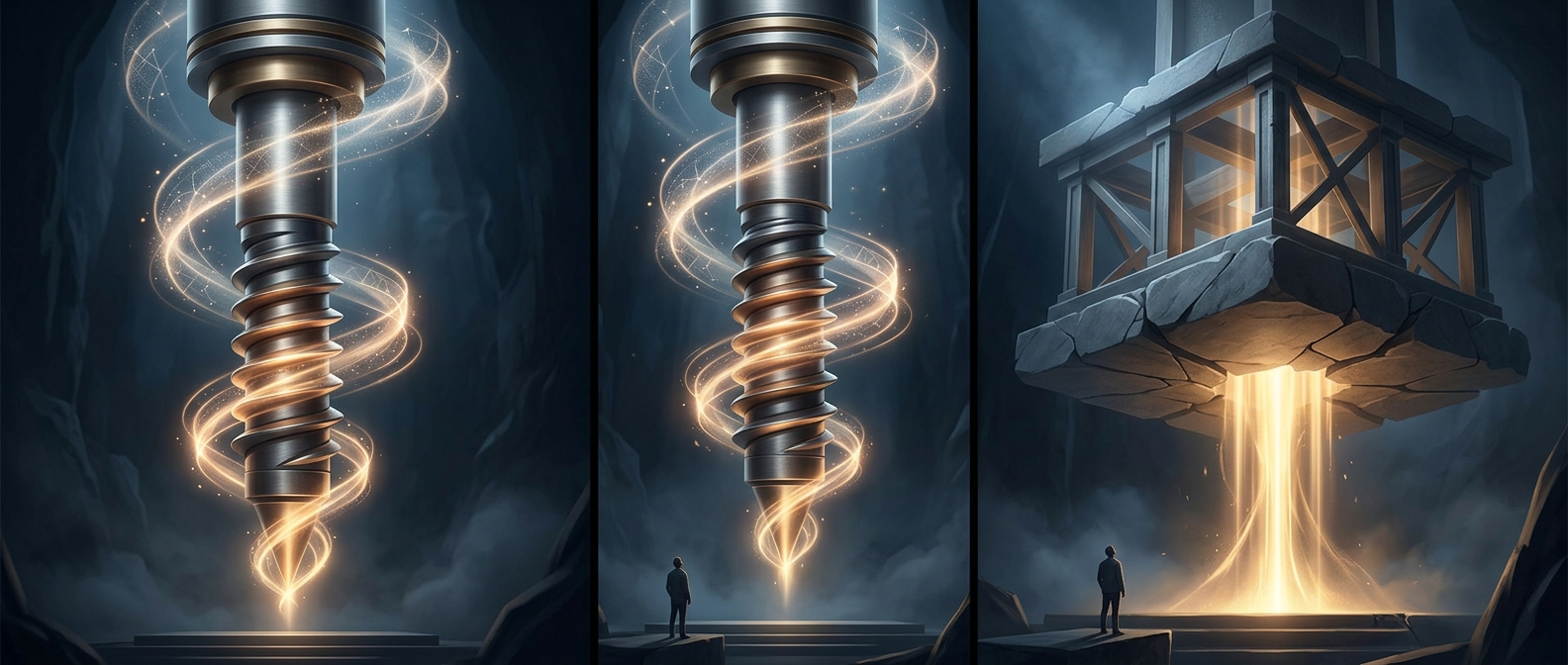
Screws hold things together by converting rotation to push
Its spiral thread acts like an inclined plane wrapped around a cylinder: turning the screw converts rotation into forward force that clamps materials together.
Discover more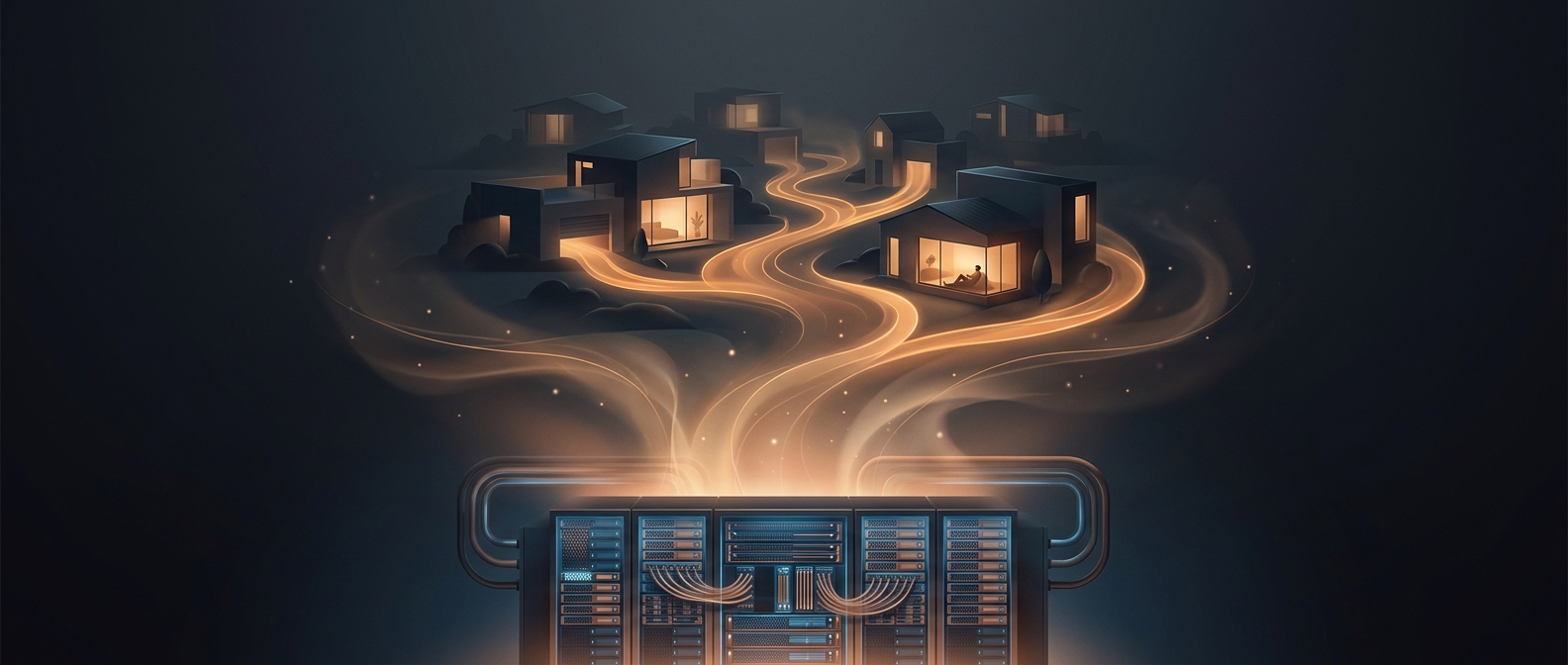
How supercomputers can heat people's homes
Facilities in places like Sweden and Switzerland pipe excess heat from data processing into municipal heating grids instead of venting it.
Discover more
Shigetaka Kurita created the original set of one hundred seventy six emojis in the year 1999
Each icon fit a 12-by-12-pixel grid and was designed to make pager weather forecasts and messages easier to understand.
Discover more
Why identical processors perform differently
Tiny manufacturing differences mean identical processor models can handle heat and voltage differently. One may overclock successfully while another crashes…
Discover more
You can carry an offline Wikipedia without carrying its pictures
Kiwix packages encyclopedic content into compressed, searchable files, including versions without images. The edition and date determine the size, rather than…
Discover more
Digital support menus trap frustrated users in endless loops
Generic menu choices can keep routing users back to the start instead of connecting them to a person, turning a help line into a frustrating loop.
Discover more
When one missed parry means replaying 15 minutes
After a miss, you’re sent back to the foggy entrance and must repeat the memorized dodges before you can attempt the parry again.
Discover more
Hello world is the universal ritual to test a setup
A tiny program that prints “Hello, world” is a common first test: if it runs, the basic setup can compile and display output.
Discover more
Digital watermarking hides invisible ownership data
Digital watermarks make tiny changes to audio or video that audiences can’t detect, while tracking systems scan for the embedded ownership signature.
Discover more
A deleted Linux file can keep using disk space
Removing a filename doesn't necessarily end a program's access to the file. If the program still has it open, the filesystem keeps its data until that last…
Discover more
Colossal data centers span across millions of square feet
Their windowless, humming buildings can dwarf major shopping malls, all devoted to storing data.
Discover more
Random forest algorithms combine trees to make choices
Each tree is slightly randomized, and the forest combines their votes so one poor prediction is less likely to dominate.
Discover more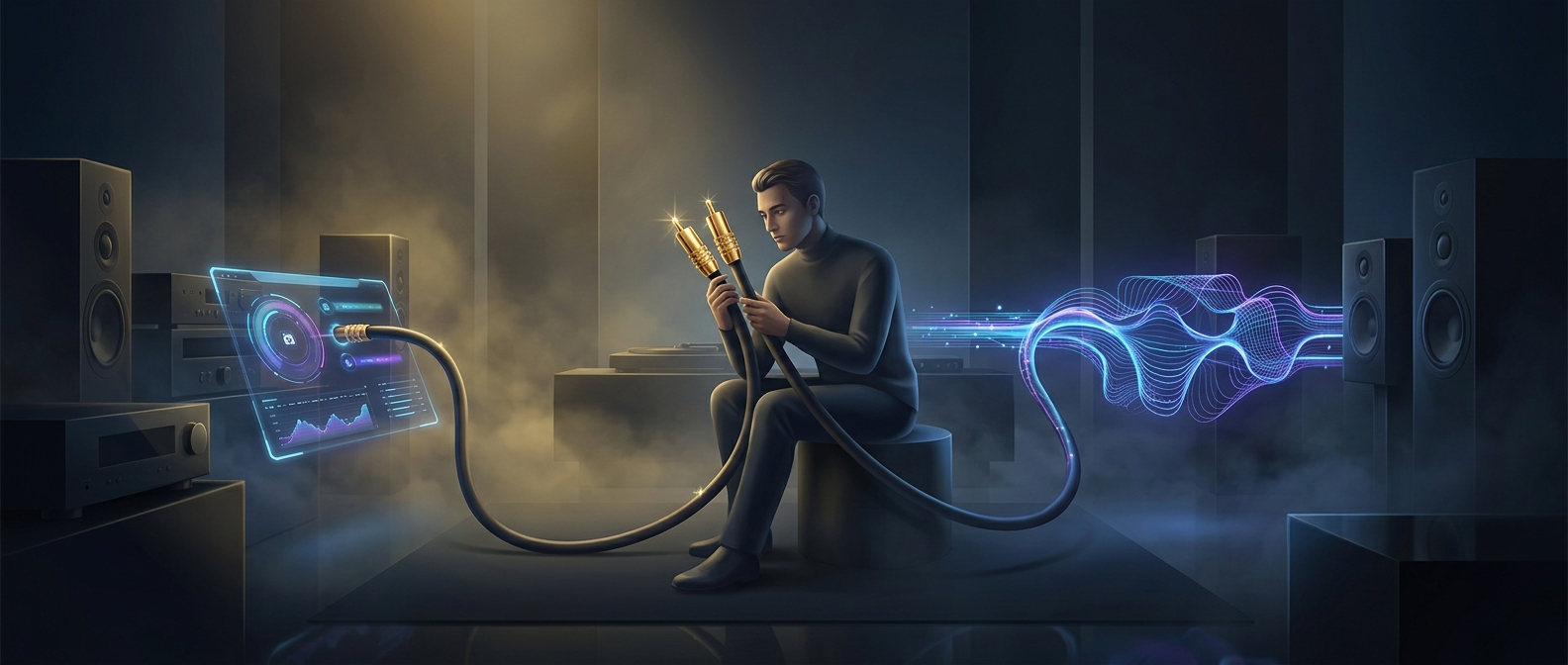
Why gold can't improve an optical cable
Optical cables carry sound as pulses of light through fiber, so gold plating on the connector can’t improve the signal traveling inside.
Discover more
Copper can be recycled without losing conductivity
Pure copper can be melted down and reshaped into new wire without losing its conductivity, unlike materials that degrade during recycling.
Discover more
Massive fan systems suck carbon dioxide directly out of air
Chemical sorbents capture CO₂ from ambient air, and the captured gas can then be stored underground. Large fan arrays move air through the system.
Discover more