Technology
Discover facts about technology. Small discoveries that change the way you see familiar things.
Technology

Children could build their own telegraph link
A Gilbert Teleset in the Smithsonian includes two key-and-sounder units, copper wire and blank telegram forms. It let users practice Morse code and send…
Discover more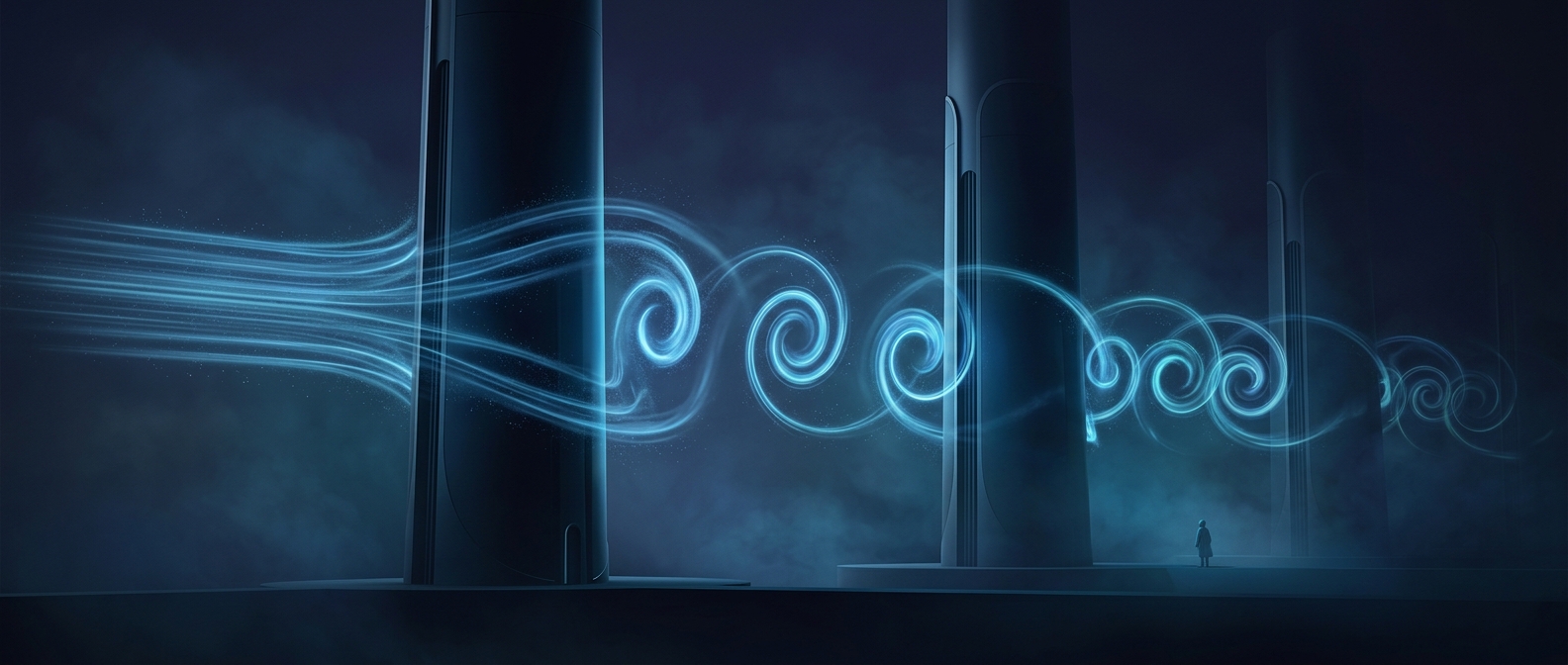
Wind hitting round structures creates alternating air spirals
Wind breaks into alternating swirls around a cylinder, creating vibrations that can shake it severely. Spiral fins on industrial chimneys disrupt the airflow…
Discover more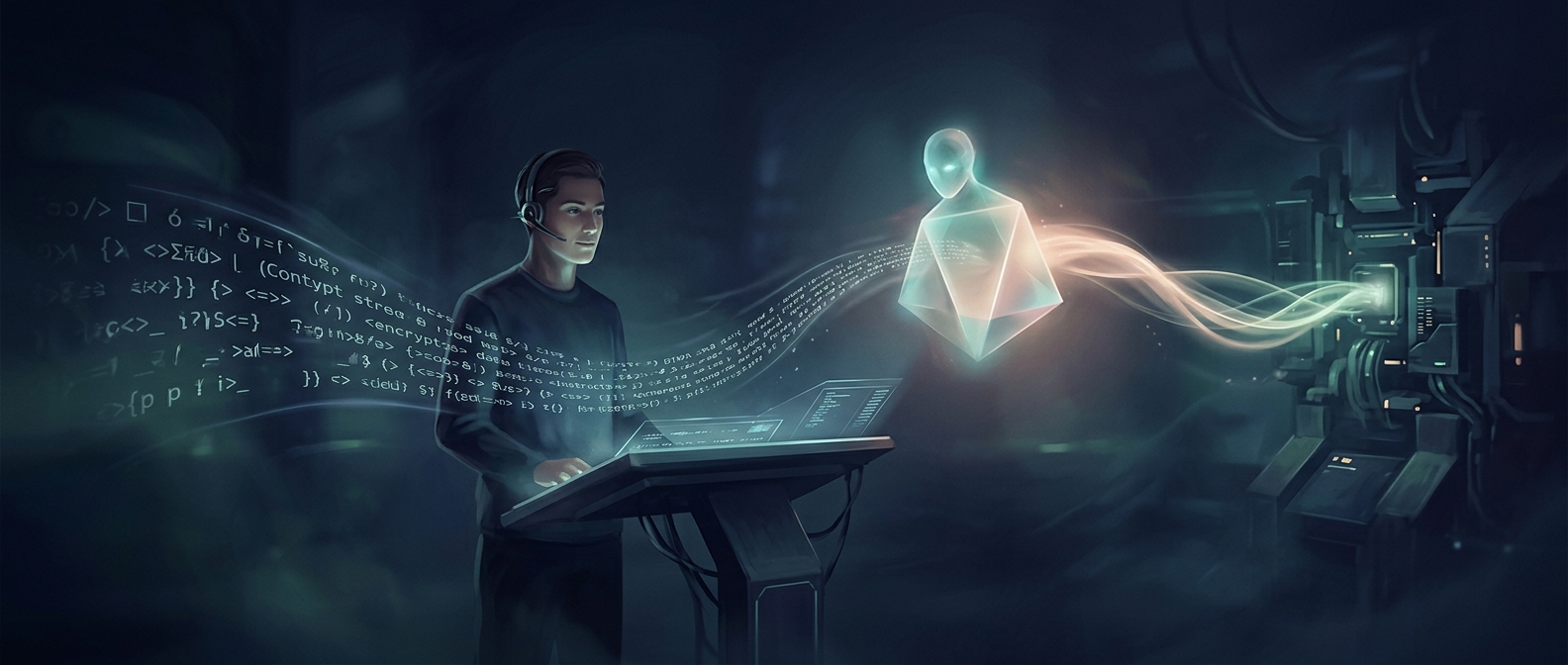
Interpreted languages translate instructions on the fly
They read and execute instructions as the program runs instead of translating the whole codebase in advance. That can make them flexible, though often slower.
Discover more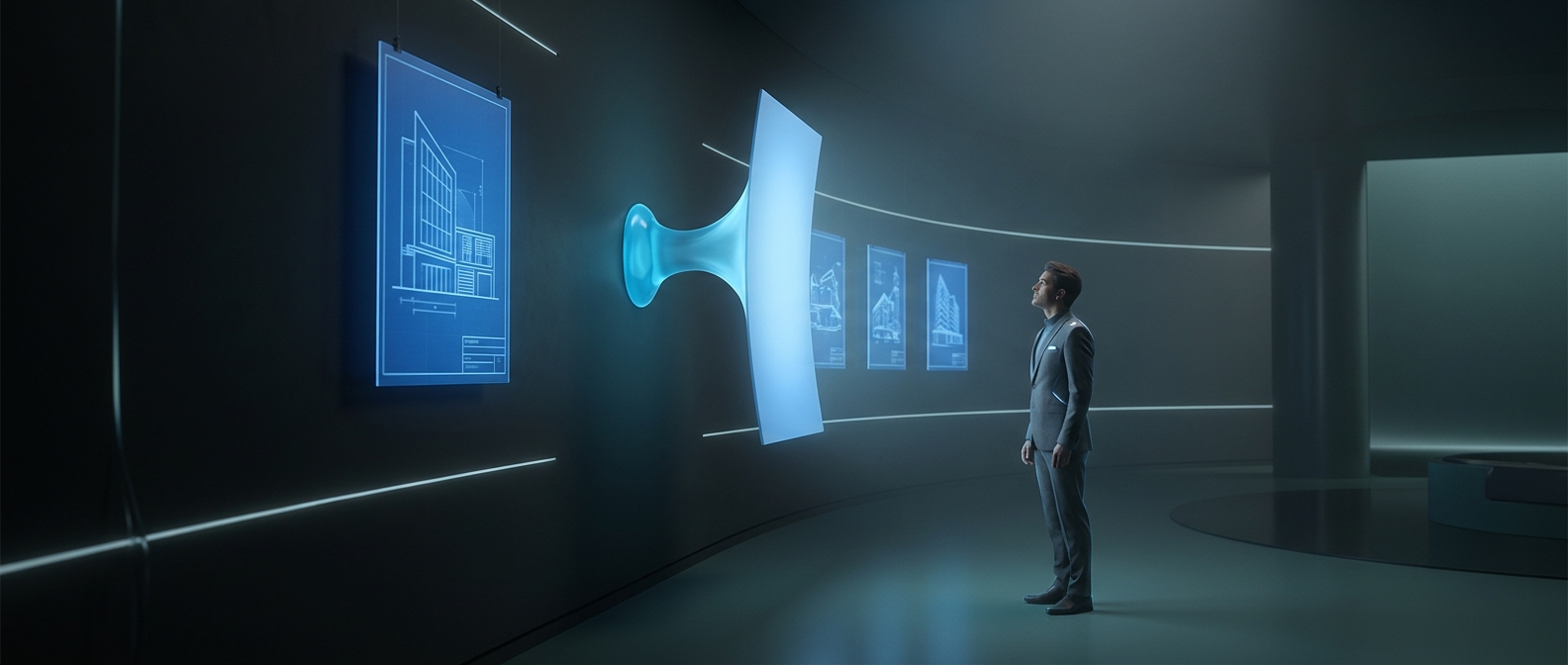
Sticky tack holds up posters without permanently bonding
The putty never fully cures, so it stays pliable and flows into the tiny grooves in a painted wall. That lets it hold posters in place without permanently…
Discover more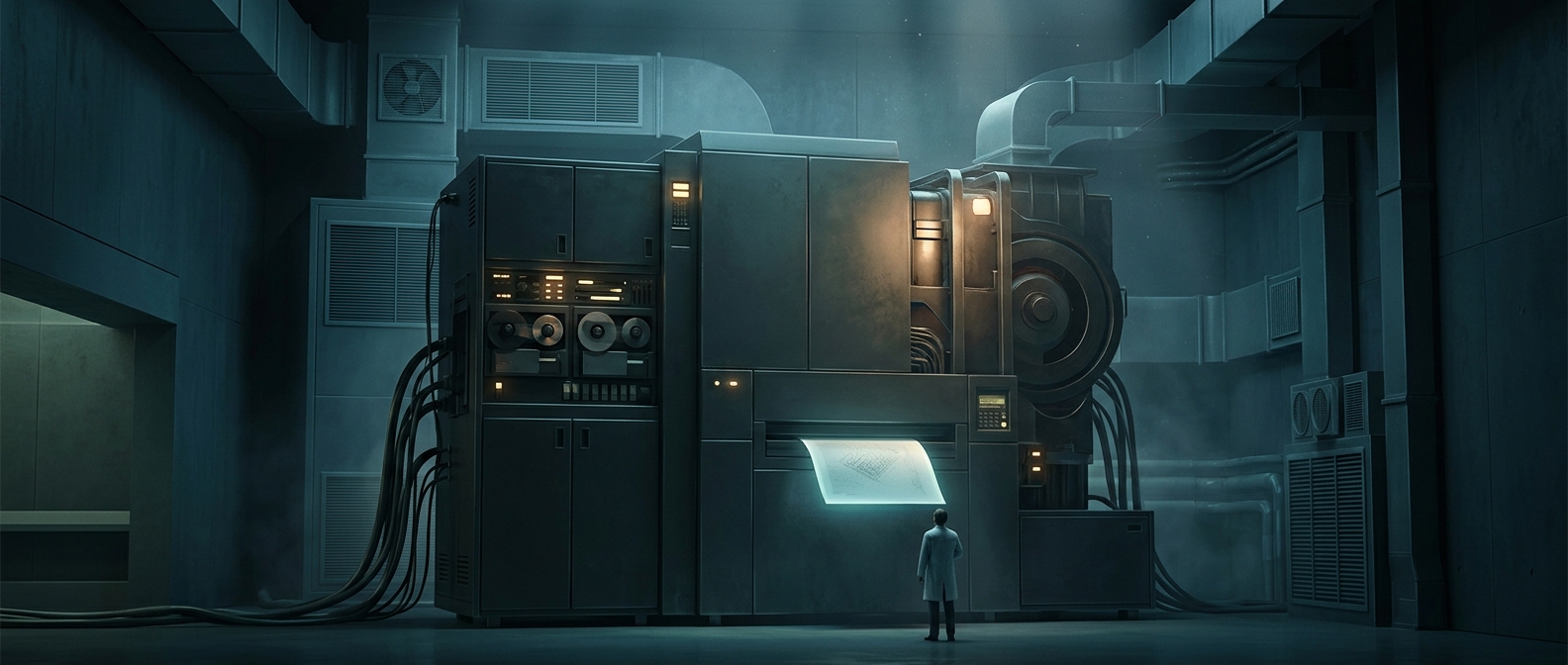
An early laser printer could output thousands of lines a minute
IBM announced the 3800 in 1975 for high-volume computer printing, with output on the order of 10,000 to 20,000 lines per minute. Laser imaging avoided…
Discover more
The handheld console you could play two ways
An extra set of buttons let players rotate the handheld vertically, a feature designed by the creator of the Game Boy.
Discover more STACKY FOR IPHONE
A bigger world.
One discovery
at a time.
Keep discovering with Stacky. Interesting facts in an app that is always within reach.

Sorting algorithms aggressively bubble highest values up
It repeatedly compares neighboring numbers and swaps them when they're out of order, gradually moving the largest values to the top. The simple method is…
Discover more
Why an old rotary phone can still work today
Its dial sends electrical pulses that many telephone switches can still recognize—but only if you can connect it to a working copper phone line.
Discover more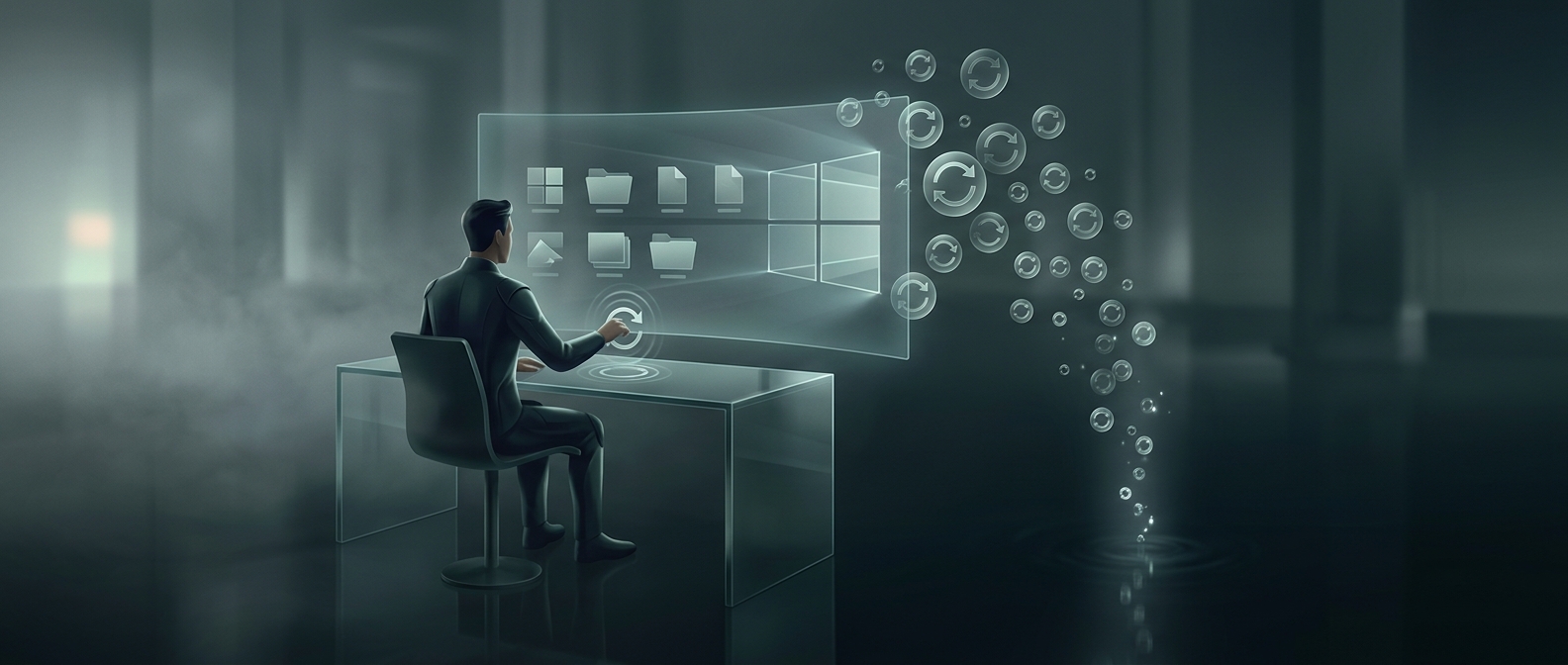
Refreshing the desktop redraws icons, not a faster computer
Refresh asks the desktop to update what it displays, which can help when an icon or file change has not appeared correctly. It does not free the processor…
Discover more
Why one odd watch can haunt your recommendations
Recommendation systems can latch onto a one-off viewing choice, so one documentary about rocks may keep geology videos in your feed years later—even if you…
Discover more
Why wind turbine blades end up in landfills
Their fiberglass-and-epoxy construction makes retired blades difficult to recycle: they can't be melted down, so some are buried in massive trenches.
Discover more
Player Two's Famicom controller had a microphone
Instead of its own Start and Select buttons, the second controller included a small microphone. A few games listened for sound, giving shouting an actual…
Discover more
Command-line interfaces demand absolute syntactic precision
A misplaced hyphen or wrong flag can change what a command does. Some destructive commands can erase an entire file system without asking for confirmation.
Discover more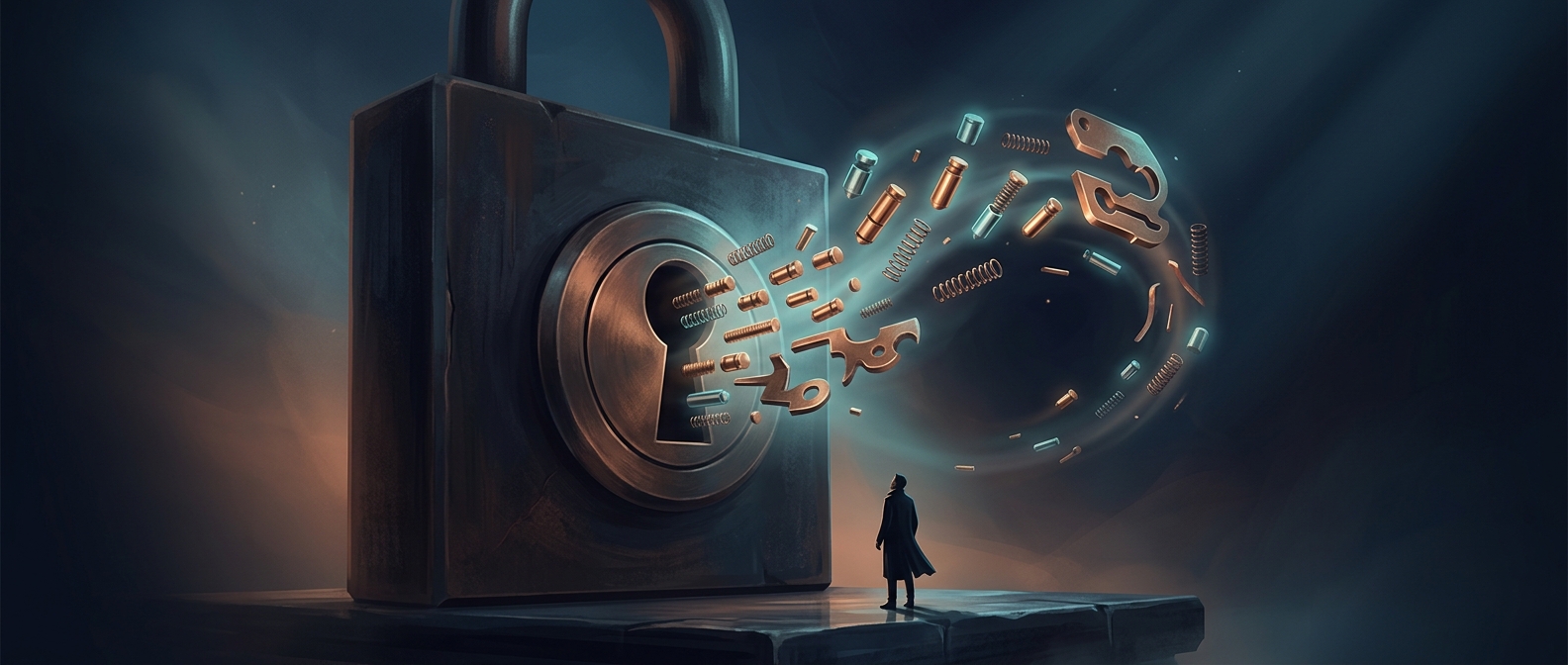
The tiny pins that keep a padlock locked
Inside a pin-tumbler lock, the key lifts spring-loaded pins until they line up at the cylinder’s shear line, letting it turn.
Discover more
Linux was almost called Freax
Torvalds combined “free,” “freak” and “X” to come up with Freax. A volunteer FTP administrator disliked the name and renamed the server directory “Linux”…
Discover more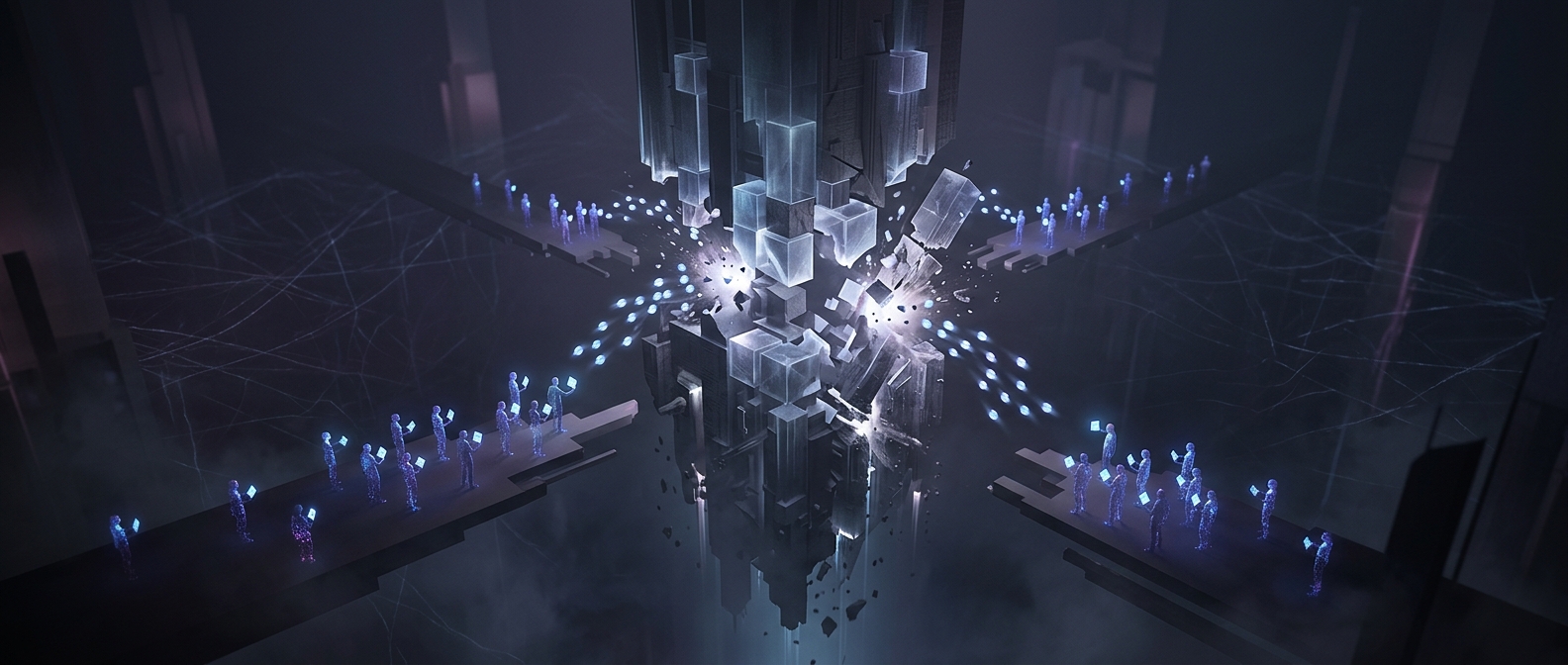
How a DAO vote can empty its entire treasury
Smart contracts carry out a DAO’s approved votes, so a majority of token holders can authorize a treasury transfer. If an attacker acquires enough voting…
Discover more
Unencrypted web traffic automatically defaults to port 80
Unencrypted web traffic uses port 80 and travels in plain text, so someone snooping on the network can read what pages you’re browsing.
Discover more
Multiplexing jams multiple signals into one medium
A multiplexer combines simultaneous signals for transmission over one shared medium. At the other end, a demultiplexer separates them and sends each stream to…
Discover more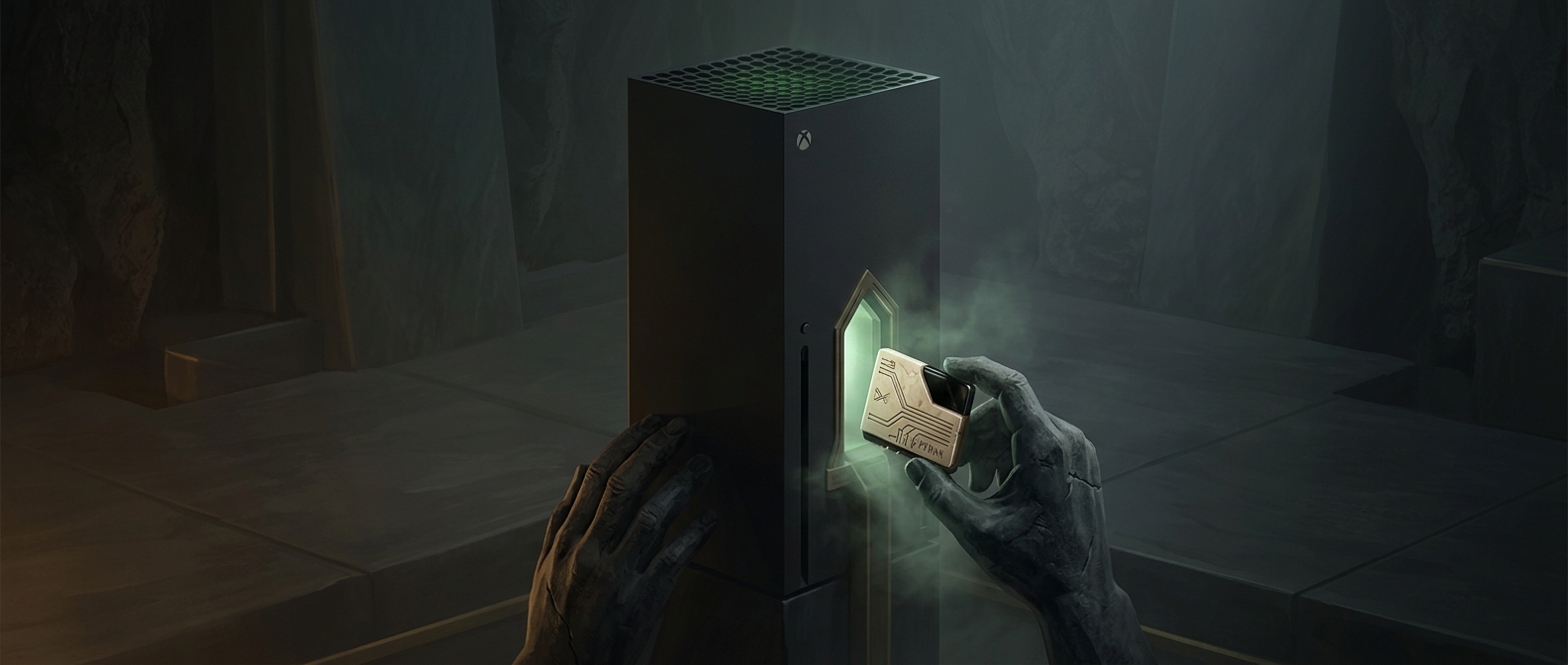
Xbox's expansion card is a second high-speed game drive
Seagate designed the card to match the peak performance of the Xbox Series X and S internal SSD. That matters because games built for the consoles expect fast…
Discover more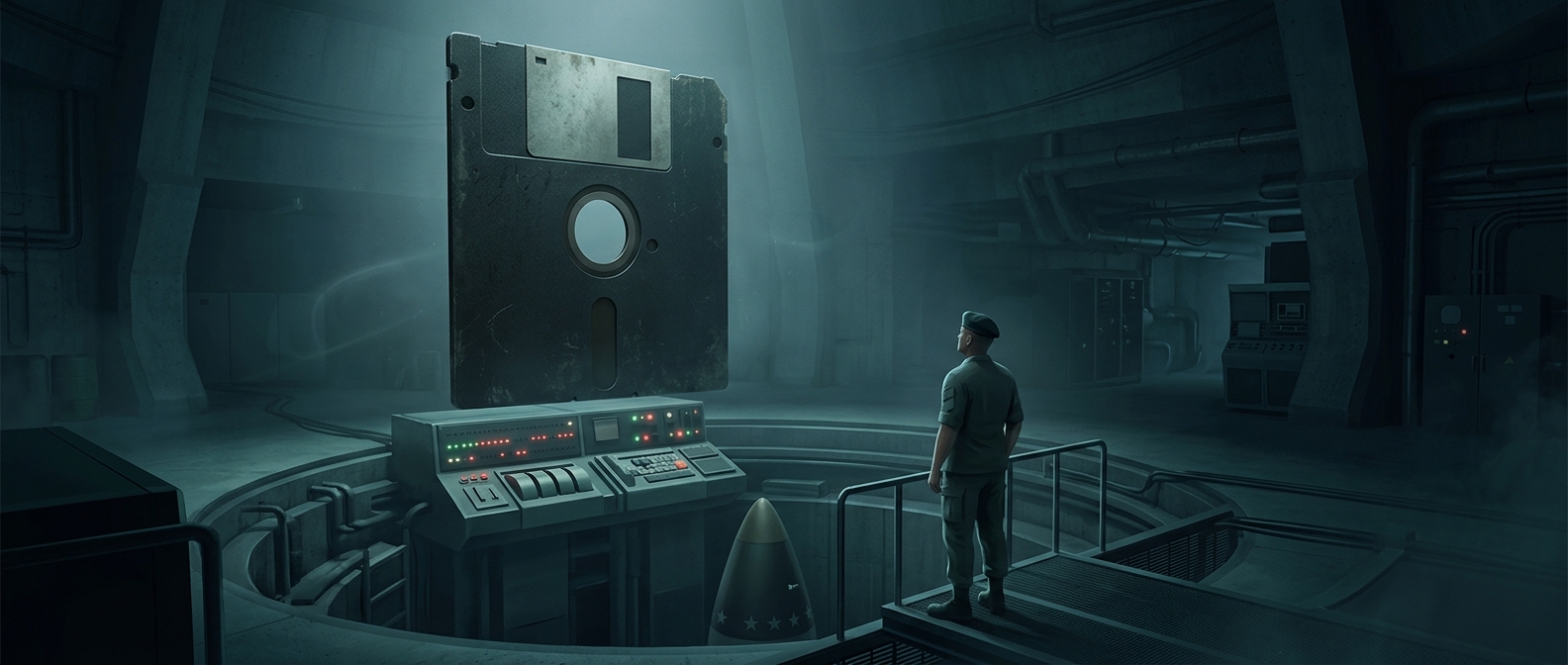
Why nuclear command systems used floppy disks until 2019
The Strategic Automated Command and Control System ran on a 1970s IBM Series/1. The military considered it safer because it predated the internet.
Discover more
Before gunpowder fireworks, heated bamboo made the bang
In early Chinese firecracker traditions, bamboo thrown into a fire cracked as pressure built inside its enclosed sections. The noise was associated with…
Discover more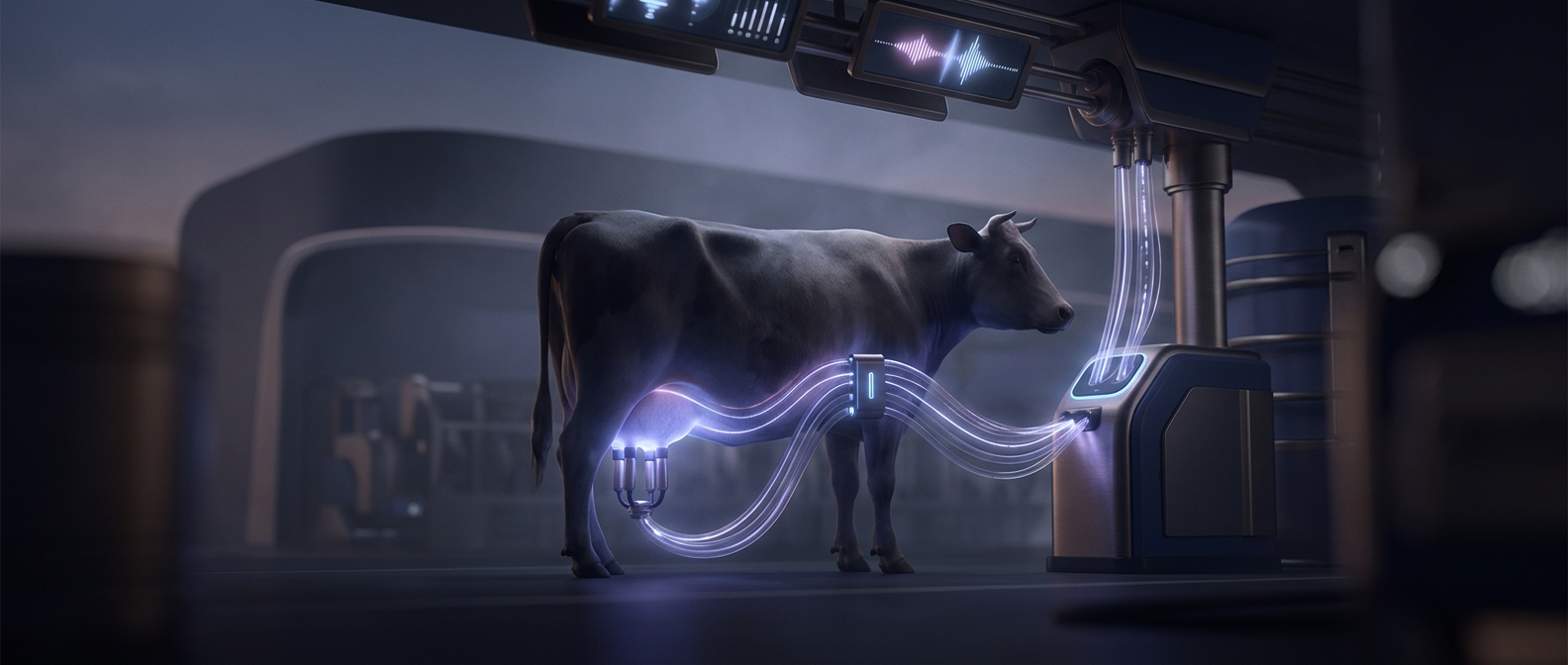
Why milking machines have to mimic a calf
A milking machine uses pulsing suction to imitate a calf’s natural rhythm; constant vacuum can injure the cow.
Discover more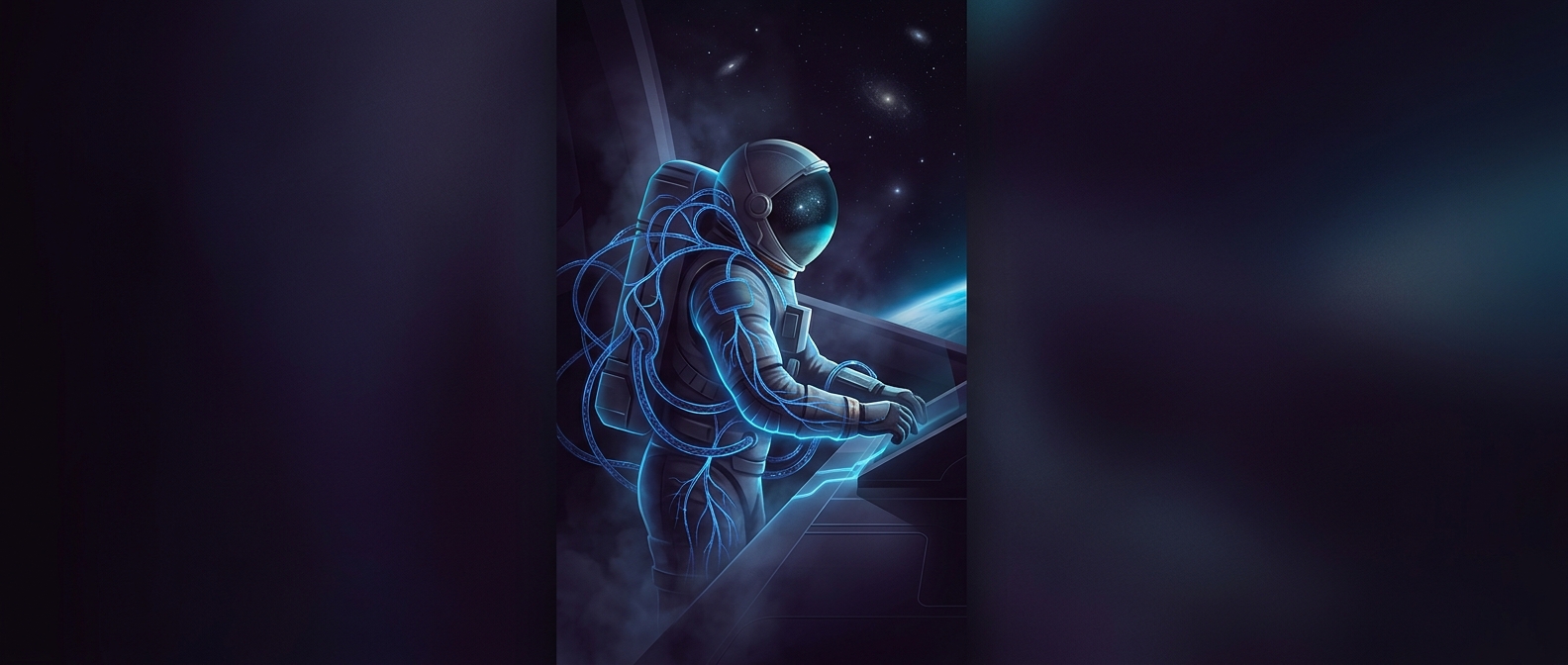
Astronauts wear liquid-cooled underwear
A network of tiny tubes in the undergarment circulates chilled water to keep astronauts from overheating inside their pressurized suits.
Discover more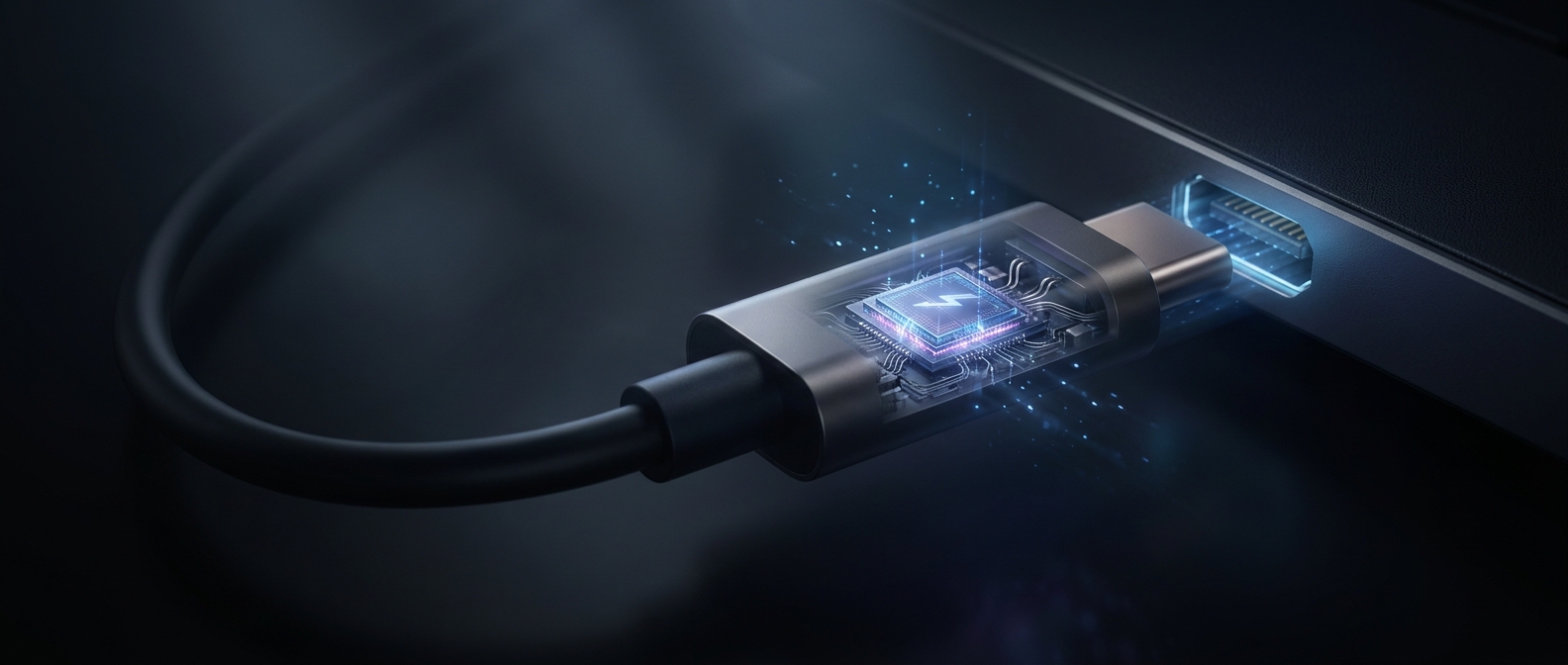
Why Thunderbolt cables cost so much
Some high-speed Thunderbolt cables contain tiny silicon chips in their connector heads to manage signal quality over long distances, adding to their cost.
Discover more