Technology
Discover facts about technology. Small discoveries that change the way you see familiar things.
Technology
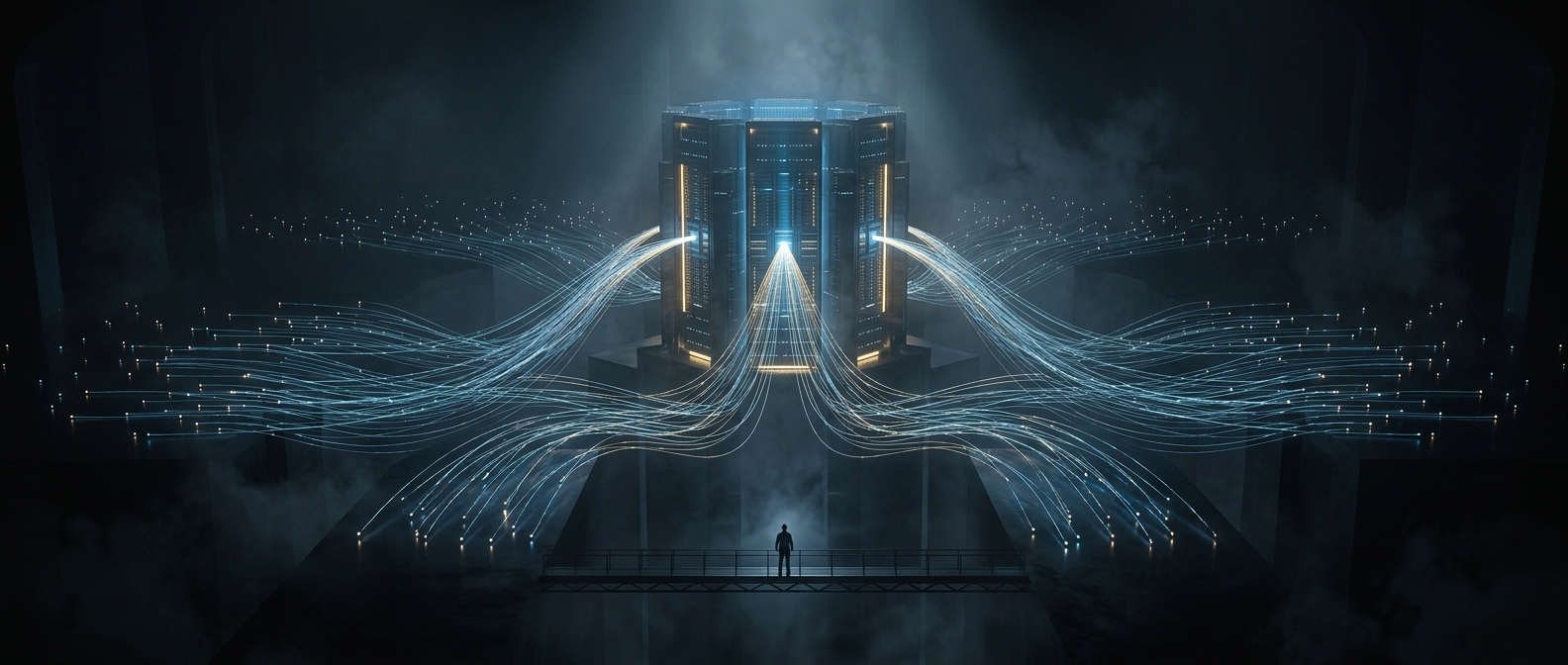
Push notifications route through centralized servers
Apps send alerts through servers run by major mobile operating-system companies, rather than directly to your phone. An outage can silence notifications…
Discover more
America's console business shrank almost to nothing
Estimates of the 1983–1985 U.S. video-game crash put revenues down roughly 97%. That collapse concerned a particular market, not the disappearance of games…
Discover more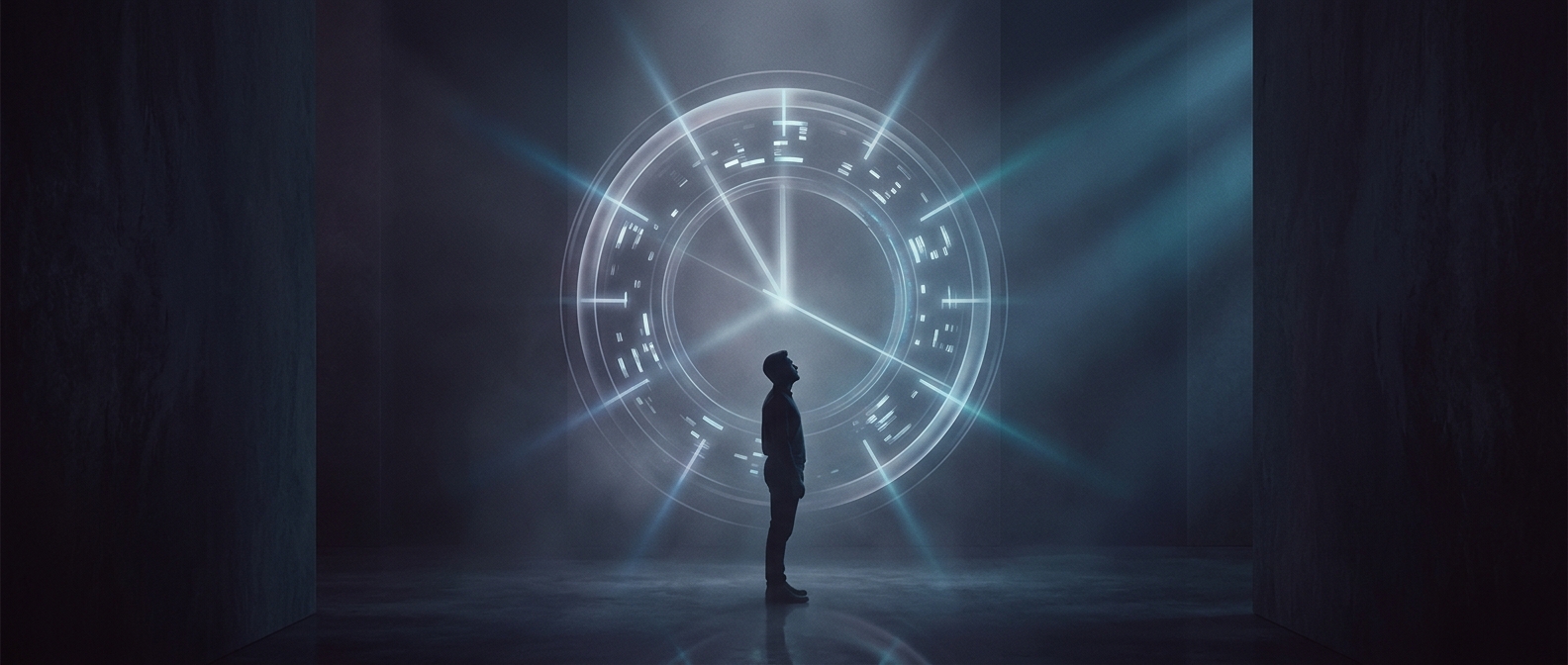
How your authenticator knows the right six digits
Your app and the server use the same secret key and current time to independently generate matching temporary codes, so no signal needs to pass between them.
Discover more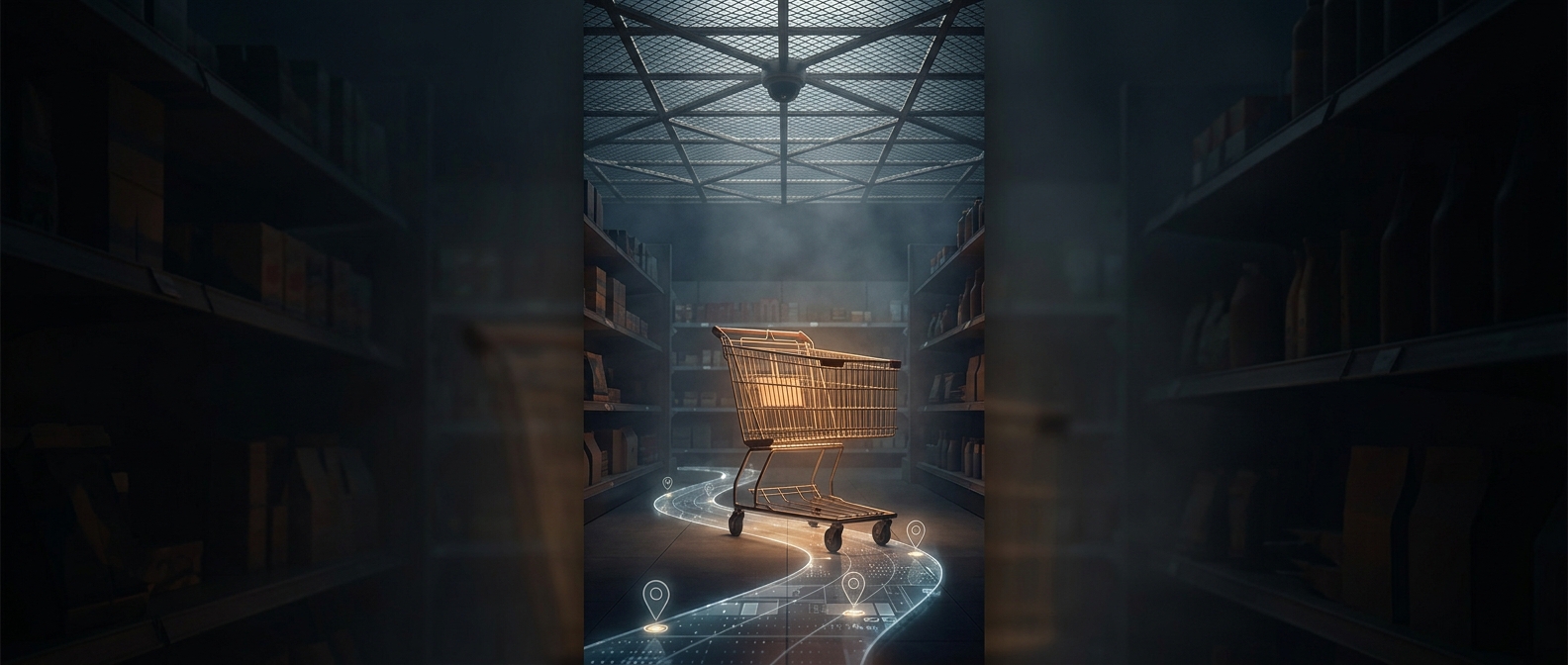
A shopping cart can leave a research trail through the supermarket
Researchers have used RFID tags on carts to record the routes customers take. Those paths show how people actually move around shelves, rather than how a…
Discover more
Why editing a PDF feels almost impossible
A PDF preserves a page’s layout by fixing where each letter and image sits, rather than treating text like a flowing document. Changing one typo can mean…
Discover more
Entire residential houses can now be 3D printed in less than twenty-four hours using raw concrete
Large 3D printers extrude concrete in layers to form a home's foundation and walls, sometimes in under a day. That speed refers to the printed structure, not…
Discover more STACKY FOR IPHONE
A bigger world.
One discovery
at a time.
Keep discovering with Stacky. Interesting facts in an app that is always within reach.

Vintage DVI monitor cables featured highly bendable pins
The connector's thin pins could bend if you inserted it at an angle, potentially ruining the cable.
Discover more
Media buffering preemptively hoards data for playback
By downloading chunks ahead of playback, a player builds a small reserve that can keep a stream running through a brief connection drop.
Discover more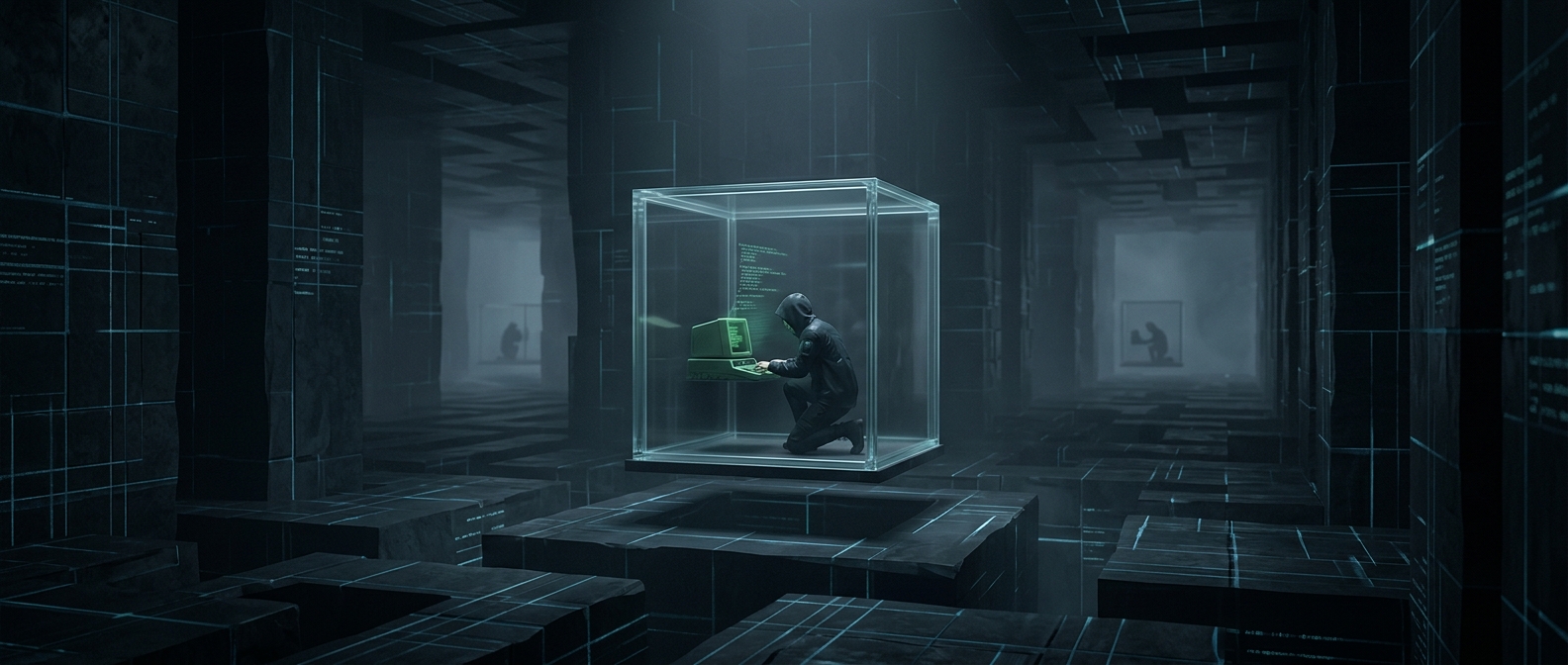
Vim makes you switch modes before it will let you leave
In insert mode, keys enter text; in command mode, they control the editor. Press Escape, then enter :q to quit if there are no unsaved changes, or :wq to save…
Discover more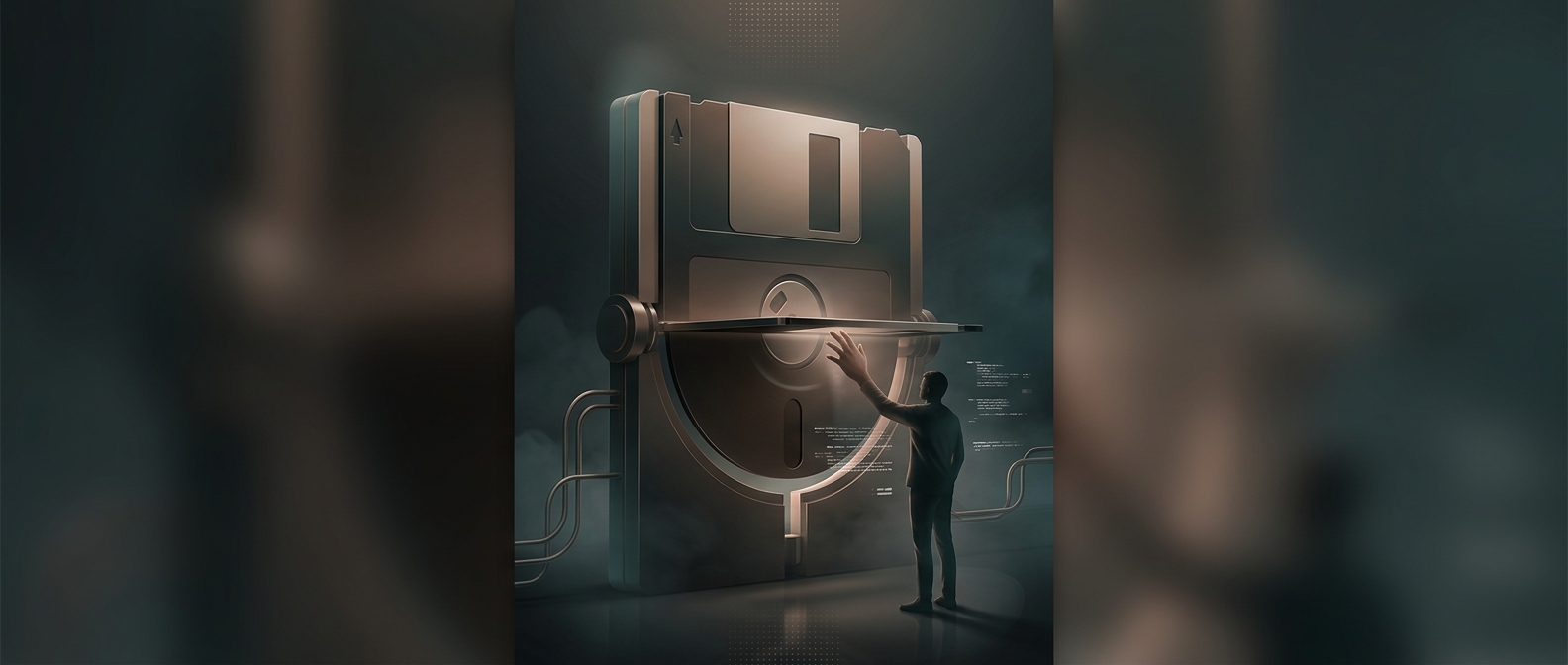
A second notch let some floppy disks work upside down
On compatible drives, users could flip a disk and use its other surface after adding the needed write-enable opening. The notch did not create storage; it let…
Discover more
UTF-8 encoding supports over one million unique symbols
UTF-8 can encode more than a million Unicode code points, covering text in many writing systems as well as symbols and emoji.
Discover more
An SMS delivery receipt can't tell you who read it
A successful SMS status report concerns delivery to the receiving endpoint, not human attention. A phone can accept a message while its owner ignores it. That…
Discover more
MySpace sold for $580 million—and later just $35 million
News Corp bought MySpace in 2005, when it was at its cultural peak, then sold it in 2011 after users fled to Facebook amid a flood of ads.
Discover more
Basic input output systems initialize hardware on boot
It runs a power-on self-test, checking that components such as the memory, processor, and keyboard are present before handing control to the operating system.
Discover more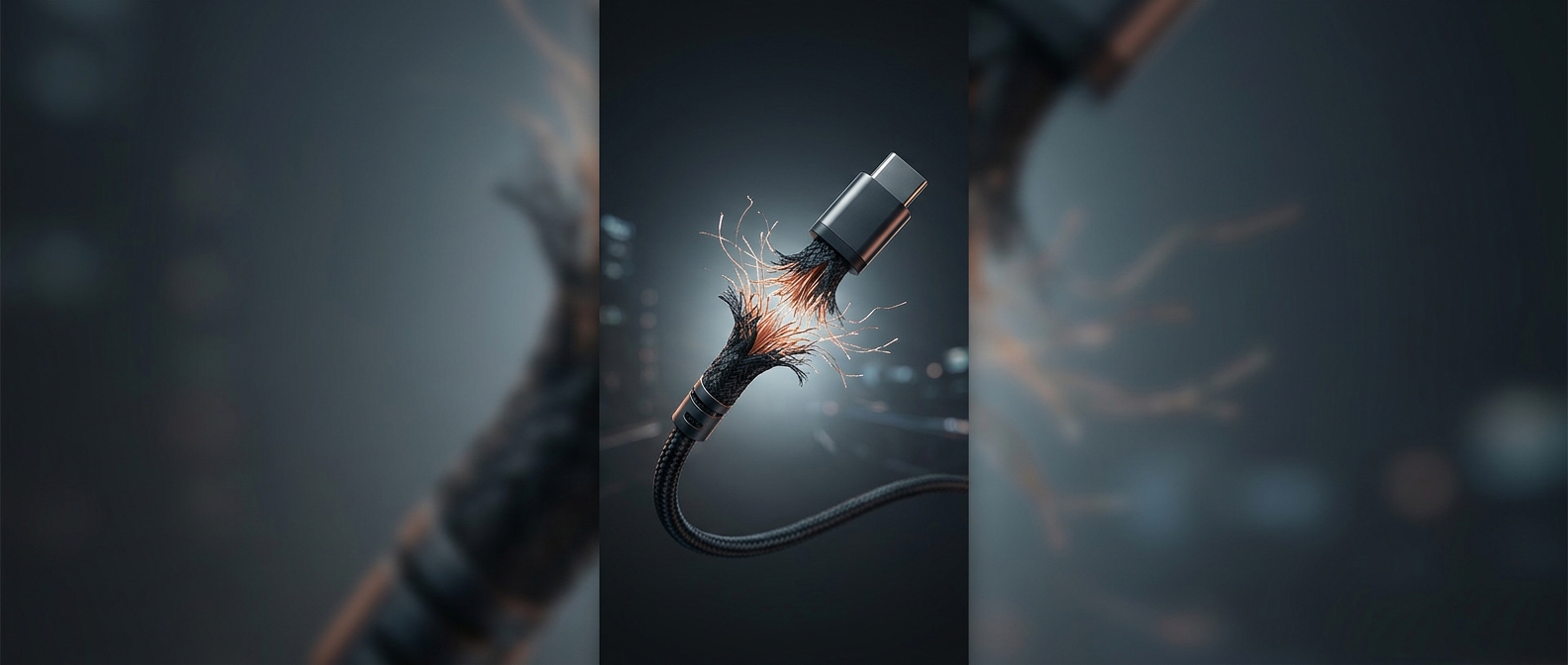
Why charging cables fray near the plug
The cord bends most where it meets the rigid plug, concentrating stress at that transition. Repeated bending can split the protective sleeve there.
Discover more
The 2038 bug that could reset computer clocks
On January 19, 2038, systems using 32-bit integer clocks can run out of space and roll back to 1901, potentially causing time-related failures.
Discover more
Supercapacitors charge fast—and lose power fast
Supercapacitors store energy electrostatically, letting them charge and release power quickly. But they lose stored voltage over time, so they’re poor for…
Discover more
Fusion must power more than the reaction itself
A fusion experiment can release more energy than reaches its fuel while still consuming more electricity than the entire facility produces. Lasers, magnets,…
Discover more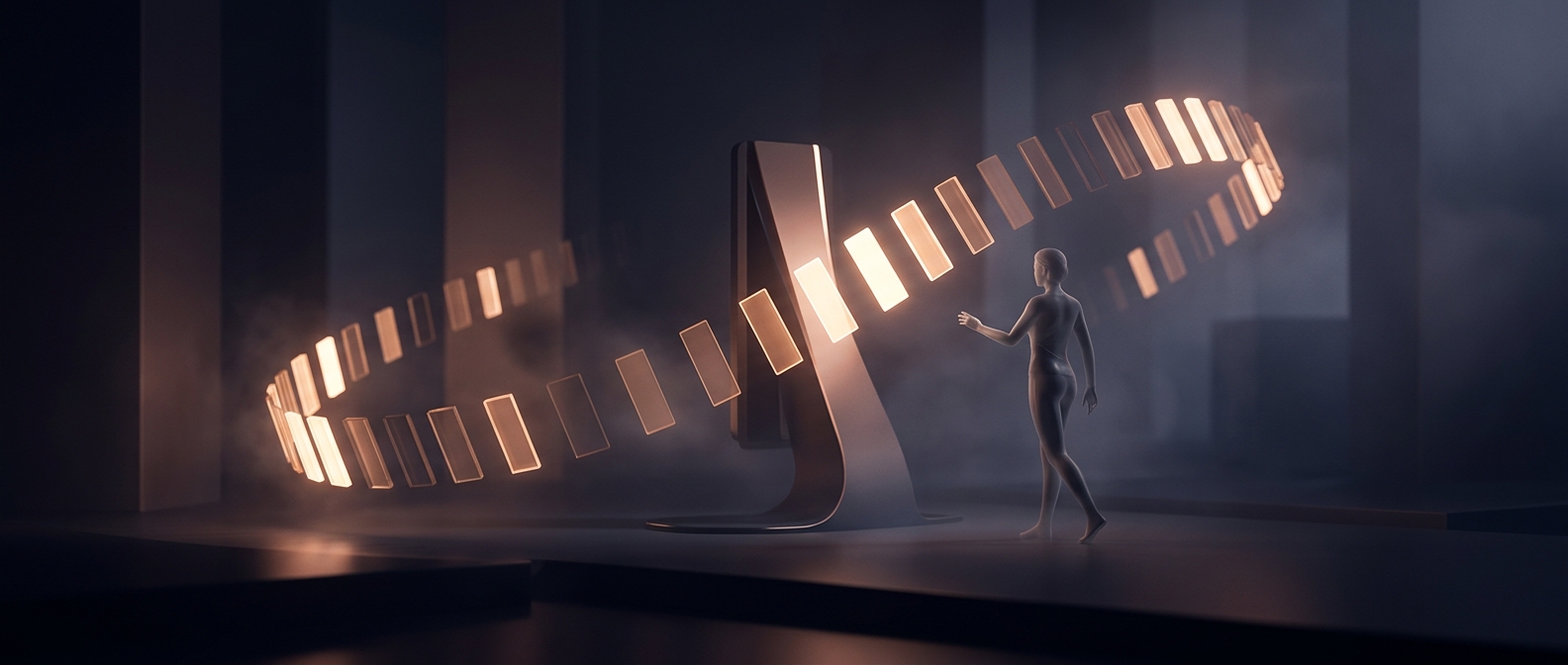
Your dimmer cuts pieces out of the electricity wave
A phase-cut dimmer controls how much of each alternating-current cycle reaches the light. Turn it down and it slices away a bigger portion of the wave. The…
Discover more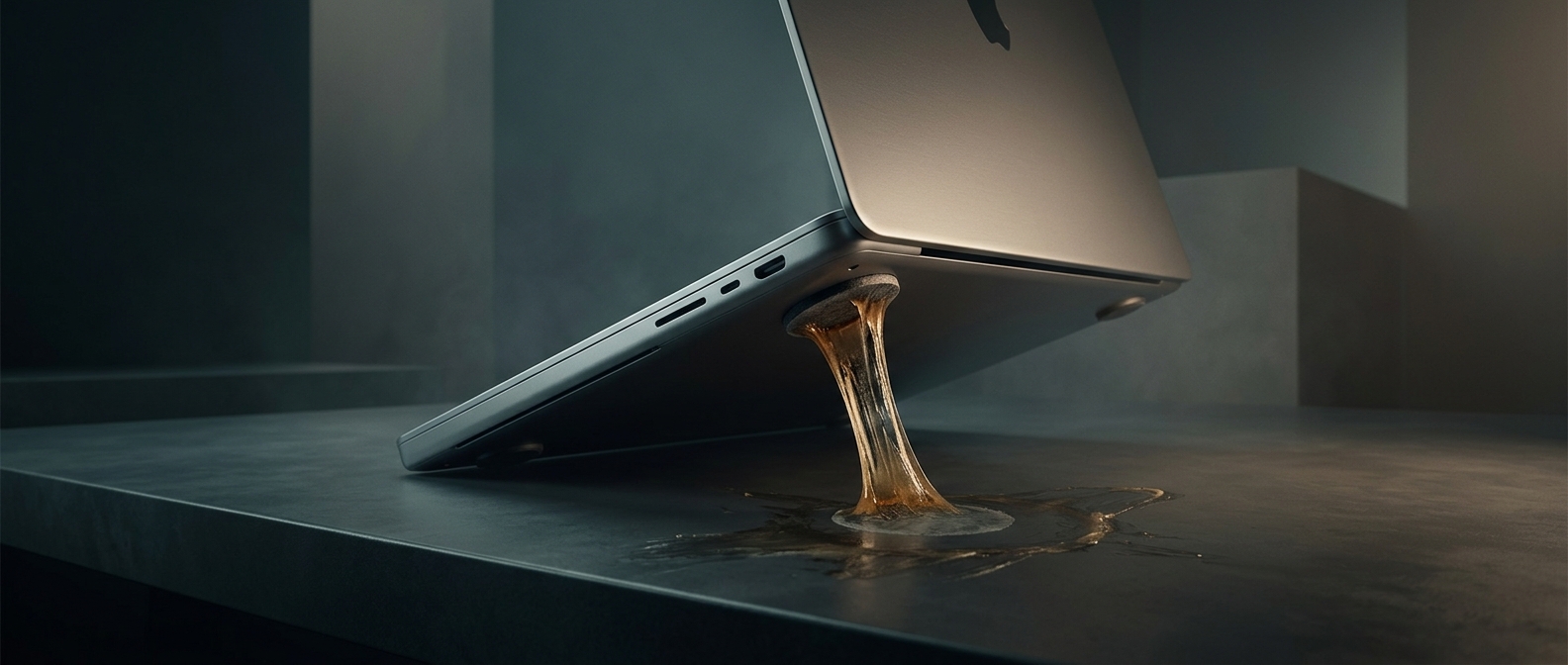
Laptop rubber feet leave sticky glue residue
Heat from normal use can soften the adhesive holding a laptop's rubber feet, leaving sticky residue on the desk.
Discover more
Wireless peripheral connections artificially restrict range
A smart ring can lose its connection when you walk away because short-range wireless devices use deliberately weak signals that limit how far they reach.
Discover more
How anti-reflective glass makes glare disappear
Microscopic coatings make the reflected light waves cancel each other out. That reduces glare and makes museum cases and high-end watches easier to see through.
Discover more
First commercial graphical web browser was called Mosaic and it fundamentally popularized surfing the internet in 1993
It let images sit alongside text, making web pages far more visual than the text-heavy pages early users were used to.
Discover more
The Soviet Union outlived itself in a web address
The .su domain was assigned before the USSR dissolved, and it continued to exist afterward. Internet identifiers have their own administrative histories,…
Discover more