Technology
Discover facts about technology. Small discoveries that change the way you see familiar things.
Technology
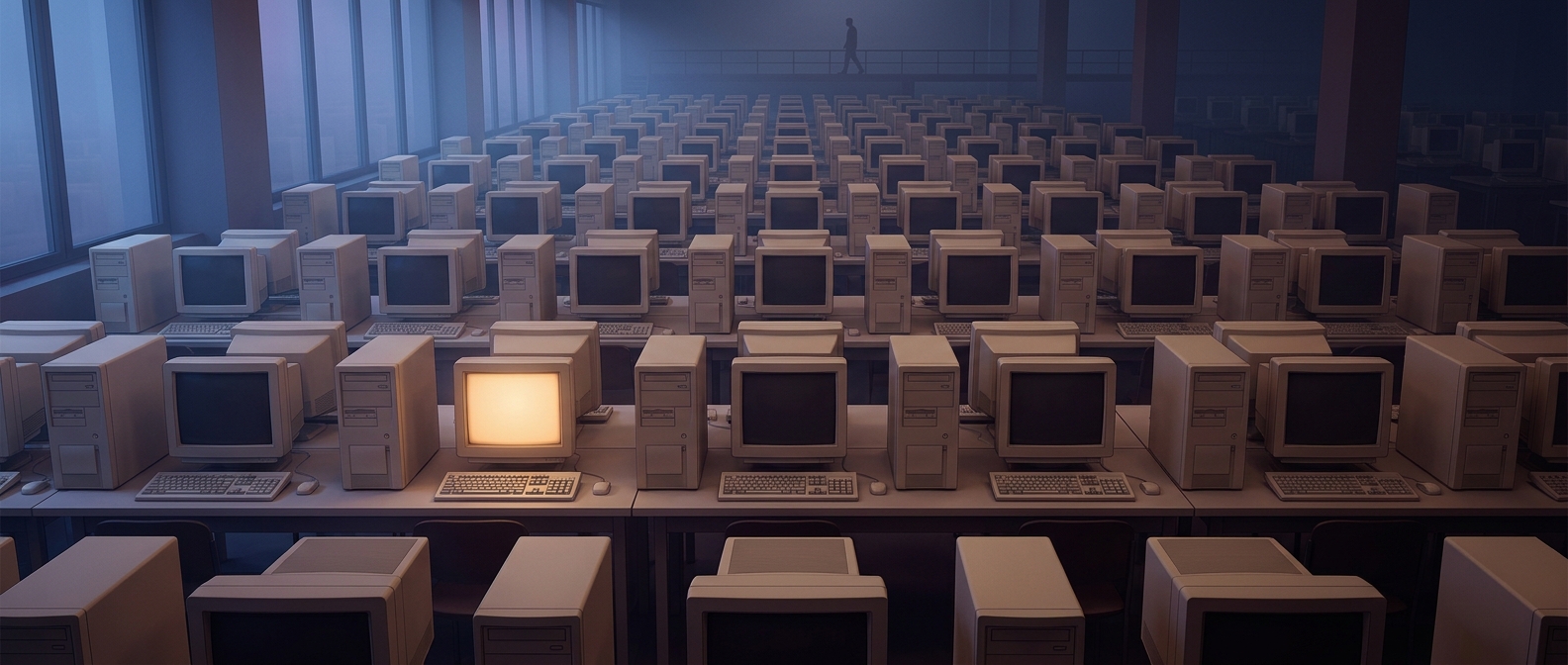
Why early computers were beige
Because nothing sparks joy quite like a monolithic box the exact color of dirty oatmeal. Tech companies in the eighties and nineties intentionally avoided…
Discover more
Why some keyboards ditch the number pad
Unless you are a hardcore accountant, that massive block of numbers on the right side of the keyboard is entirely useless. Tenkeyless models slice that entire…
Discover more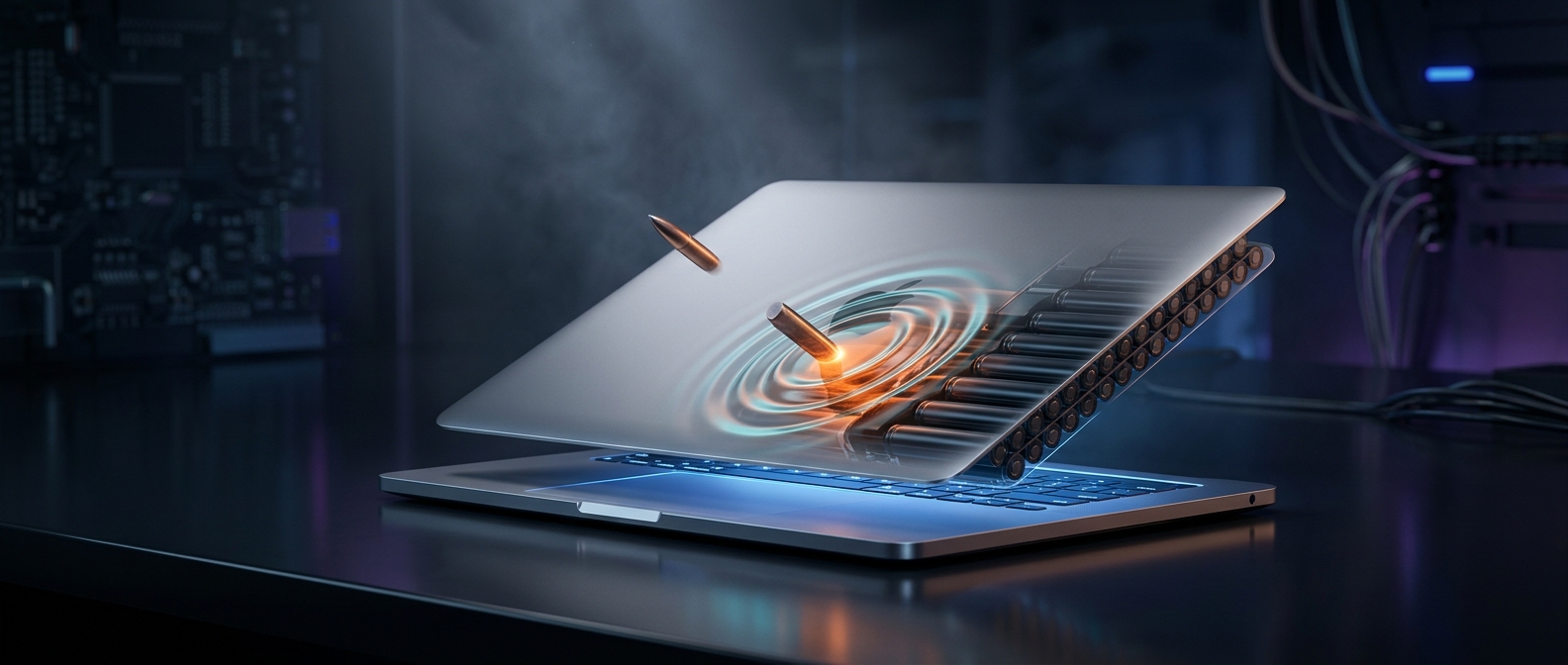
Your laptop battery might stop a small-caliber bullet
Your overpriced aluminum web-browsing machine doubles as highly unreliable body armor. The layered metallic structure of dense laptop batteries has…
Discover more
TempleOS was built on alleged divine instructions
Written entirely from scratch by one eccentric individual, this bizarre operating system was purportedly instructed directly by God to maintain exactly a…
Discover more
Why Git commit messages can turn into angry rants
The version history of massive projects is a documented timeline of human psychological decay. While the first few file updates feature clean, professional…
Discover more
The iPod idea Apple’s rivals turned down
In what has to be the most expensive fumble in corporate history, both RealNetworks and Philips looked at the blueprint for the modern MP3 revolution and said…
Discover more STACKY FOR IPHONE
A bigger world.
One discovery
at a time.
Keep discovering with Stacky. Interesting facts in an app that is always within reach.
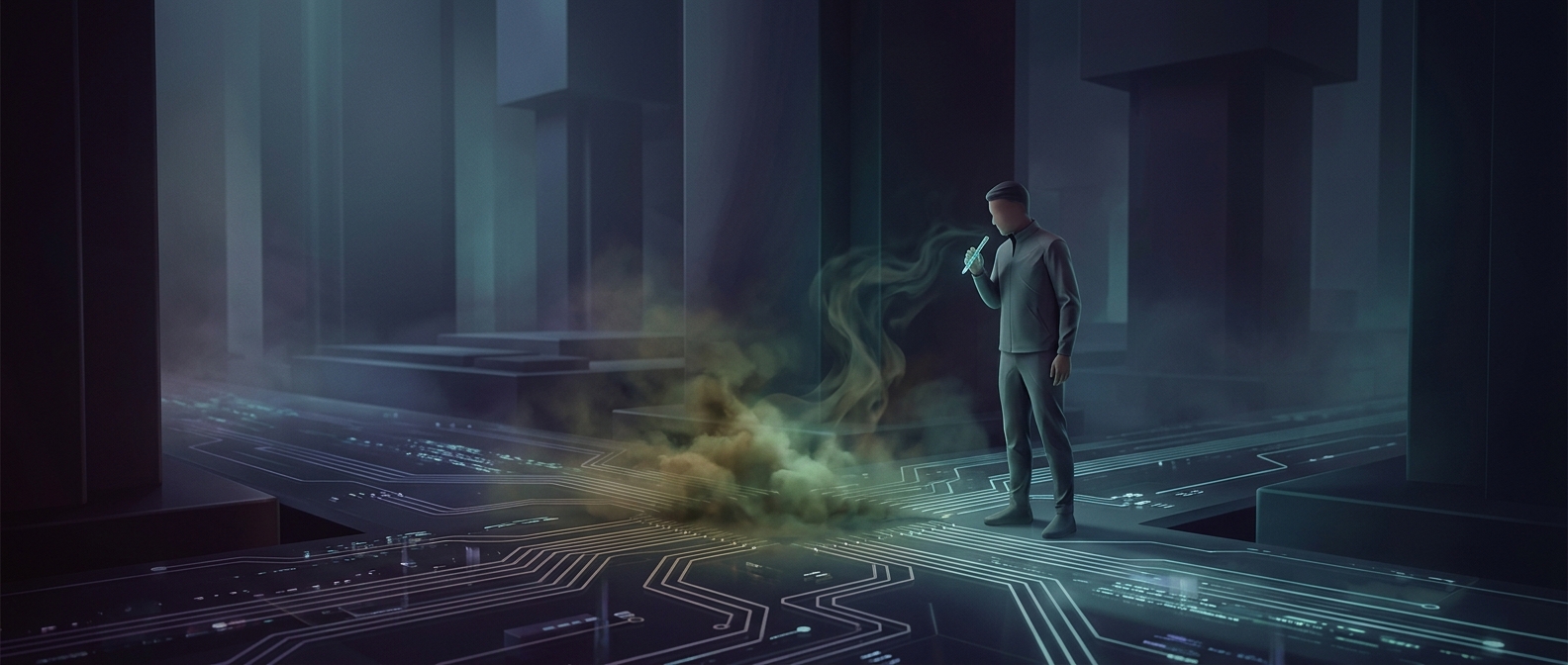
Why developers call suspicious code a Code Smell
Code does not literally emit an odor, but developers genuinely use the term 'Code Smell' to describe logic that looks suspicious. A code smell doesn't mean…
Discover more
Wikipedia began as an exclusive academic project
The website where you copy your homework originally hated the general public. Wikipedia's predecessor was a heavily gatekept project where only certified…
Discover more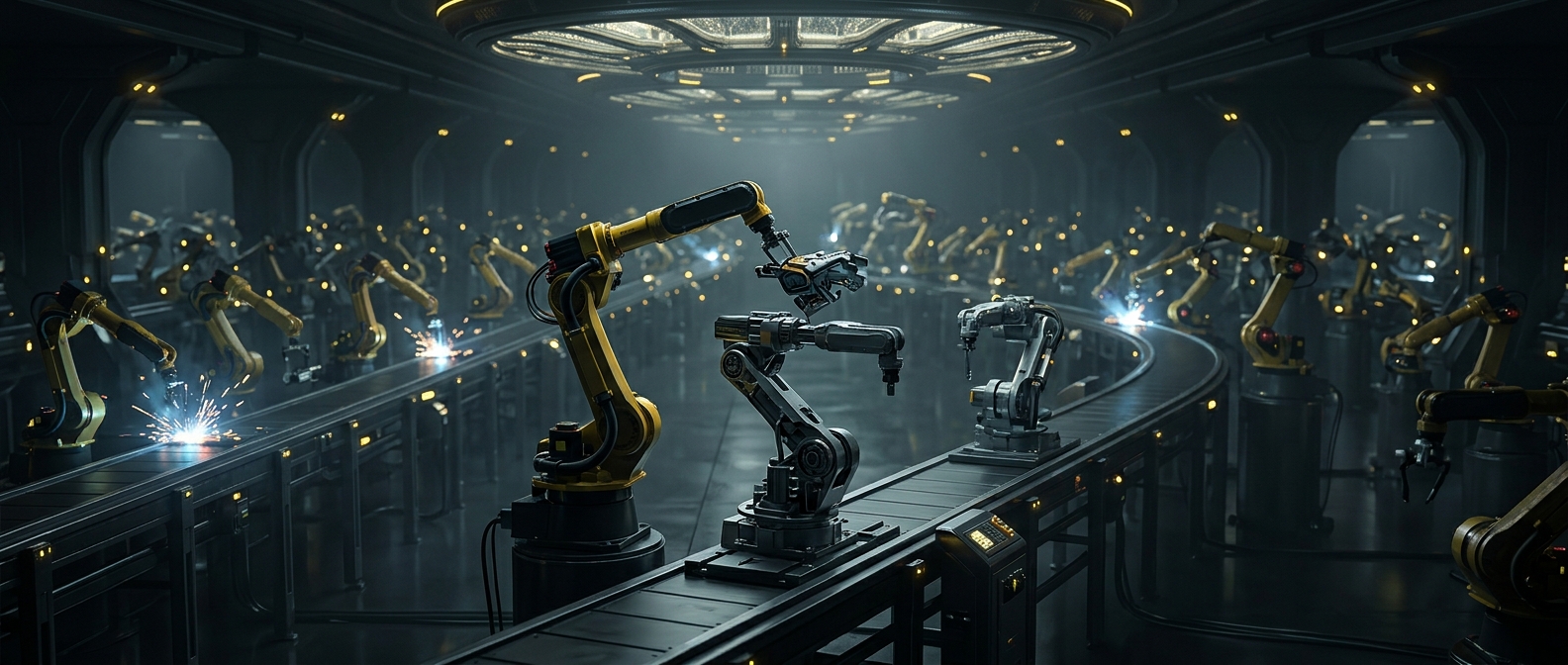
The factory where robots build more robots
The robot uprising is currently being mass-produced under our very noses. FANUC operates a completely 'lights out' factory in Japan where the assembly lines…
Discover more
Why so many Japanese phones are waterproof
Smartphone separation anxiety is so culturally embedded in Japan that manufacturers literally had to alter their base hardware specs. For years, nearly every…
Discover more
Why buildings suddenly appear in open-world games
Wandering through a majestic digital landscape is highly immersive right up until a massive skyscraper pops into existence three feet in front of you. To…
Discover more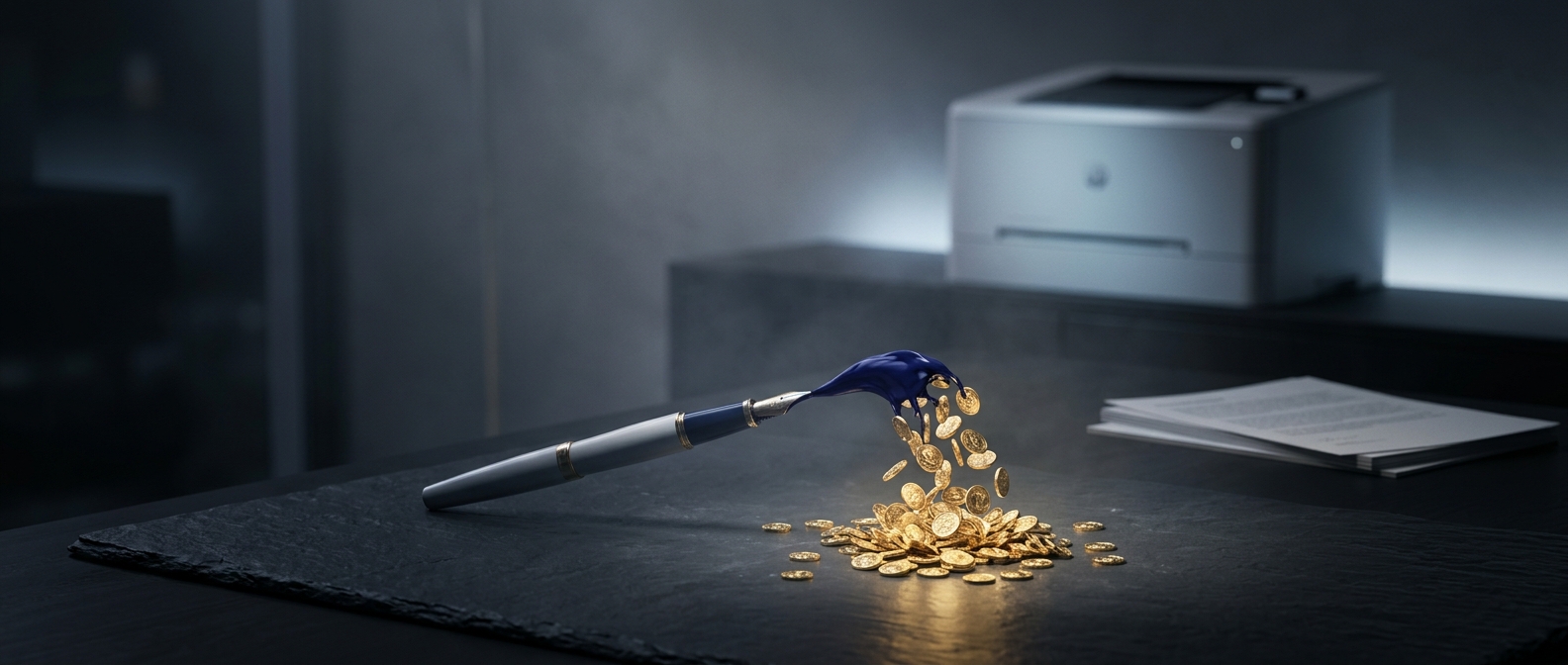
Garamond could save millions in printer ink
Printer ink is basically liquid gold, costing more per ounce than vintage champagne. Because Garamond has a much lighter stroke weight and smaller footprint…
Discover more
Why explosions in games don't deafen you
Without an invisible audio babysitter, your eardrums would have ruptured years ago. The mix automatically squashes the loudest explosions down to a manageable…
Discover more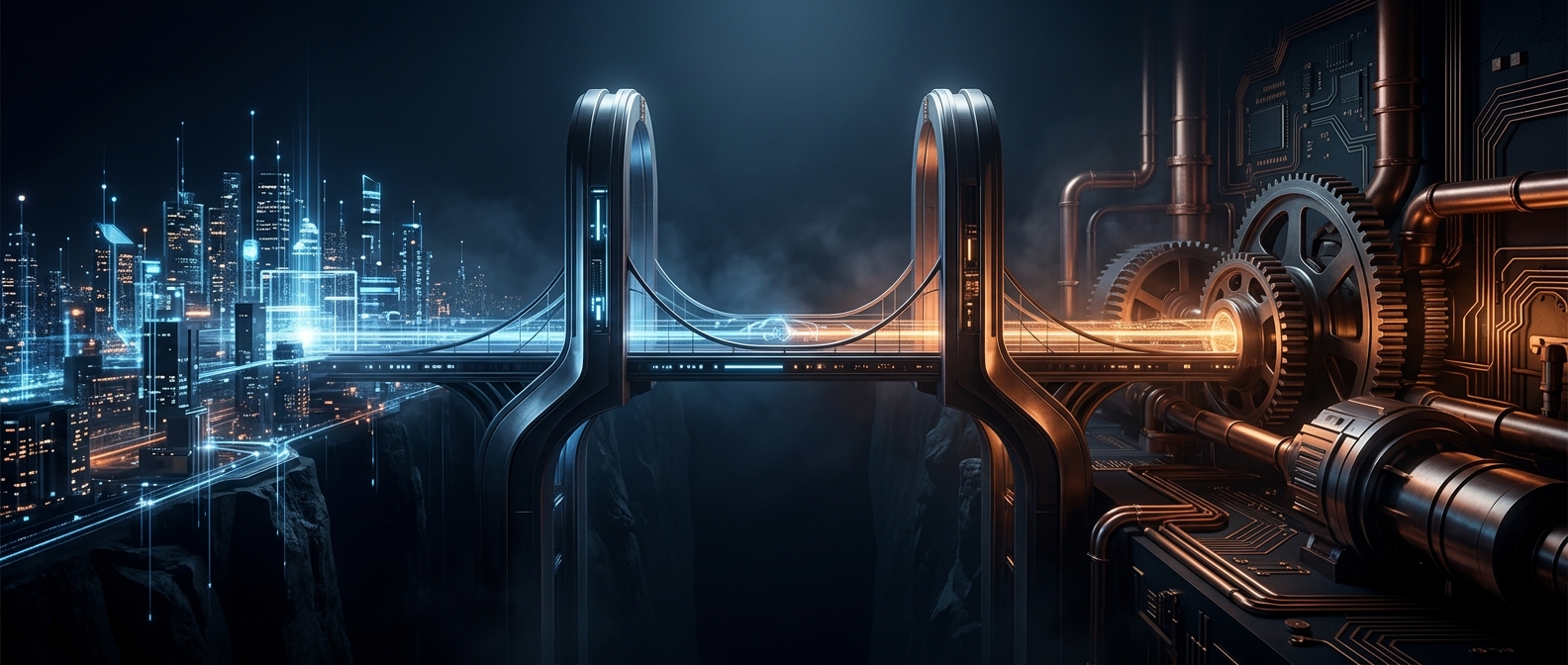
Kernels act as strict bridges between software and hardware
Your desktop interface does not actually know how to talk to your processor. It asks the kernel to do the dirty work. The kernel is the invisible core of the…
Discover more
Algorithms calculate distances between mismatched words
Autocorrect works its magic using the Levenshtein distance metric. This algorithm measures exactly how many single-character edits—insertions, deletions, or…
Discover more
5GHz networks have notoriously terrible range
Everyone rushes to connect their phone to the 5GHz network assuming the higher number guarantees a vastly superior experience. While it does transmit…
Discover more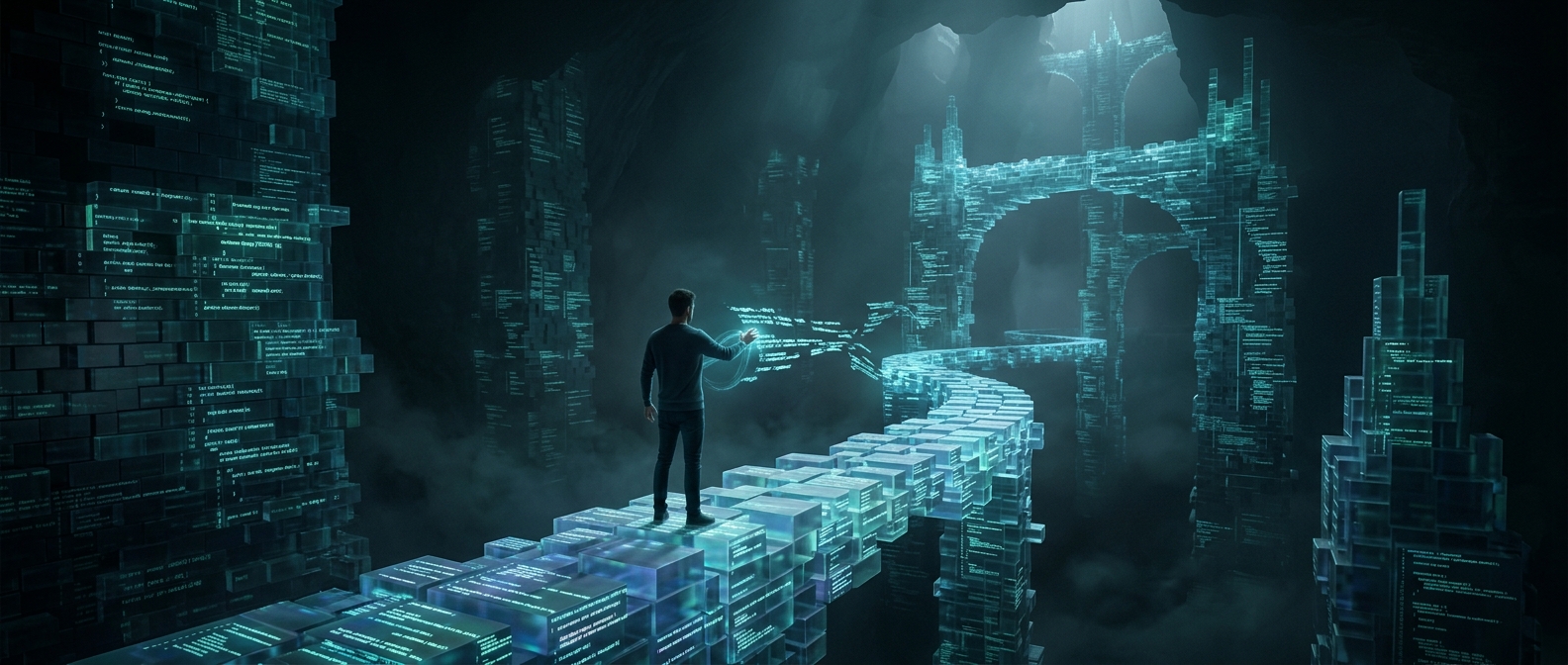
Even professional programmers copy and paste
Despite the massive salaries, much of the industry relies heavily on digital plagiarism. Instead of writing bespoke logic, professionals constantly lift…
Discover more
The font with holes that saves printer ink
Because printer ink is liquid gold managed by corporate cartels, a Dutch agency decided to fight back by turning typography into Swiss cheese. They developed…
Discover more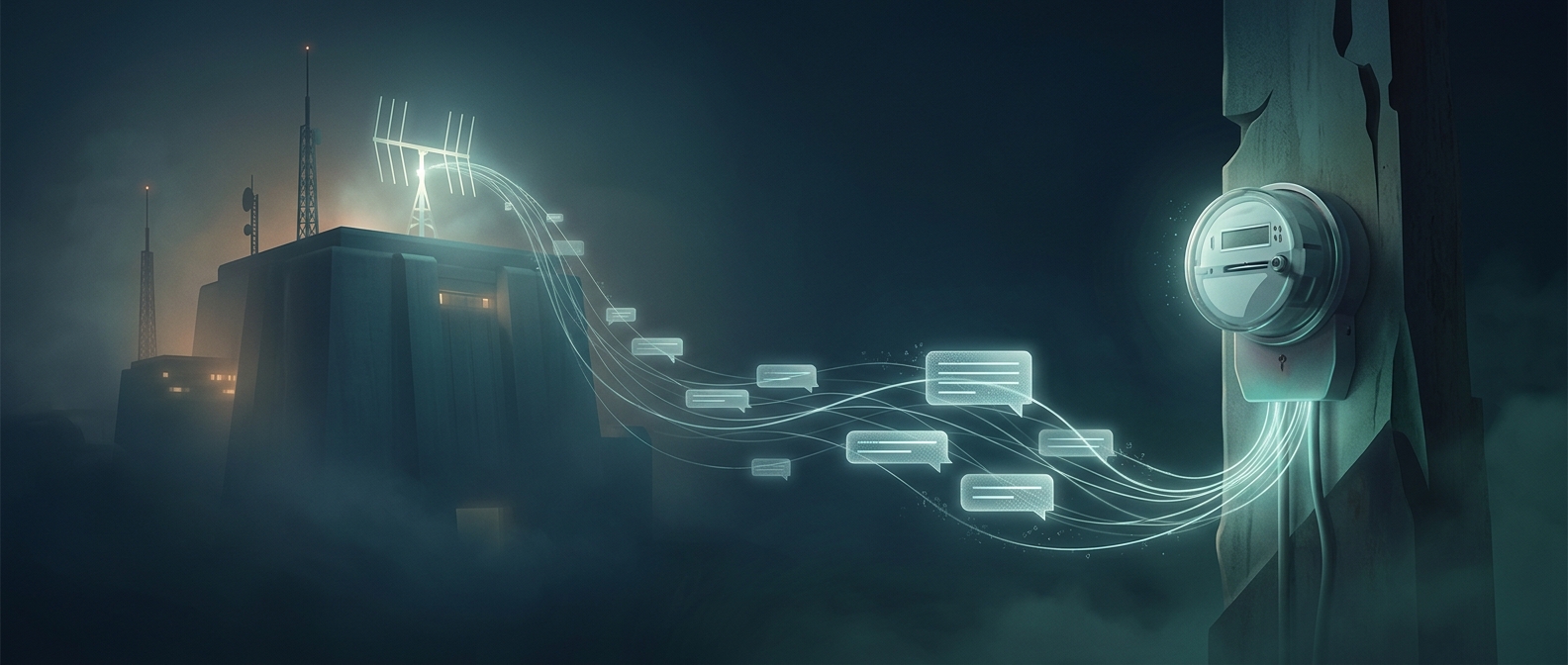
Your utility meter can text your usage to the company
The meter reader checking the side of your house was aggressively replaced by a cellular chip. Modern utility boxes have internal radios that function exactly…
Discover more
Sputter deposition coats objects atom by single atom
When dipping something in paint is far too imprecise, you blast it with ions in a vacuum. In sputter deposition, heavy gas ions are forcefully smashed into a…
Discover more
Algorithms use branching trees to categorize data
When a computer needs to make a complex choice, it often uses a 'Decision Tree', which is just a glorified flowchart. It asks a series of yes or no questions,…
Discover more
In-plane switching panels offer superior viewing angles
Ever look at a cheap laptop screen from an angle and see the colors invert into a nightmare? That is a cheap Twisted Nematic panel. IPS screens fix this by…
Discover more
Some power plants run on airplane-style engines
When the electrical grid demands massive spikes of power, utility companies just bolt an airplane engine to the floor. Peaker plants use heavy-duty industrial…
Discover more
Glass strands bounce light internally without losing photons
You can treat light like water through a pipe if you trap it correctly. When a light beam enters an optical fiber, it hits the cladding boundary at a…
Discover more