Technology
Discover facts about technology. Small discoveries that change the way you see familiar things.
Technology

Can a robot replace a nurse's human touch
At first glance, robots might seem like the perfect solution to long waiting lines and overworked hospitals — they don’t get tired, don’t ask for vacation,…
Discover moreYour wireless earbuds don’t just look sleek—they hide antennas sculpted to bounce signals through walls, shrink batteries to coins, and solve heating issues, showing how gadget…
Your earbuds might look like smooth, pocket-sized gems, but inside they’re tiny survival machines. Designers shrunk batteries into coin-like wafers, sculpted…
Discover moreE-readers were predicted to kill printed books, but today people collect both; the gadget didn’t erase culture but created new rituals—highlighting in pixels, syncing notes, and…
Once upon a time, e-readers were portrayed as assassins of paper, sharpening the knife for bookshelves everywhere. Yet surprisingly, print and pixels struck a…
Discover moreYour feed remembers not what you said you like but what lingered under your thumb.
Think of your feed like a sneaky friend who doesn’t listen to what you say out loud but instead watches where your eyes wander at a party. You might declare…
Discover moreOnce, productivity tools helped humans work faster.
We dreamt of tools that made work lighter, but somewhere along the way, tools started sculpting us. Calendars ping, task apps dictate pace, and suddenly our…
Discover more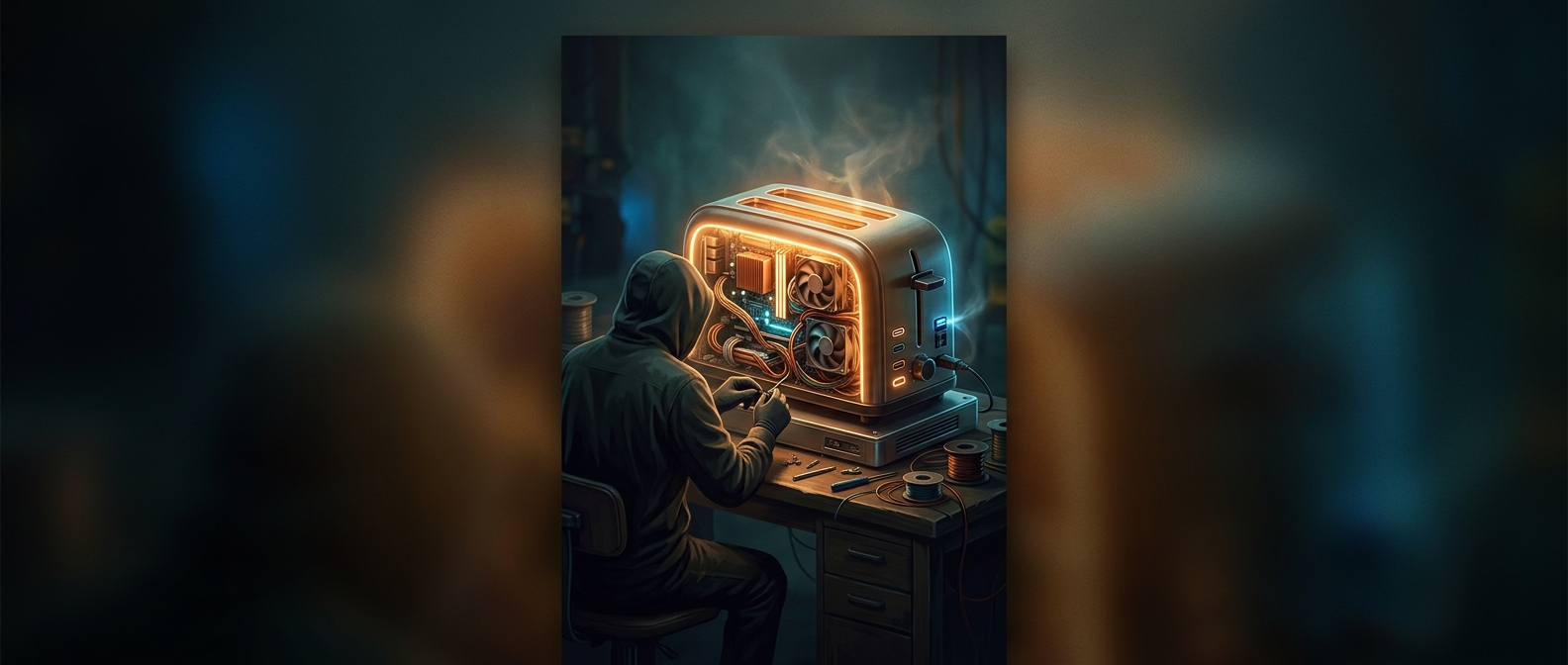
Why makers put computers inside toasters
Some builders don’t just see a toaster as a bread-warmer; they see it as a stage for curiosity. That’s why toaster-PC hybrids and similar oddities exist —…
Discover more STACKY FOR IPHONE
A bigger world.
One discovery
at a time.
Keep discovering with Stacky. Interesting facts in an app that is always within reach.

Why airport Wi-Fi may be spying on you
Free airport Wi-Fi feels like a lifesaver when you’re stuck between flights. But here’s the sting: every network you connect to could be more than just a…
Discover more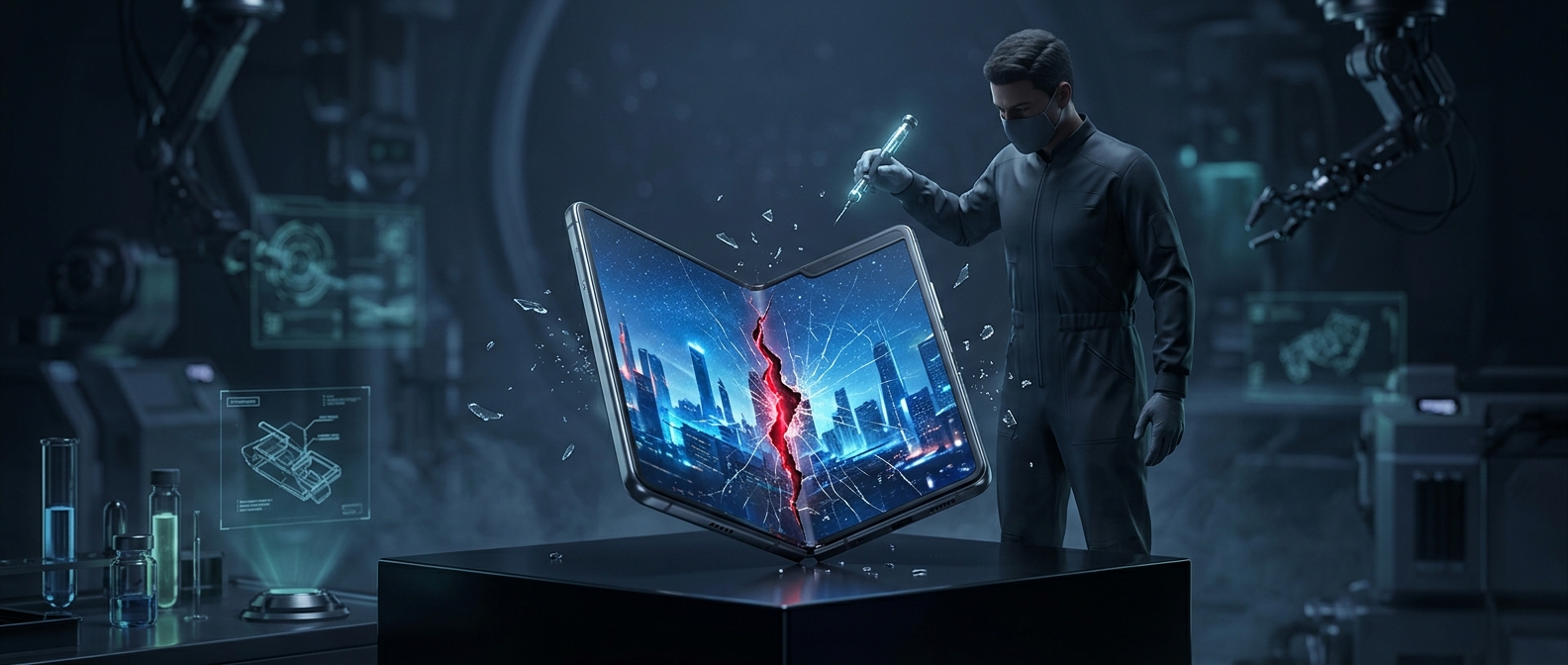
Why foldable phones age like fragile origami
The allure of foldable phones is undeniable—it’s like stepping into a sci-fi film, where screens bend and pocket devices bloom into tablets. Yet, beneath the…
Discover more
Why more startups are turning to open-source code libraries for growth but learning painful risks later
Open-source libraries are like communal treasure chests left open on the digital roadside. Startups love them because they save time, money, and let small…
Discover more
How self-checkout changed the way we treat cashiers
When self-checkout machines quietly rolled into stores, they promised speed and independence. But they didn’t just alter the checkout line—they shifted how we…
Discover more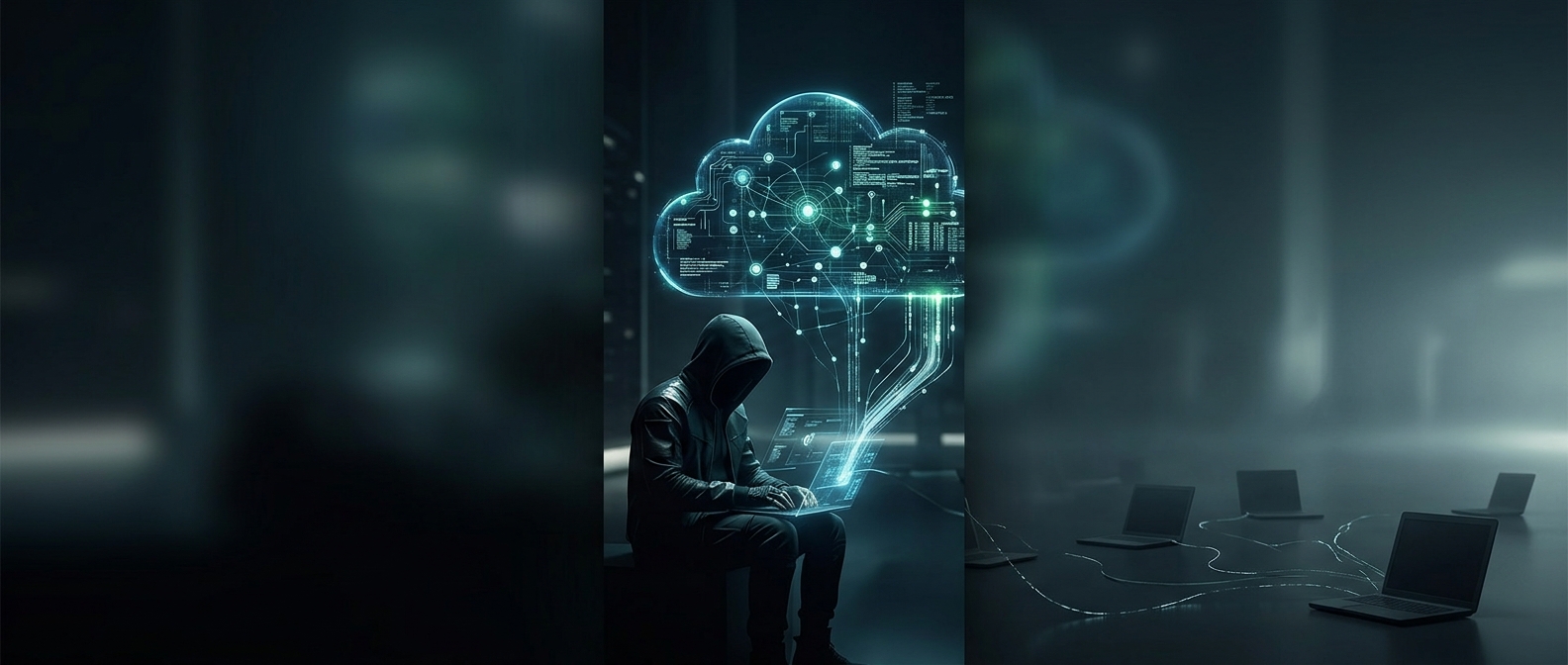
Why hackers are targeting the cloud
Long ago, hackers went after personal laptops like burglars eyeing single houses. Today, cloud storage is like a massive bank vault holding countless…
Discover moreMost people imagine hackers as hoodie-wearing lone wolves, but modern cyberattacks look more like corporations: organized, well-funded, and sometimes backed by states.
The image of a lone figure in a dark room, illuminated by green code on a screen, makes for great movies but poor reality. Modern hacking is rarely an…
Discover moreWhen Apple removed the headphone jack, outrage exploded.
When phones suddenly lost the beloved headphone jack, it felt like an act of betrayal. Yet this design choice nudged the world into a new future. Suddenly,…
Discover more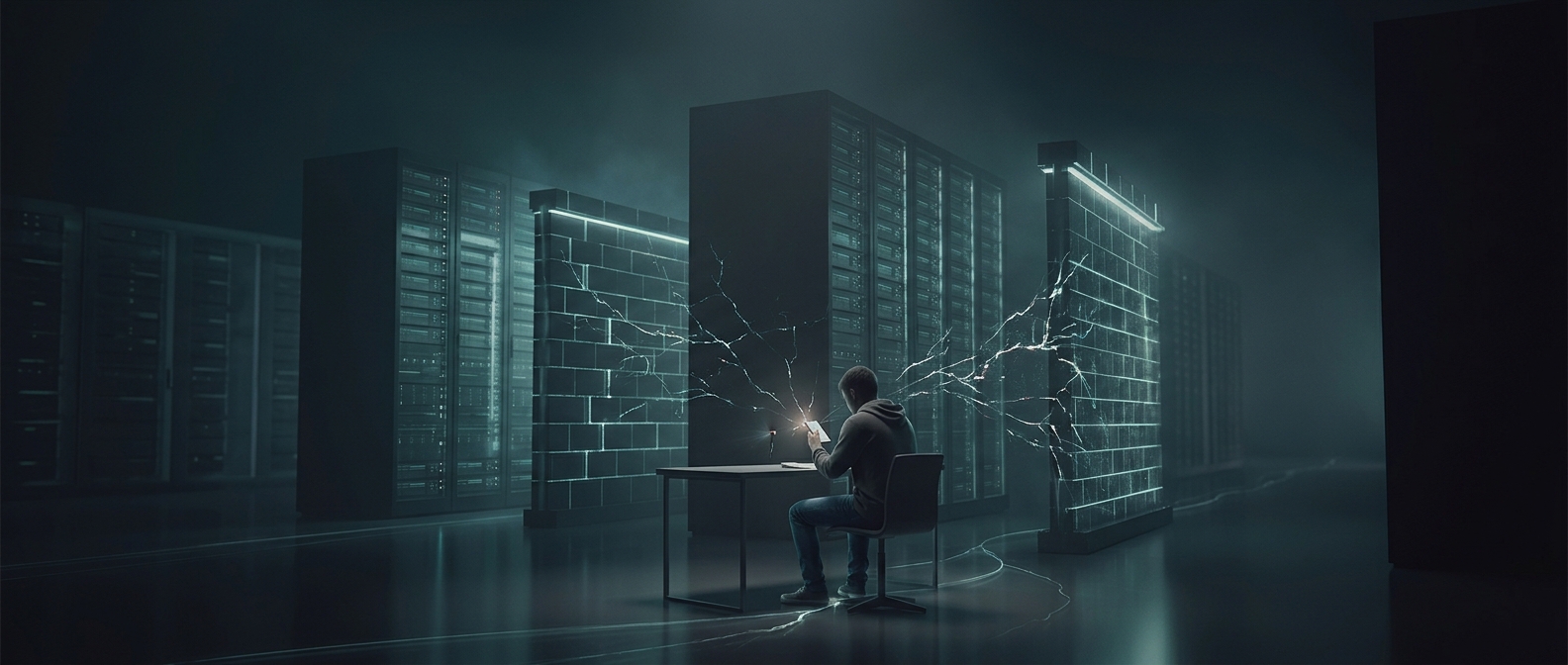
The tiny mistakes that can crack big security
The biggest hacks often begin like a loose thread on a sweater: one small tug and the whole thing unravels. A leaked password scribbled on paper, a…
Discover more
How to keep AI aligned with human goals
It feels like we’ve built a runaway train of thought, and it’s called artificial intelligence. This train is brilliant—it remembers, learns, adapts, and…
Discover more
Quiet war between meeting platforms shaping how remote workers share files, chat, and keep bosses in loop
Behind your daily video call lies a turf war. Meeting platforms aren’t just about boxes of faces on a screen—they’re battleships competing for loyalty in how…
Discover more
Why tiny projectors are making a comeback
In an age of pocket-sized everything, projectors have resurfaced as little magicians—beaming sprawling images onto blank walls. For crowded apartments where…
Discover more
Your AI avatar could attend your meeting for you
Remember when endless video calls left eyes glazed and brains simmered? That was only chapter one. The new twist is AI avatars—digital doubles that nod,…
Discover more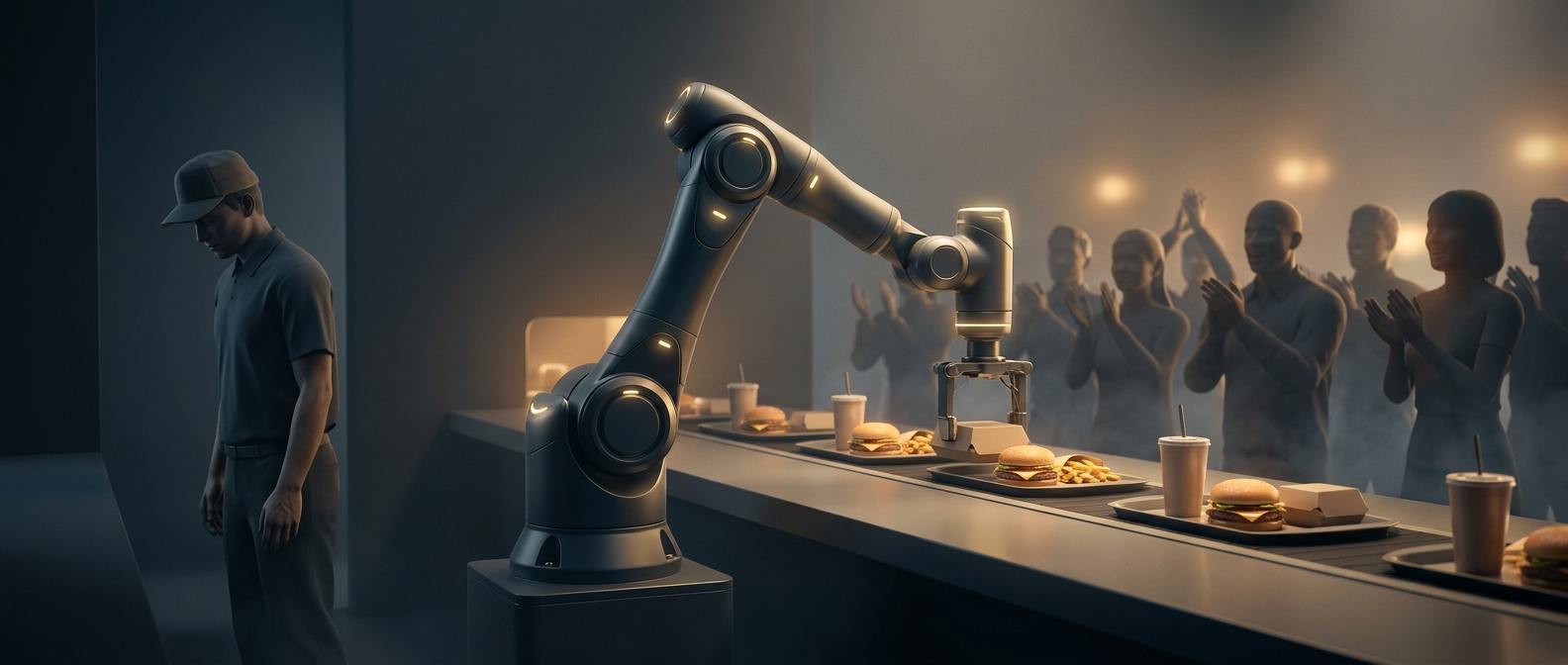
Fast-food robots are changing who works in the kitchen
Behind the sizzling sound of fries and the hiss of a grill, a quiet revolution is underway—the cooks are not people, but robots. These tireless metal chefs…
Discover moreWhen facial recognition fails more often on dark skin, it’s not a glitch, it’s a mirror of biased data.
Think of technology like a camera lens: it only captures what you point it at. If a facial recognition system stumbles on darker skin tones, it’s not that the…
Discover more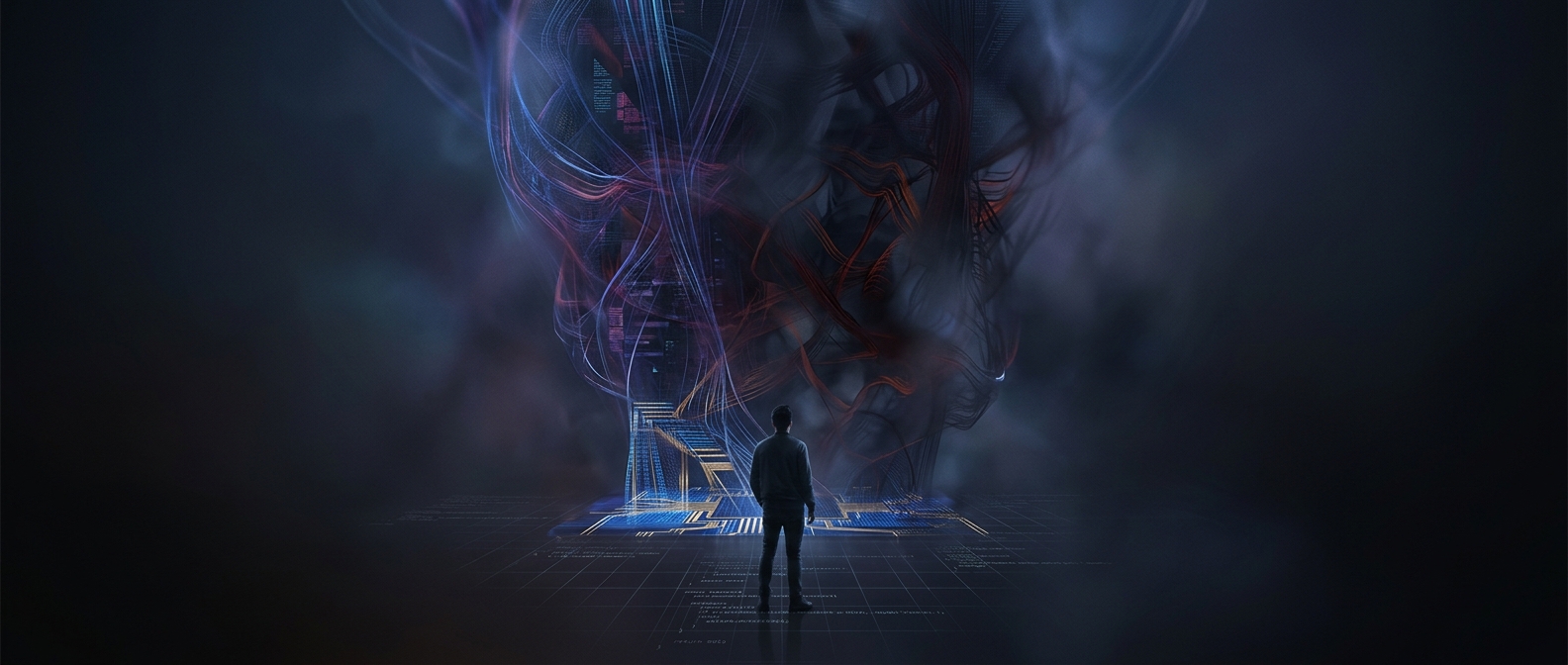
Why even programmers can't explain algorithmic bias
Algorithms are often seen as crisp, logical machines. But in reality, they’re like recipes passed down through noisy kitchens, influenced by every hand, every…
Discover more
It’s 2025, and virtual reality headsets don’t just play games; they now blend with AI tutors to create personalized workspaces.
It’s 2025, and virtual reality headsets don’t just play games; they now blend with AI tutors to create personalized workspaces. Imagine stepping into a…
Discover more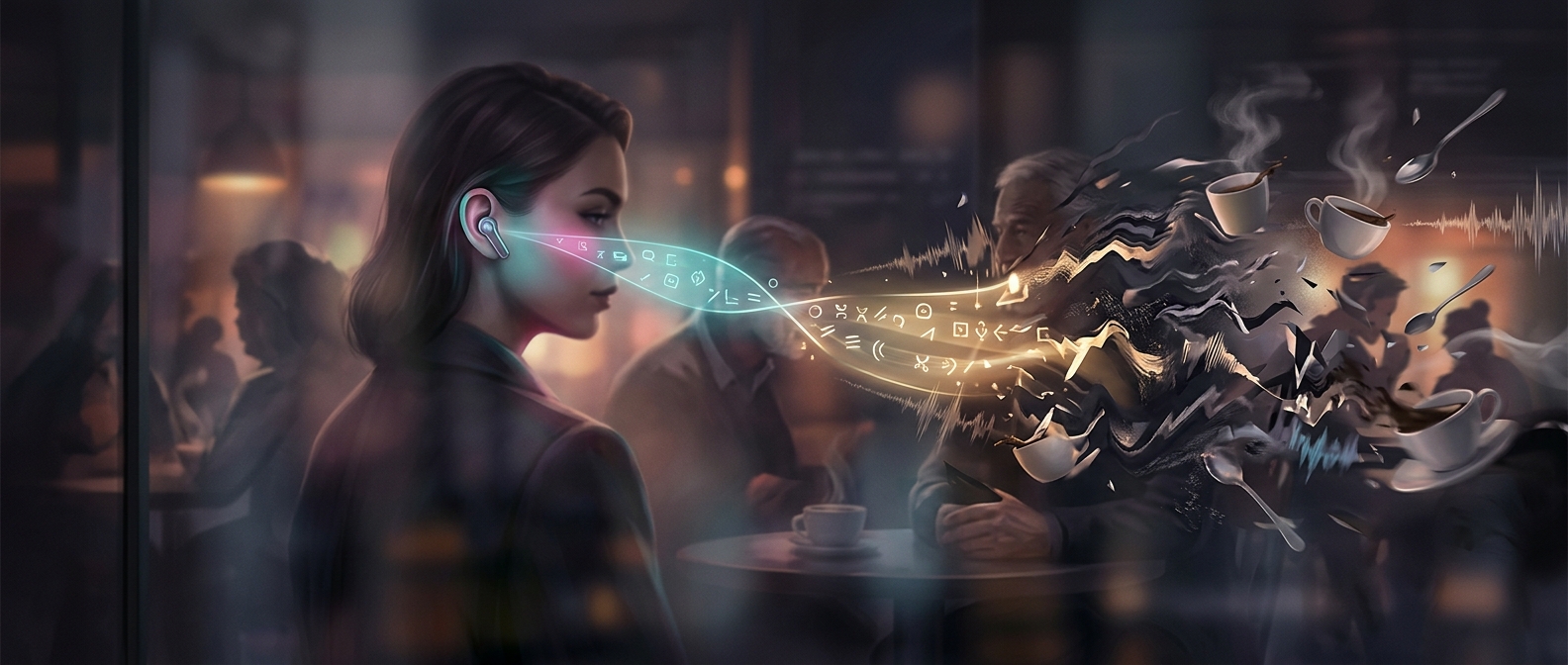
Earbuds can translate speech—until the café gets noisy
The future is here—you pop in your shiny new earbuds and suddenly you understand languages you’ve never studied. It feels like magic, until… someone steams…
Discover moreRemember when 3G felt futuristic?
There was a time when 3G felt like we had tapped into the future, when waiting a full minute for a video to load was perfectly acceptable. Now? Two seconds of…
Discover more