Technology
Discover facts about technology. Small discoveries that change the way you see familiar things.
Technology

Old phones concentrate metals that mines dig tons of rock to find.
Old phones concentrate metals that mines dig tons of rock to find. Gold on electronic contacts resists corrosion, helping tiny connections remain reliable. A…
Discover more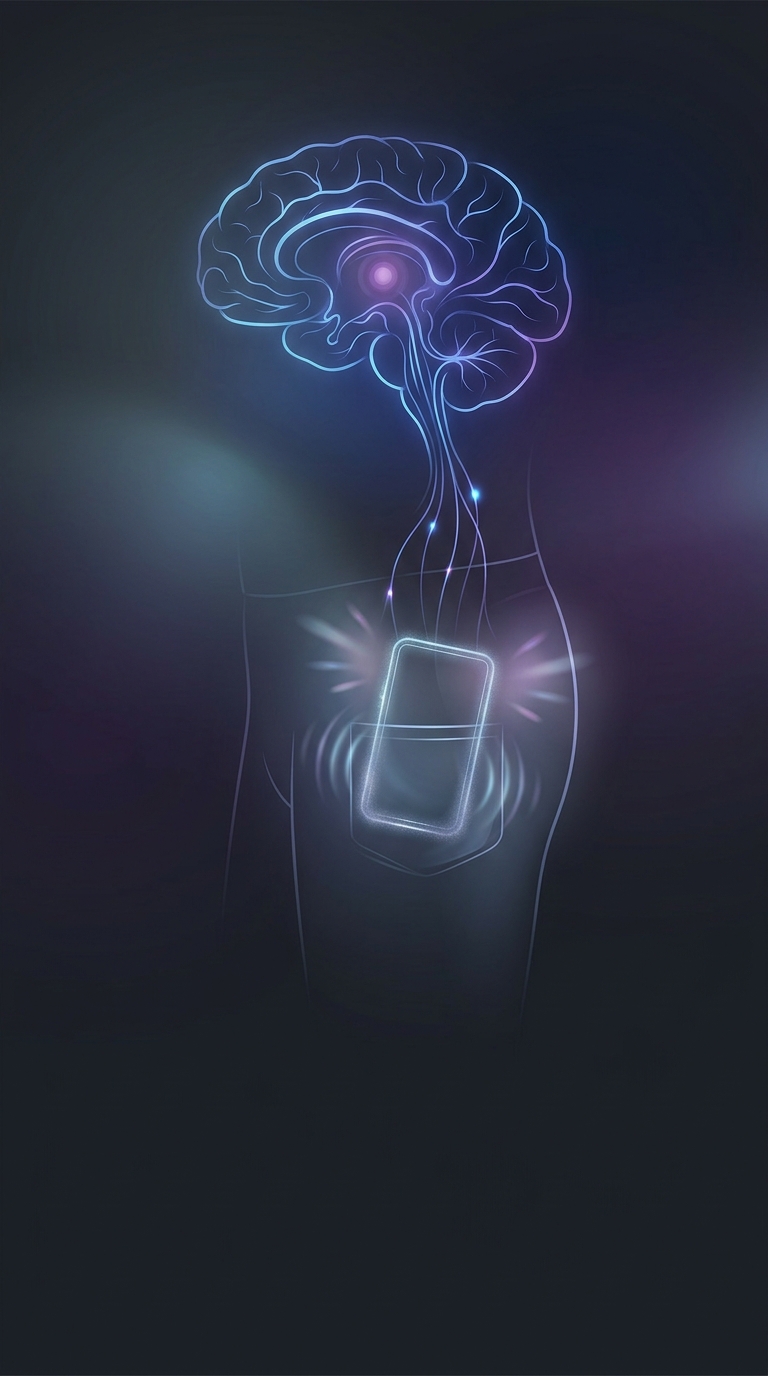
Phantom vibration syndrome is a psychological phenomenon where smartphone users hallucinate the physical sensation of their phone buzzing in their pocket when it is actually doing nothing.
Phantom vibration syndrome is a psychological phenomenon where smartphone users hallucinate the physical sensation of their phone buzzing in their pocket when…
Discover more
Half a byte has an adorable name
Four bits are called a “nibble” or “nybble”—half of the eight bits in a byte.
Discover more
Google was born from a misspelling
The founders intended “Googol,” the name for 1 followed by 100 zeros, to evoke the vast amount of information they wanted to organize. A misspelling when they…
Discover more
How Plato may have built an ancient alarm clock
According to the story, a water clock dripped into a vessel until it made a whistle, waking students for Plato's early lectures.
Discover more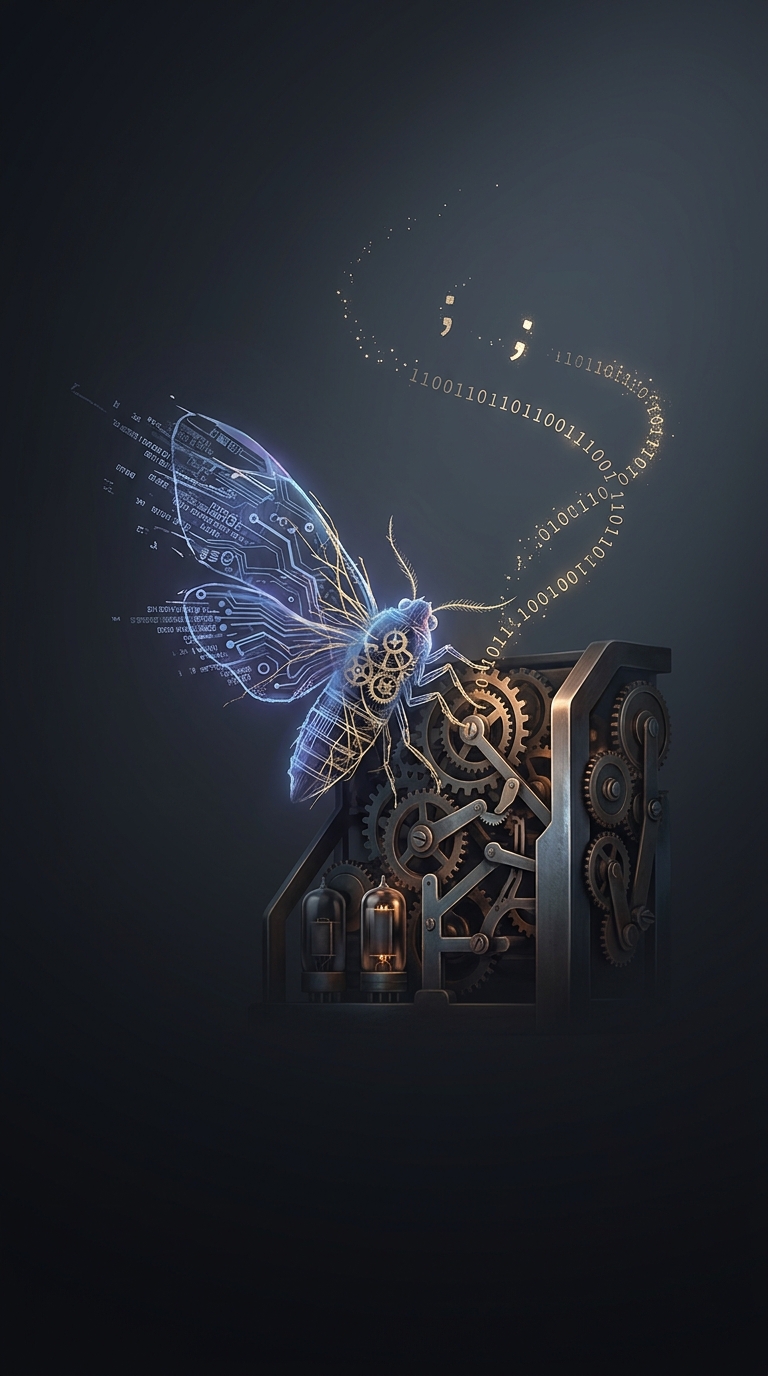
Grace Hopper and her team at Harvard University recorded the very first actual computer bug in 1947 when a literal moth flew into the relays of the Mark II computer and caused a massive hardware failure.
Grace Hopper and her team at Harvard University recorded the very first actual computer bug in 1947 when a literal moth flew into the relays of the Mark II…
Discover more STACKY FOR IPHONE
A bigger world.
One discovery
at a time.
Keep discovering with Stacky. Interesting facts in an app that is always within reach.

Linux began as a student's “just a hobby”
Linus Torvalds released the Linux kernel in 1991, calling it “just a hobby, won't be big and professional.” It went on to power corporate servers,…
Discover more
Douglas Engelbart originally designed the computer mouse cursor to point straight up in 1981, but the Xerox PARC interface team tilted it forty-five degrees to the left because…
Douglas Engelbart originally designed the computer mouse cursor to point straight up in 1981, but the Xerox PARC interface team tilted it forty-five degrees…
Discover more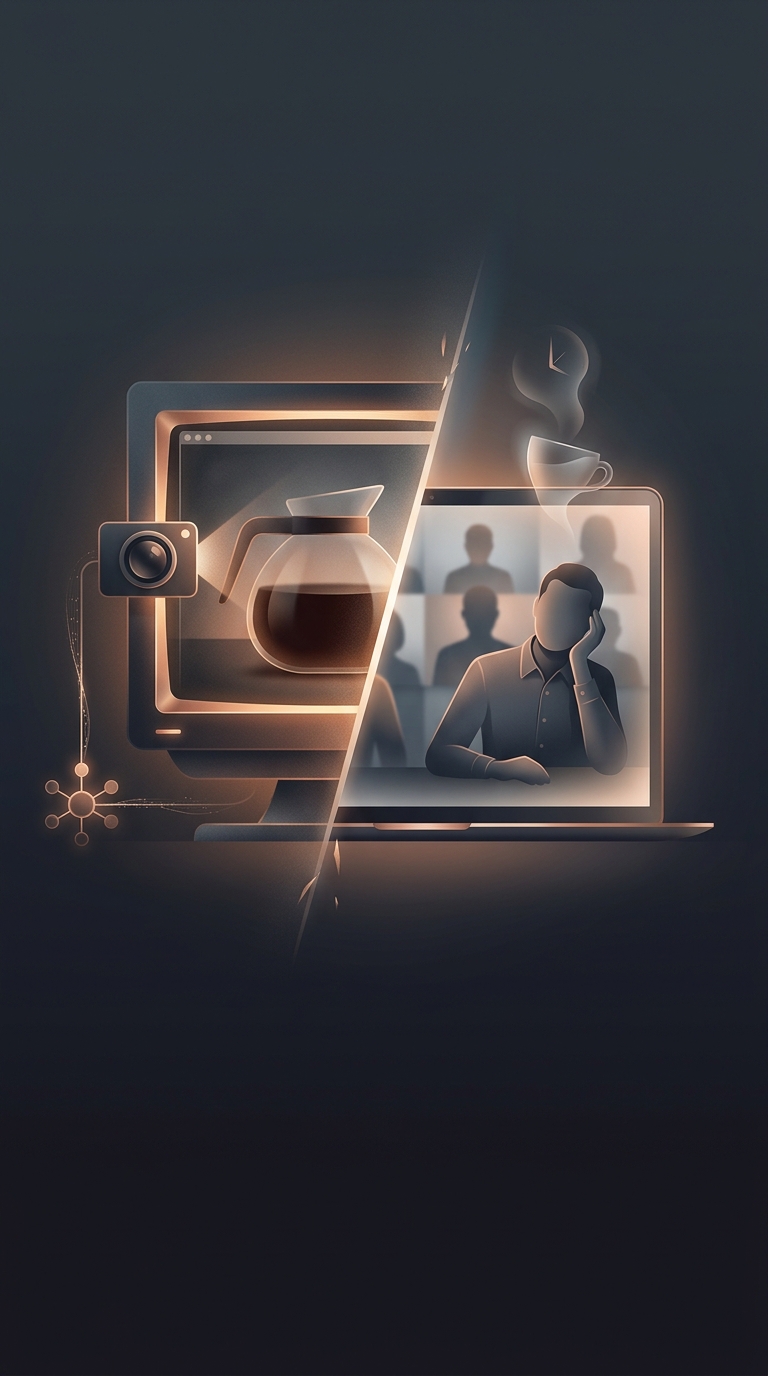
Cambridge University researchers invented the world's first webcam in 1991 for the sole purpose of monitoring a coffee pot in the Trojan Room computer lab.
Cambridge University researchers invented the world's first webcam in 1991 for the sole purpose of monitoring a coffee pot in the Trojan Room computer lab.…
Discover more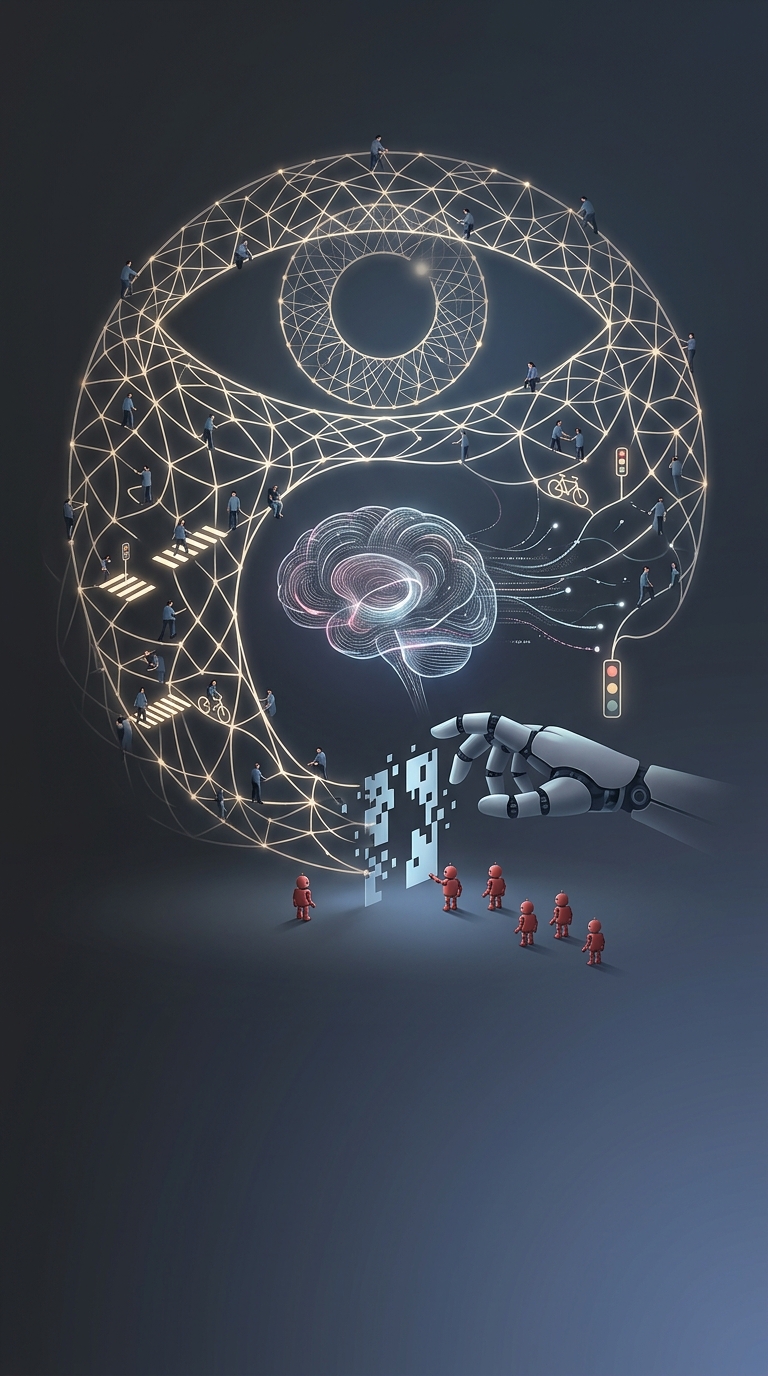
Proving you were human once helped turn old books into digital text.
Proving you were human once helped turn old books into digital text. Early reCAPTCHA paired its security task with words that scanning software could not…
Discover more
First ever web browser was created by Tim Berners-Lee
In 1990, Tim Berners-Lee built a browser called WorldWideWeb to view the Web. He later renamed it Nexus to distinguish the program from the information space.
Discover more
Green Bank keeps radio noise away from its telescope
In Green Bank, West Virginia, radio astronomy depends on detecting signals far weaker than those from ordinary electronics. Restrictions on transmitters and…
Discover more
Cloud computing is a deliberately misleading marketing term designed to make consumers envision their digital data floating peacefully in an ethereal sky, when in reality it is…
Cloud computing is a deliberately misleading marketing term designed to make consumers envision their digital data floating peacefully in an ethereal sky,…
Discover more
One USB-C charger has twice the working memory of Apollo's guidance computer.
One USB-C charger has twice the working memory of Apollo's guidance computer. Engineer Forrest Heller compared charger chips with the Apollo Guidance…
Discover more
Hackers held the Olsen twins’ fan site for ransom
In the late 1990s, Russian hackers took down the Olsen twins' fan site and demanded $20,000 to restore it.
Discover more
Why your waterproof phone can still drown
An IP68 rating applies only within specified limits for depth and time, and tests use still, clean water. Chlorinated pools and salt water fall outside those…
Discover more
Early Apple computers saved files on cassette tapes
Early Apple computers could save files to ordinary cassette tapes. Users connected a cassette recorder to the computer to store code or documents.
Discover more
A 1960s home computer occupied the basement
Engineer Jim Sutherland built ECHO IV at home from surplus components. His plans included storing recipes and shopping information and controlling household…
Discover more
Google spins when you search “do a barrel roll”
The page rotates 360 degrees, an Easter egg nod to Star Fox, where a talking rabbit shouts the same phrase.
Discover more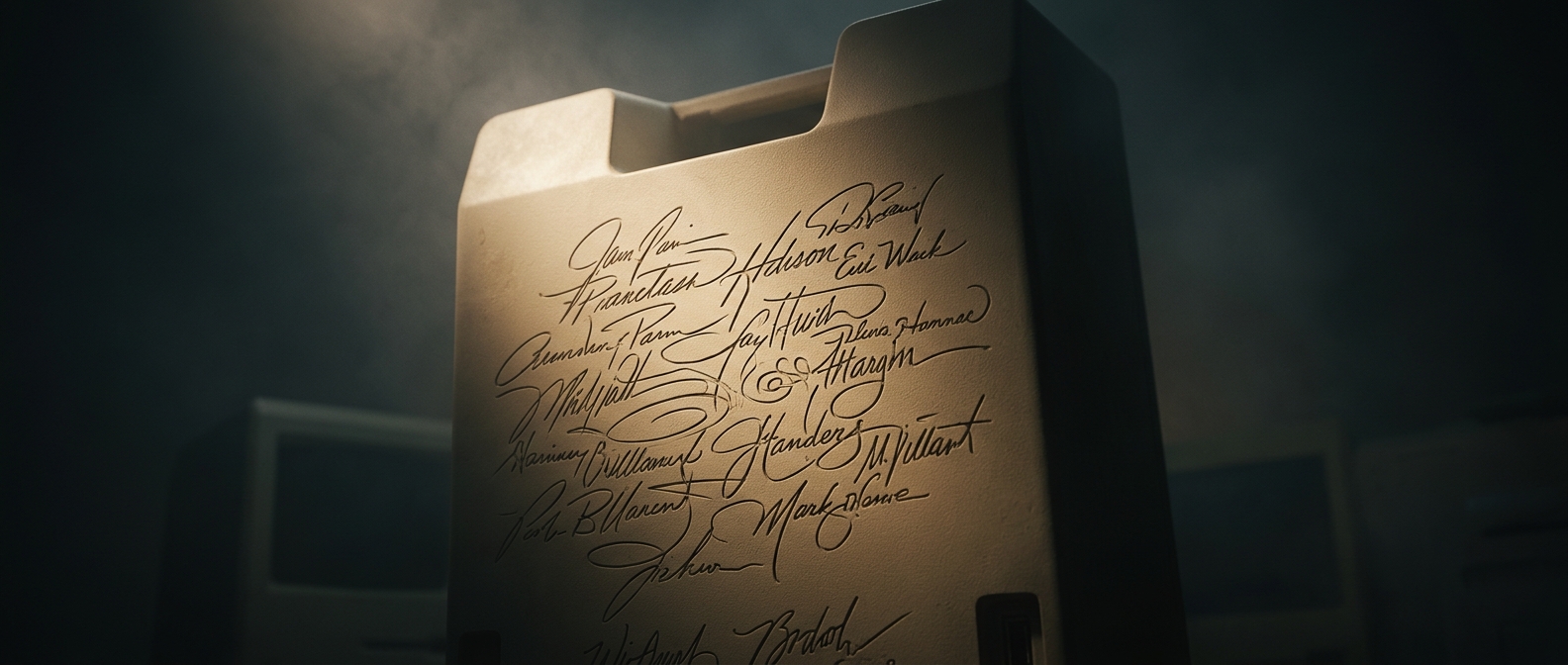
The hidden signatures inside every original Mac
Steve Jobs believed “real artists sign their work,” so the original Macintosh’s development team signed a sheet that was engraved into the metal mold. Their…
Discover more
A tenth of all photos were taken in the past year
Smartphones now help generate trillions of images each year. Estimates suggest nearly one in 10 photographs ever taken was snapped in the past year alone.
Discover more
A blank space can change what computer code means
In many languages, extra spaces mostly make code easier for humans to read. In Python, indentation also tells the computer which instructions belong together.…
Discover more
Samsung’s name means three stars
In Korean, Samsung combines sam, meaning “three,” and seong, meaning “stars.” Its founder chose the name to evoke a powerful, lasting company like the stars.
Discover more
Ethernet cables use twisted wires to stop interference
The wire pairs are twisted to reduce electromagnetic interference, helping keep the signal reliable.
Discover more