Travel
Discover facts about travel. Small discoveries that change the way you see familiar things.
Travel

In Samoa, forgetting your wife's birthday can be a crime
The threatened consequence is a visit from authorities, not just a marital argument.
Discover more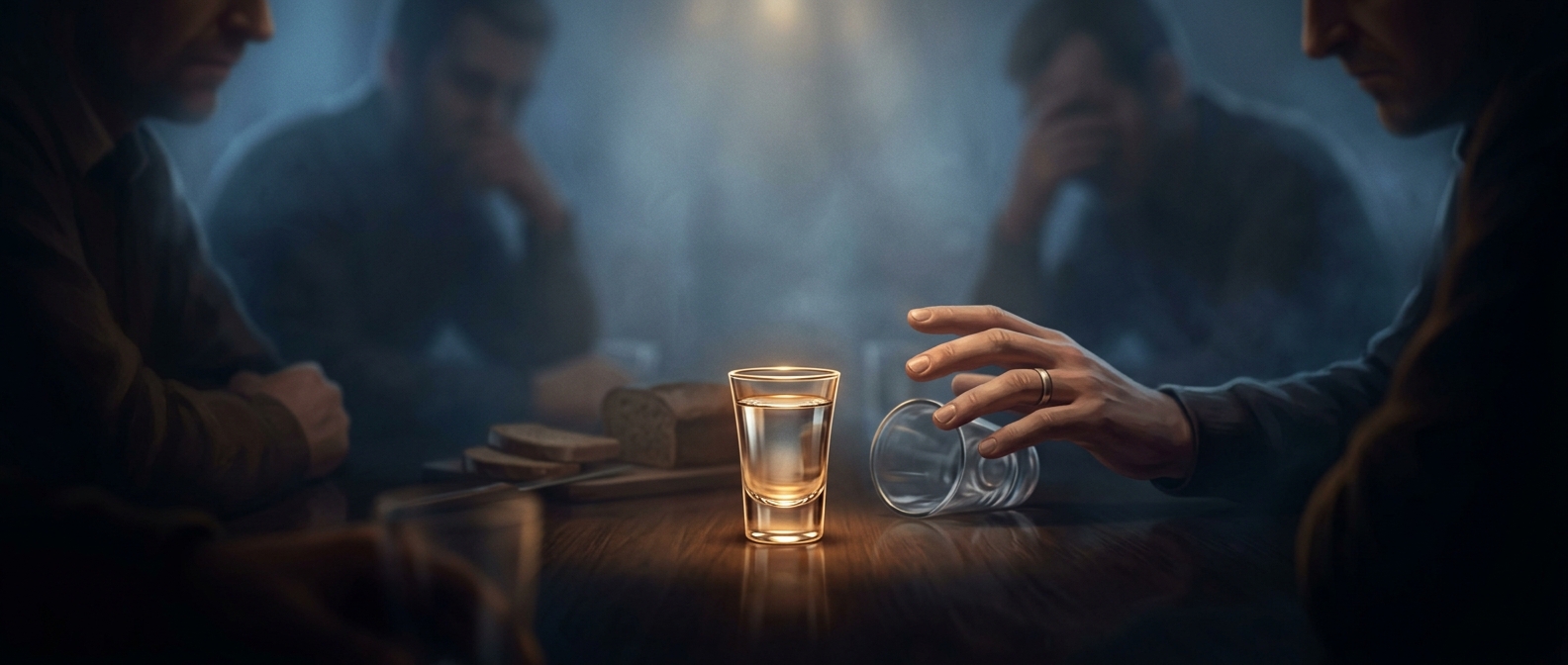
Warsaw's vodka museum lets visitors compare what the drink starts from
Its bar lists potato, rye, and wheat vodkas side by side. That turns a drink often treated as one generic clear spirit into a comparison of ingredients and…
Discover more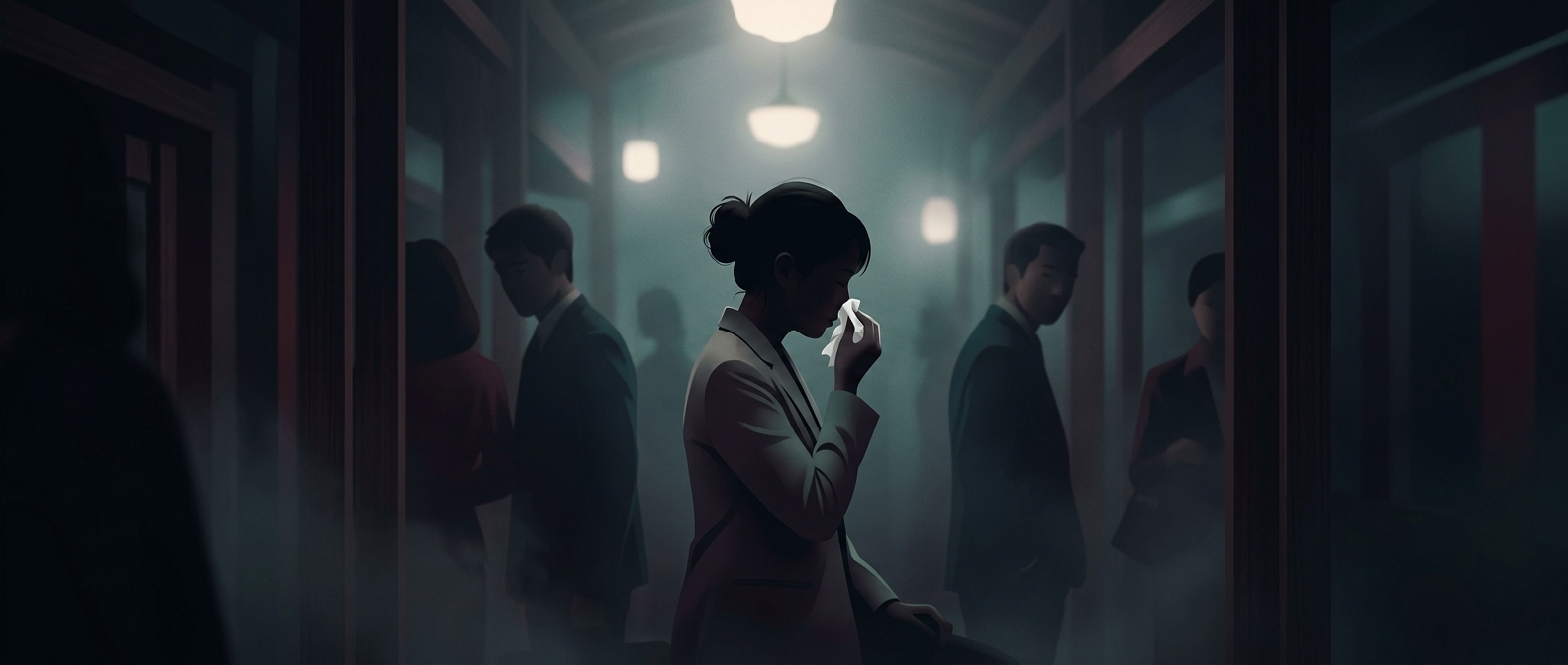
Why nose-blowing in public is rude in Japan
In Japan, sniffing in public is more acceptable than loudly blowing your nose; people are expected to step away to use a tissue.
Discover more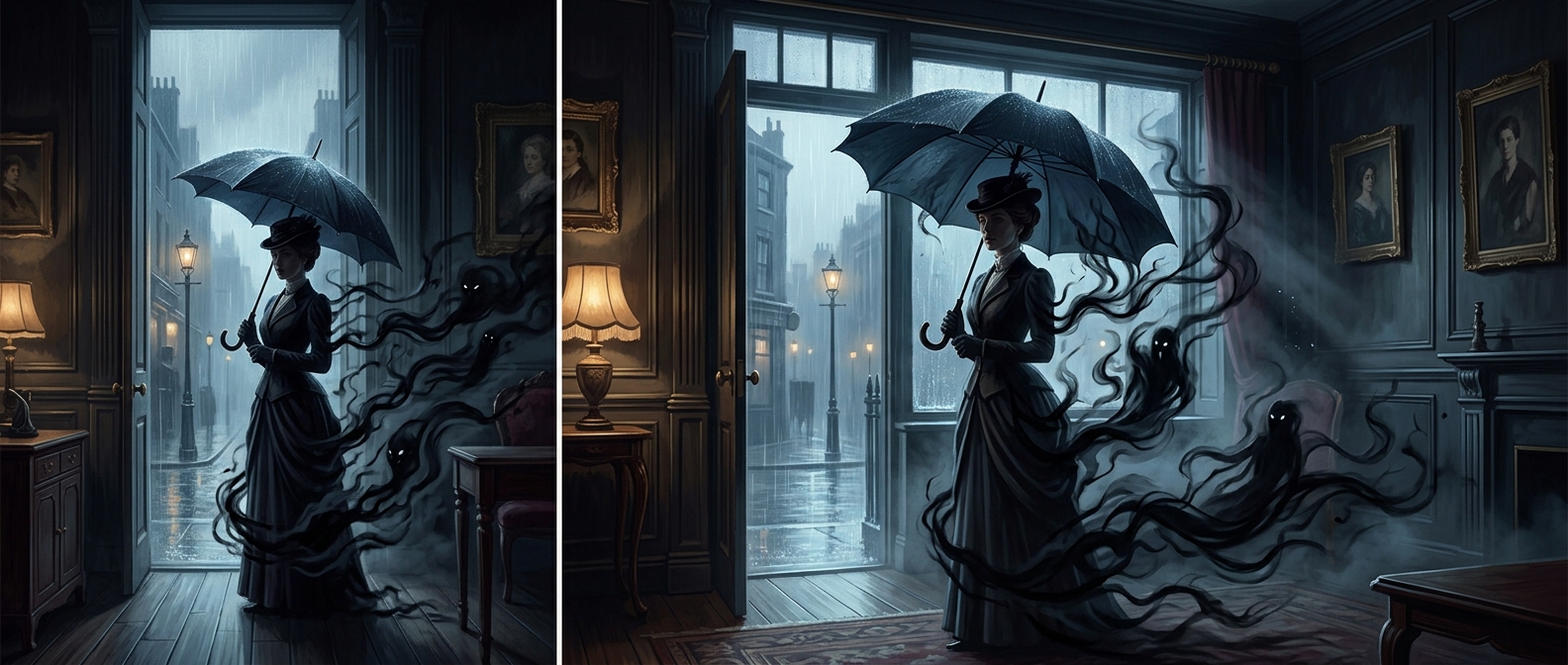
Why opening an umbrella indoors is bad luck in Britain
In some British pubs, opening an umbrella indoors can still draw a reaction as if you'd cursed someone's firstborn.
Discover more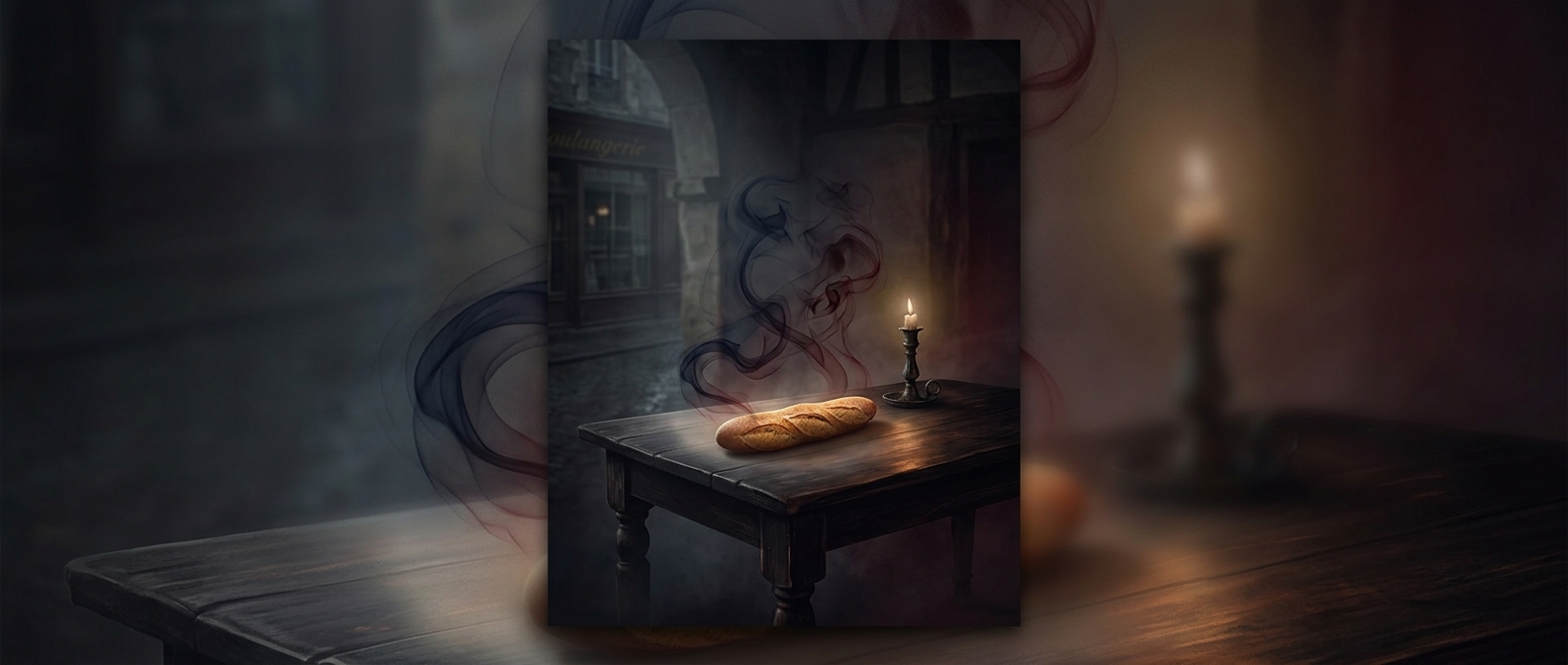
Why an upside-down baguette was bad luck in France
Folklore held that bakers set aside an upside-down loaf for the executioner, so turning bread over on your table was considered bad luck.
Discover more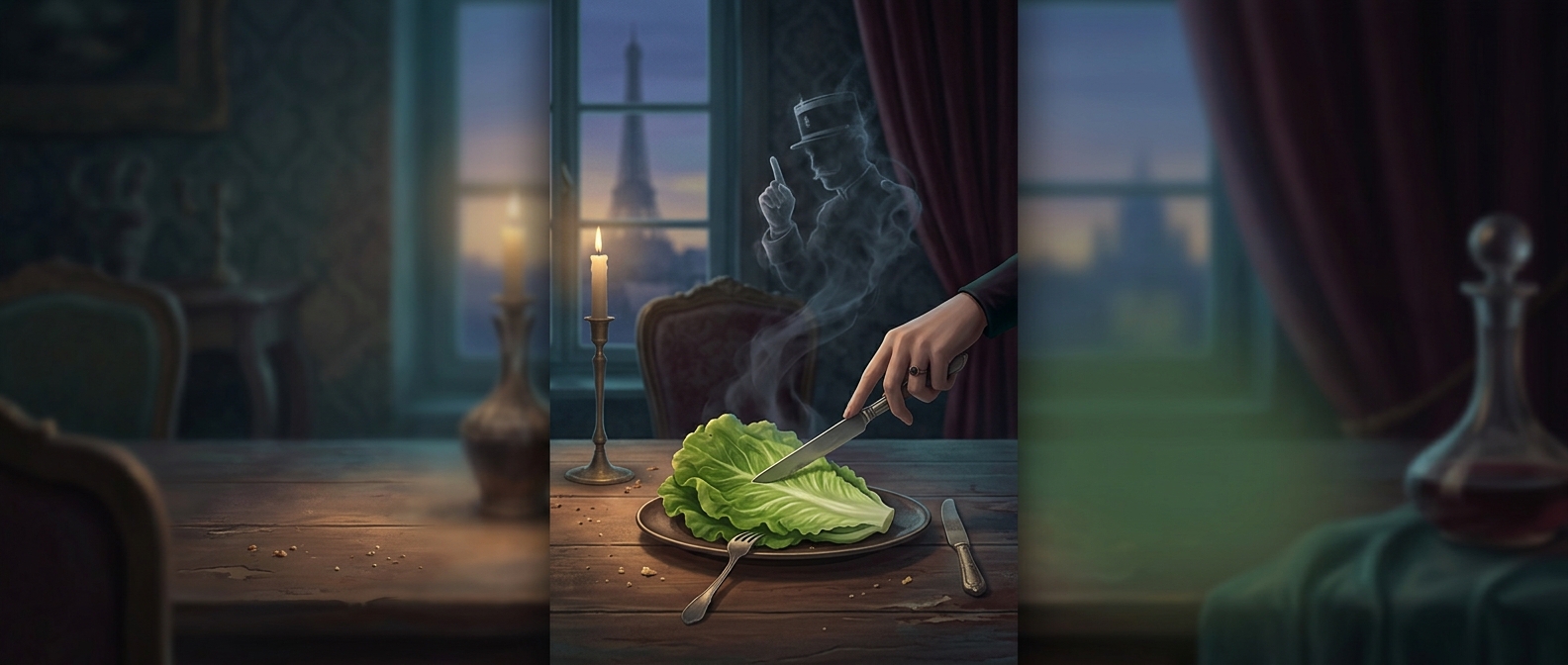
Why cutting lettuce with a knife is frowned upon in France
Silver knives could tarnish when they touched vinaigrette, helping establish the custom of tearing lettuce instead. The practice persists as a culinary…
Discover more STACKY FOR IPHONE
A bigger world.
One discovery
at a time.
Keep discovering with Stacky. Interesting facts in an app that is always within reach.
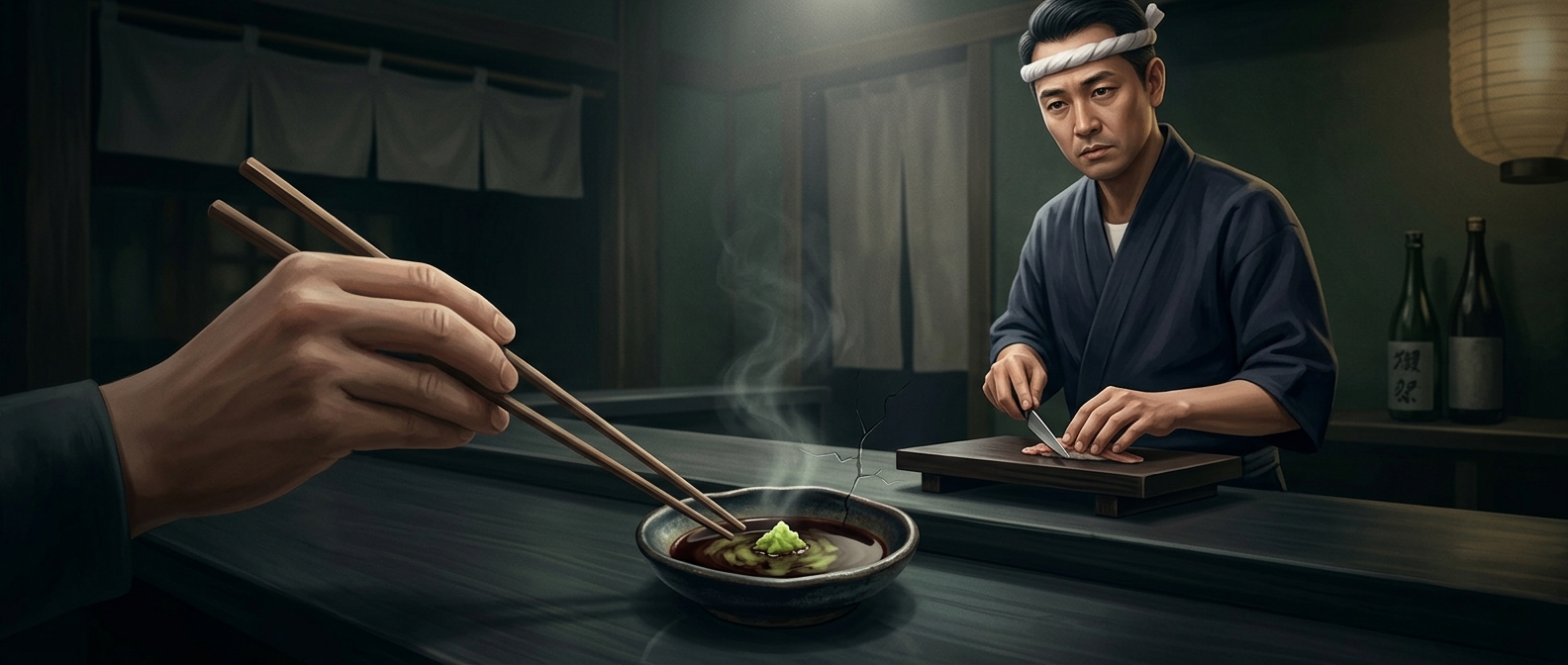
Why sushi chefs dislike wasabi in soy sauce
Chefs may already add the intended amount of wasabi to the fish, so mixing extra into soy sauce can overwhelm the balance they chose.
Discover more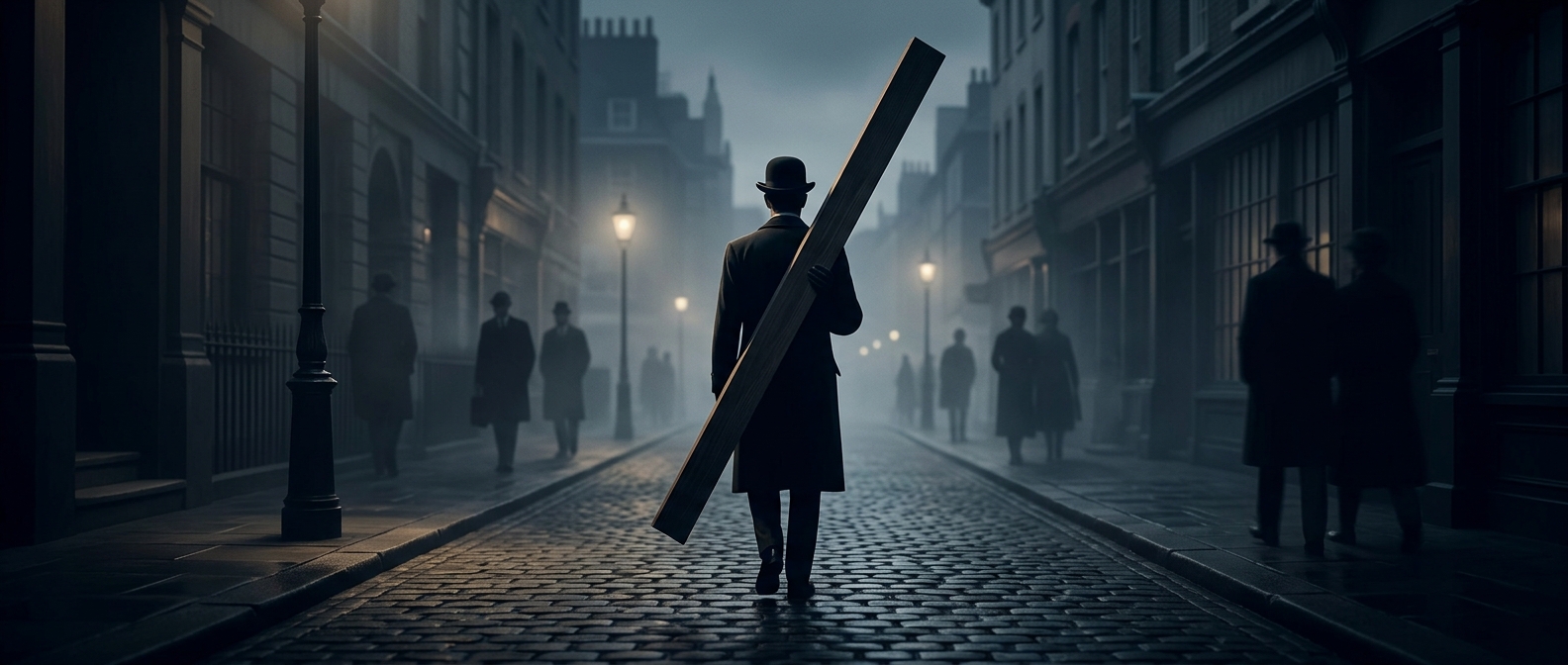
London's old pavement law makes an exception for crossing it
The Metropolitan Police Act 1839 restricts carrying planks, ladders, and similar objects along footways, but explicitly allows loading, unloading, and…
Discover more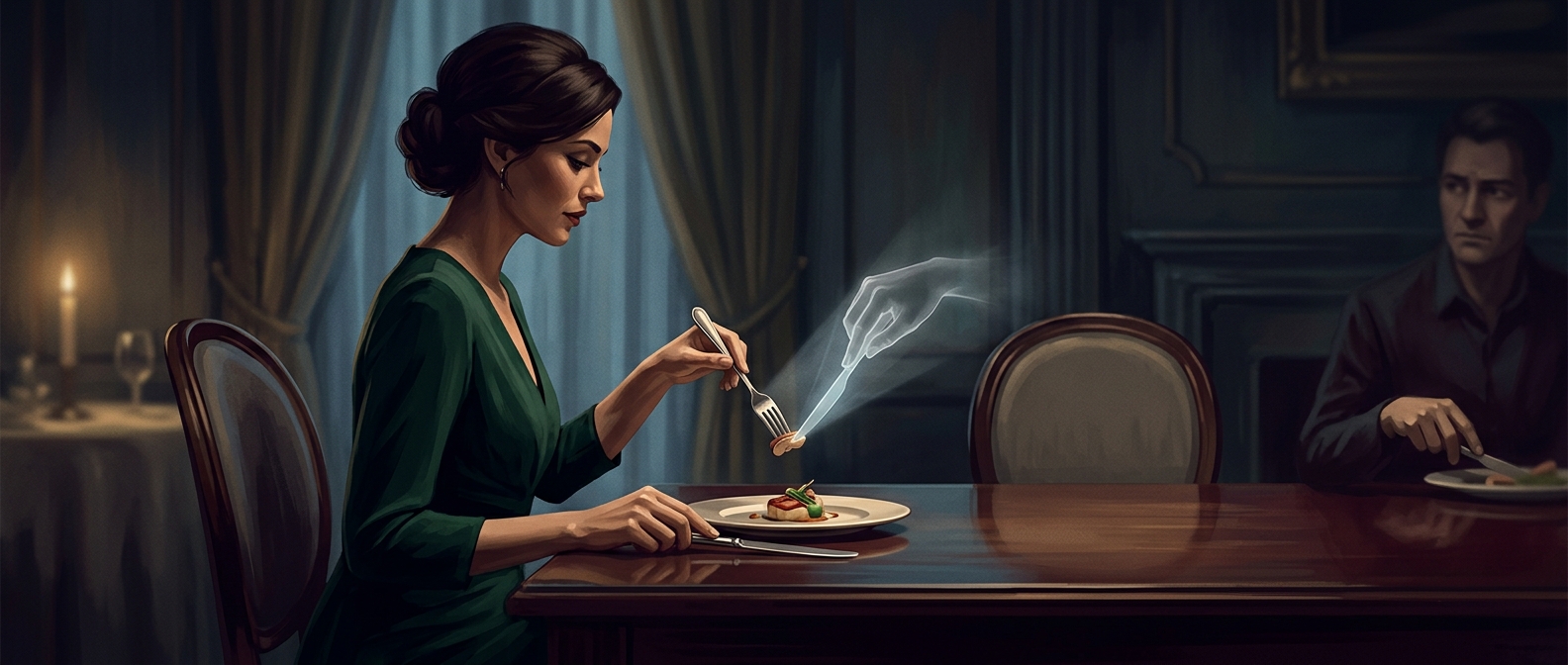
In Chile, even fries may arrive with a fork
Table manners in Chile often favor utensils for foods visitors might pick up with their fingers. The expectation depends on the setting, especially how formal…
Discover more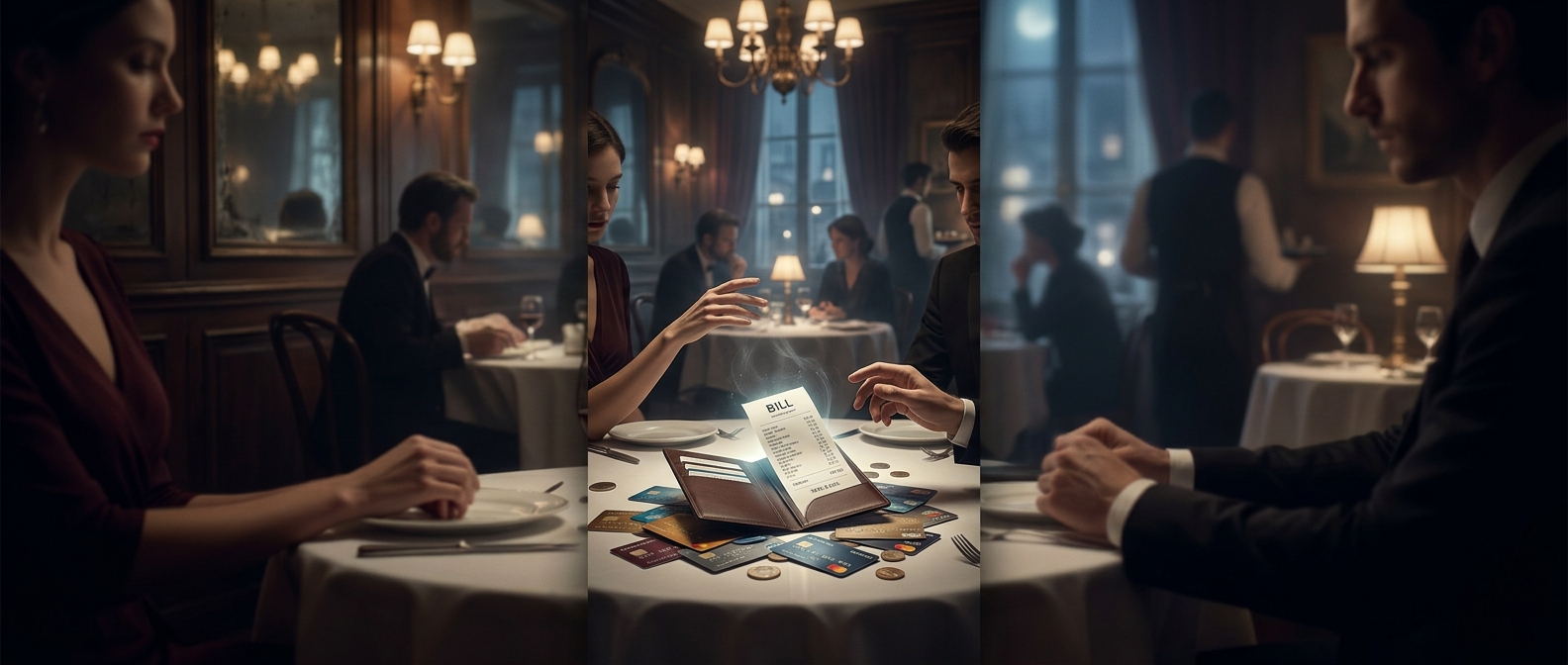
A restaurant bill can reveal rules nobody discussed
One diner expects to divide the total equally, another to pay for exactly what they ordered, and a third plans to take turns treating. The disagreement can…
Discover more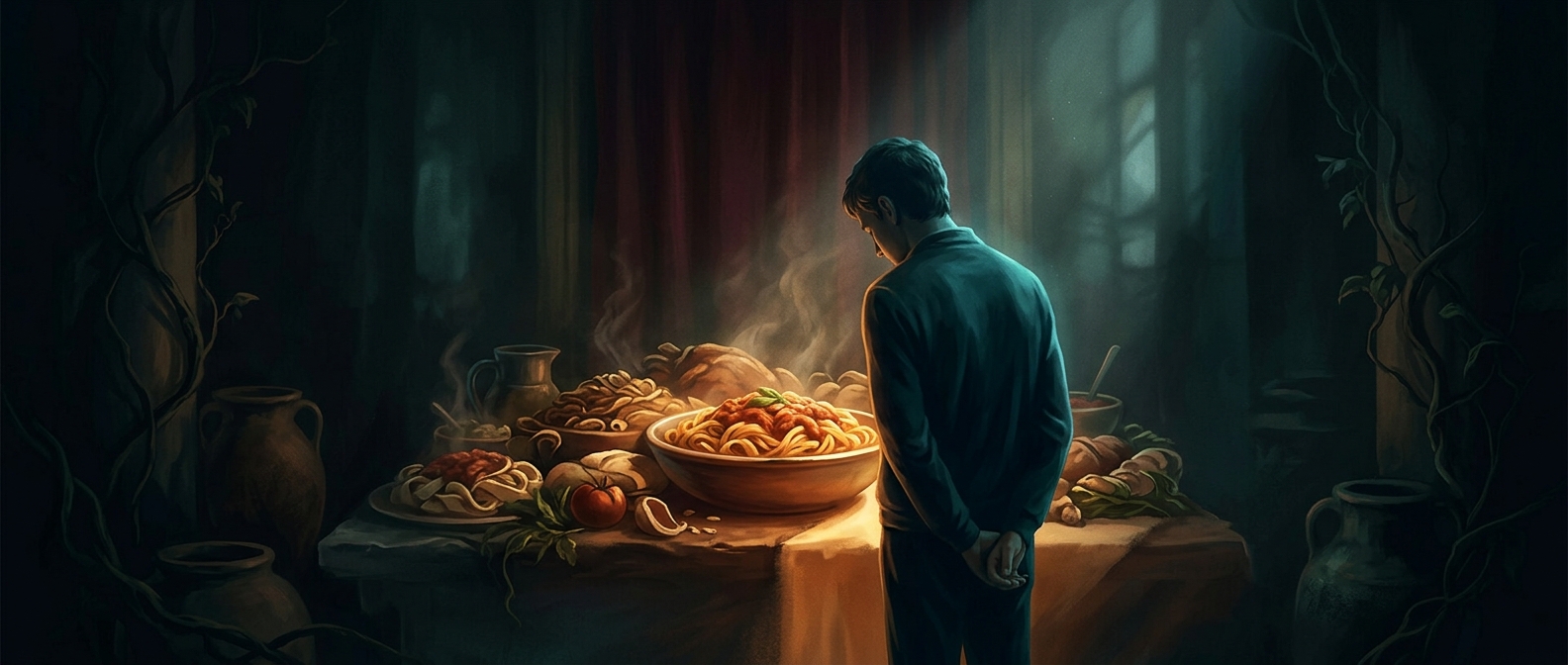
Why an Italian grandmother never believes you're full
In the familiar Italian-grandmother joke, refusing another serving of lasagna means more than being full: she takes it as a rejection of her cooking and a…
Discover more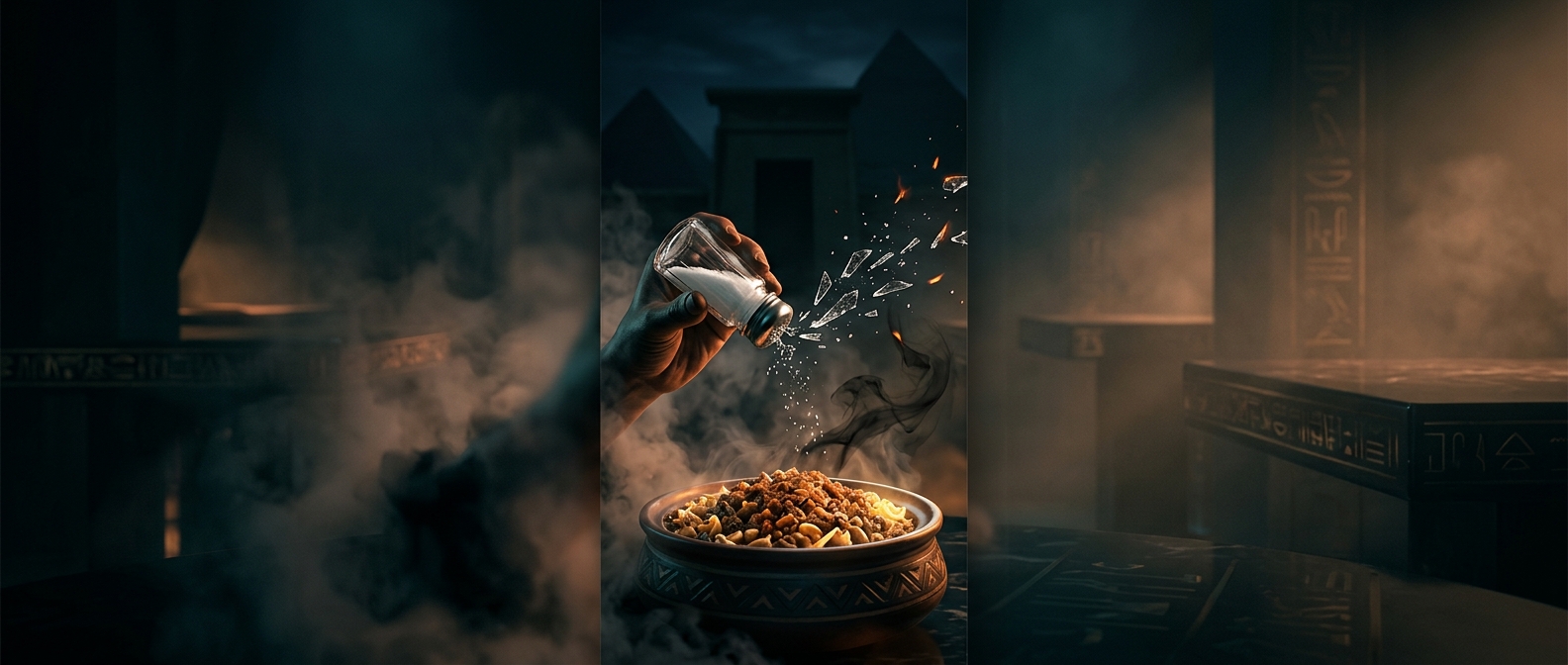
A request for salt can sound like a review of the cooking
Travel-etiquette advice for Egypt sometimes warns that asking for extra seasoning may be taken as criticism of a host’s food. The meaning depends on the…
Discover more
An early arrival can still catch a host unprepared
An invitation time coordinates both sides: the guest's journey and the host's last-minute preparations. Turning up ahead of it can move someone from cooking…
Discover more
In Bulgaria, a familiar head gesture can carry an unfamiliar answer
A traditional side-to-side movement can mean yes, while a nod can mean no. People also adapt gestures when speaking with visitors, so there is no foolproof…
Discover more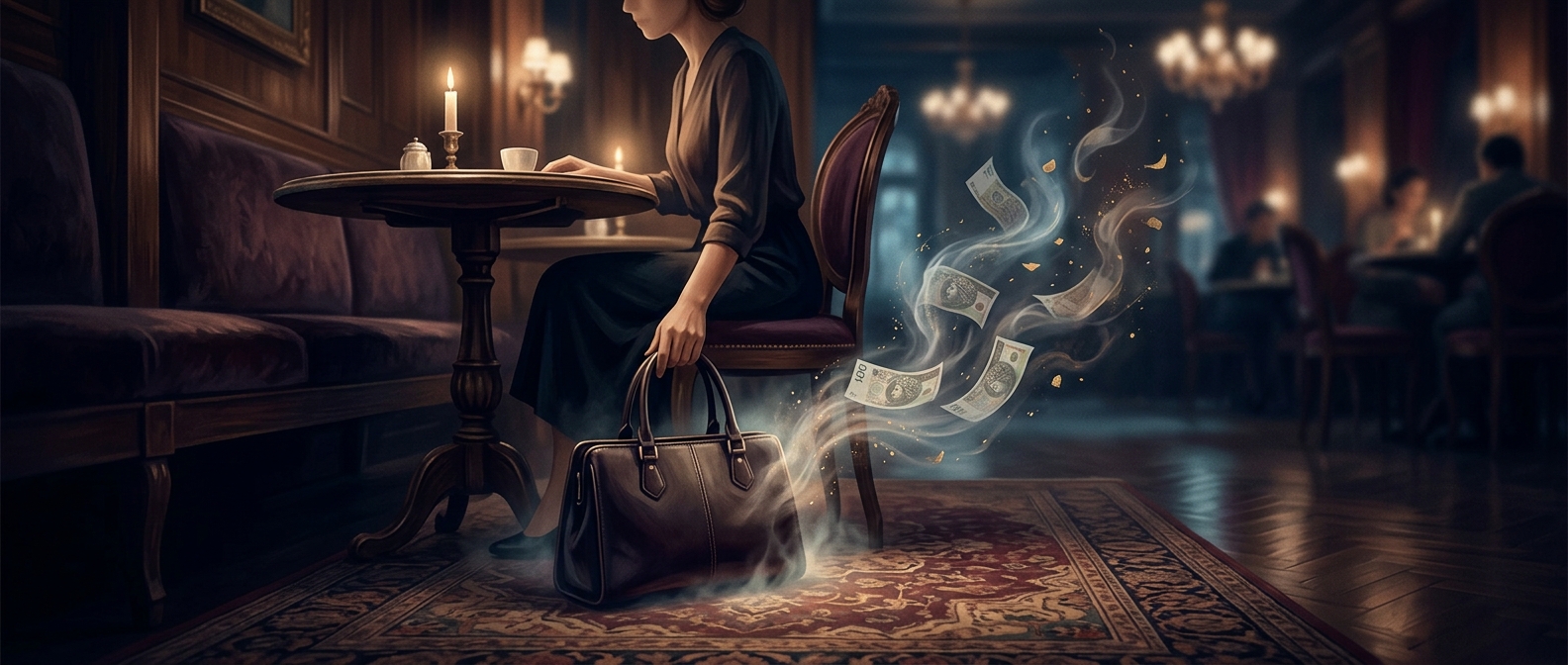
Why Polish superstition forbids bags on the floor
Polish superstition says money will escape if you put your bag on the floor, so keep it on your lap to avoid bad luck.
Discover more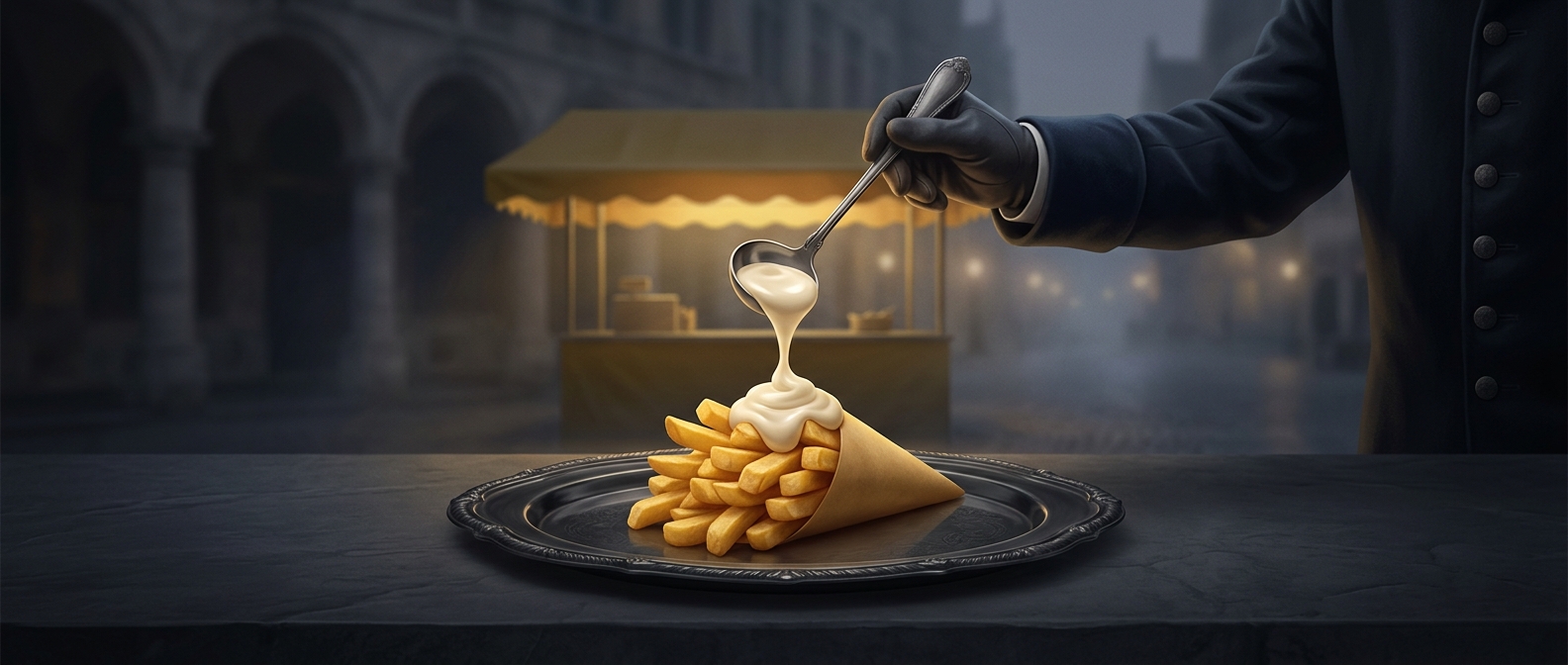
Why Belgians put mayonnaise on their fries
Because mayonnaise is the classic accompaniment: in Brussels, fries are served with generous amounts of the egg-and-oil sauce rather than ketchup.
Discover more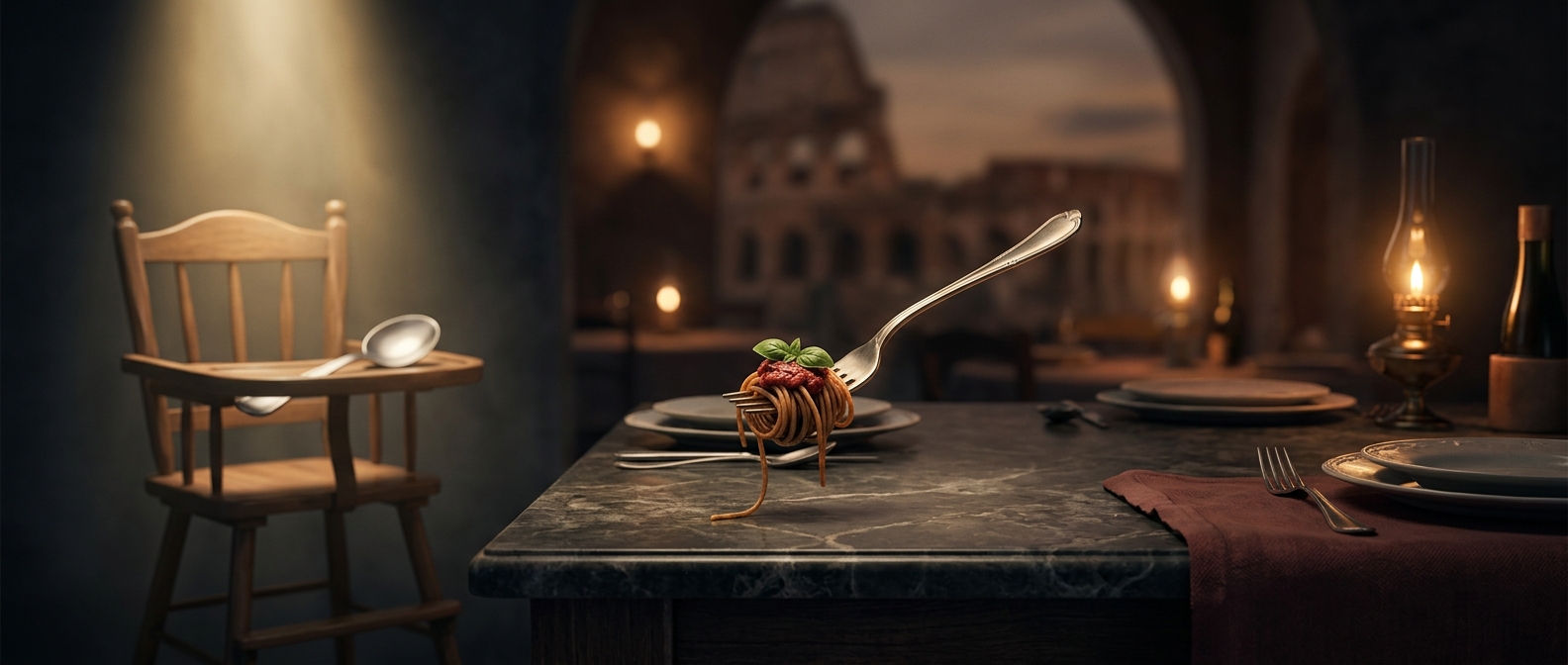
Twirling spaghetti is a small exercise in friction
A fork gathers strands as it rotates, while the plate or a spoon can provide a surface to turn against. Picking up fewer strands makes a smaller, more…
Discover more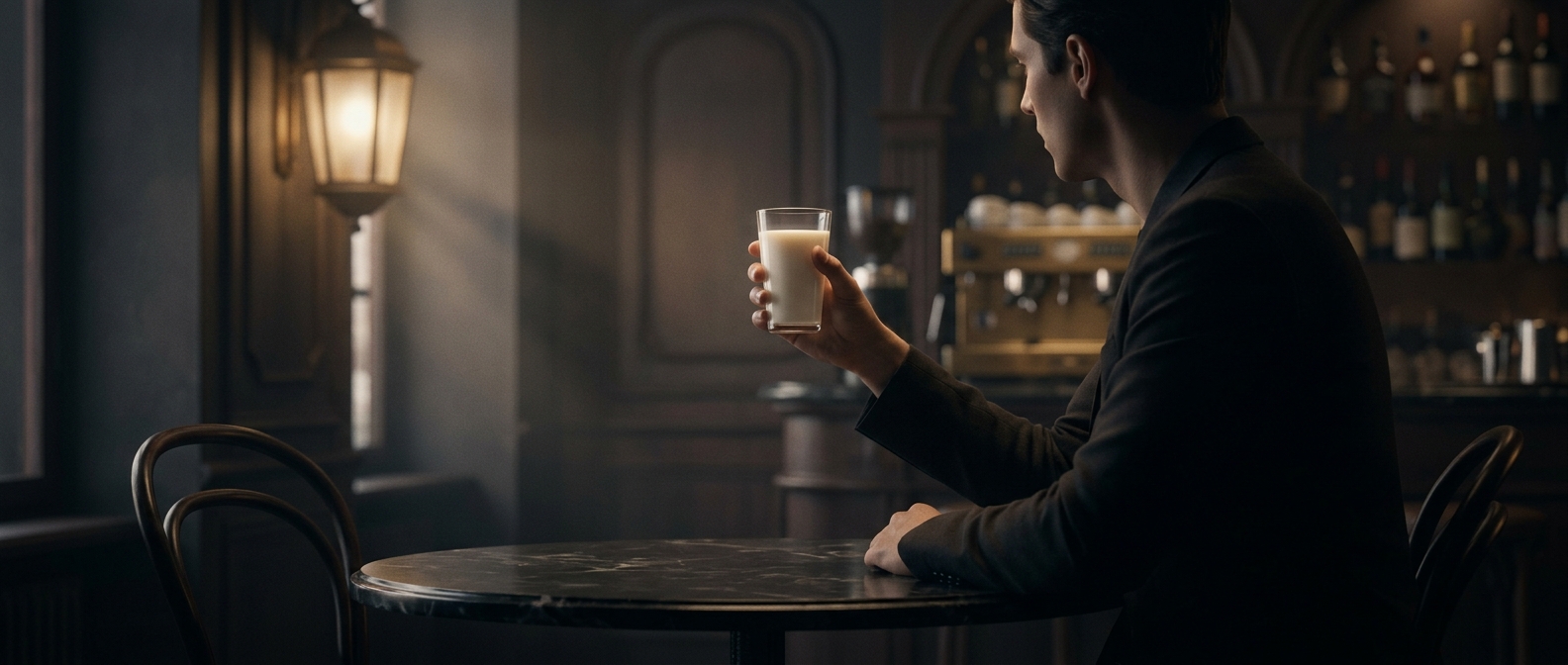
Order a latte in Italy and you may get plain milk
In Italian, latte means milk, so ordering one may get you a glass of plain milk. Ask for a caffè latte if you want coffee with it.
Discover more
Why a French greeting can require four kisses
The number of kisses and which cheek comes first vary by village, with greetings ranging from one to four kisses.
Discover more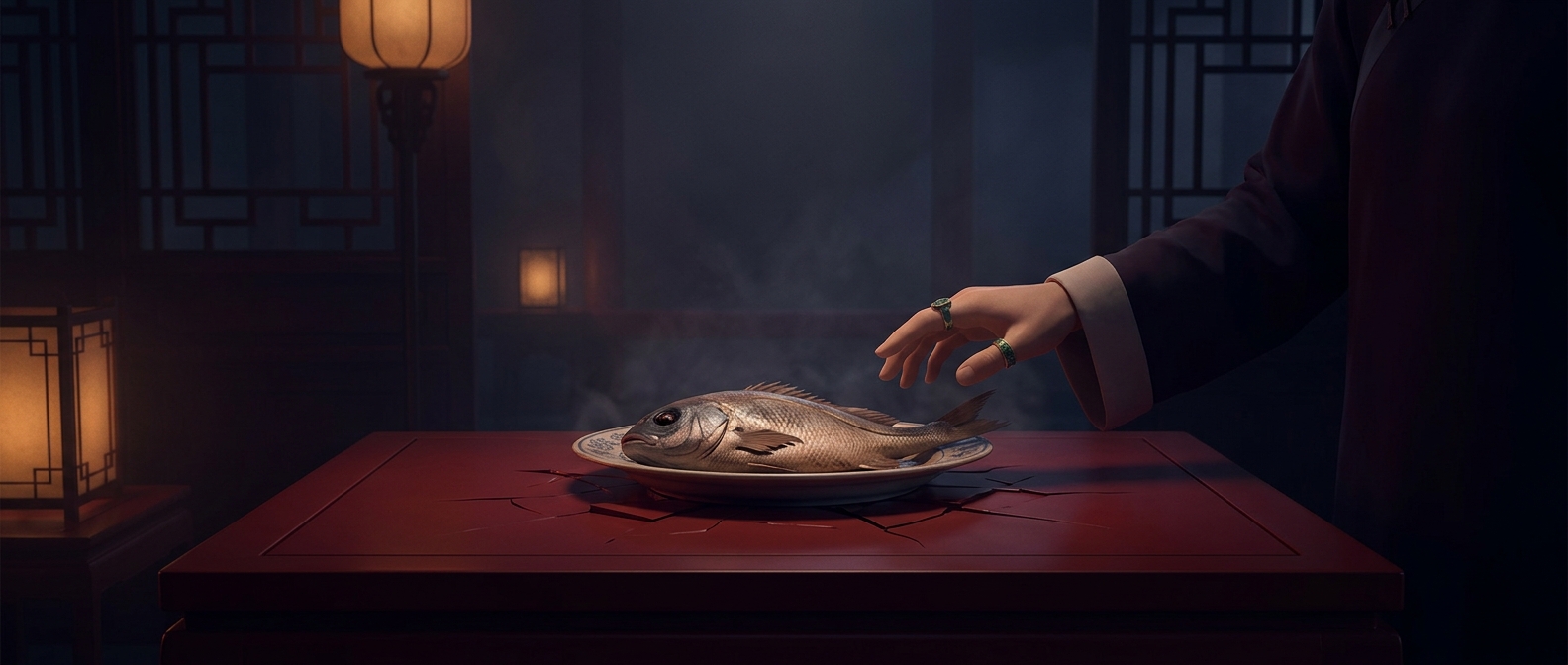
Why flipping a fish is taboo in China
The superstition says flipping a whole fish after eating its top half is like capsizing a fishing boat. Instead, diners remove the bones to reach the other…
Discover more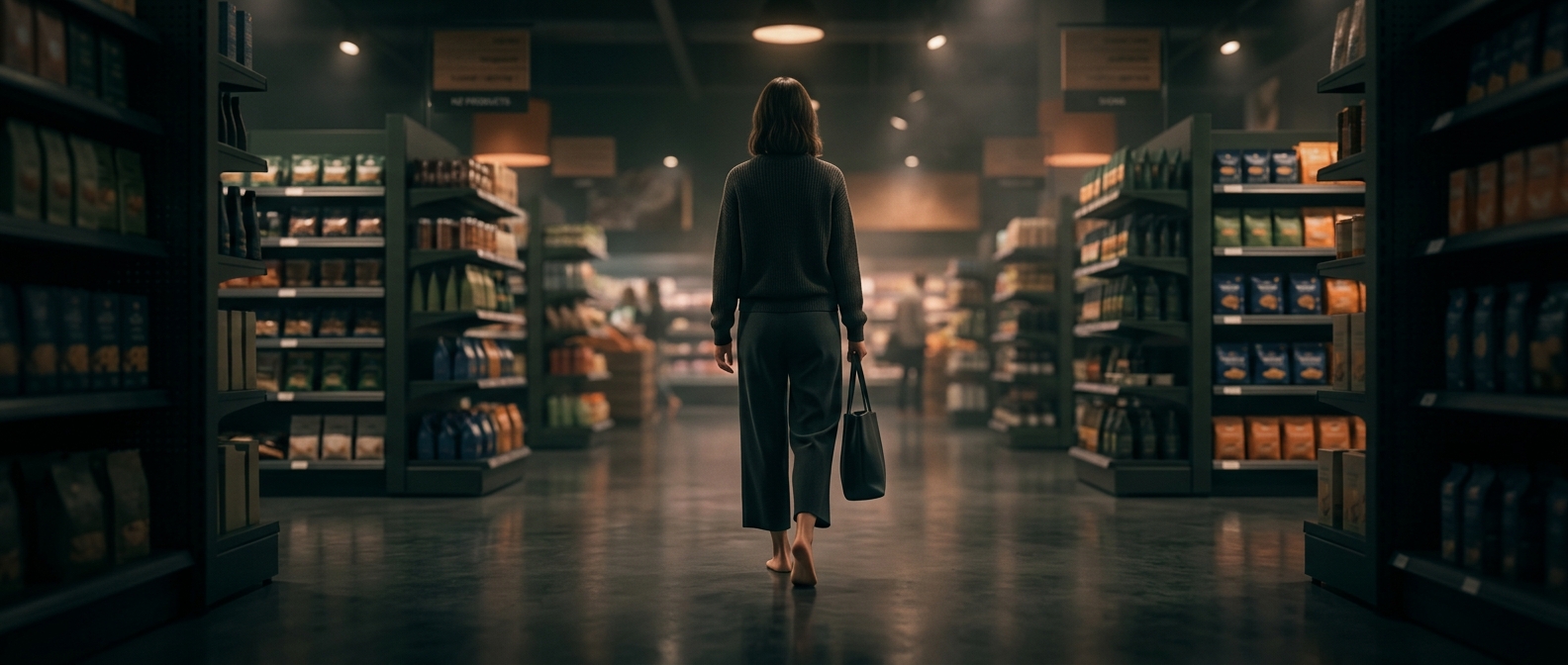
Why some New Zealanders shop barefoot
For some Kiwis, shoes are optional even on a grocery run: they walk through the aisles barefoot.
Discover more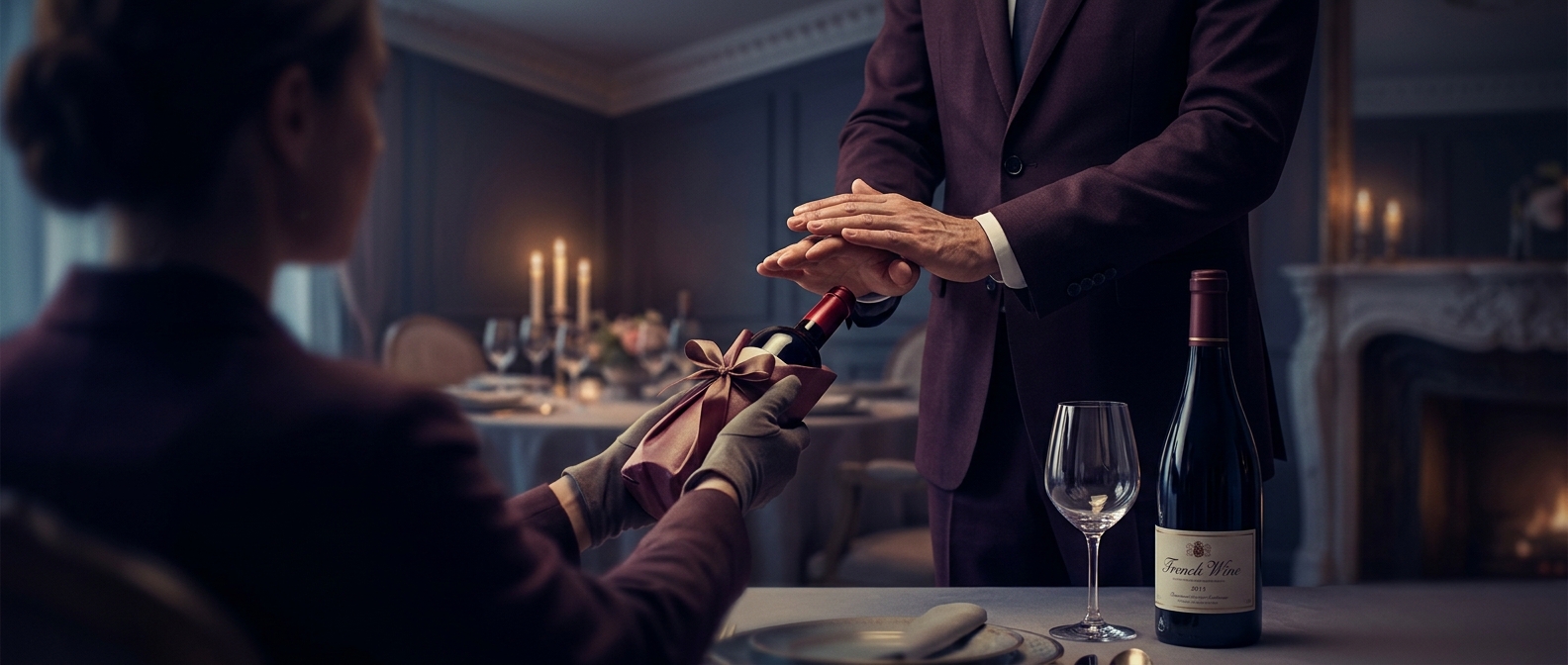
A wine gift doesn't have to become that evening's wine
A host may already have chosen bottles to match the meal, so opening a guest's gift immediately can disrupt the plan. Offering it for another occasion removes…
Discover more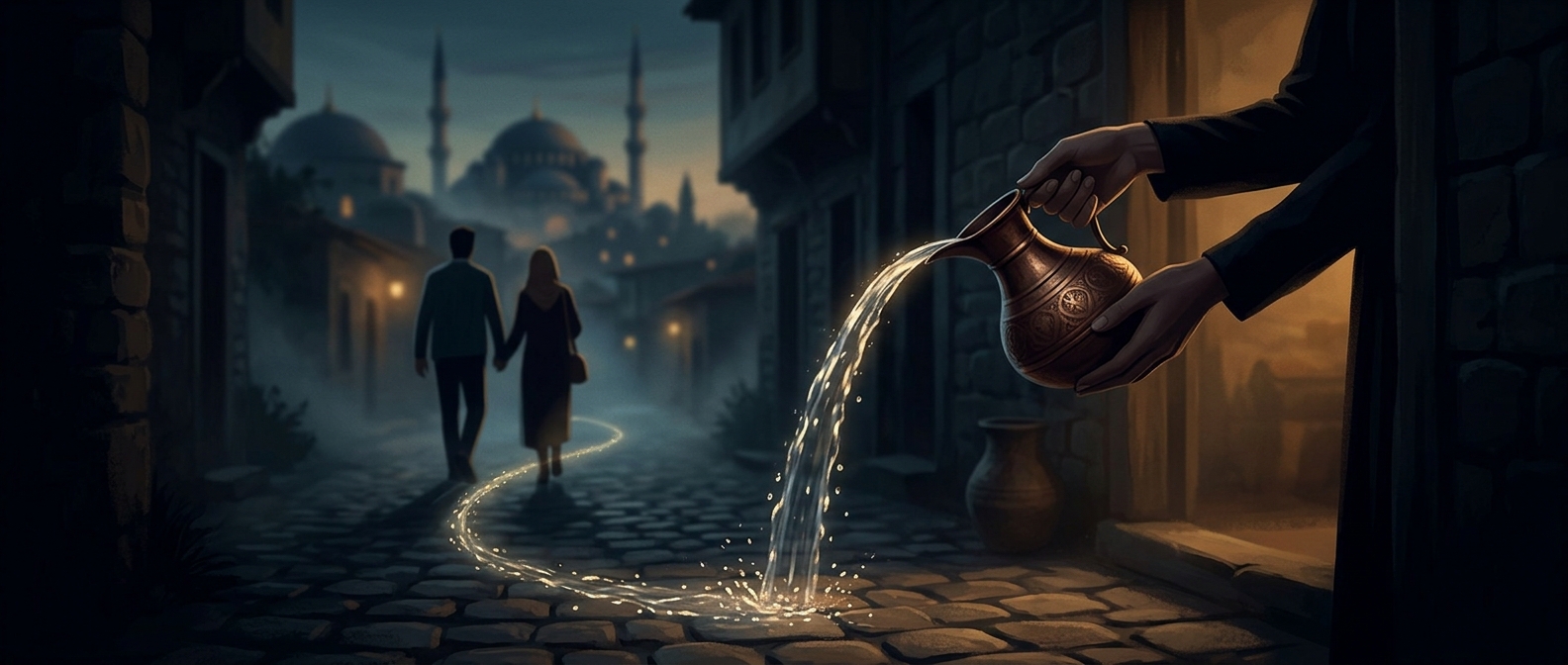
Pouring water behind departing guests in Turkey is good luck
The custom is meant to bring you a smooth journey, with your travels flowing like water.
Discover more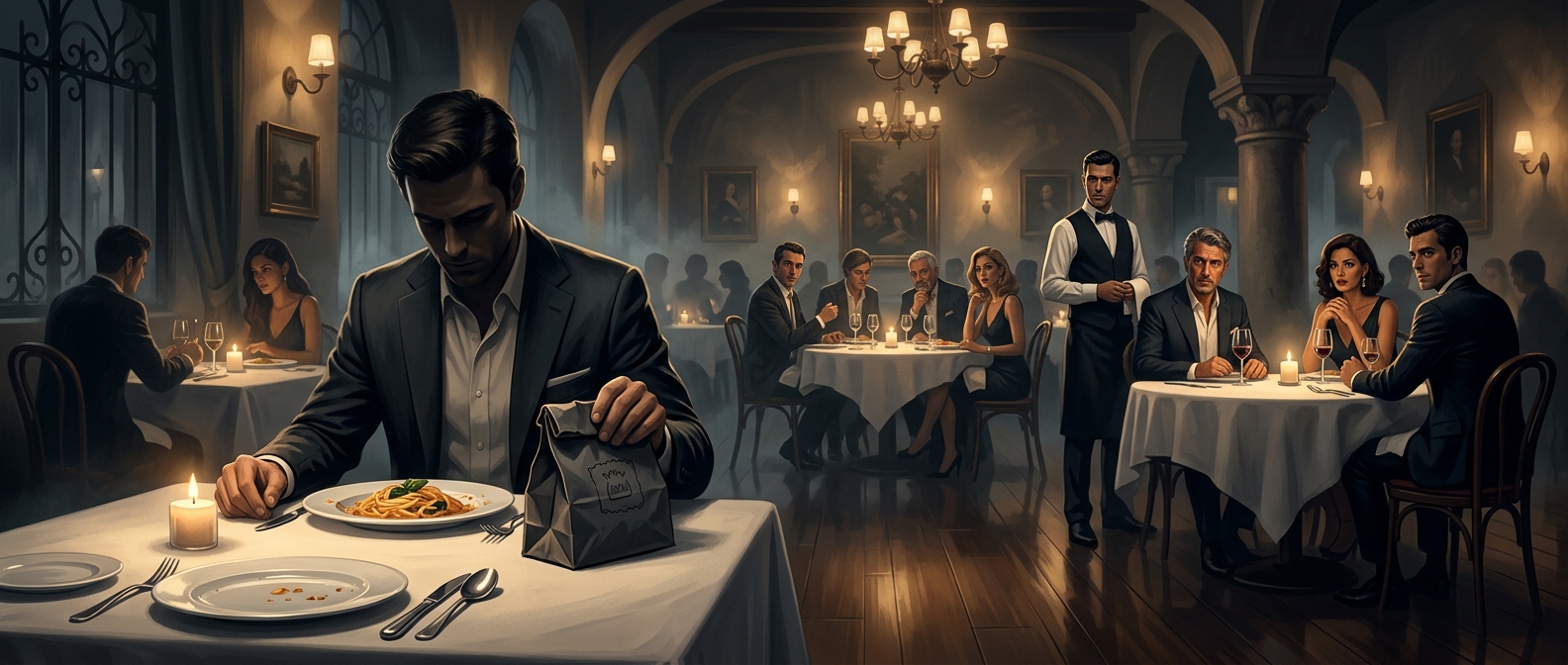
Italy has promoted doggy bags as a tool against food waste
Its 2016 food-waste law encouraged reusable takeaway containers so restaurant customers could keep unfinished meals. That makes leftovers more than an…
Discover more