Travel
Discover facts about travel. Small discoveries that change the way you see familiar things.
Travel
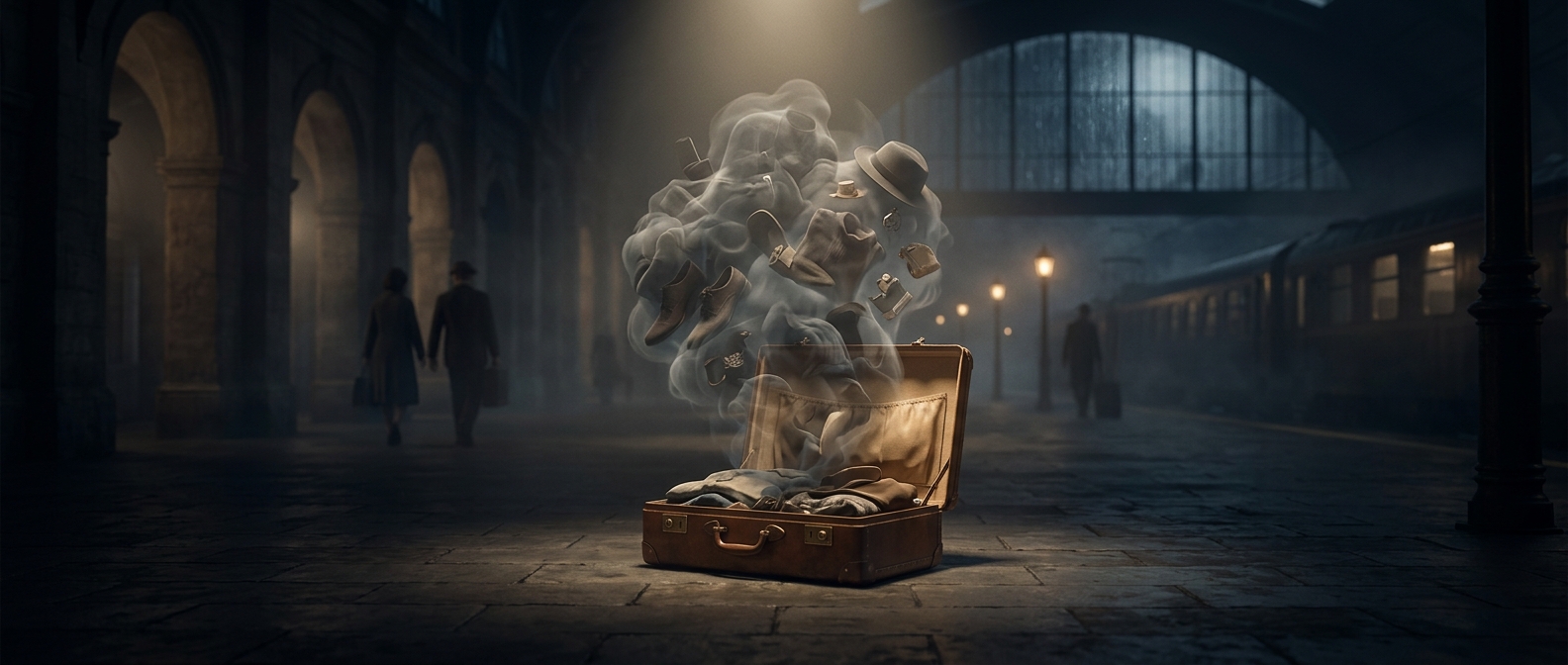
Average person overpacks their luggage by thirty percent
We pack for the person we wish we were, not the person we are. Roughly a third of the clothes in a suitcase may come home unworn.
Discover more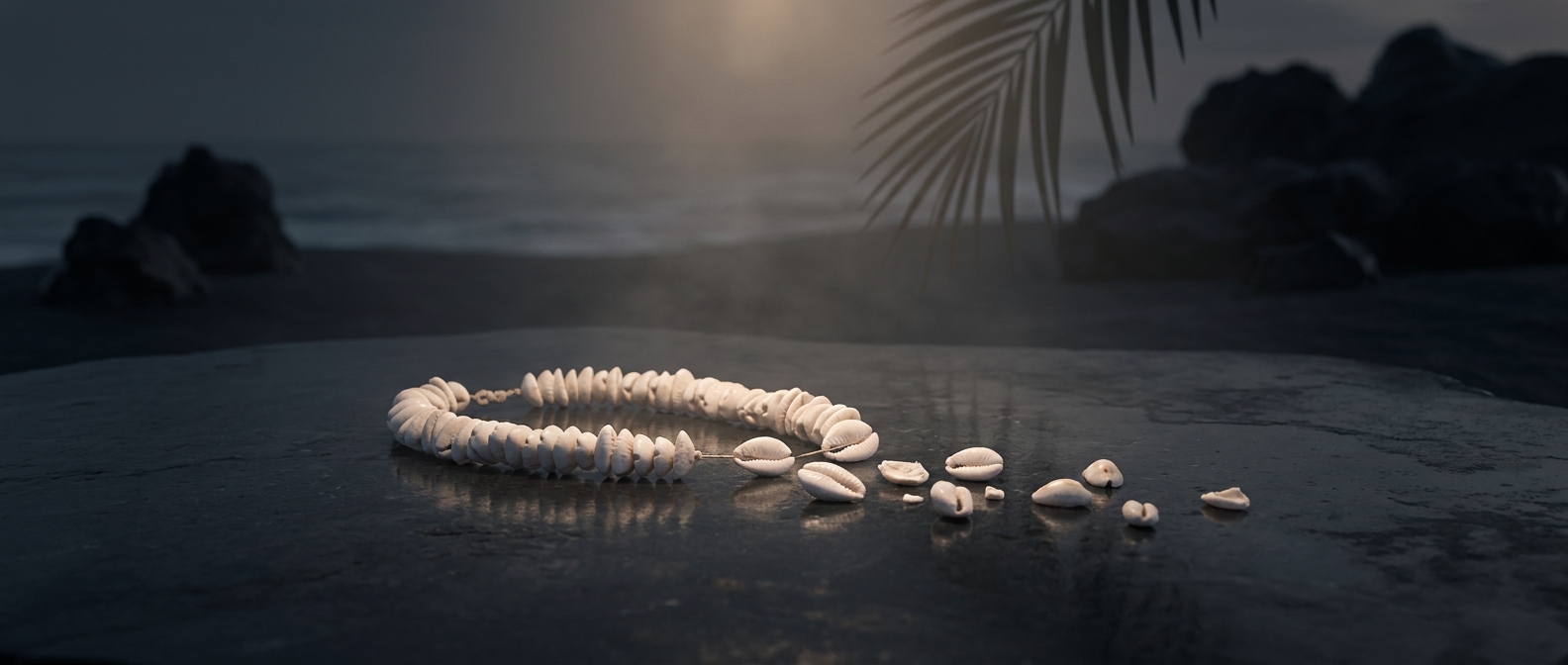
A puka shell's hole can be made by the ocean
Traditional puka necklaces use naturally holed shell fragments, rather than requiring a jeweler to drill every opening. Waves wear the material into pieces…
Discover more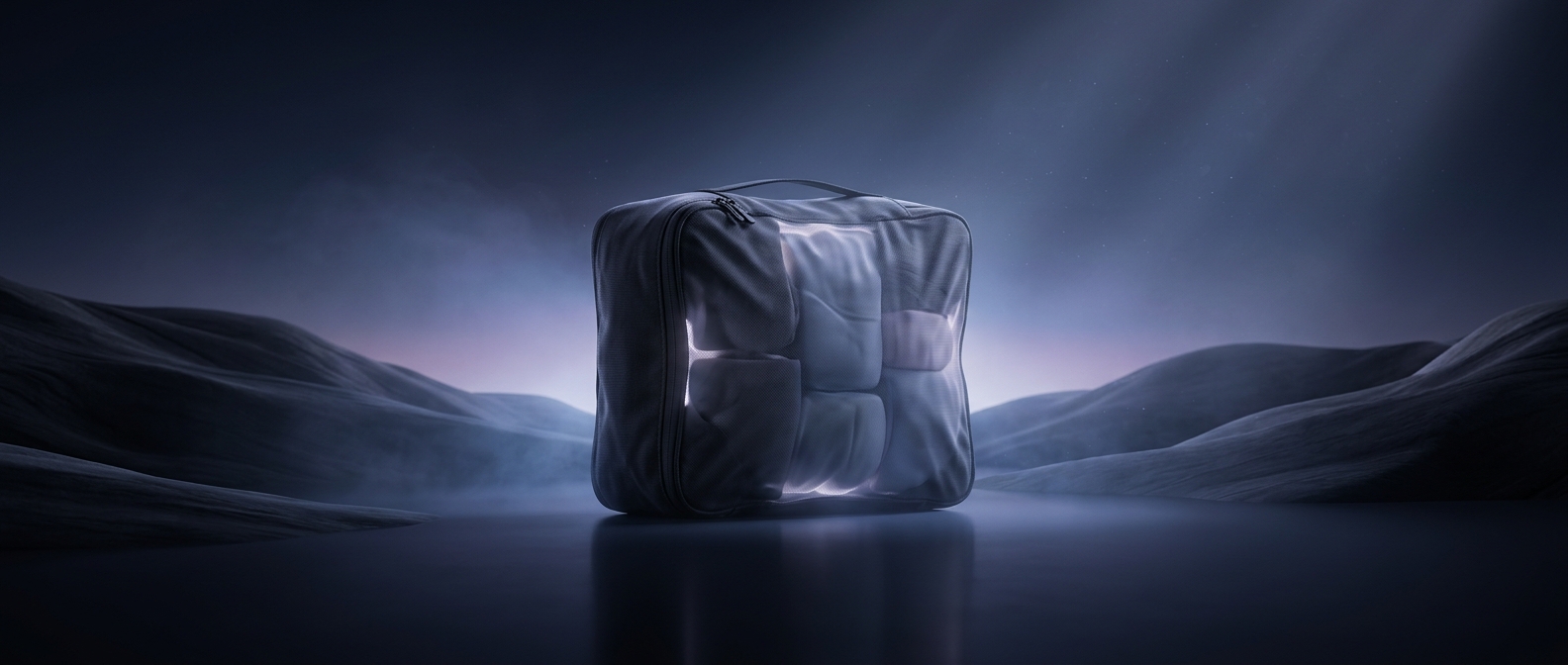
Packing cubes rely on basic compression physics
Their zippered walls limit how much clothing can expand, helping you pack more tightly. The extra space can also tempt you to bring things you won’t wear.
Discover more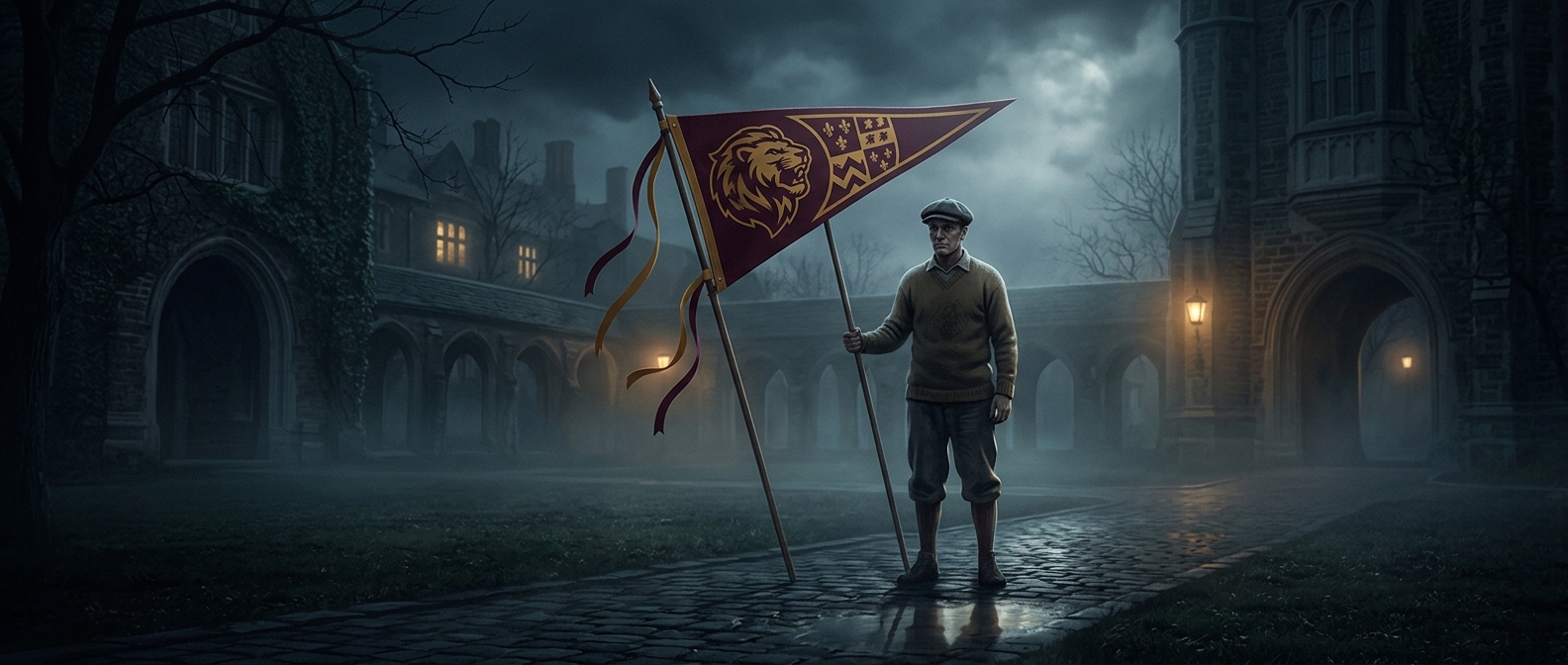
Why souvenir pennants started with college sports
Felt pennants first caught on as emblems of college rivalries. Marketers later turned them into souvenirs by adding city names.
Discover more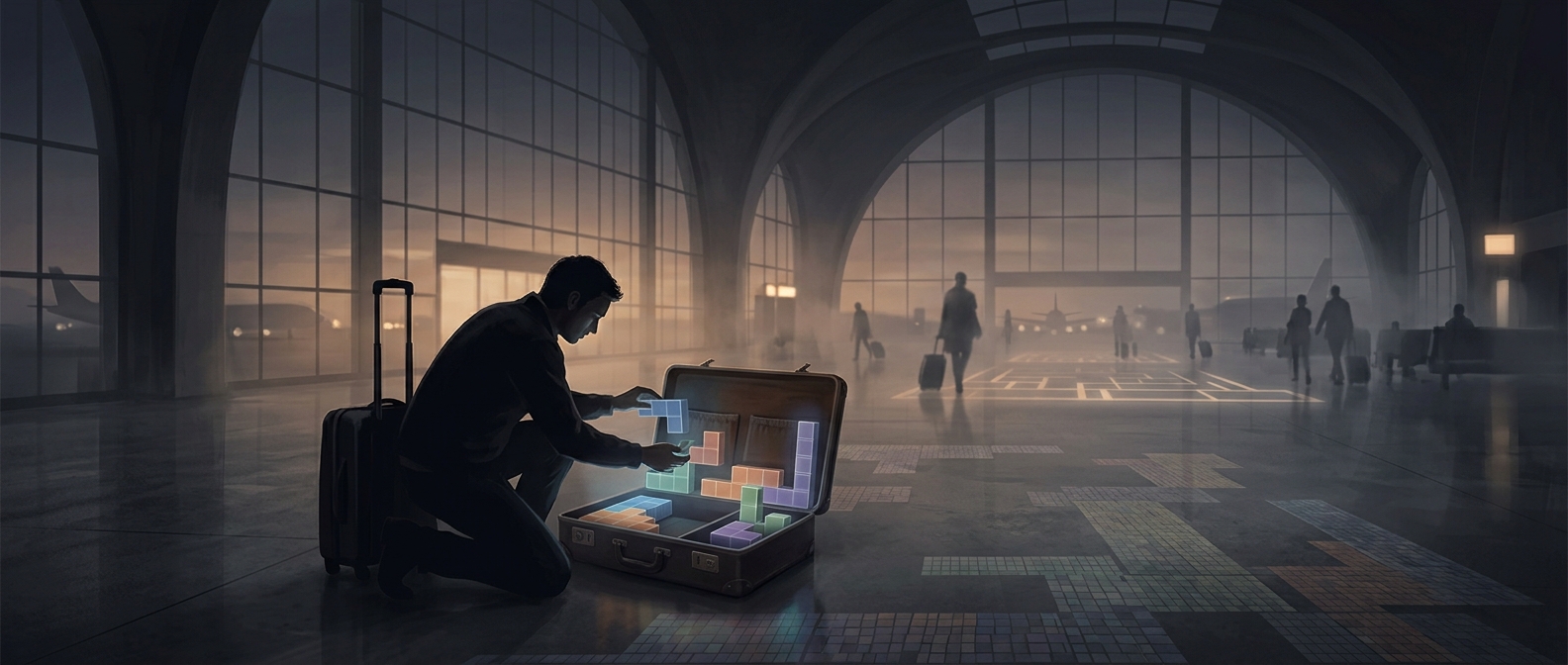
Why packing a suitcase feels like playing Tetris
Packing can feel like Tetris because fitting oddly shaped items into tight gaps resembles arranging blocks in a game—and can bring a similar little burst of…
Discover more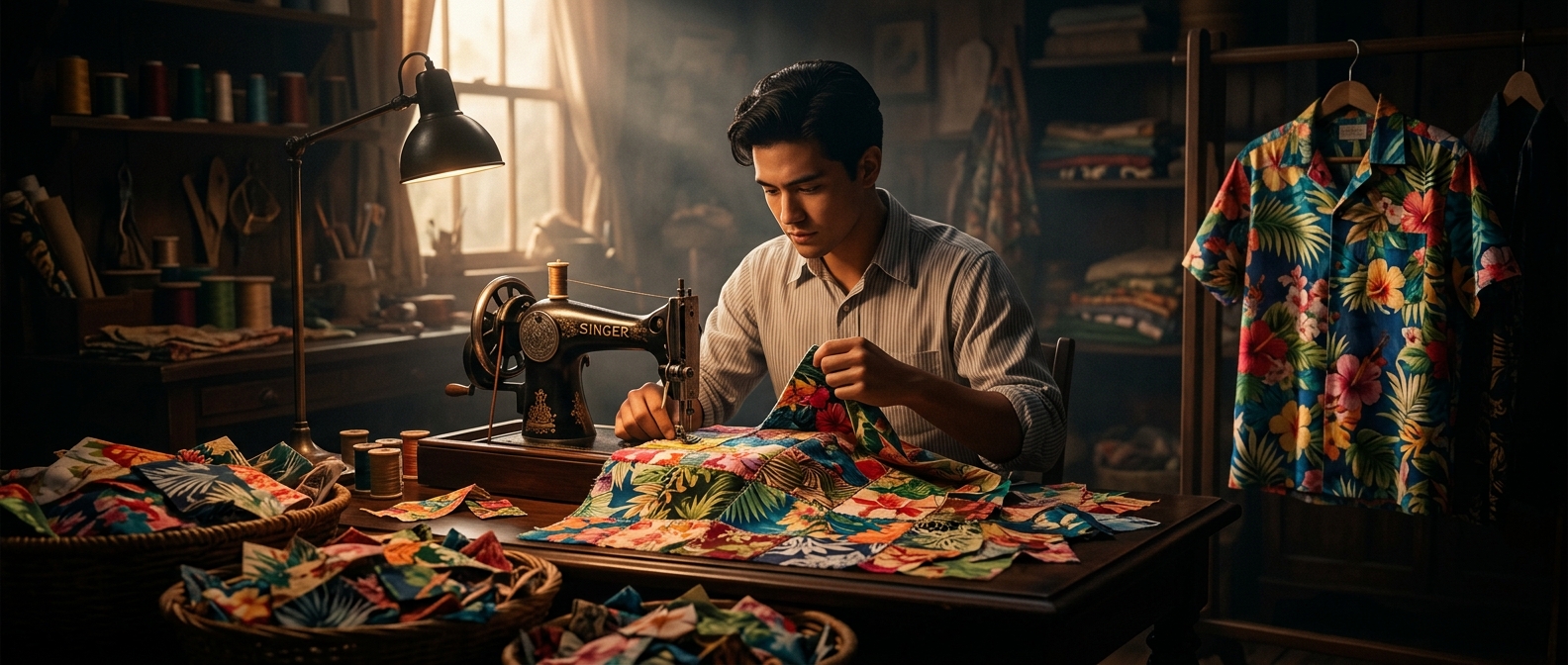
The aloha shirt mixed traditions before it became a souvenir
Early shirts in Hawaii used fabrics and motifs associated with Japanese clothing and the work of local tailors, including Chinese immigrants. The familiar…
Discover more STACKY FOR IPHONE
A bigger world.
One discovery
at a time.
Keep discovering with Stacky. Interesting facts in an app that is always within reach.

Oversized novelty towels only became popular in the 1960s
The shift came with oversized cotton towels printed in bold designs such as neon flamingos, turning a beach essential into a novelty item.
Discover more
Babymoon was invented to sell more trips
The travel industry coined “babymoon” to market a last getaway before a baby arrives, giving an ordinary vacation a name of its own.
Discover more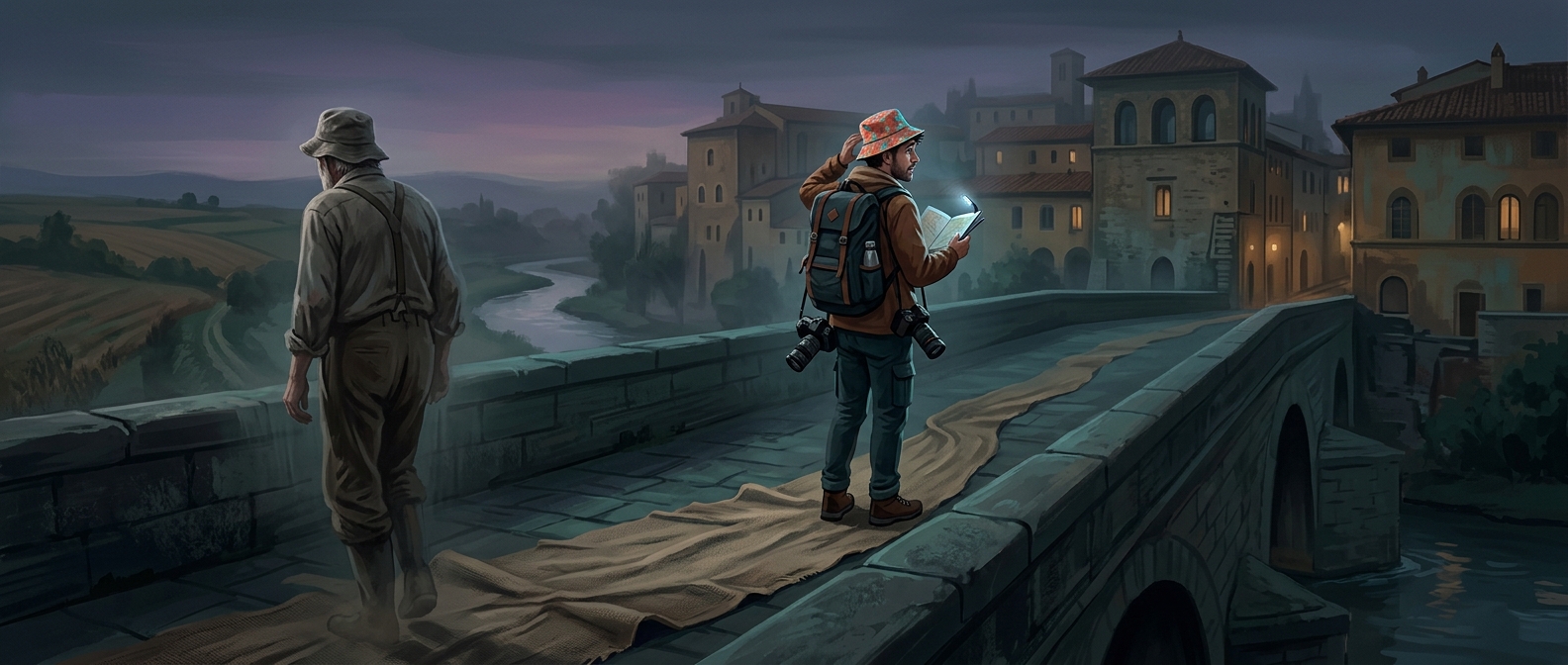
How the bucket hat became a tourist staple
Originally made from unwashed wool for agricultural workers, the bucket hat later became a lightweight cotton sun hat often worn by tourists.
Discover more
The bikini was named after a nuclear test site
Its creator chose Bikini Atoll’s name because he expected the revealing design to make an explosive impact.
Discover more
Why tourists buy souvenirs that don't fit at home
Vacation can temporarily change how people see themselves, making an unusual souvenir feel perfect on the trip even if it clashes with their home decor.
Discover more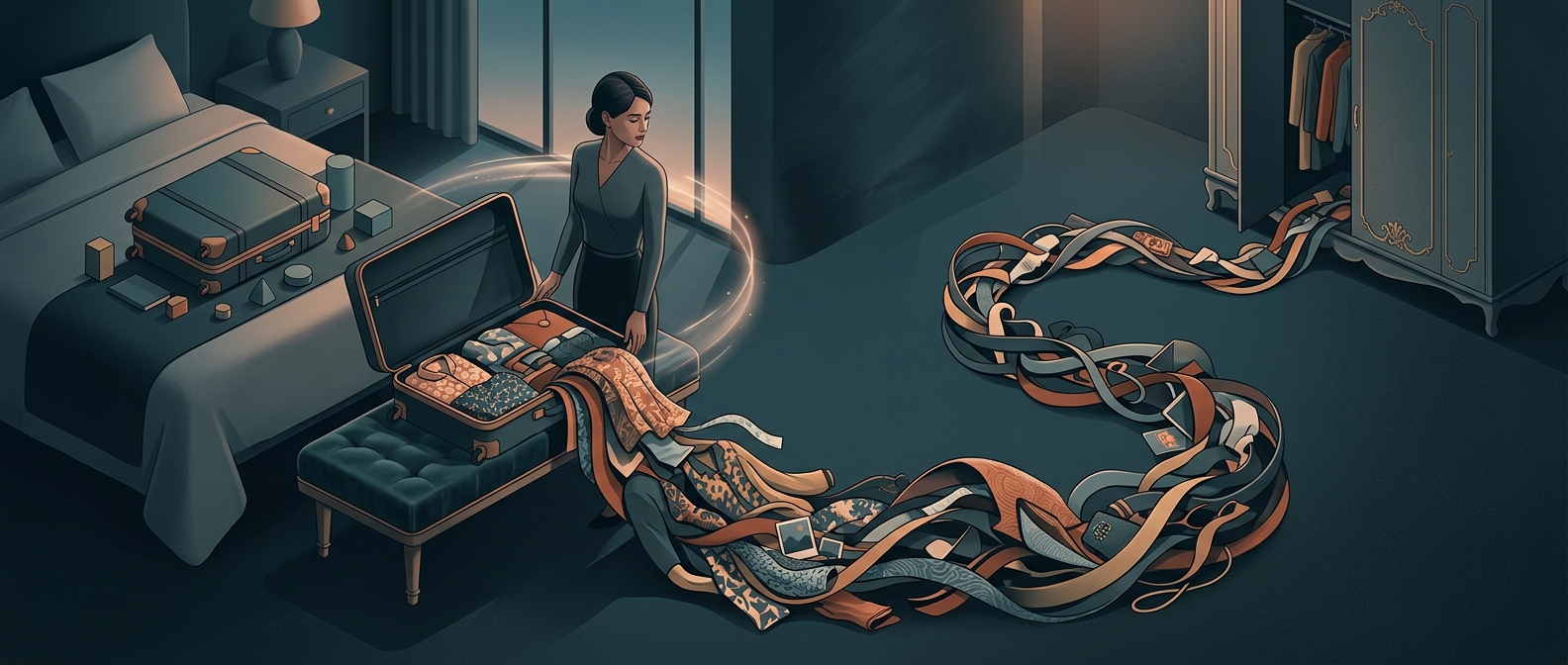
Why your suitcase can stay half-unpacked for weeks
The excitement of packing for a trip can make it feel like an event; putting everything away afterward is just a chore, so the suitcase lingers.
Discover more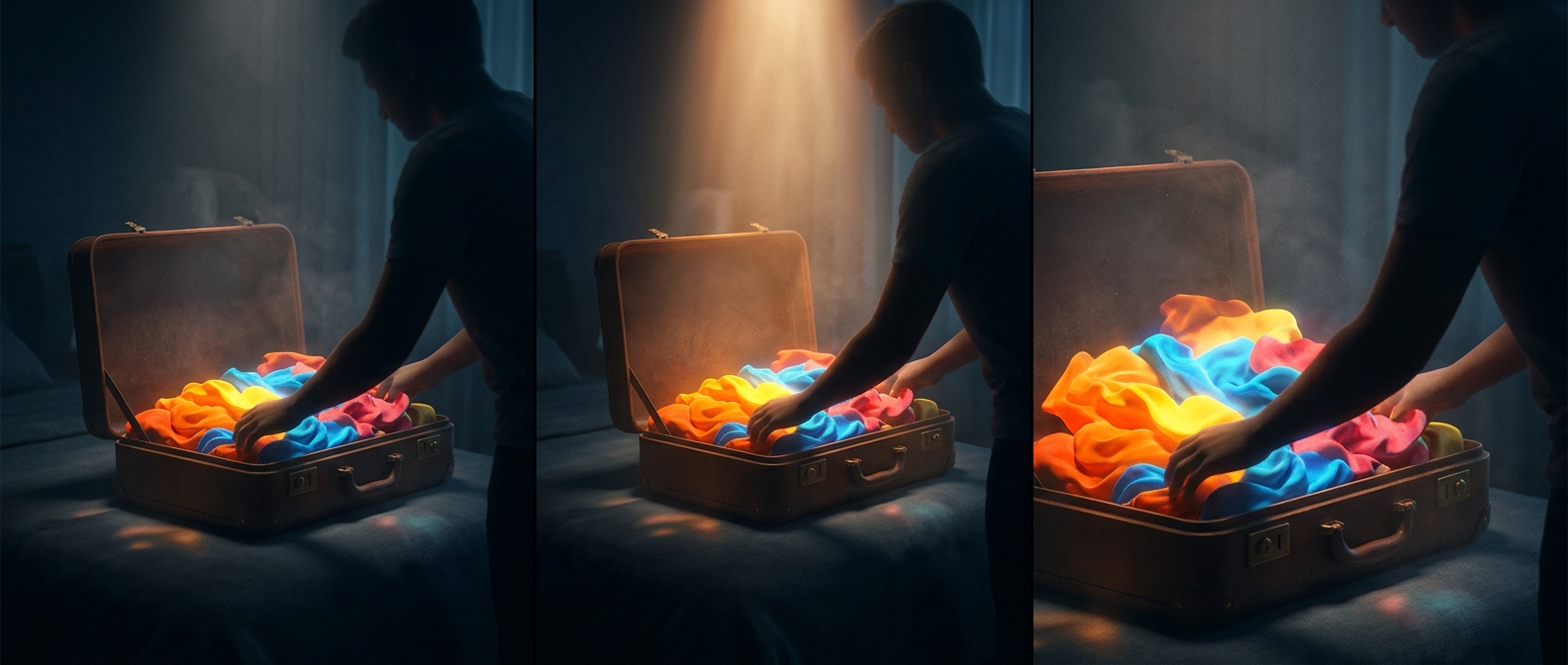
Hawaii helped turn a vacation-looking shirt into office wear
The Hawaiian Fashion Guild promoted aloha shirts for business, and Aloha Friday gained recognition during the 1960s. What looked informal elsewhere became…
Discover more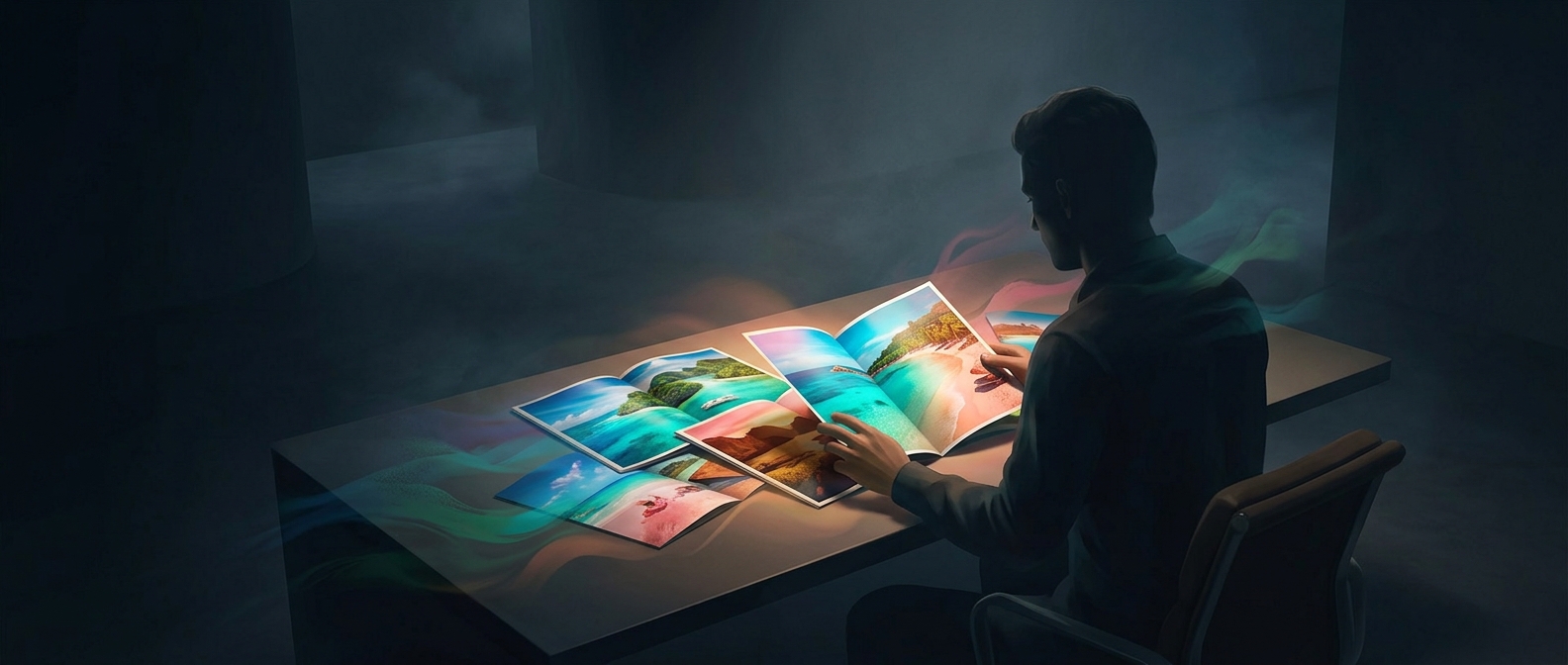
Why travel brochures make you want to book
Brochures often intensify blues and yellows to evoke associations with warmth and happiness, making a destination look more appealing.
Discover more
Word souvenir literally translates to remember
The word originally referred to remembering; today, it usually means a keepsake you bring home from a trip.
Discover more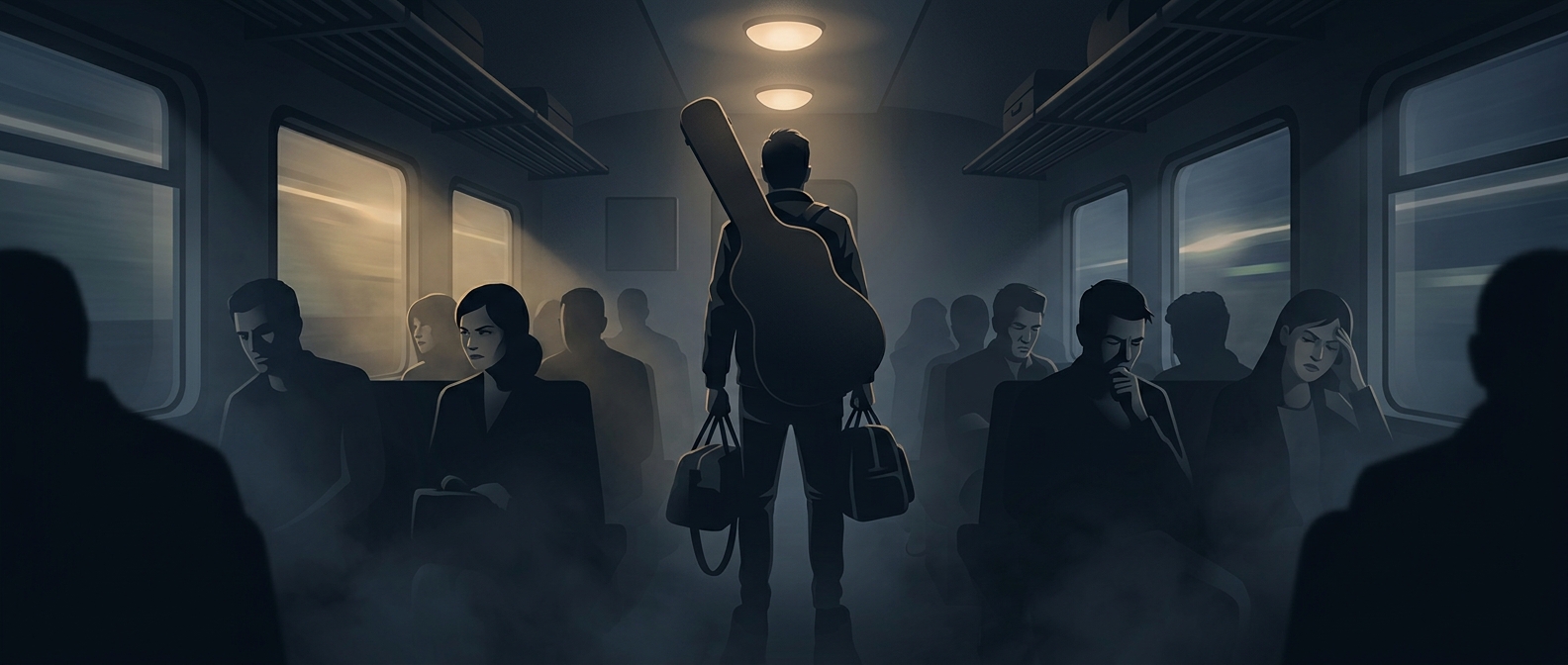
Bringing an acoustic guitar on a trip annoys everyone
The guitarist may imagine a spontaneous singalong; everyone else may just be hoping the guitar stays in its case.
Discover more
Bringing back a gift is a deeply ancient tradition
In some ancient societies, travelers brought gifts home to show they had survived the journey and soothe the envy of those who stayed behind.
Discover more
The perfect travel diary can be harder to keep than a messy one
A detailed account turns every evening into another assignment. A date, one surprising detail, and a few lines demand less effort and can still preserve what…
Discover more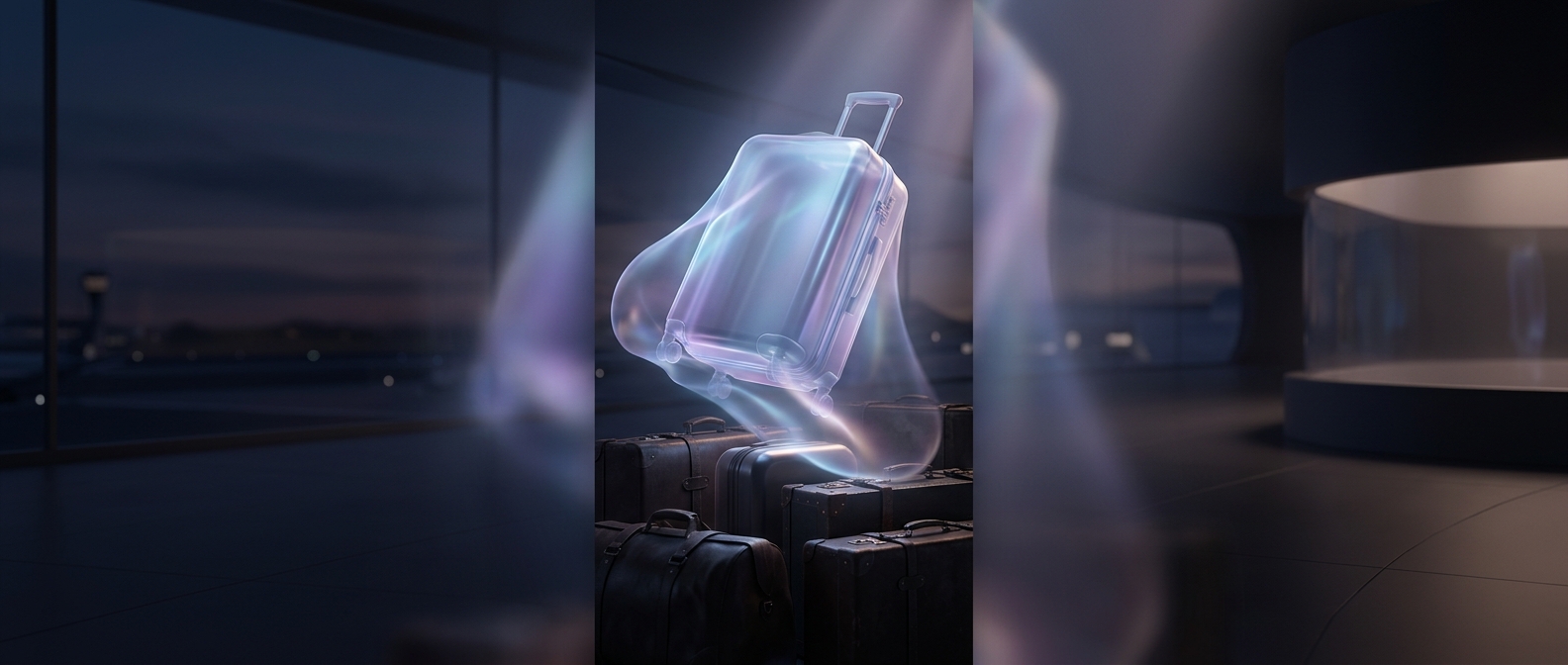
Polycarbonate completely reshaped the luggage industry
Polycarbonate made hard-shell suitcases both light and resistant to impact. That helped them withstand the rough handling bags can face in transit.
Discover more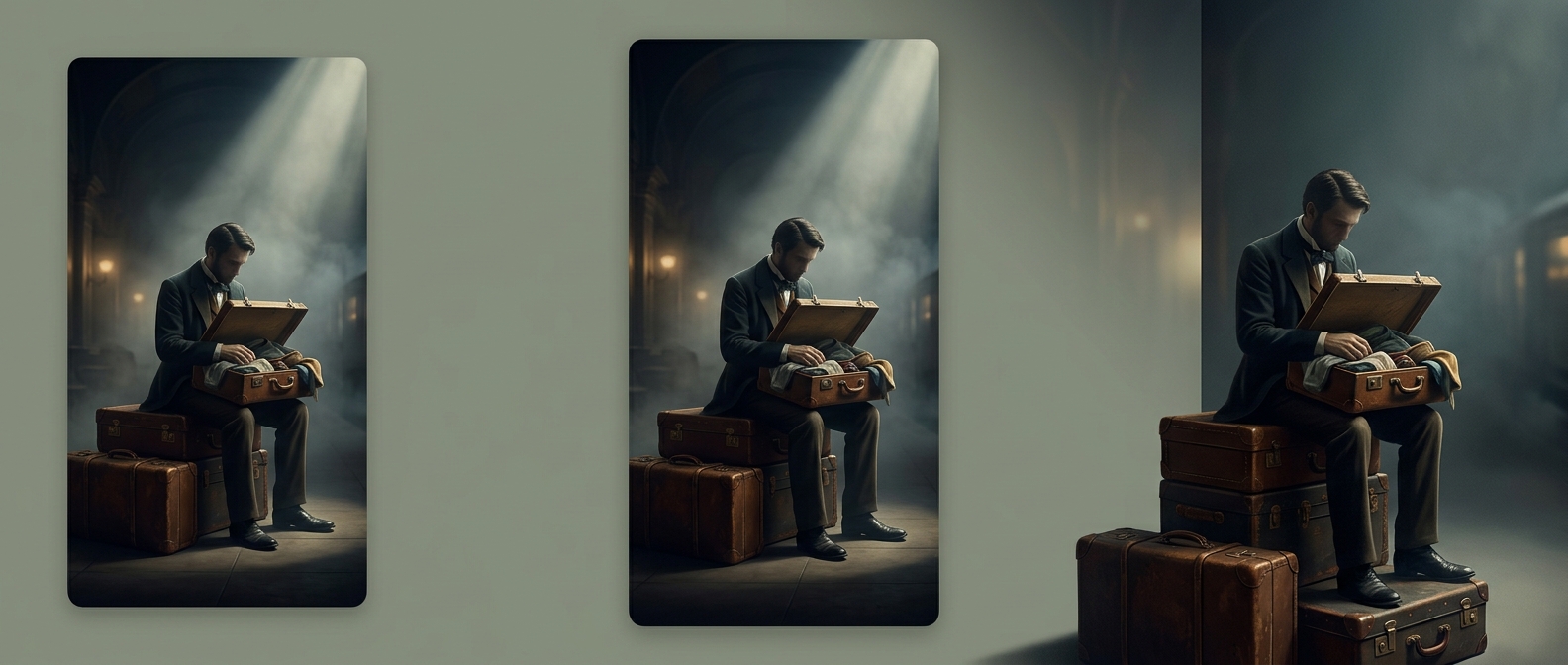
Luggage once came with a built-in dresser
A 1907 catalog offered a Dresser Trunk with side-opening drawers and a mirror inside its lid. Travelers could reach a shirt without digging through everything…
Discover more
A waist pack lets the weight travel without occupying your hands
Fastening a pouch around the waist keeps its contents close to the body rather than swinging from a hand. Small items stay accessible while both arms remain…
Discover more
Wanderlust originally meant a desire to roam aimlessly
The German word referred to the urge to wander outdoors without a particular destination—not to a carefully planned vacation.
Discover more
When sleep masks became a luxury
Eye masks became popular in the 1930s as a luxury item marketed to wealthy travelers seeking darkness and privacy.
Discover more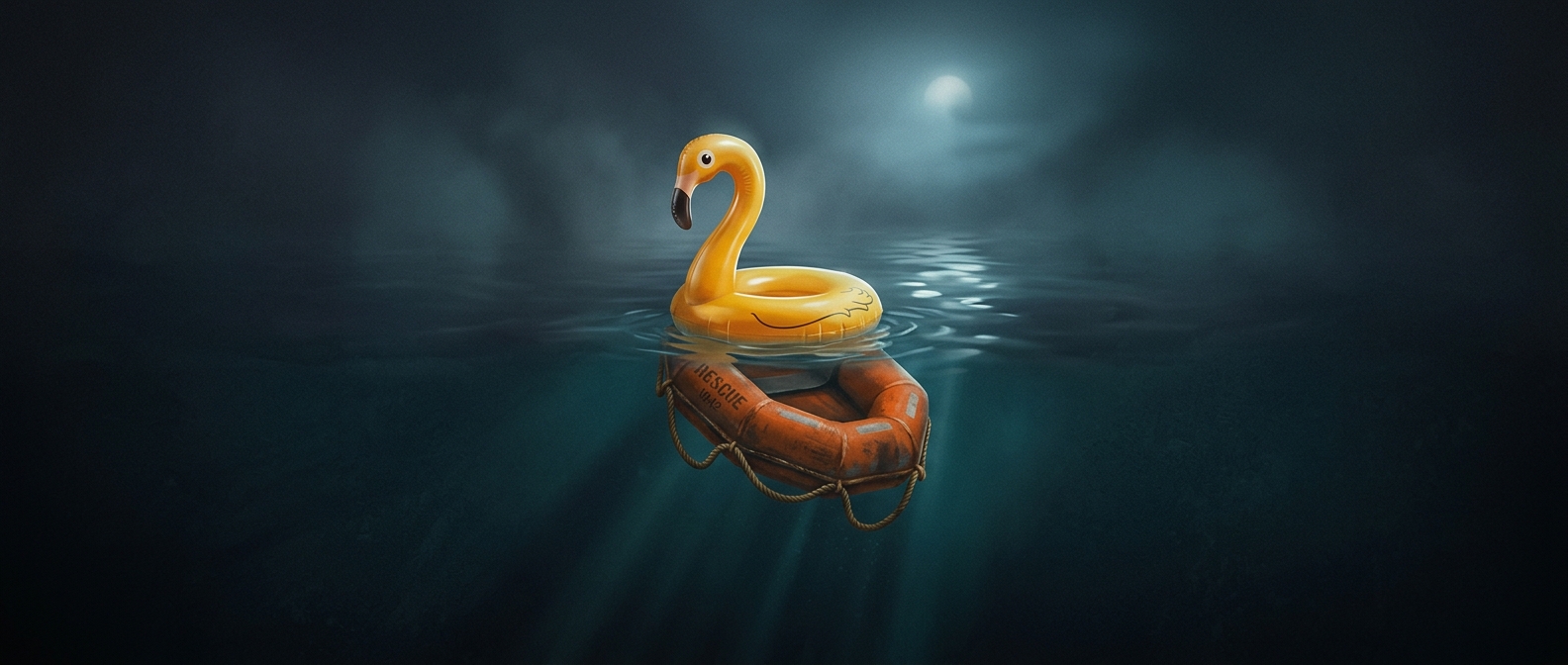
A pool float carries you by displacing water, not by weighing nothing
Inflation adds lots of volume with very little mass. Push that volume into the water and the displaced water provides an upward buoyant force, supporting the…
Discover more