Travel
Discover facts about travel. Small discoveries that change the way you see familiar things.
Travel

Japanese television features bizarre game shows
Some Japanese game shows have contestants bite household objects to identify chocolate or flee reptiles while attached to bungee cords.
Discover more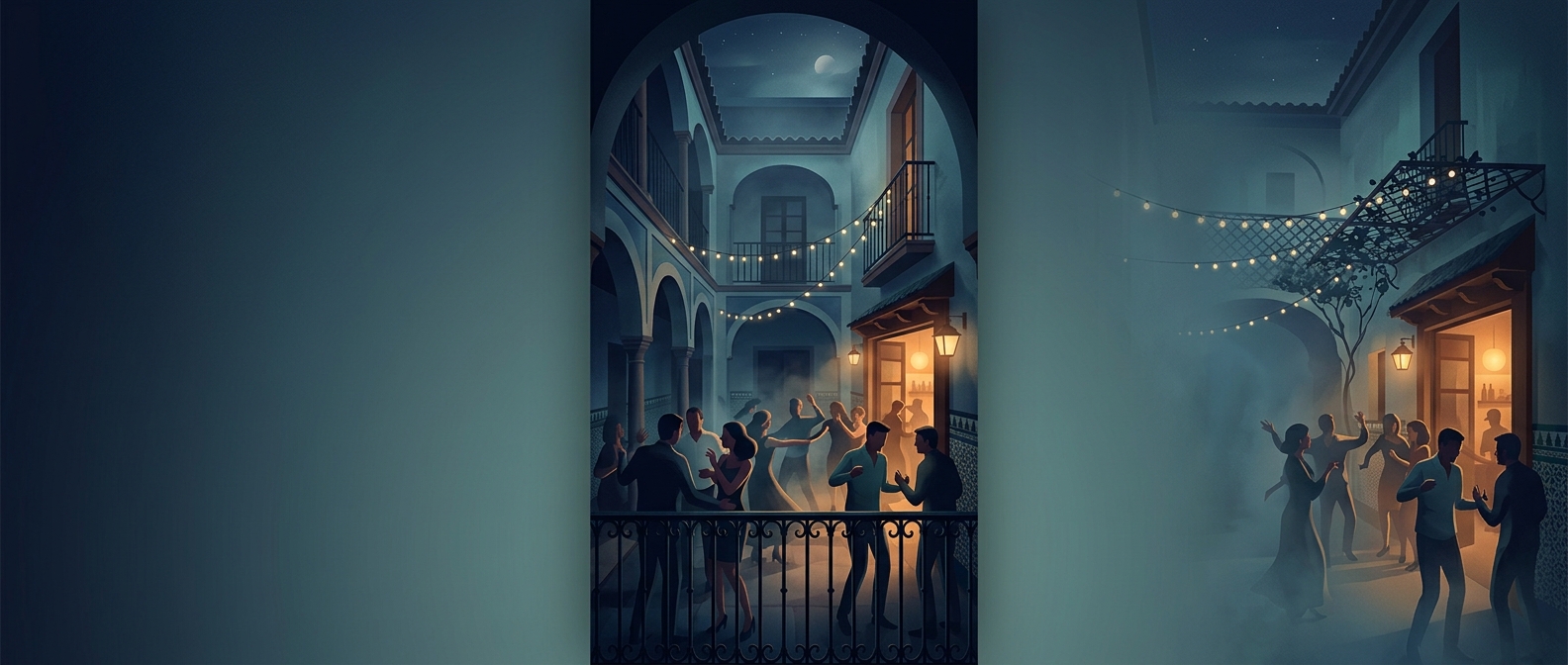
Spain's evening can begin when visitors expect bedtime
Late dinners shift the rhythm of the night: meeting for drinks or going out can happen after an early-dining visitor would normally head home. The surprise is…
Discover more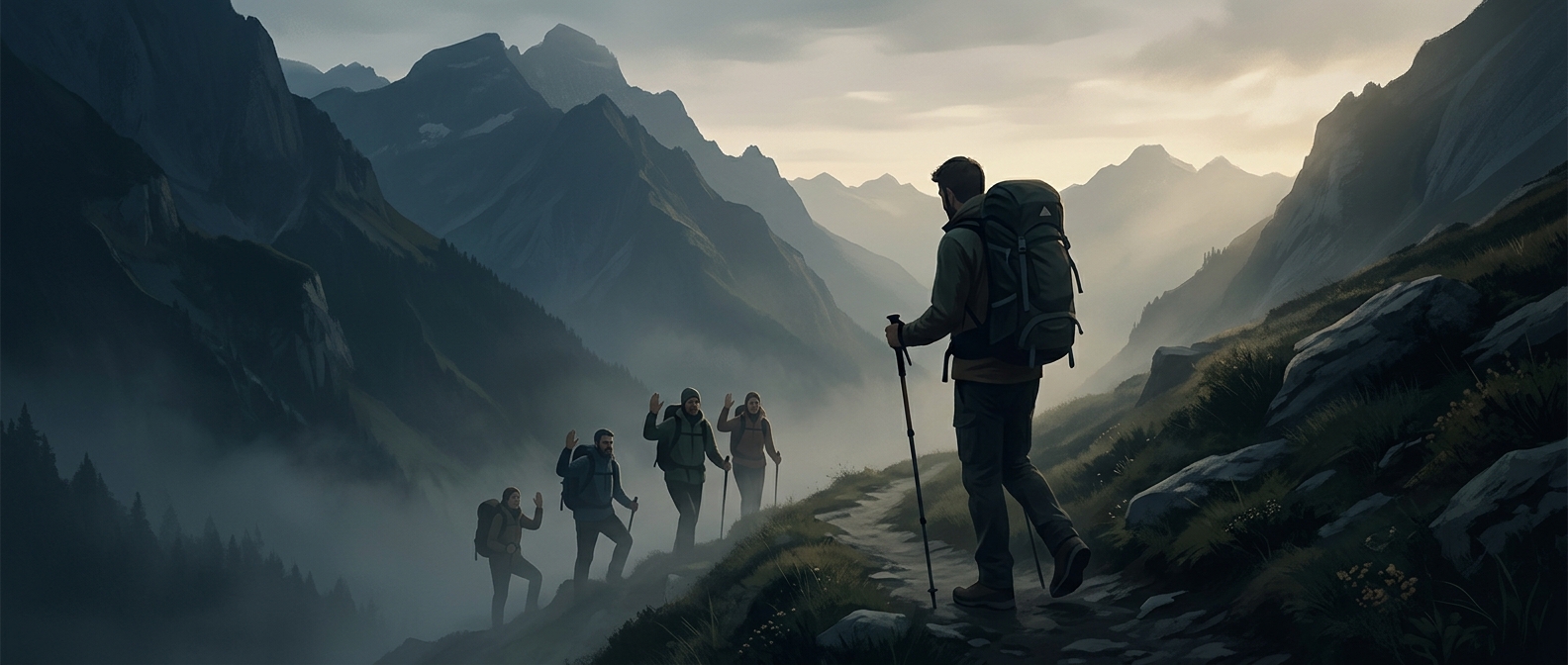
Why Swiss hikers greet everyone on the trail
On busy trails, that means greeting everyone you pass with a cheerful “Grüezi”—and repeating it all the way to the summit.
Discover more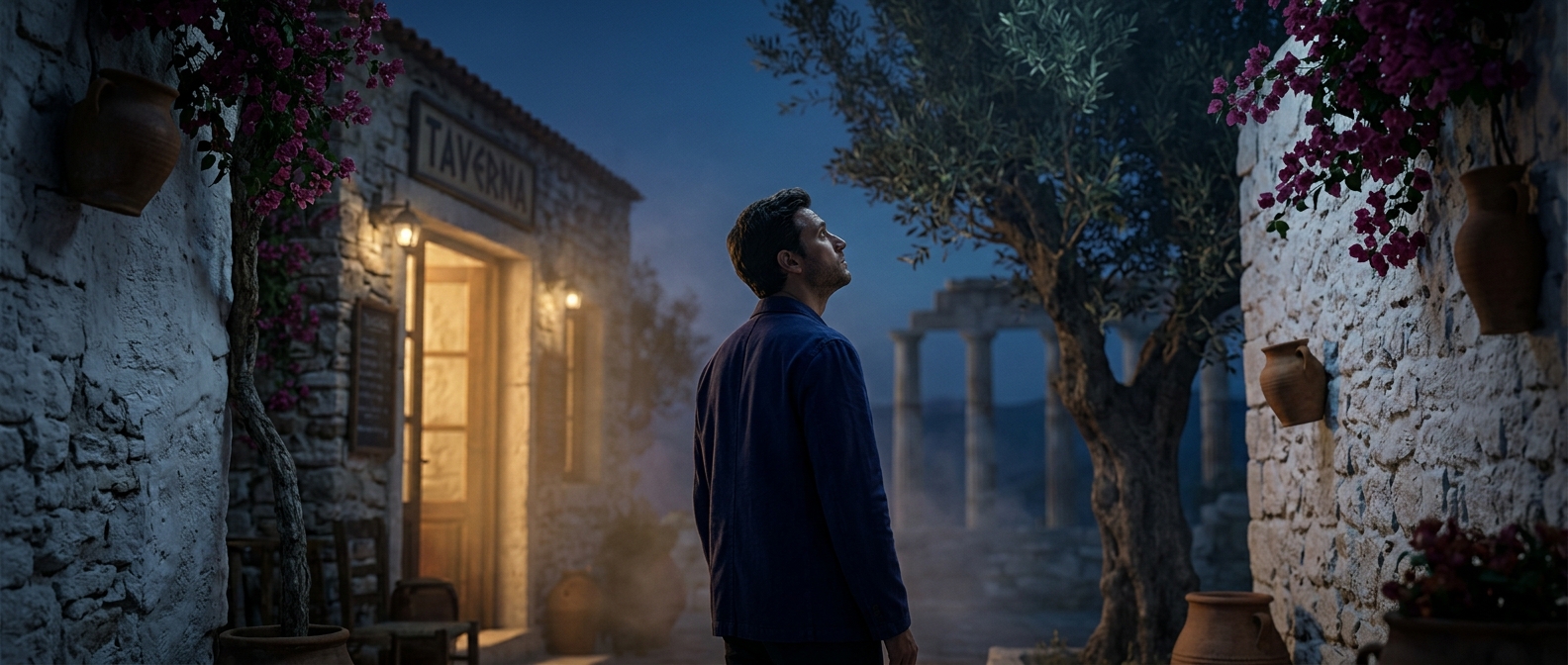
In Greece, an upward nod can mean no
In Greece, a quick upward jerk of the head—sometimes with a clicking sound—can mean no, the opposite of what many visitors expect from a nod.
Discover more
British residents use sarcasm as a defense mechanism
British understatement often uses dry sarcasm to soften bad news: calling a major failure a “minor hiccup” can make a disaster sound almost manageable.
Discover more
Why Scottish summers come with biting clouds
In summer, swarms of tiny biting insects gather in dense clouds across Scotland’s glens. Their itchy bites can turn a scenic walk into a frantic search for…
Discover more STACKY FOR IPHONE
A bigger world.
One discovery
at a time.
Keep discovering with Stacky. Interesting facts in an app that is always within reach.

British queuing functions as a competitive sport
Cutting ahead may not start a fight, but it can earn you a chorus of sighs, tutting, and pointed stares.
Discover more
Why British small talk starts with the weather
The weather offers a low-stakes icebreaker, often through a comment about rain or temperature.
Discover more
China's public squares become neighborhood dance floors
Groups of older women gather for synchronized routines, often with amplified music. The open space becomes an accessible place to exercise and socialize…
Discover more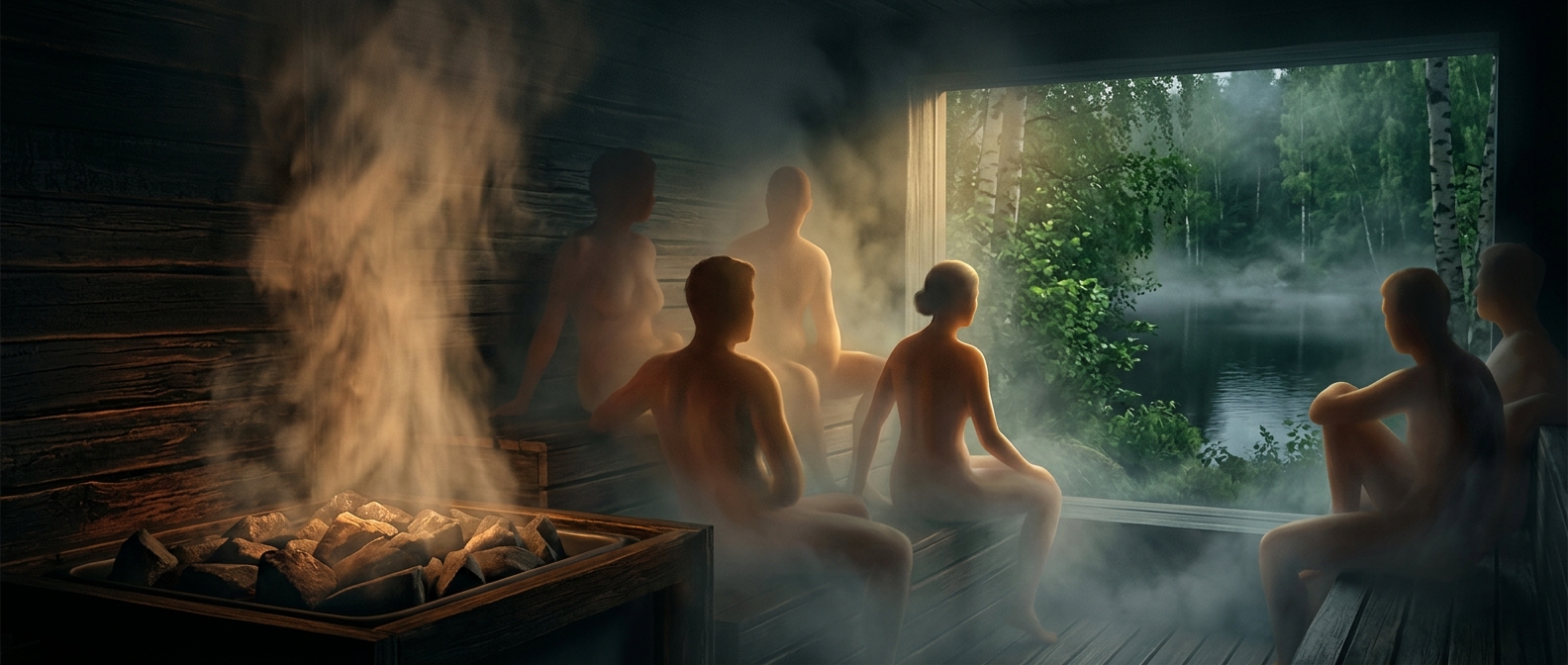
Finnish saunas involve naked socializing
In Finland, nudity is common in the sauna, which can be a relaxed social space shared by friends, family, and sometimes coworkers. Customs vary, though, and…
Discover more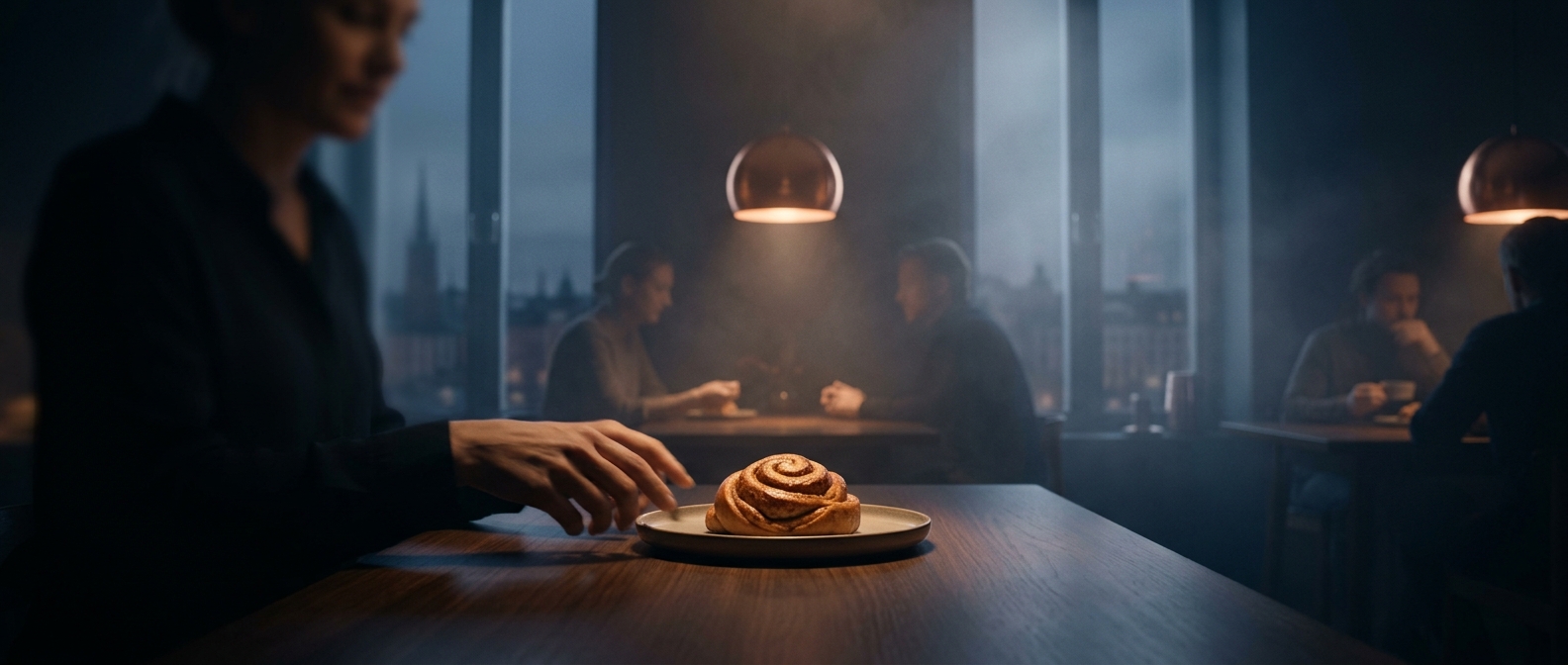
Why Swedes stop for Fika twice a day
Traditionally, people pause for Fika twice a day to share coffee and something sweet, often a cinnamon bun. The ritual is as much about stopping together as…
Discover more
The giant horns Swiss farmers used to call across valleys
Alpine farmers used 12-foot wooden alphorns to send messages across valleys; their deep tones can carry for miles.
Discover more
Why Australians turn words into mozzies and brekkies
Australian English often shortens words and adds an “o” or “y”: mosquito becomes “mozzie,” breakfast becomes “brekkie,” and service station becomes “servo.”
Discover more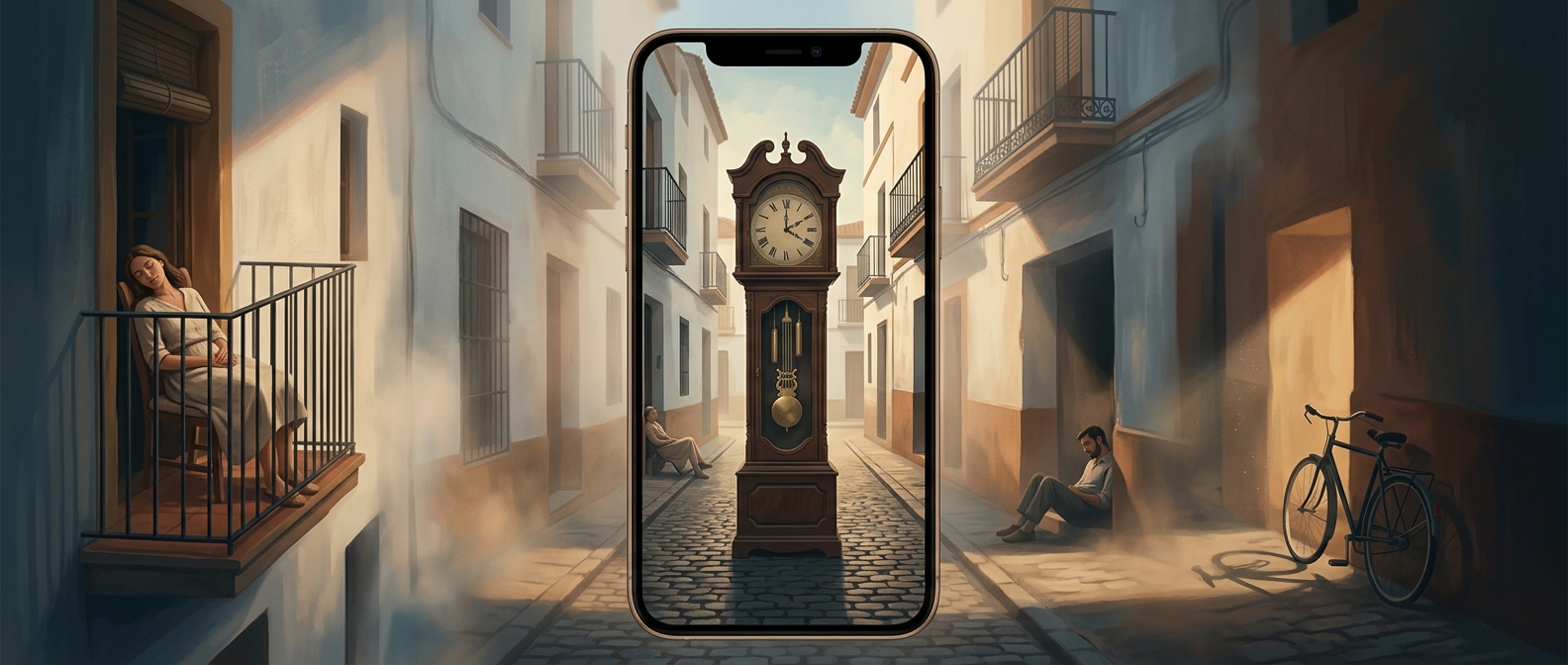
Spanish siestas simply pause society for hours
In some parts of Spain, businesses close for a long midday break so workers can eat and avoid the afternoon heat; it doesn’t mean everyone is asleep.
Discover more
Australian outback flies demand constant swatting
The constant swatting has a name: the “Aussie salute,” a repeated wave across the face to fend off flies around the eyes and mouth.
Discover more
Swiss alpine cows wear exceptionally loud bells
The heavy brass bells help farmers keep track of their herds as the cows wander through alpine meadows.
Discover more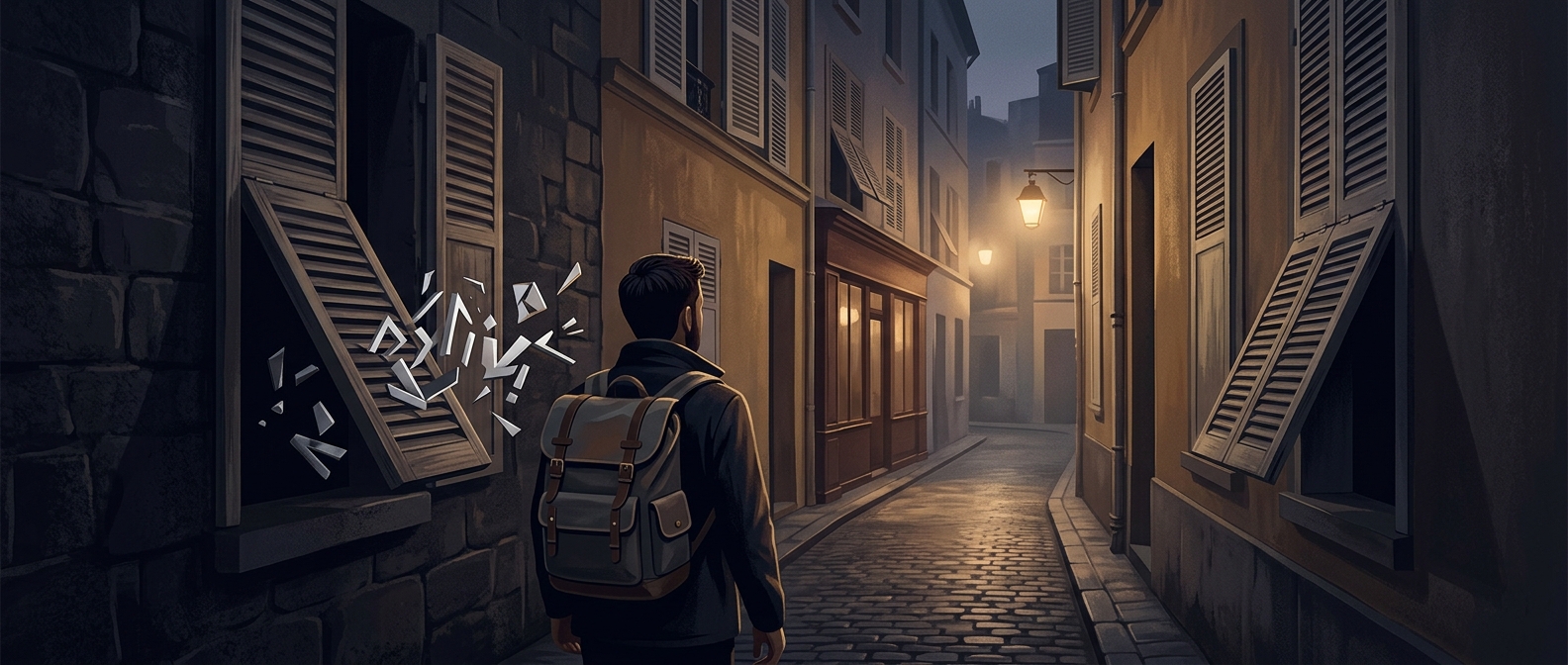
French locals actively refuse your broken English
A greeting in French can help: some people may expect you to try before switching to English, even if they understand your request.
Discover more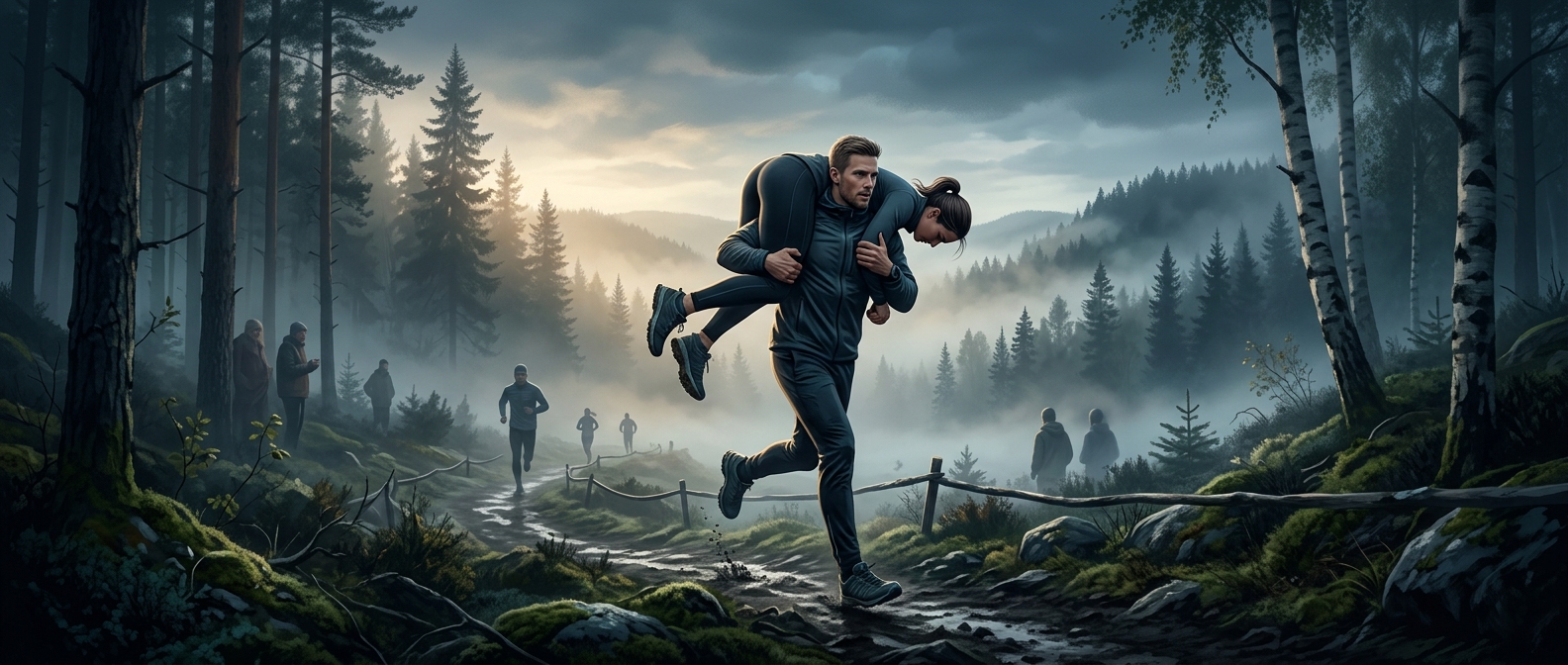
Carry your partner, win their weight in beer
Competitors race through water hazards and sand traps with a partner slung over their shoulders. The winner takes home the carried partner's weight in beer.
Discover more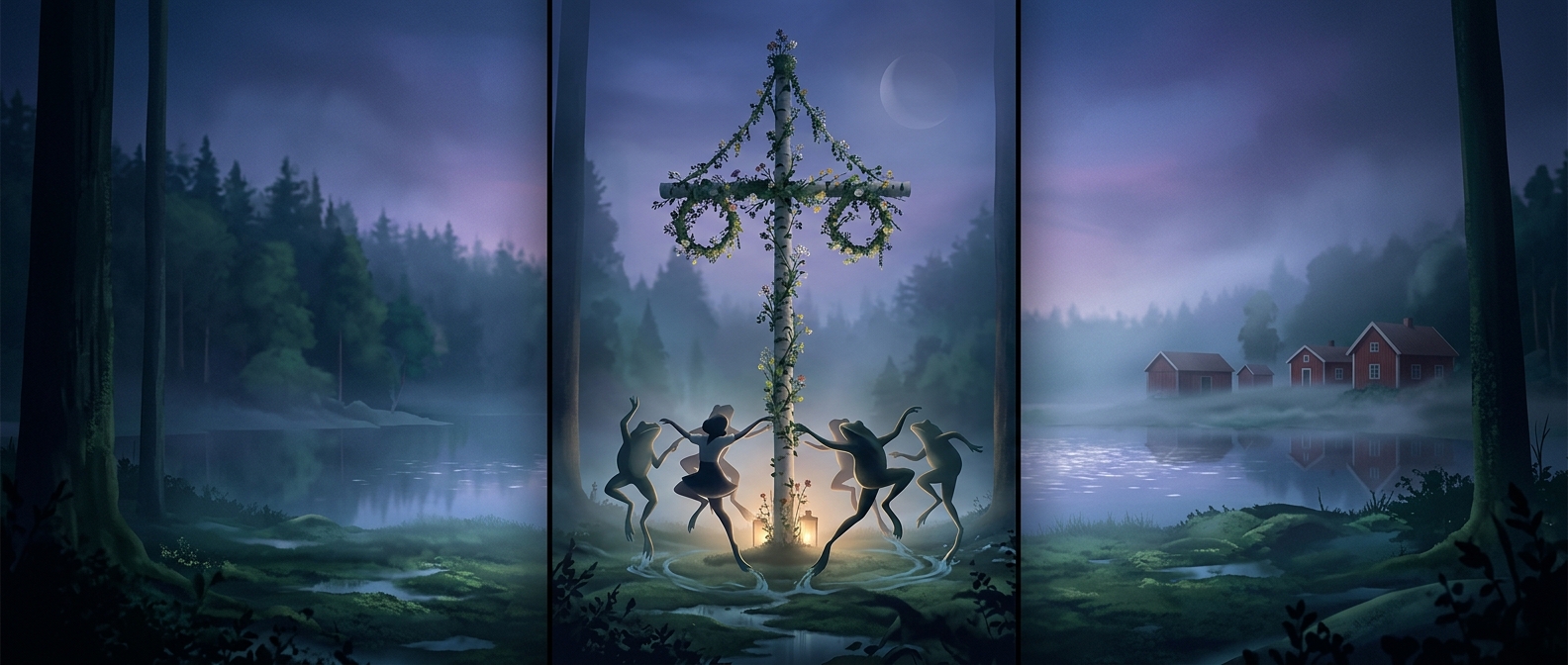
Sweden's midsummer frog dance includes imaginary ears and tails
Små grodorna is a playful song about little frogs, accompanied by gestures and hopping around the midsummer pole. Its lyrics mention the ears and tails frogs…
Discover more
Why Dutch birthday parties form a circle
Guests sit in a ring, and birthday greetings go to everyone in it—not just the person celebrating. Small pieces of cheese are often served, too.
Discover more
Why an Irish goodbye can take forever
Announcing you're leaving can trigger another 45 minutes of conversation at the door, followed by more chatting on the way to your car.
Discover more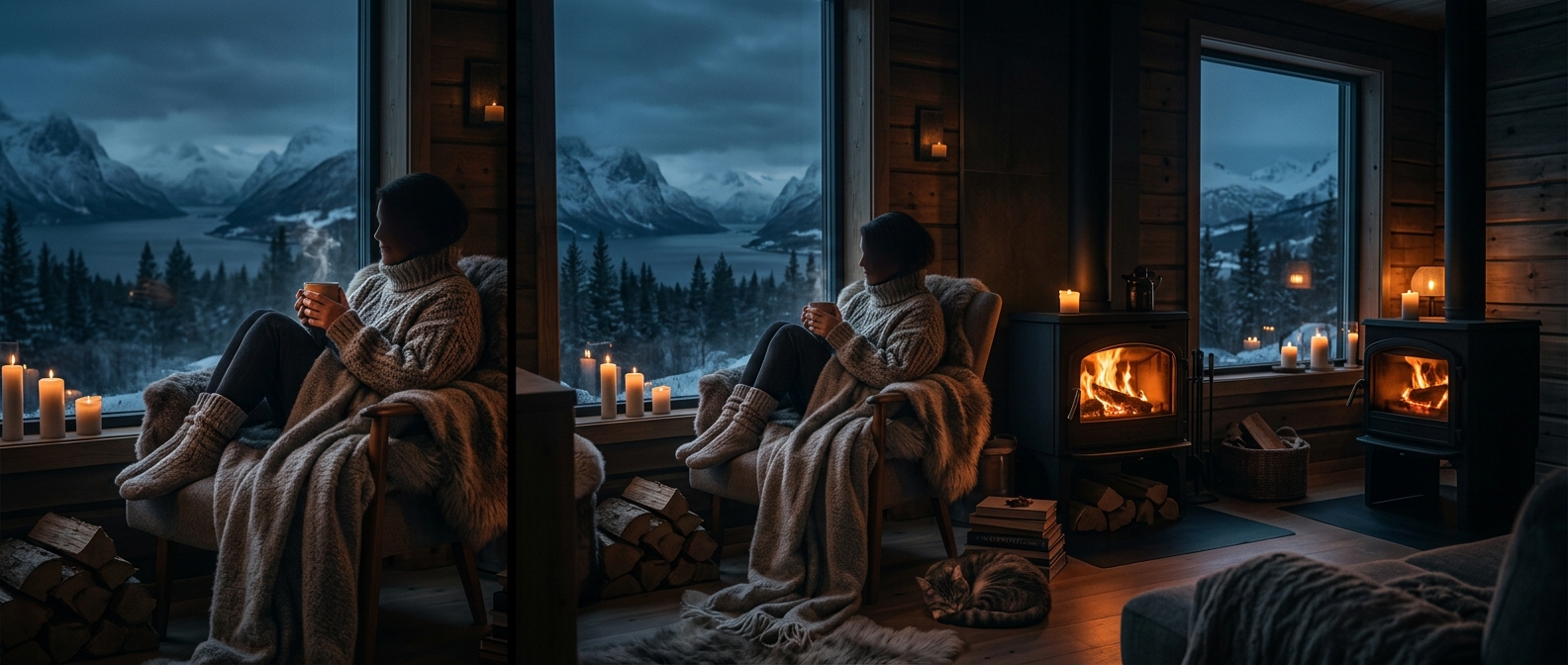
How Norwegians make winter darkness cozy
Koselig is about making indoor life warm and inviting, with candles, wool blankets, and fireplaces offering comfort during the dark winter.
Discover more
Why complaining can be a French bonding ritual
In some French social settings, airing complaints about the weather, politicians, or the local baker can be a way to bond. Constant cheerfulness, by contrast,…
Discover more
In Thailand, a greeting can show exactly how much respect you mean
Thumbs held at chest level signal respect for an equal; raised toward the nose, they show greater deference to elders and monks.
Discover more