The world is more interesting than you think.
Unexpected facts, big ideas, and little discoveries. Find something that sparks your curiosity today.
A little more wonder
One of the earliest labor strikes on record?
The first strike you might picture is a loud 20th-century factory protest—but travel back thousands of years to ancient Egypt and you’ll find women doing it…
Discover moreMost people remember Rome, but few recall the Kush empire.
History textbooks often shine their spotlight on Rome and Greece, leaving other giants in the shadows. The Kush empire, sprawling across Nubia, was anything…
Discover more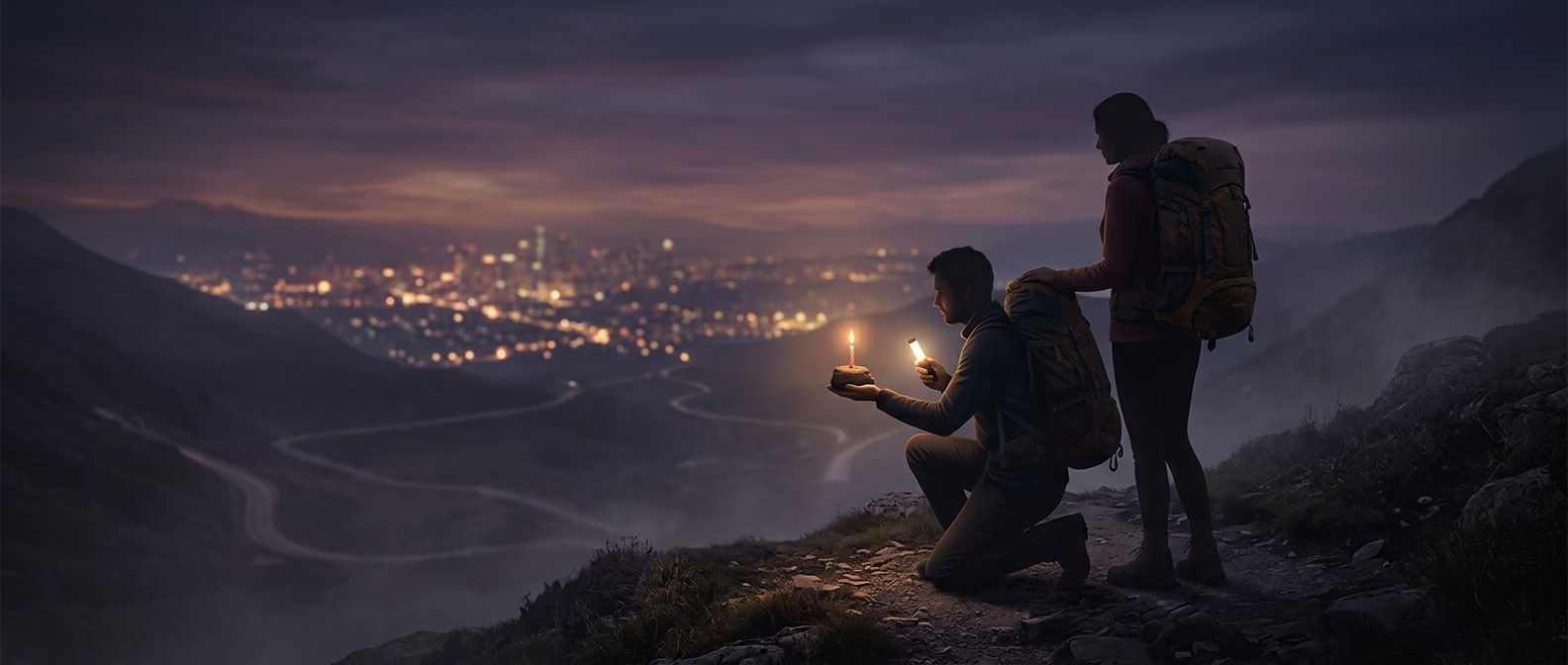
For digital nomads, birthdays can be the hardest part
Imagine trading apartments for backpacks, offices for airports, and routines for endless roadmaps. Romantic? Absolutely. Easy? Not quite. Couples wandering…
Discover more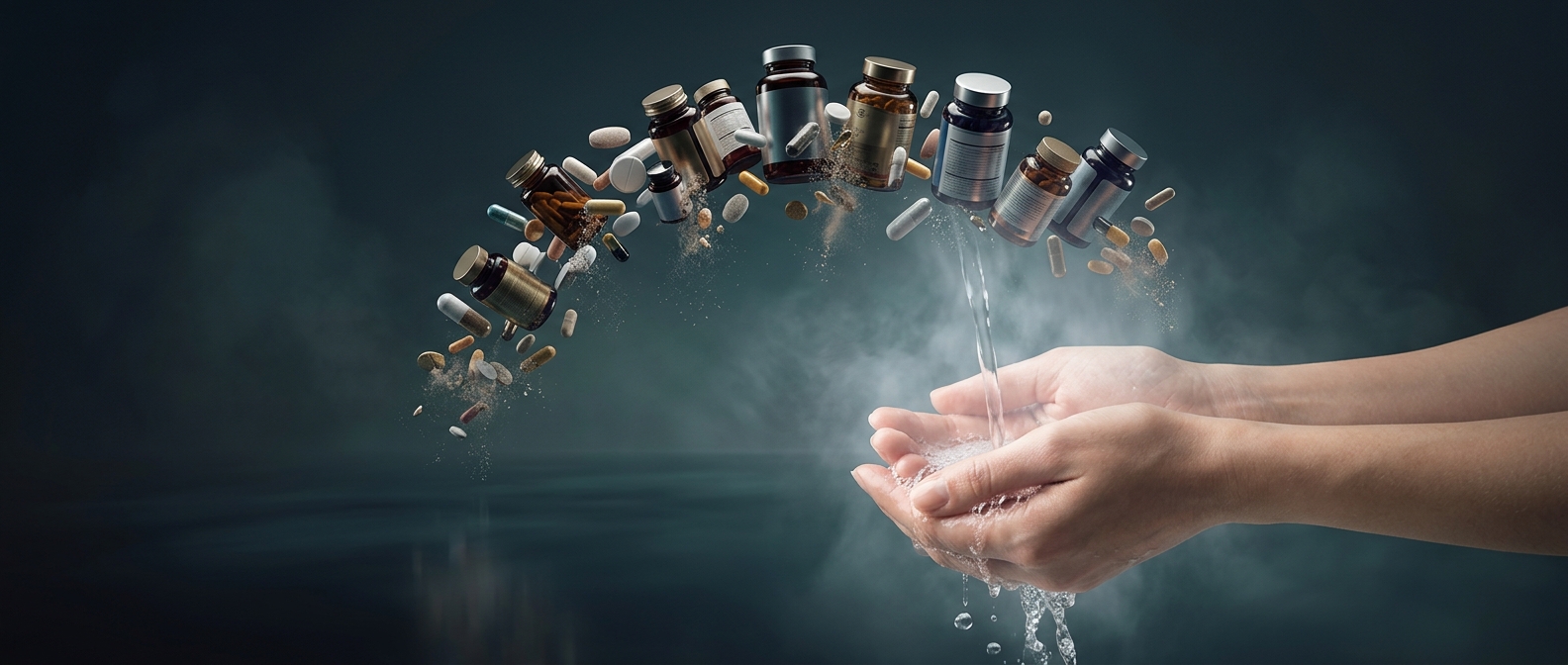
The 20-second habit that prevents millions of illnesses
In the grand battle between germs and humans, one of the simplest weapons still reigns supreme: soap and water. While shelves overflow with shiny supplement…
Discover more
When chemical reactions start keeping time
Most reactions feel simple—mix, fizz, done. But then there are oscillating reactions, the chemical world’s heartbeat. Instead of settling, colors and bubbles…
Discover more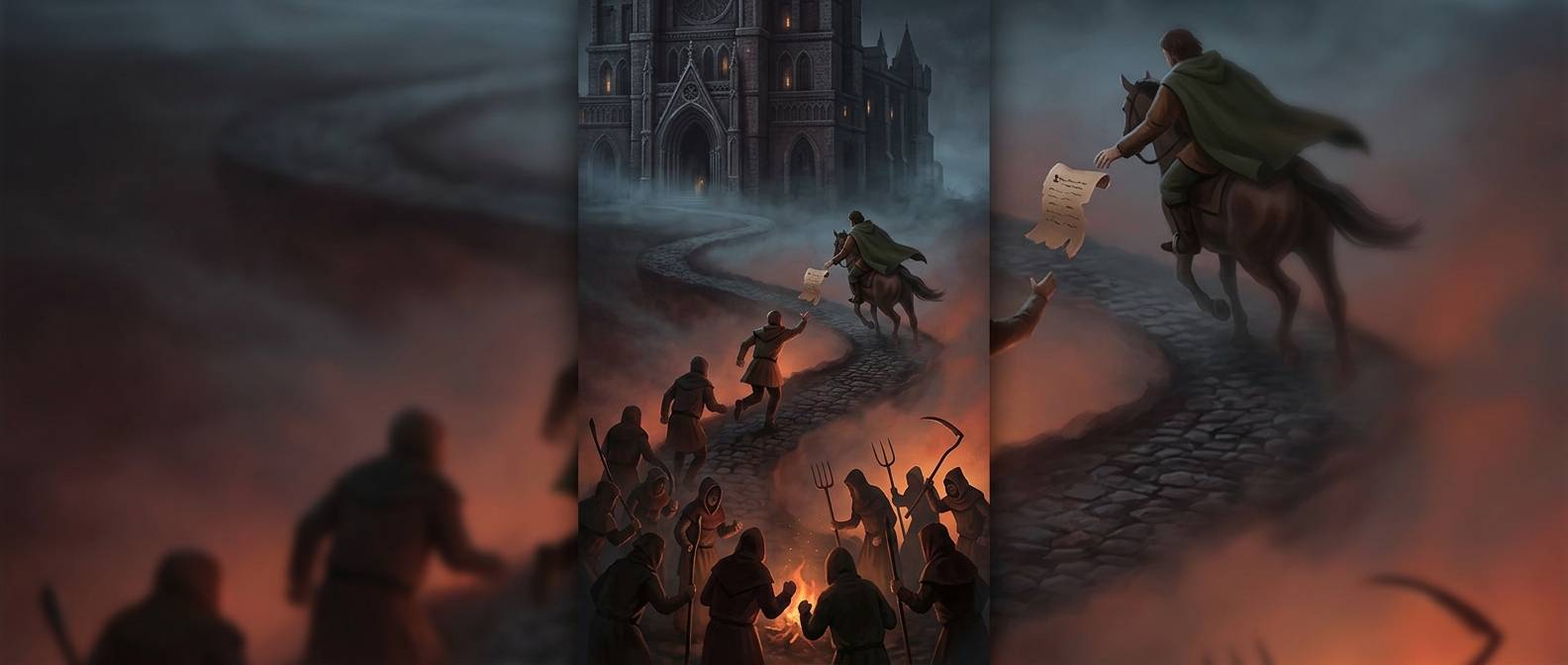
How medieval rebels spread messages before newspapers
Long before Twitter or TikTok, peasants in medieval England found their own rapid-fire network: messengers. When revolt boiled over, rebels hijacked the…
Discover more STACKY FOR IPHONE
A bigger world.
One discovery
at a time.
Keep discovering with Stacky. Interesting facts in an app that is always within reach.

How AI is turning notes into thinking partners
Notes used to be little graveyards for ideas—scribbled, forgotten, and hard to organize. But AI-powered note-taking apps are breathing life into them, acting…
Discover more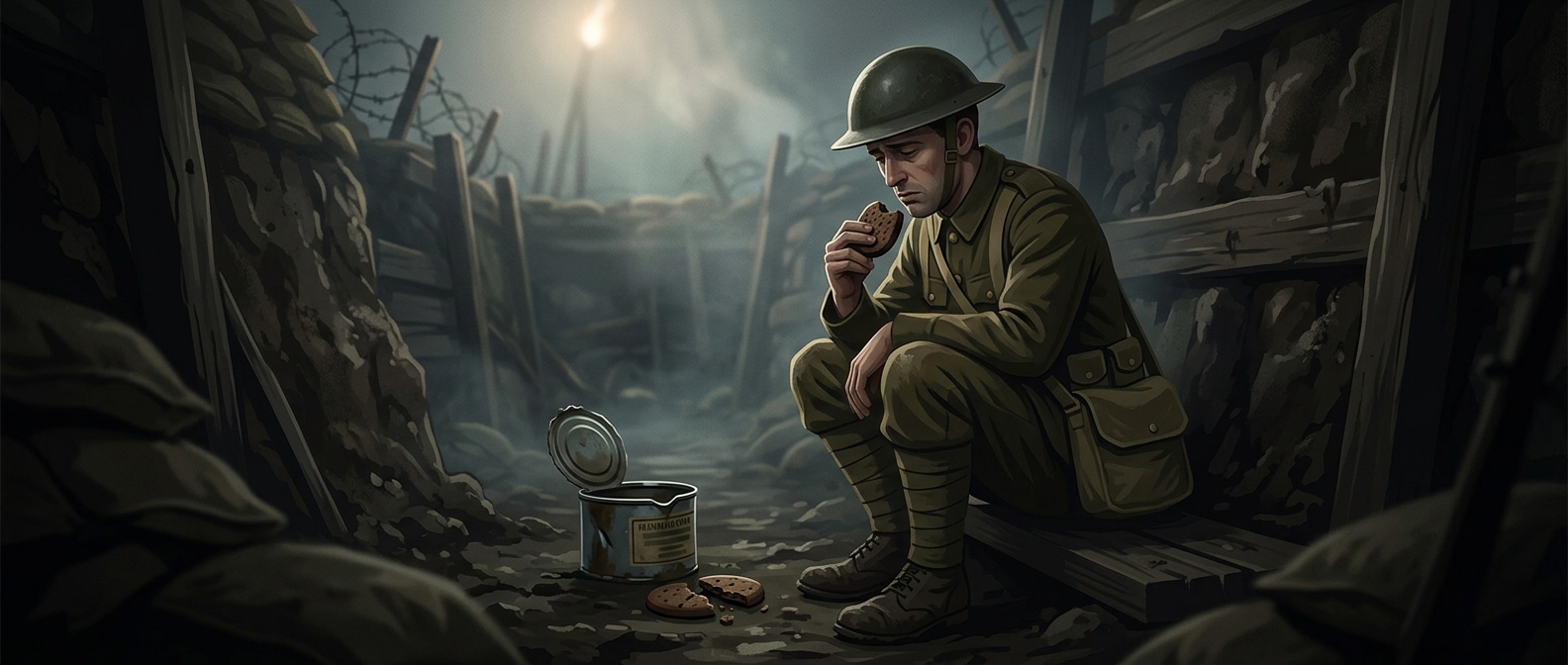
The World War I biscuits hard enough to break teeth
Picture being cold, exhausted, and pulling from your rations a biscuit so solid you could almost use it as a hammer. That was the reality for soldiers during…
Discover more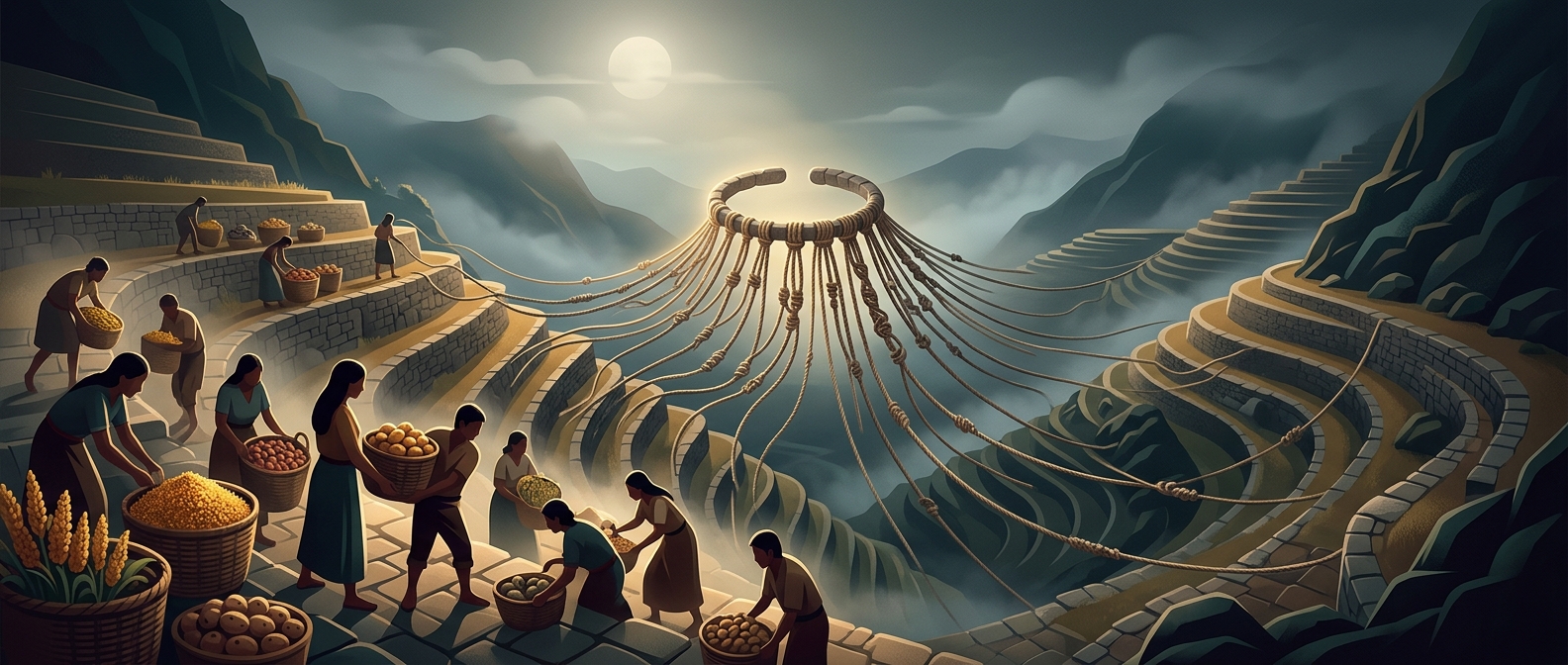
How the Inca ran an empire without money
The mighty Inca Empire ran without coins jingling in pockets or bills exchanging hands. Instead, their currency was people themselves: labor, goods, and…
Discover moreChina’s Terracotta Army wasn’t just statues—it was an entire clay army, hand-painted, equipped with real weapons ready to stand for eternity.
In a dusty tomb near Xi’an lies an army that hasn’t marched a step in two thousand years—yet still stands guard. The Terracotta Warriors weren’t quick…
Discover moreIn 17th-century Europe, women often ran taverns, laundries, and farms while men fought wars.
Imagine Europe in the 1600s. The men were gone, marching with muskets, while women kept towns alive. They ran alehouses that kept spirits high, scrubbed…
Discover more
Why leeches are still used in modern medicine
Picture a slimy creature sliding onto your skin and—surprise!—acting as a tiny living syringe. For centuries, people thought leeches were grotesque tools of…
Discover more
Why self-compassion beats forced positivity
Positive self-talk often sounds like a cheerleader shouting from the sidelines. But when your mind spirals, forced encouragement can feel fake, even grating.…
Discover more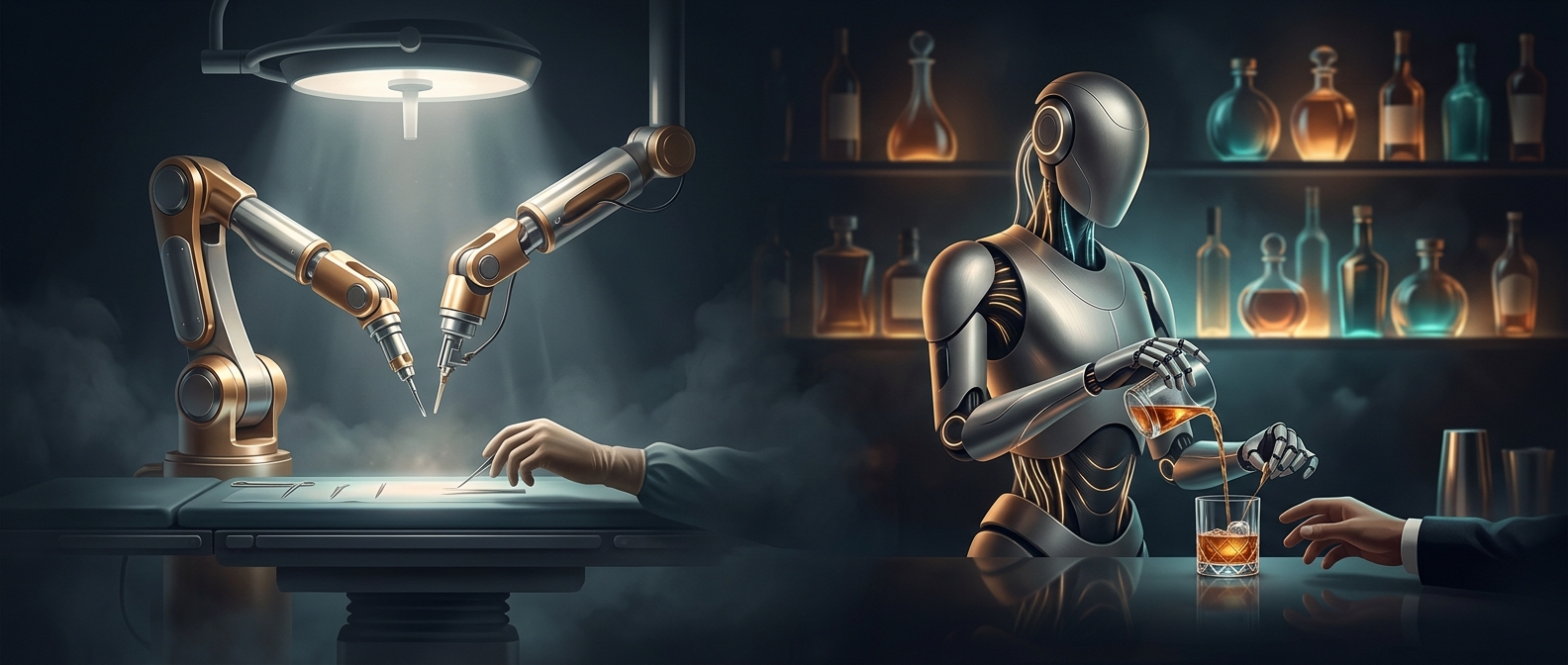
The robots already working in hospitals and hotel bars
Robots haven’t just marched into factories, they’ve slipped into far more unexpected jobs. In a hospital, robotic arms hold surgical tools steady, so precise…
Discover more
Longest train bridges span dozens of miles over water, carrying thousands across without stopping
A bridge is usually a hop across a river—but some train bridges stretch so astonishingly long they feel like iron highways floating on water. Spanning dozens…
Discover more
How one line of code can make a post go viral
Think of your post as a paper boat drifting into a raging ocean. One tiny gust—a flick from hidden algorithm rules—can sink it or send it flying into viral…
Discover more
How pocket translators are changing travel
Once upon a trip, travelers stumbled through phrases, clutching heavy guidebooks, hoping a nearby stranger would understand their cracked pronunciation.…
Discover more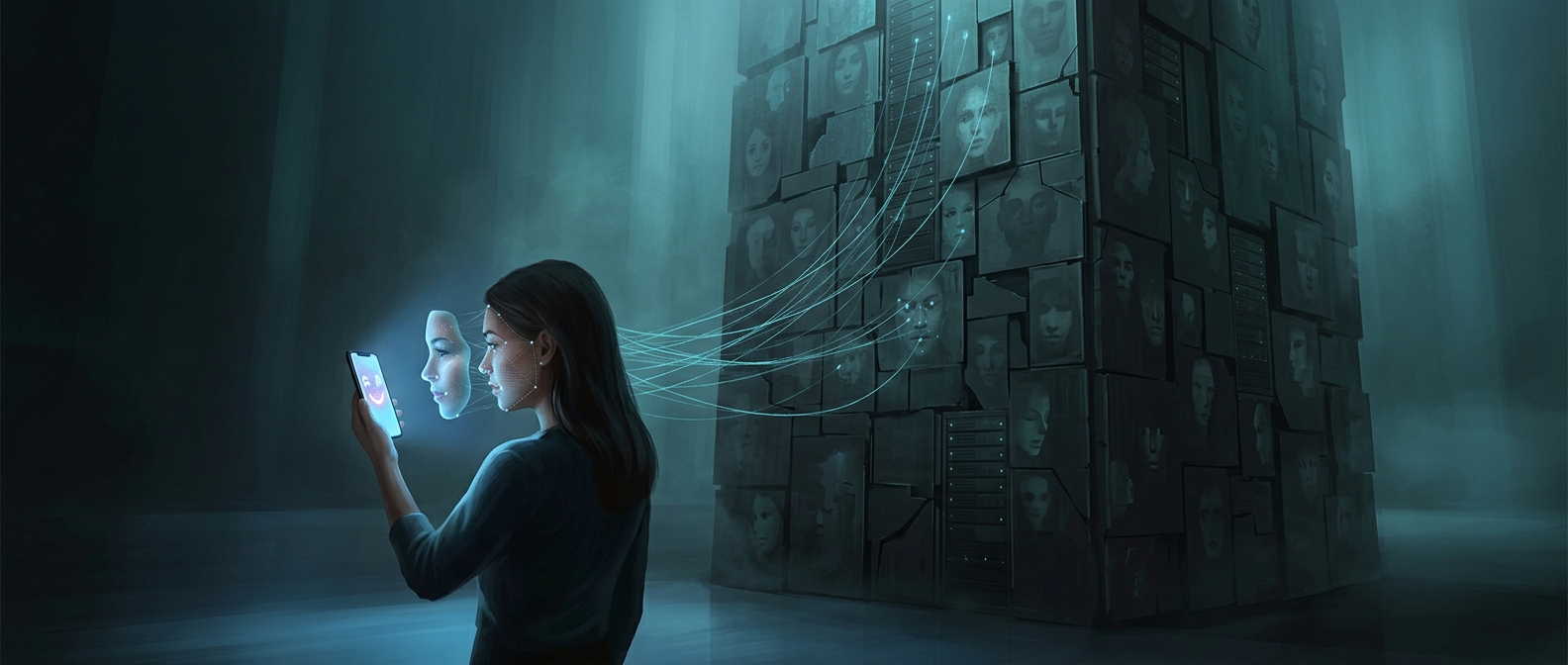
That free face filter may be selling your face map
Slap a filter on your face, and you get sparkle eyes or cat ears—but the app gets something far more valuable: a blueprint of your identity. Your face isn’t…
Discover moreIn 1857, Indian soldiers mutinied after rumors spread that cartridges were greased with cow and pig fat, offending both Hindus and Muslims.
The grand uprising of 1857 didn’t begin with an army marching to drums, but with whispers. A rumor spread — cartridges dipped in cow and pig fat, a quiet…
Discover more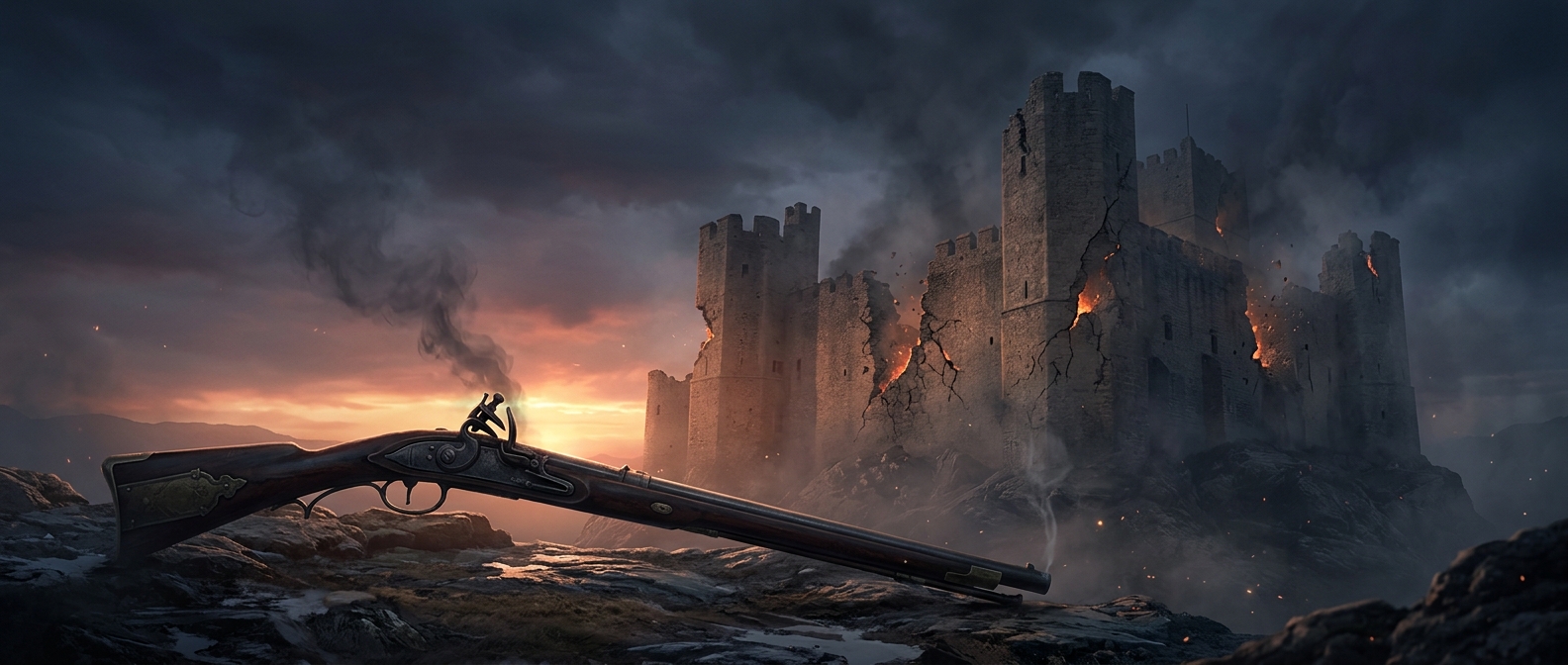
The weapon that made castles vulnerable
Castles once stood as unbeatable fortresses, their thick walls mocking attackers. But then came the matchlock musket — a weapon that turned battlefields…
Discover more
Why airport benches have those uncomfortable armrests
If you’ve ever longed to stretch out on an airport bench only to be thwarted by stubborn armrests, know this: it’s no accident. Designers install these…
Discover moreWay you apologize says more about culture than emotion.
Apologies are less about the words and more about the dictionary culture writes under them. In Japan, a warm 'sorry' is about swimming in someone else’s…
Discover more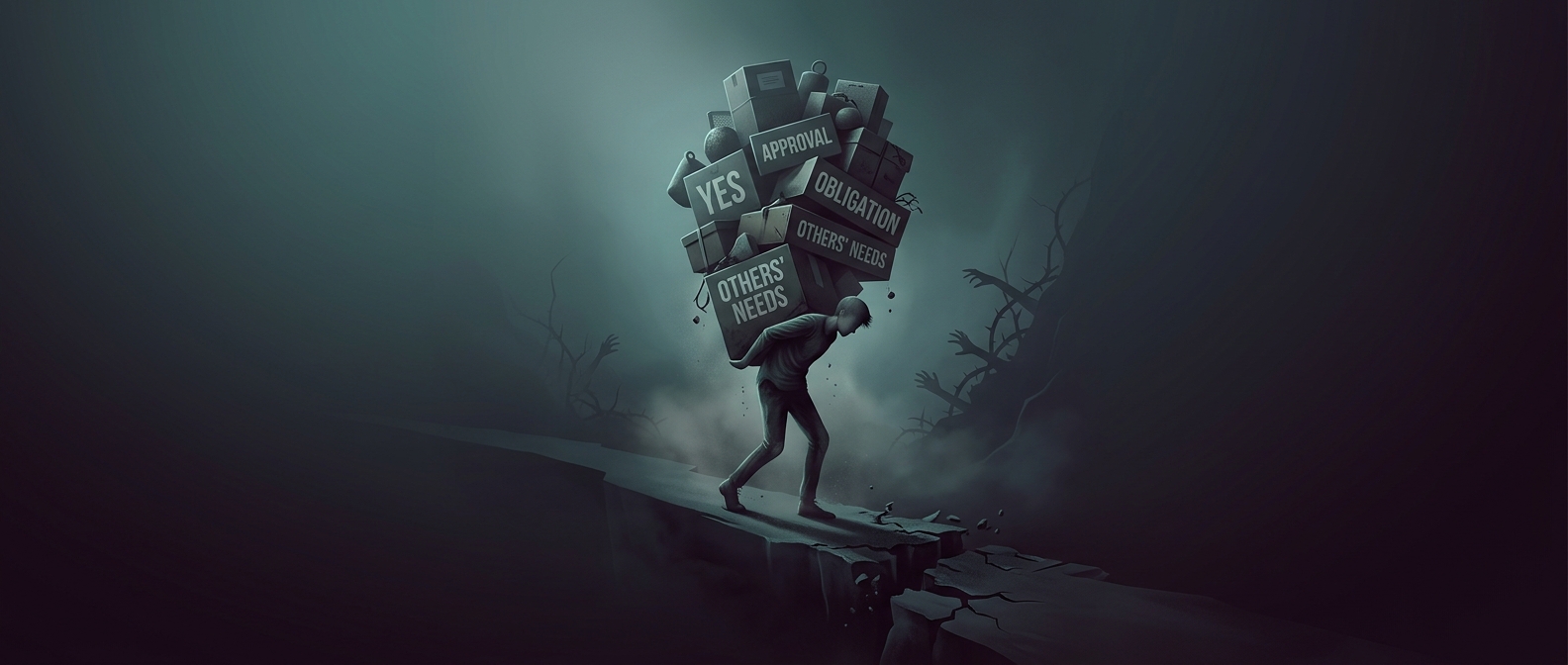
Why always saying yes leads to exhaustion
Saying “yes” feels noble, like extending a helping hand every time someone asks. But stack too many yeses together and suddenly your arms ache under invisible…
Discover more
How moving your phone can beat procrastination
Imagine distraction as a sneaky cat that pounces the moment you leave the door ajar. By shifting tiny details around you—placing your phone across the room,…
Discover more