The world is more interesting than you think.
Unexpected facts, big ideas, and little discoveries. Find something that sparks your curiosity today.
A little more wonder
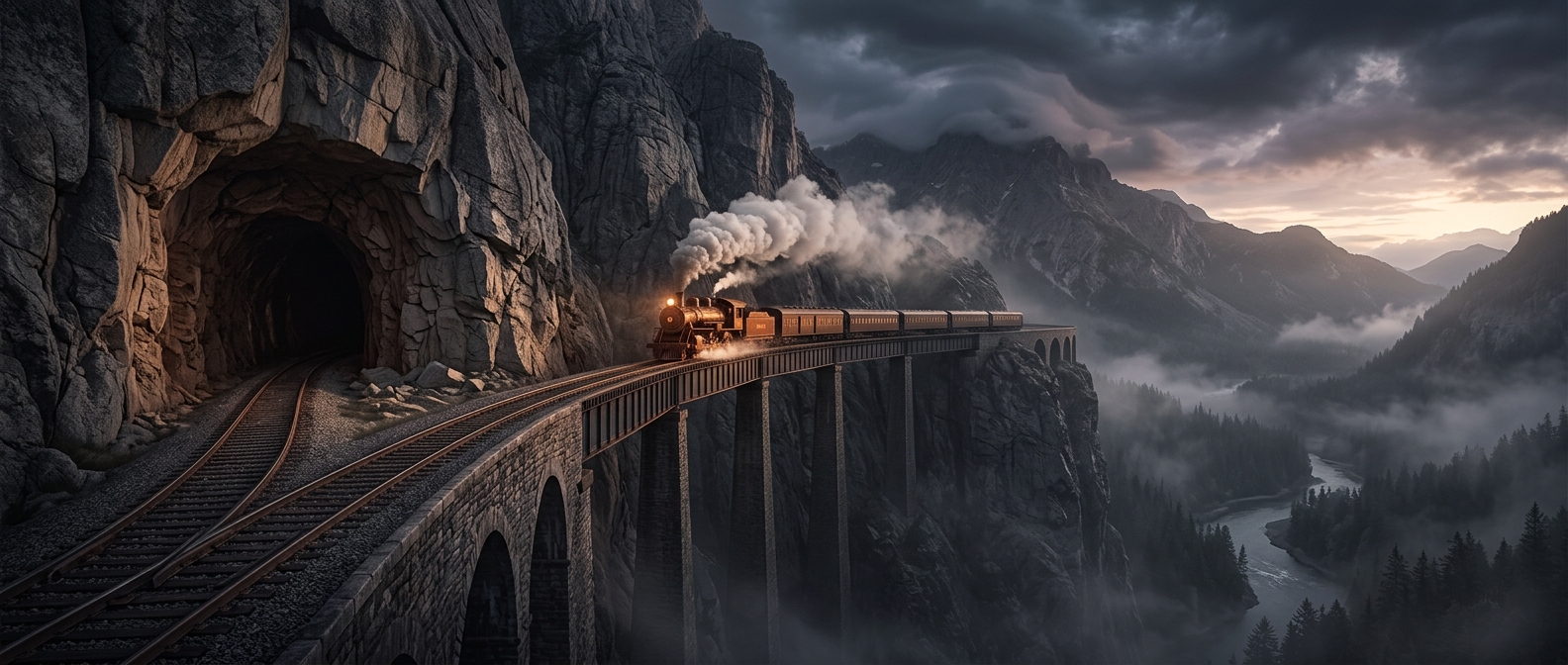
The tunnels and bridges built to save train passengers minutes
Trains lose time winding around hills and descending into valleys, so engineers bore through one and span the other. The structures cost years to build so…
Discover moreAge of Exploration wasn’t all daring captains; sailors often ate hardtack crawling with maggots.
Behind every legendary voyage of discovery was a sailor chewing on rock-hard biscuits that would make modern teeth cringe. Called hardtack, these “meals”…
Discover moreTitanic’s fame isn’t just from tragedy; it symbolized humanity’s hubris that technology had conquered nature.
The Titanic wasn’t just a ship—it was a floating castle built on confidence, the iron heartbeat of an era certain it had conquered nature. So secure was this…
Discover moreRomans didn’t just drink wine, they watered it down because straight alcohol was considered barbaric.
For the Romans, wine wasn’t the rowdy swig of drama—it was a refined canvas for mixing, shared at feasts to show civility. The surprising twist? Straight,…
Discover more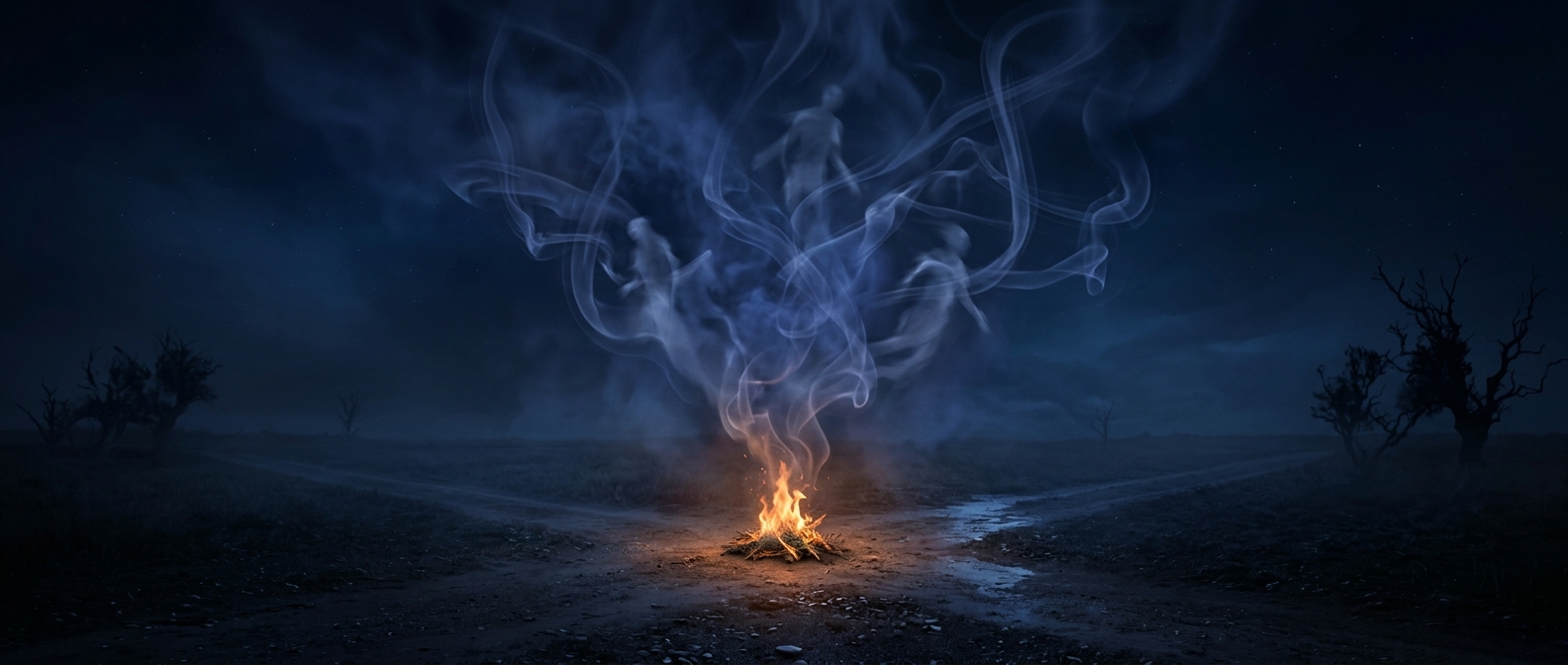
Burning herbs at crossroads was said to confuse spirits searching for lost travelers in the dark
Folklore held that wandering spirits followed travelers; burning herbs at a crossroads was thought to confuse them, with smoke and intersecting paths…
Discover more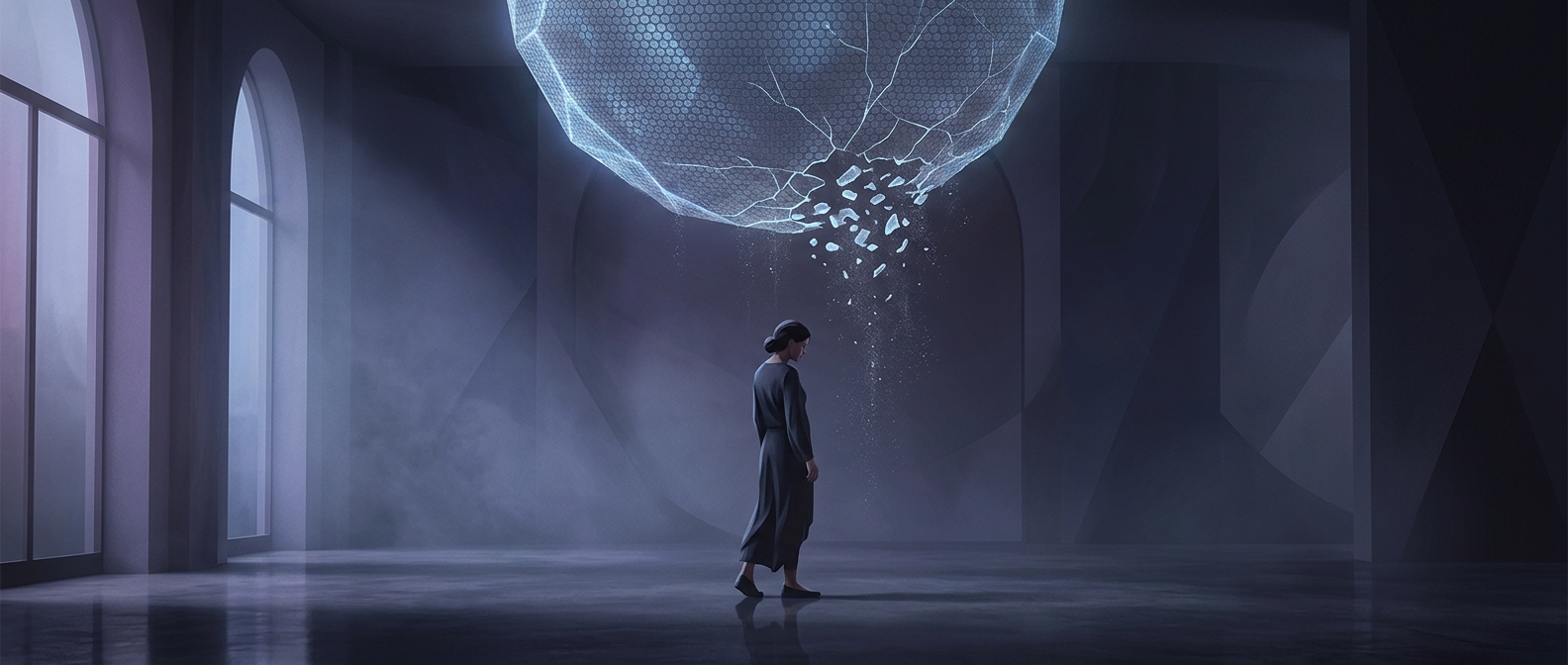
How stress can weaken your immune defenses
Stress hormones help the body respond to immediate demands, but when stress continues, they can disrupt parts of the immune response. That may make it harder…
Discover more STACKY FOR IPHONE
A bigger world.
One discovery
at a time.
Keep discovering with Stacky. Interesting facts in an app that is always within reach.
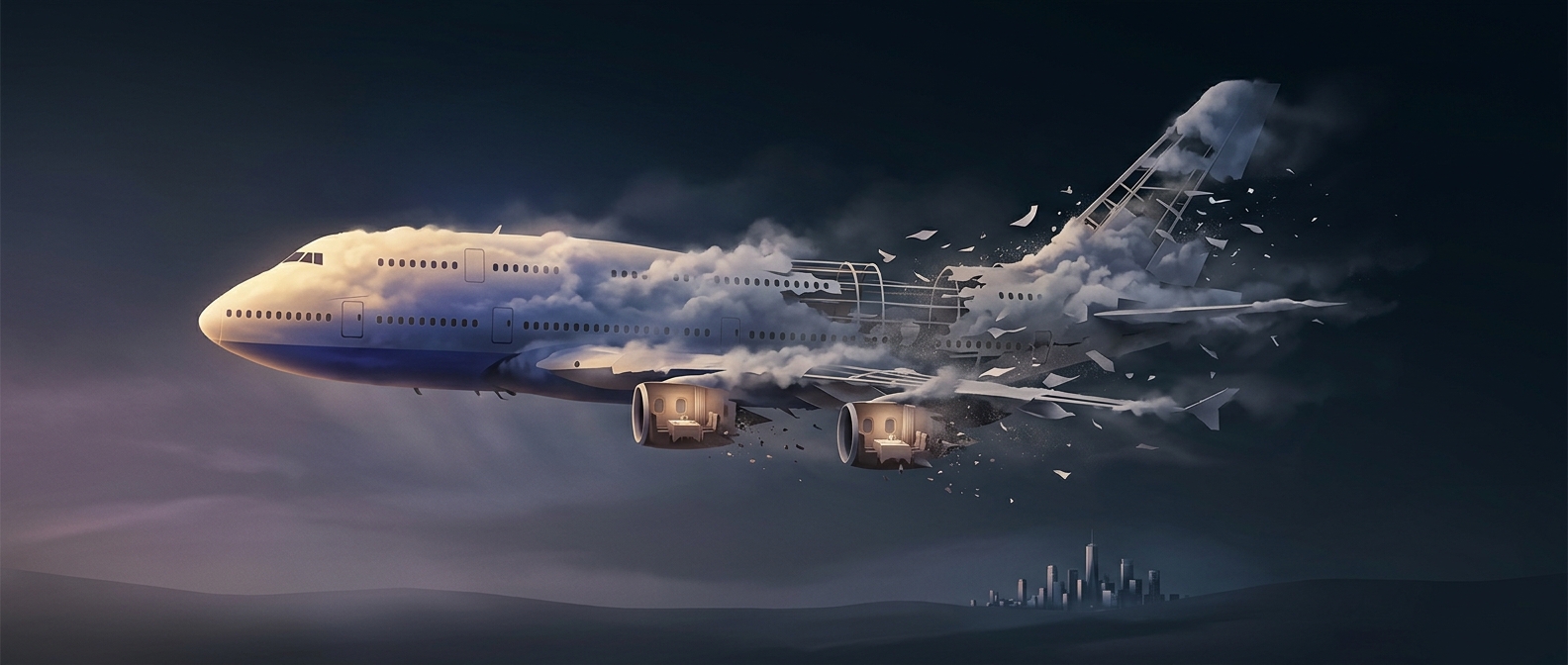
The A380 lost its production line, not its passengers
Airbus ended deliveries in 2021 after the remaining order book no longer supported production. Existing aircraft kept flying. A huge double-decker needs the…
Discover more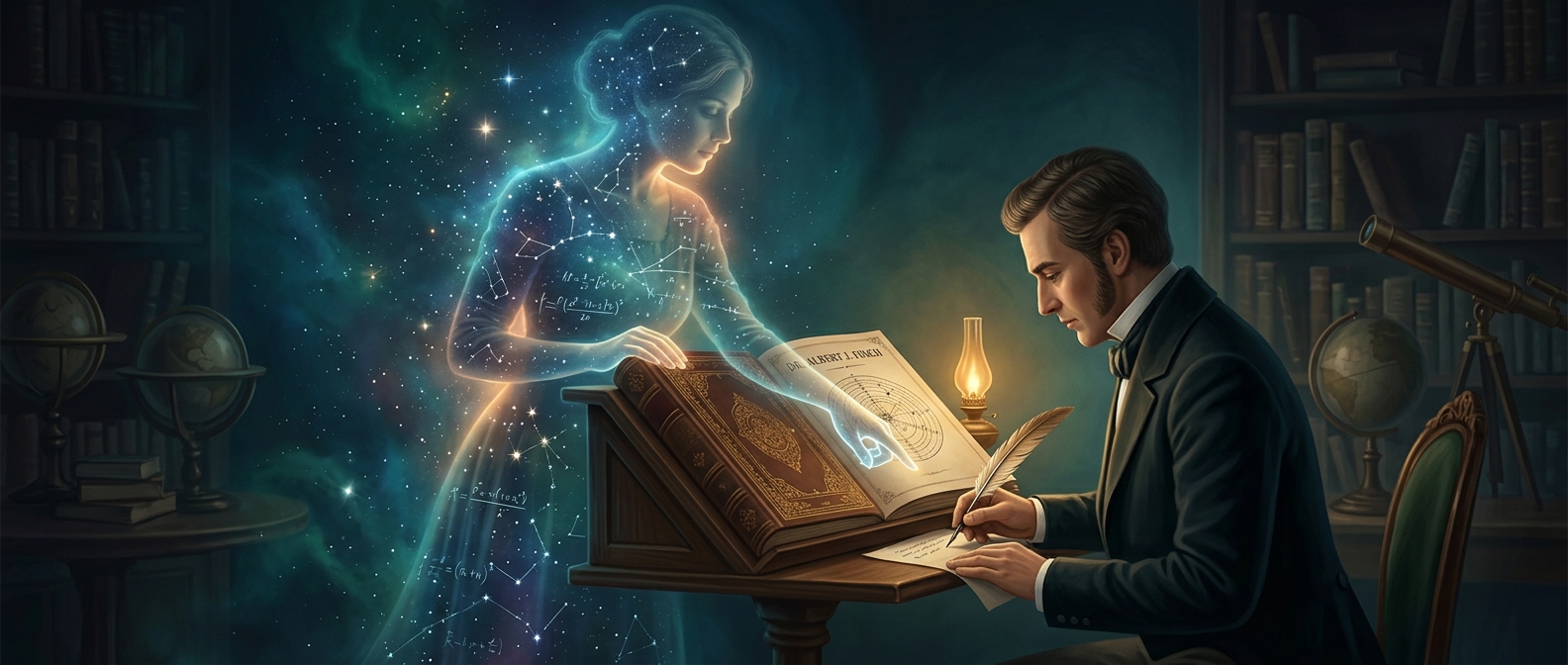
She explained nuclear fission; the Nobel went to her collaborator
Lise Meitner and Otto Frisch explained how a uranium nucleus could split, making sense of experimental results from Otto Hahn and Fritz Strassmann. The 1944…
Discover more
An algorithm can learn discrimination without being told to
Because algorithms learn patterns from historical data, they can reproduce past unfairness even when no one intends to build in bias. Complex models can also…
Discover more
How tiny gestures build or break trust
Trust is built from small evidence. Someone follows through on a minor promise, notices when you need help, or admits a small mistake; each gesture gives you…
Discover moreIn 1760s England, wearing printed cotton was literally illegal because the wool industry felt threatened.
Picture a bustling 1760s street in England where a passerby’s floral cotton dress suddenly becomes a crime scene. Guards march up, strip the banned fabric…
Discover moreBeneath modern Mexico City lie the ruins of Tenochtitlán, once a metropolis of canals, floating gardens, and dazzling temples.
Beneath the roar of taxis and glowing billboards of Mexico City lies another city entirely — Tenochtitlán. Once it shimmered with canals like Venice, its…
Discover moreIn the Inca empire, children chosen for sacrifice were treated like royalty first: feasts, fine clothes, intoxicating drinks — an eerie honor before being buried alive in frozen mountaintops.
The tale of Inca sacrifices is as chilling as it is mesmerizing. Imagine children suddenly elevated to the status of royalty — draped in bright textiles,…
Discover more
Why a fireproof fabric became a lost legend
Ancient accounts described mineral-fiber cloth that could be pulled from a fire unharmed after being soaked in water. A fabric that seemed to beat fire…
Discover more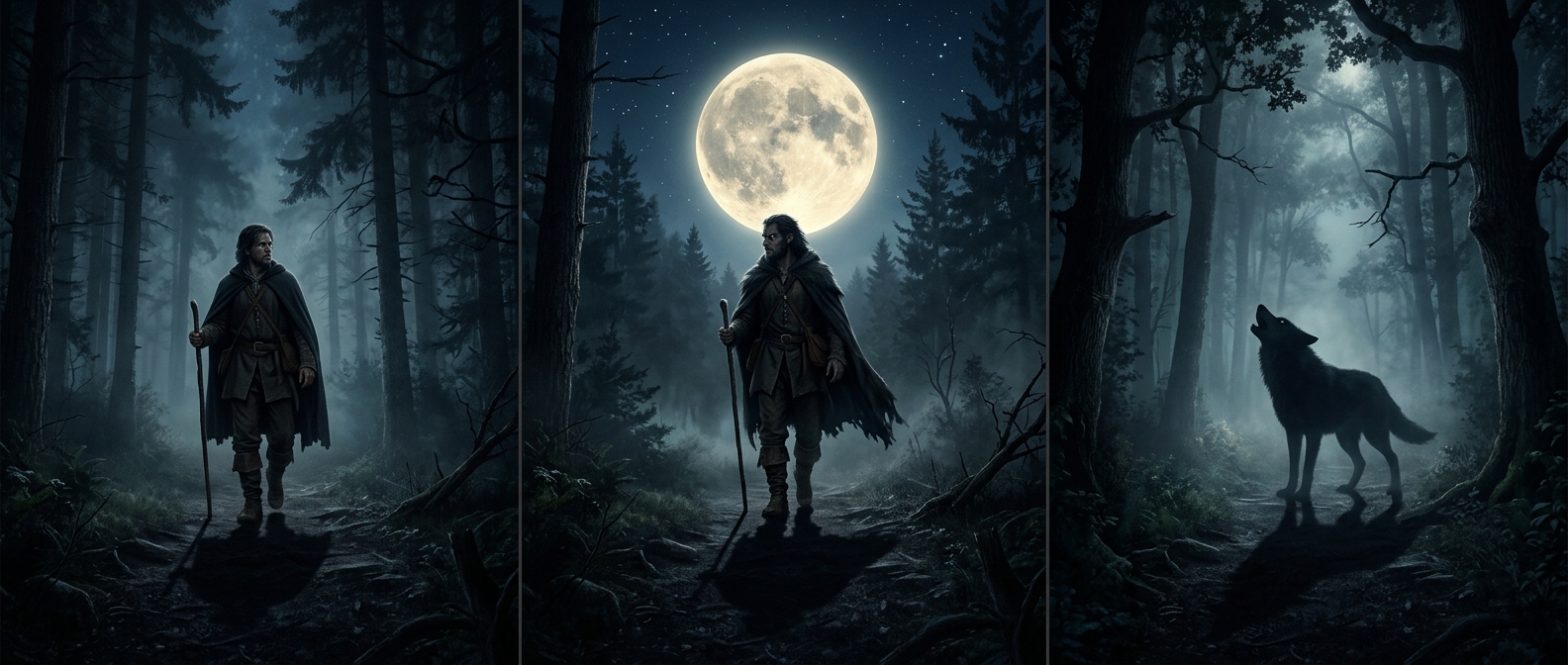
In German forests, full moon nights were feared because villagers believed wolves walked as men
German folklore warned that wolves could take human form under moonlight, prowling as people by day and beasts by night. A howl near a farm could feel like a…
Discover more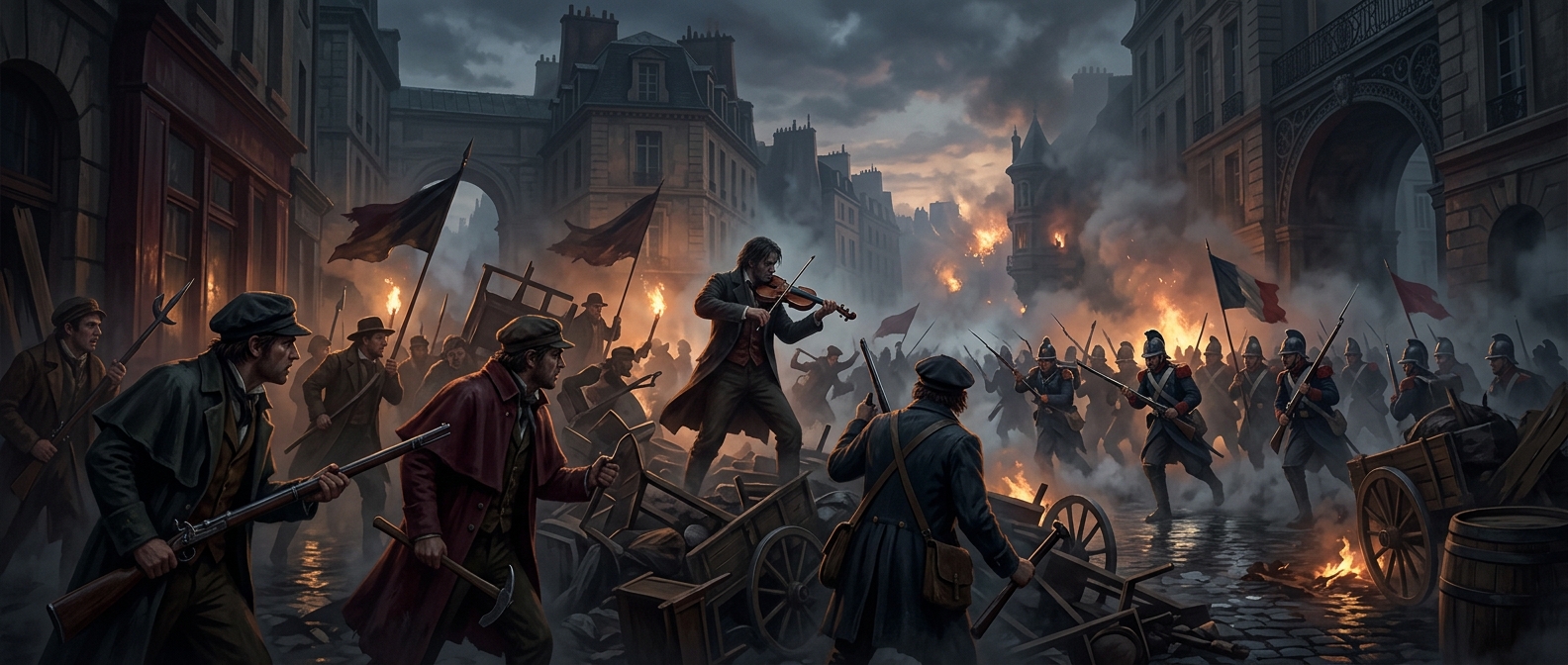
Beethoven’s Fifth became a wartime V for victory
The symphony’s opening short-short-short-long rhythm matches the Morse-code pattern for V. The BBC used that association in broadcasts to occupied Europe…
Discover more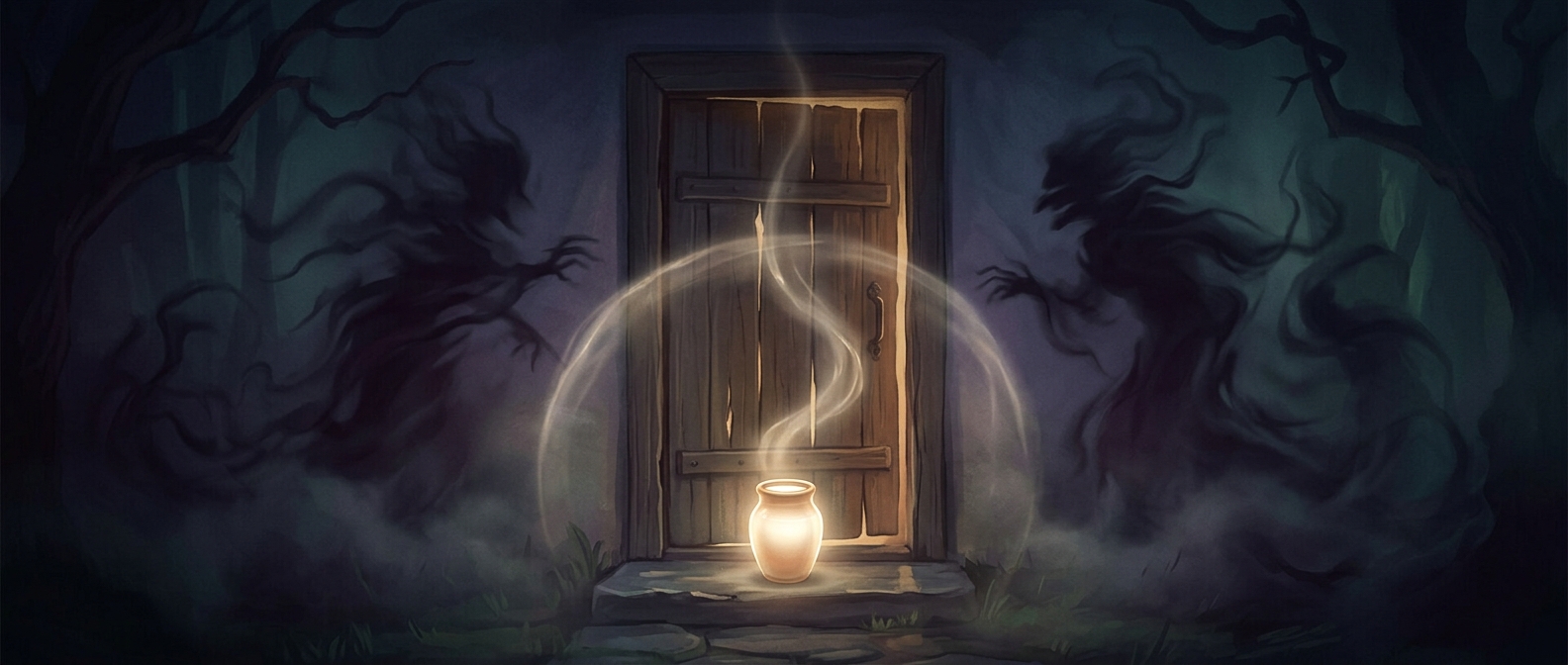
In Eastern Europe, old women left jars of milk at doors said to keep witches from entering homes
Folklore held that witches were drawn to the milk and would linger over it instead of crossing the threshold. Milk also symbolized purity and protection.
Discover more
A curved wall can carry a whisper across a room.
A curved wall can carry a whisper across a room. In a whispering gallery, sound can follow the curved boundary through repeated reflections, reaching a…
Discover more
Every time you touch a doorknob and feel a spark, you’ve briefly created lightning in miniature.
Every time you touch a doorknob and feel a spark, you’ve briefly created lightning in miniature. You build up electric charge, then it leaps through the air…
Discover more
Each of your eyes has a hole in its view that you usually miss.
Each of your eyes has a hole in its view that you usually miss. Where the optic nerve exits the retina, there are no light-detecting cells. A small object can…
Discover more
Ocean is more than waves—it’s a gigantic lung.
Ocean is more than waves—it’s a gigantic lung. Tiny phytoplankton photosynthesize, taking in carbon dioxide and releasing roughly half of Earth’s oxygen. Much…
Discover more
We often picture evolution as survival of the strongest, but biology tells a richer story: survival of the cooperative.
We often picture evolution as survival of the strongest, but biology tells a richer story: survival of the cooperative. Coral animals shelter algae inside…
Discover more
Mars is known as the Red Planet, but scientists recently discovered patches of glass-like minerals scattered across its surface.
Mars is known as the Red Planet, but scientists recently discovered patches of glass-like minerals scattered across its surface. A meteorite impact can melt…
Discover more
If you drop below 200 meters into the ocean, sunlight fades almost entirely—and that’s where nature invents its own glow.
If you drop below 200 meters into the ocean, sunlight fades almost entirely—and that’s where nature invents its own glow. Some animals make light when…
Discover more