The world is more interesting than you think.
Unexpected facts, big ideas, and little discoveries. Find something that sparks your curiosity today.
A little more wonder

Placebo pills still cost money to make and distribute
Researchers cannot simply ignore the placebo pills. They still have to make, track and distribute them alongside the study medication, so a pill without an…
Discover more
Wide gaps after periods are a leftover habit that makes modern text look awkward
The extra space can make paragraphs look uneven, with conspicuous gaps between sentences.
Discover more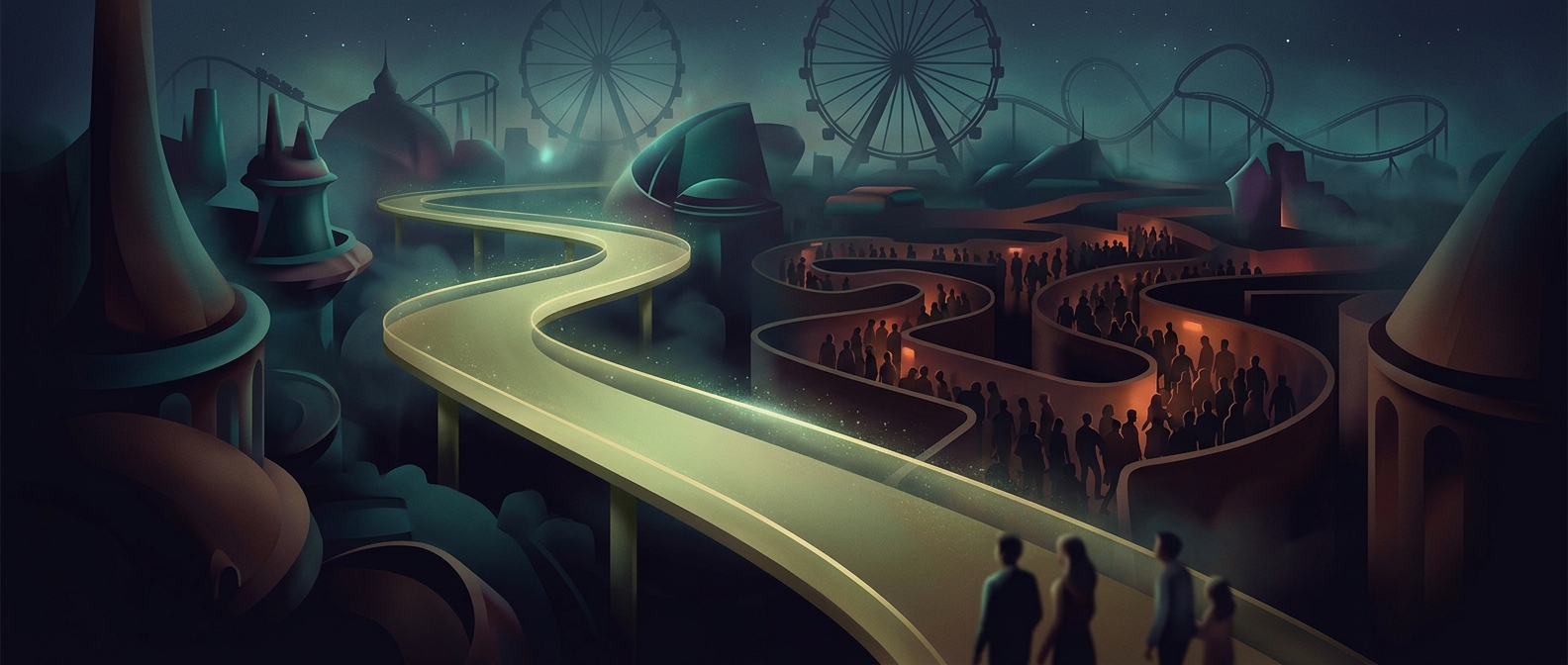
How theme parks charge you to escape the crowds
Visitors pay extra to skip waits, while the park uses the system to steer people away from crowded areas. The same shortcut sells convenience and helps spread…
Discover more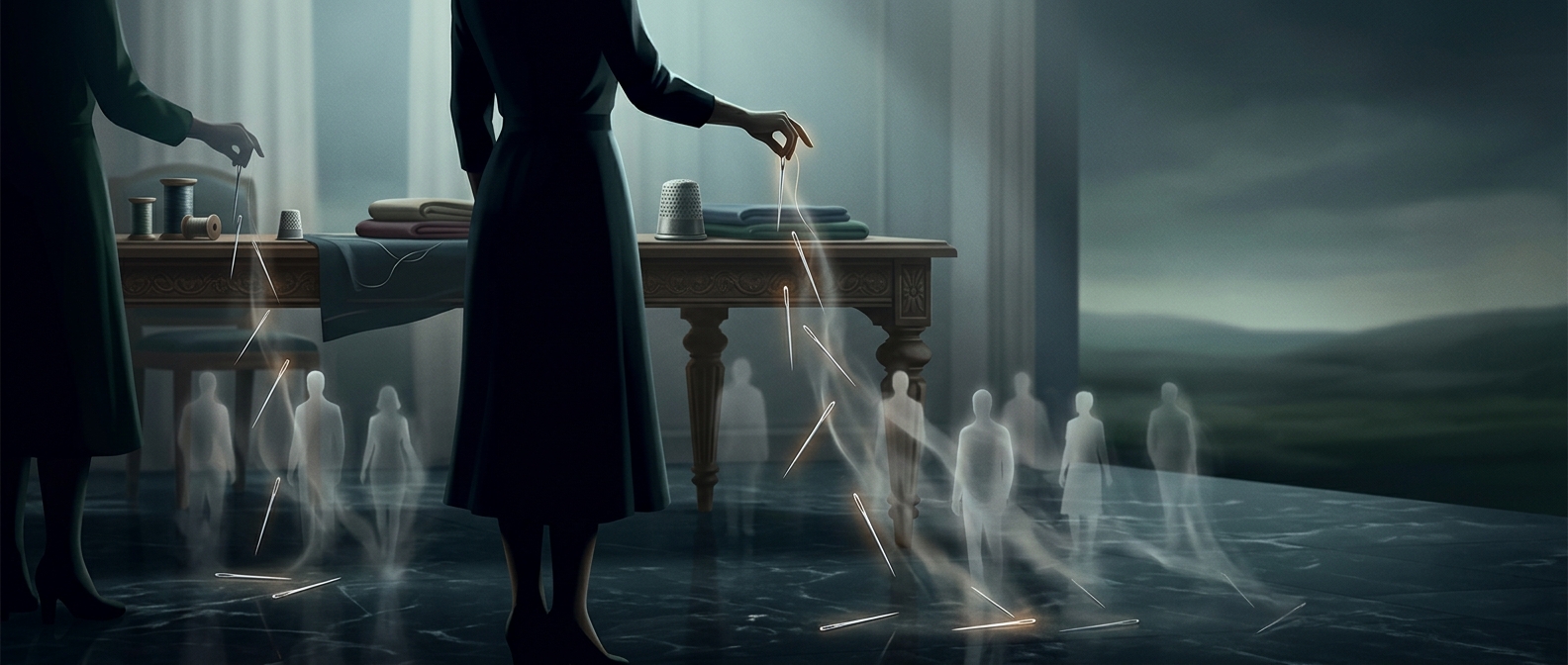
Dropping sewing needles guarantees strangers
In the superstition, a needle that landed upright in the floorboards was said to summon a stranger to the door.
Discover more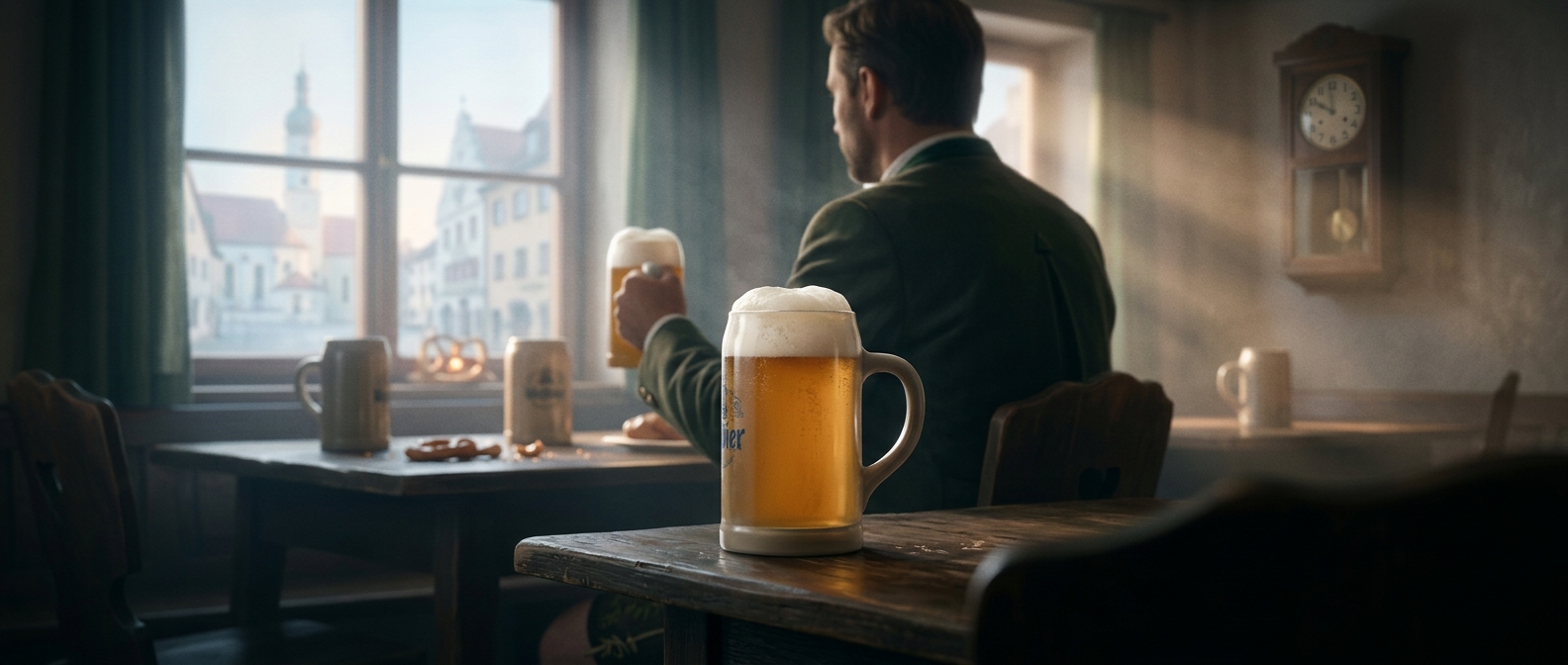
Why Bavarians drink wheat beer with breakfast
In southern Germany, wheat beer is traditionally paired with white sausage at breakfast; the combination is a local ritual, not an unusual drinking stunt.
Discover more
A lone word at the bottom of a page is a serious typography error
A single word stranded at the bottom of a page is considered a serious typographical flaw.
Discover more STACKY FOR IPHONE
A bigger world.
One discovery
at a time.
Keep discovering with Stacky. Interesting facts in an app that is always within reach.

Cellular automata simulate life via basic rules
By applying simple rules to each square based on whether its neighbors are alive or dead, a grid can produce patterns that resemble biological growth.
Discover more
Reaction control thrusters puff gas to rotate
A spacecraft fires a small jet of gas in one direction, and the opposite push turns the craft the other way. Jets placed around the vehicle steer its nose…
Discover more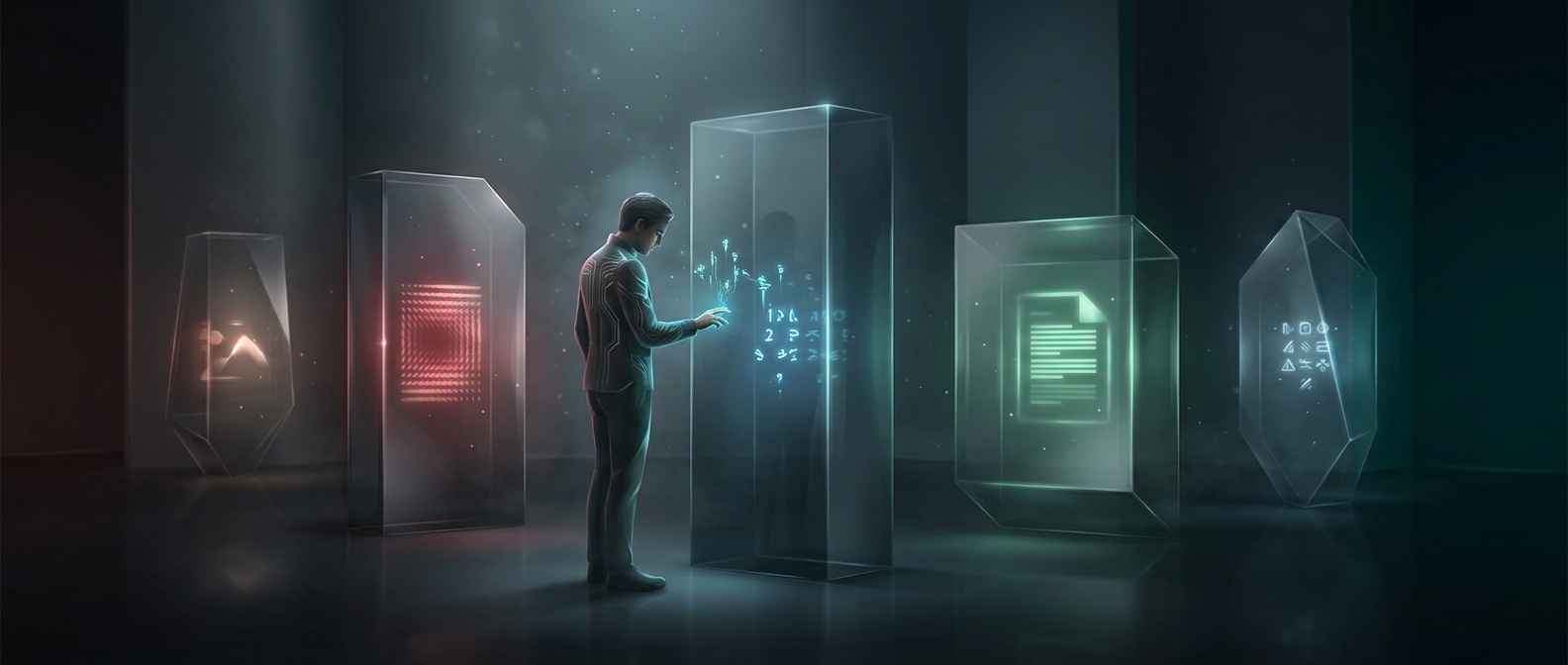
A file can reveal its type even after you rename it
Many formats contain identifying bytes known as a magic number or signature. Software can inspect that structure instead of trusting the extension at the end…
Discover more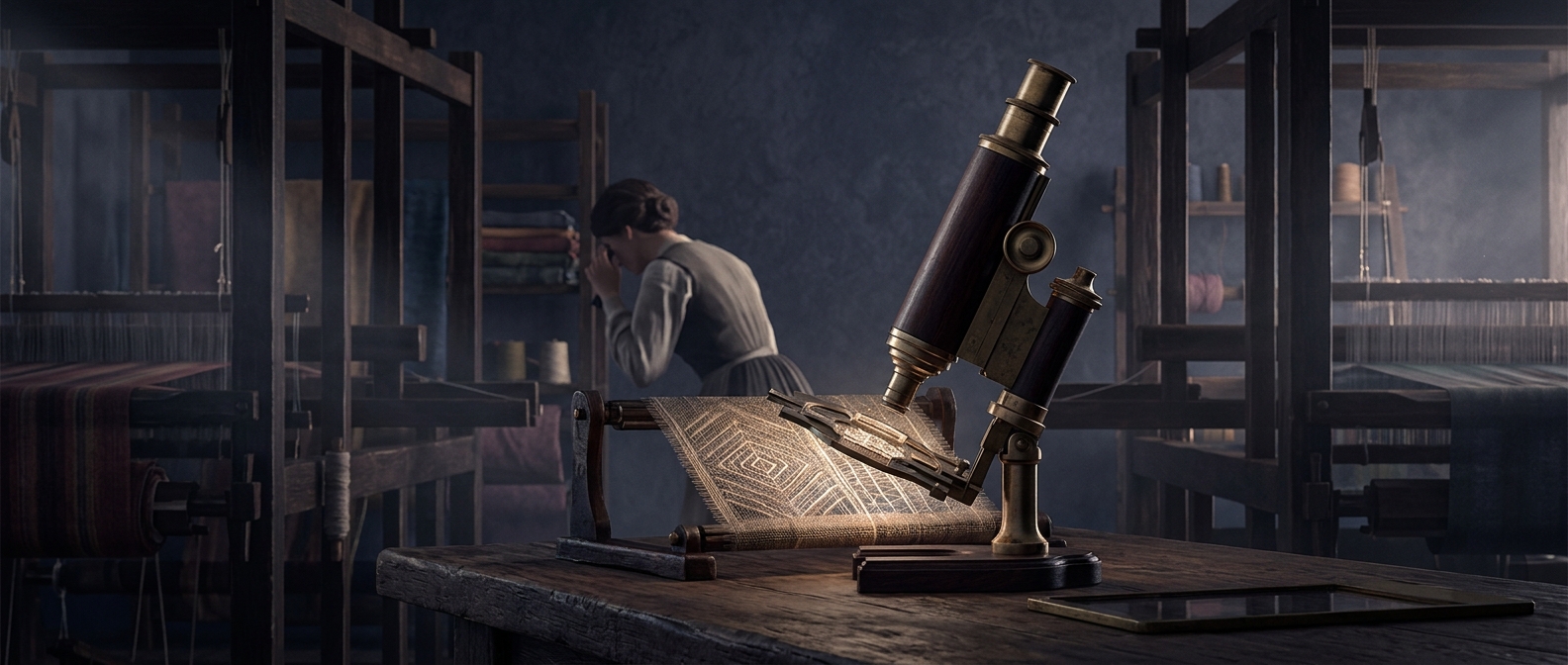
The fabric seller who revealed the microbial world
Grinding glass into tiny lenses gave Antonie van Leeuwenhoek a way to magnify what he was inspecting in cloth. The same sharp view revealed microorganisms too…
Discover more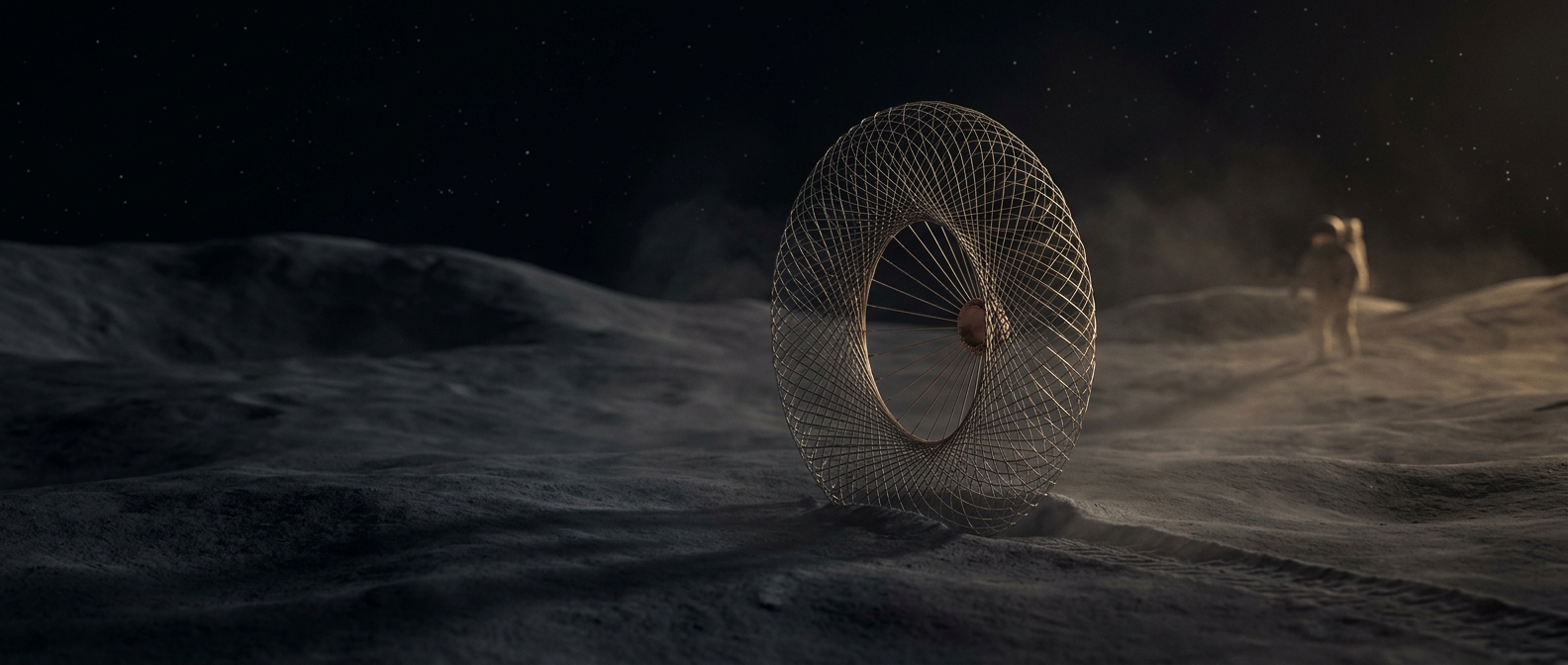
The Apollo tires made from woven metal
The lunar rover’s tires were woven from metal mesh, not filled with air. The open weave flexed over rocks without the weight or puncture risk of ordinary…
Discover more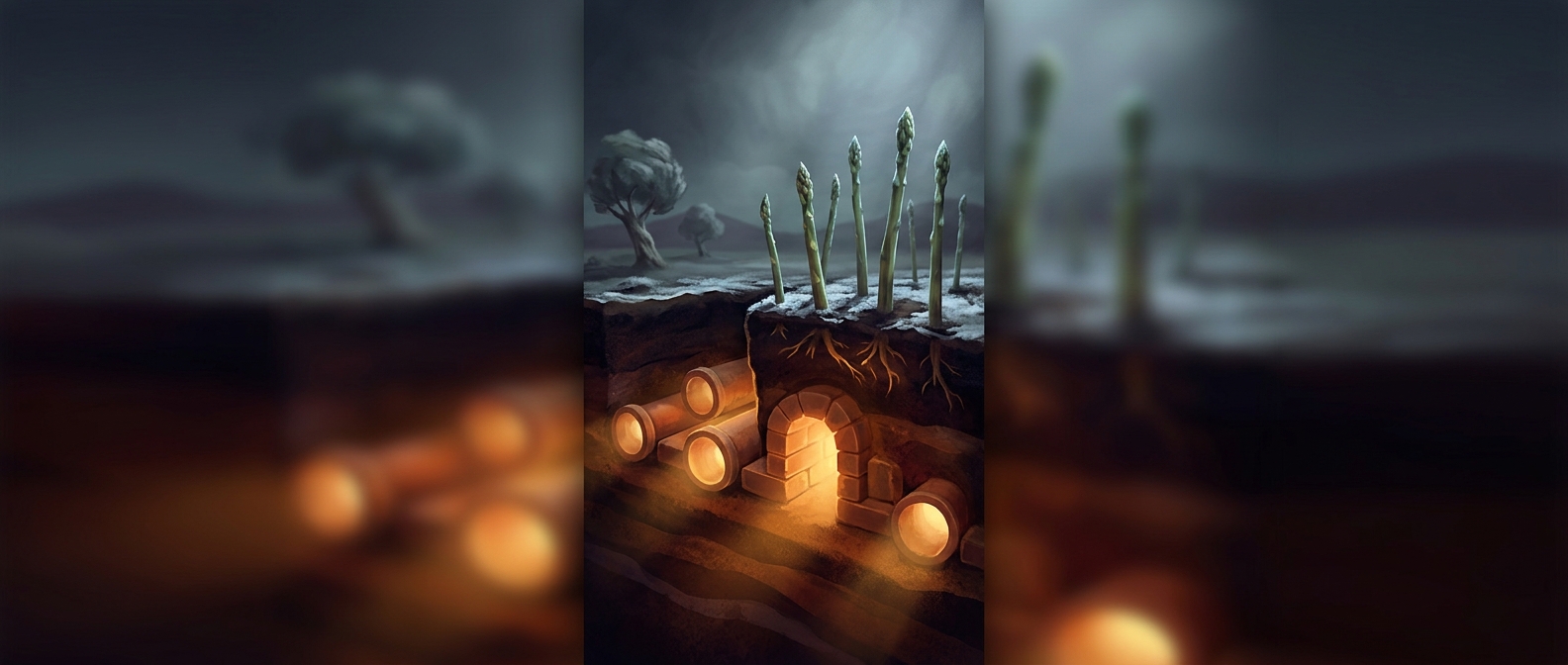
How manure helped aristocrats grow asparagus early
Gardeners buried asparagus in steaming manure to coax it up before spring. The aristocratic shortcut was to turn a farmyard heap into an early-season hotbed.
Discover more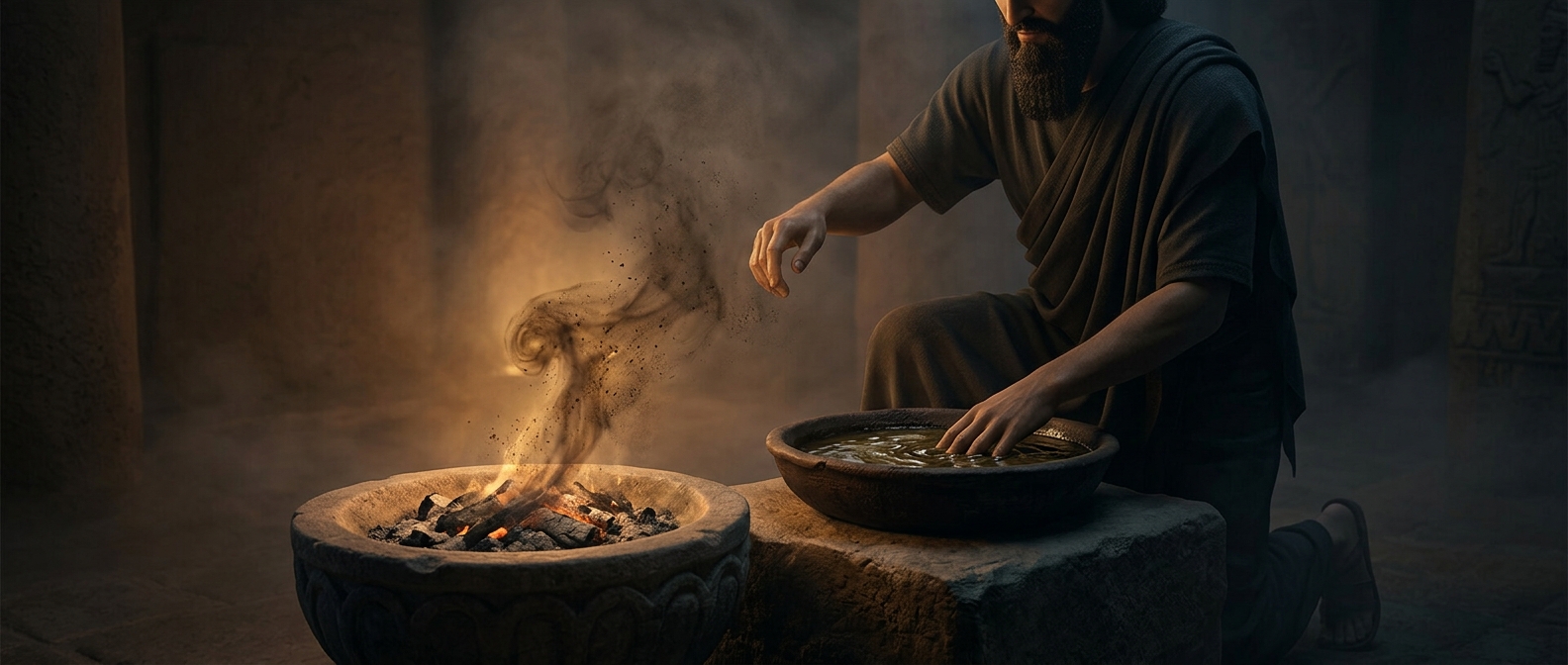
Soap was once made from fat and ash
Wood ash can produce alkaline substances that react with animal fat to make a soap-like cleansing paste. The mixture could lift heavy grime, though it was a…
Discover more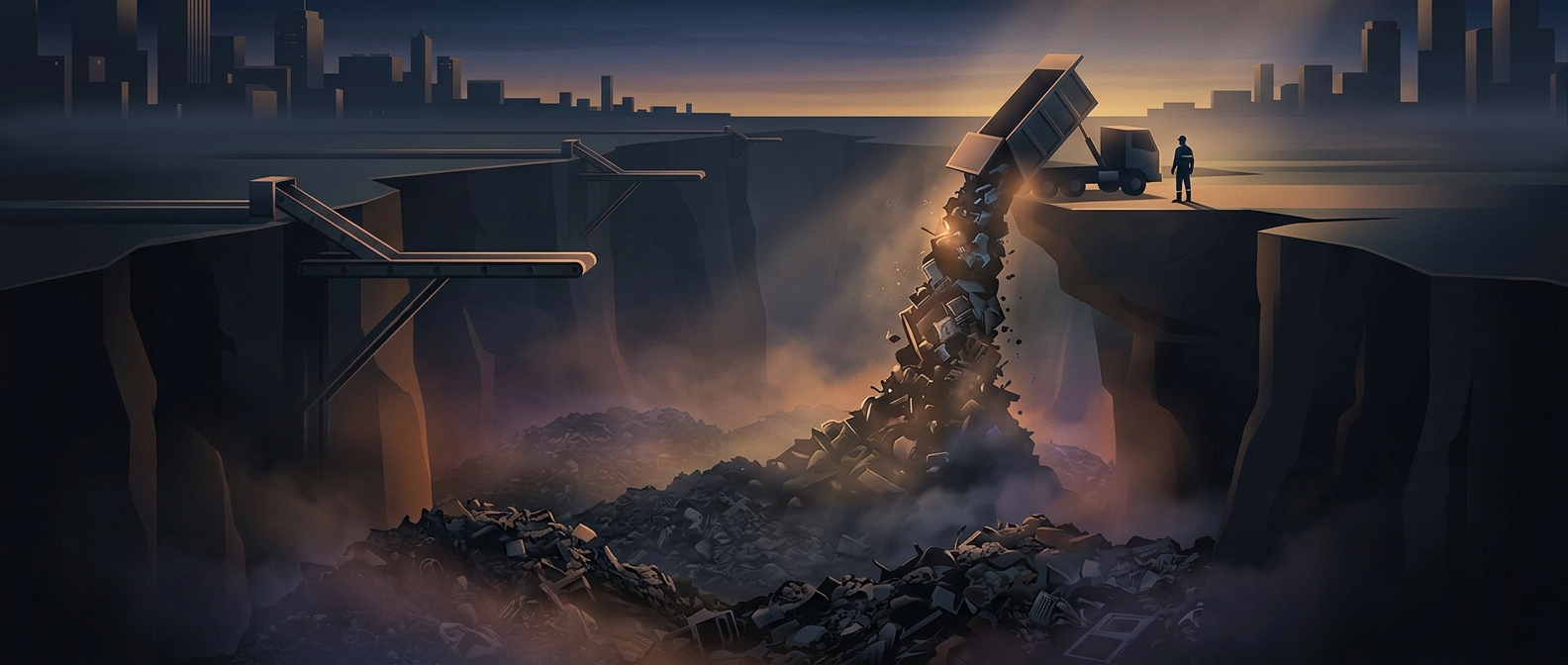
Burying garbage costs cities massive annual tipping fees
Every ton of trash sent to a landfill adds to a city’s bill. Because the landfill charges by weight, garbage disposal keeps costing local governments every…
Discover more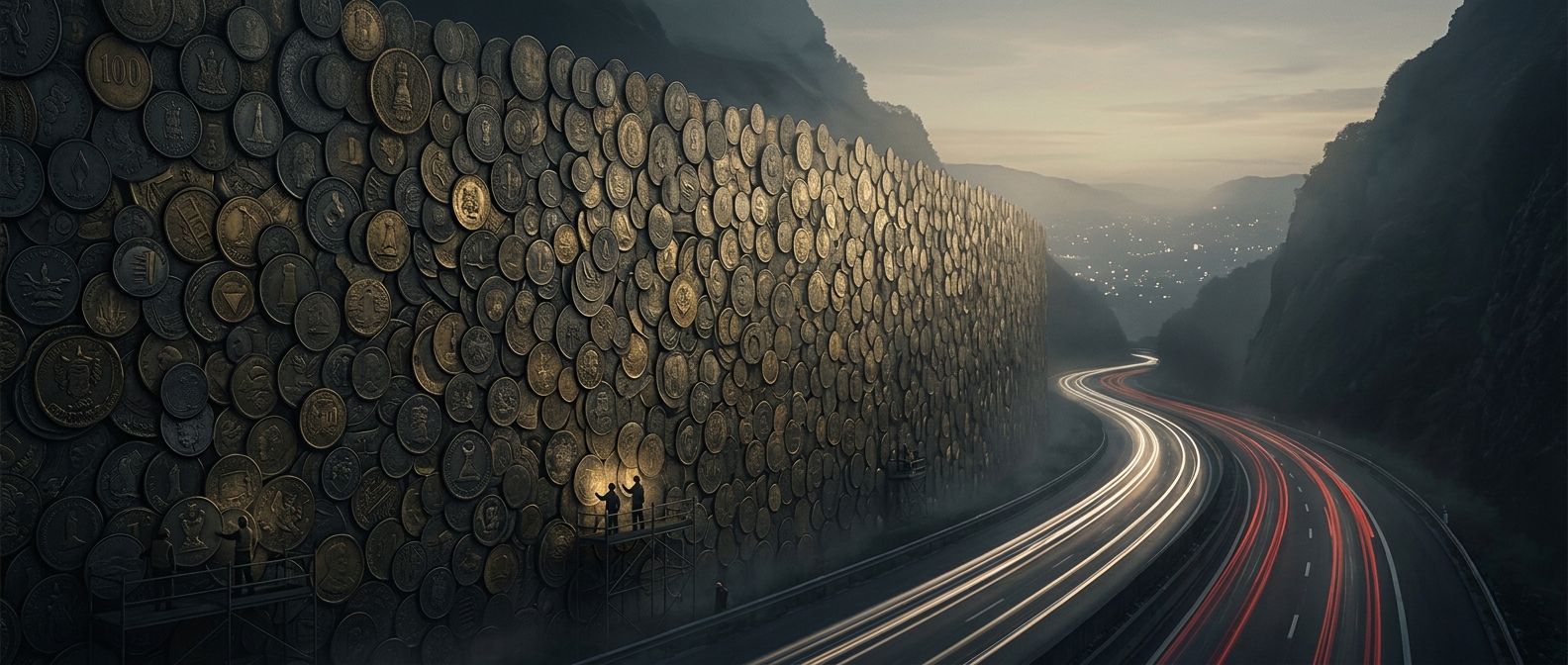
Highway noise barriers can cost millions per mile
The price climbs into the millions per mile when a noise barrier needs heavy materials and foundations sunk deep beside an interstate.
Discover more
Moiré patterns occur when grids overlap badly
When a camera's pixel grid clashes with the fine stripes on a shirt, the overlap creates false rippling patterns called moiré.
Discover more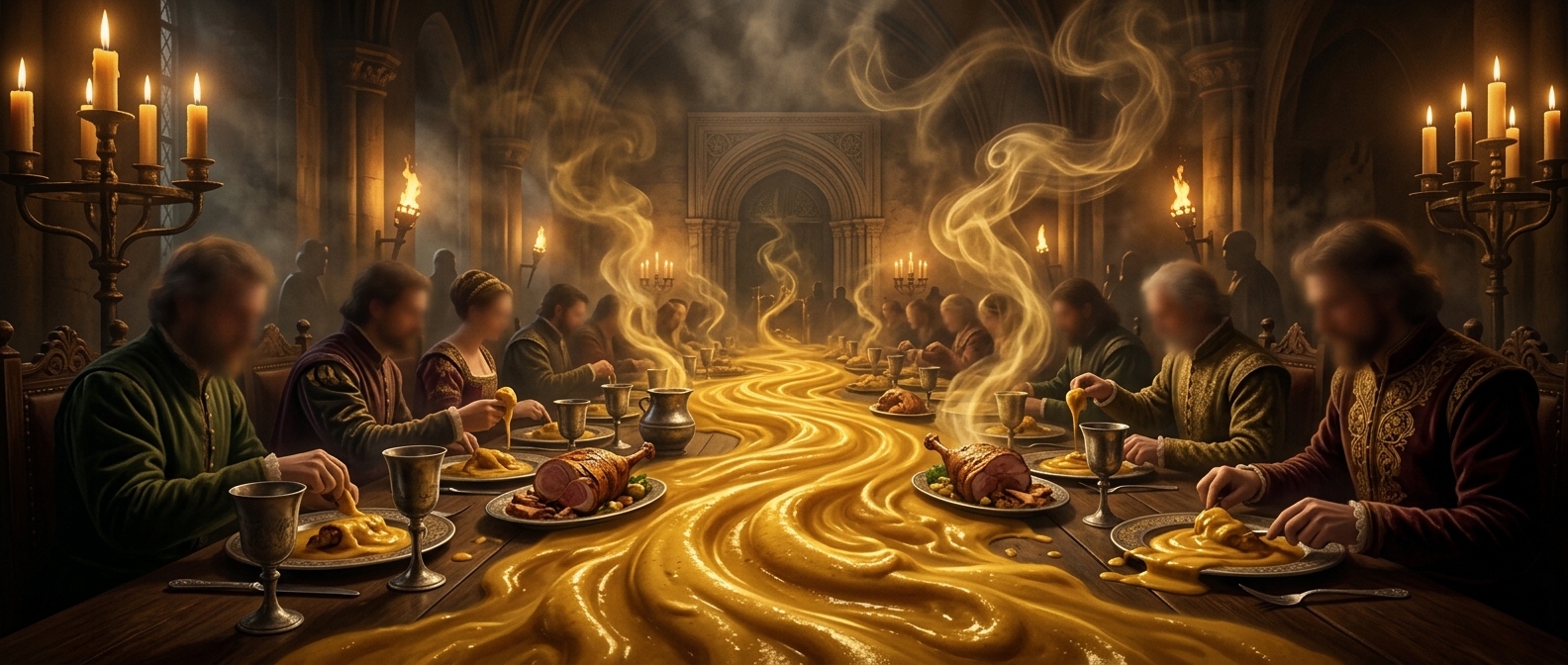
Mustard paste dominated heavily spiced European banquets
Cooks ground mustard seeds with acidic fruit juices into a sharp paste—a cheap, powerful seasoning that could mask the off flavors of meat.
Discover more
Stepping on boats with left boots courts ruin
Sailors believed stepping aboard left-foot-first brought bad luck and could doom a wooden ship’s voyage.
Discover more
Bagpipes require squeezing an air sack
The player squeezes a large sack under one arm to keep air flowing steadily over the reeds—like supplying the instrument with its own set of lungs.
Discover more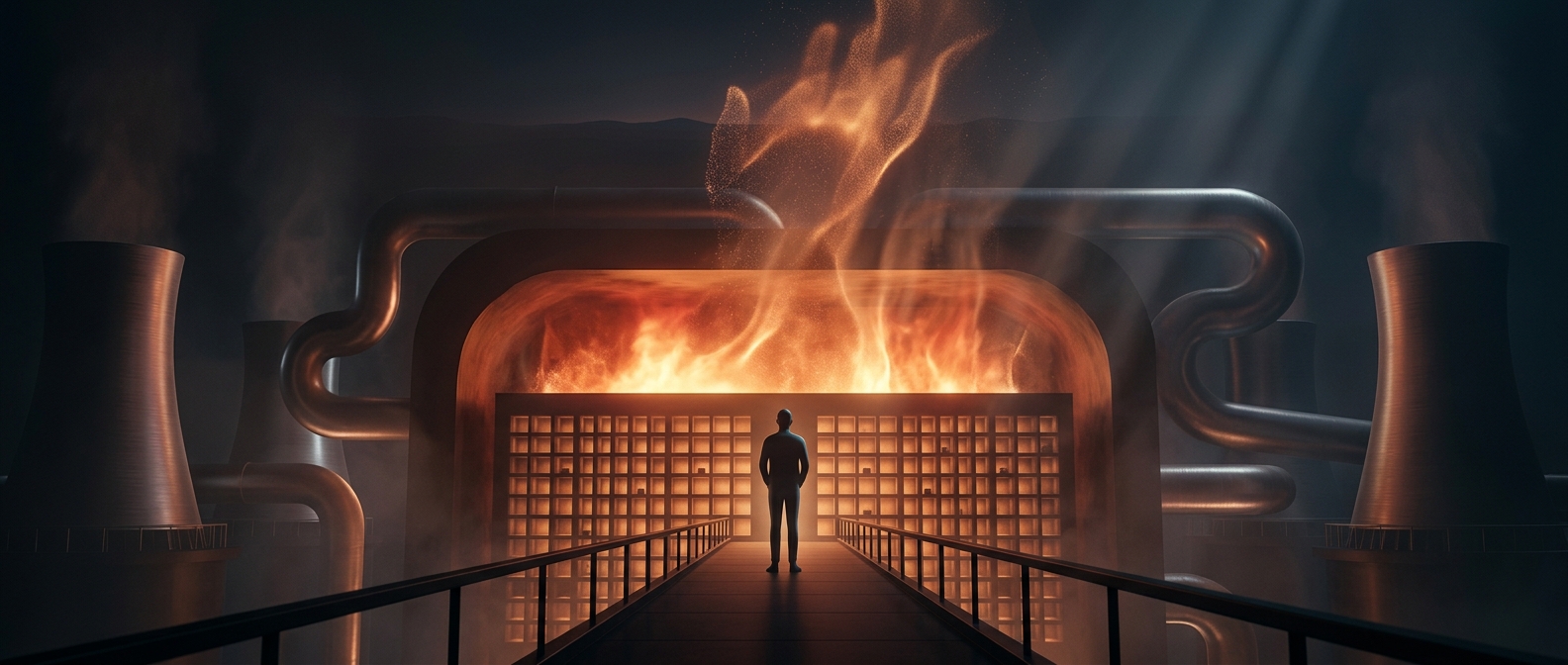
Why cremation uses so much energy
A crematorium has to keep its furnace extremely hot for hours, not just briefly ignite the contents. Holding that heat is what makes cremation consume so much…
Discover more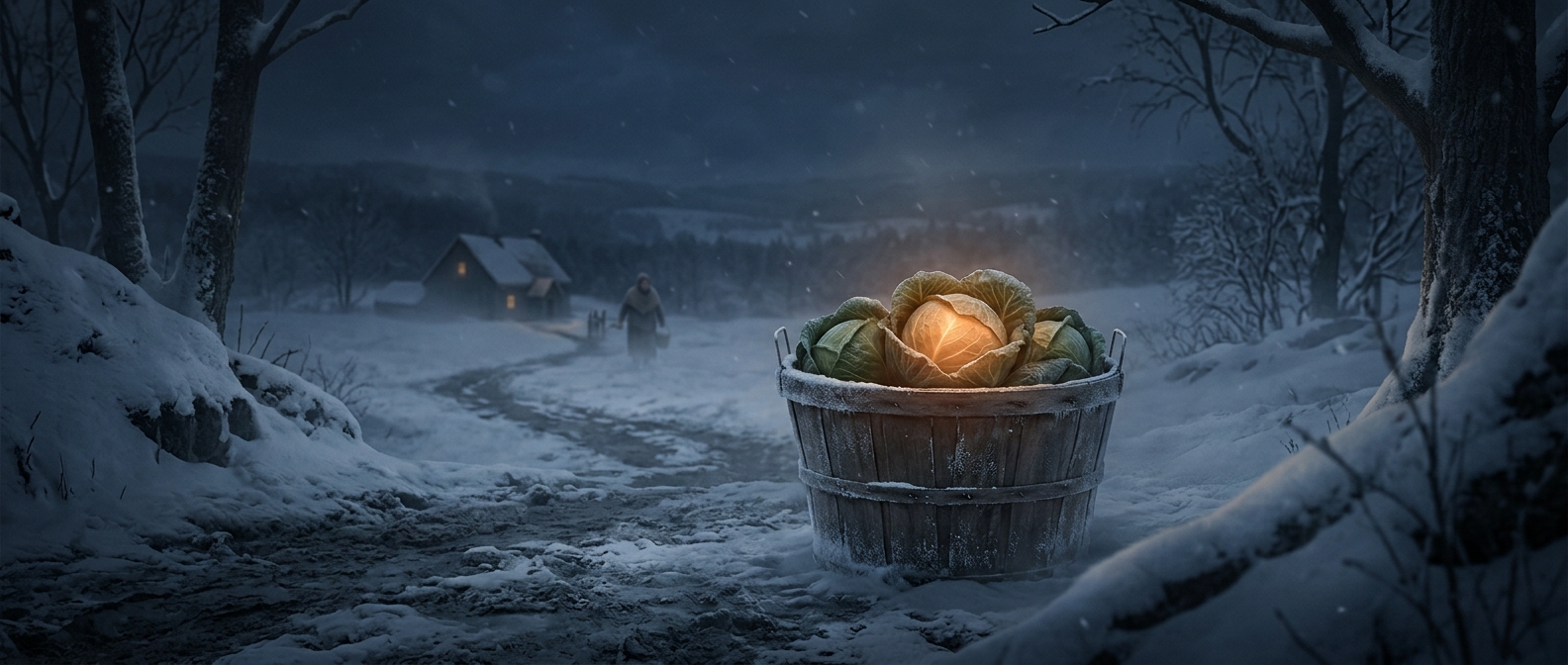
Cabbage sustained rural populations over freezing winters
Cabbage could survive frost, and fermentation turned the harvest into sauerkraut that lasted through winter. A crop that could take the cold also helped rural…
Discover more
Why vector graphics never turn pixelated
Vector graphics store shapes as mathematical paths rather than fixed grids of pixels, so they can be redrawn at different sizes without losing crisp edges.
Discover more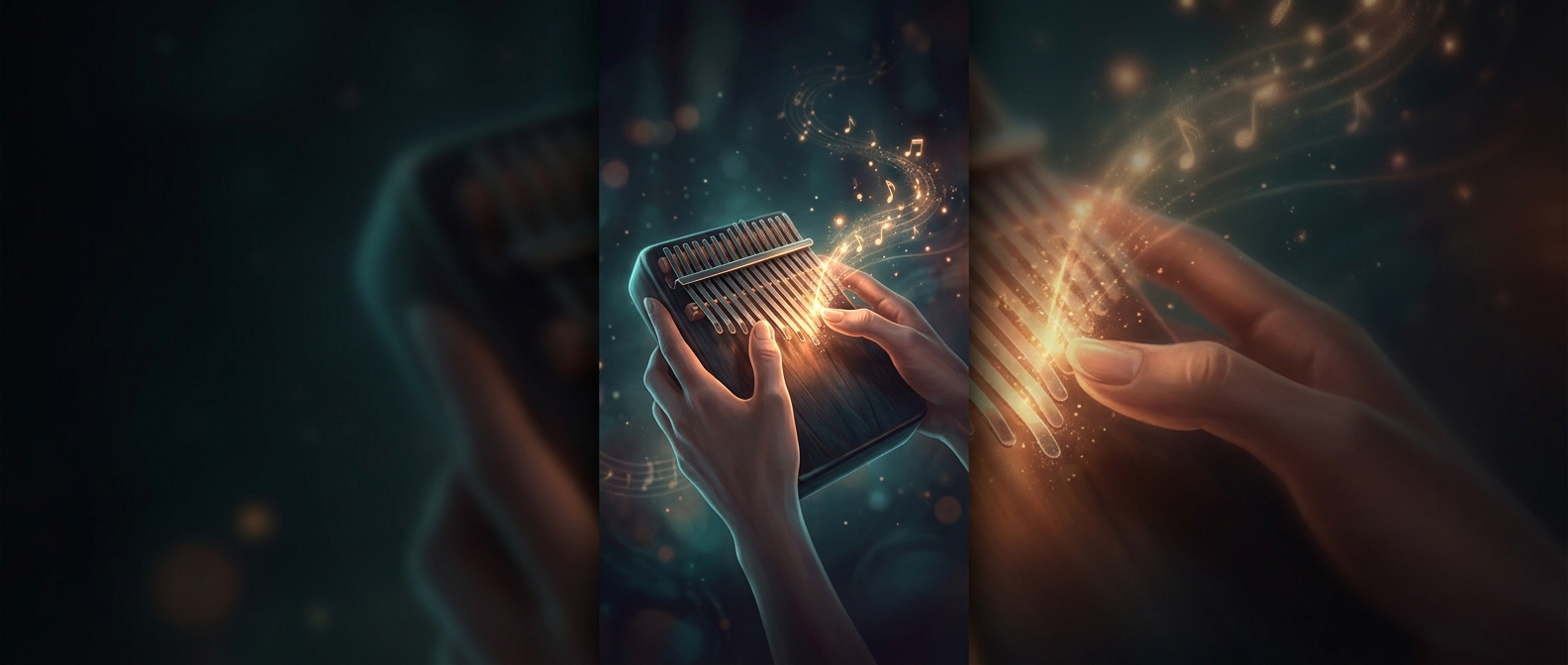
Kalimba involves plucking tiny metal tines
Plucking the tines with your thumbs makes them vibrate over a wooden block, producing a soothing, music-box-like chime.
Discover more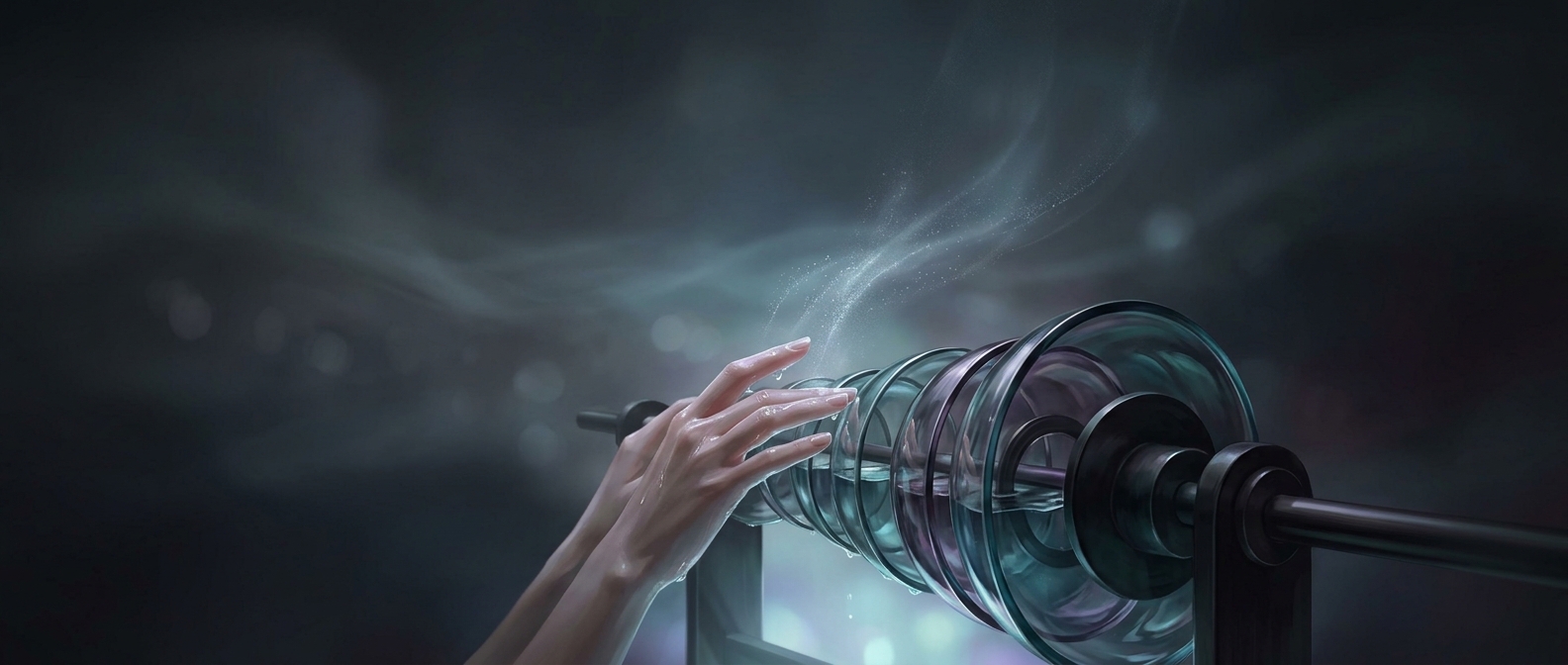
The instrument played with wet fingers
Its glass bowls spin on a spindle; pressing moistened fingers against their rims produces an eerie, resonant sound.
Discover more