Economy
Discover facts about economy. Small discoveries that change the way you see familiar things.
Economy
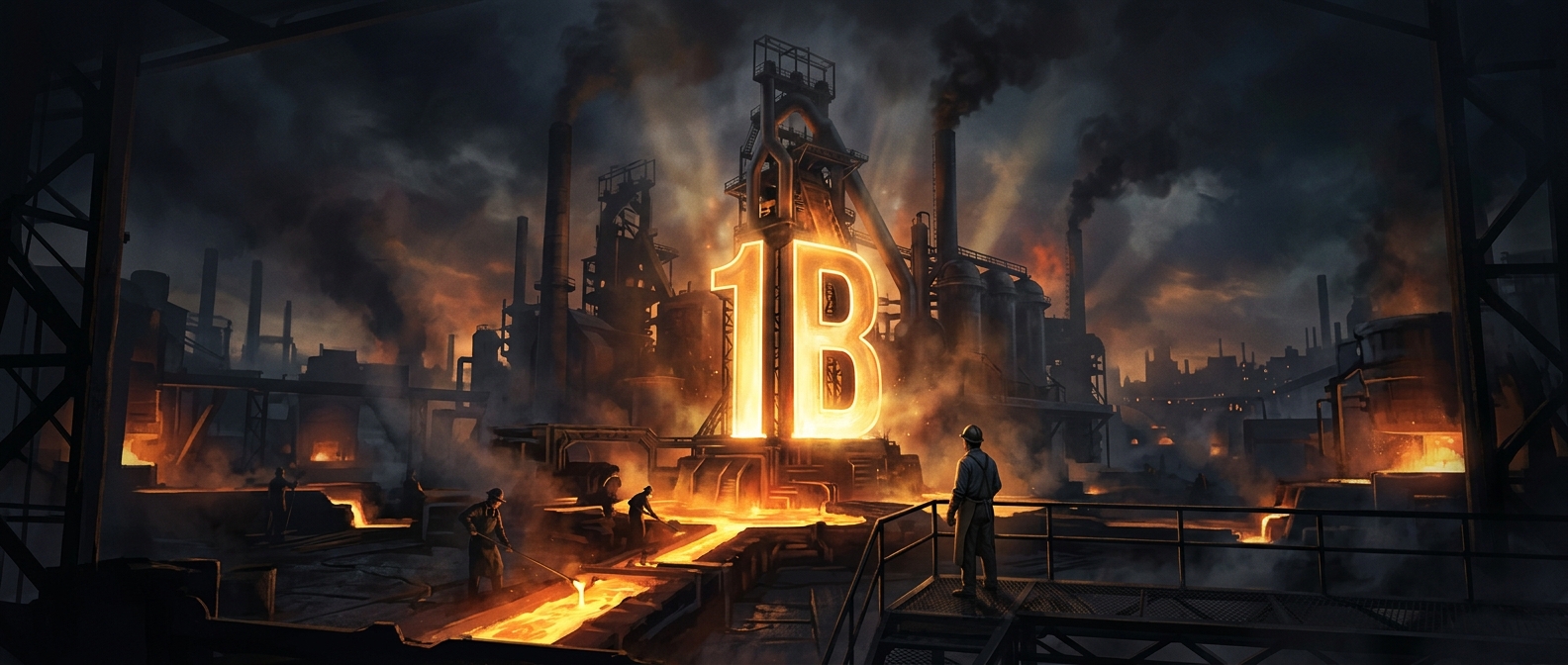
U.S. Steel became America's first billion-dollar corporation
J.P. Morgan's 1901 combination brought major steel businesses under one enormous corporate roof. The company could coordinate operations on a scale its…
Discover more
A stock option's calendar can influence an executive's incentives
An option becomes valuable when the share price exceeds its exercise price, subject to vesting and other terms. That can align rewards with shareholders, but…
Discover more
Rockefeller became too rich for the word 'millionaire'
Standard Oil made John D. Rockefeller America's first billionaire. By 1903, newspapers were already asking when he would cross that almost unimaginable…
Discover more
Hard credit inquiries temporarily punish your score
A lender’s credit check can lower your score even when you’ve paid every bill on time. Scoring algorithms may read a new application as a sign of added risk.
Discover more
Why the Ace of Spades is so ornate
The fancy design wasn’t just decoration: English authorities required a stamp showing the playing-card tax had been paid. Manufacturers put it on the top…
Discover more
Germany's 1923 inflation made holding cash a race against time
As the mark's value collapsed, prices and wages had to be revised at extraordinary speed. Money received earlier could buy less by the time it was spent. The…
Discover more STACKY FOR IPHONE
A bigger world.
One discovery
at a time.
Keep discovering with Stacky. Interesting facts in an app that is always within reach.

Greek homeowners hid their pools from Google Earth
An outdoor pool could raise a homeowner’s property taxes, so some wealthy Athenians tried to hide theirs under green tarps. From Google Earth, the covers were…
Discover more
The US minimum wage buys far less than in 1968
In 1968, the federal minimum wage could buy more than it can today. Since then, housing, education and health care costs have climbed while the federal wage…
Discover more
Why retired LEGO sets can triple in price
Once LEGO retires a set, the company stops adding new ones to stores, but collectors and nostalgic buyers keep searching. That shrinking supply can push…
Discover more
Why Canada got rid of its penny
Canada’s mint was spending more than a penny to make each one: 1.6 cents. It stopped producing them in 2013, and rounding cash totals to the nearest nickel…
Discover more
Public goods prevent anyone from being excluded from use
A streetlight can protect everyone nearby, including people who never paid for it. Since one person using that light doesn't leave less light for the next,…
Discover more
Why banks once closed to stop a panic
When too many depositors demanded cash at once, a bank could run out before it had time to meet everyone’s withdrawal. During the Great Depression, temporary…
Discover more
Ice harvesting revolutionized global food preservation
Before freezers, people cut ice straight from northern lakes, packed it in sawdust and shipped it to hot countries. The sawdust slowed the melting enough to…
Discover more
A masterpiece can change owners without leaving its crate
Freeports store valuable art under special customs arrangements, sometimes for years. A 2018 European Parliament study described how sales inside these…
Discover more
An apple can spend months in storage with its ripening slowed
Commercial storage combines cold with a controlled atmosphere that reduces the oxygen available for the fruit's metabolism. The apple is still alive, but its…
Discover more
Bowling gutter channels return balls under the floor
Once the ball drops into the gutter, a hidden conveyor under the lane carries it back to the front. The ball takes a second route beneath the floor instead of…
Discover more
How compound interest turns debt into a trap
The bill can start charging interest on its own leftovers. Unpaid interest gets added to the debt, and the next round of interest applies to the enlarged…
Discover more
A shared household can save money without anyone earning more
Two people can share housing, appliances, and some recurring expenses instead of buying everything twice. Economists call this an economy of scale: the…
Discover more
The captive market built into franchises
A franchise may look like an independent local business, but its owner can be required to buy essentials from corporate-approved vendors. If those supplies…
Discover more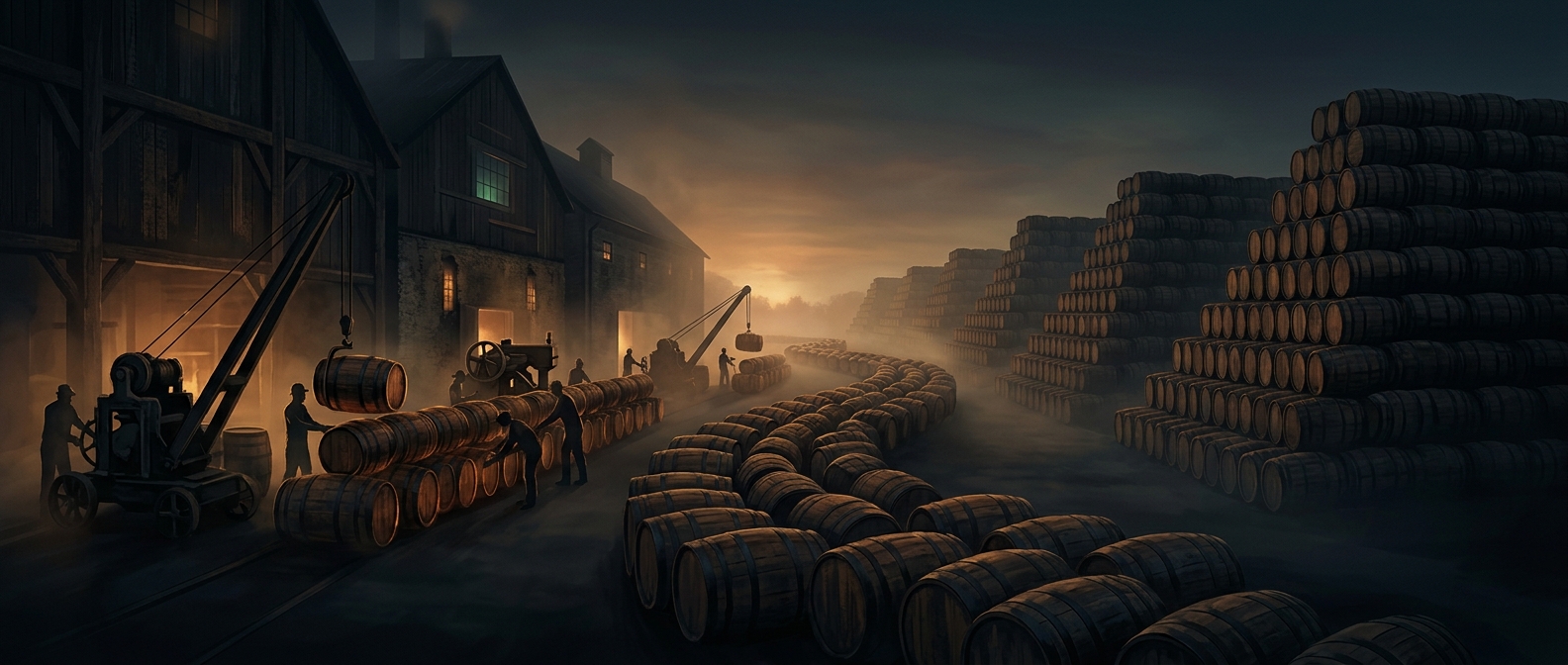
Why Bourbon barrels end up in Scotch and Japanese whisky
A Bourbon distillery can’t reuse its barrel for another batch under the new-barrel rule. So the cask moves on: Scotch and Japanese whisky makers buy the used…
Discover more
The economic score that measures misery
The score takes two numbers— inflation and unemployment—and adds them together. The result is a quick reading of two ways households can feel squeezed at once.
Discover more
A second internet provider needs more than a better website
Building a rival broadband network requires access to infrastructure and expensive physical connections. In sparsely populated areas, fewer customers have to…
Discover more
Alimony payments ruin personal finances
A court can turn a breakup into a bill that lasts for years. The spouse ordered to pay support has to keep covering it long after the marriage ends.
Discover more
Plucked goose plumage provides ultimate thermal insulation
Goose down keeps heat in by trapping pockets of air in its fluffy undercoat. That is why it works as insulation in mountaineering gear.
Discover more