Technology
Discover facts about technology. Small discoveries that change the way you see familiar things.
Technology

Early fax machines took six minutes per page
If you needed to send an urgent document in the seventies, you better have a lot of patience. Early commercial acoustic couplers required you to jam your…
Discover more
Digimon began as a fighting Tamagotchi
When Bandai saw how wildly successful the Tamagotchi was, they noticed the demographic leaned heavily toward young girls nurturing cute animals. Their deeply…
Discover more
First online communities relied purely on plain text
Before algorithms spoon-fed you endless visual stimulation, joining a digital community was like reading a massive spreadsheet. Early bulletin board systems…
Discover more
Camel casing glues words together with capital letters
Because spaces physically break code compilation, developers invented camel casing. It removes all spaces and aggressively capitalizes the first letter of…
Discover more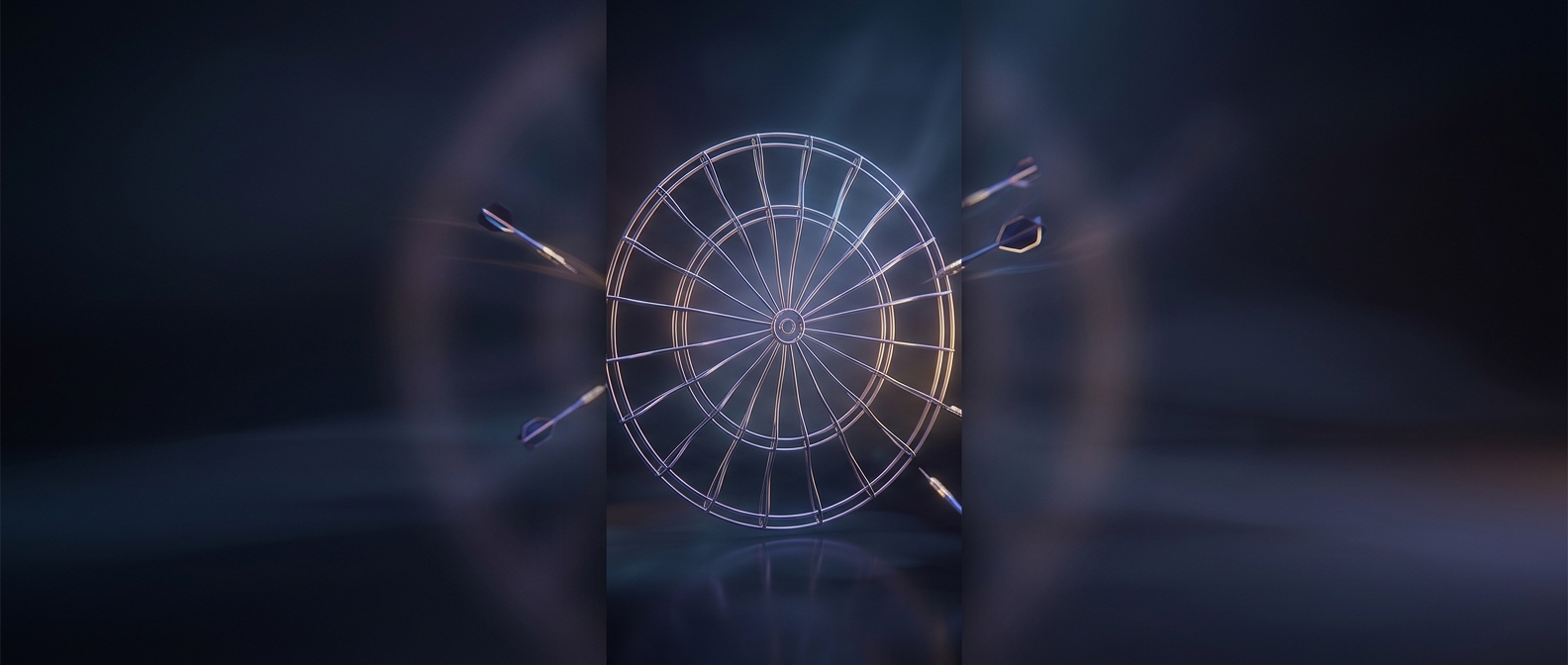
Dartboards use a bent wire spider to divide scoring sections
The agonizing sound of your dart bouncing off the board is thanks to the spider. A thin metal web is physically hammered directly over the bristle surface,…
Discover more
How multiple endings make you replay the same game
Because experiencing a great narrative once is simply insufficient for retention metrics. To see the true conclusion, you must replay the exact same…
Discover more STACKY FOR IPHONE
A bigger world.
One discovery
at a time.
Keep discovering with Stacky. Interesting facts in an app that is always within reach.
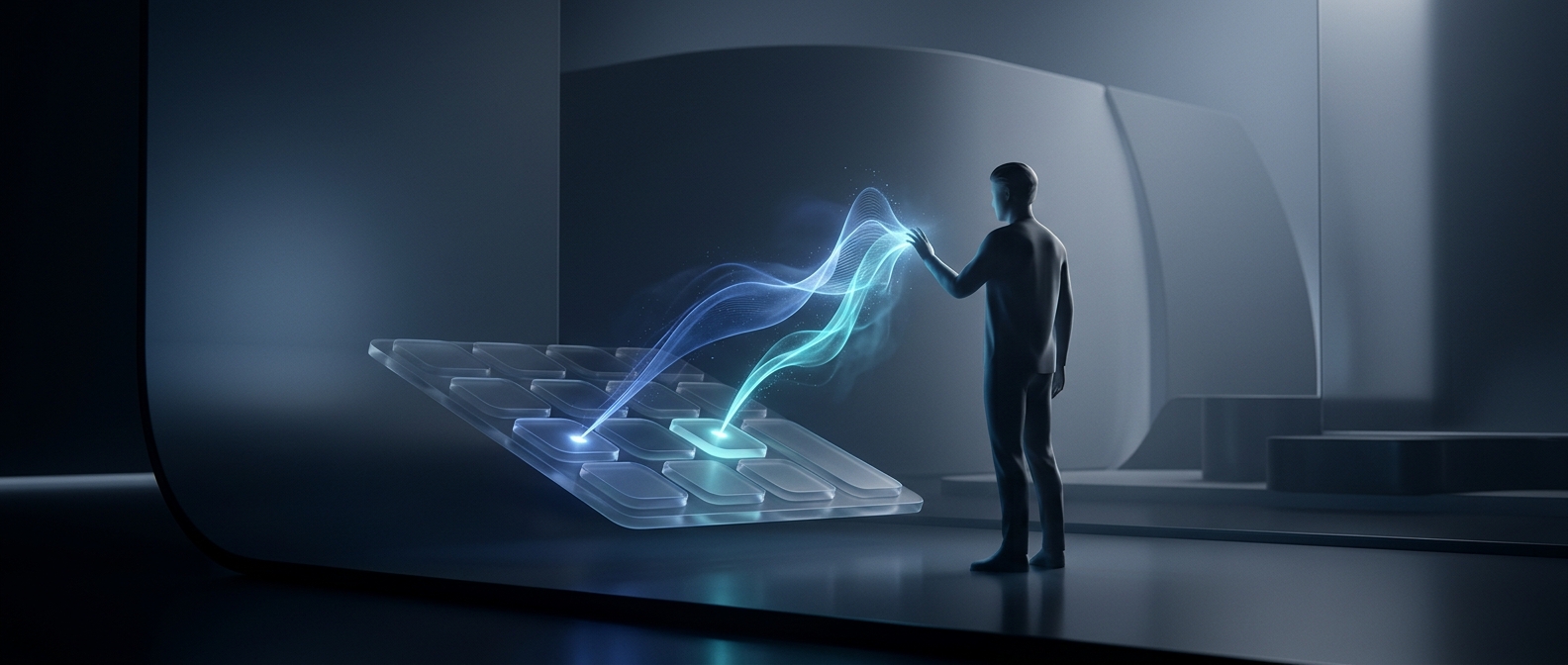
Why every keypad button plays two tones
Every time you press a button on a keypad, you're dropping a microscopic musical chord. Dual-Tone Multi-Frequency (DTMF) signaling assigns a specific high…
Discover more
Debouncing stops you from clicking buttons too fast
Because humans have incredibly shaky hands, pressing a digital button once often sends dozens of microscopic, rapid-fire signals. Debouncing is a deliberate…
Discover more
The one person who kept the world's time zones in sync
For an alarmingly long time, the massive, intricate database responsible for keeping every single computer synchronized across wildly shifting regional time…
Discover more
Dynamic programming remembers past answers to avoid work
Instead of recalculating massive equations over and over, Dynamic Programming utilizes a technique called 'Memoization'. It simply writes down the answers to…
Discover more
Electronic readers can hold thousands of heavy books
The massive physical mass of a vast personal library used to dictate how many times a person was willing to move apartments. A single slender tablet weighing…
Discover more
Why powerful flashlights have metal bodies
Those incredibly bright tactical torches produce an absolutely staggering amount of localized physical heat at the diode. If they were made of thin plastic,…
Discover more
Cigarettes once used asbestos filters
In a truly spectacular display of historical irony, certain mid-century cigarettes used filters made of highly toxic microscopic mineral fibers. To protect…
Discover more
Why Manila folders are called Manila
The dull, beige folders cluttering every filing cabinet owe their existence to discarded ship rigging. Originally, these rigid paper sleeves were manufactured…
Discover more
Why rollerball pens feel smooth but bleed through paper
While standard pens use thick paste, the premium rollerball experience relies on a fluid that constantly wants to escape. By swapping out viscous oil for…
Discover more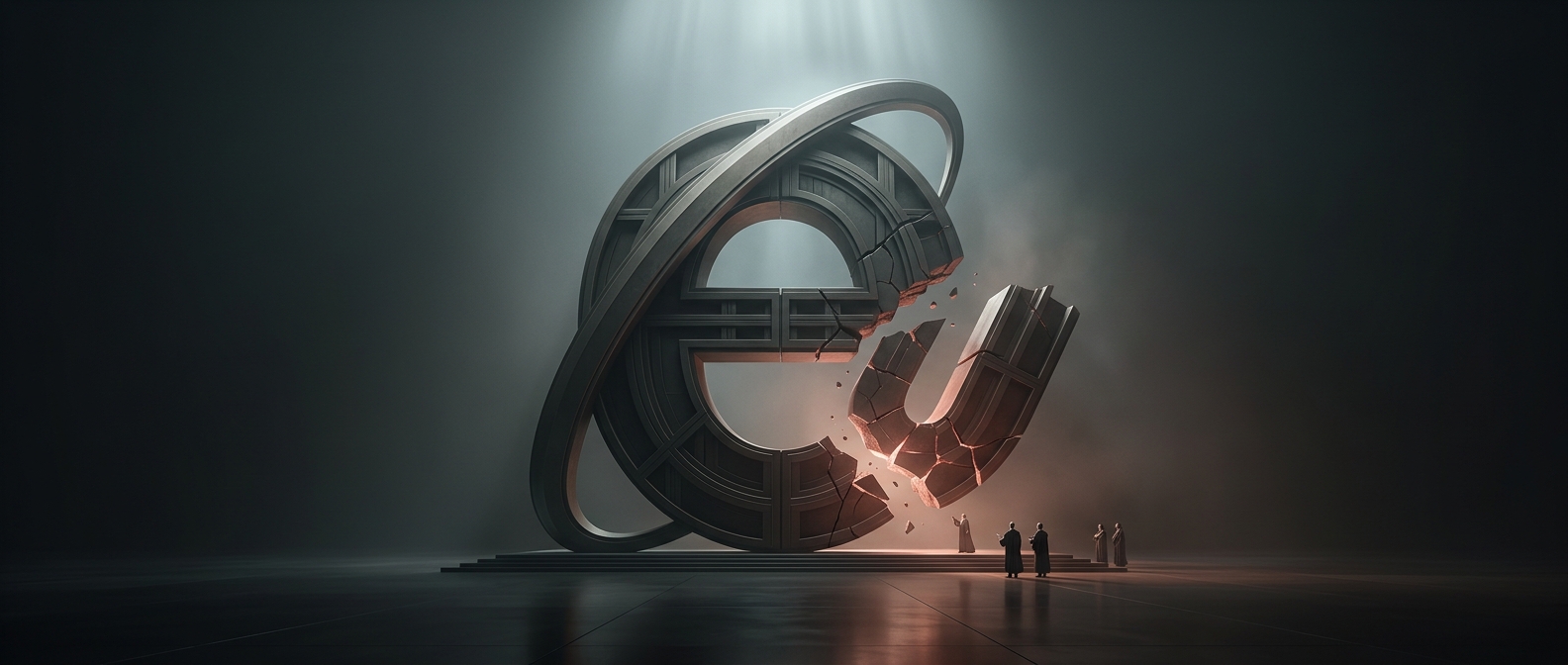
Why Microsoft had to let users uninstall Internet Explorer
At the height of the 90s browser wars, Microsoft illegally bundled their browser into Windows to crush Netscape. The U.S. government actually had to step in…
Discover more
The keyboards designed to erase your visual crutch
If you ever want to feel instantly illiterate, buy a keyboard specifically designed to have zero printed letters. These aggressive peripherals are sold to…
Discover more
The sorting algorithm that deletes what does not fit
Perfect organization is easy if you completely ignore retention rates. This brutal gag algorithm achieves perfect sequential order in a single pass simply by…
Discover more
The $100,000 tool bag still orbiting Earth
Because cluttering our own planet simply wasn't enough, humanity has started trashing the cosmos. In 2008, astronaut Heidemarie Stefanyshyn-Piper let a…
Discover more
Why gamepads rumble in surprisingly complex ways
The rumble sensation in your hands is a carefully orchestrated mechanical disaster. Gamepads use a large, heavy spinning mass on the left side to simulate…
Discover more
How dry ice blasts grime off machinery
Sandblasting leaves an abrasive mess everywhere, so clever engineers started shooting frozen carbon dioxide instead. Dry ice blasting fires sub-zero pellets…
Discover more
Why deleting a useless image can break a game
Modern software architecture is basically a house of cards held together by digital duct tape. In certain games built on the Source engine, developers left…
Discover more
Why adding developers can delay a late project
According to Brooks's Law, assigning more developers to a software project that is already behind schedule guarantees it will be delayed further. The new…
Discover more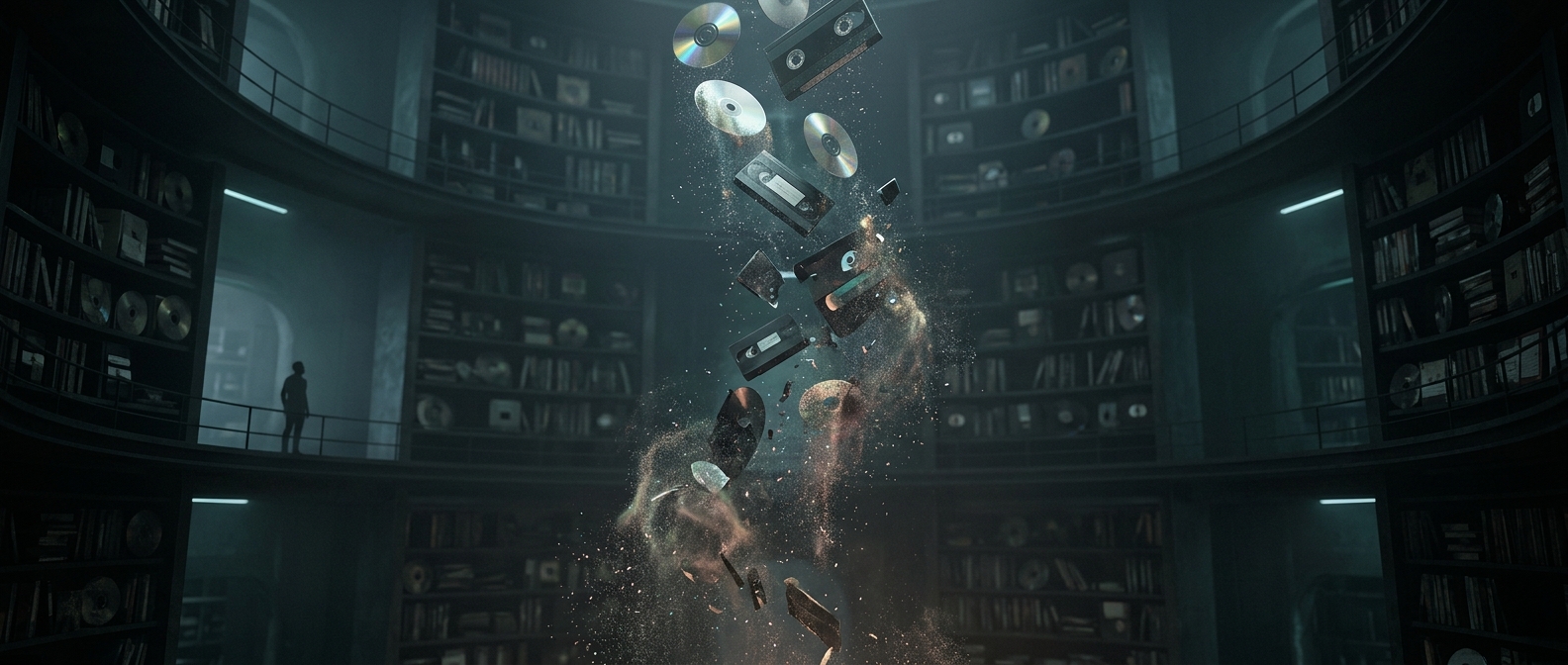
Your old hard drives won't last forever
Your nostalgic backup drives and carefully curated optical discs are all suffering from an incurable terminal illness. Thanks to basic chemical breakdown, the…
Discover more