Economy
Discover facts about economy. Small discoveries that change the way you see familiar things.
Economy
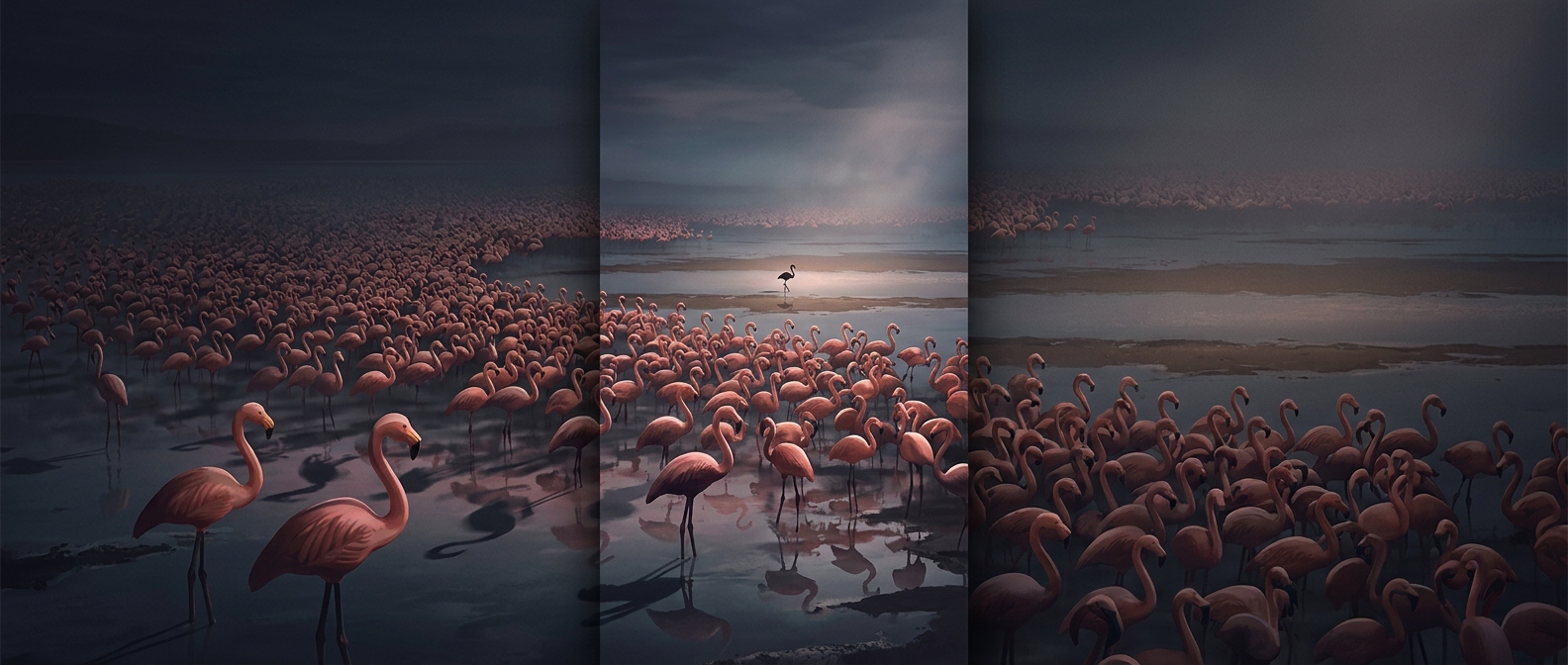
There may be more plastic flamingos than real ones
The plastic flamingo became a kitschy staple after its 1957 invention, and millions of lawn ornaments may now outnumber the few hundred thousand real birds.…
Discover more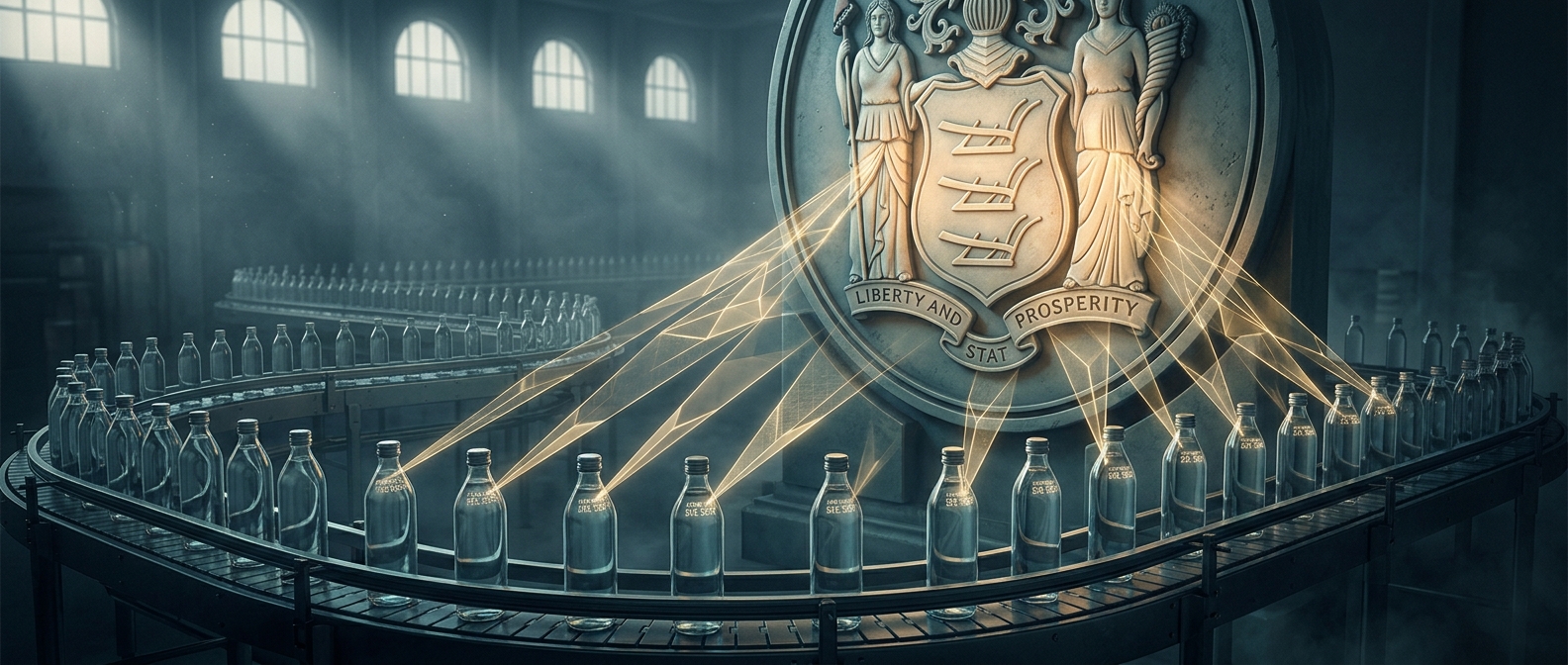
Why bottled water has an expiration date
New Jersey required expiration dates on food packaging in 1987, so bottlers added dates to water labels to simplify distribution. The water itself doesn't…
Discover more
Why snacks at eye level aren't an accident
Brands may pay a store just to put their products where shoppers are likely to look. That makes the snack at eye level less of an accident than a paid…
Discover more
Why rideshare prices jump when it rains
Rain can turn an ordinary ride request into a more expensive one: demand rises, and the app adjusts fares upward. The higher fare helps pull drivers toward…
Discover more
Art can hide enormous fortunes
A single artwork can hold a fortune without looking like a bank account. In the loosely regulated high-end art market, those huge values can be harder to…
Discover more
Why drive-thru lanes avoid left turns
A left turn across traffic makes one driver wait while a whole line stacks up behind them. Drive-thru lanes are laid out to keep that one car from stopping…
Discover more STACKY FOR IPHONE
A bigger world.
One discovery
at a time.
Keep discovering with Stacky. Interesting facts in an app that is always within reach.
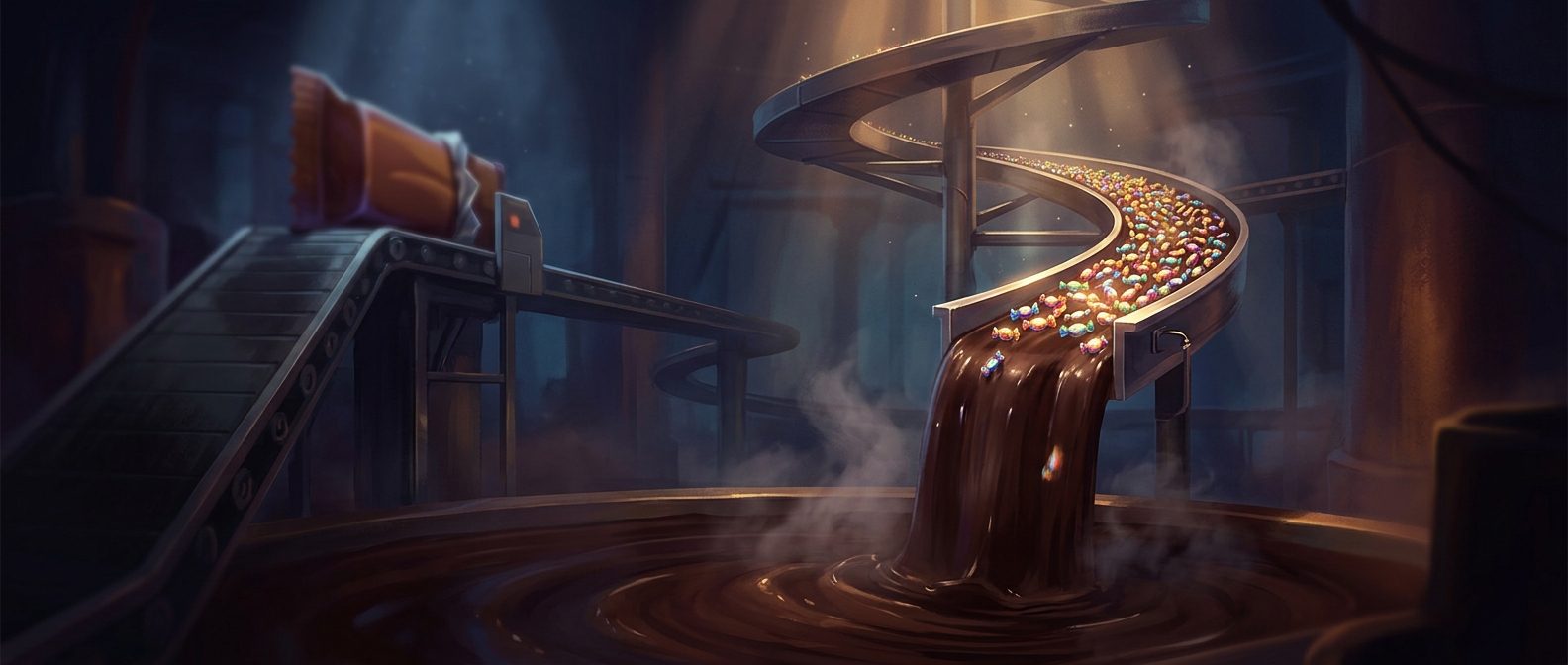
Fun size candy drastically lowers production costs
Make each candy smaller and the company uses fewer ingredients per piece. Put “fun size” on the wrapper, and a smaller portion sounds like a treat rather than…
Discover more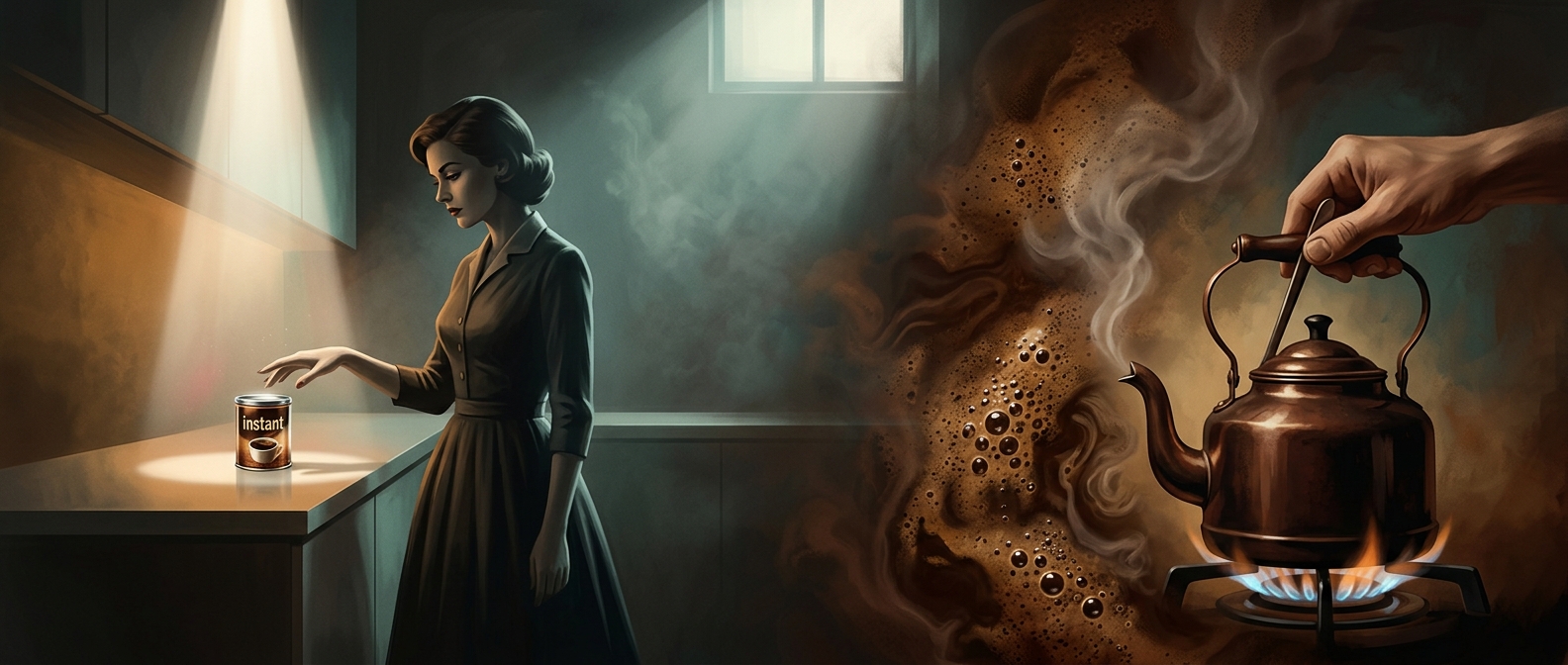
Instant coffee once got entangled with ideas about housework
In a classic 1950 study, people judged fictional shopping lists differently when they included instant rather than ground coffee, attaching personality…
Discover more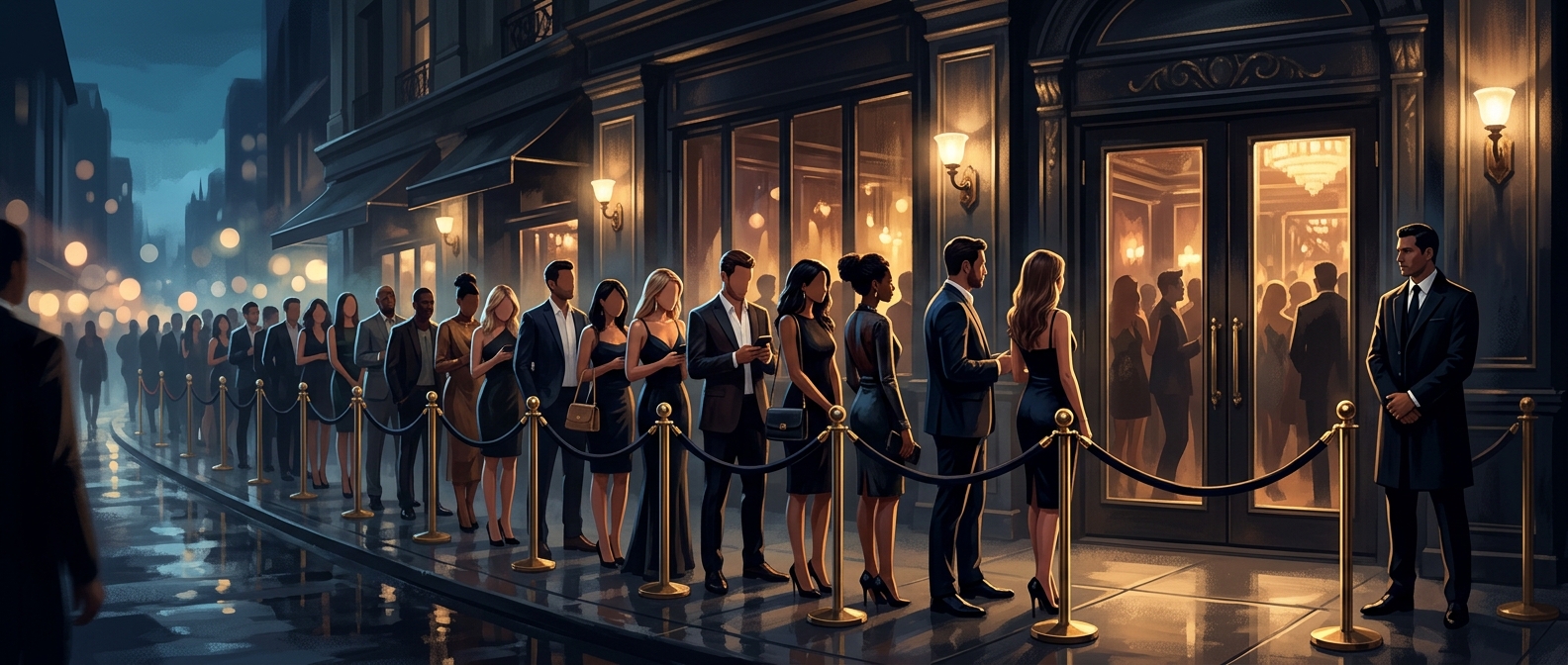
Why clubs keep empty queues outside
A club can keep a line outside even when the dance floor is empty. The crowd makes the place look exclusive, and people who get in may be more willing to pay…
Discover more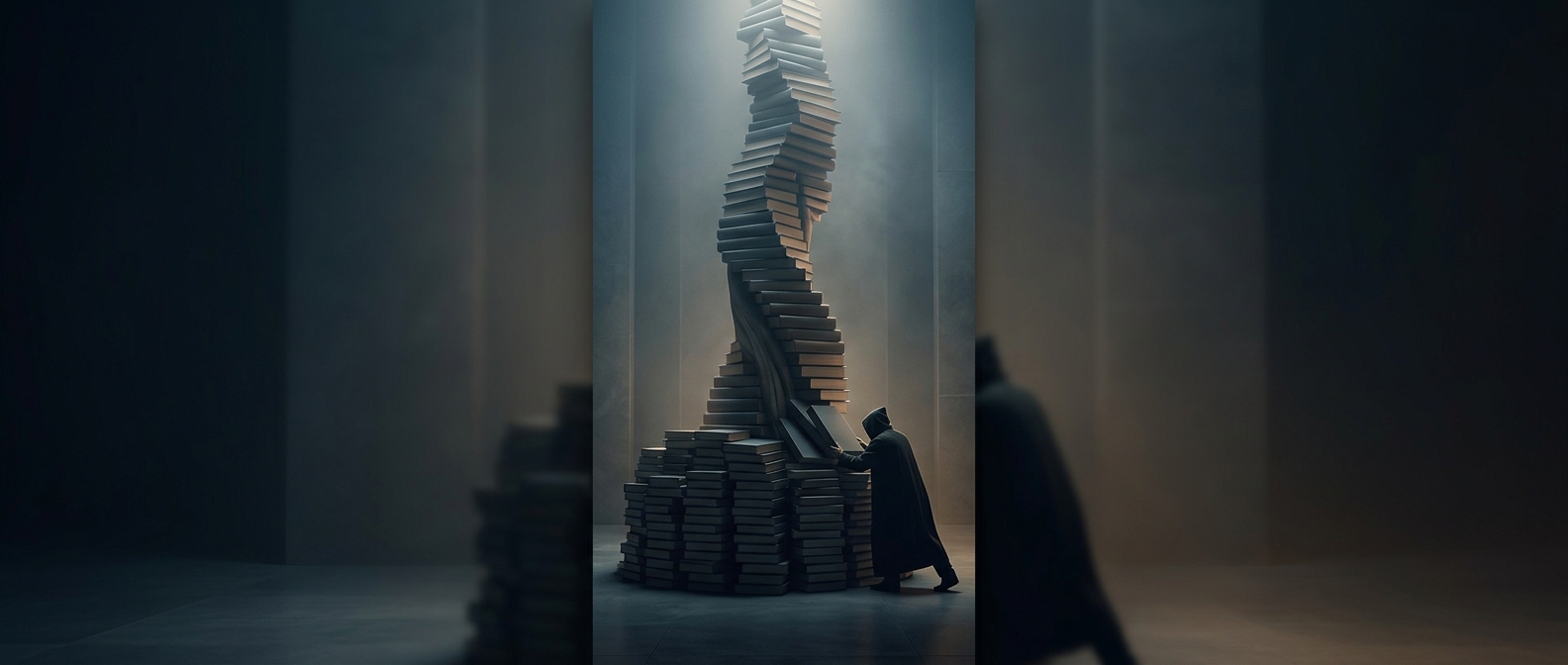
How authors buy their way onto bestseller lists
A publisher can sell books one reader at a time; a specialist firm can buy thousands in one week. That concentrated burst can push an author's title over a…
Discover more
How greeting cards turned minor holidays into traditions
A greeting-card company has a reason to make an ordinary date feel like an occasion: people buy cards to mark it. The industry promoted celebrations such as…
Discover more
Coupons make bargain hunters prove they care about price
A coupon asks shoppers to do a small job—find it, clip it, remember it at checkout. Brands use that effort to separate bargain hunters from customers who will…
Discover more
Mail-in rebates count on you forgetting
A rebate is money the company promises only after you do the chores: find the receipt, fill out a form, buy a stamp, and mail it. Every customer who gives up…
Discover more
'Artisan' on a US food label is not a production-method certificate
The term suggests small-scale craftsmanship but lacks a specific federal food-label definition comparable to a regulated certification. The packaging may…
Discover more
Why stores push warranties that rarely pay off
Stores can make money selling extended warranties because they expect relatively few covered products to fail during the plan’s term. Many customers pay for…
Discover more
Why blind-box toys feel like gambling
Each sealed box might hold the rare figure—or the same one the buyer already owns. That chance can turn a toy purchase into repeated attempts to get the one…
Discover more
How kids' menus turn cheap food into big profits
Nuggets and fries do double duty on a kids’ menu: they’re inexpensive for restaurants to serve and help protect profit margins. Repeated meals can also make…
Discover more
Vending machines drop snacks to create satisfaction
The machine's thump tells you the snack actually fell. That little sound is part of the purchase: payment is followed by an audible confirmation, not just a…
Discover more
Cereal boxes can meet shoppers at different eye levels
A 2014 study reported downward-looking mascots on many children's cereals and straighter gazes on adult products. That arrangement could put a cartoon face…
Discover more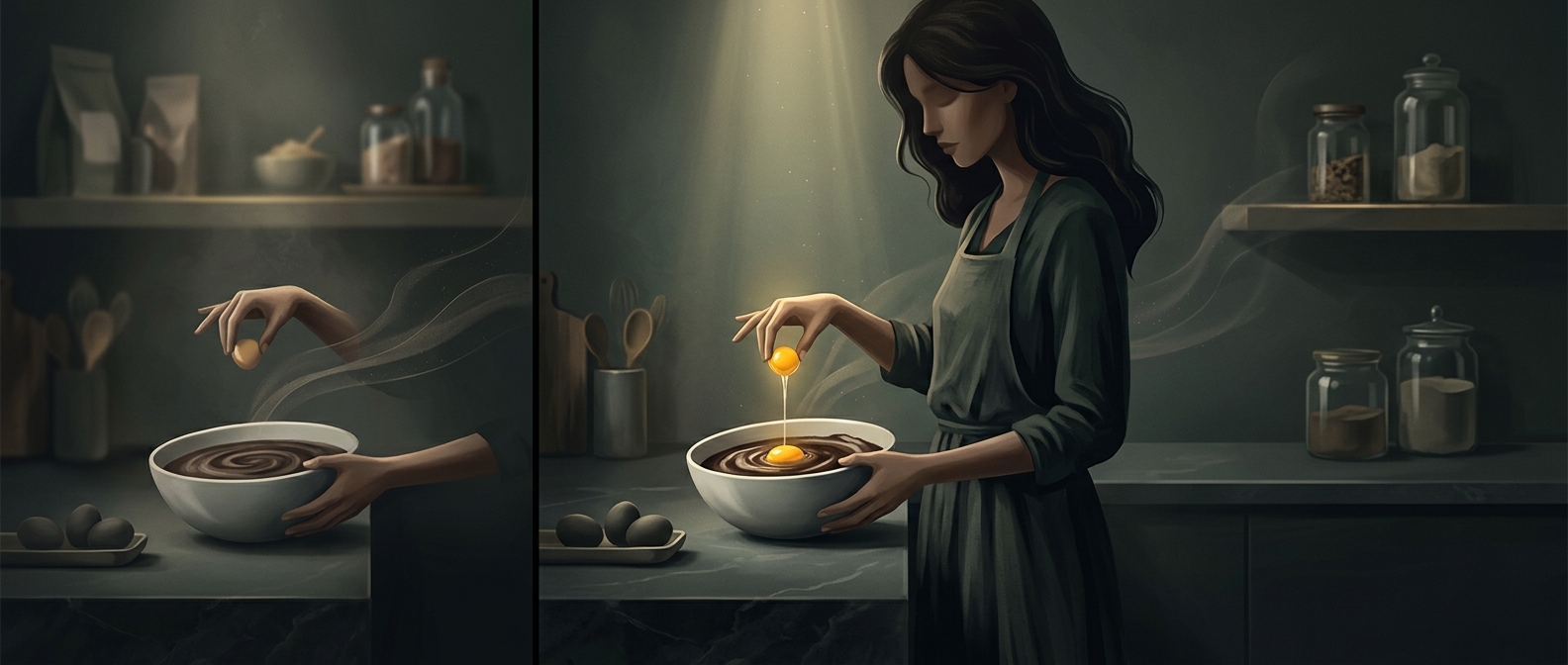
Why cake mix makes you crack an egg
The first mixes already had dried eggs, but people felt the recipe asked too little of them. Manufacturers took the eggs out, so bakers had to crack in a…
Discover more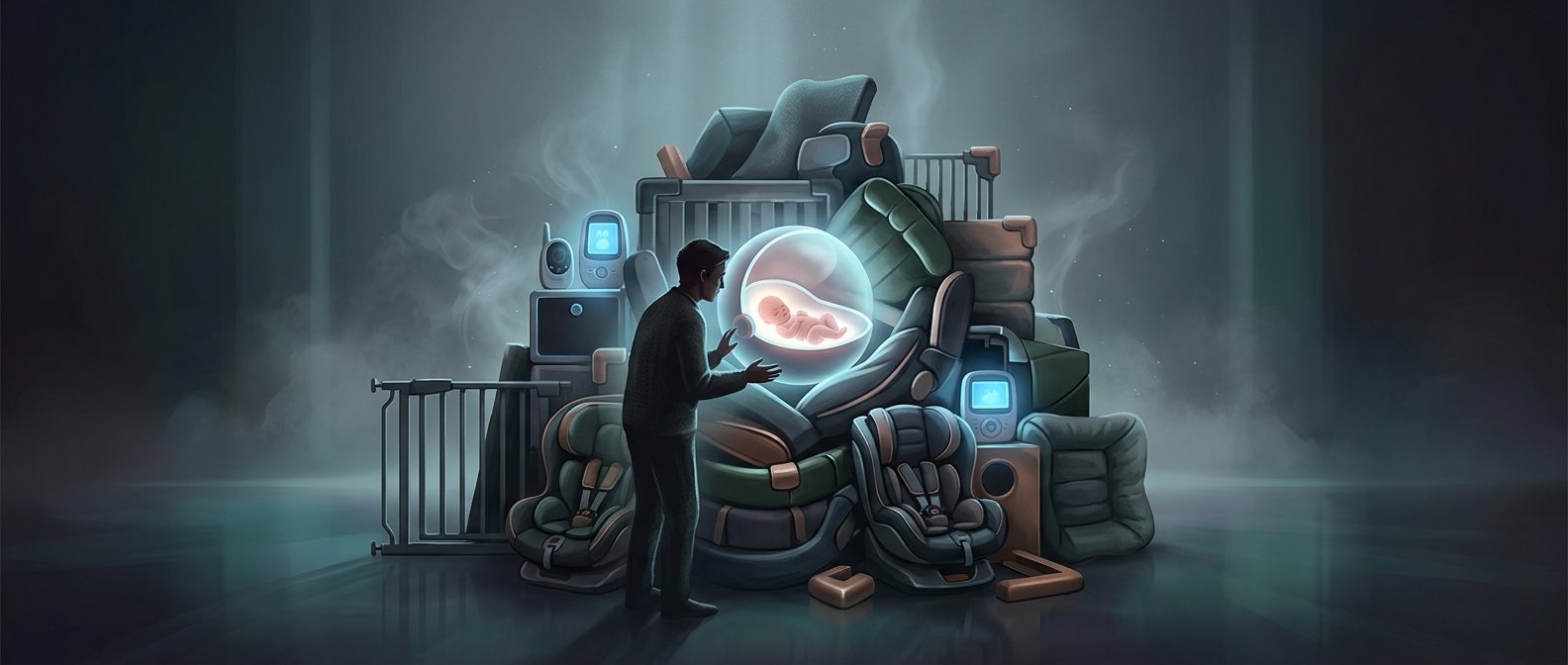
Parental anxiety drives the baby safety market
A corner bumper can be sold as protection against a danger parents are already anxious about. When a product is presented as a must-have, fear can turn an…
Discover more
A minibar sells convenience along with the snack
The customer can open a fridge without leaving the room, while the hotel has to stock it, check consumption, and replace items. That setup supports a price…
Discover more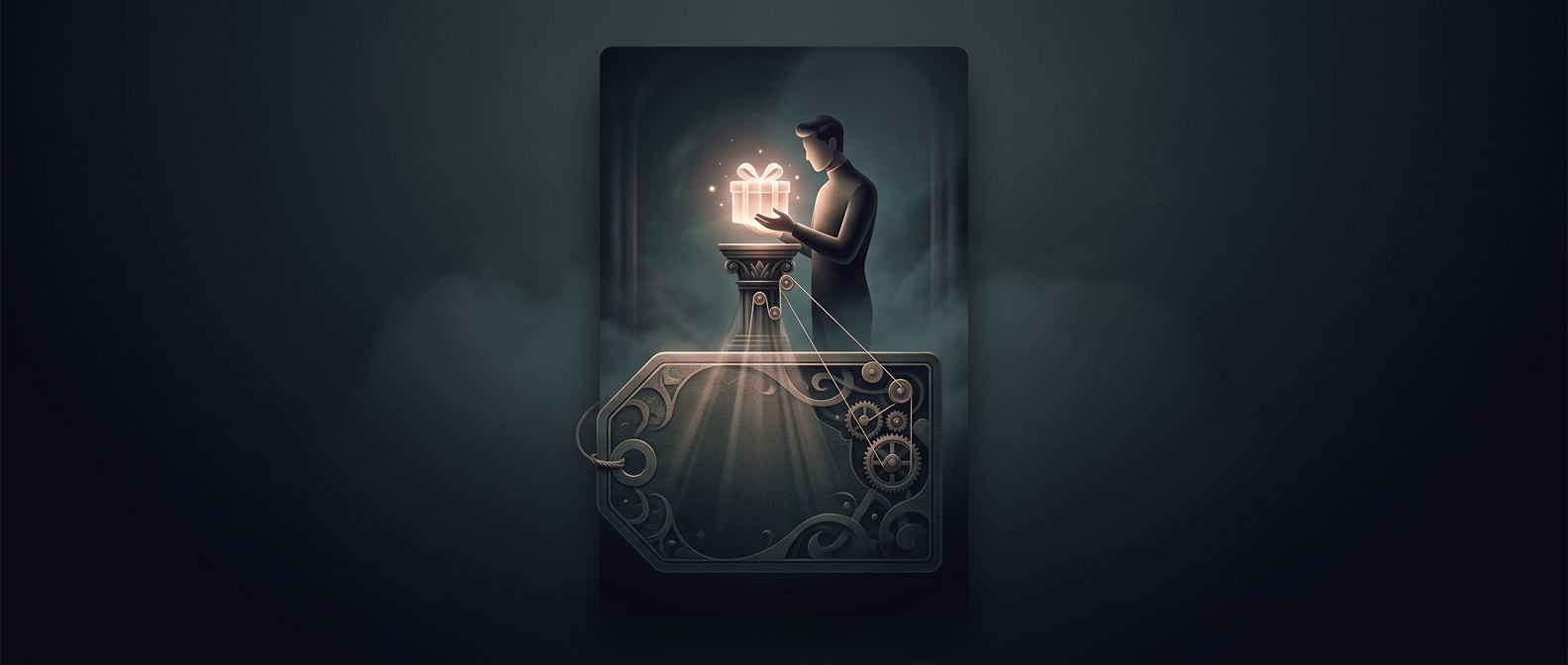
Free items are paid for by hidden base price hikes
A buy-one-get-one-free deal can start with a price hike weeks earlier. If the store raises the base price first, the supposedly free item may simply bring the…
Discover more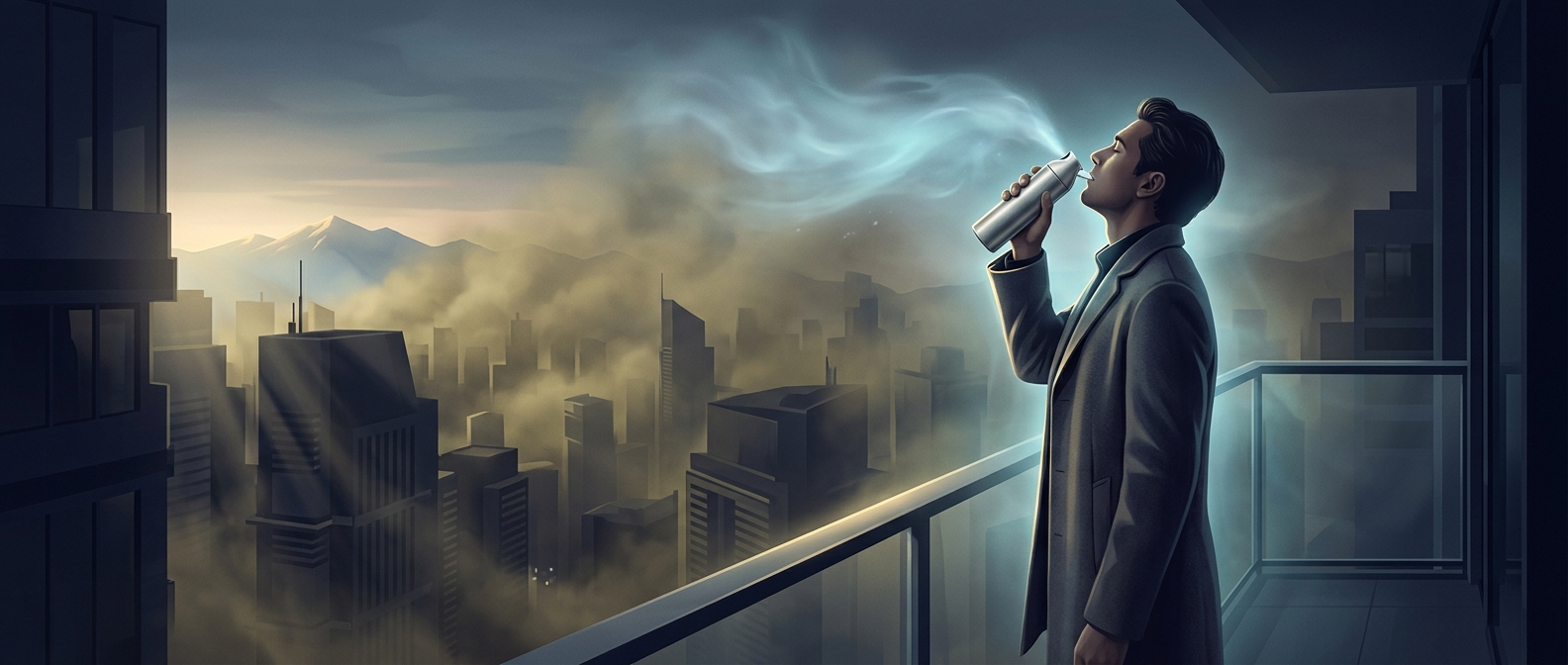
People really buy mountain air in cans
In a polluted city, someone will pay to open a can of mountain air. Companies bottle it from pristine regions and sell the brief experience as a novelty.
Discover more