Health
Discover facts about health. Small discoveries that change the way you see familiar things.
Health

Why some people turn red after one drink
Some people flush after one drink because a genetic difference slows the breakdown of alcohol’s toxic byproducts. As those compounds build up, blood vessels…
Discover more
Poinsettias have a scarier reputation than their usual effects
Their sap can irritate skin, and eating the plant can cause mouth irritation or an upset stomach. Poison Control describes the familiar deadly-poison…
Discover more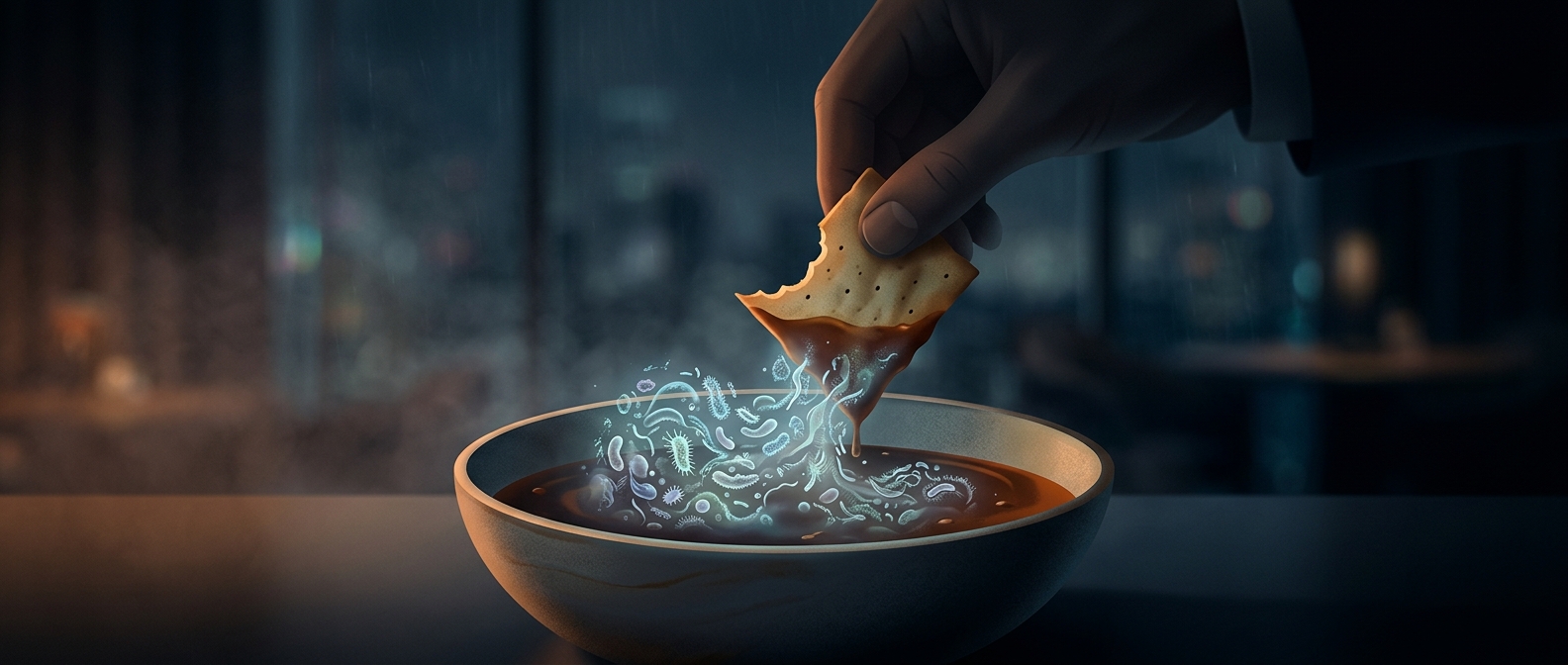
What double-dipping leaves in the guacamole
When you bite a chip, saliva and microbes from your mouth can stick to it. Dip that chip again and some of them go back into the shared guacamole, turning one…
Discover more
Autoimmune conditions mean attacking yourself
An autoimmune condition is a case of mistaken identity: immune defenses react against the body’s own healthy tissues. Because different tissues can be…
Discover more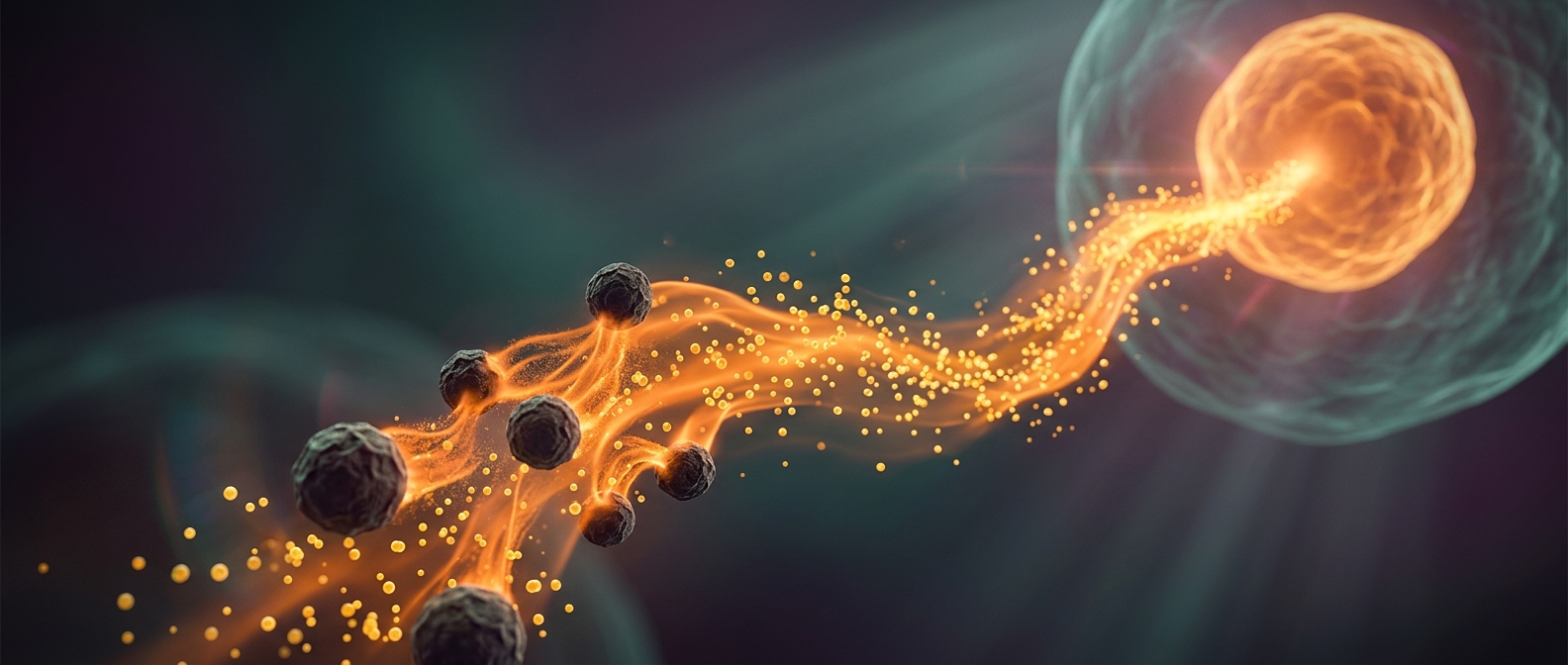
Black pepper changes how the body handles curcumin
Piperine, a compound in black pepper, can increase the bioavailability of turmeric's curcumin—the amount reaching the body in usable circulation. That is why…
Discover more
Shared gym equipment spreads drug-resistant MRSA
MRSA can travel when skin or a contaminated towel touches sweaty benches and shared equipment. The bacteria can linger on those surfaces and move to another…
Discover more STACKY FOR IPHONE
A bigger world.
One discovery
at a time.
Keep discovering with Stacky. Interesting facts in an app that is always within reach.

Measles can erase your immune memory
Measles can destroy immune cells that remember infections your body has already fought. That can erase some of its learned defenses, leaving survivors…
Discover more
Sepsis is an extreme and lethal immune response
Sepsis can make the immune system’s response to infection harm the body it is trying to defend. Widespread inflammation can damage tissues and impair organ…
Discover more
The CDC grew out of a campaign against malaria in the U.S.
Its predecessor worked to control malaria around wartime military training areas in the South. When the Communicable Disease Center opened in 1946, it…
Discover more
Why a vaccine is named after a cow
The first successful smallpox vaccine used cowpox, a related virus that could train the immune system to recognize smallpox without using smallpox itself.…
Discover more
Swine flu combined four different viral strains
When two influenza viruses infect the same cell, their gene segments can be packaged into new combinations. That kind of mixing helps explain how swine flu…
Discover more
Why bird flu is so dangerous when it infects people
The virus can cause severe illness in people even though sustained human-to-human spread is limited. So the threat is not simply how easily it passes around;…
Discover more
The disease that no longer exists in nature
A global vaccination campaign broke the chain of transmission until the disease no longer circulated in nature. A few preserved samples remain under strict…
Discover more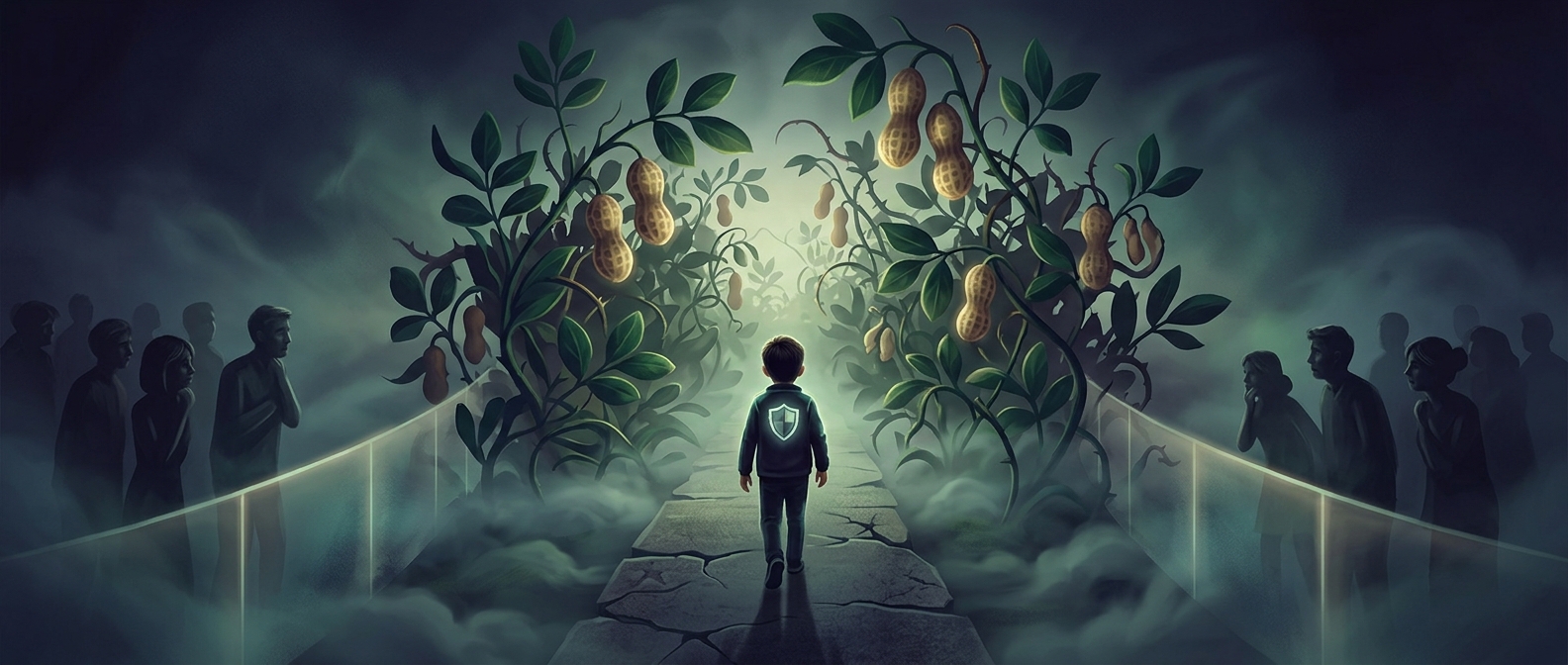
A peanut-allergy trial tested feeding the food people feared
The LEAP study assigned high-risk infants to eat peanut-containing foods or avoid them, with medical screening and follow-up. Early consumption produced an…
Discover more
Even viruses have viruses that attack them
The smaller agent gets inside the larger virus’s replication setup and hijacks the machinery the virus uses to multiply. That can interfere with the larger…
Discover more
Why a bat bite can go unnoticed
A bat bite may not look like much: tiny, sharp teeth can leave a mark someone barely notices. But the wound’s size does not tell you whether rabies was…
Discover more
Candida auris is an emerging fungal superbug
Candida auris is a drug-resistant yeast that can persist on hospital surfaces. That combination makes it difficult to control: it can remain in the…
Discover more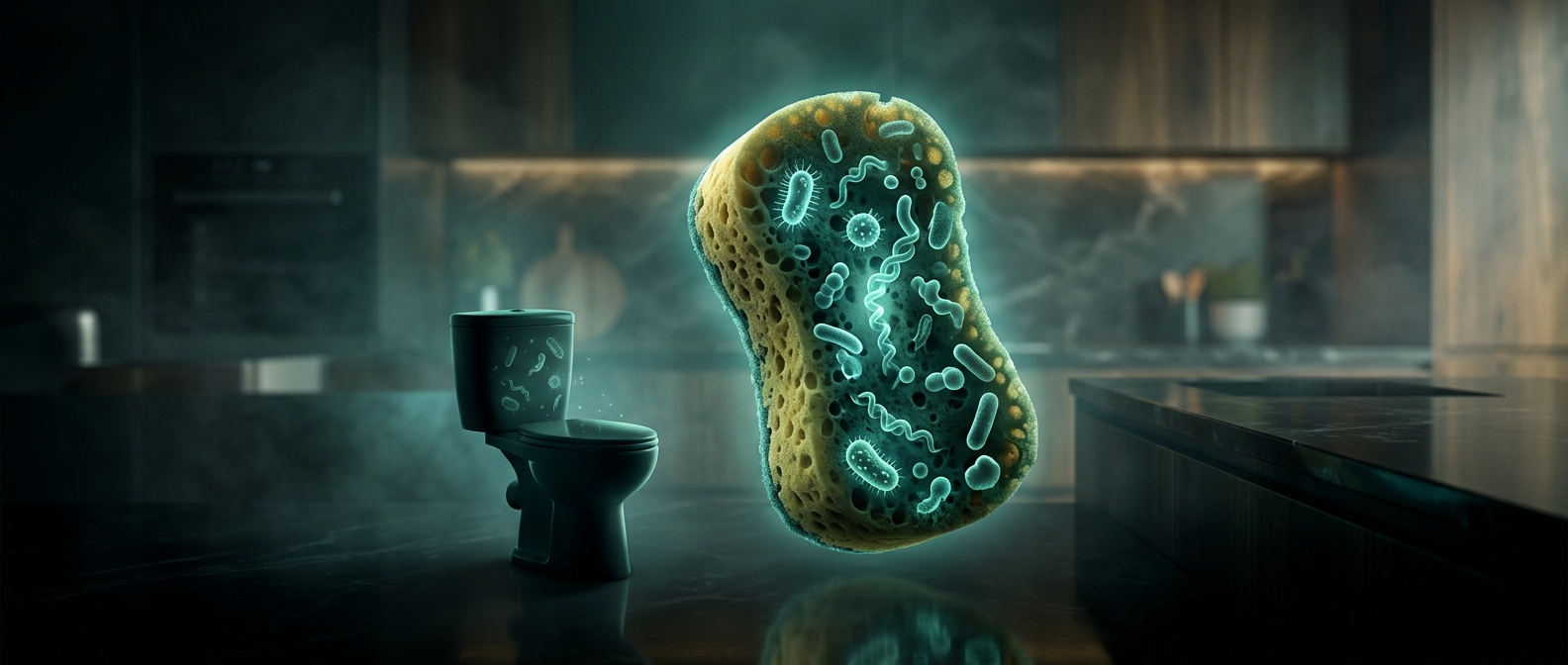
A kitchen sponge offers bacteria both a home and a food supply
Its pores retain moisture and food residue, while repeated wiping moves material between surfaces. Studies find dense microbial communities in used sponges,…
Discover more
Gluten intolerance differs entirely from Celiac
In celiac disease, gluten triggers the immune system to attack the lining of the small intestine. Some people have symptoms after eating gluten without that…
Discover more
Why copper door handles can kill bacteria
Copper’s surface can slowly release ions that harm some microbes. So a copper handle may cut down the bacteria left behind by passing hands; it’s working…
Discover more
Silver utensils had an unexpected antimicrobial effect
A silver utensil could affect microbes without its owner knowing why. Silver can interfere with pathogen replication at a molecular level, an unexpected…
Discover more
Ebola can hide in survivors for months
Some parts of the body, including the eye, are less accessible to immune defenses than other tissues. Ebola can persist there after it has cleared elsewhere,…
Discover more
Typhoid Mary carried the disease without symptoms
She could feel well because carrying Salmonella Typhi does not always make someone sick. But bacteria can still leave a carrier’s body in stool and…
Discover more
High-efficiency filters trap extremely tiny particles
A high-efficiency filter is not just a screen with holes smaller than every speck. Air twists through a dense web of fibers, and tiny particles such as dust…
Discover more