Transport
Discover facts about transport. Small discoveries that change the way you see familiar things.
Transport
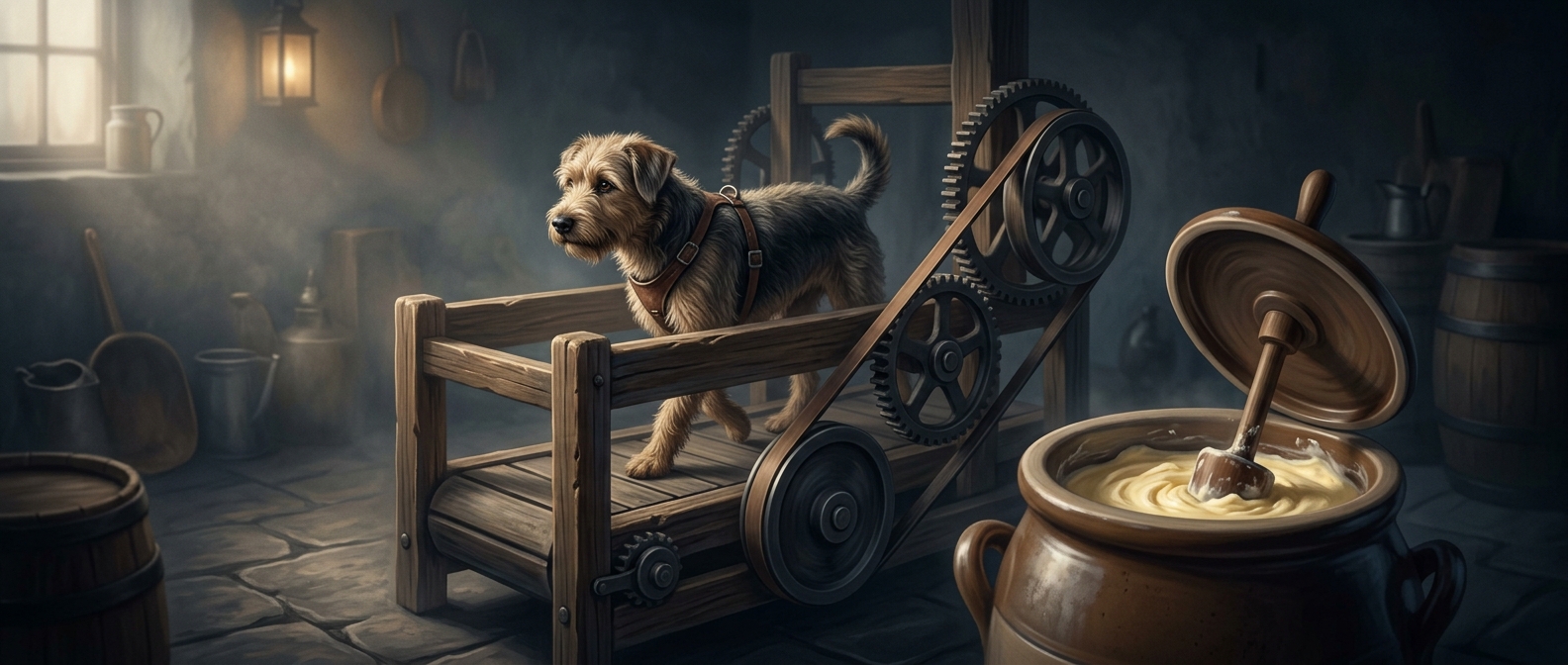
Dogs once powered butter churns
Small dogs ran inside wooden wheels linked to butter churns, turning household pets into surprisingly literal kitchen engines.
Discover more
Scientists cloned an animal that can't reproduce
A mule is usually sterile, but cloning doesn’t require it to make eggs or sperm. Scientists took DNA from a mule’s body cell, placed it in an egg with its own…
Discover more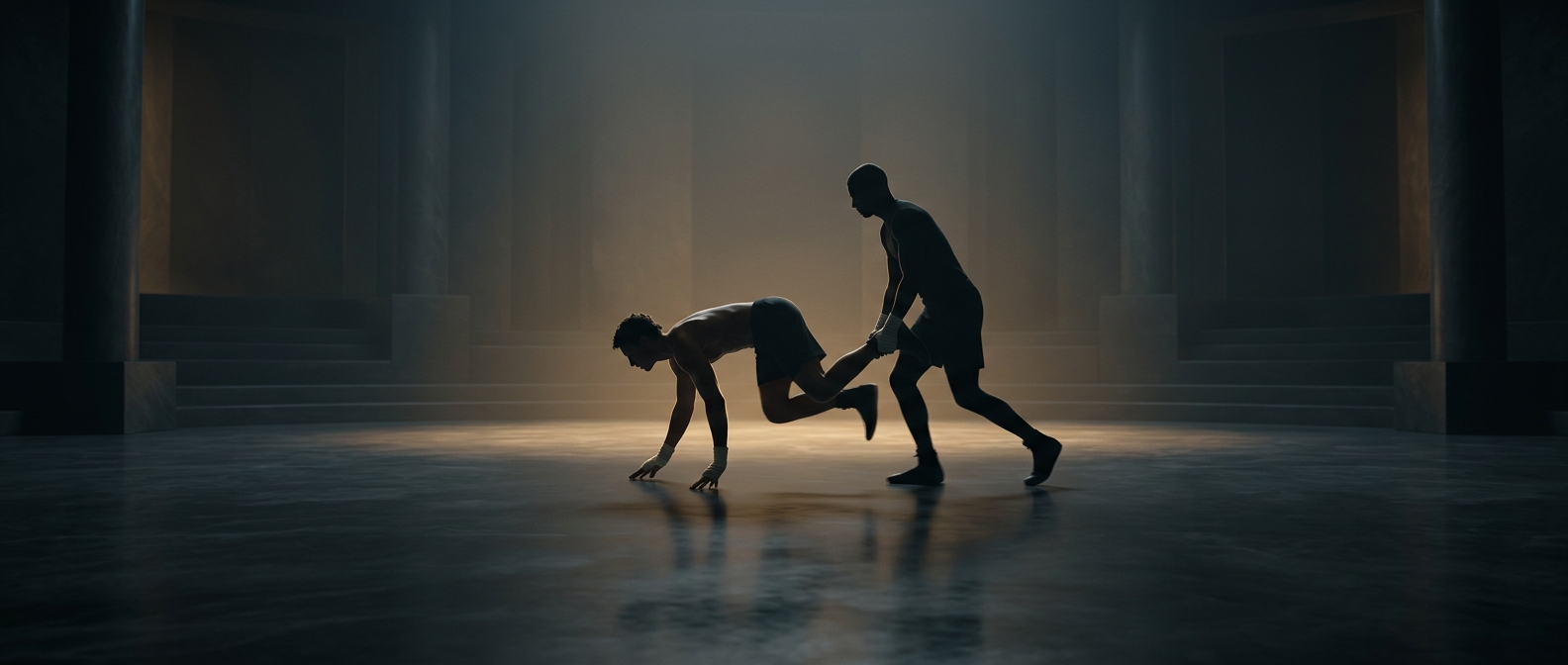
Why wheelbarrow races often end in a face-plant
The partner holding your ankles lifts your legs, leaving your hands to bear your weight and steer. When tired arms buckle, the wheelbarrow parks face-first.…
Discover more
Why the duck walk can wreck your knees
At walking speed, some riders steer a motorcycle by scooting their feet along the ground. With knees bent and splayed, each push loads the joint at an awkward…
Discover more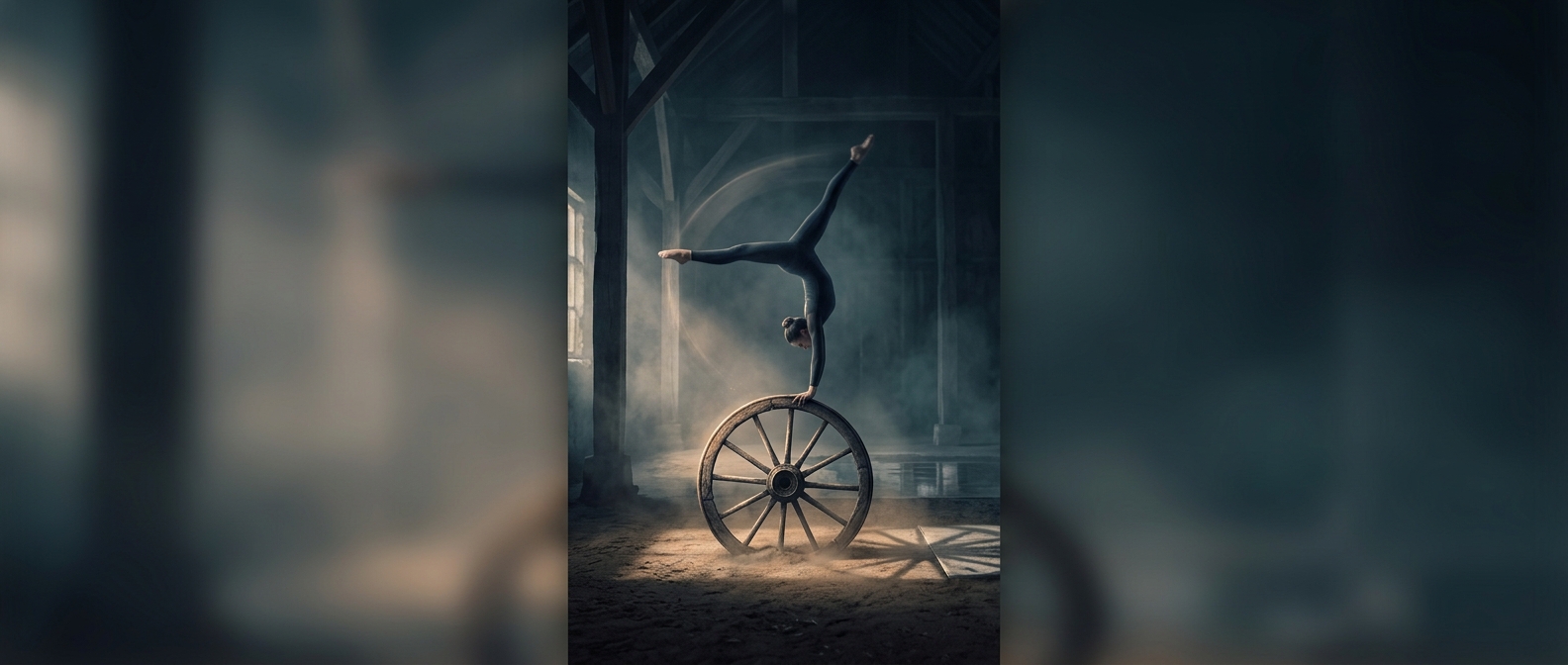
Gymnastic cartwheels are named after actual wagon wheels
A cartwheel traces the same round, hand-over-hand rotation as a wagon wheel rolling along. Gymnastics borrowed its name from a piece of transport equipment…
Discover more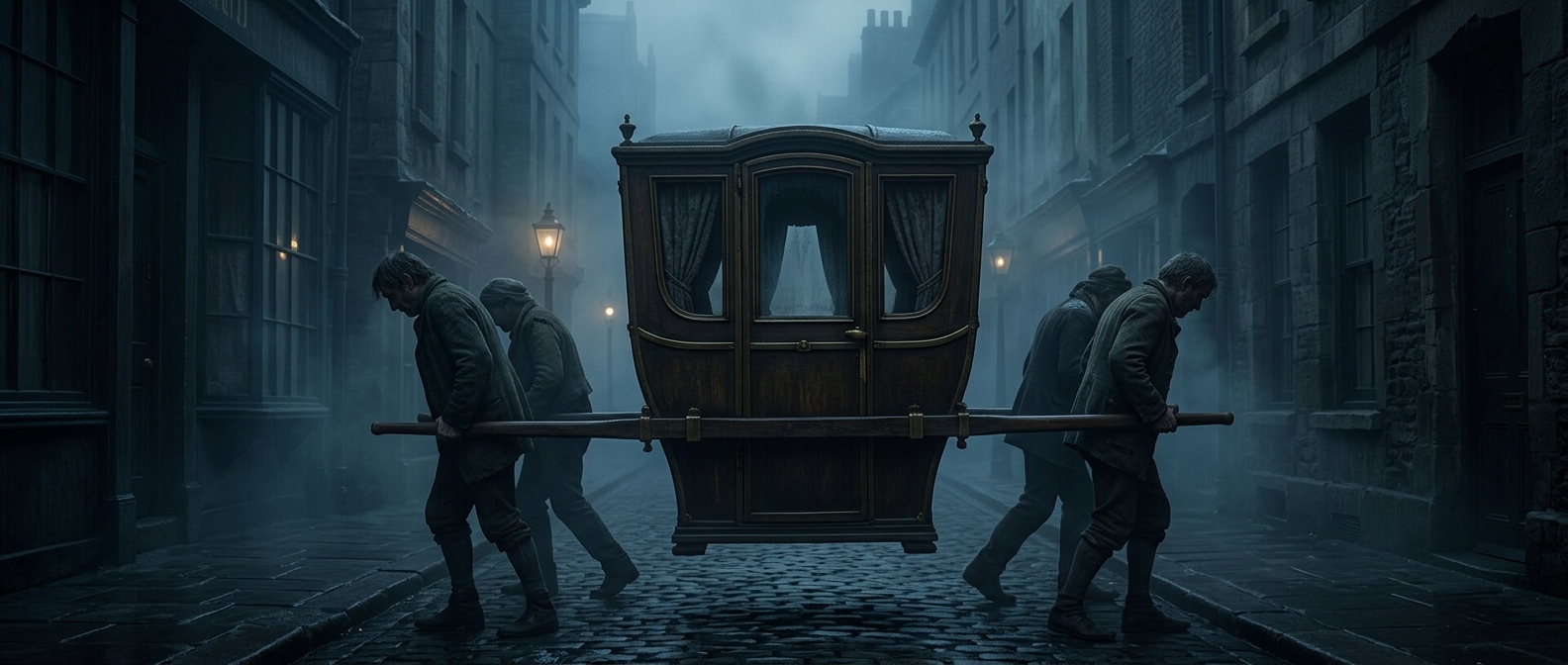
A sedan chair let its passenger travel without touching the street
The enclosed seat hung between poles carried by bearers. It could negotiate urban routes while keeping the passenger clear of mud and crowds. The comfort came…
Discover more STACKY FOR IPHONE
A bigger world.
One discovery
at a time.
Keep discovering with Stacky. Interesting facts in an app that is always within reach.
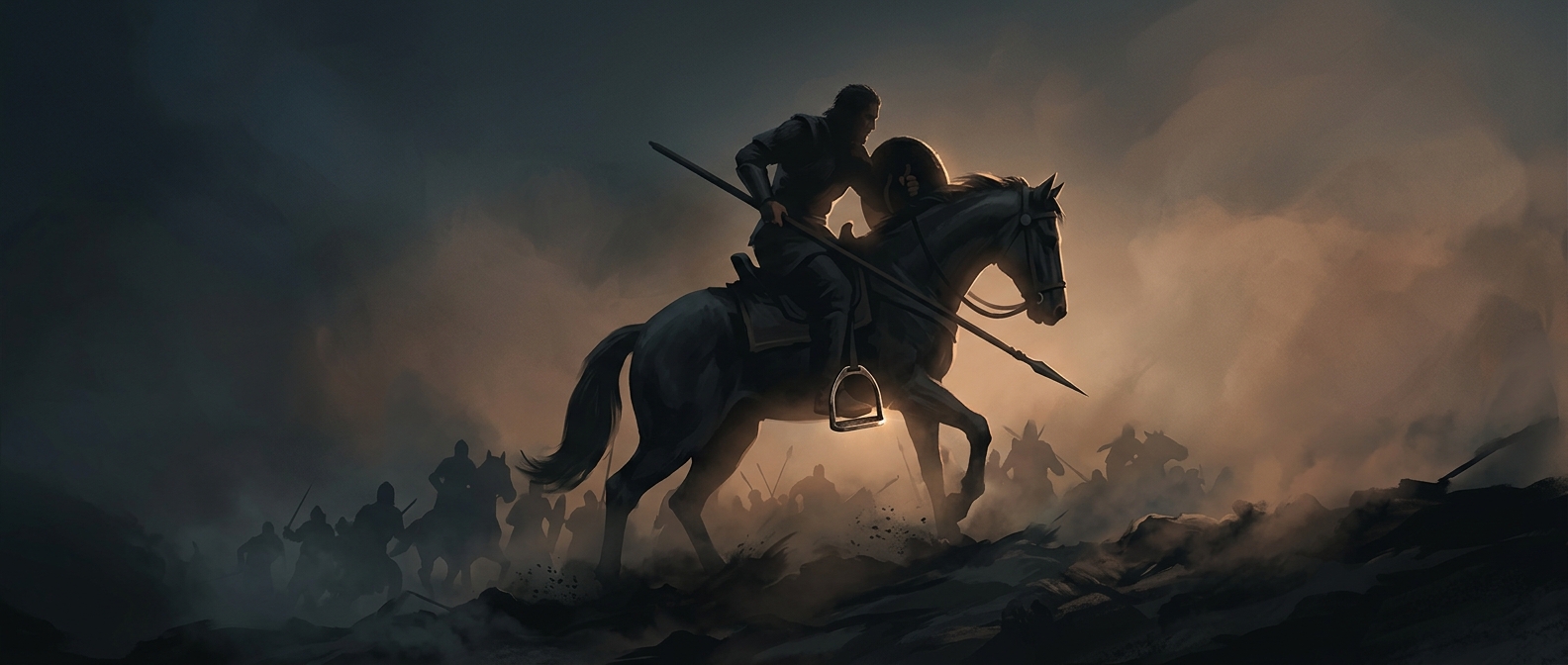
How stirrups let riders fight without falling
A stirrup gives a rider a brace: legs press down, feet stay planted, and the body has a steadier platform for striking or resisting a shove. Without one,…
Discover more
Historic swordplay depended on where your feet went
Period fencing manuals treat stepping as part of attacking and defending, not just a way to approach an opponent. Moving off the line can change which blade…
Discover more
Lifting brides over the threshold avoided evil spirits
In old folklore, the doorway was a boundary where evil spirits waited to follow a bride inside. Carrying her over meant she never touched the threshold—an…
Discover more
Why carrying someone over your shoulder works
The shoulder carry puts much of the person’s weight across your upper back, close to your body, instead of dangling at arm’s length. That shorter lever takes…
Discover more
How horseback riders inspired the centaur myth
From a distance, a mounted rider’s legs disappear behind the horse, making human and animal look like one creature. To people unfamiliar with horseback…
Discover more
Some Ulas siblings walked comfortably on all fours
For some Ulas siblings, walking on two legs made balance difficult, while moving on hands and feet felt steadier. Their unusual gait shows how the body…
Discover more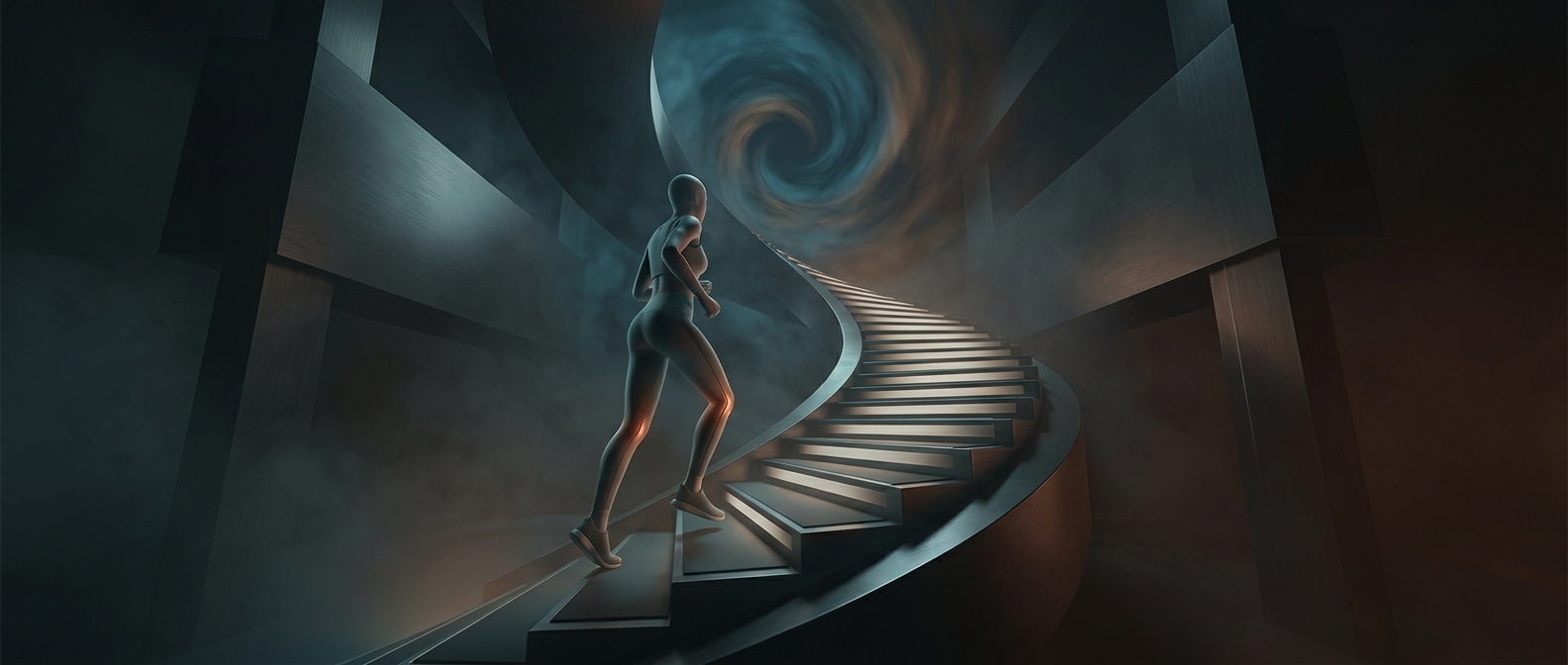
The stair machine takes you nowhere on purpose
The machine’s steps loop beneath you, so your legs climb while your body stays put. That lets you work against a steady load without climbing into another…
Discover more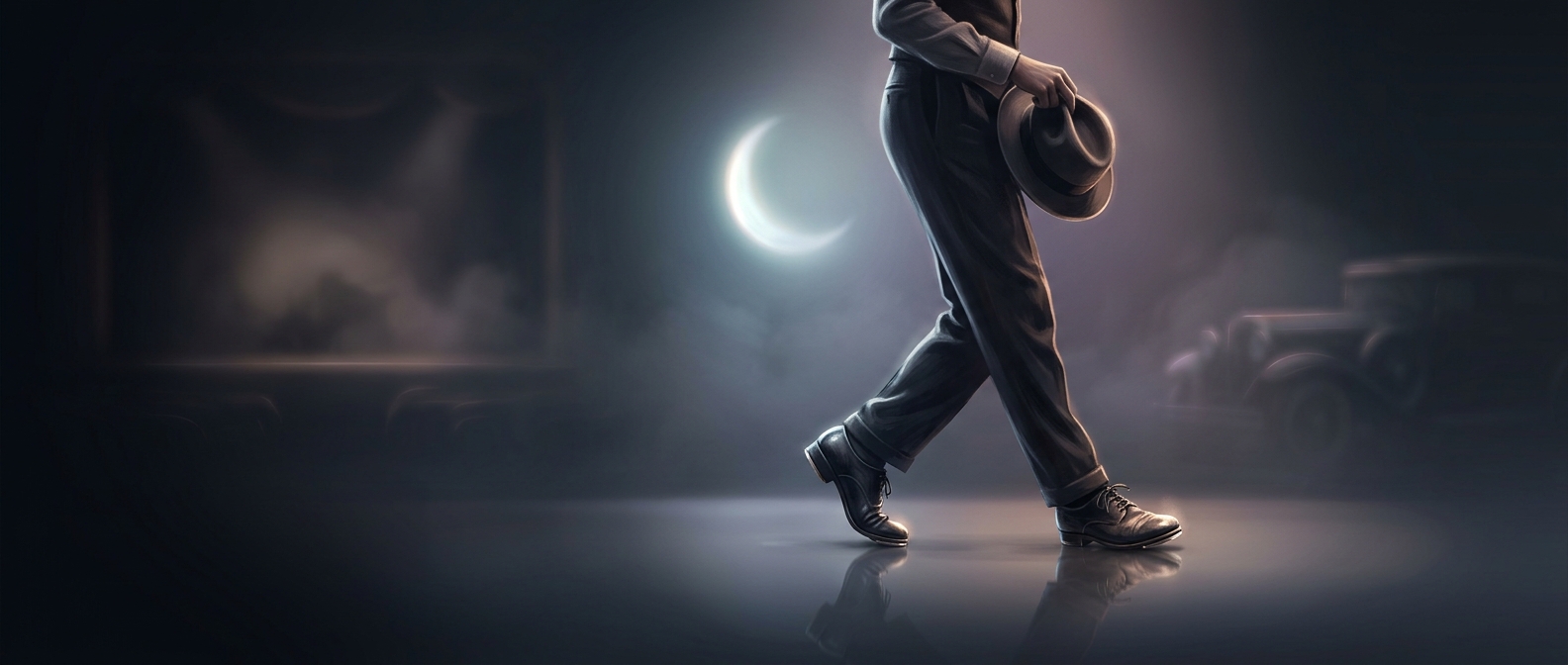
Bill Bailey moonwalked decades before Michael Jackson
Film of Bailey's dancing shows the backward glide long before Jackson made it a signature move. The illusion separates what the feet suggest from where the…
Discover more
Why flying carpets began as Persian folklore
Persian tales gave a treasured carpet the one upgrade no loom could provide: flight. A flying carpet turned a household luxury into instant transport,…
Discover more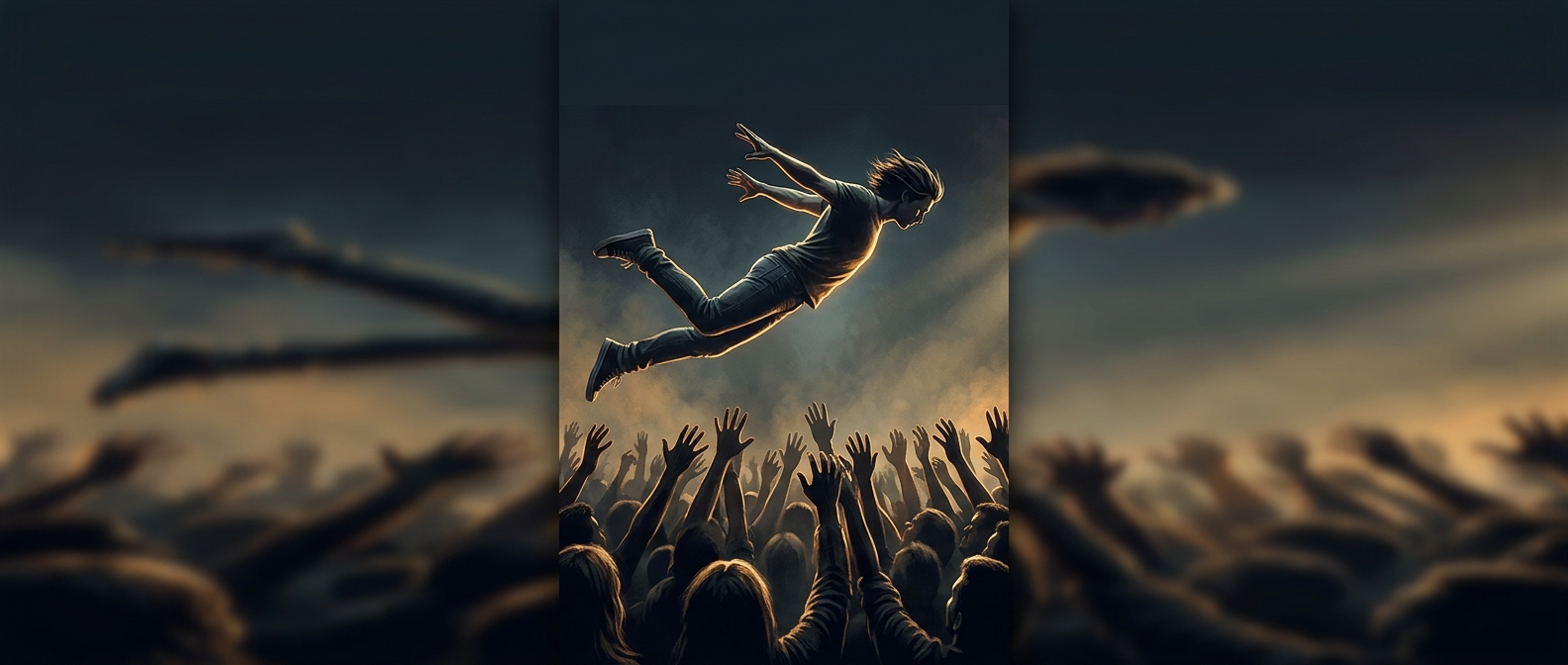
How Iggy Pop helped launch stage diving
Iggy Pop stepped off the stage into the audience, and the crowd caught him instead of letting gravity finish the show. That leap helped turn stage diving into…
Discover more
Pool noodles began as construction materials
Foam pipe insulation keeps pipes from losing heat; its light, air-filled structure also floats. Stretch it into a long tube and the job description changes…
Discover more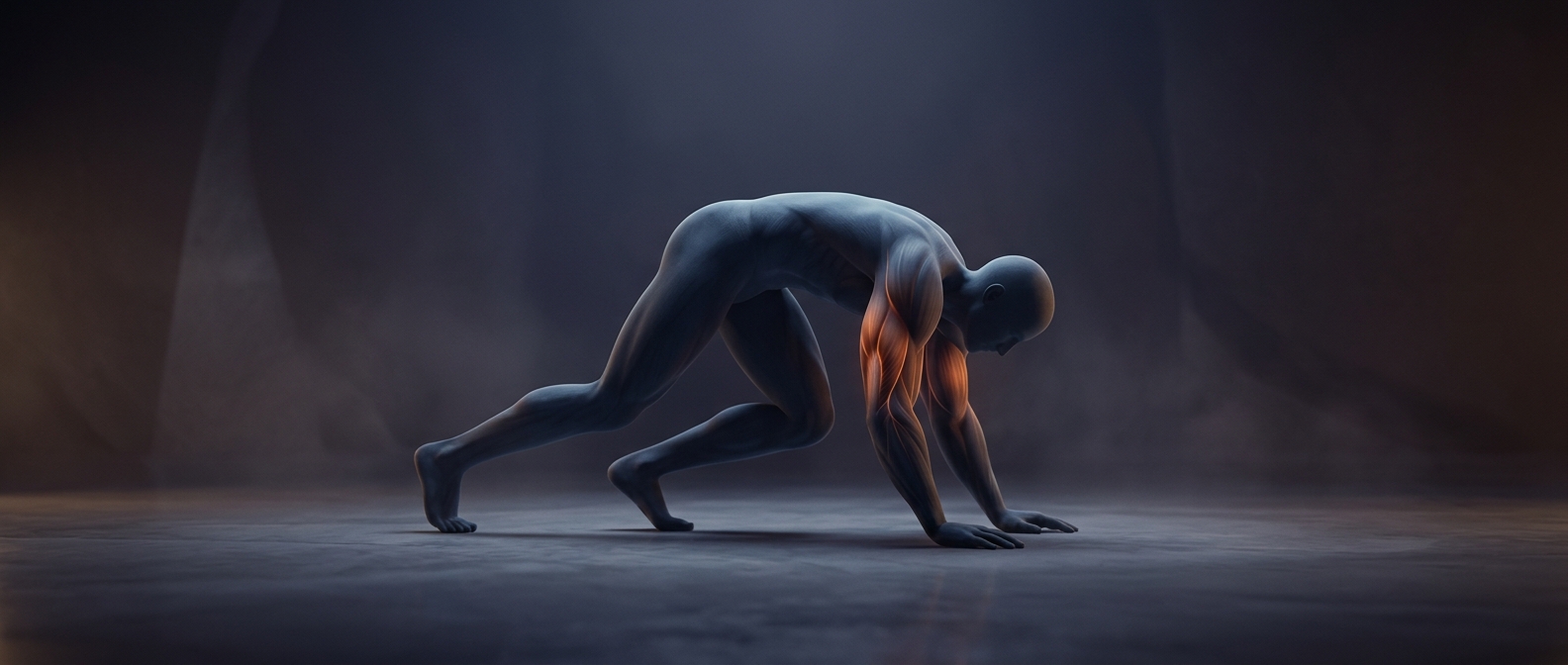
Why crab walking makes your arms burn
Your arms aren’t just along for the crab walk—they’re carrying your upper body while your shoulders stabilize every sideways shuffle. It’s less a stroll than…
Discover more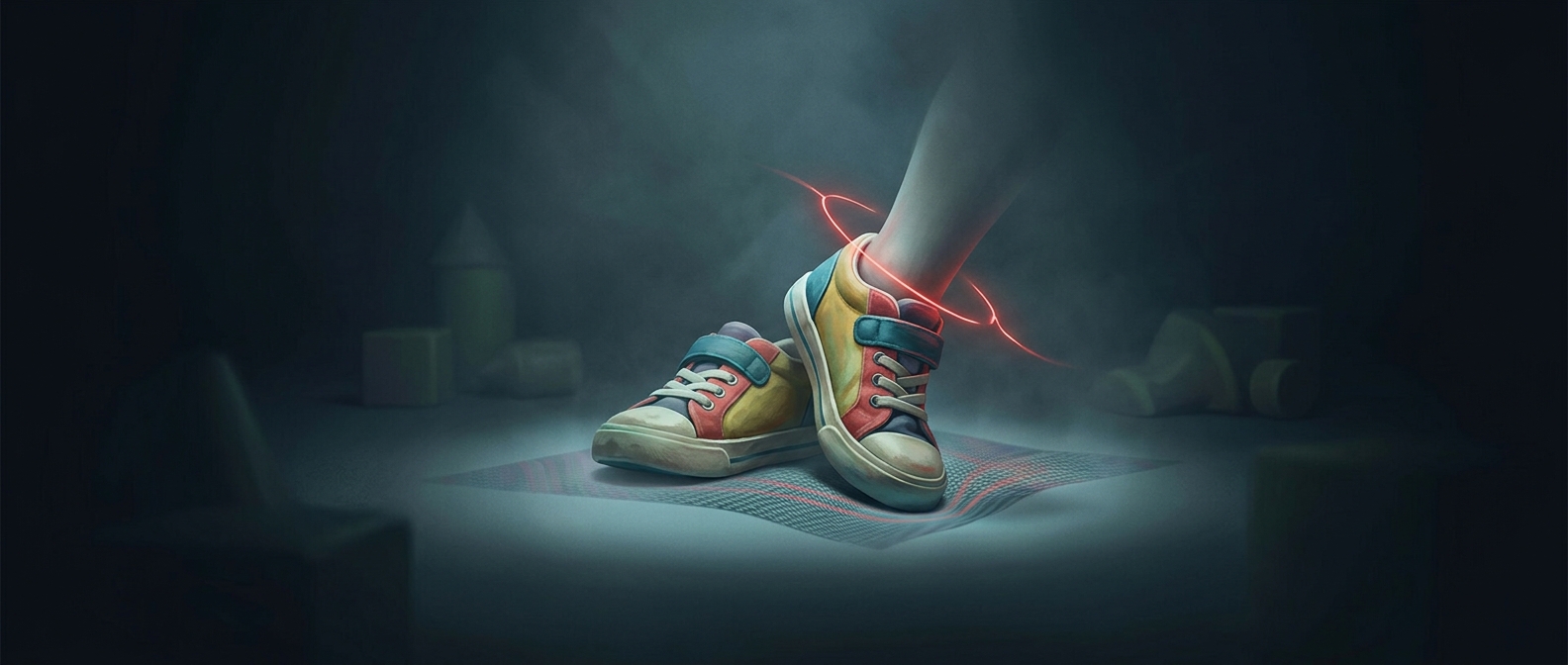
Mini foot trampolines reliably cause sprained ankles
The elastic surface rebounds under the foot, adding a springy shove just as the ankle tries to steady the landing. It’s a small trampoline with a big opinion…
Discover more
Piggyback has nothing to do with pigs
The phrase began as “pick-a-back”: carrying something on someone’s back. As the sound shifted, “pick” turned into “pig,” leaving the animals with an…
Discover more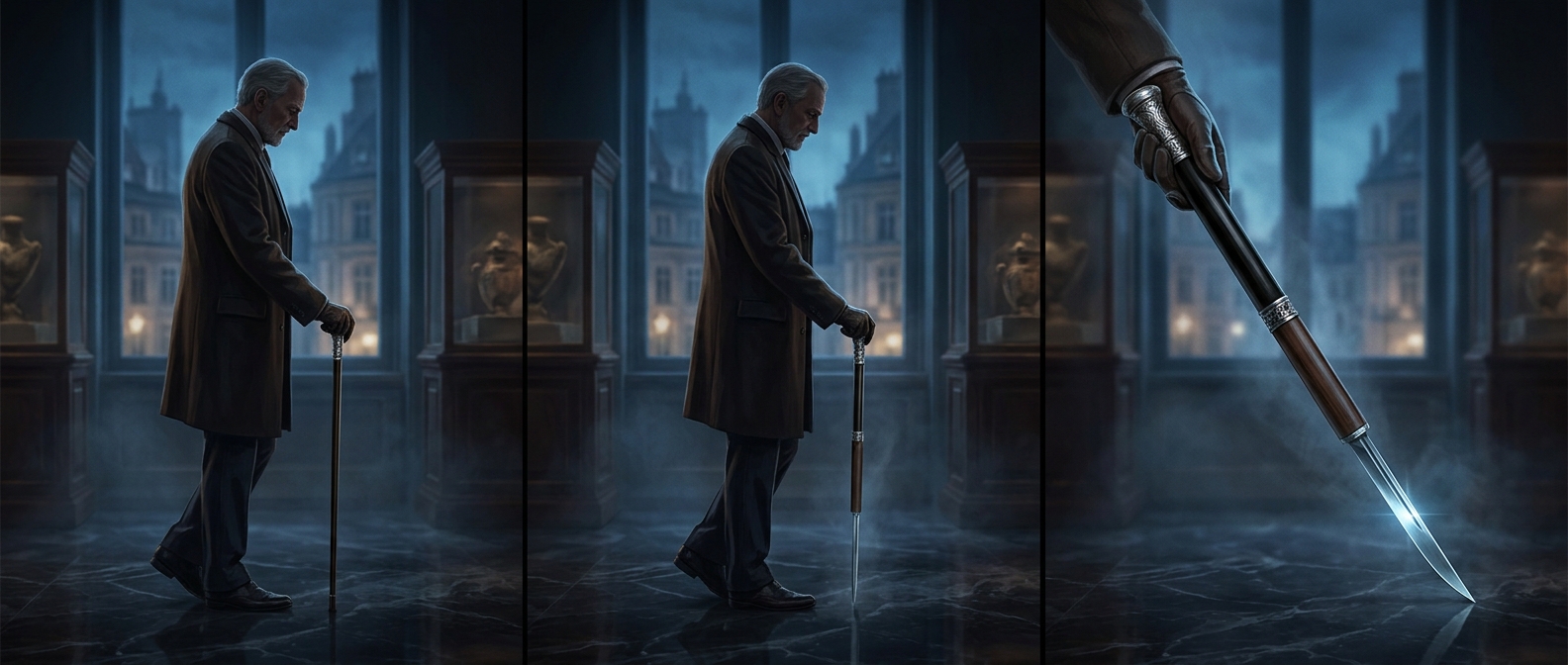
Why gentlemen carried swords inside their canes
The cane looked like a walking aid; inside, a narrow blade waited beneath the handle. It concealed a weapon in plain sight, turning formal dress into a very…
Discover more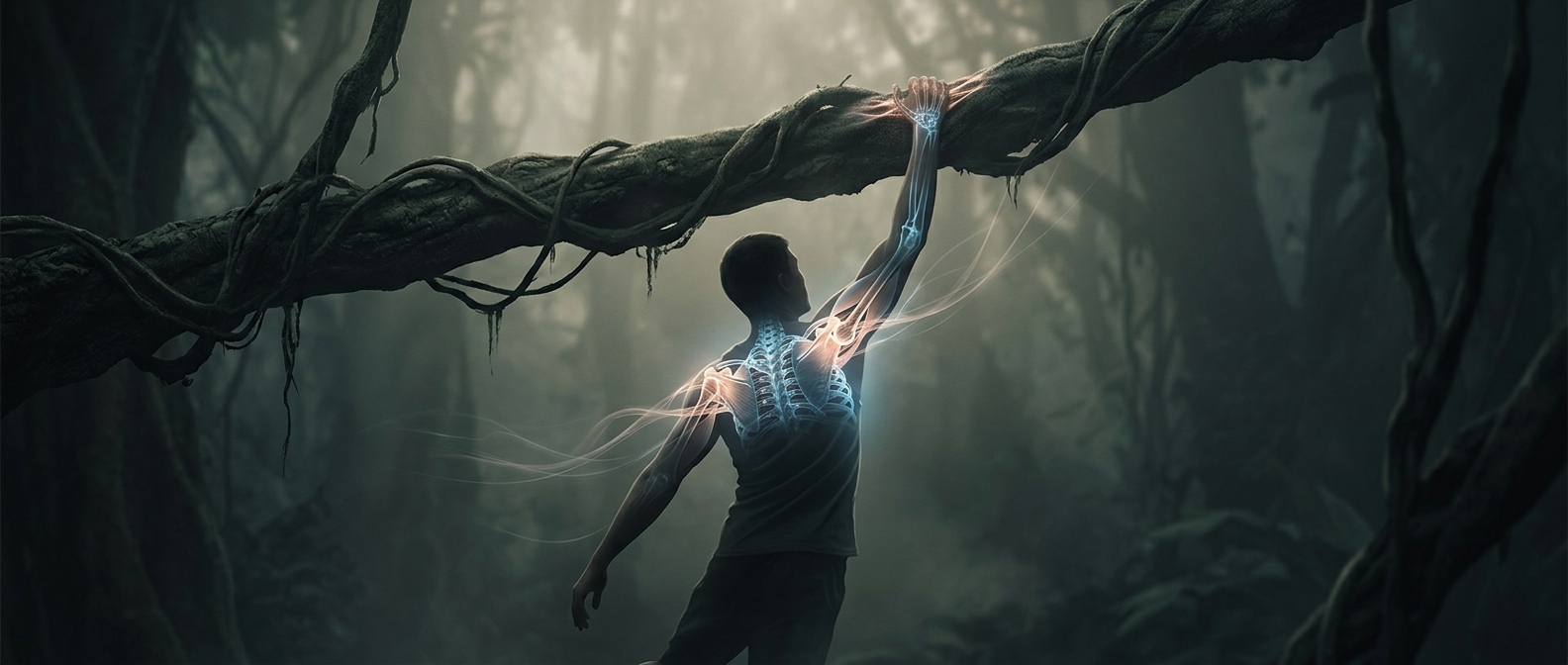
Why humans are bad at swinging through trees
Humans lack the long arms, powerful shoulders and grasping feet that let tree-swinging specialists hang on and launch into the next branch. Our bodies are…
Discover more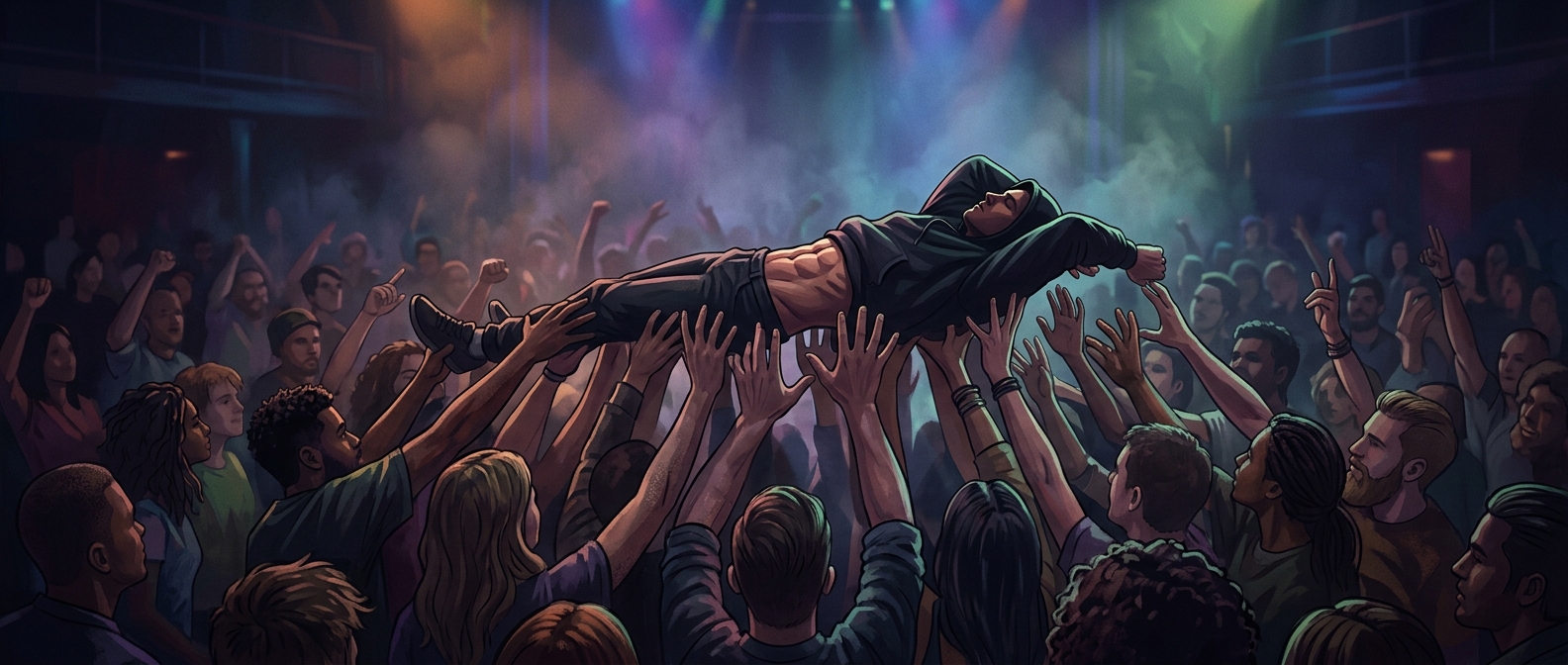
Why crowd surfers need a stiff core
A stiff body spreads a crowd surfer’s weight across many raised hands. Go floppy and the load bunches onto a few people—and the surfer turns into a badly…
Discover more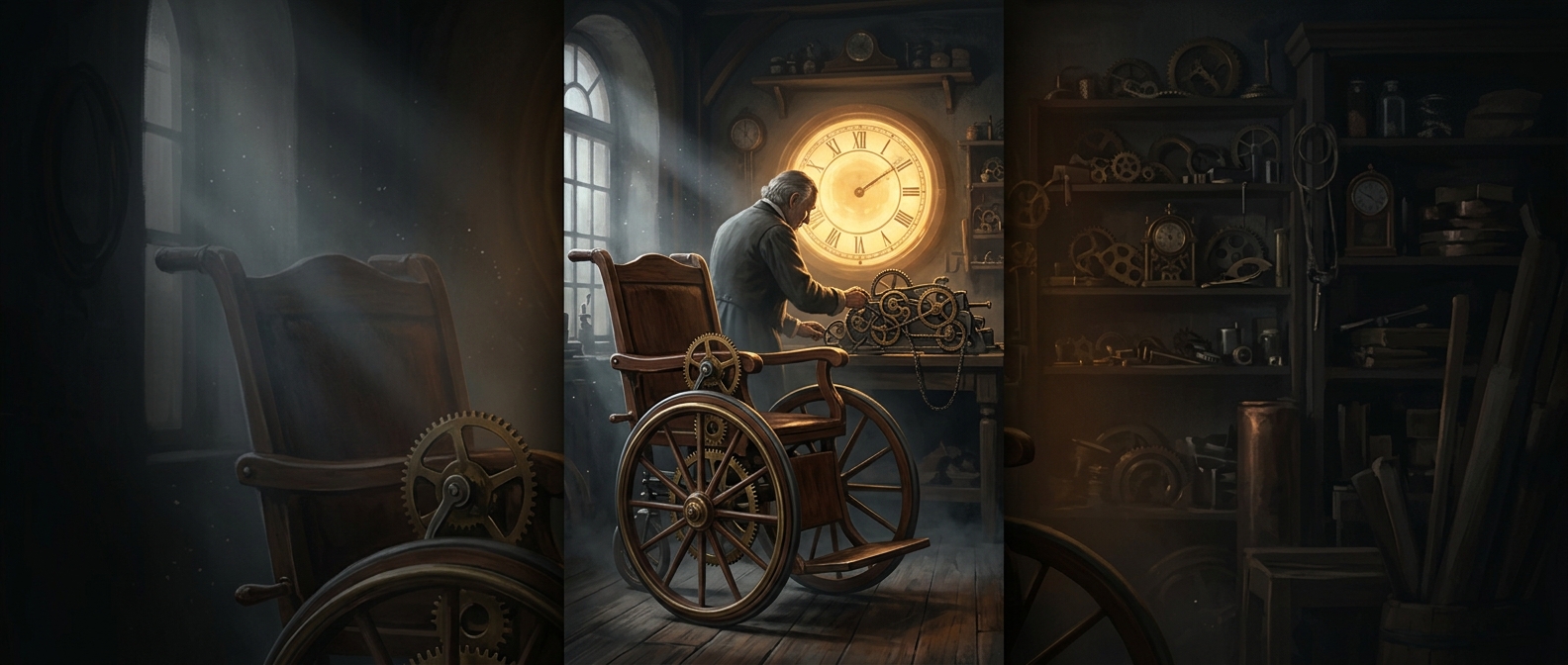
A clockmaker built the first self-propelled wheelchair
Clockmaker Stephan Farffler built a three-wheeled chair driven by hand cranks. Gears carried each turn of his hands to the wheels, giving him a way to move…
Discover more