Transport
Discover facts about transport. Small discoveries that change the way you see familiar things.
Transport
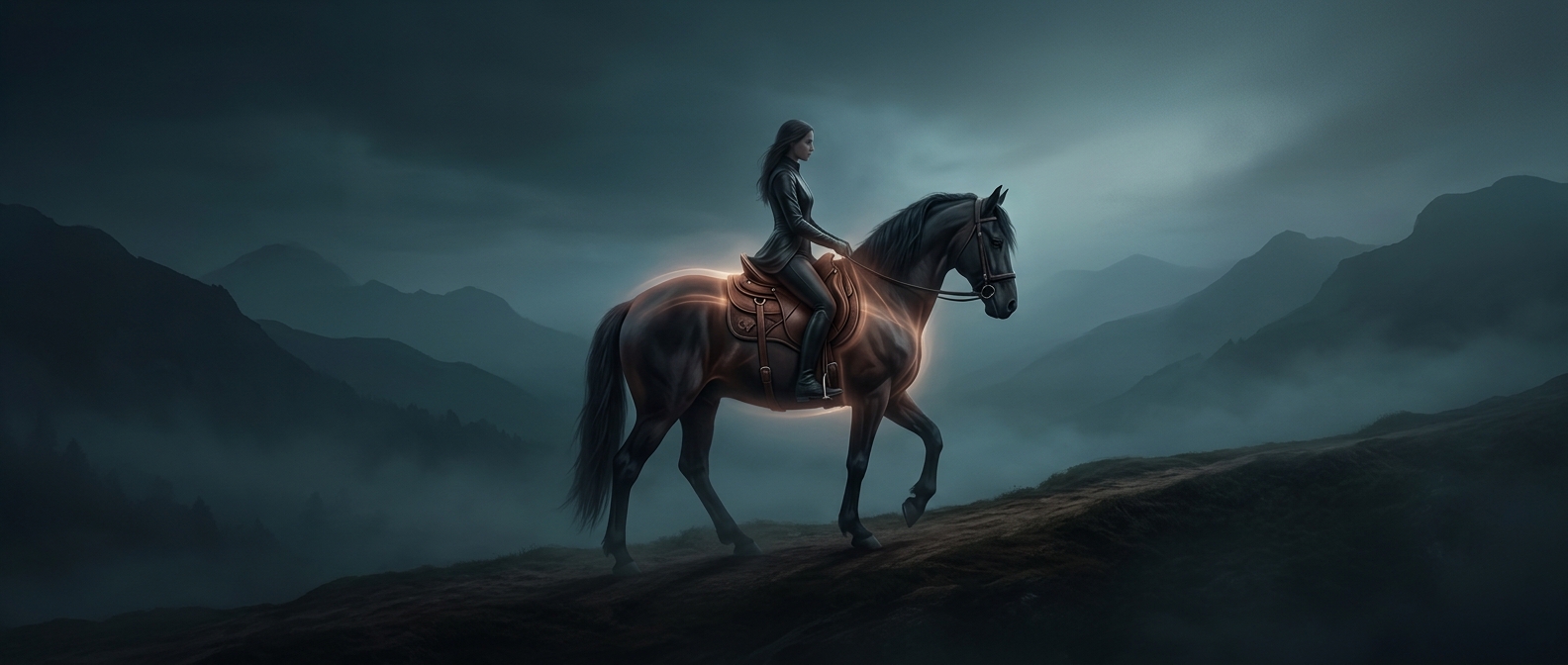
Leather saddles evenly distribute massive rider weight
The saddle’s rigid frame spreads the rider’s weight across a broad patch of the horse’s back instead of driving it into a few painful pressure points. Leather…
Discover more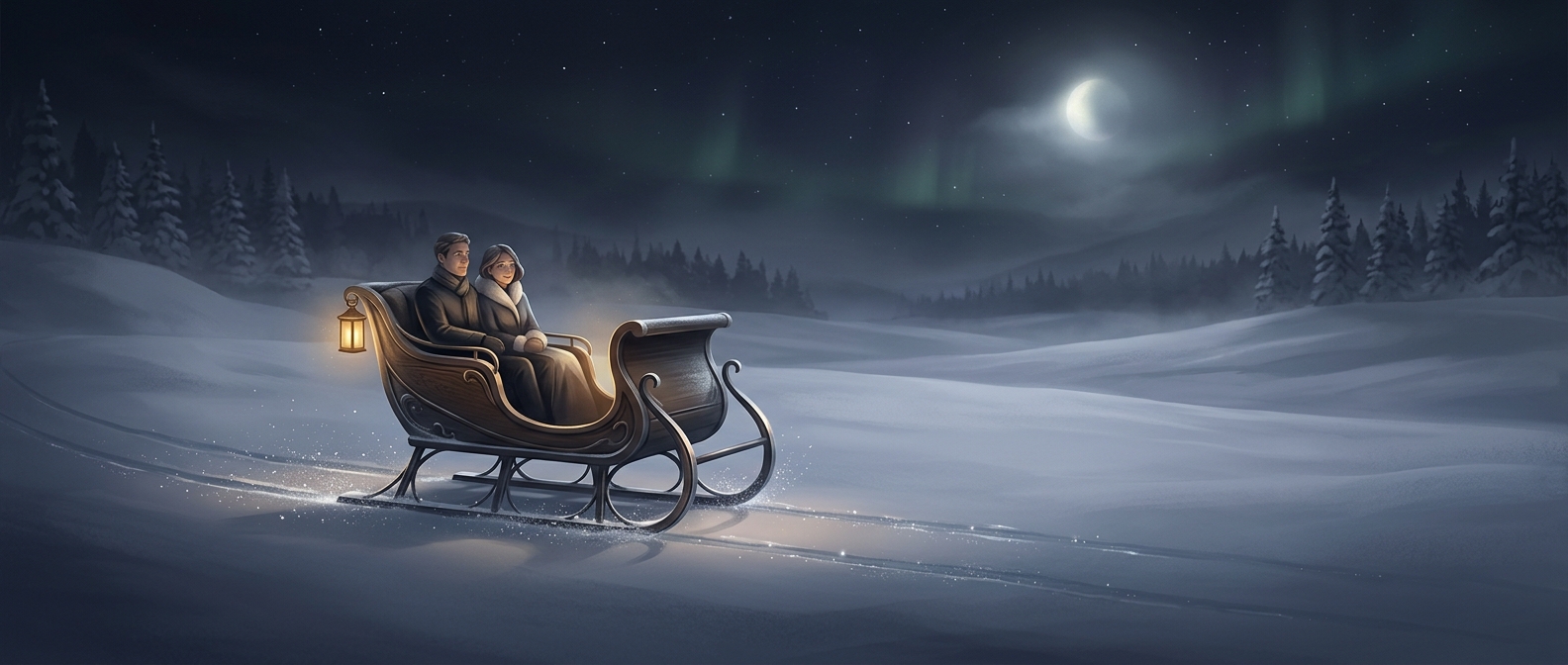
Sleighs gracefully glide entirely on polished runners
The runners slide over snow, but they also press and shear it; a thin film of water at the contact surface helps the glide. The sleigh is less frictionless…
Discover more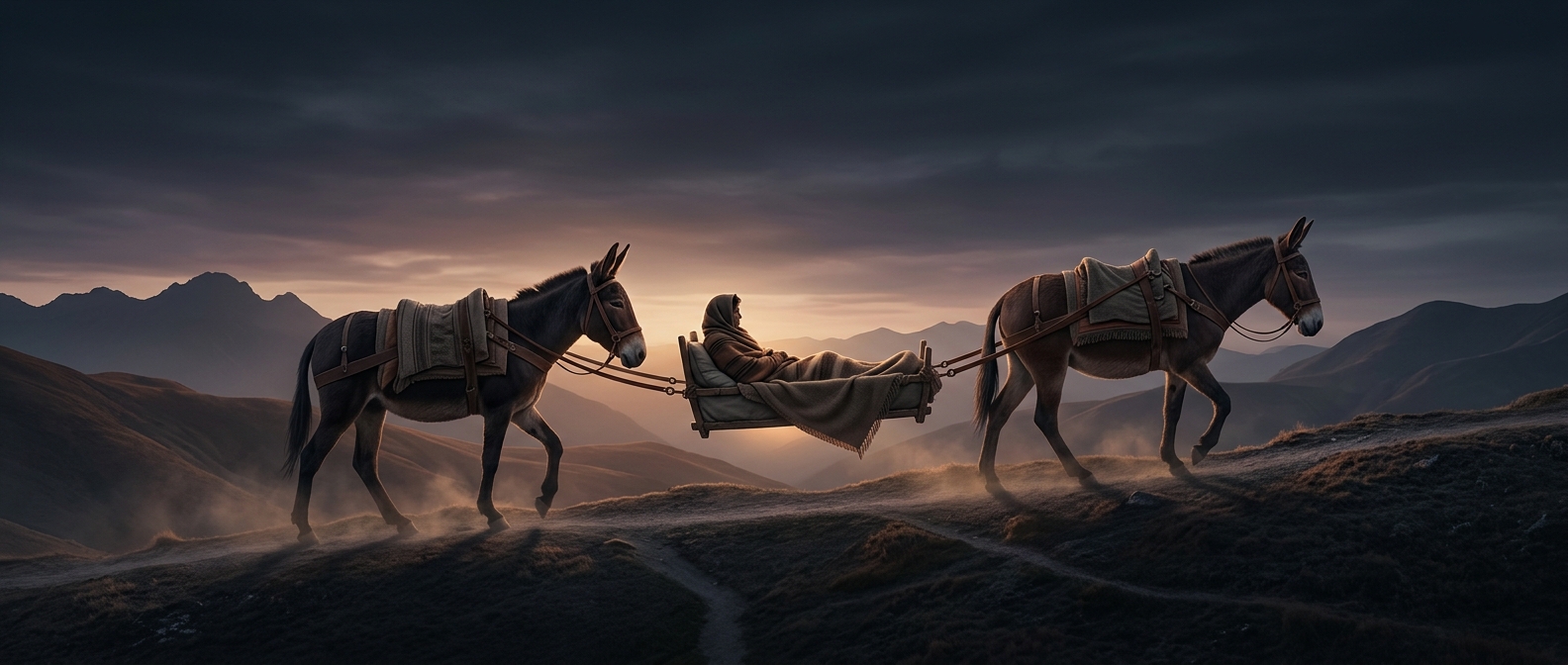
The bizarre bed carried between two mules
A bed suspended between two mules let a passenger lie down while the animals carried the load along rough routes. It was a portable bedroom with four legs…
Discover more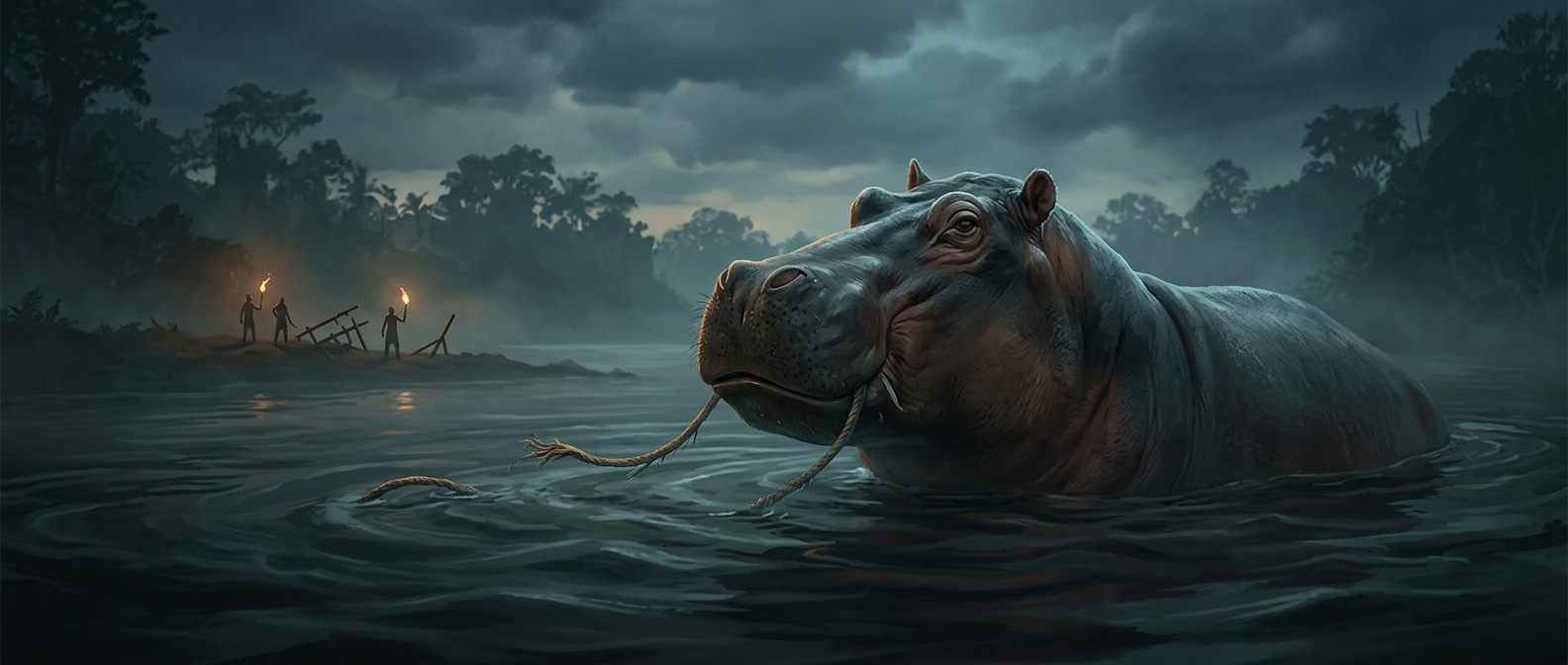
Why hippos make terrible pack animals
Hippos are powerful, territorial animals built for life in water, not for taking direction from reins. Add massive jaws to an unpredictable temper and your…
Discover more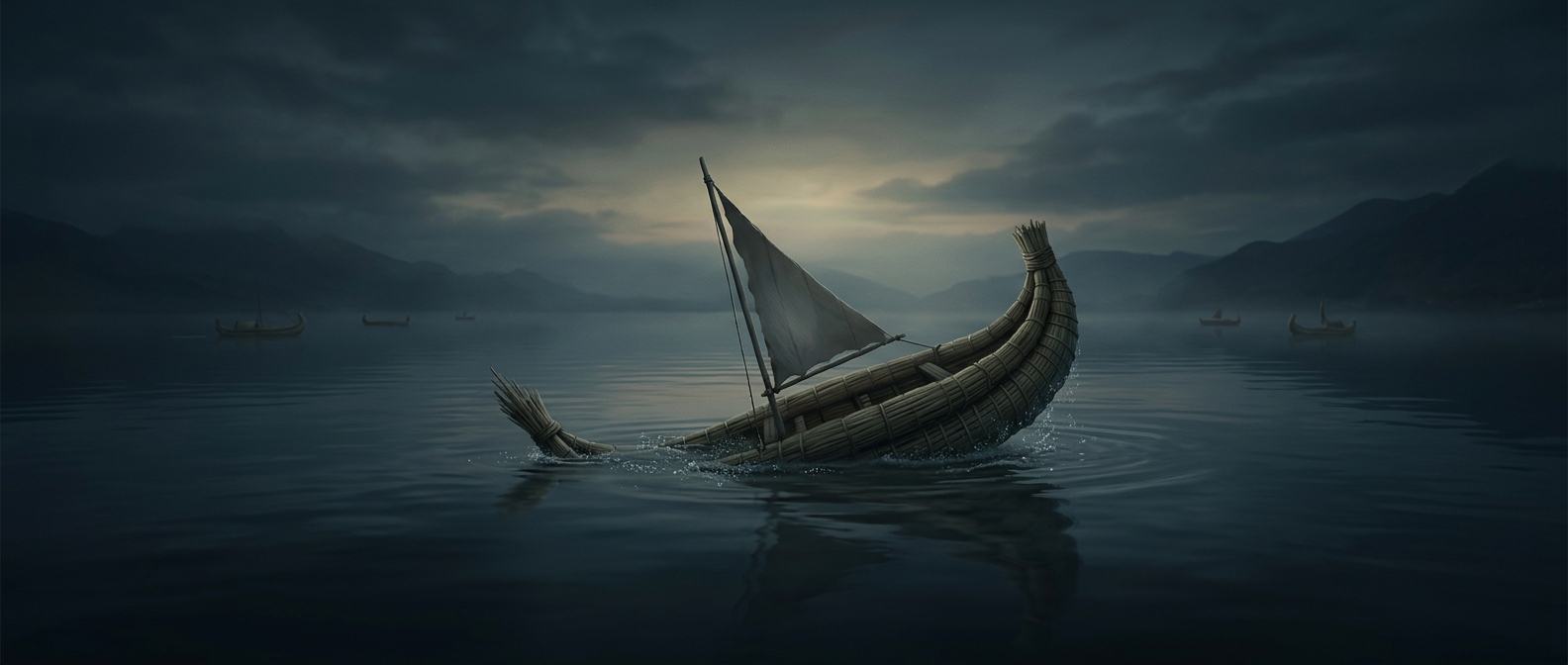
A reed boat's buoyancy has an expiration problem
Dry bundles contain air and weigh relatively little for their volume. As the material takes on water, its weight rises, leaving less capacity to support…
Discover more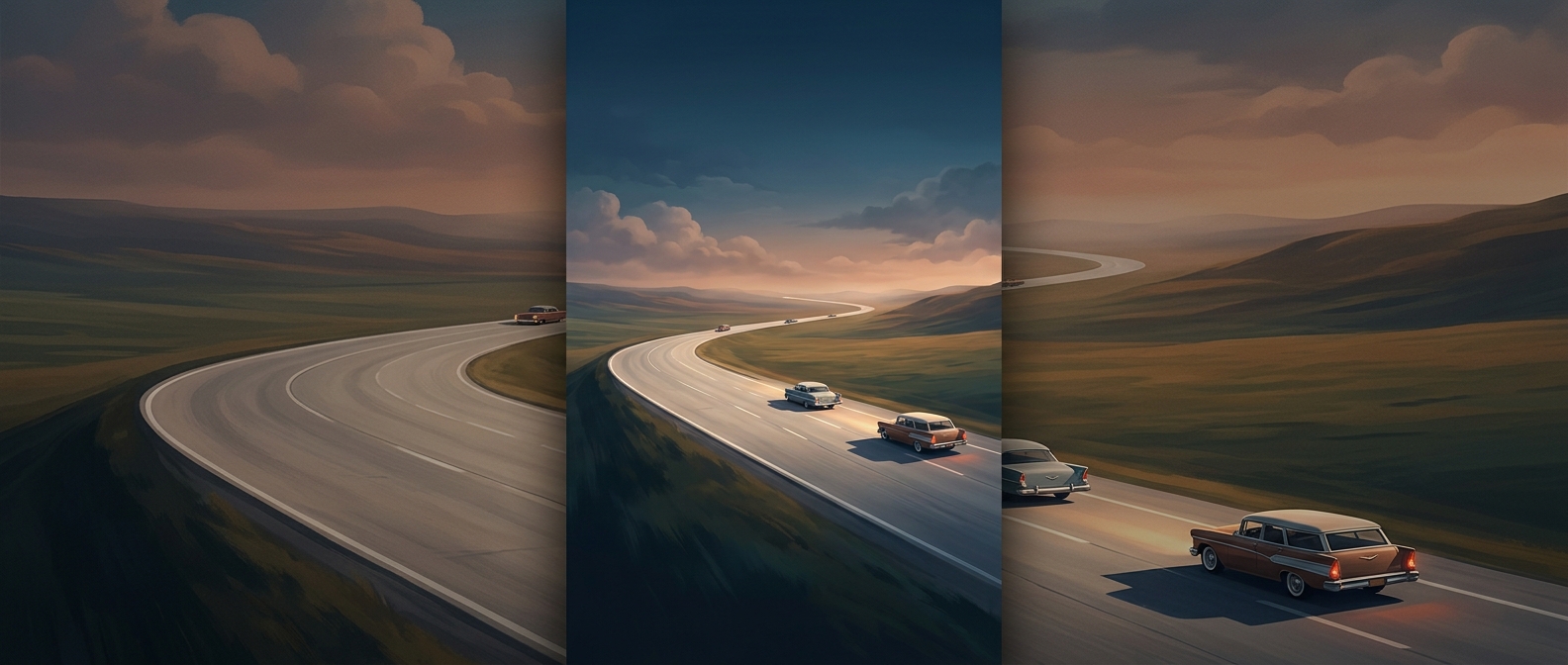
Road trips are a surprisingly modern invention
Cars made travel flexible; highways and roadside fuel stations made it practical. Suddenly, the family vacation could follow a map instead of a railway…
Discover more STACKY FOR IPHONE
A bigger world.
One discovery
at a time.
Keep discovering with Stacky. Interesting facts in an app that is always within reach.
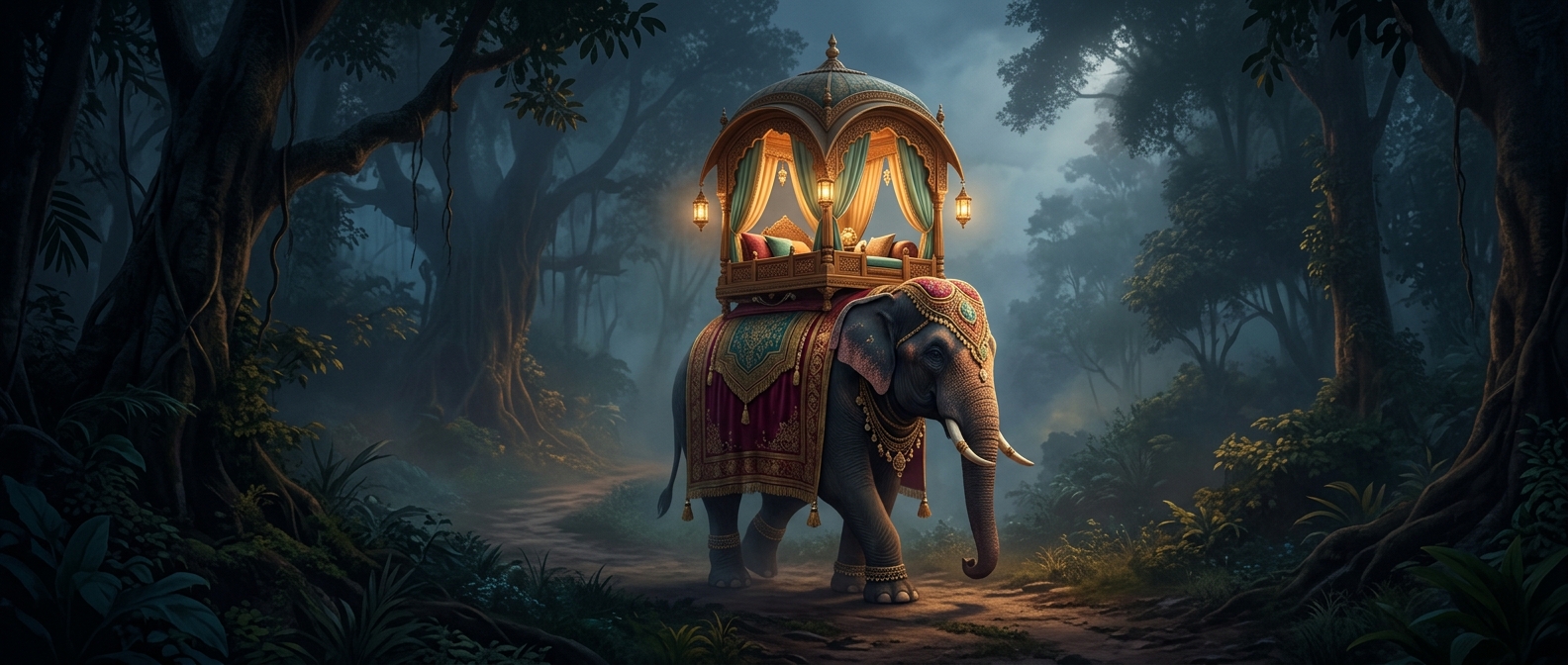
The tiny houses once strapped to elephants
A howdah—a raised seat or small enclosed cabin—was strapped onto an elephant’s back to carry riders above the ground. Its frame spread the load across the…
Discover more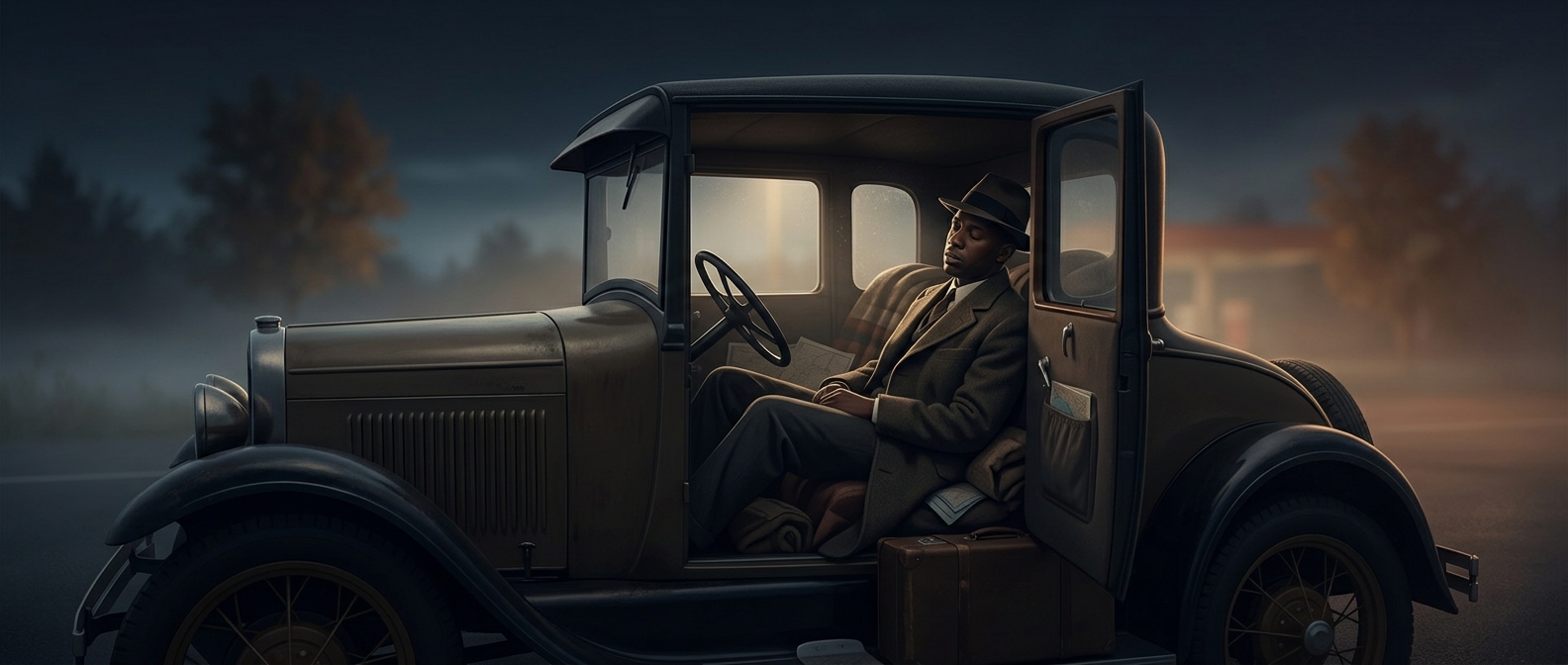
Sleeping in the car turns parked transport into emergency lodging
A long drive can leave a traveler needing rest before reaching a hotel or destination. The same enclosed cabin that moves them can provide a temporary place…
Discover more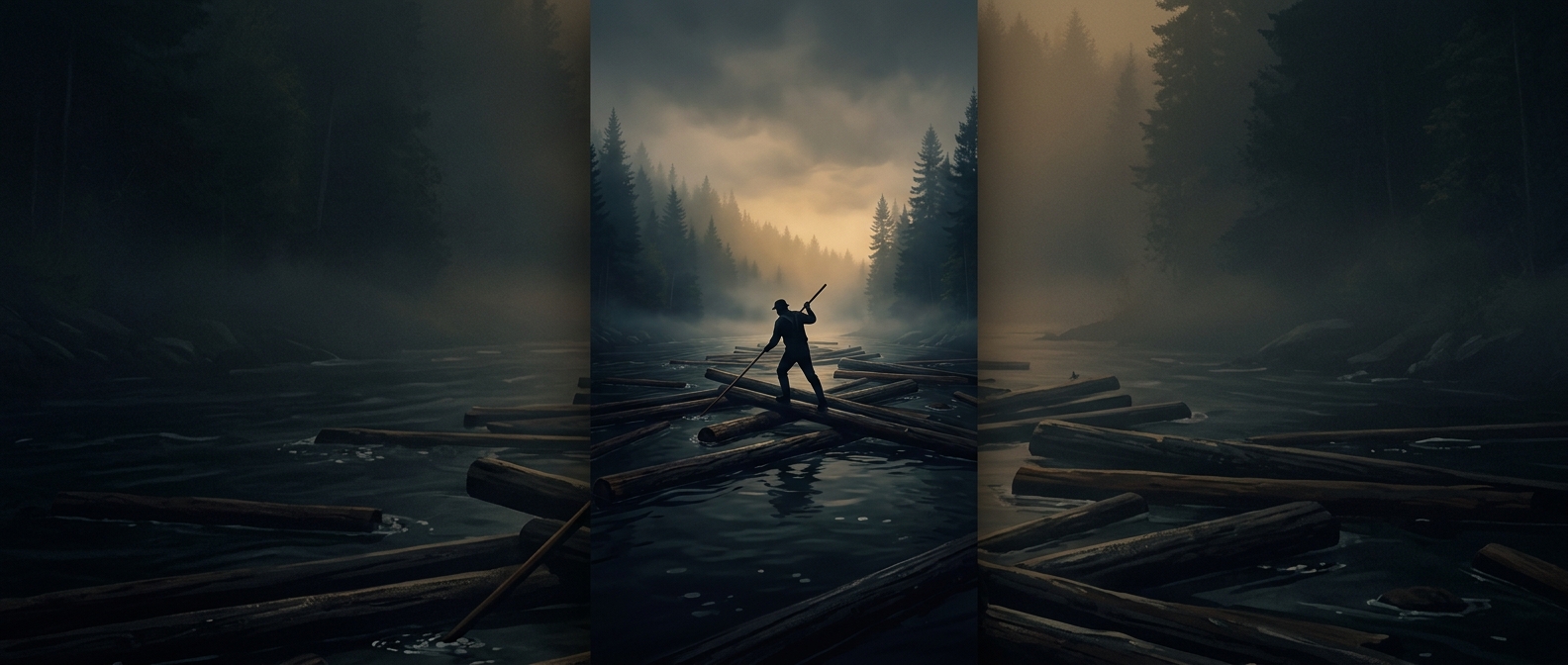
Log driving involved balancing on floating timber
To guide timber downriver, log drivers balanced on the floating logs and pushed them with poles. Their workplace had no floor—just a pile of rolling tree…
Discover more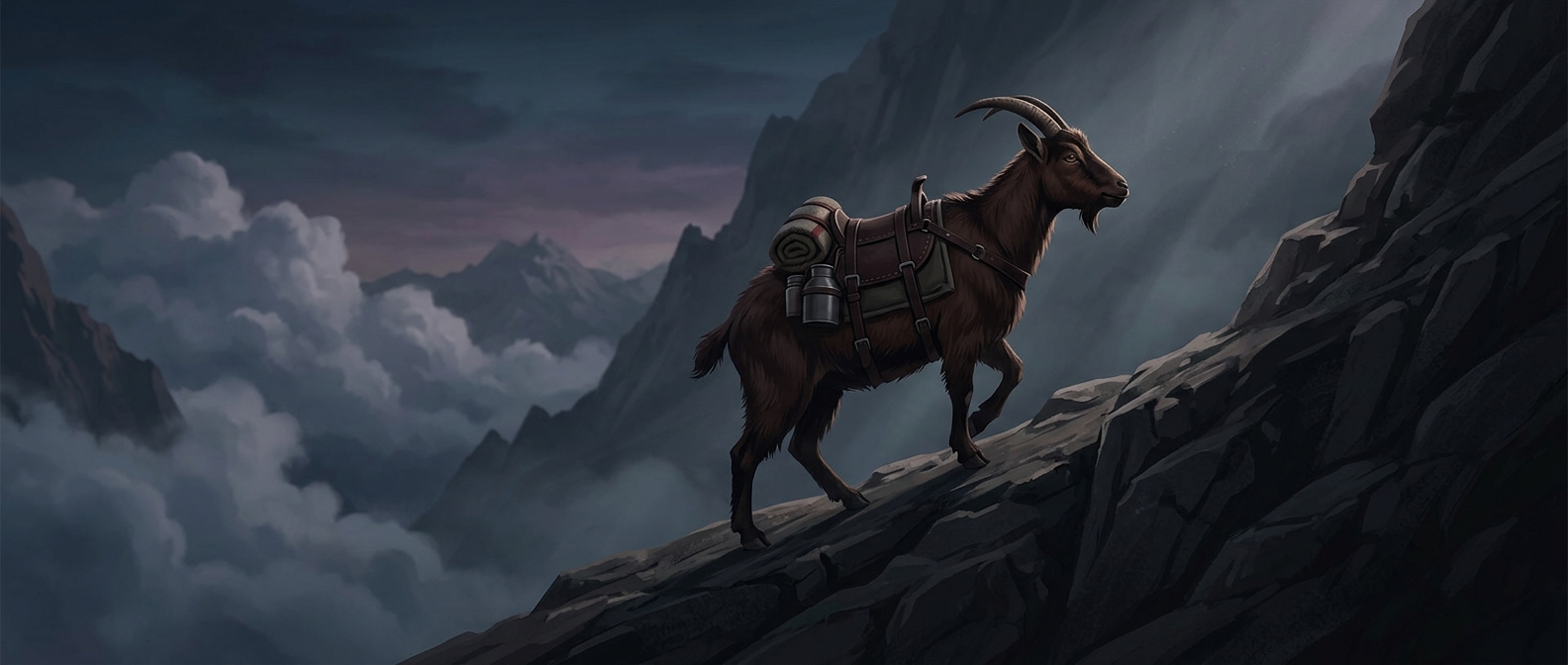
Pack goats can carry supplies up steep cliffs
Goats balance on narrow, rocky trails and carry loads without needing a road wide enough for a truck. Their sure feet let supplies reach steep places where…
Discover more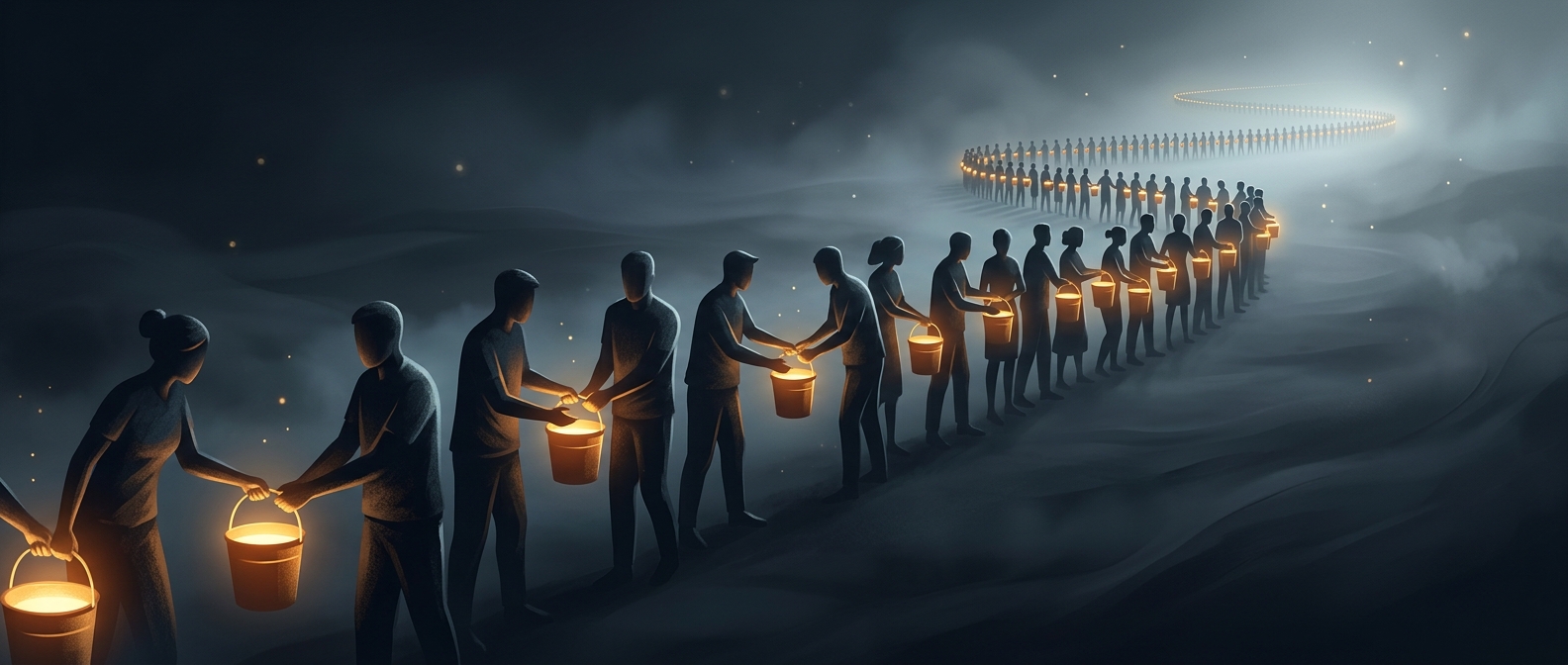
Human chains efficiently pass endless buckets
A human chain turns a long walk into a short handoff: each person passes the bucket one step along the line. With enough hands, water reaches the fire faster…
Discover more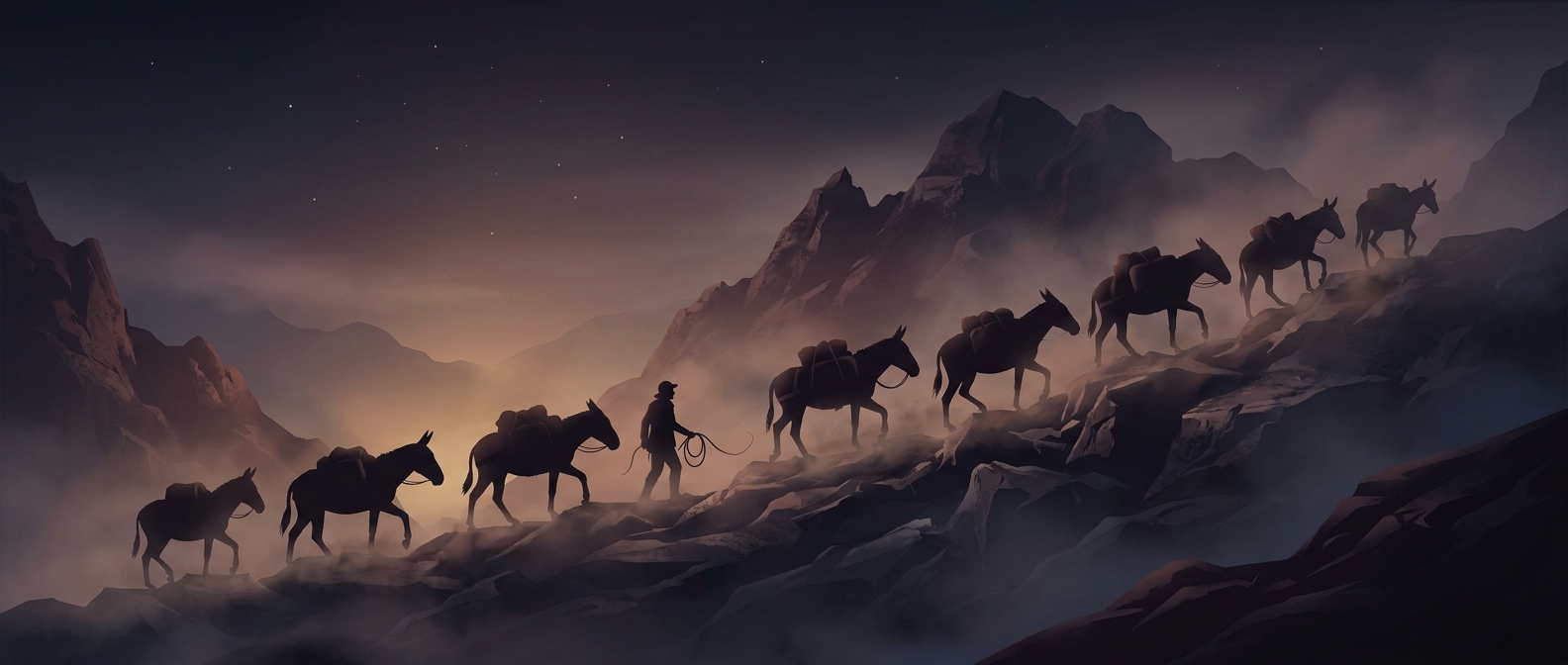
Whips directed stubborn pack mules over mountain passes
On a narrow mountain trail, a handler’s whip crack works as a sharp signal to keep a mule moving and on course. The animal gets a cue, not a steering…
Discover more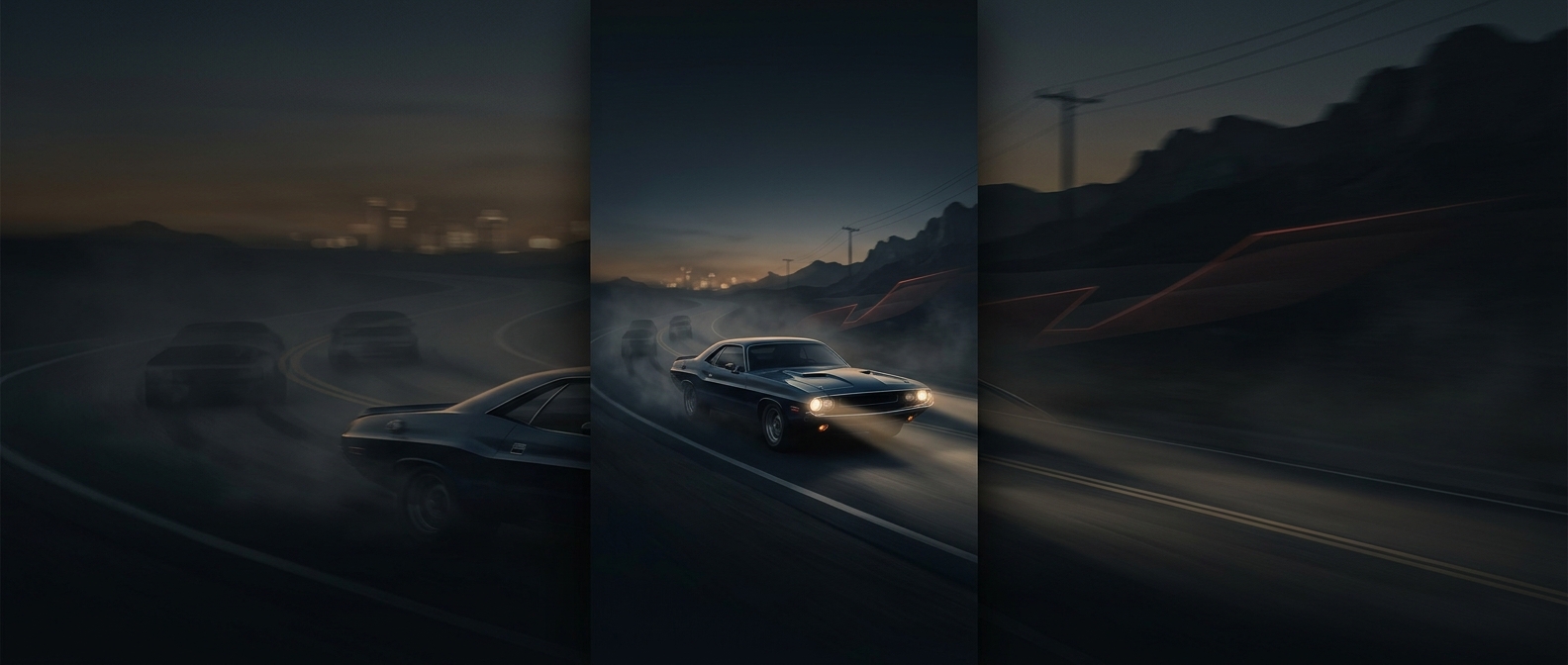
The Cannonball Run crossed America before the 55-mph limit existed
Brock Yates launched the coast-to-coast road event in 1971, amid his objections to tighter motoring restrictions. The national 55-mph limit arrived later. The…
Discover more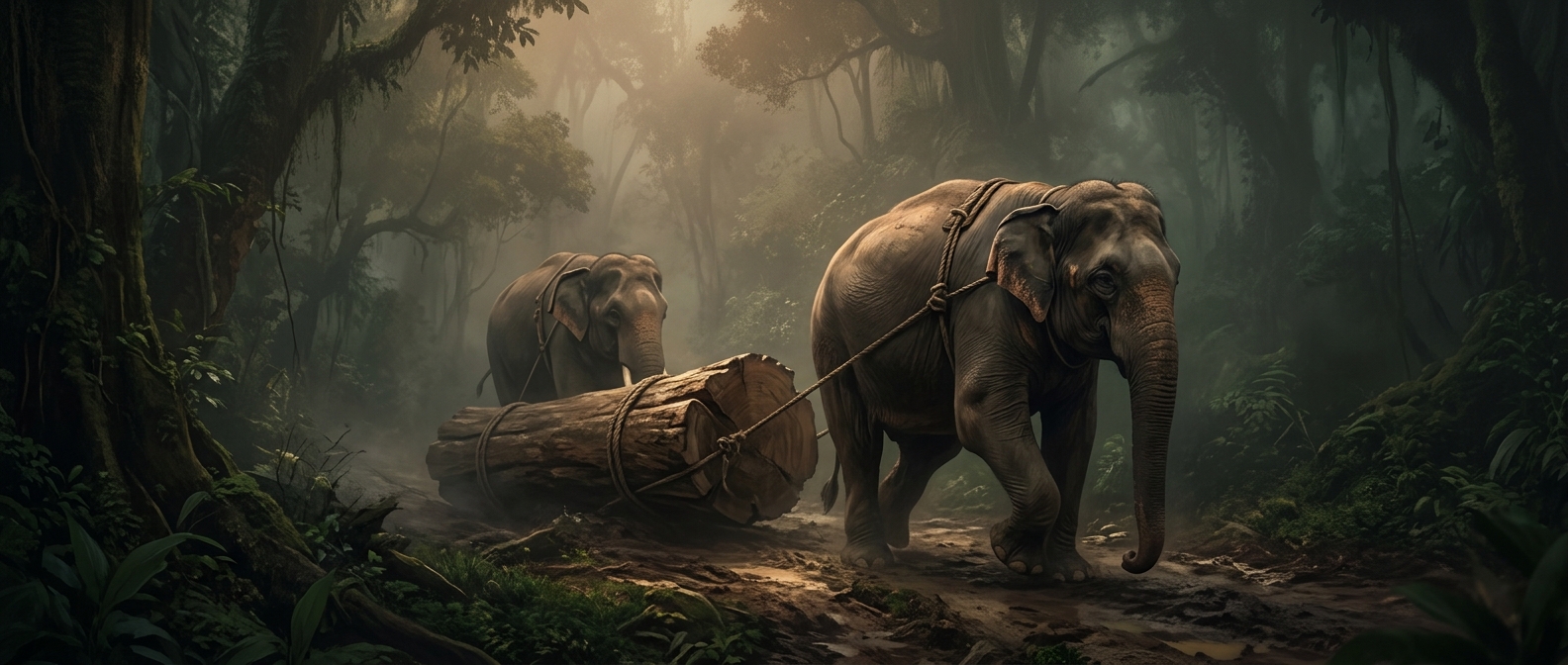
Elephants hauled massive timber trunks daily
An elephant’s strength moved heavy trunks, while its careful steps let it work through forest terrain that was rough for wheeled machinery. It hauled timber…
Discover more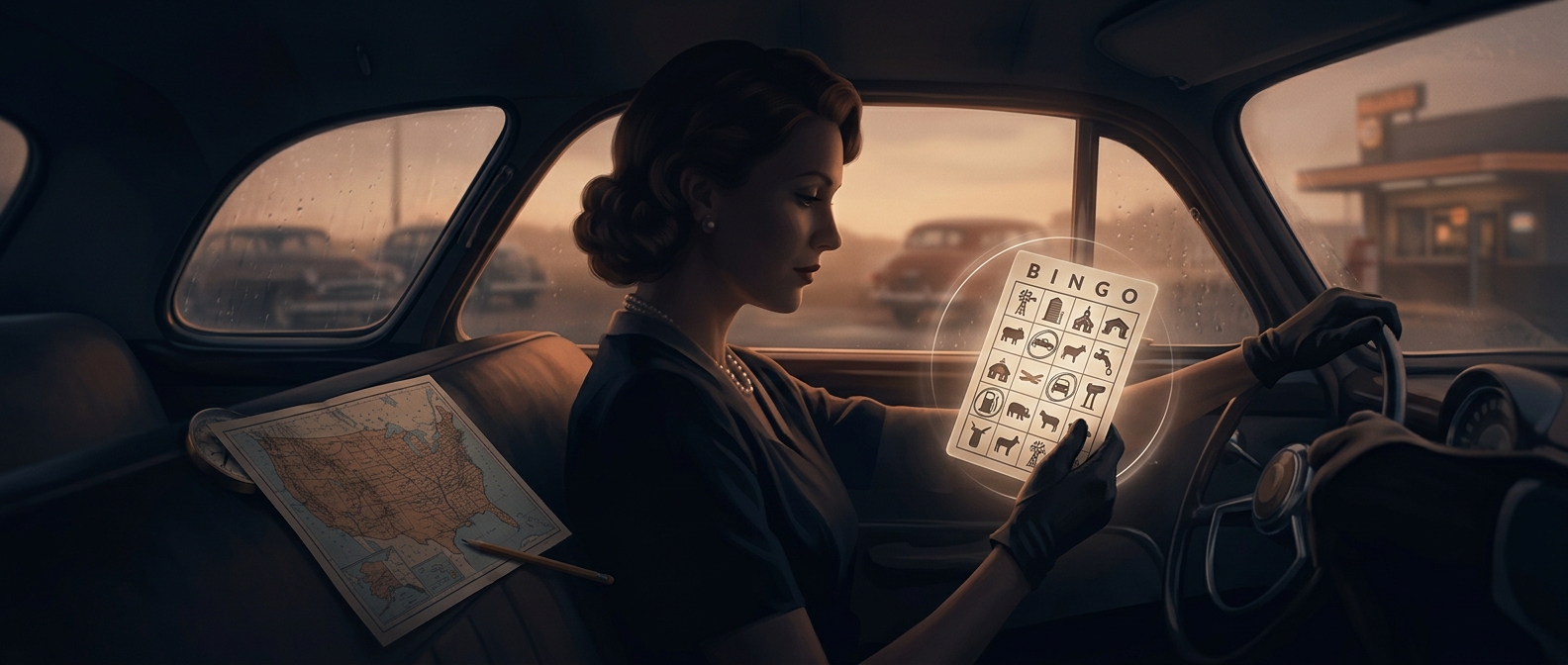
Travel bingo was patented in the 1940s for road trips
Travel bingo cards turn passing sights into a scavenger hunt: spot an object, mark its square, repeat. Patented in the 1940s, the game gave children a reason…
Discover more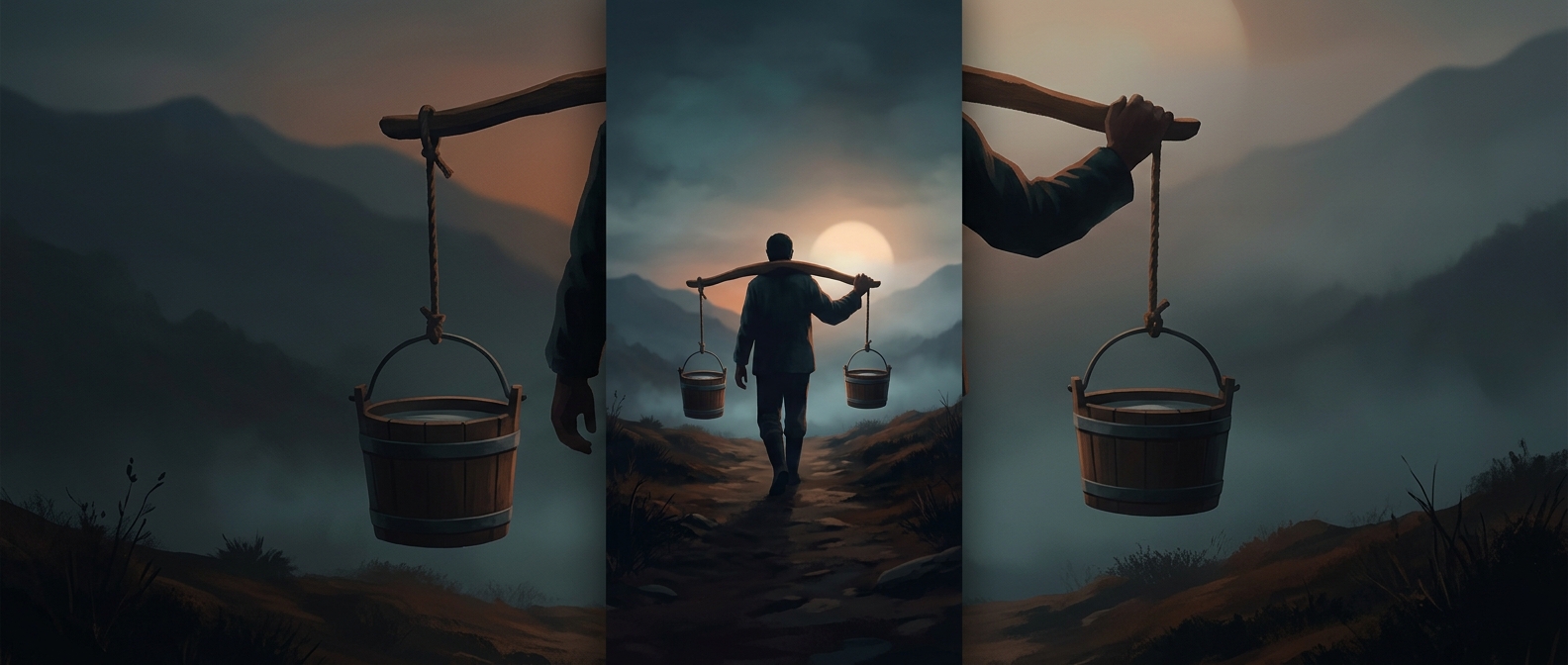
Wooden yokes balance twin buckets over shoulders
A wooden bar spreads the weight across the shoulders and suspends a bucket on either side. The loads counterbalance each other, so the carrier doesn’t spend…
Discover more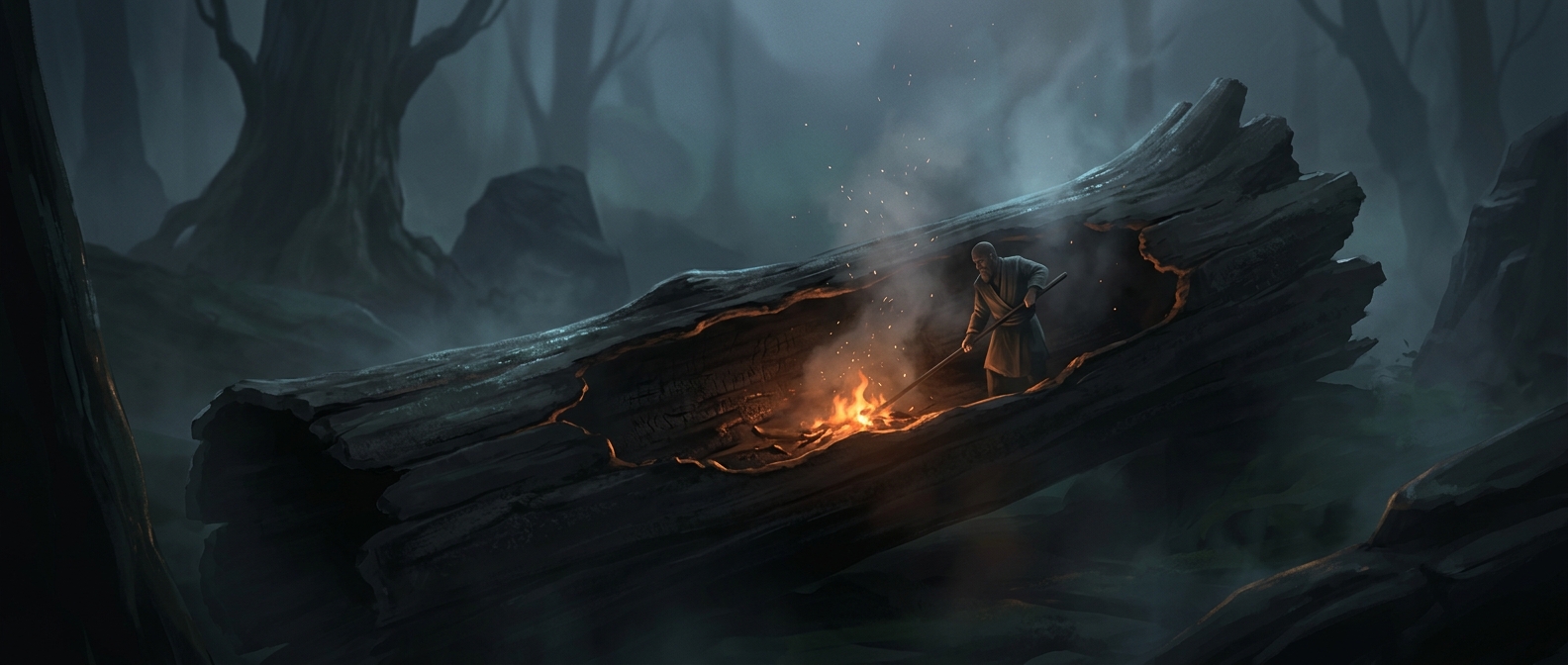
How ancient builders hollowed out giant canoes
Builders hollowed a tree trunk with controlled fire, then scraped away the charred wood with tools. Burning softened the work into repeated rounds of scorch…
Discover more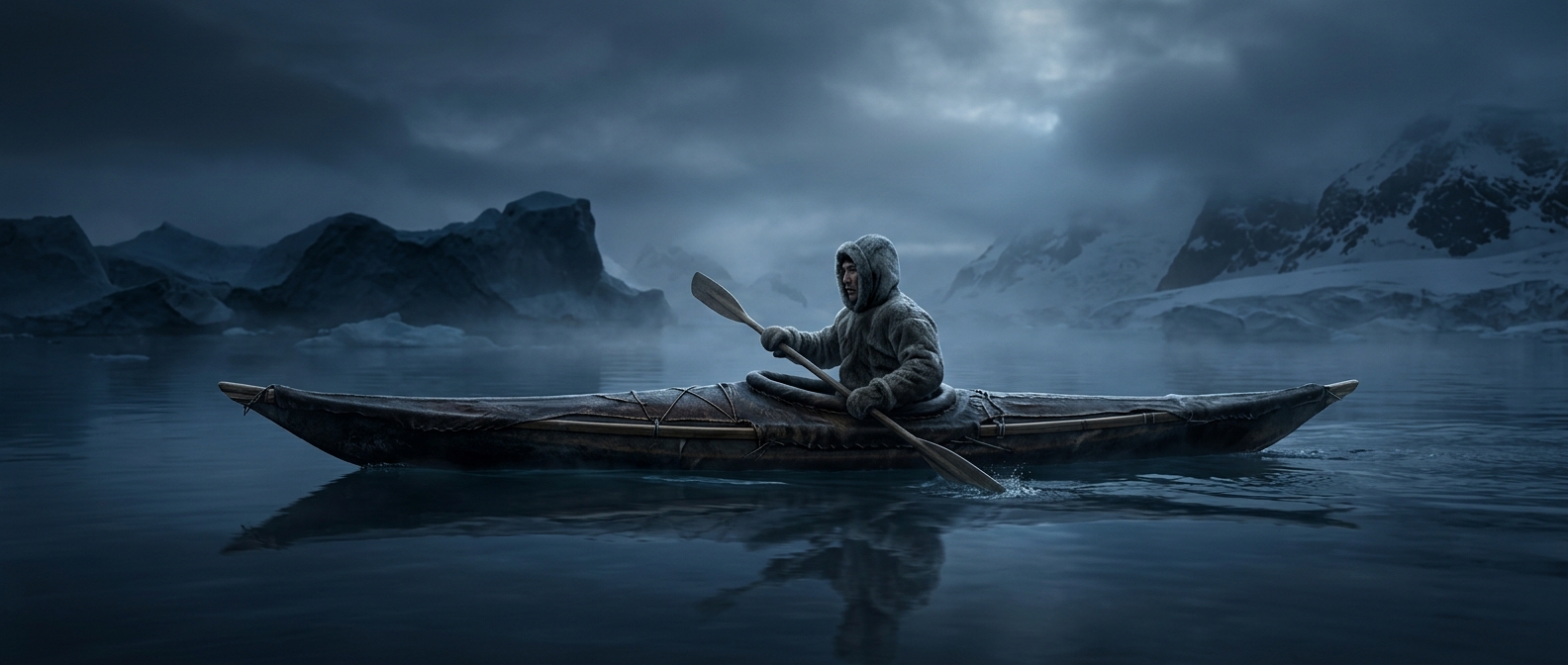
Why traditional kayaks sealed paddlers in
A sealskin skirt closed the gap between the paddler and the kayak’s cockpit, keeping waves out. That watertight fit also let a skilled paddler roll the kayak…
Discover more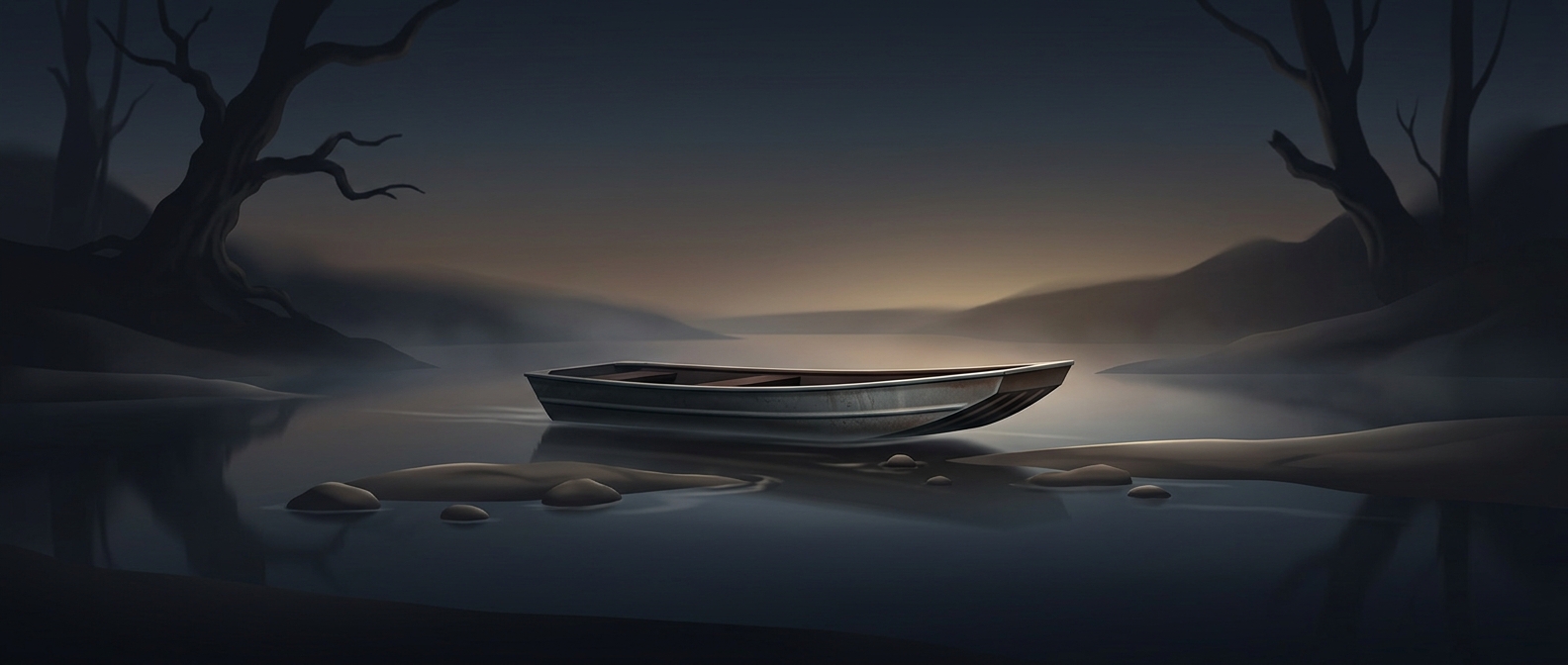
Jonboats float flawlessly in terribly shallow rivers
A jonboat’s broad, flat bottom spreads its weight over a wide patch of water, so it needs little depth to float. It skims shallow rivers like a floating tray…
Discover more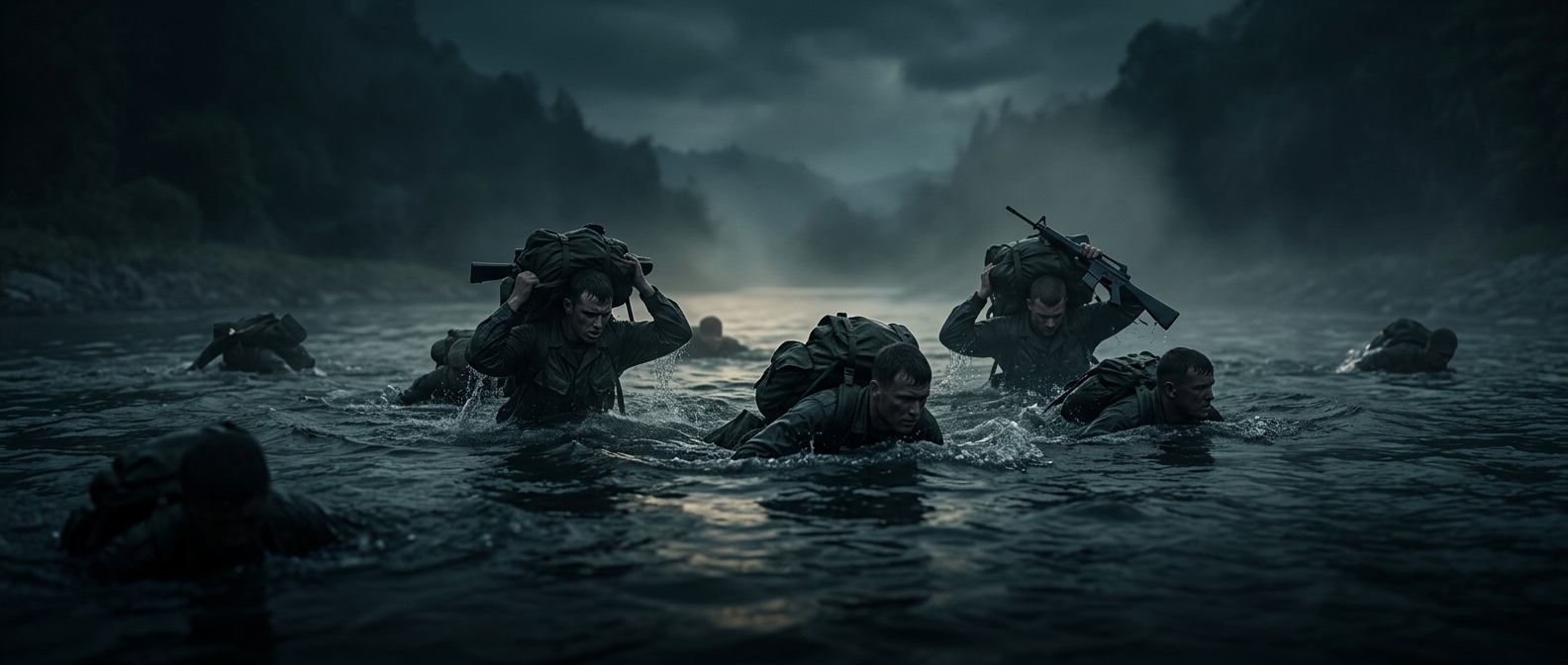
The one-arm swim that leaves you exhausted
With one arm doing the pulling, your torso has to twist and brace against every stroke instead of sharing the work across both sides. The free arm stops…
Discover more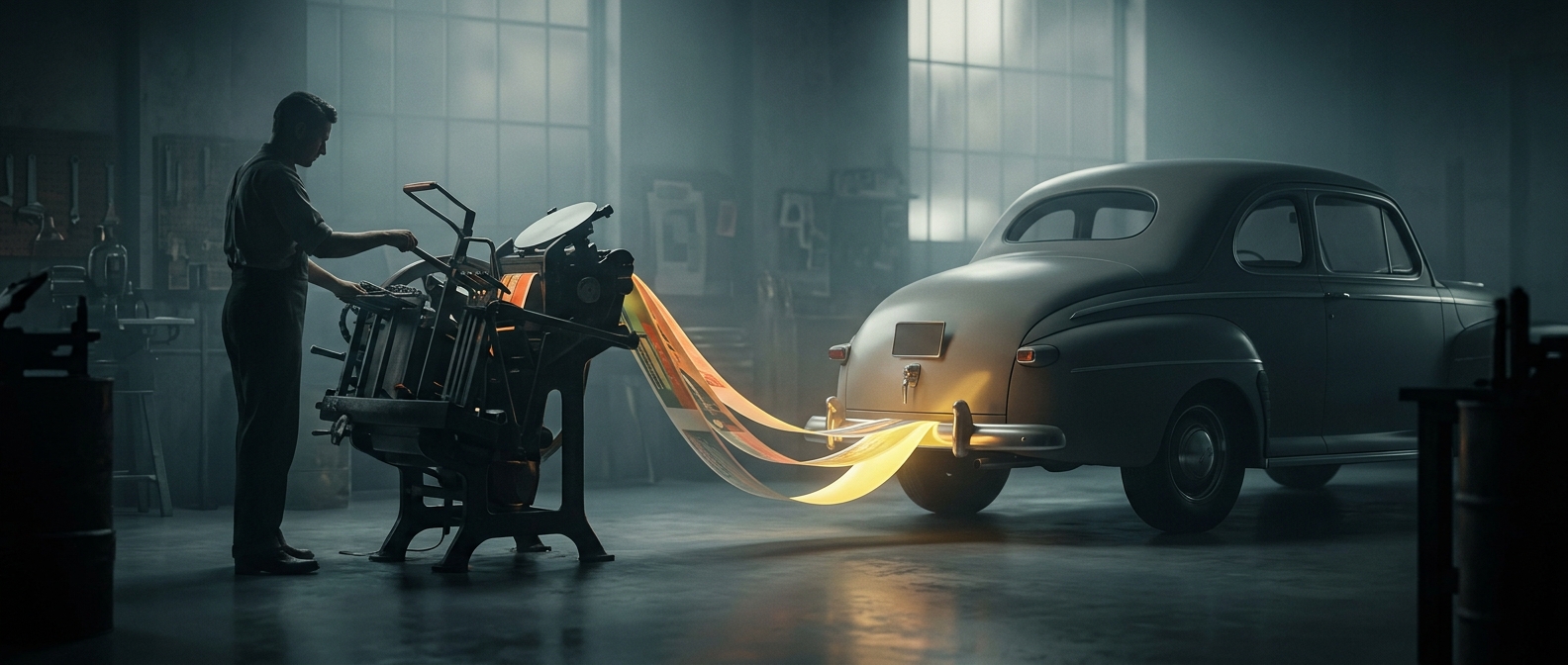
Bumper stickers were invented in 1946 by a printer
Pressure-sensitive adhesive let a printed message stick straight onto a car without nails or a sign frame. Suddenly the bumper became a moving billboard, and…
Discover more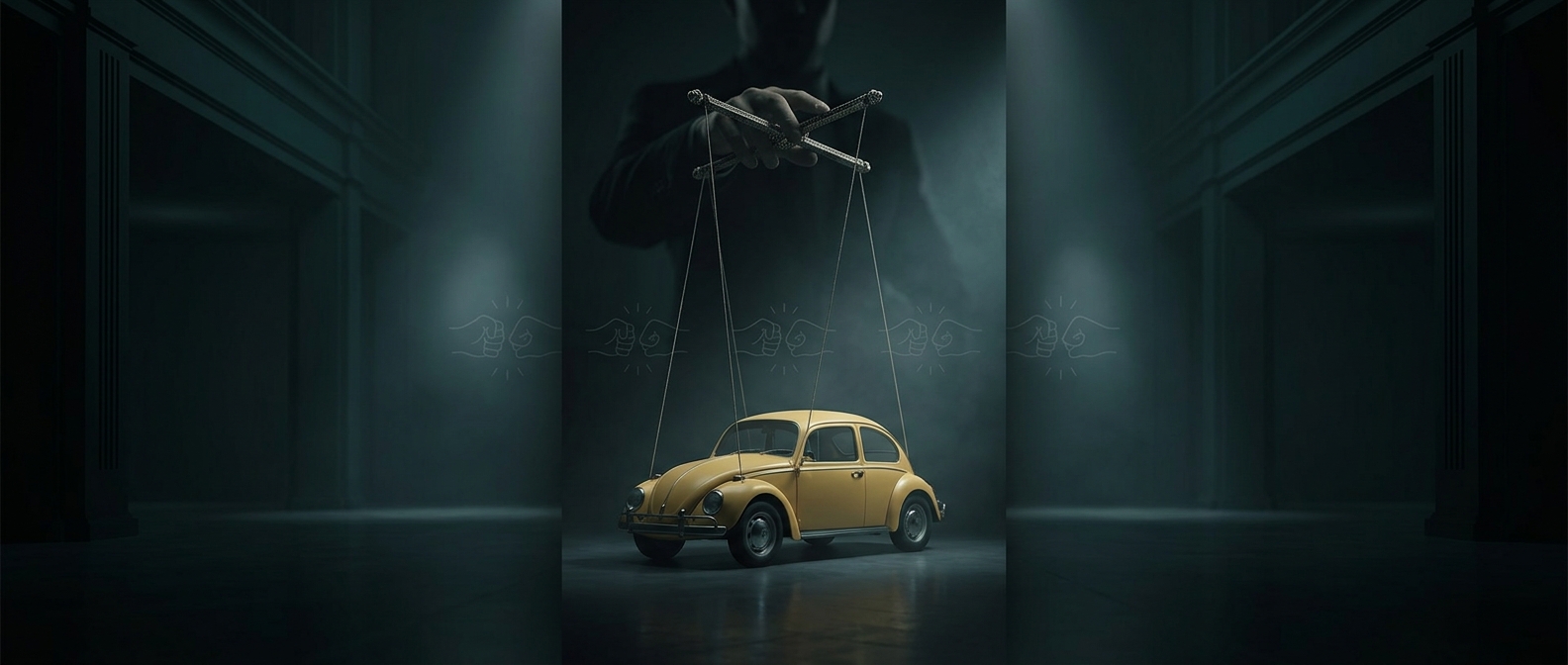
The Beetle became a target in a roadside punching game
Spotting its distinctive rounded shape was the trigger for Punch Buggy: call out the car and deliver a punch to a companion's arm. A vehicle became a game…
Discover more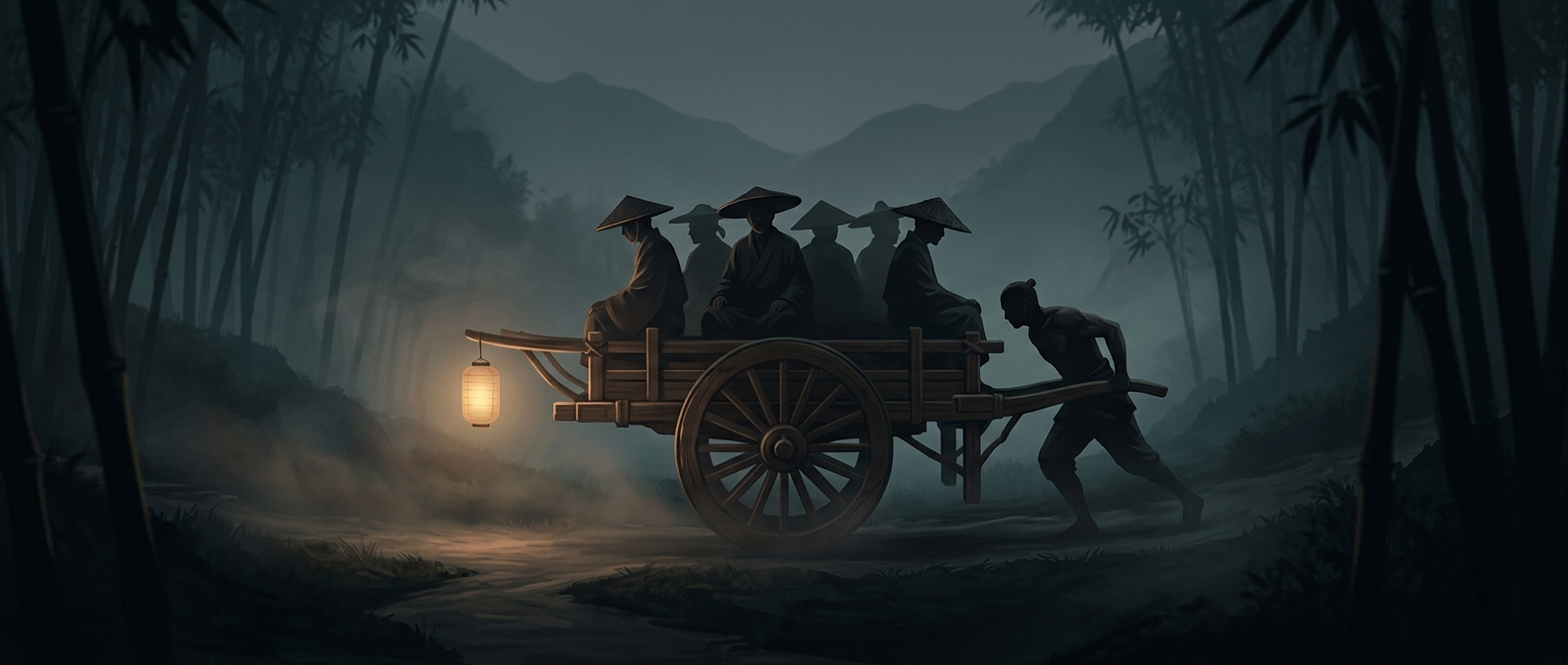
Ancient wheelbarrows carried six passengers
The big central wheel supported a passenger platform, while the person at the handles supplied the push. Six people got a ride, and one worker got promoted to…
Discover more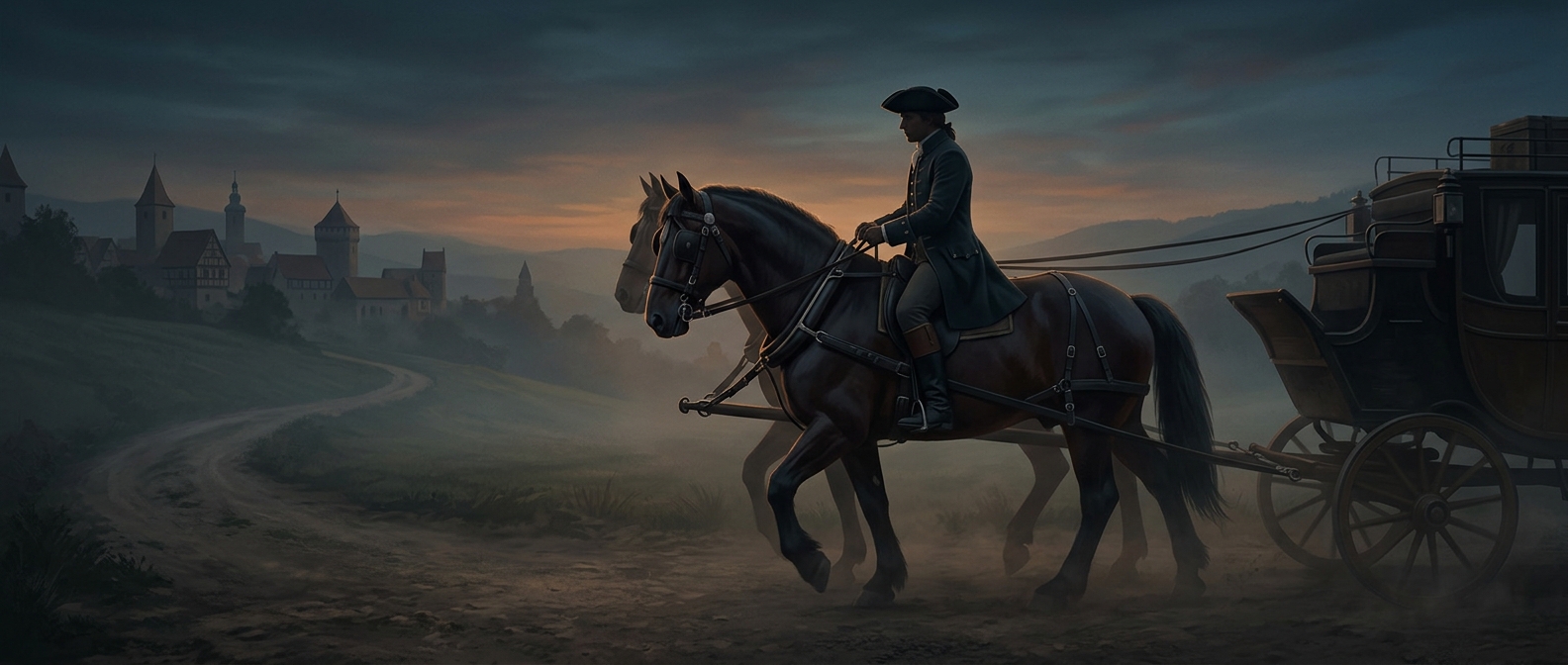
Postilions rode one of the pulling horses directly
A postilion sat on one of the horses pulling the coach and guided the team from there. That put the driver close to the animals and kept the coach’s front…
Discover more