Transport
Discover facts about transport. Small discoveries that change the way you see familiar things.
Transport
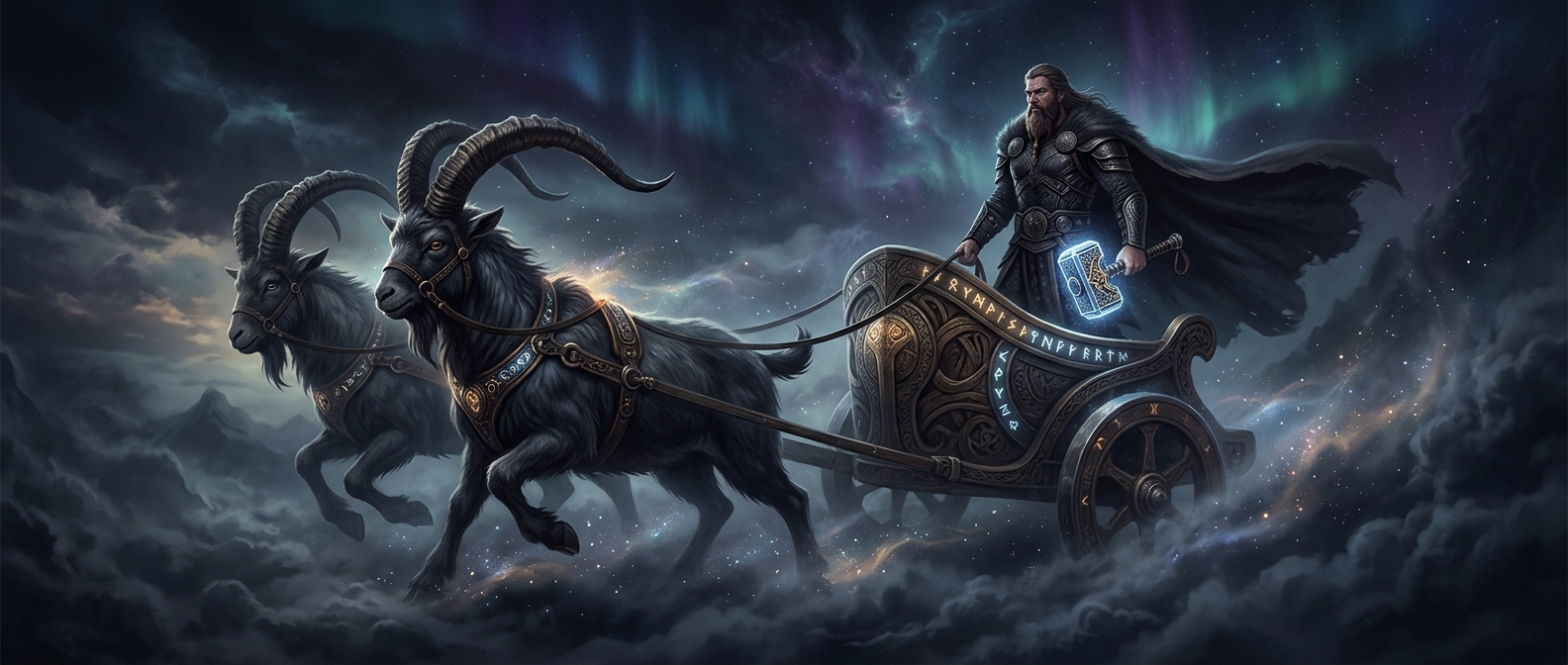
Norse mythology featured a chariot pulled by goats
Thor’s goats, Tanngrisnir and Tanngnjóstr, pulled his chariot—and doubled as dinner. In the myth, he slaughtered them, then revived them the next day as long…
Discover more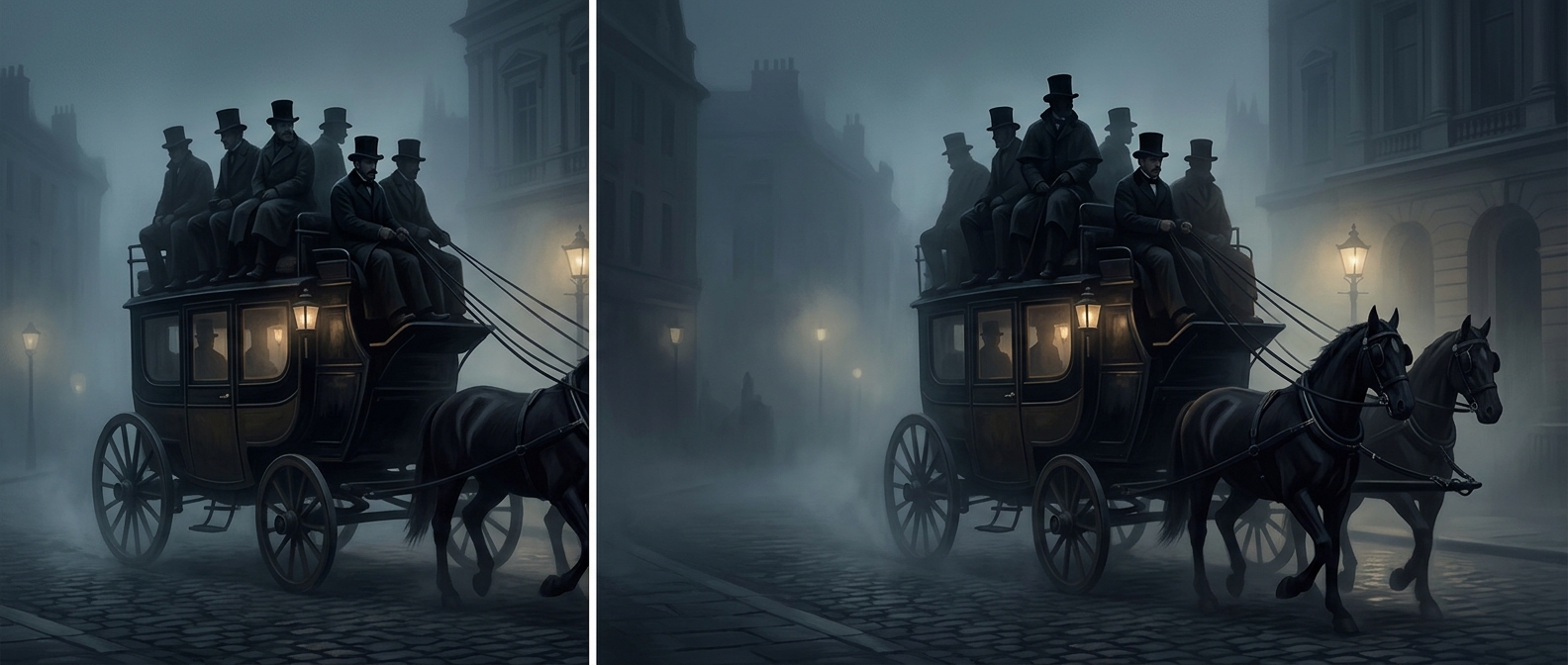
Why Hansom cab drivers sat on the roof
The passenger box sat low, so the driver perched behind it on the roof to see over the cab and keep the horse in view. It was a front-row seat for traffic—and…
Discover more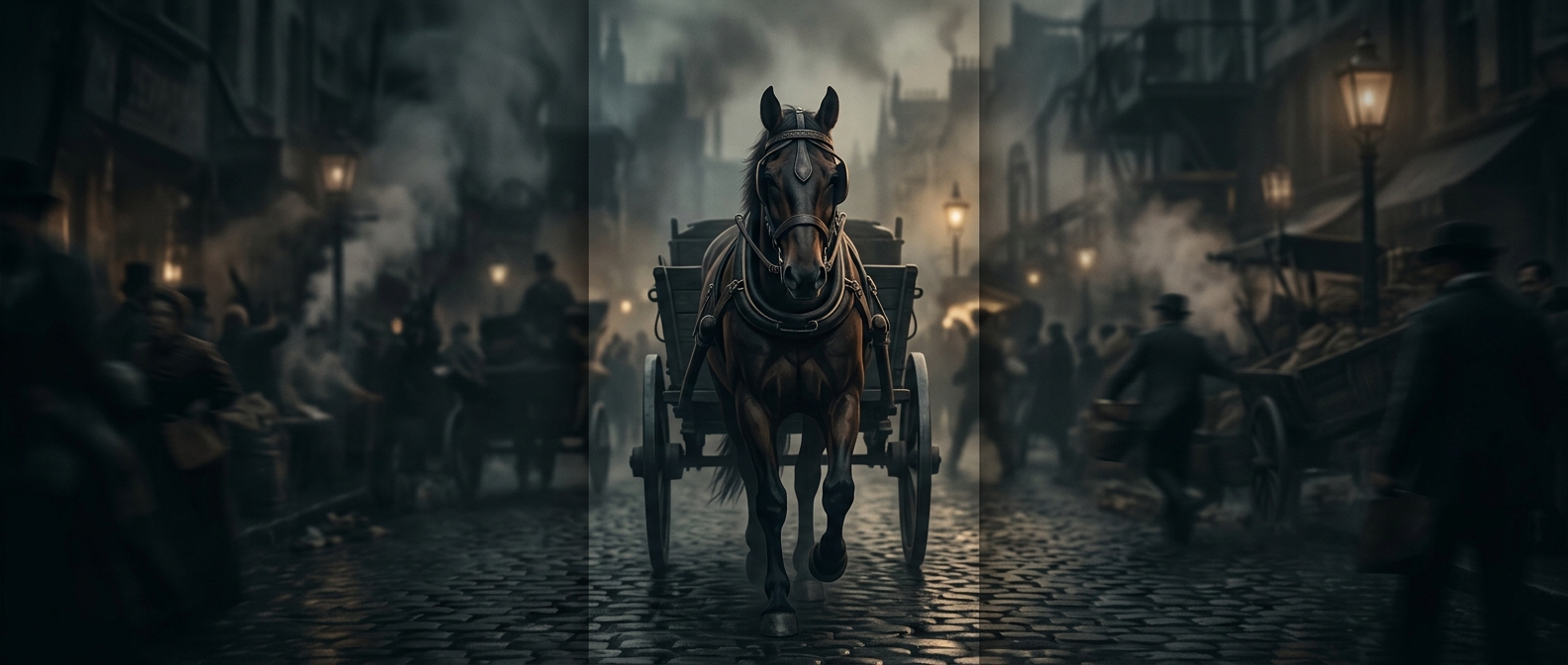
Leather blinders prevented horses from panicking
Blinders block a horse’s side view, where sudden movement from traffic or crowds could startle it. The horse sees more of the road ahead and less of the…
Discover more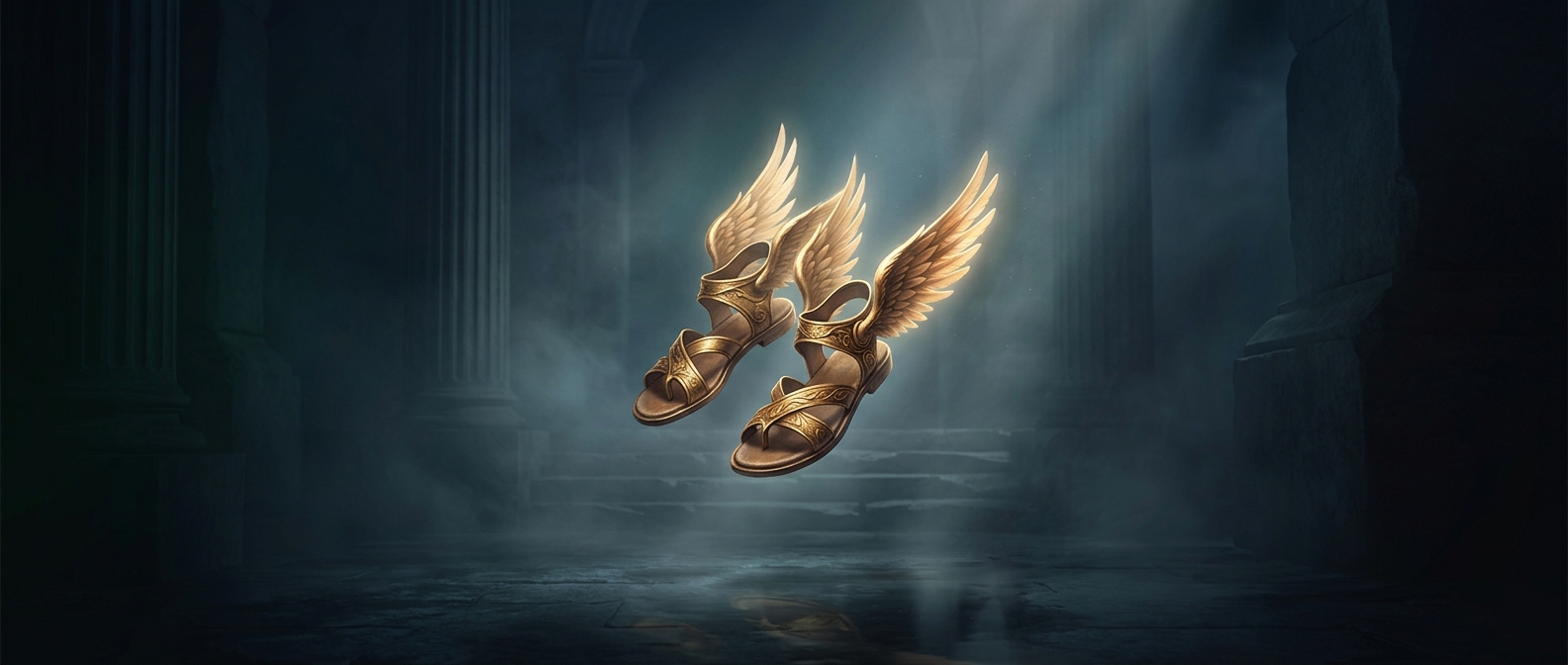
Winged sandals were the ultimate mythical transport
Hermes’ winged sandals turned travel into flight, making the messenger god faster than any road-bound courier. No traffic, no tolls—just a mythological…
Discover more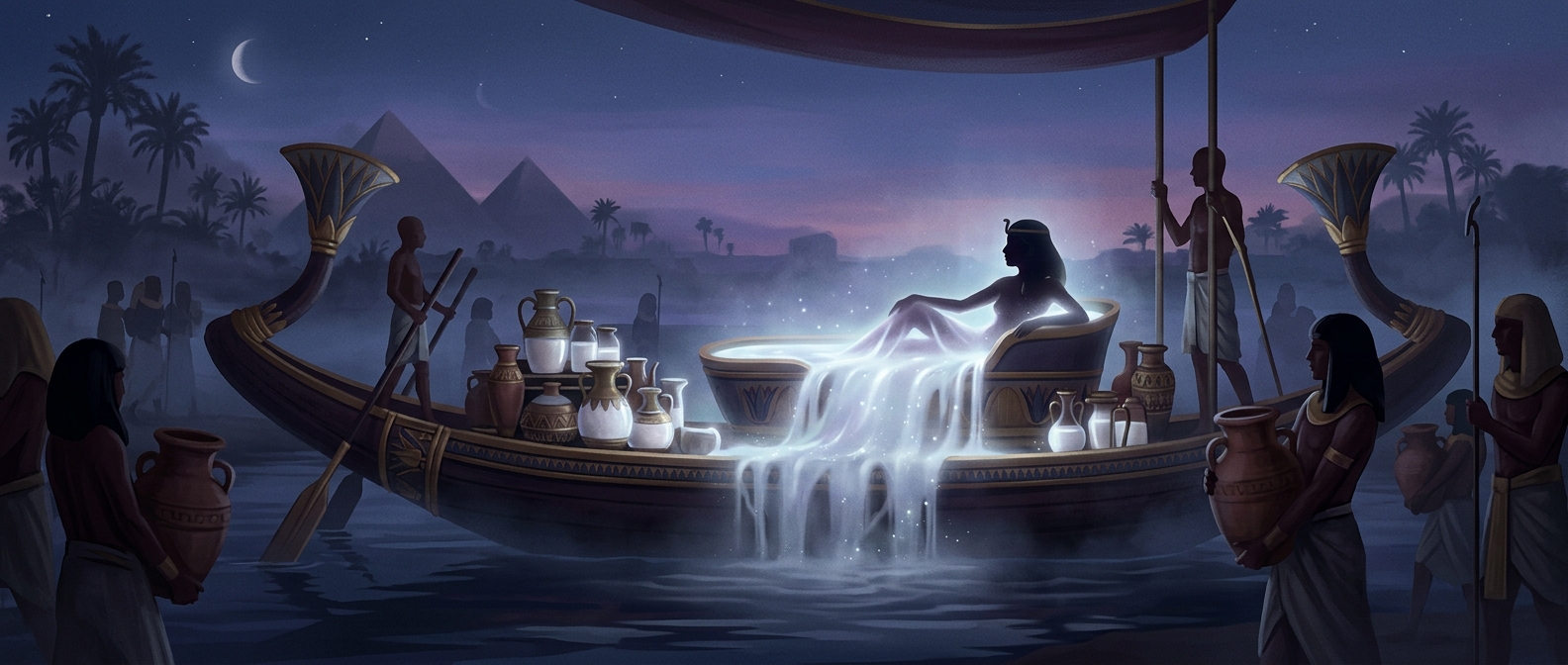
Ancient royals bathed in milk from their transport
A royal milk bath meant keeping milk donkeys close enough to fill the tub. The luxury was less spa day than livestock logistics—with the transport doing…
Discover more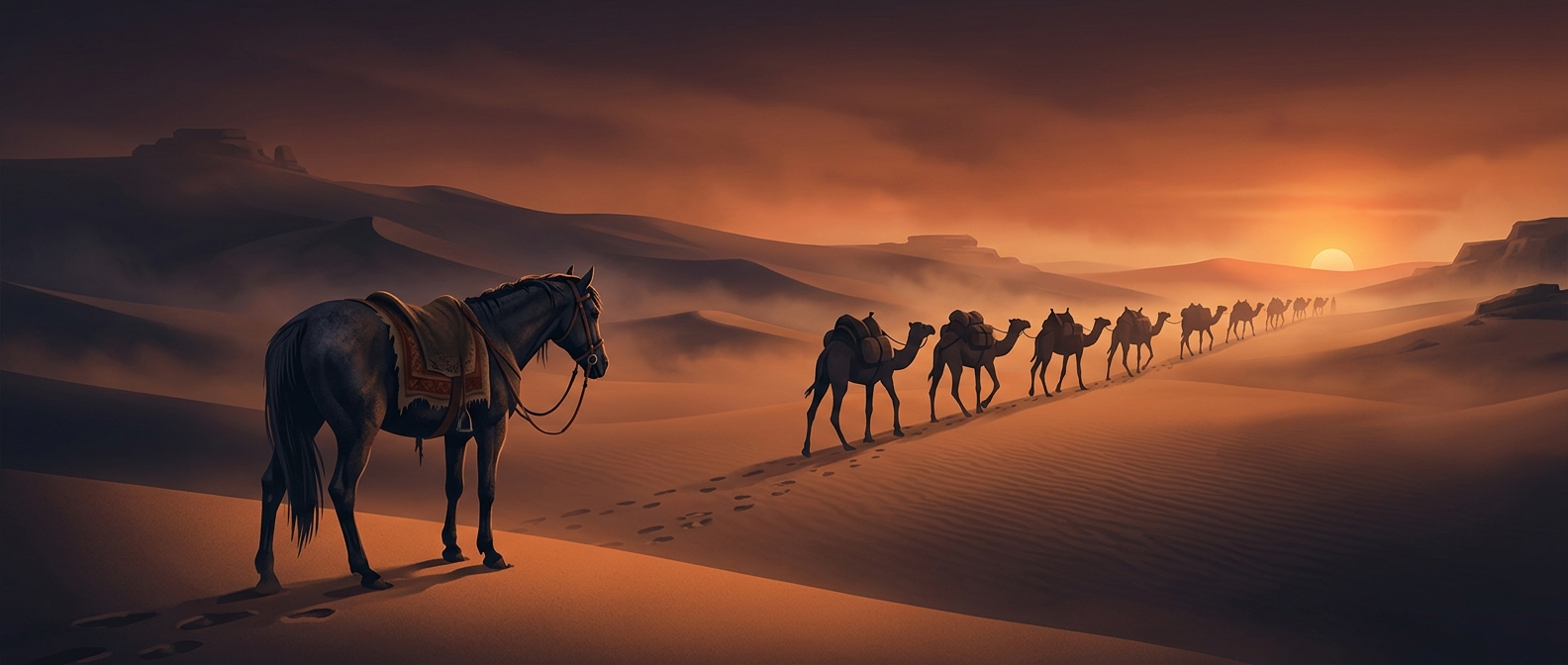
Camels replaced horses in the brutal desert heat
Camels handle desert heat with wide feet that spread their weight over sand and bodies that conserve water. Their humps store fat, not water, so they carry…
Discover more STACKY FOR IPHONE
A bigger world.
One discovery
at a time.
Keep discovering with Stacky. Interesting facts in an app that is always within reach.
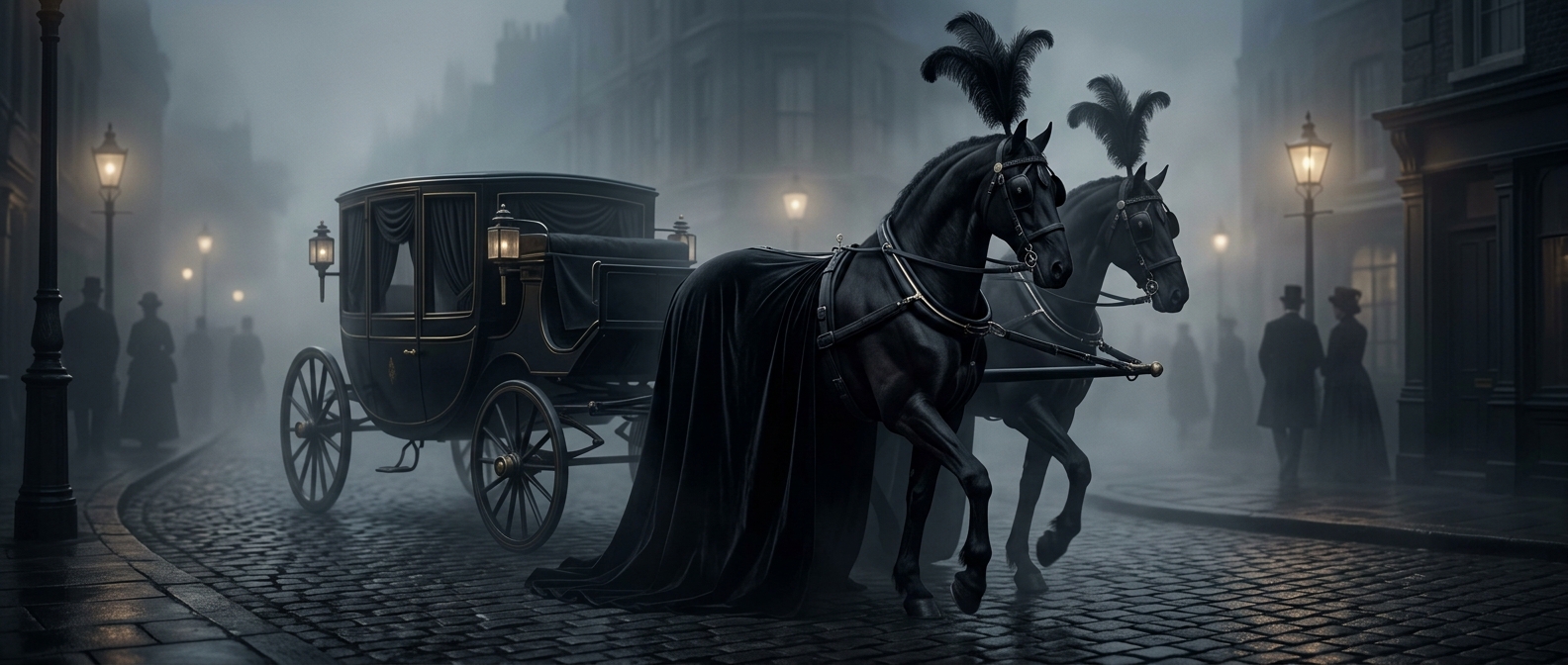
Victorian funerals came with black horses and feathers
Victorian funeral horses wore black trappings and tall feathers to make the procession solemn and unmistakable. It was grief with a dress code—and the horses…
Discover more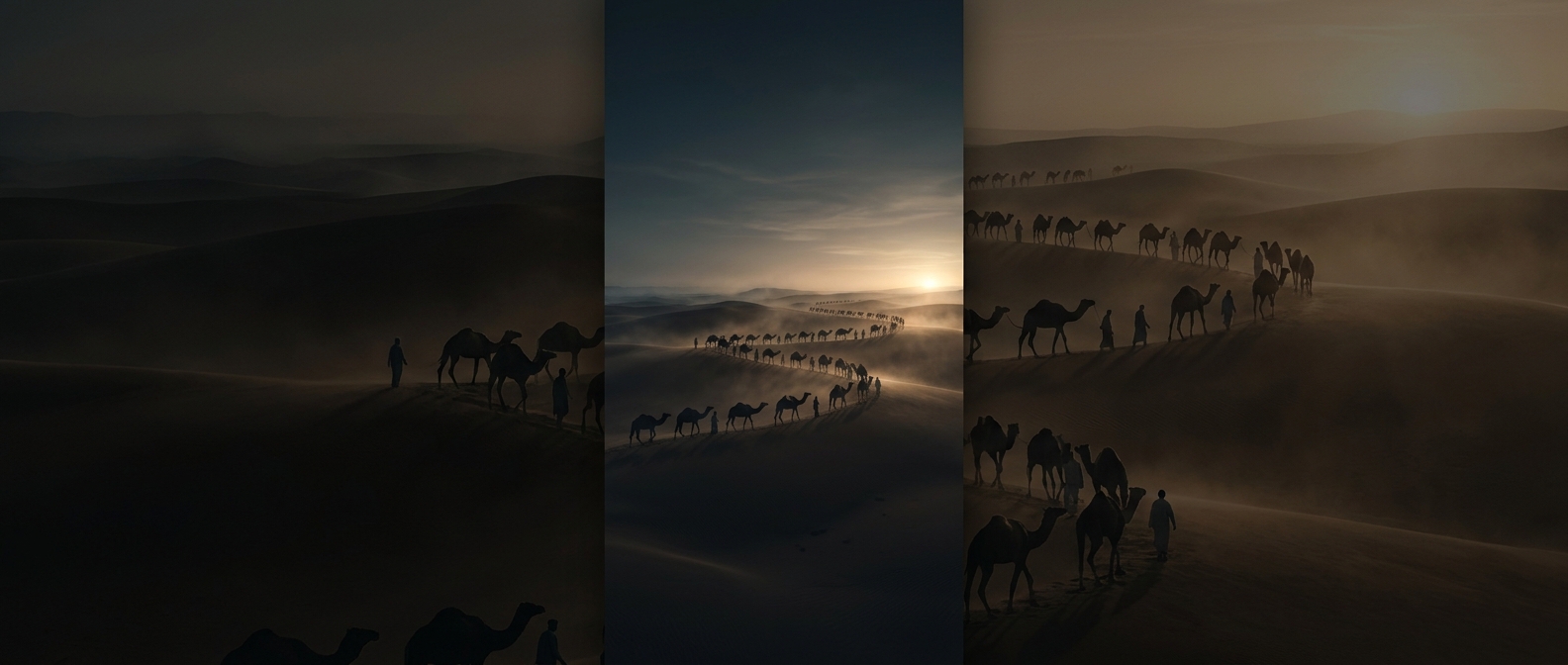
Desert caravans stretched for miles across dunes
A caravan’s camels and supplies had to follow the same narrow route between water stops, so one animal after another stretched across the dunes. The line was…
Discover more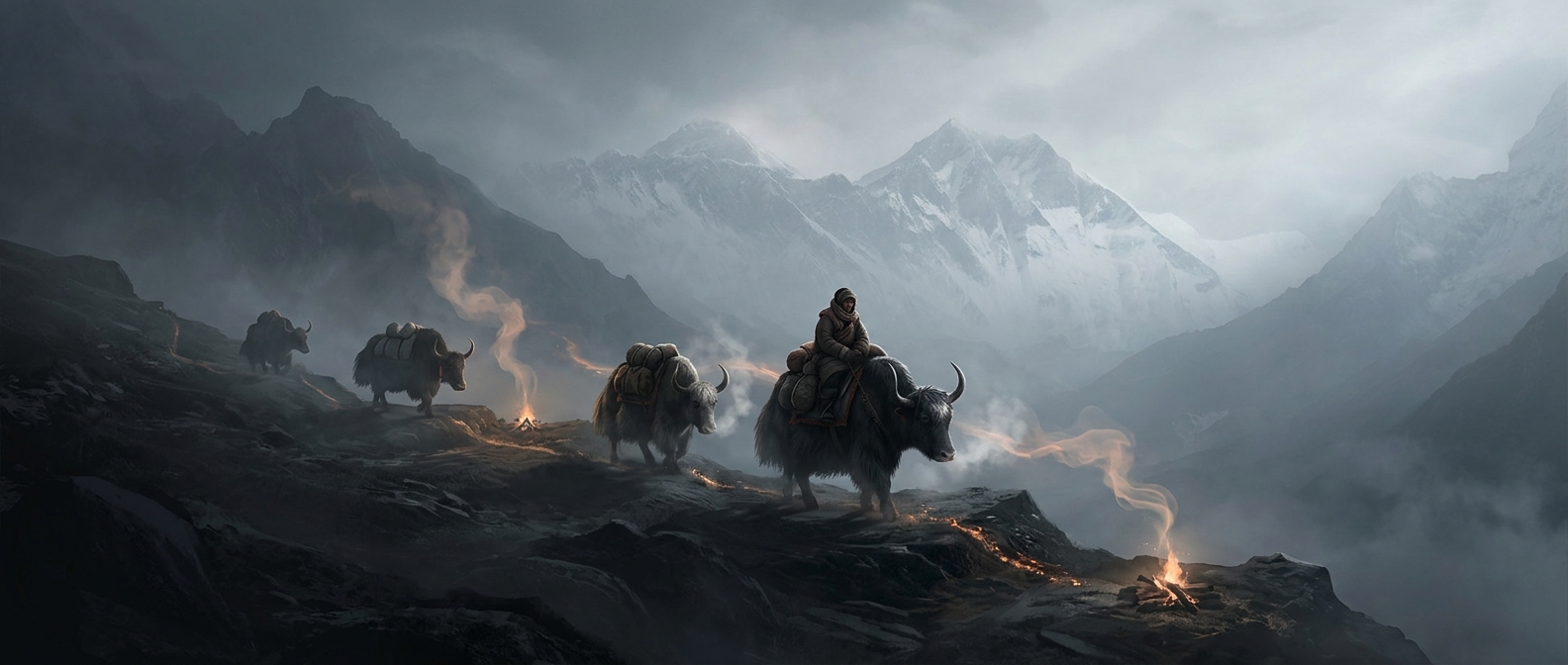
Yaks provide both high-altitude transport and fuel
Yaks carry people and supplies over steep, high-altitude routes, where their sure footing and thick coats suit the terrain. Their dried dung also burns as…
Discover more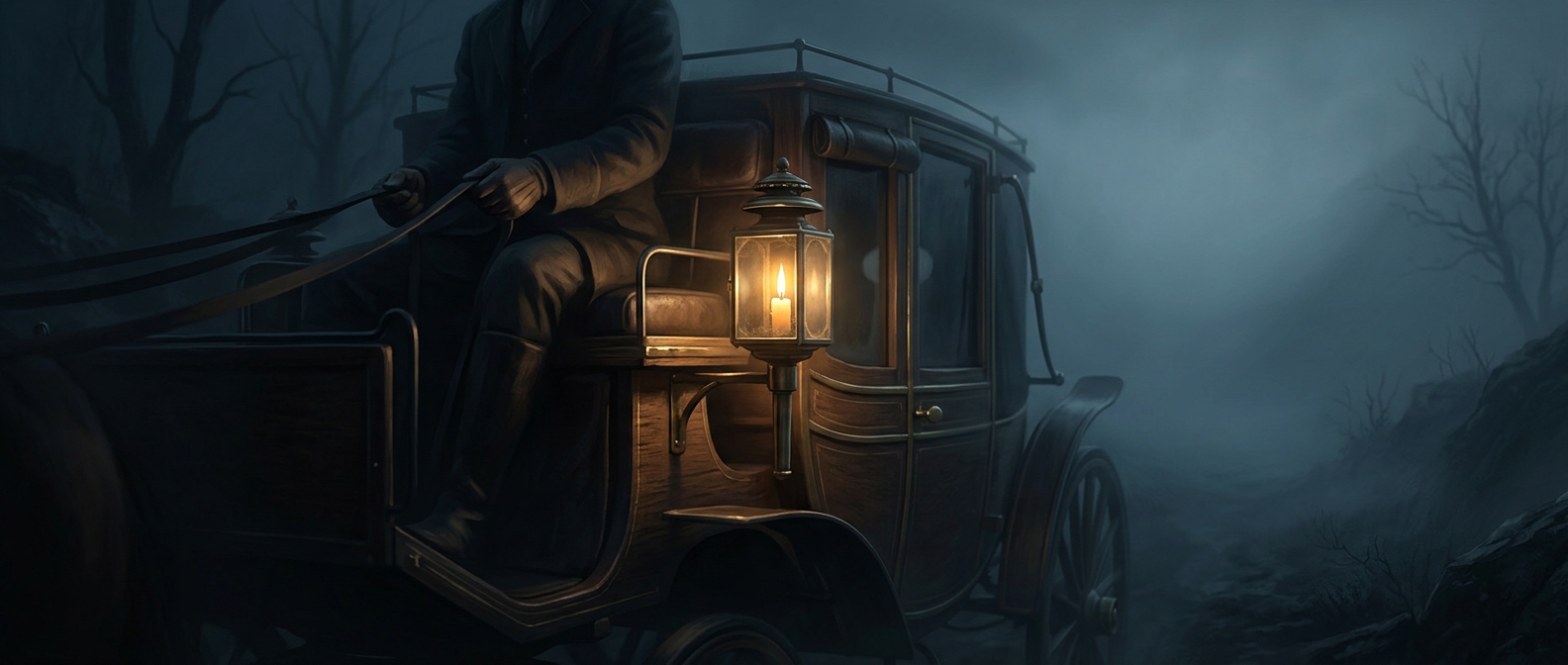
Before headlights, carriages used candles
A candle inside a glass lantern marked a carriage’s presence and offered a dim glimpse of the road ahead. The light was weak and easily troubled by wind or…
Discover more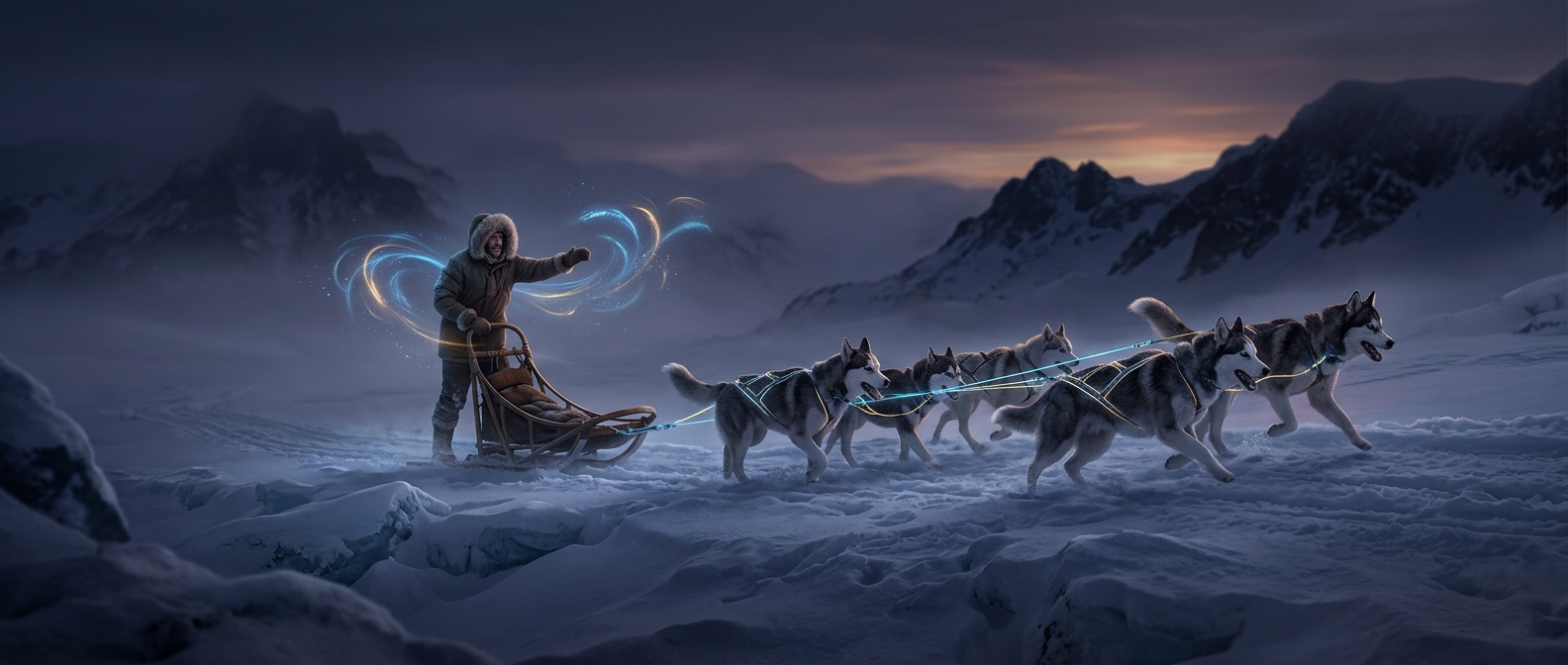
Mushers use specific verbal commands to steer dogs
Mushers steer with voice cues: “gee” tells the team to turn right, and “haw” sends it left. The lead dogs hear the command first, so a few syllables steer a…
Discover more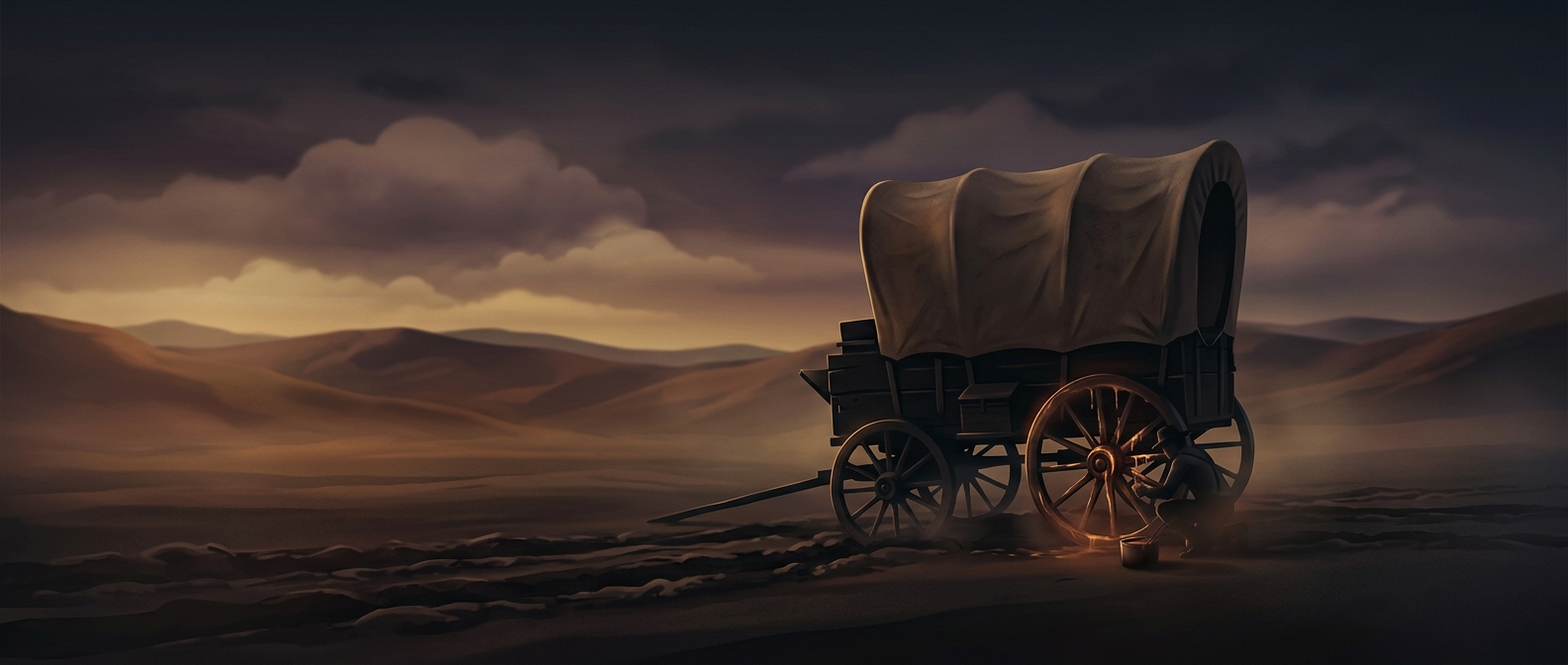
Pioneer wagons carried a fuel supply in the animals' wake
On stretches of prairie without enough wood, travelers burned dried dung, including buffalo chips. The same landscape that made firewood scarce supplied a…
Discover more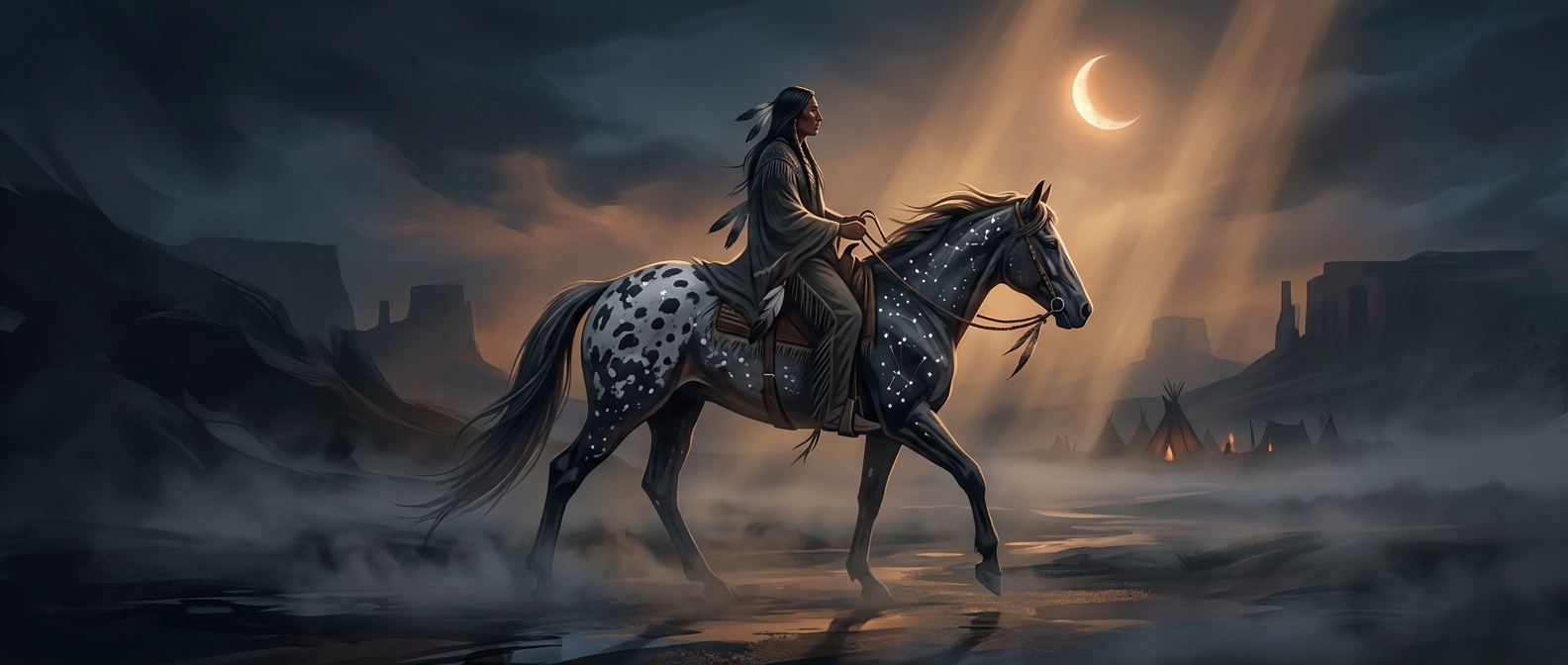
How the Nez Perce developed the Appaloosa
The Nez Perce selectively bred horses for stamina, sure-footedness, and distinctive spotted coats. The result, the Appaloosa, was a capable riding horse with…
Discover more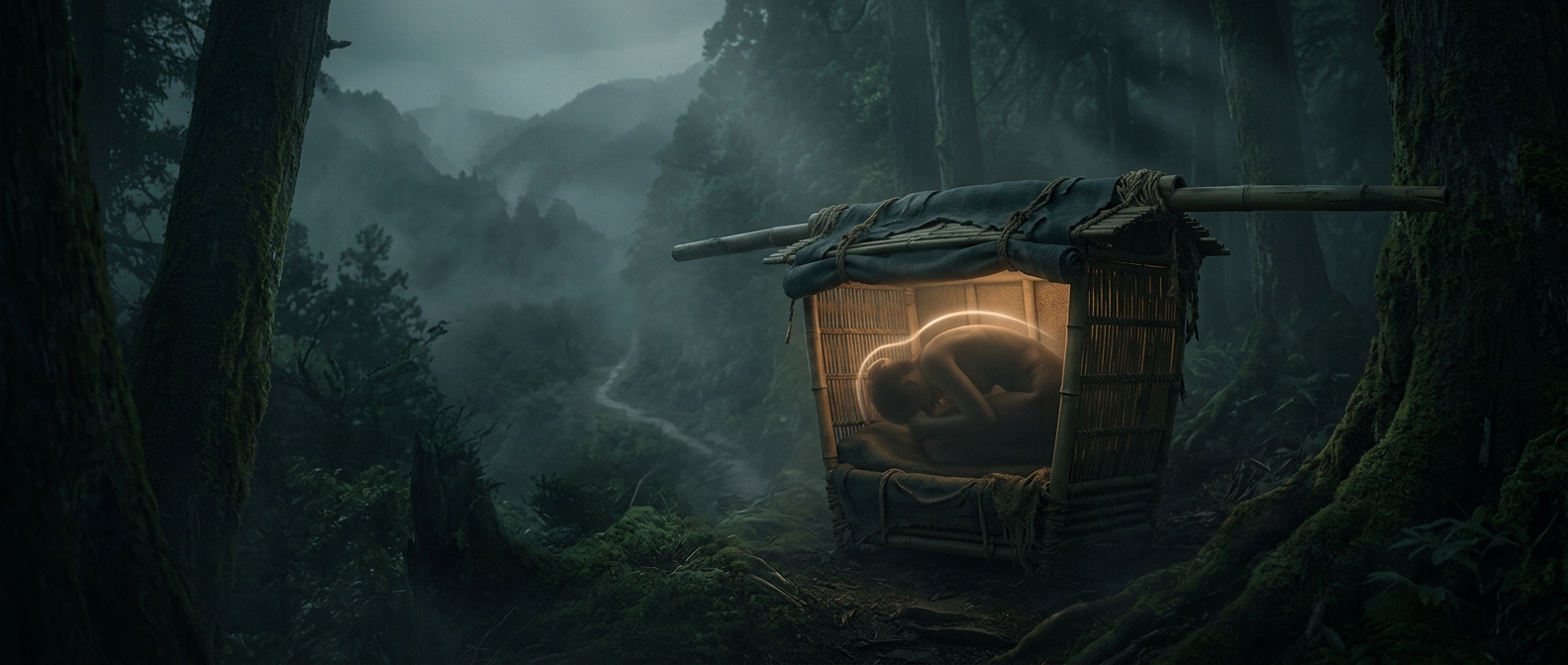
Japanese travelers once paid other people to be the suspension
A kago was a light passenger basket suspended from a carrying pole. Porters supported the pole at either end and carried it along roads where a wheeled…
Discover more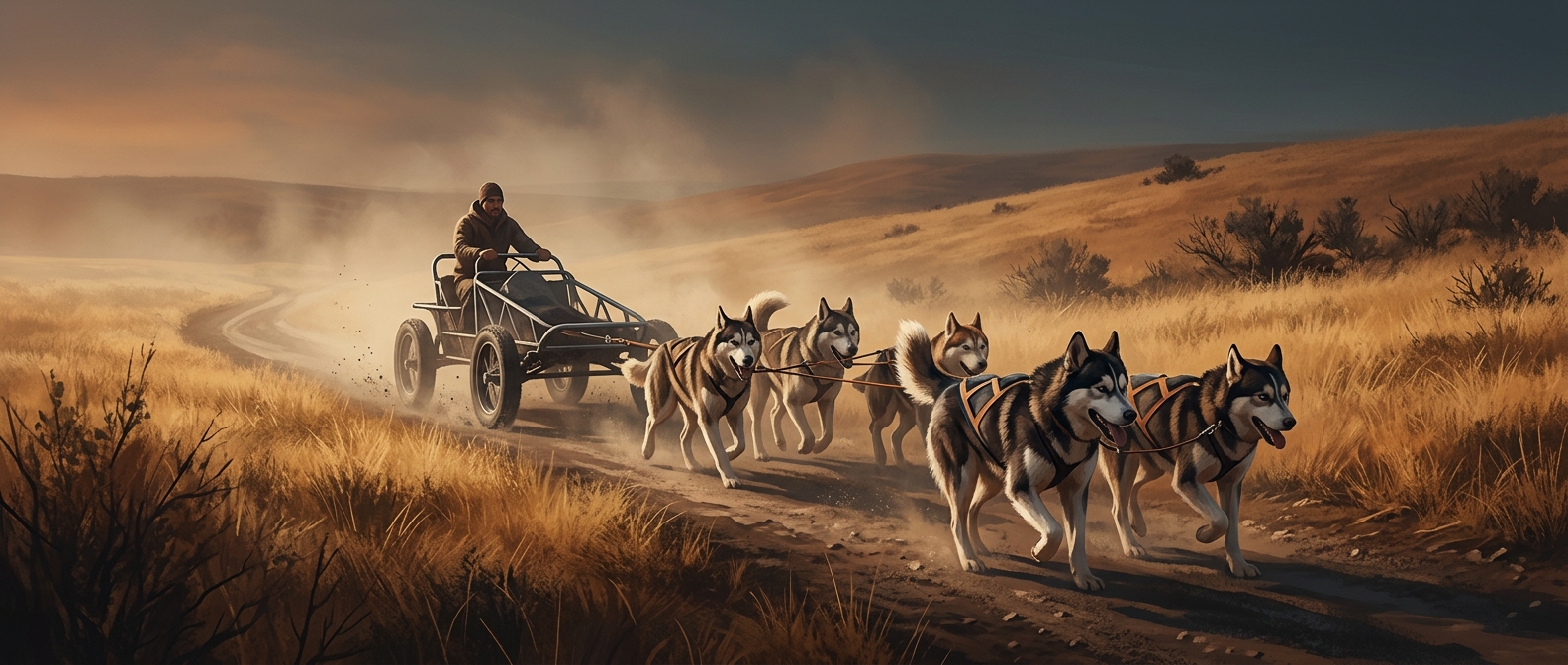
What sled dogs do when the snow melts
When snow disappears, mushers swap sleds for wheeled training rigs and let the dogs pull on dirt. They train in cooler hours because hard exercise heats dogs…
Discover more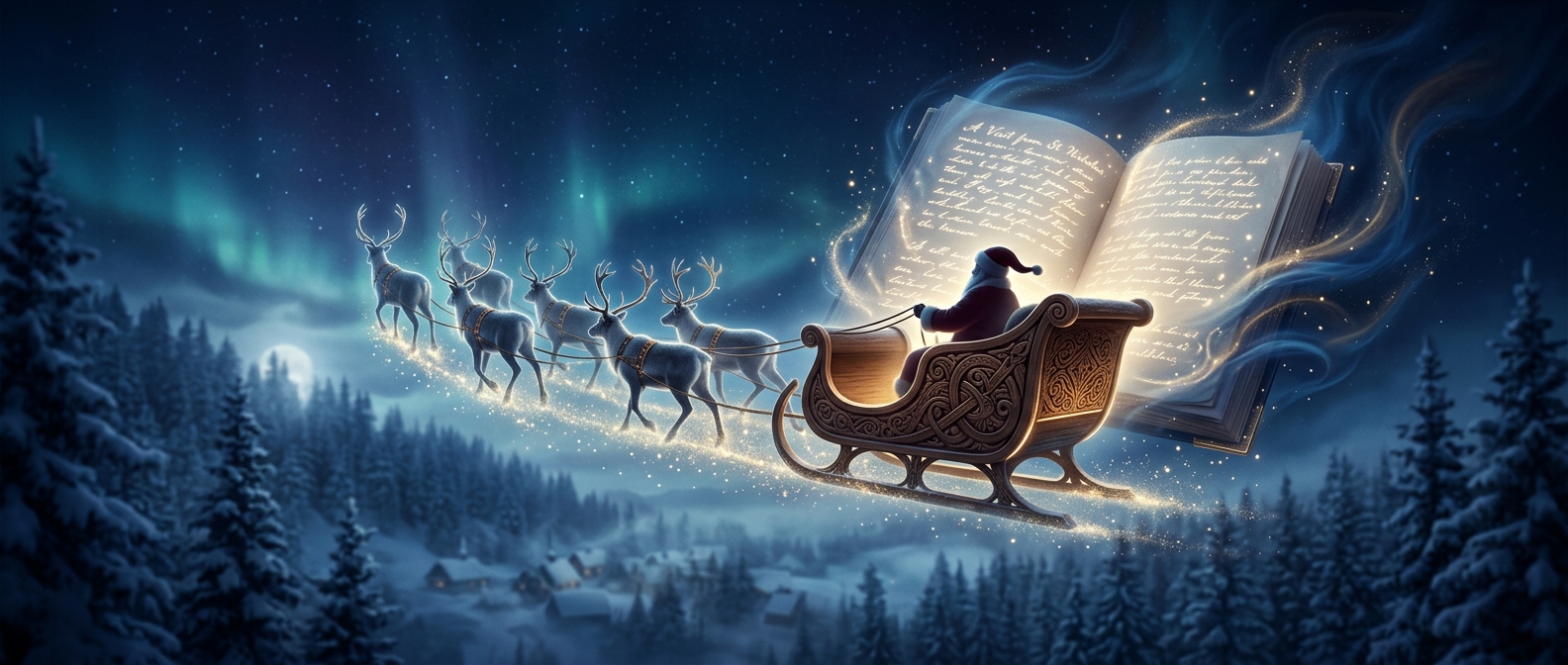
Santa's sleigh became popular through one 1823 poem
The poem gave readers a vivid, repeatable picture of Santa arriving by sleigh and reindeer, then print carried that image from home to home. One poem did the…
Discover more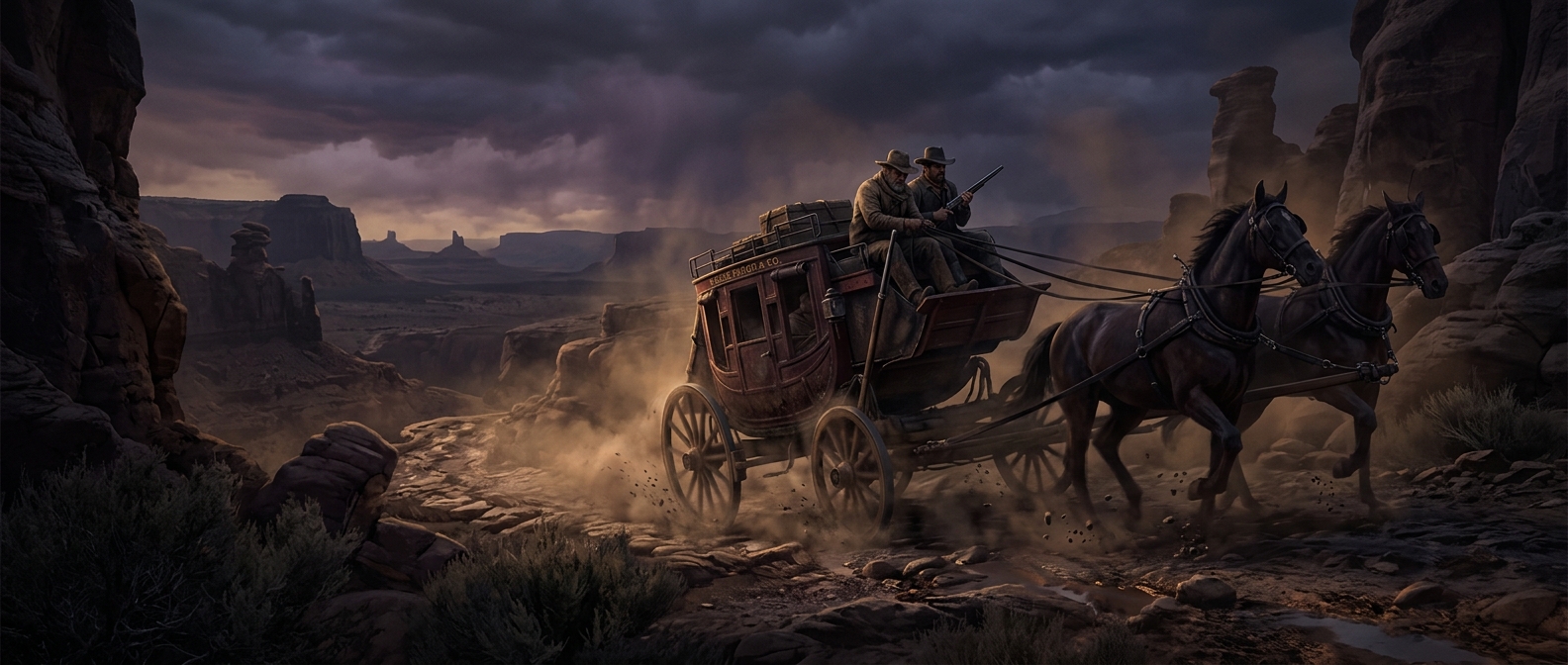
Stagecoach journeys guaranteed extreme discomfort
Stagecoaches rode rough roads for hours, with passengers packed onto hard benches as the wheels jolted over ruts. Leather straps softened some bumps, but they…
Discover more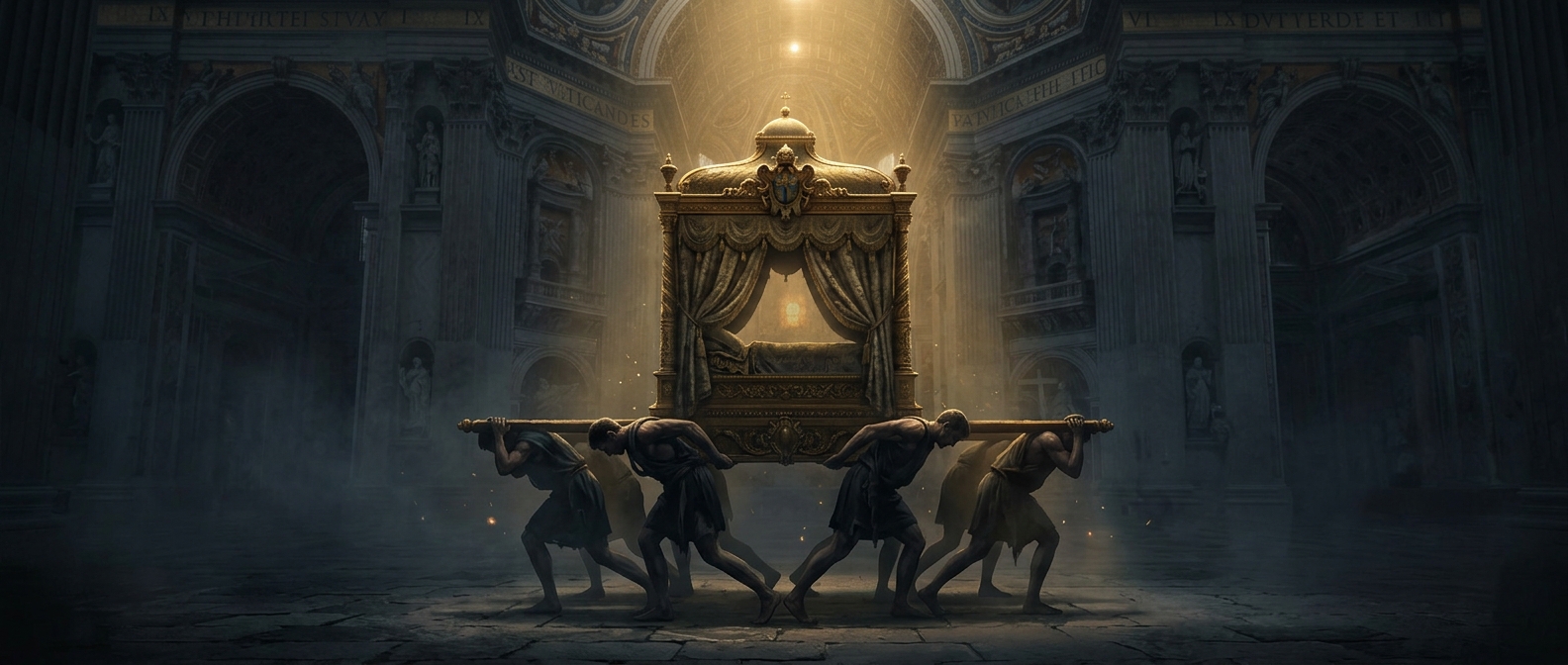
Carrying the Pope was a brutal physical job
Before cars, attendants carried the Pope in a raised chair called a sedia gestatoria, balanced on their shoulders. Every procession turned a public appearance…
Discover more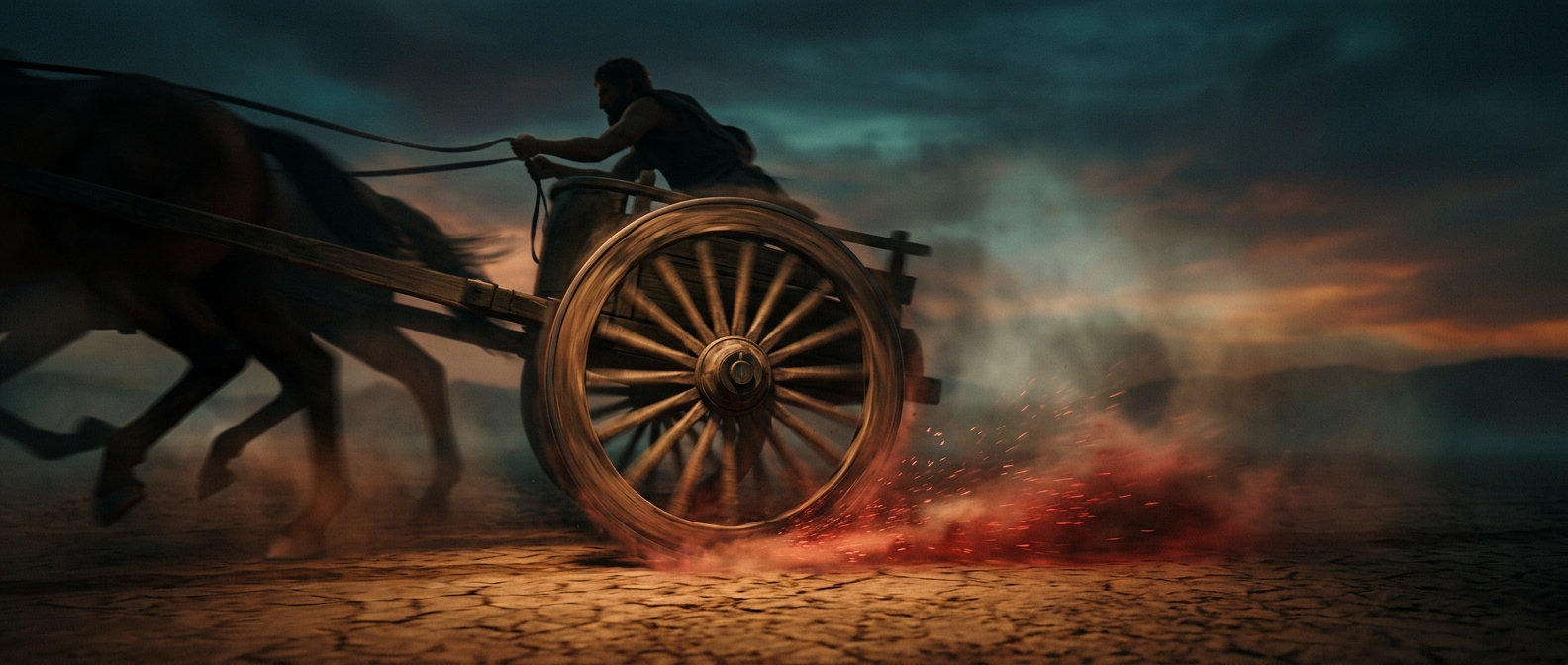
Spokes turned wooden carts into speed machines
A solid wooden wheel has to carry weight across its whole face. Spokes replace most of that wood with open space, while the rim and hub carry the load through…
Discover more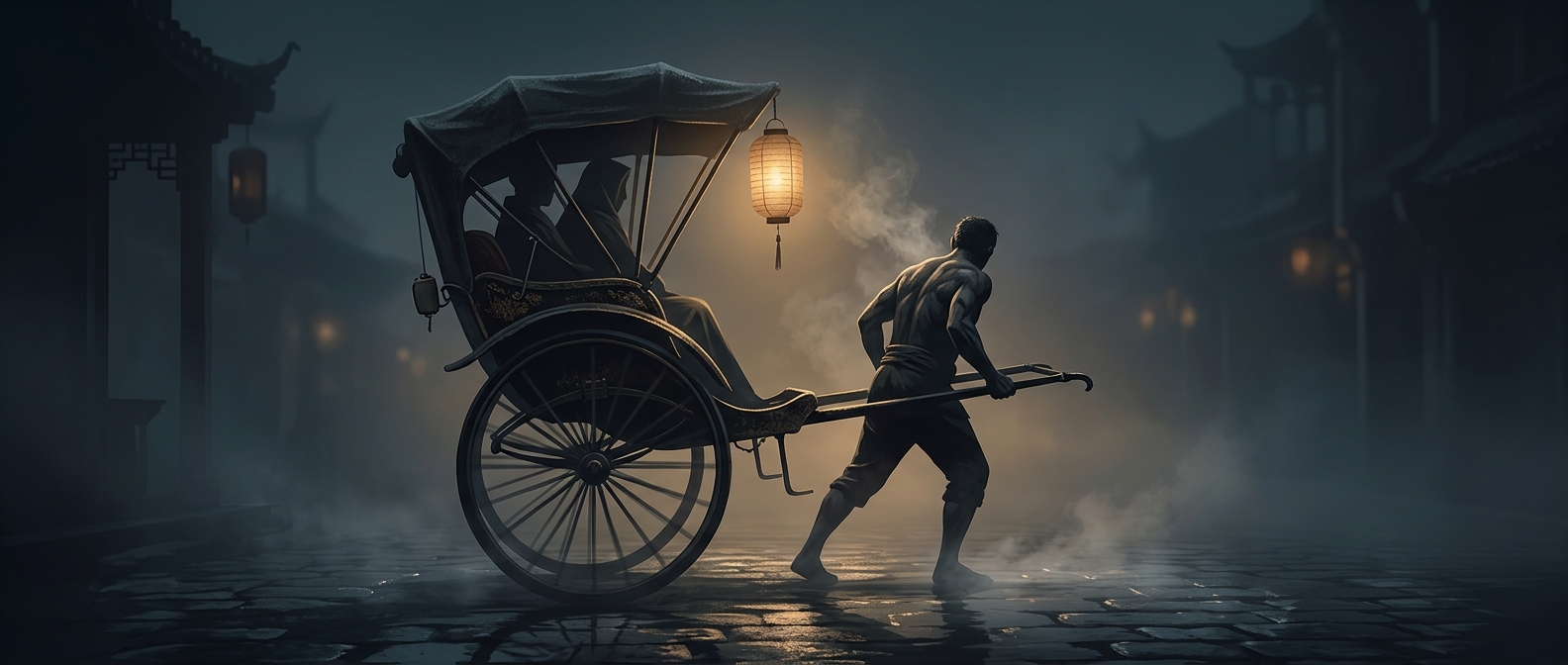
Human rickshaws required immense physical endurance
A rickshaw’s wheels reduced the drag, not the workload: the driver still had to pull the passenger and vehicle along the road. The ride was smooth for one…
Discover more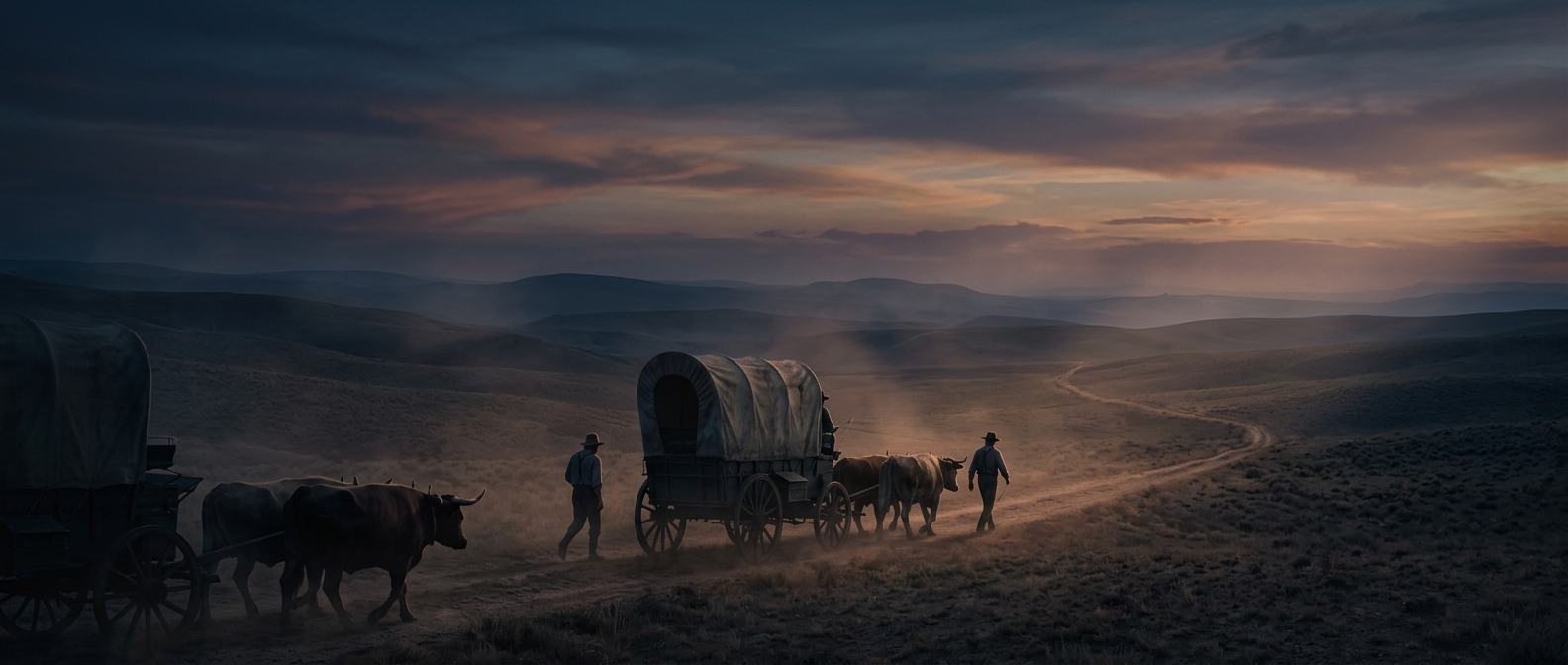
Pioneers walked beside their own wagons
The wagons carried food, tools, and household gear across rough trails; every extra load asked more of the draft animals. Adults walked beside them while the…
Discover more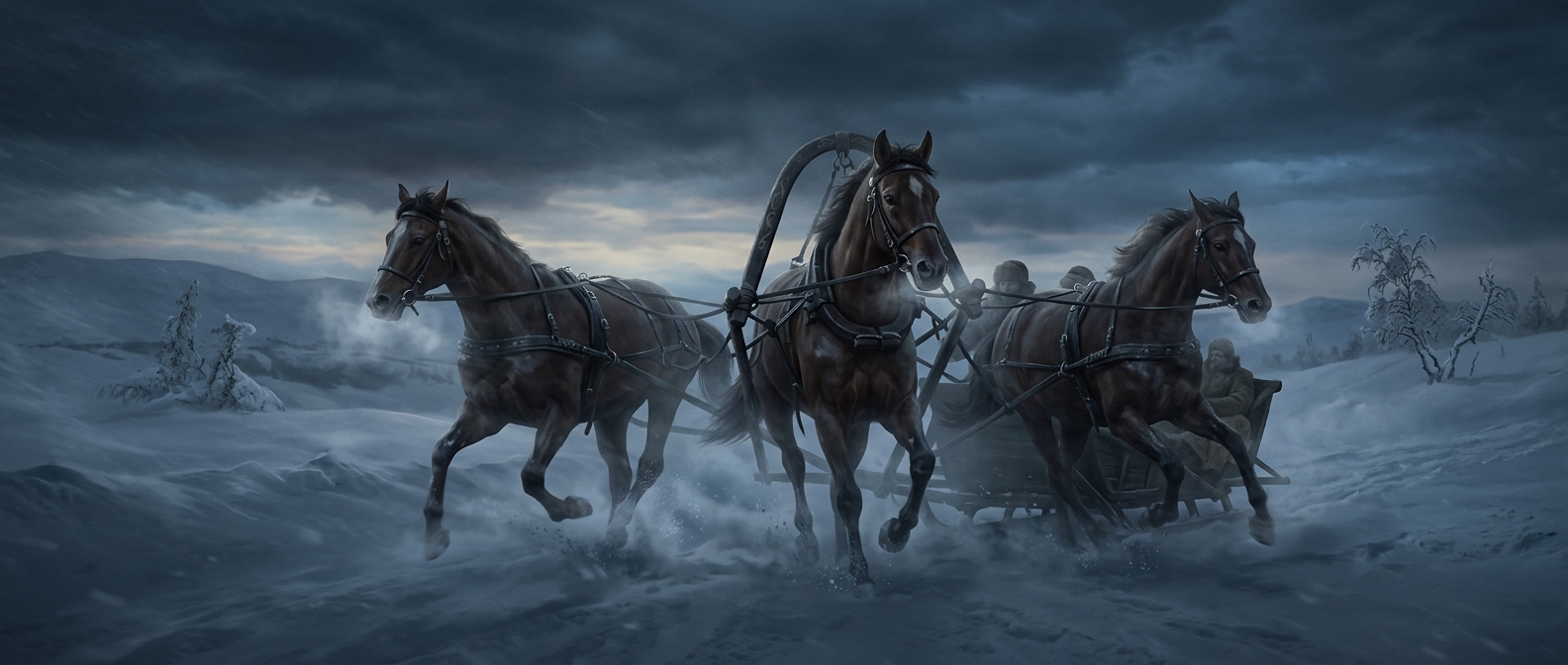
A troika's three horses do not all run the same way
The central horse trots between the shafts while the outer pair gallop. The driver coordinates different gaits within one harnessed team, producing the…
Discover more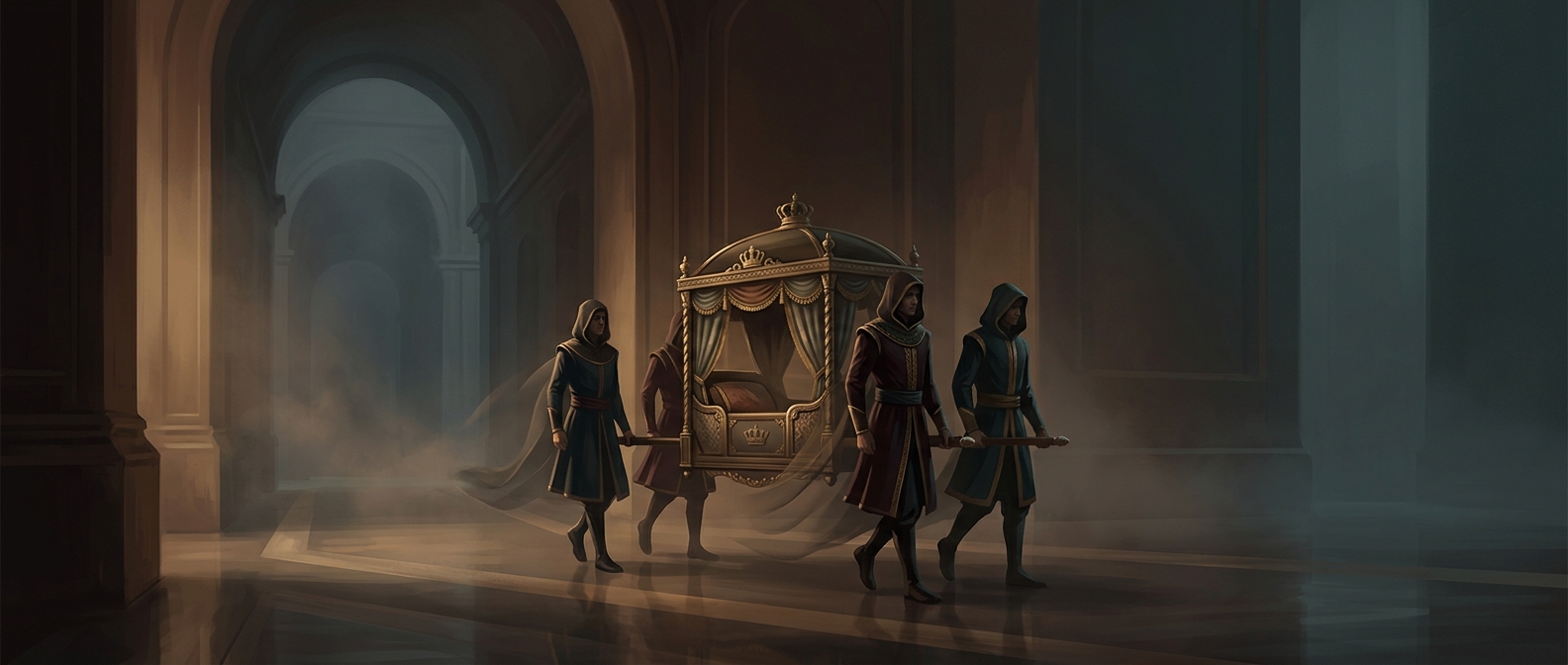
Serving a king's dinner could be a public honor
At Charles II's court, important courtiers could carve the king's meat or pour his wine while spectators watched. Public dining displayed rank through who was…
Discover more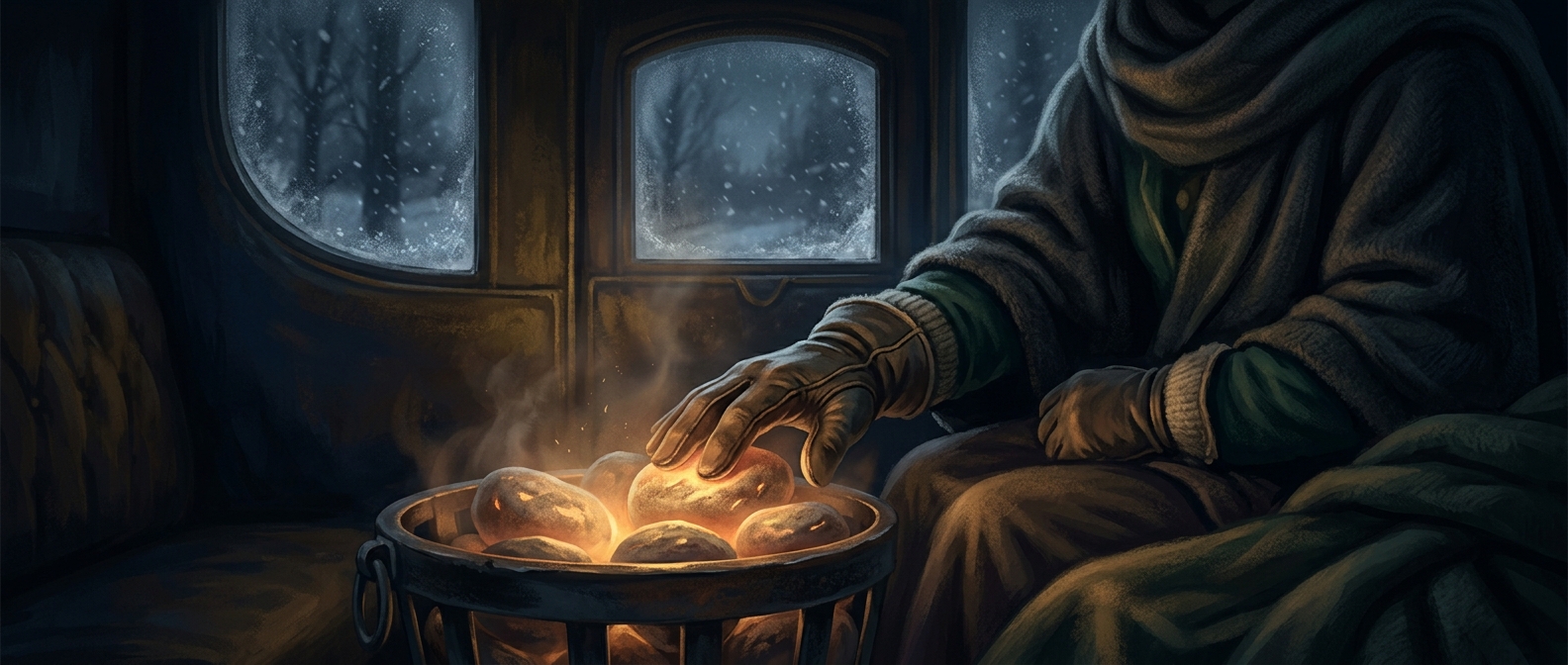
How travelers stayed warm in frozen carriages
Railway stations filled metal foot warmers with hot water and tucked them under passengers’ feet. Warming one small patch of a frozen carriage took far less…
Discover more