Transport
Discover facts about transport. Small discoveries that change the way you see familiar things.
Transport

Using the East Wind and an umbrella to float
The umbrella’s canopy catches the wind like a tiny parachute: air pressure pushes against it and slows a descent, while the gust carries it sideways. The East…
Discover more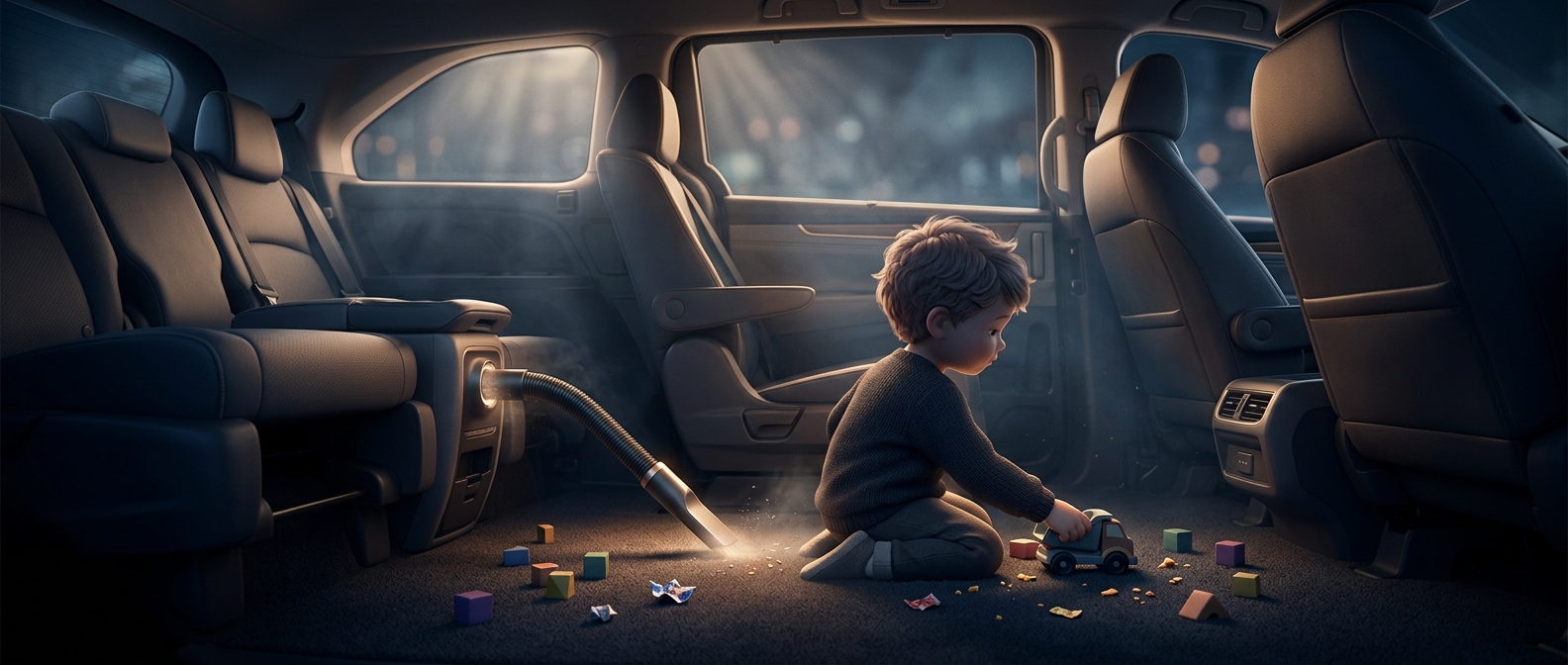
Honda put a vacuum cleaner in a minivan
Honda tucked a vacuum into the minivan’s cargo area, where its hose reaches the seats and floor. The family road trip gets a cleanup crew built in—because…
Discover more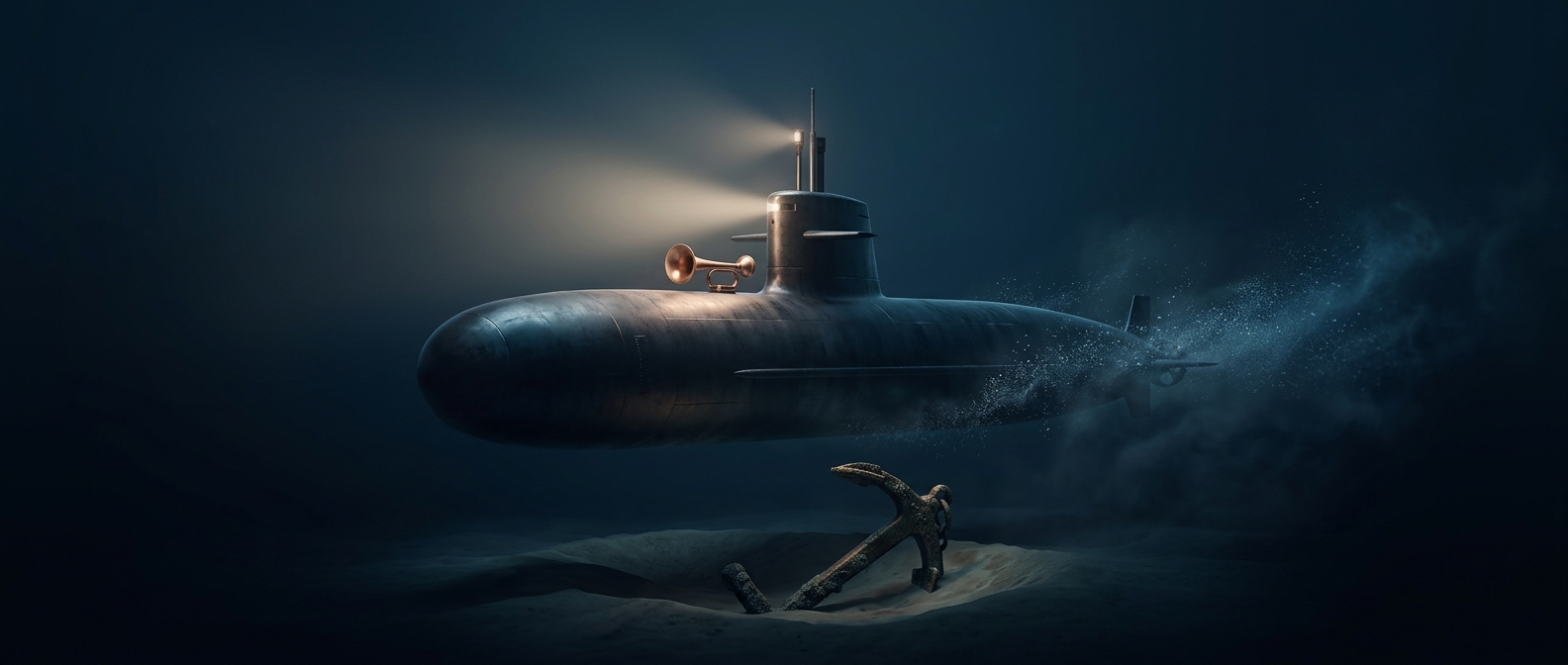
Why submarines still need a horn
A surfaced submarine sits low in the water and is hard for other ships to spot, especially in poor visibility. Its horn sends a warning through the air to…
Discover more
A boring journey can feel longer without taking longer
Psychological time depends partly on attention and engagement, not just elapsed minutes. When little absorbs you, the wait itself becomes more noticeable; an…
Discover more
A pulk harness routes sled-pulling force to your hips
A pulk slides over snow, carrying gear that would otherwise ride on someone’s back. A harness transfers the pulling force to the person’s hips, while the…
Discover more
A camel can carry a small piano's weight across the desert
San Francisco Zoo describes Bactrian camels carrying loads of up to 550 pounds for about 30 miles a day. Their long history as pack animals depended on more…
Discover more STACKY FOR IPHONE
A bigger world.
One discovery
at a time.
Keep discovering with Stacky. Interesting facts in an app that is always within reach.
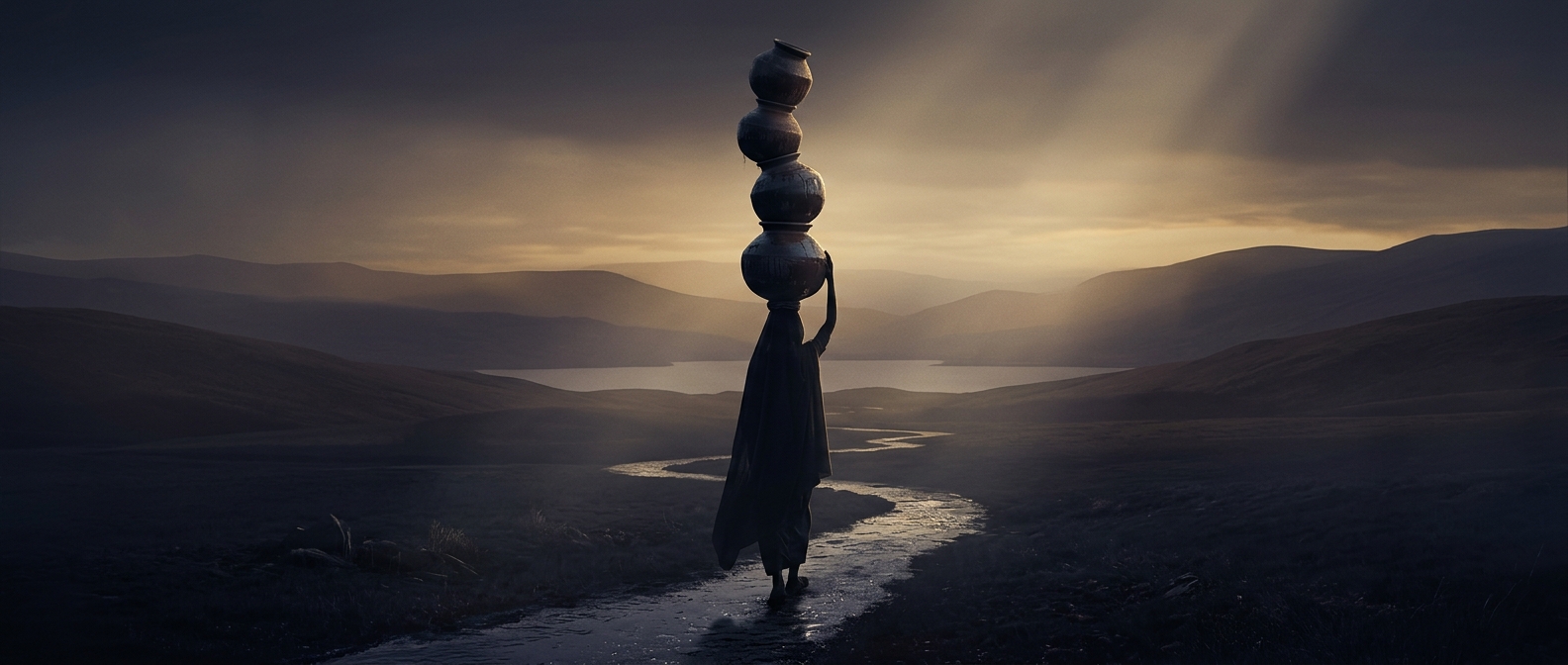
Heavy clay pots were transported entirely on heads
A padded ring on the head spreads a pot’s weight over a steadier surface, while an upright posture keeps the load balanced. With the hands free, carriers…
Discover more
Carrier pigeons once flew with whistles on their tails
Air rushing through a tiny whistle makes a note as the pigeon flies, turning a bird in the sky into an audible signal. The message still traveled in a…
Discover more
Piggyback rides may be prehistoric
A person carrying a child on their back keeps the load close to the body and leaves both hands free. No wheels, harness engineering or road required—just the…
Discover more
Baby slings keep infants strapped to the chest
A sling holds the baby close and spreads the weight across the caregiver’s shoulders and torso. It leaves both hands free for the journey, though the small…
Discover more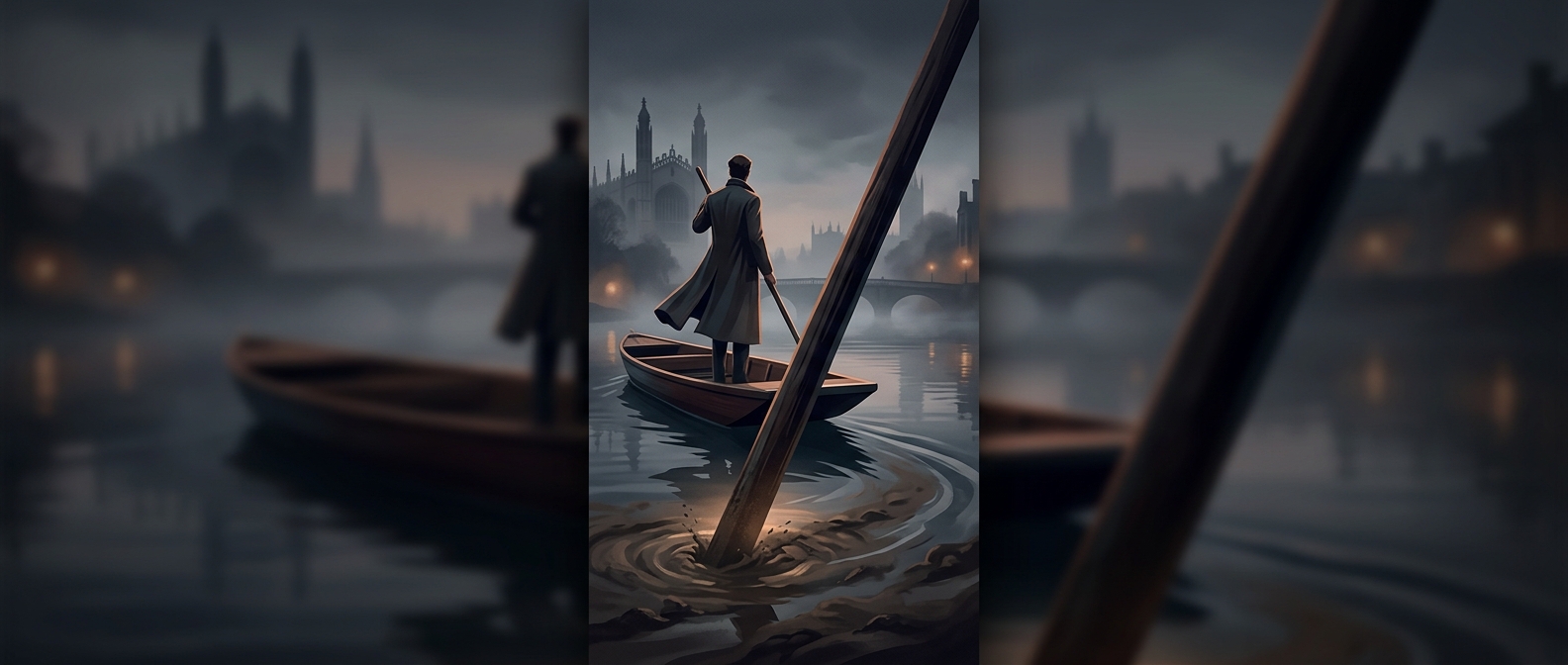
Punts rely on a massive pole shoved into mud
The pole plants in the mud, and the punter pushes against the riverbed while the flat-bottomed boat glides ahead. No propeller, no engine—just a very long…
Discover more
Snowshoes distribute human weight across soft powder
Snowshoes spread your weight across a much larger patch of snow. That lowers the pressure on each square inch, so your feet sink less; the trick is not…
Discover more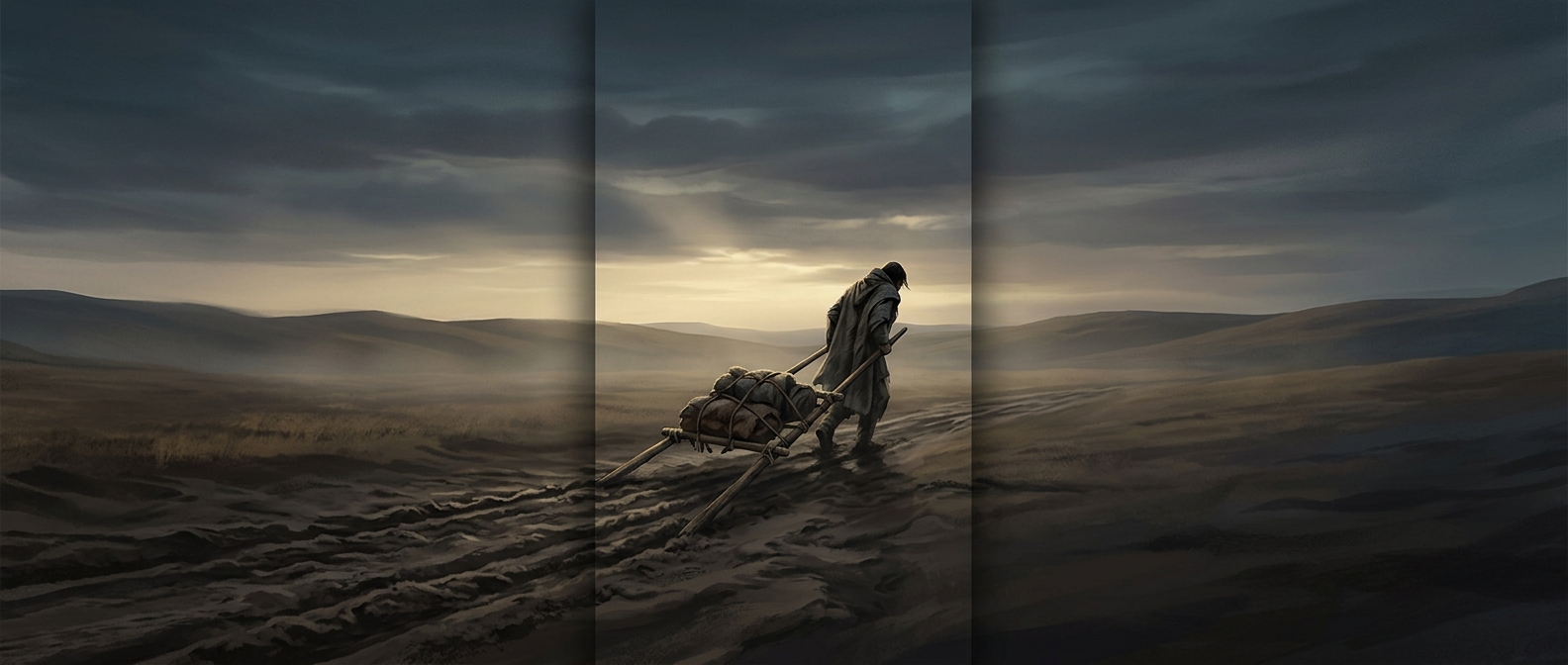
Travois frames dragged goods without any rollers
A travois suspends a load between two long poles, whose ends drag along the ground as the frame moves. The poles spread the weight and slide over rough…
Discover more
I Spy began as a Victorian parlor game
A Victorian parlor needed little more than a roomful of objects. One player secretly chose something in sight; the others narrowed it down from a clue.…
Discover more
Royal litters featured entirely enclosed beds
A closed litter gave its passenger privacy and shelter while bearers carried it through crowded streets. Inside, the royal traveler could recline on a bed;…
Discover more
How monks crossed rivers on a single log
They balanced upright on a single floating log and used a smaller stick to paddle across streams.
Discover more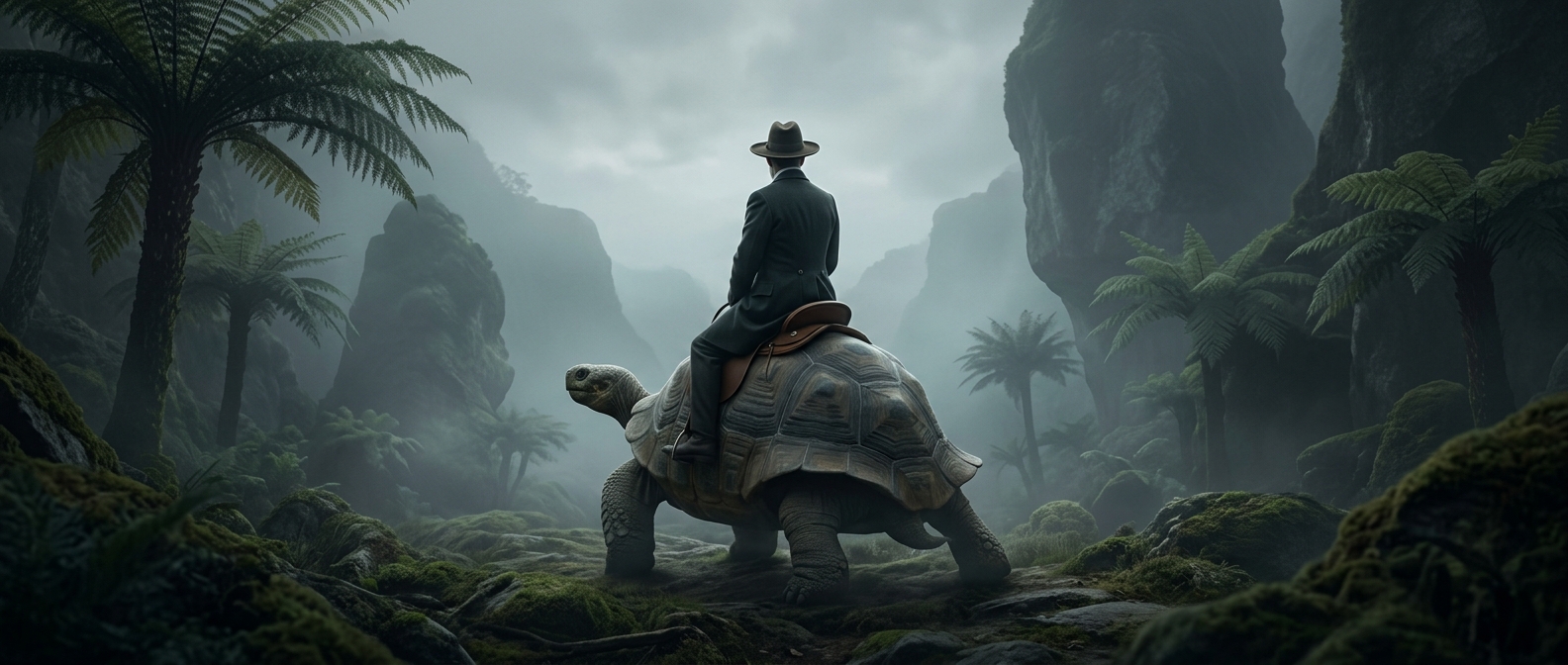
Giant tortoises helped change Darwin's view after the voyage
Darwin did not immediately recognize the full significance of differences between Galápagos tortoises. Back in England, comparisons with other island animals…
Discover more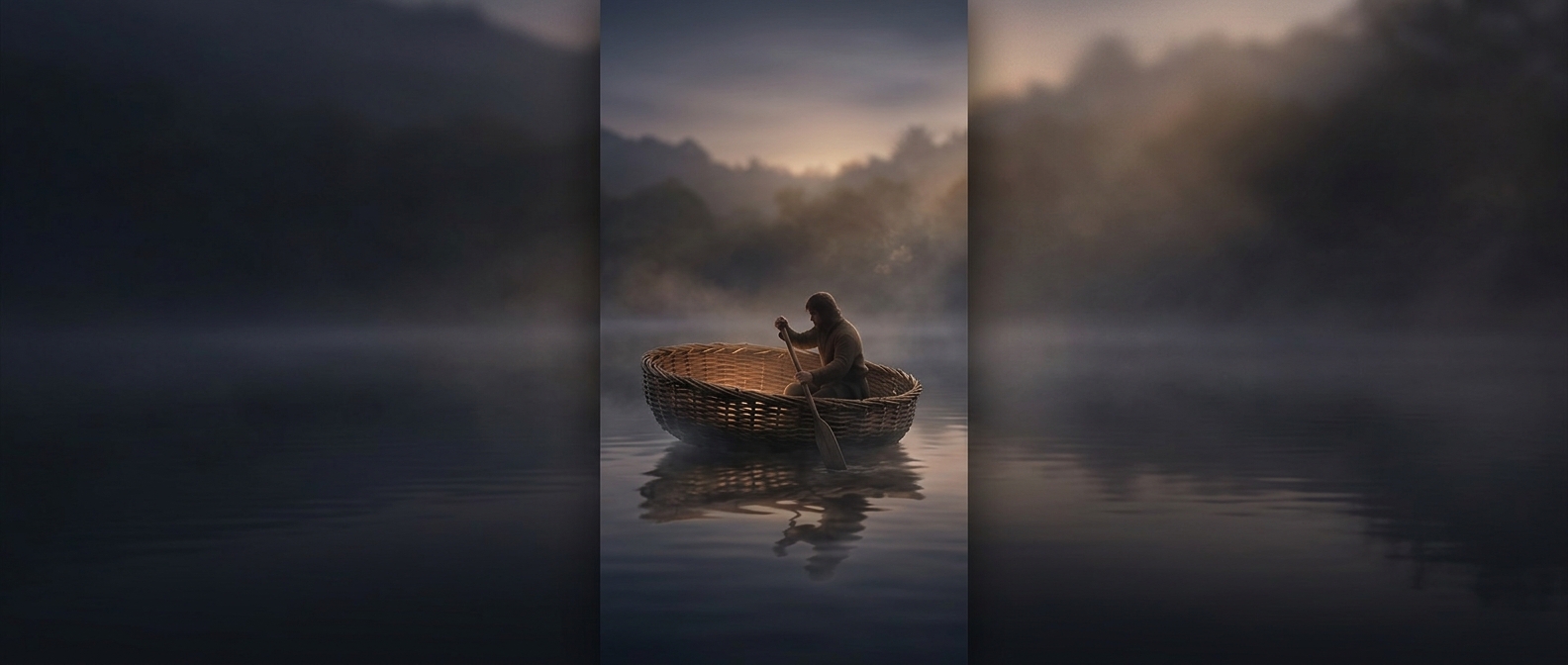
Coracles resemble floating woven wicker baskets
A coracle’s light frame of woven branches gives it a bowl shape that floats, while a waterproof covering keeps the weave from soaking through. Its shallow…
Discover more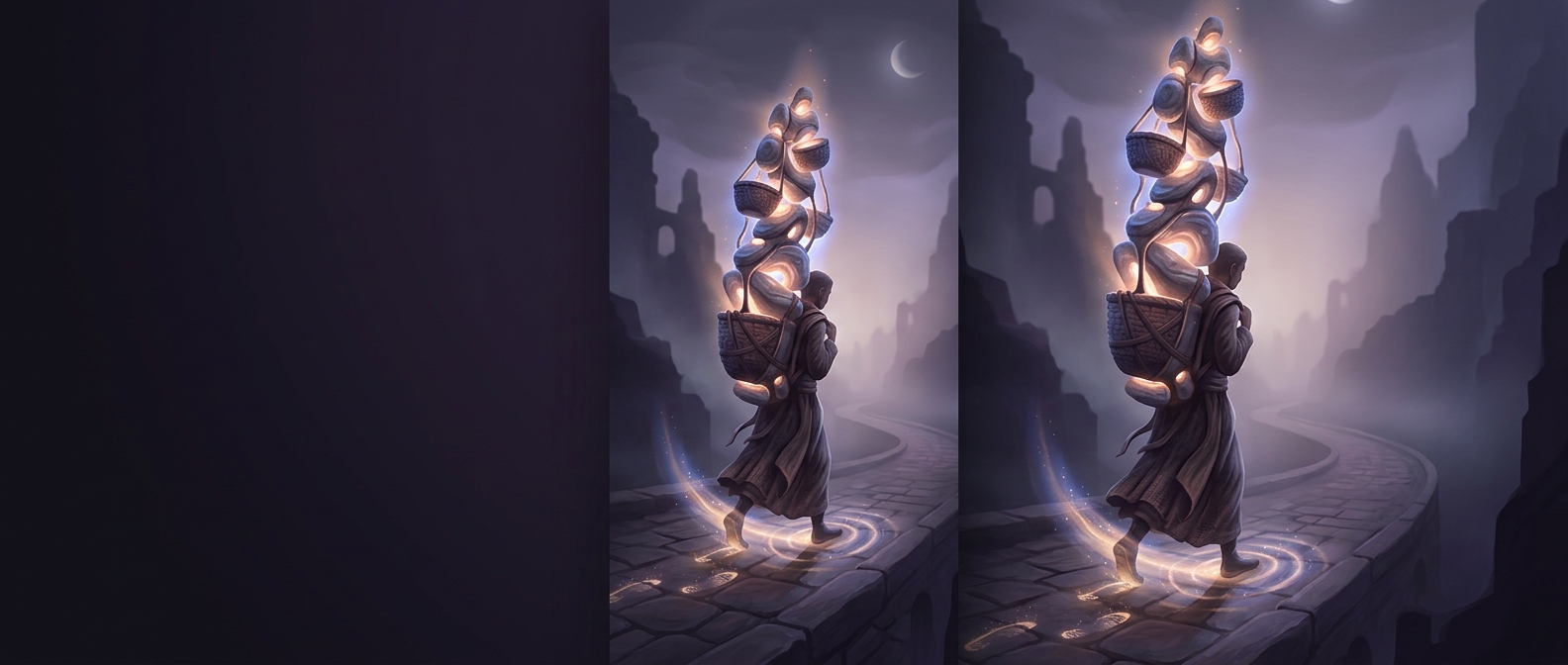
The bouncy poles that made heavy loads easier
A flexible carrying pole bends under a heavy load, then springs back as the carrier walks. That springy motion smooths the jolts and spreads the effort over…
Discover more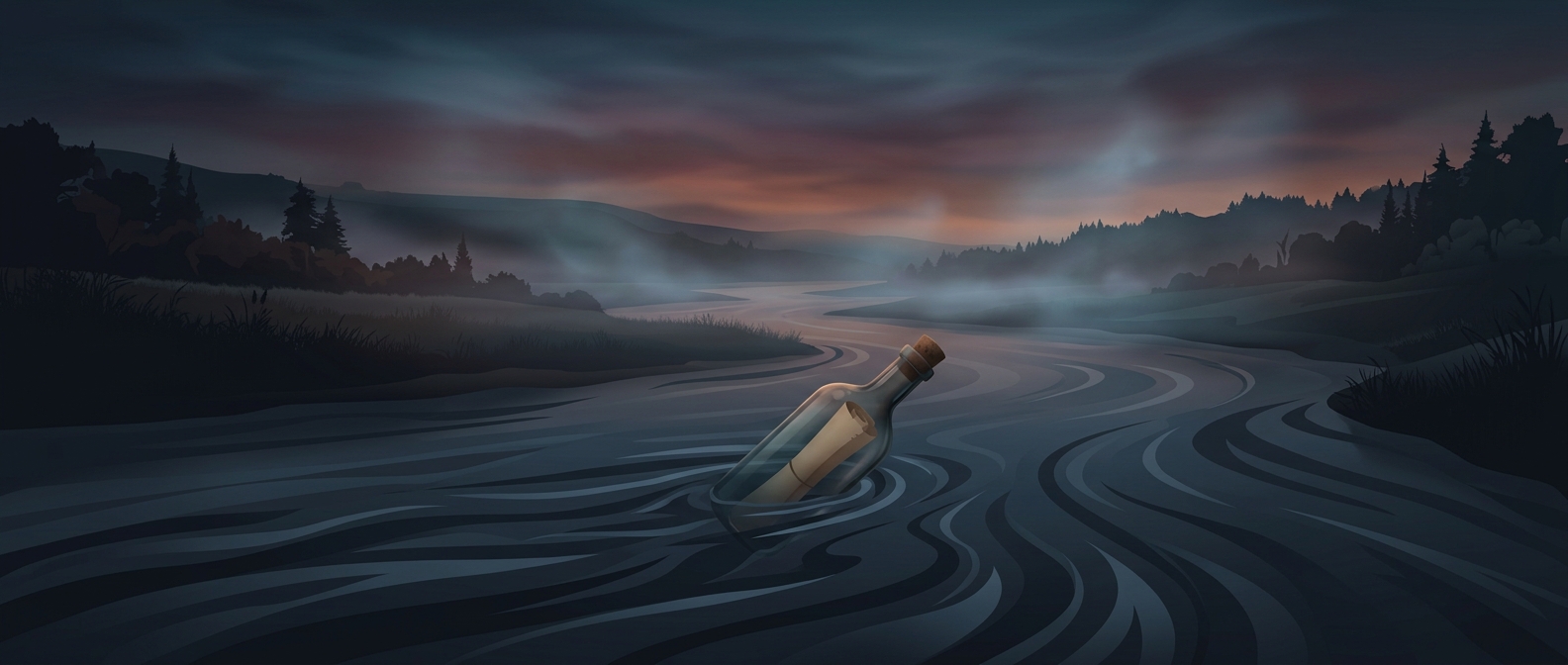
Messages in bottles relied entirely on river currents
A bottle in a river travels wherever the current carries it, with no steering and no reliable schedule. It’s mail delivery by water: the address is…
Discover more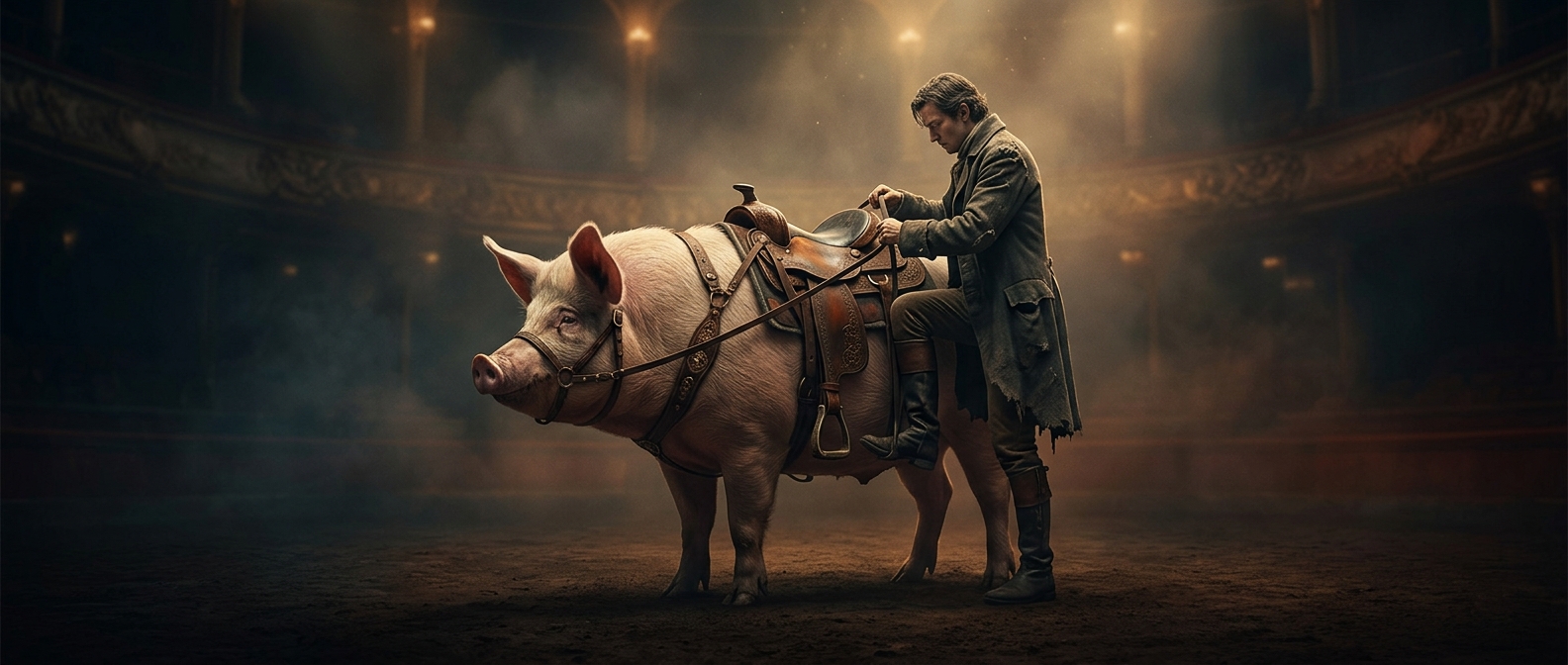
These racing pigs are chasing an Oreo
At Swifty Swine shows, the reward waiting beyond the track is a cookie. The pig doesn't need to understand the cheering crowd or the race commentary; it needs…
Discover more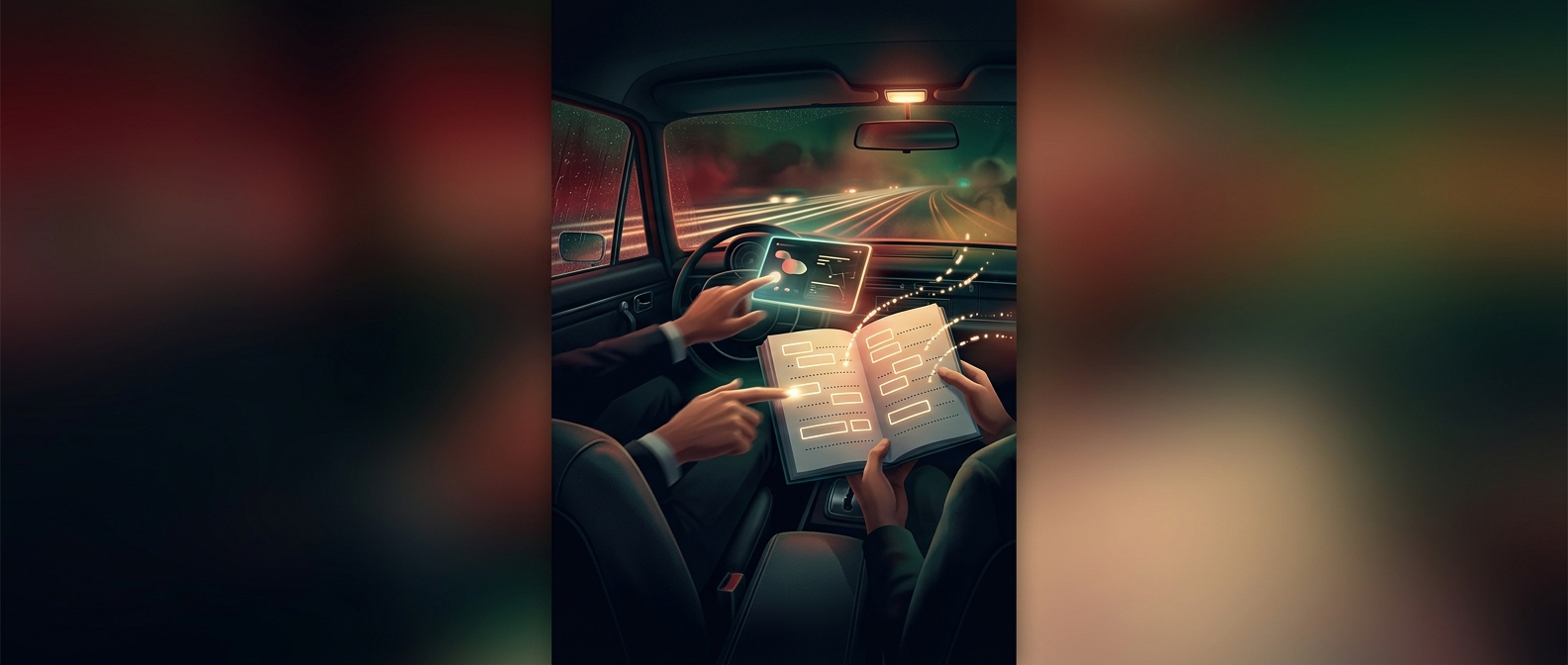
Mad Libs became a road trip staple via smart marketing
Mad Libs needed no board, pieces, or table: one passenger read a story while everyone else supplied words for the blanks. That made the game easy to pitch as…
Discover more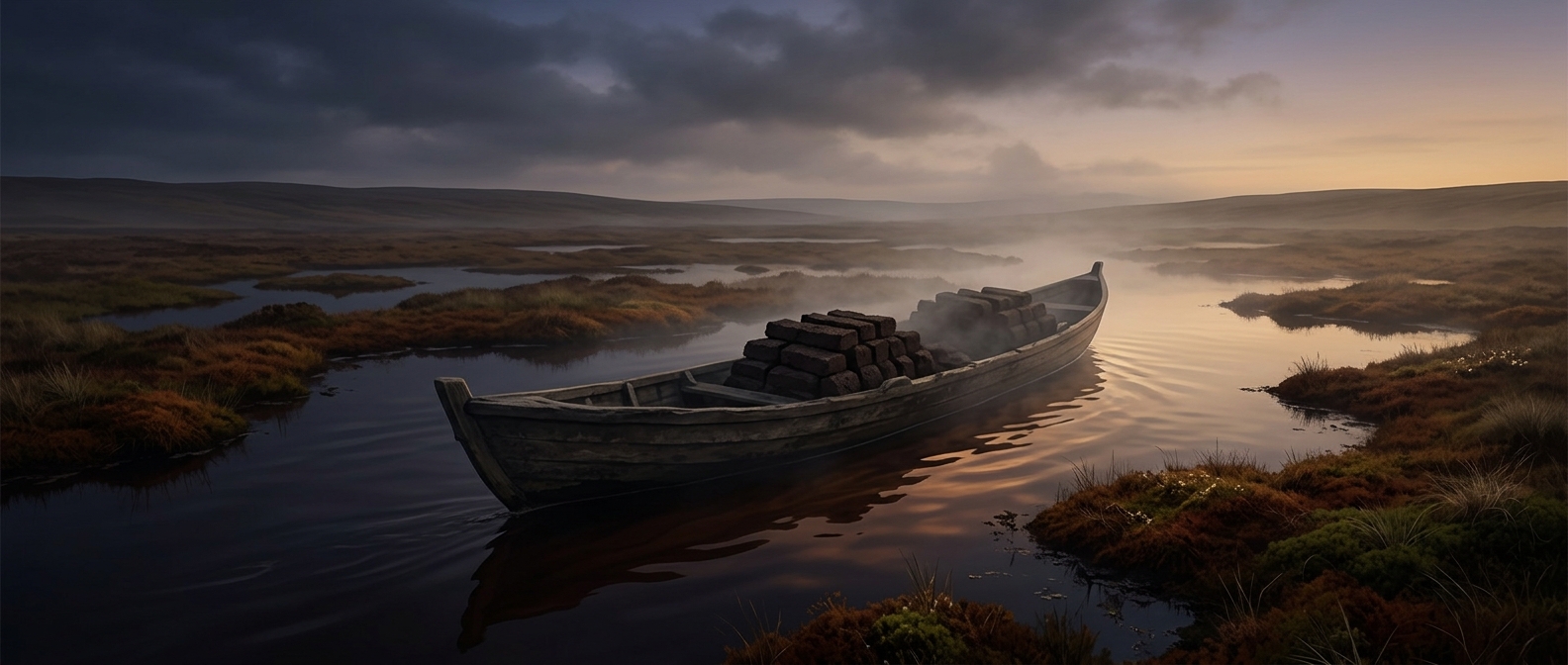
Peat boats specifically drifted through shallow bogs
Peat boats had flat bottoms and little draft, so they slid through shallow bog channels without digging into the soft ground. A deep keel would have turned a…
Discover more
Balancing pots on heads requires perfect posture
A pot stays steady when its weight sits directly over the head and spine, keeping its center of mass above the body’s support. The trick is alignment, not a…
Discover more