Transport
Discover facts about transport. Small discoveries that change the way you see familiar things.
Transport
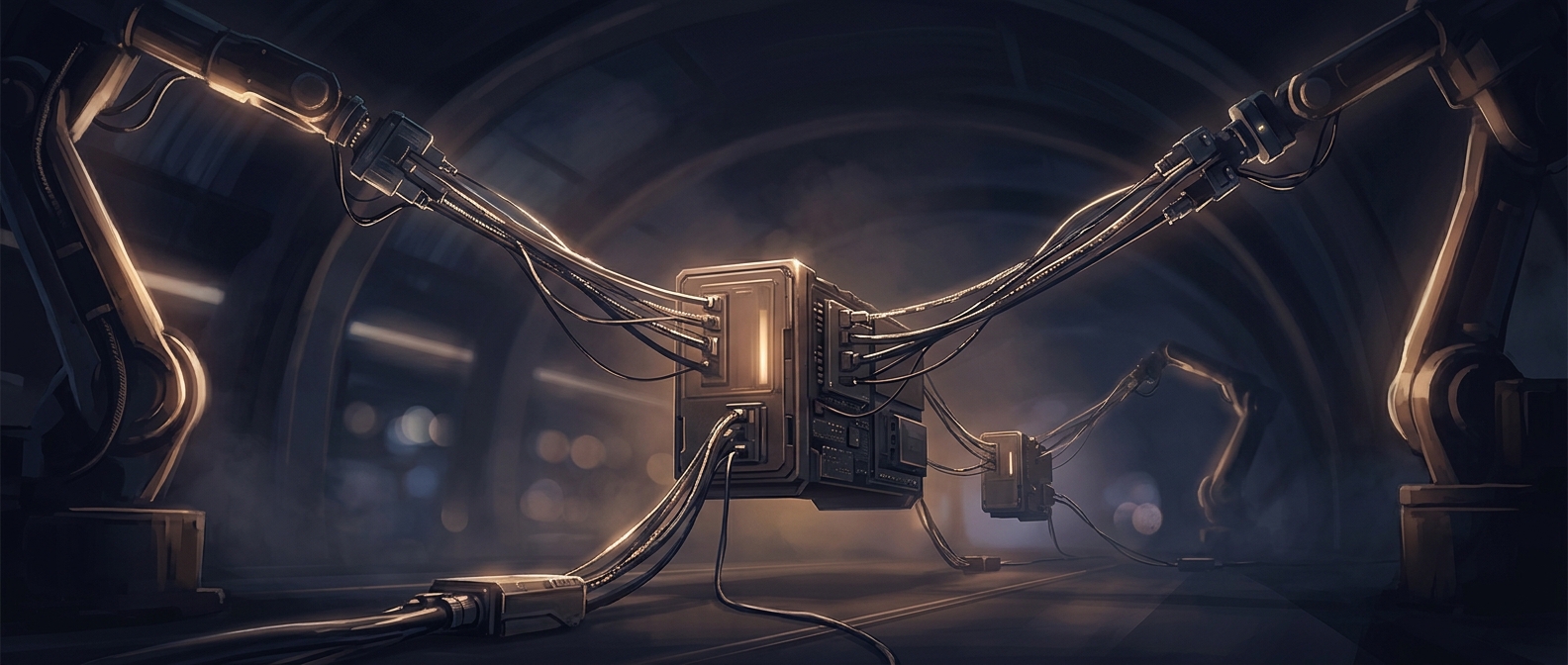
Peripheral transport forces hardware into master slave roles
The controller directs traffic; each peripheral waits for its turn to respond. Without that pecking order, two devices could talk over the same connection,…
Discover more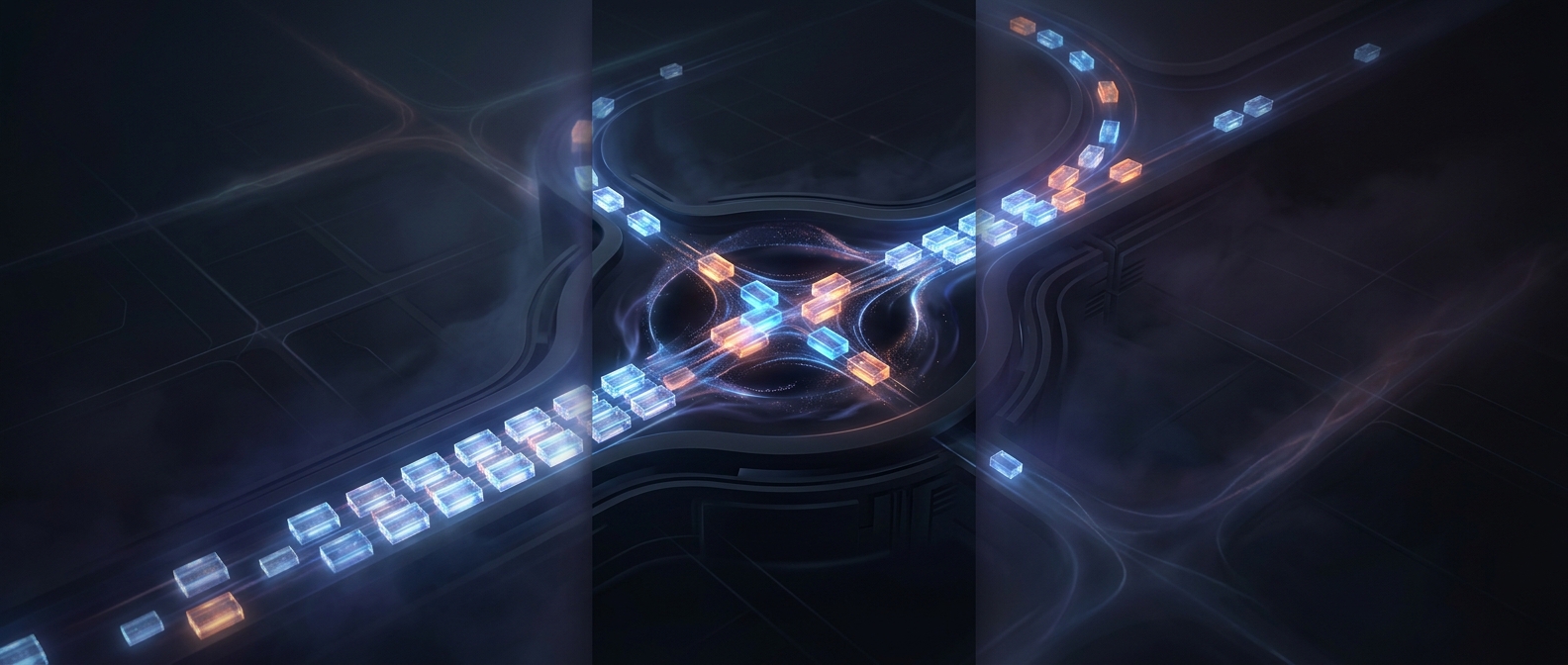
Local networks transport data in standardized collisions
When two devices send data down the same Ethernet cable at once, their signals collide. Ethernet tells both to stop, wait different lengths of time, and…
Discover more
Serial hard drive transport completely replaced wide ribbons
Old ribbon cables sent several bits at once, but keeping all those signals perfectly timed became a headache as speeds rose. Serial links send bits in…
Discover more
Why boiling water keeps circulating
Water at the bottom heats up, expands, and becomes lighter, so it rises while cooler water sinks to take its place. Bubbles add another upward shove. The pot…
Discover more
WebSockets transport bidirectional chat data instantly
A WebSocket keeps one connection open between two devices, so either side sends a message the moment it has one. No repeated knocking to ask whether anything…
Discover more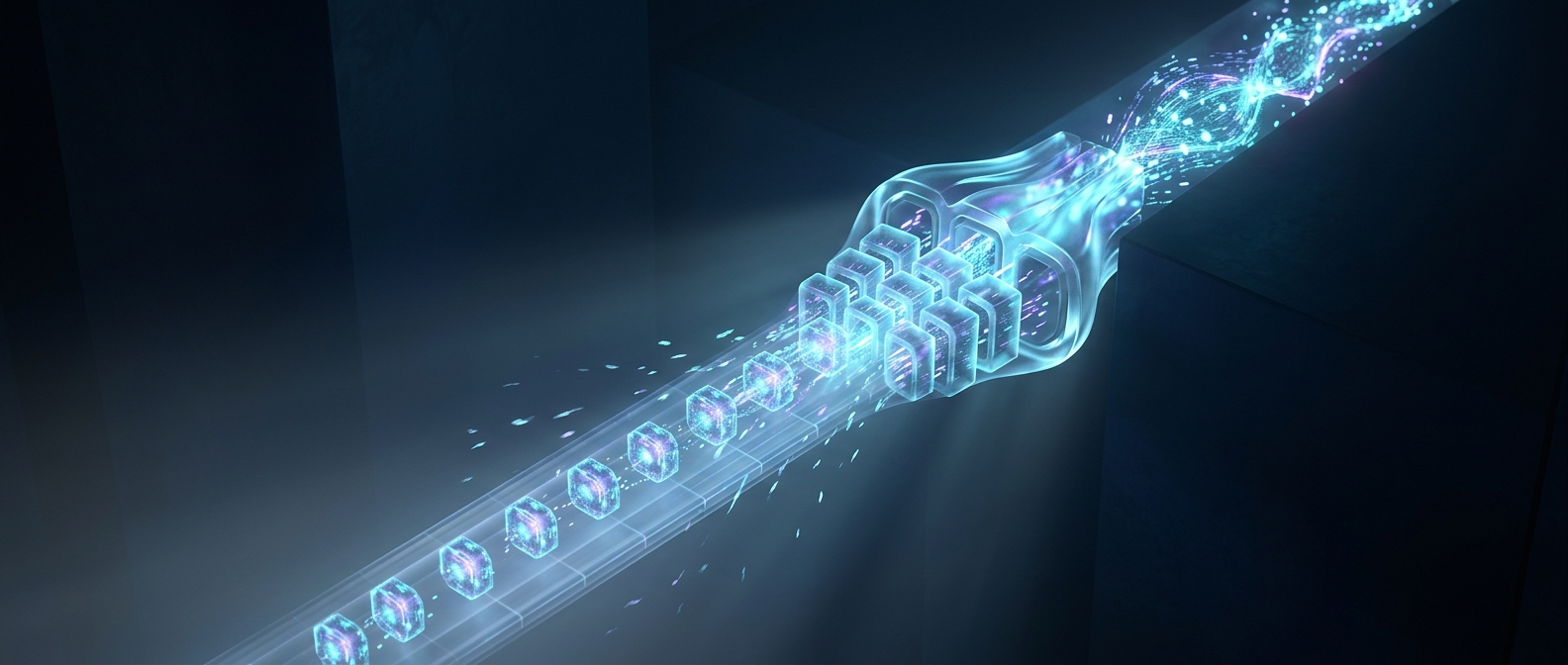
Telecom transport chopped data into fifty three byte cells
ATM networking split traffic into fixed 53-byte cells: 48 bytes of data and a 5-byte routing label. Uniform little packets were quick to switch, and no giant…
Discover more STACKY FOR IPHONE
A bigger world.
One discovery
at a time.
Keep discovering with Stacky. Interesting facts in an app that is always within reach.

Hardware network transports require permanently burned IDs
A network interface gets a hardware address stored in its circuitry, giving local network traffic a fixed destination label. The device gets a name tag before…
Discover more
High frequency radio transport bounces off buried anomalies
High-frequency radio pulses travel into the ground and reflect where buried material changes the soil’s electrical properties. The returning echoes reveal a…
Discover more
UDP lets fresh data arrive without waiting for missing packets
UDP sends each packet without waiting for a receipt or retransmitting a missing one. Live calls and games prize fresh data over perfect data: a dropped…
Discover more
Fluid viscosity transports momentum between liquid layers
When one fluid layer moves faster than the next, viscosity drags at their boundary and passes momentum between them. The fast layer shares its speed; the slow…
Discover more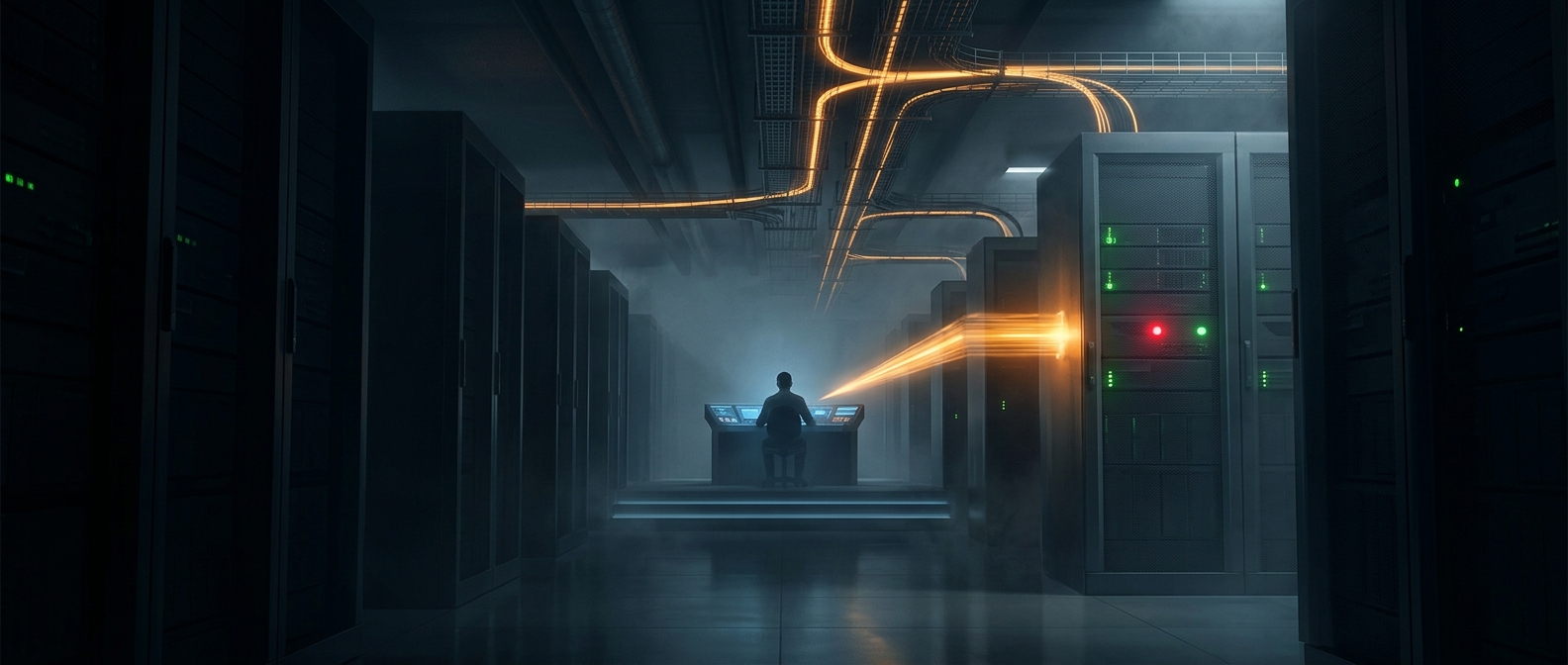
Network management transports allow remote hardware reboots
With network-management tools that use SNMP, an administrator can remotely power-cycle compatible equipment instead of going to the server room.
Discover more
Torrents make your computer upload too
A torrent breaks a file into pieces and trades them among users. While your computer downloads missing pieces, it uploads pieces it already has to others—file…
Discover more
Advection transports fog horizontally into major cities
Moist air moving over a cooler surface loses heat until water vapor condenses into tiny droplets. Wind then carries that fog inland, delivering a cloud to the…
Discover more
Microchips transport positive charge via missing electrons
A “hole” is just a spot where an electron is missing. A neighboring electron hops in, leaving a new hole behind, so the empty spot travels through the chip…
Discover more
Legacy file transport sends passwords in absolute plain text
FTP treats a password like ordinary text, sending it over the network where a snooper can read it. The file gets delivered, and so does the key to the front…
Discover more
Consumer video transports include strict piracy protection
Consumer video is encrypted, and a licensed device checks for the right key before it decrypts the film. The picture plays normally, while the file stays…
Discover more
Display interfaces transport packetized video like a network
Instead of sending one uninterrupted stream, packet-based display links break video into small chunks and label where each belongs. That lets the link carry…
Discover more
Spintronics transports electron angular momentum for memory
Spintronics uses electron spin—the tiny magnetic direction of an electron—to store and switch information. Instead of treating electrons only as moving…
Discover more
Voice internet transport simply ignores missing audio chunks
Voice calls prize speed over perfection: waiting to resend a lost audio packet would make the conversation lag. So the receiver fills the tiny gap with nearby…
Discover more
Solar panels transport absorbed light as electron pairs
Sunlight knocks electrons loose inside a solar cell, leaving positively charged gaps behind. The cell's internal electric field separates the two, sending…
Discover more
Time protocol transport automatically offsets network lag
Network clocks compare timestamps from messages sent back and forth, estimating both the clock offset and the delay in transit. The protocol subtracts the…
Discover more
Surface plasmons transport light along microscopic edges
At the boundary between metal and another material, light can set the metal’s electrons rippling together. That ripple carries the light along a microscopic…
Discover more
Universal Serial Bus transports data sequentially in turns
USB sends data as a stream of bits, one after another, rather than spreading them across a bundle of wires at once. The cable looks simple because the…
Discover more
The office networks that passed around a digital baton
Those networks passed a token from computer to computer like a digital baton. Only the machine holding it got to send data, so messages did not collide on the…
Discover more