Transport
Discover facts about transport. Small discoveries that change the way you see familiar things.
Transport
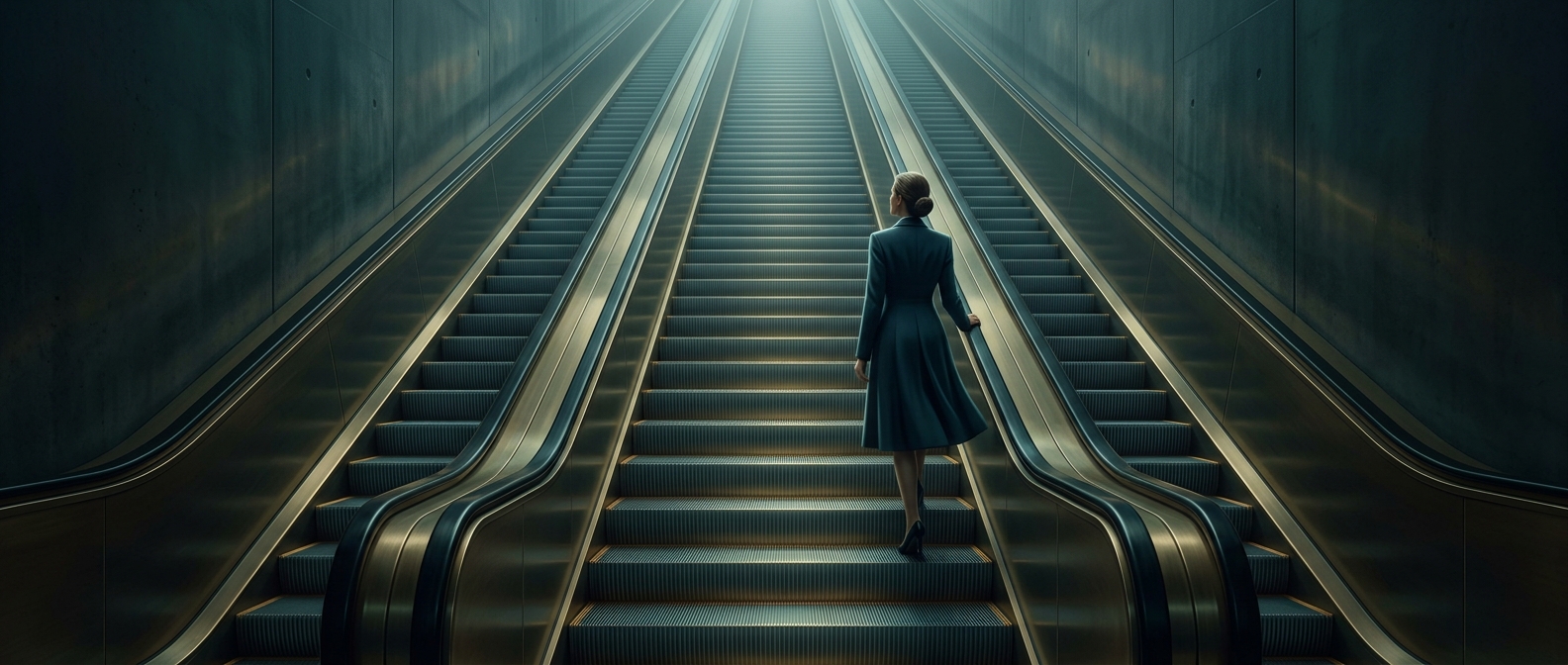
Escalator steps follow rigid height dimensions
Fixed step dimensions keep the escalator’s staircase predictable and let the step edges mesh with the comb plates at the top and bottom. Consistency keeps…
Discover more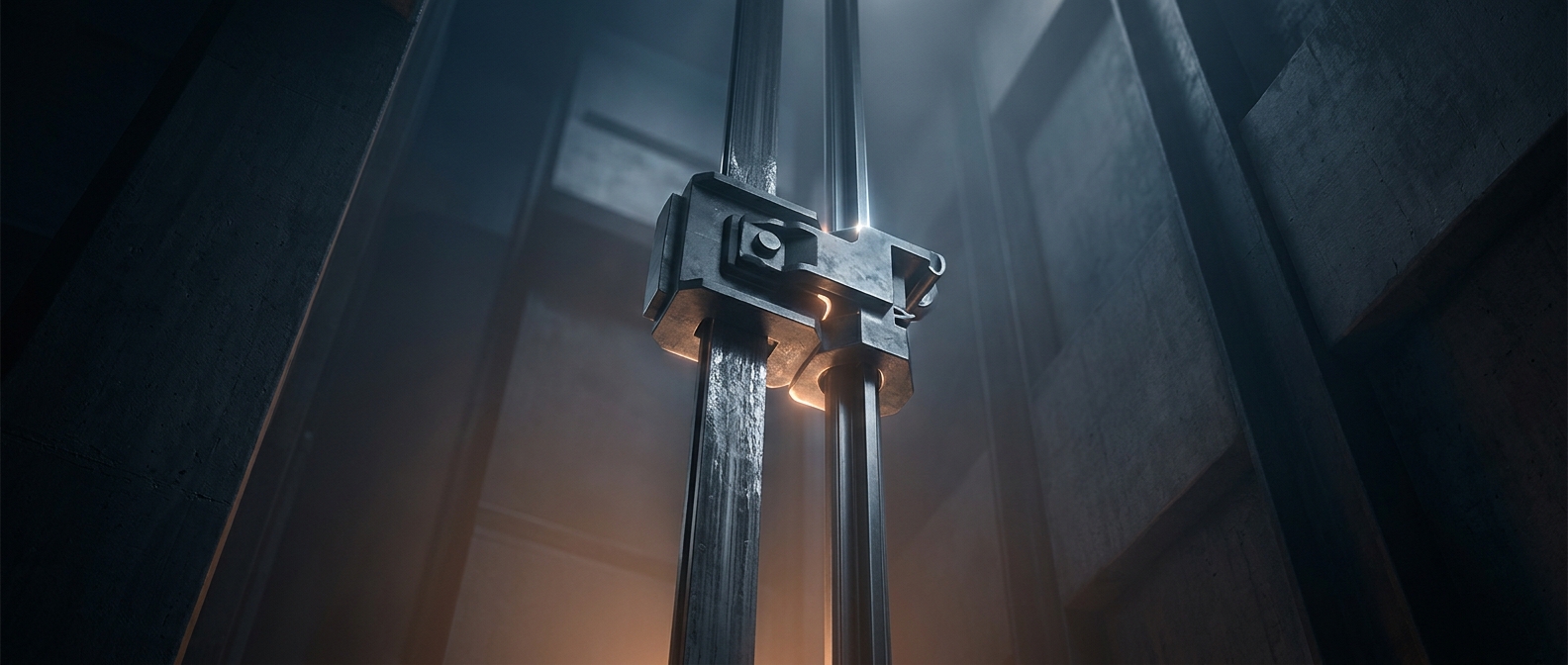
Elevator safety brakes grip rails during emergencies
If an elevator overspeeds, a safety mechanism drives wedges against the guide rails. The rails grip the car and bring it to a stop—an emergency brake that…
Discover more
Flatbed trailers haul exceptionally oversized loads
Oversized loads need room to spread out, and a flatbed leaves the sides and top open for them. Crews secure the cargo with straps or chains, while the…
Discover more
A hovercraft can count as a vessel without touching the water
Collision-avoidance rules define vessels broadly enough to include craft that ride above the water on an air cushion. What matters is their use for transport…
Discover more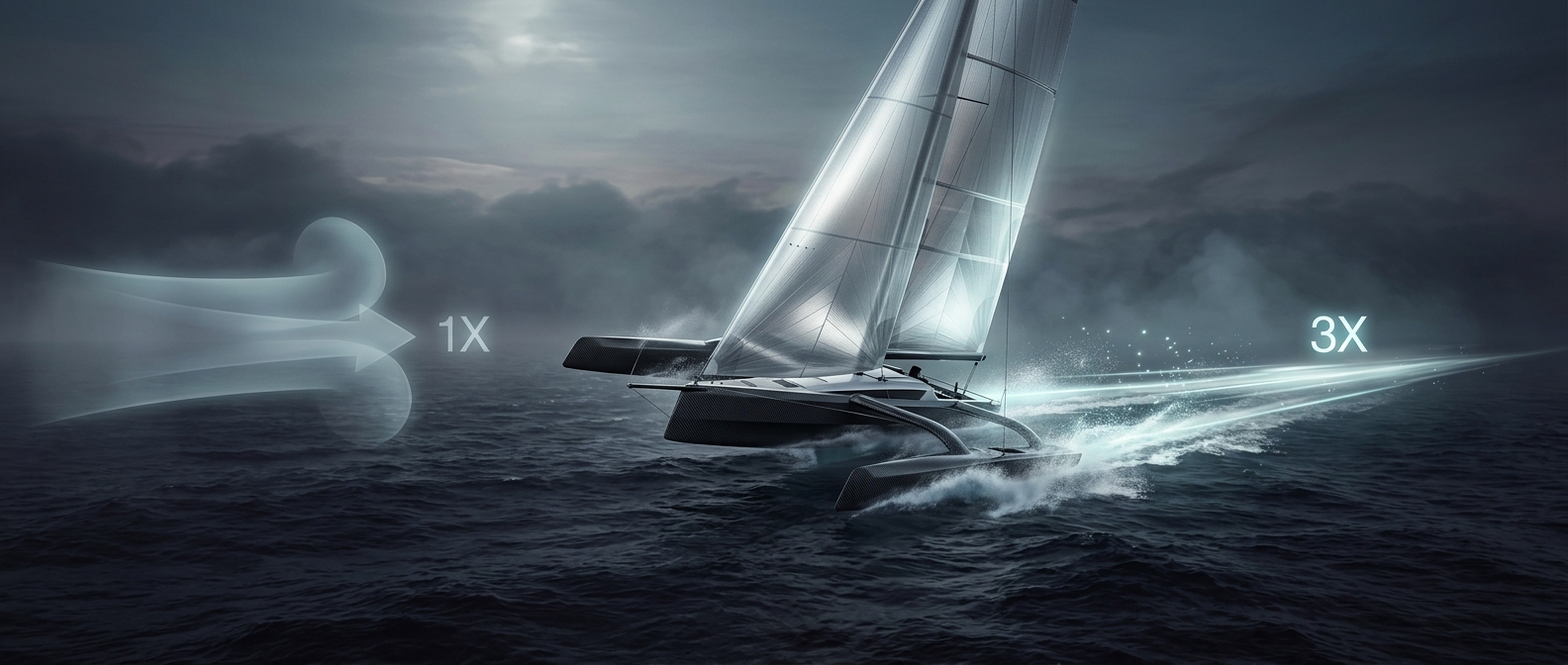
A sailboat can go faster than the wind without chasing it
Sailing across the wind lets the sail work like a wing, generating lift rather than merely catching a push from behind. The keel or centerboard resists…
Discover more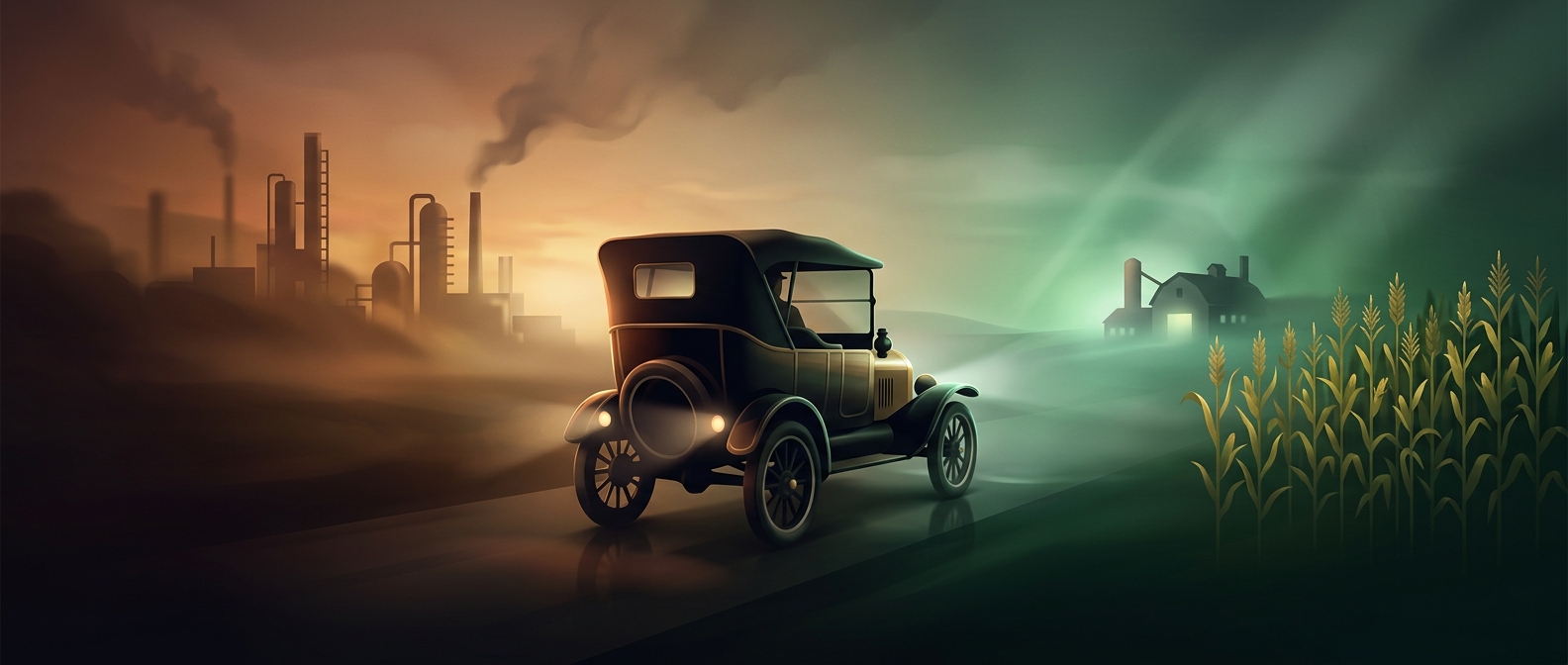
The Model T could run on homemade ethanol
The Model T’s simple carburetor mixed fuel with air, and an adjustment let the engine run on ethanol instead of gasoline. Farm crops could become fuel, so the…
Discover more STACKY FOR IPHONE
A bigger world.
One discovery
at a time.
Keep discovering with Stacky. Interesting facts in an app that is always within reach.

Why astronauts heading to the ISS learned Russian
The ISS relies on Russian spacecraft and equipment, so astronauts needed Russian to train for missions and communicate with Russian-speaking crewmates. In…
Discover more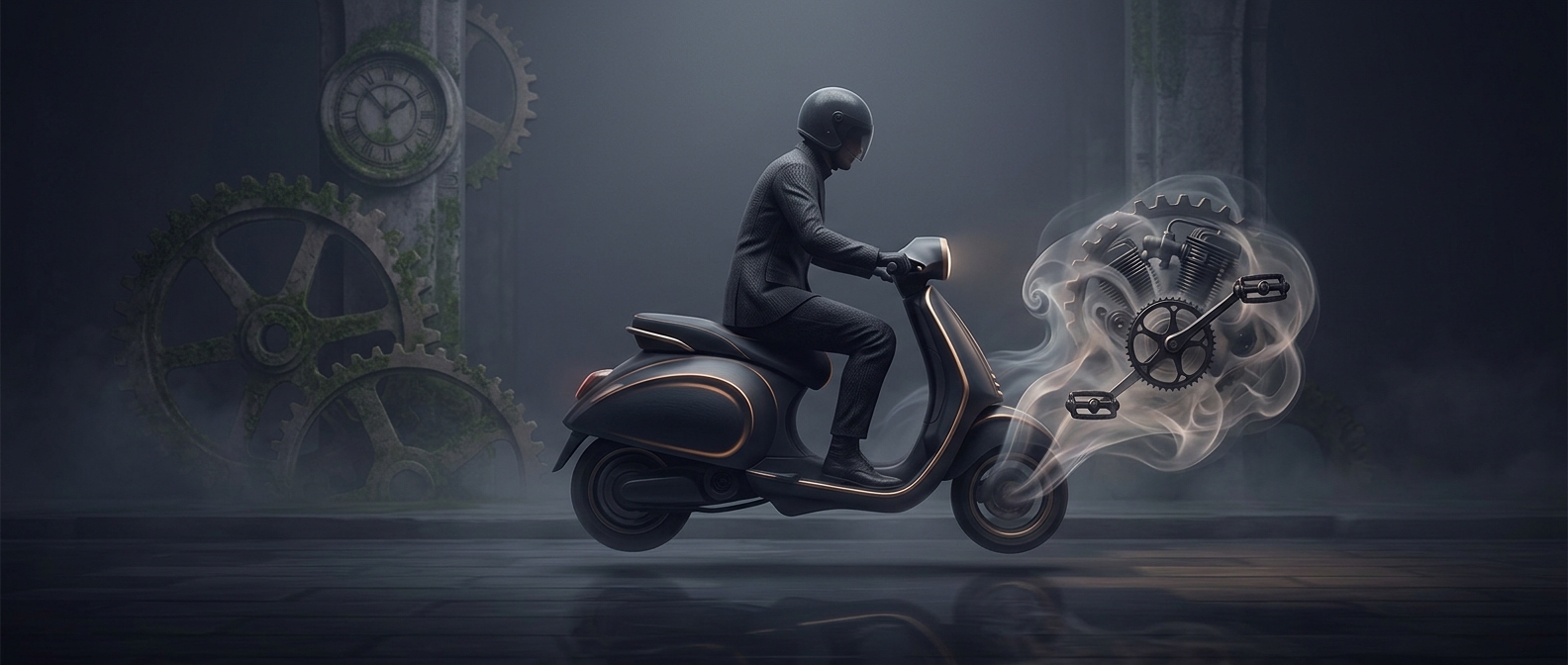
Mopeds kept the name after losing the pedals
The word combines motor and pedal: early mopeds were bicycles with an engine to help the rider along. Many vehicles now called mopeds have no pedals at all.…
Discover more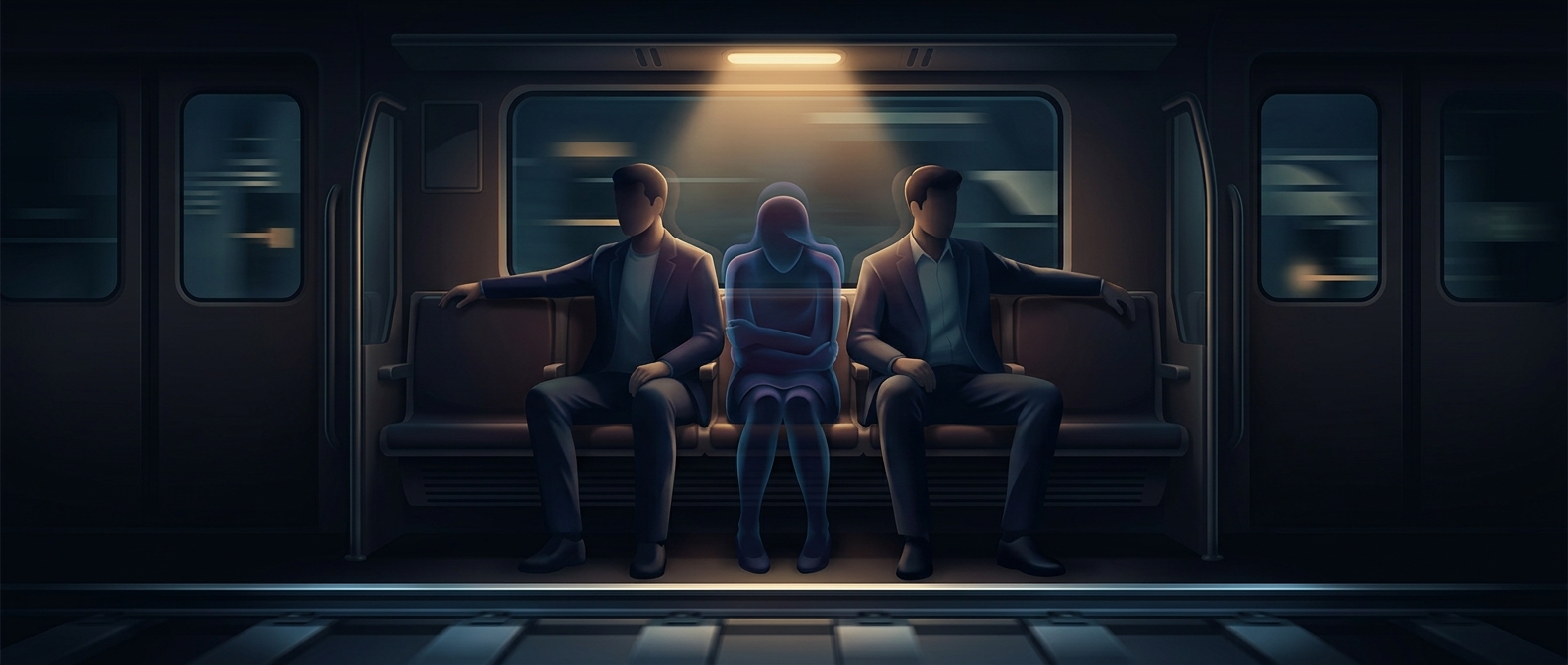
Why the middle train seat gets the worst of everything
The middle seat has no window to claim and no aisle to escape into, while both neighbors get first dibs on the armrests. It’s the seat where you inherit…
Discover more
Why train windows become mirrors after dark
After dark, the train cabin is brighter than the world outside. The window reflects the lit interior back at you, while the night beyond offers little light…
Discover more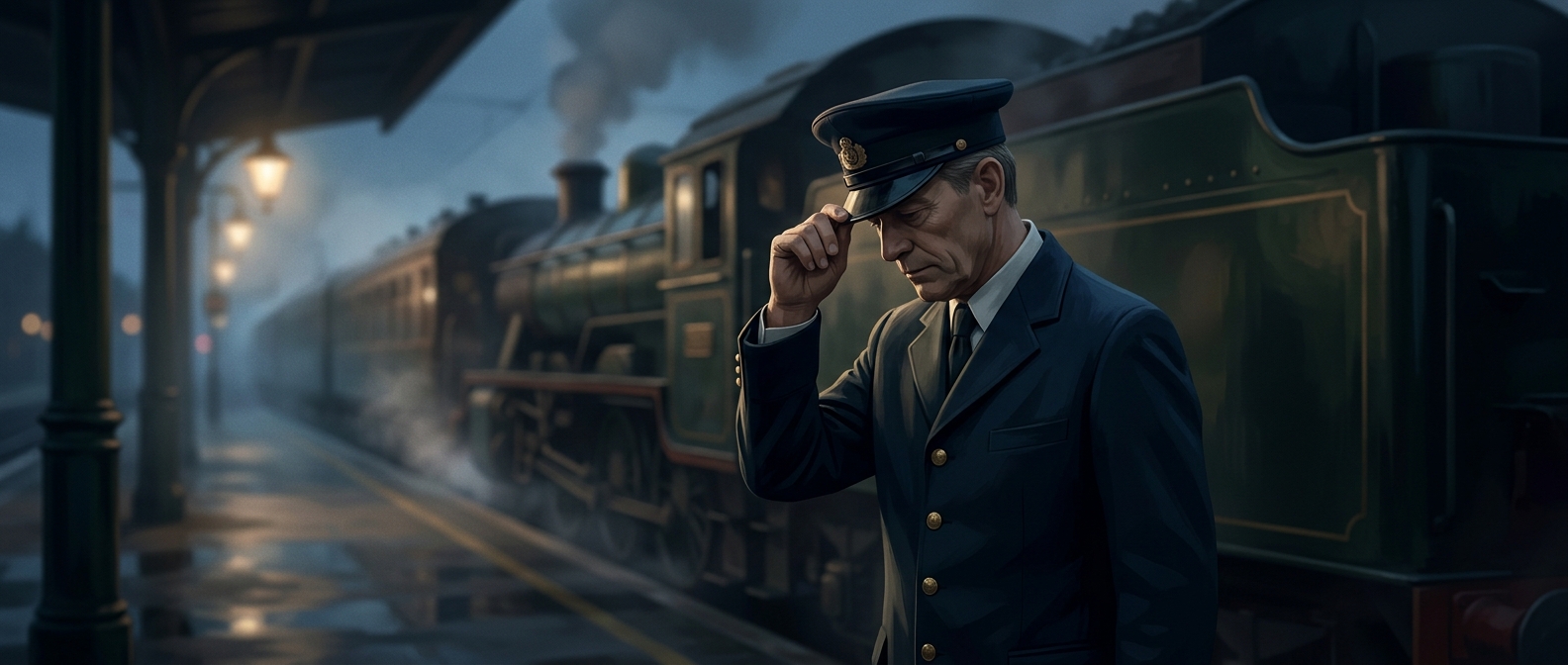
Why a train inspector's nod feels so satisfying
After checking the train, the inspector’s nod turns an unseen inspection into a visible all-clear. It’s a tiny gesture with the satisfying finality of a giant…
Discover more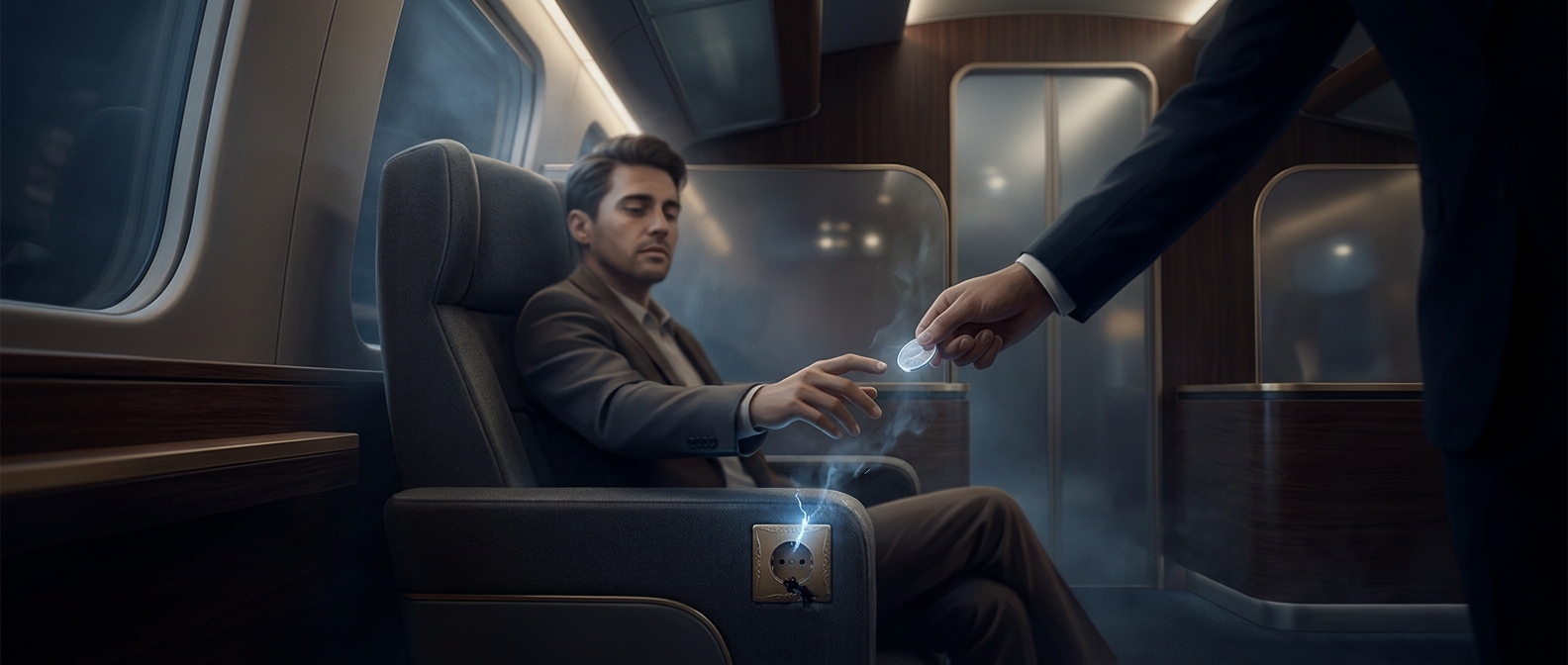
Charging extra for broken power outlets
Seat fees attach to the seat assignment, while the outlet depends on working cabin wiring. When that socket is dead, the passenger has paid premium prices for…
Discover more
Empty ride seats are tracked as efficiency loss
Transit efficiency measures how much of a vehicle’s capacity carries passengers. Empty seats count as wasted room, and the bus burns fuel to chauffeur them…
Discover more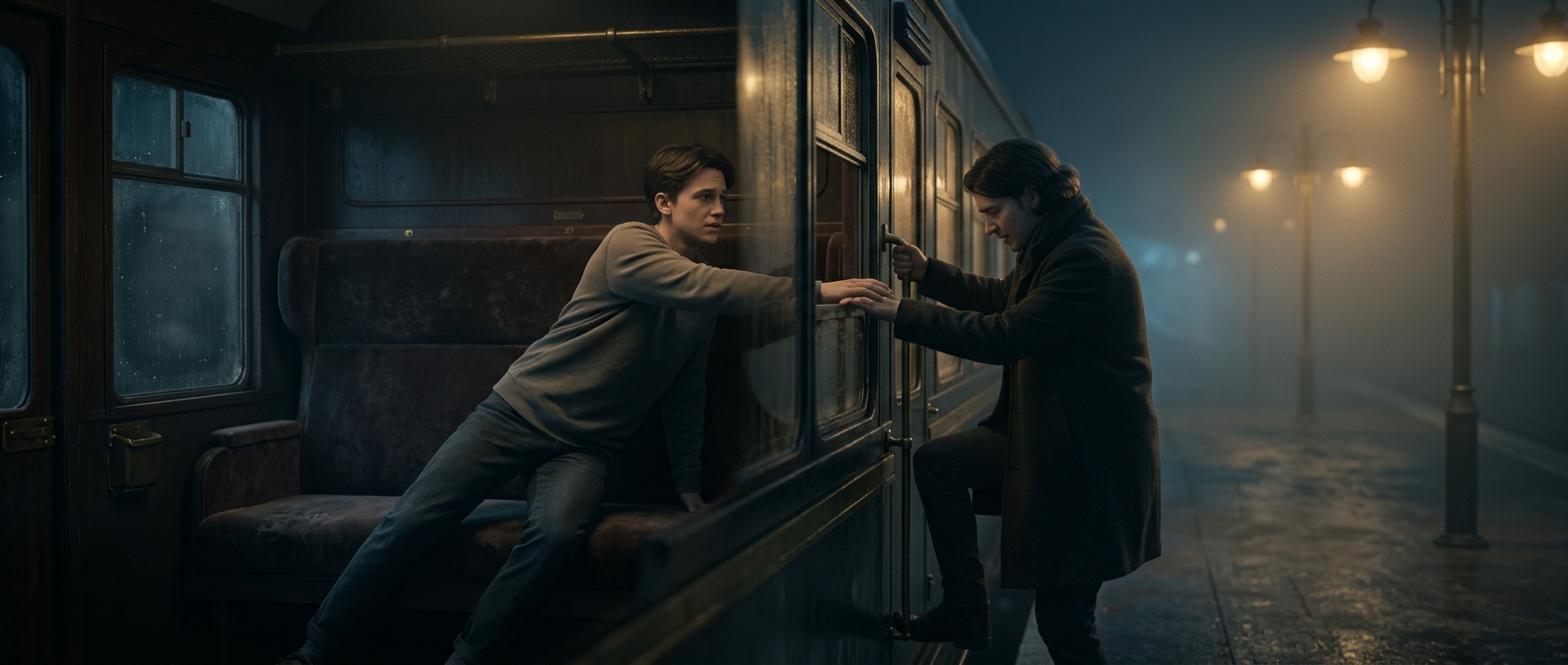
The awkward gymnastics of getting out of a train seat
Train seats are packed close, and the aisle is narrow, so getting out means twisting past knees, bags, and armrests. The seat promises a smooth ride; the exit…
Discover more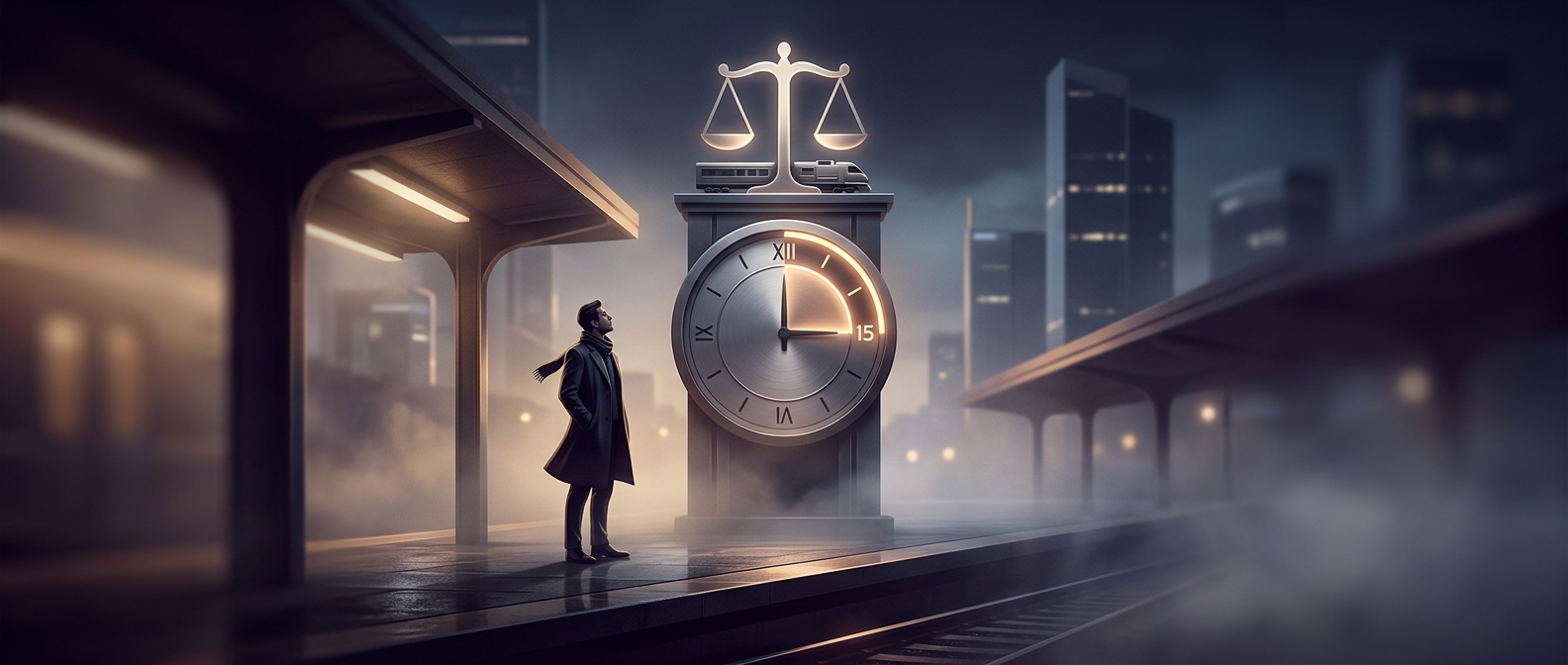
Train delays are legally defined as 15 minutes
The 15-minute line turns a late train into an officially counted delay, instead of letting every timetable slip become a separate legal argument. At 14…
Discover more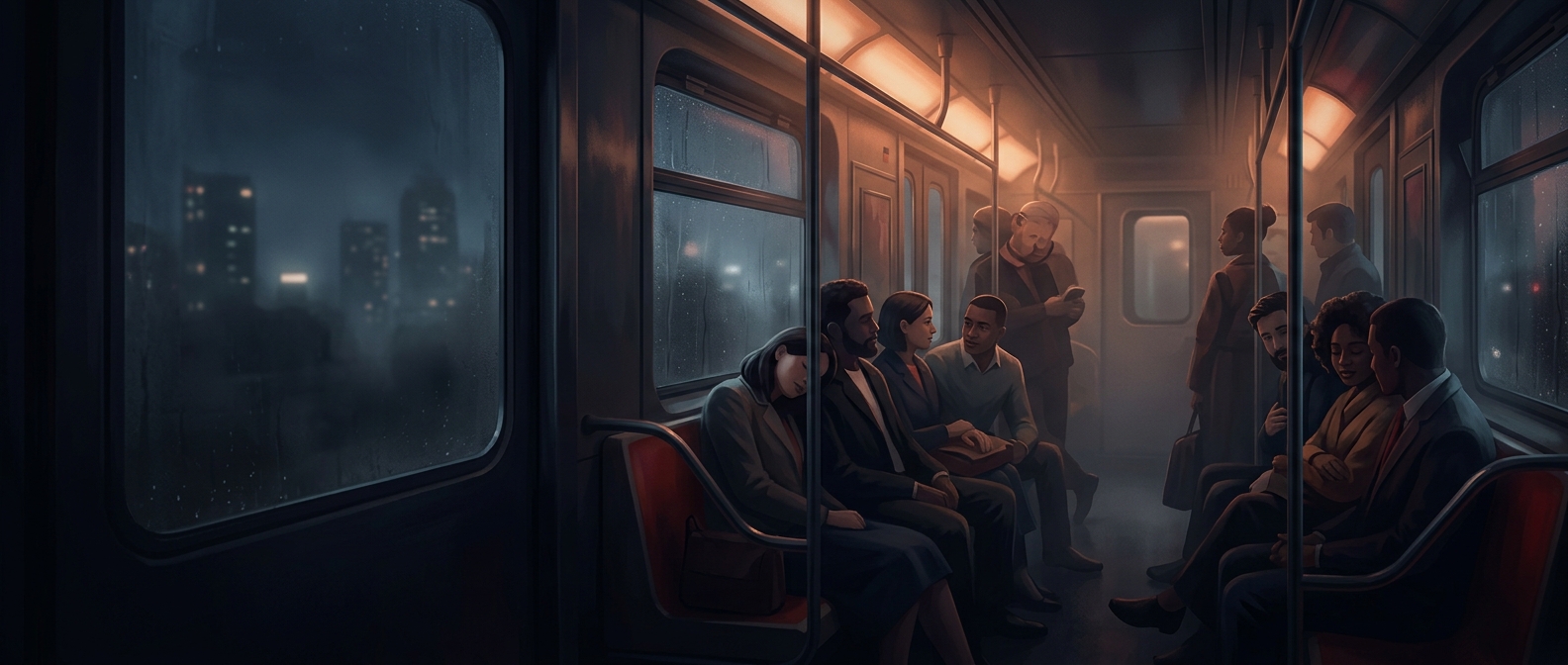
Shared solidarity when a train is heavily delayed
A long delay gives strangers the same problem and the same waiting room. They trade updates, snacks, and sympathetic looks until the platform briefly operates…
Discover more
Independent service mode is for impatient VIPs
Independent service lets a passenger inside the lift take control: the car ignores hall calls and answers only its own buttons. It’s not VIP magic; it’s an…
Discover more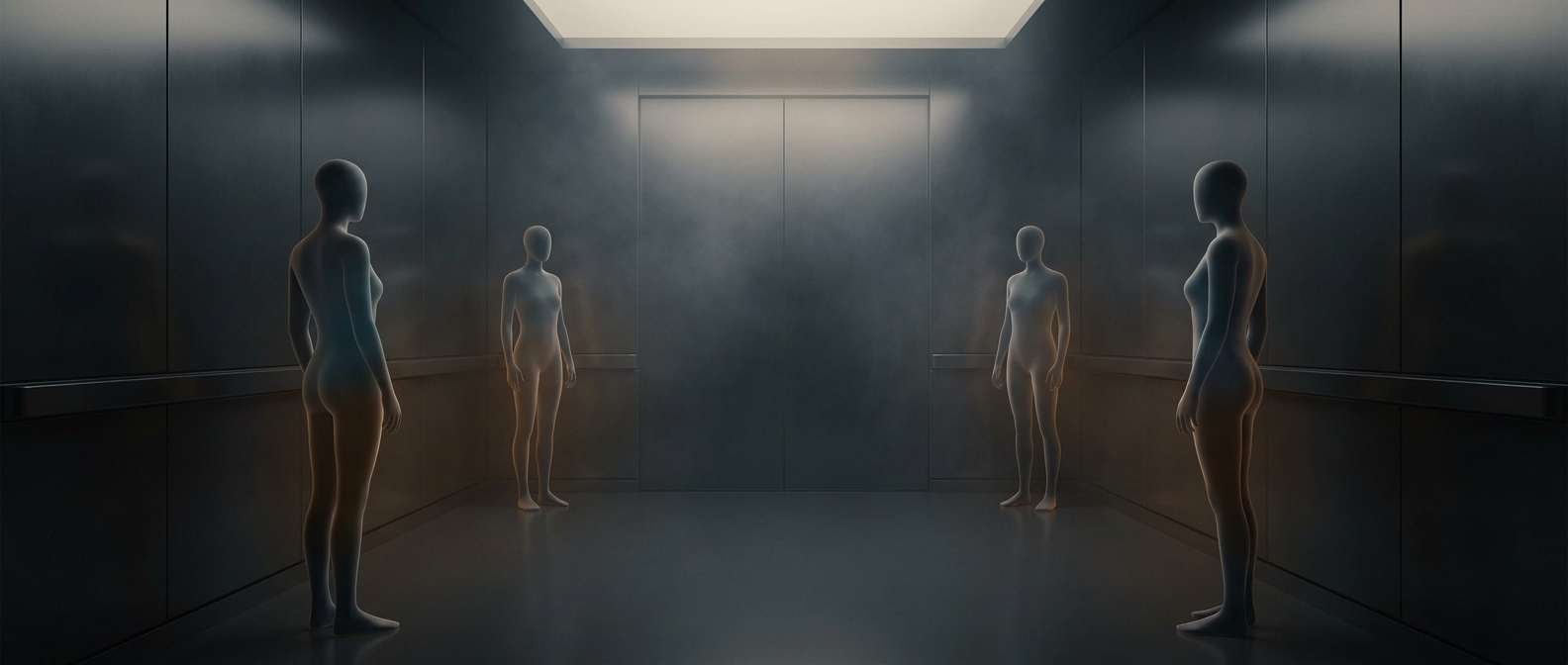
Why everyone grabs an elevator corner
People drift to the corners because they can face the doors without standing face-to-face with strangers. The elevator becomes a tiny theater, and the corners…
Discover more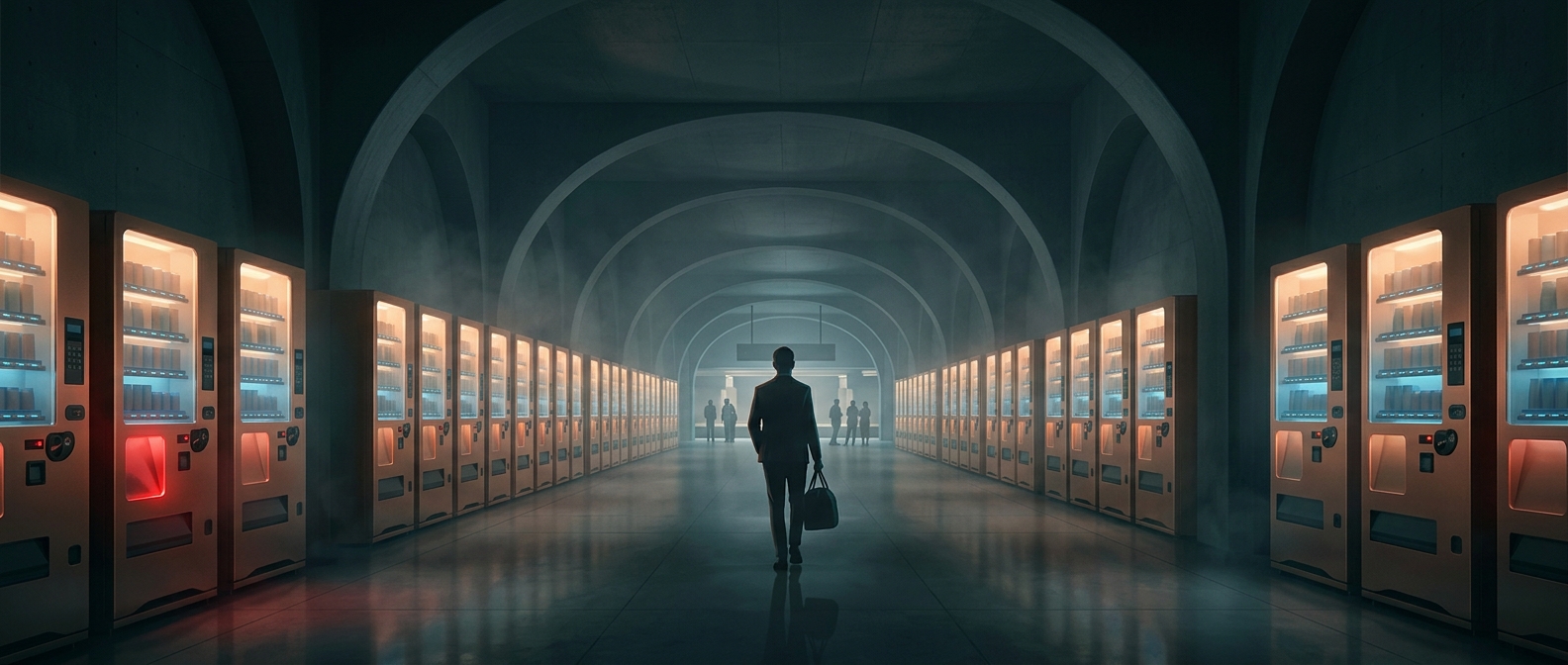
Vending machines hold a monopoly in rail stations
Station operators award vending rights to one supplier, so a limited patch of platform doesn’t turn into a turf war between snack machines. The station gets…
Discover more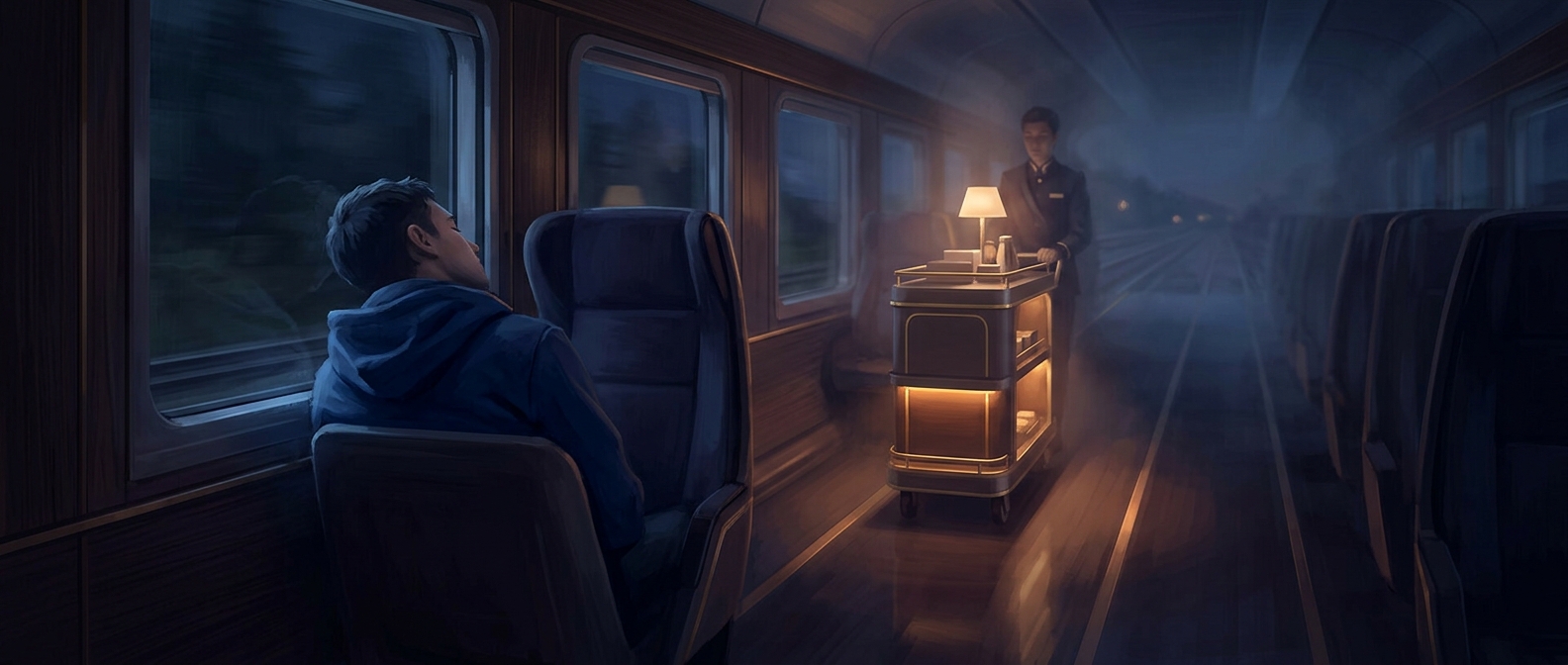
Why the snack cart wakes you on a flight
The catering trolley's rattle can wake you just as you're settling in, making it hard to sleep through snack service.
Discover more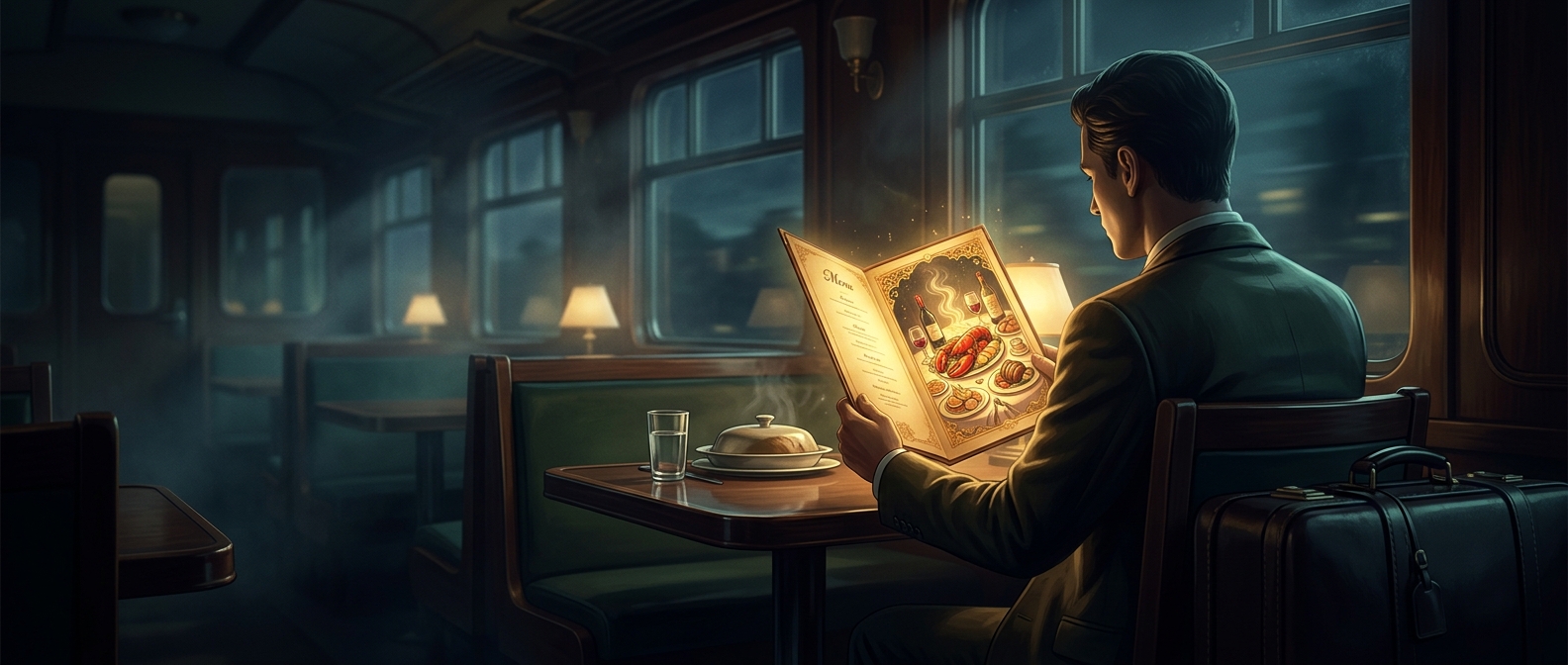
A dining-car meal starts with a kitchen that keeps moving
A train kitchen has to fit storage, cooking equipment, and working space into a narrow vehicle. Staff prepare and serve food while the carriage moves and…
Discover more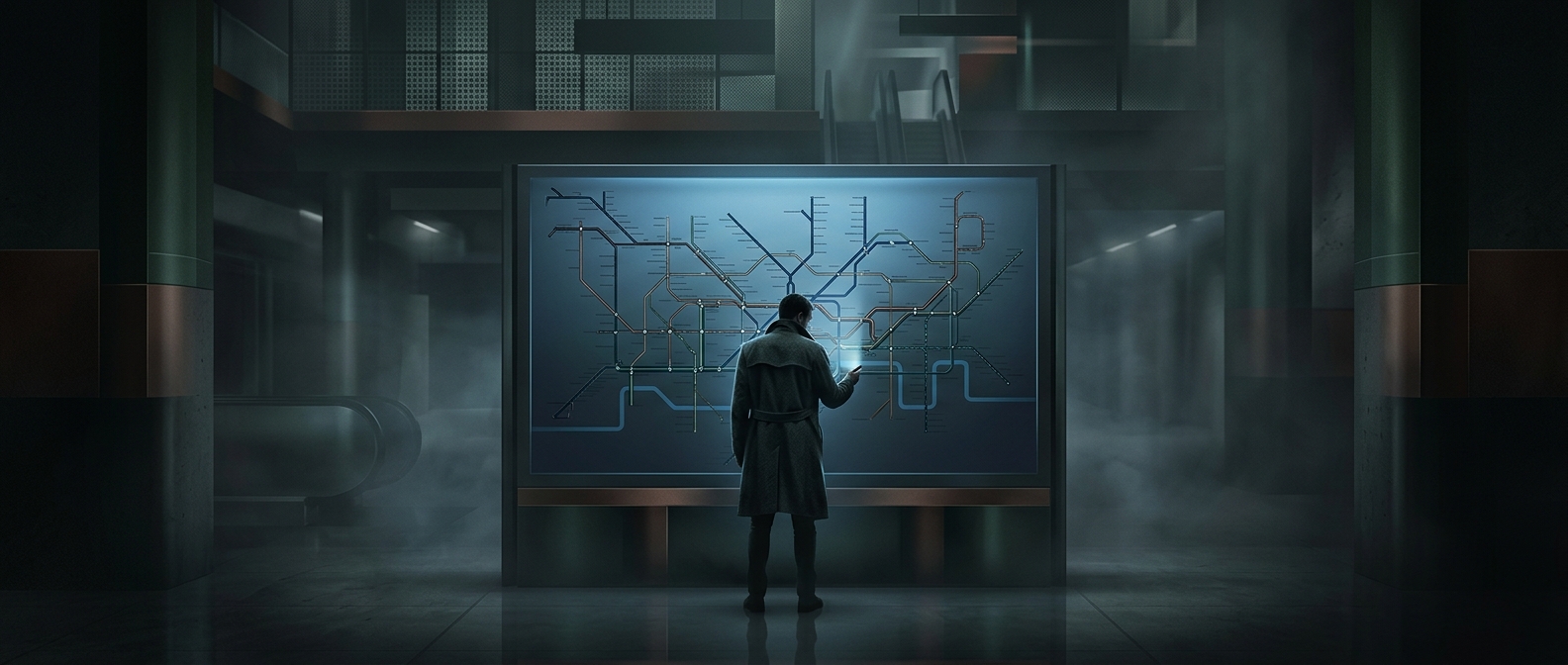
Your train seat map may offer a fake choice
The map is a menu, not a live photograph of the carriage: booking rules set aside seats for later stops or passengers who need them. That attractive empty…
Discover more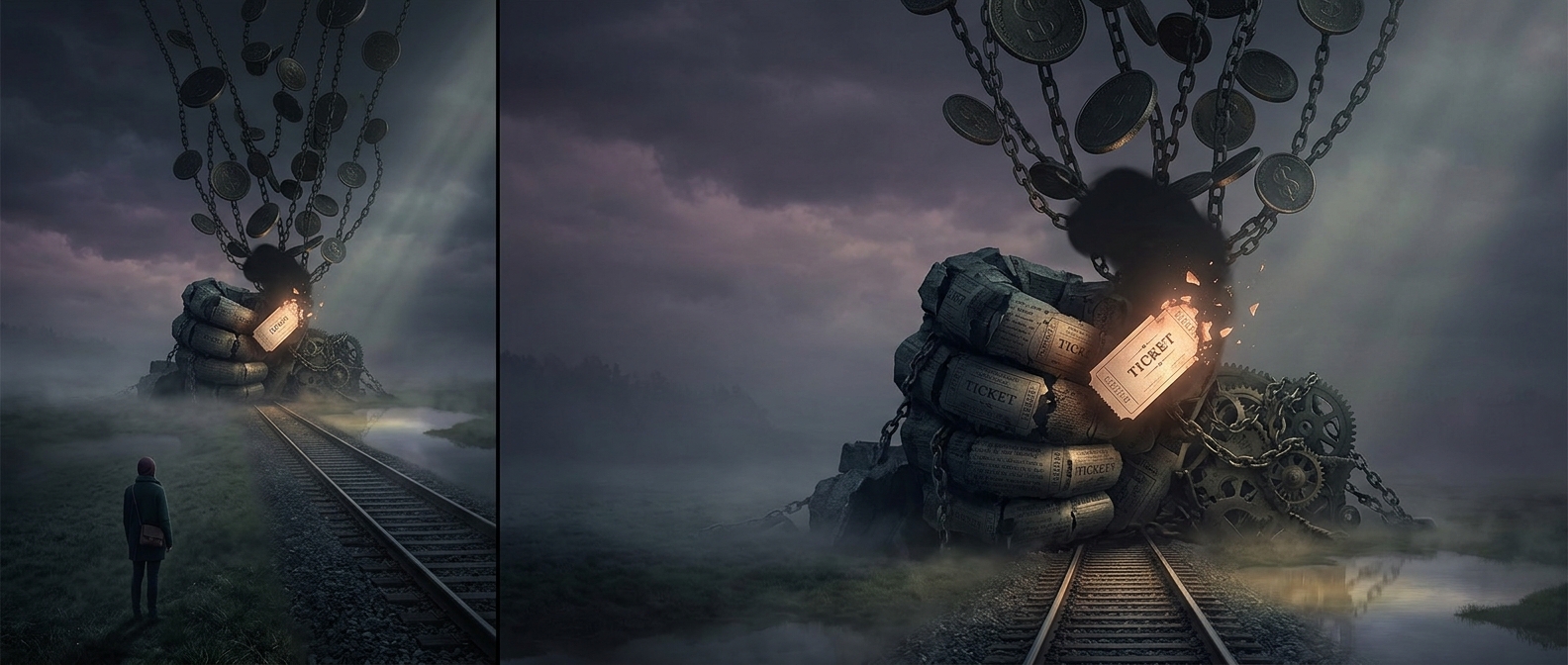
A cheap train ticket can leave you with nothing to refund
If a fare's cancellation charge consumes the refundable amount, canceling may return little or no money. That does not mean taking the trip becomes…
Discover more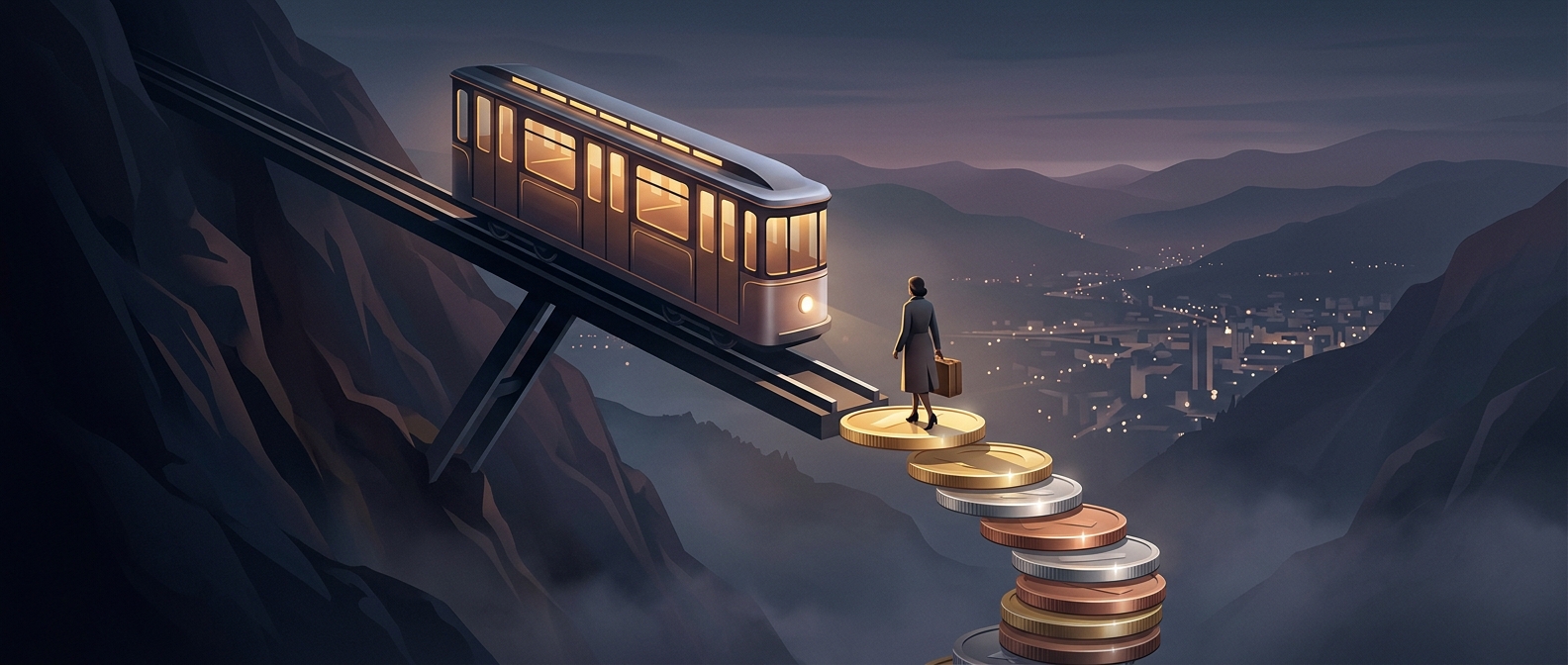
Why funicular rides cost so much per mile
A funicular needs a steep track, a cable, and machinery to haul cars uphill; two cars counterbalance each other as they move. Those expensive parts serve a…
Discover more