Transport
Discover facts about transport. Small discoveries that change the way you see familiar things.
Transport
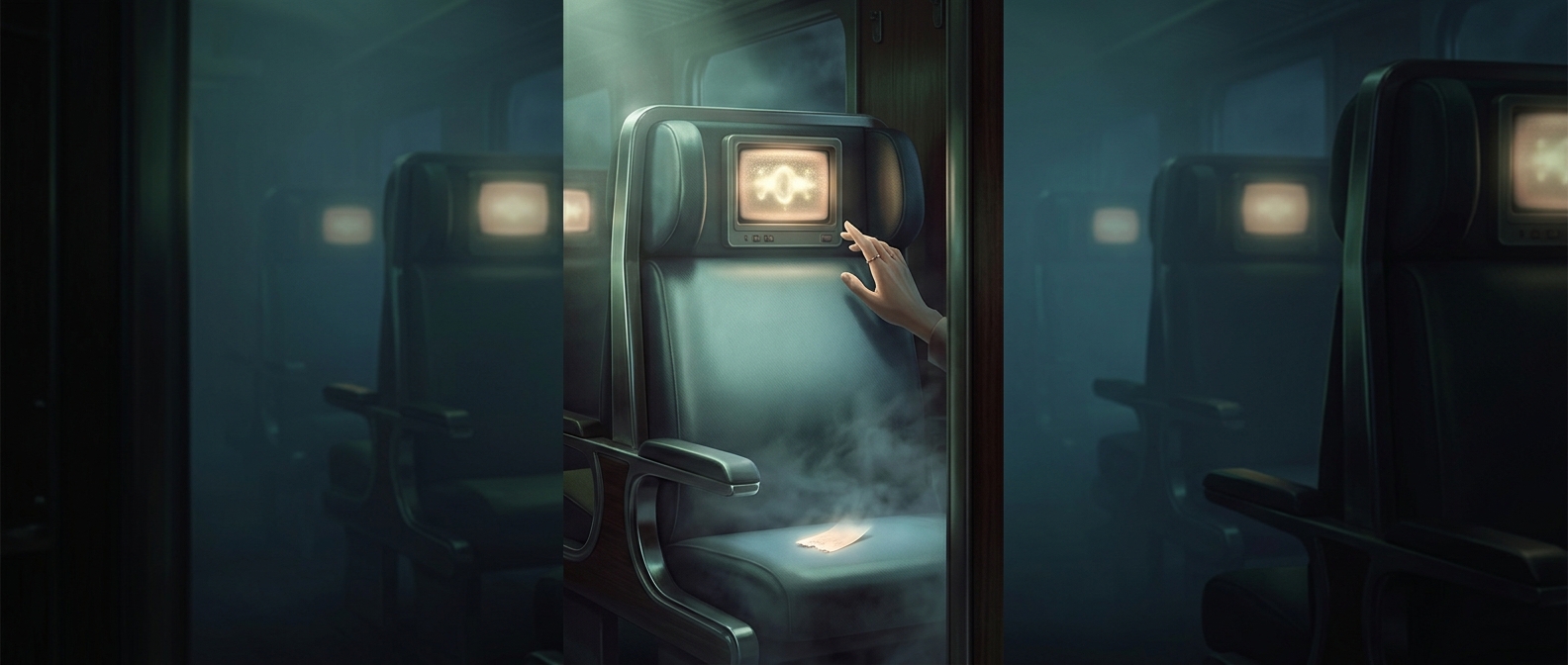
Train seat reservation screens that never update
The screen displays reservation data, not a live sensor watching who sits where. When bookings change or passengers swap seats, the display keeps reporting…
Discover more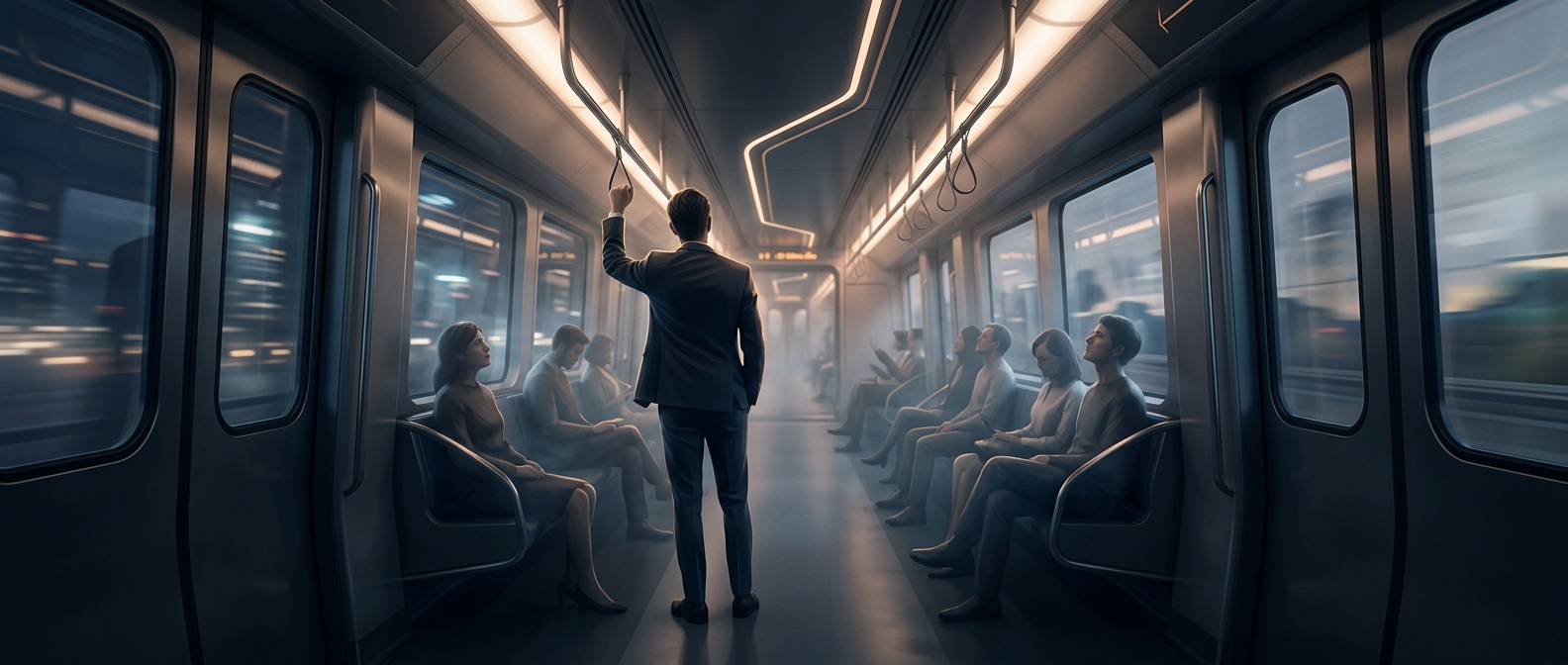
Why train passengers stand up before the doors open
As the train slows, passengers rise and move toward the doors to shorten their exit once they open. Everyone is trying to save a few seconds, which turns a…
Discover more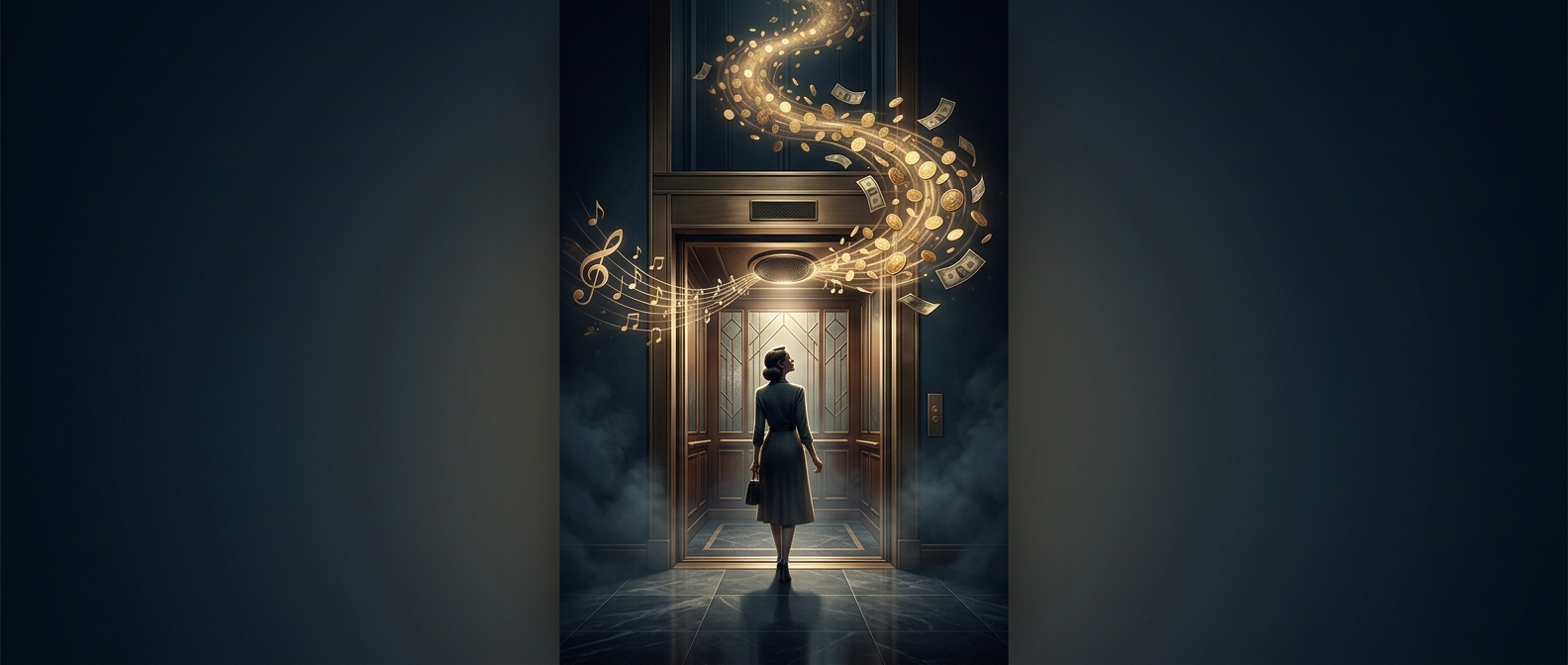
Even elevator music has a business model
Background music in public businesses can require licenses that pay songwriters and other rights holders. The listener does not need to buy a ticket or even…
Discover more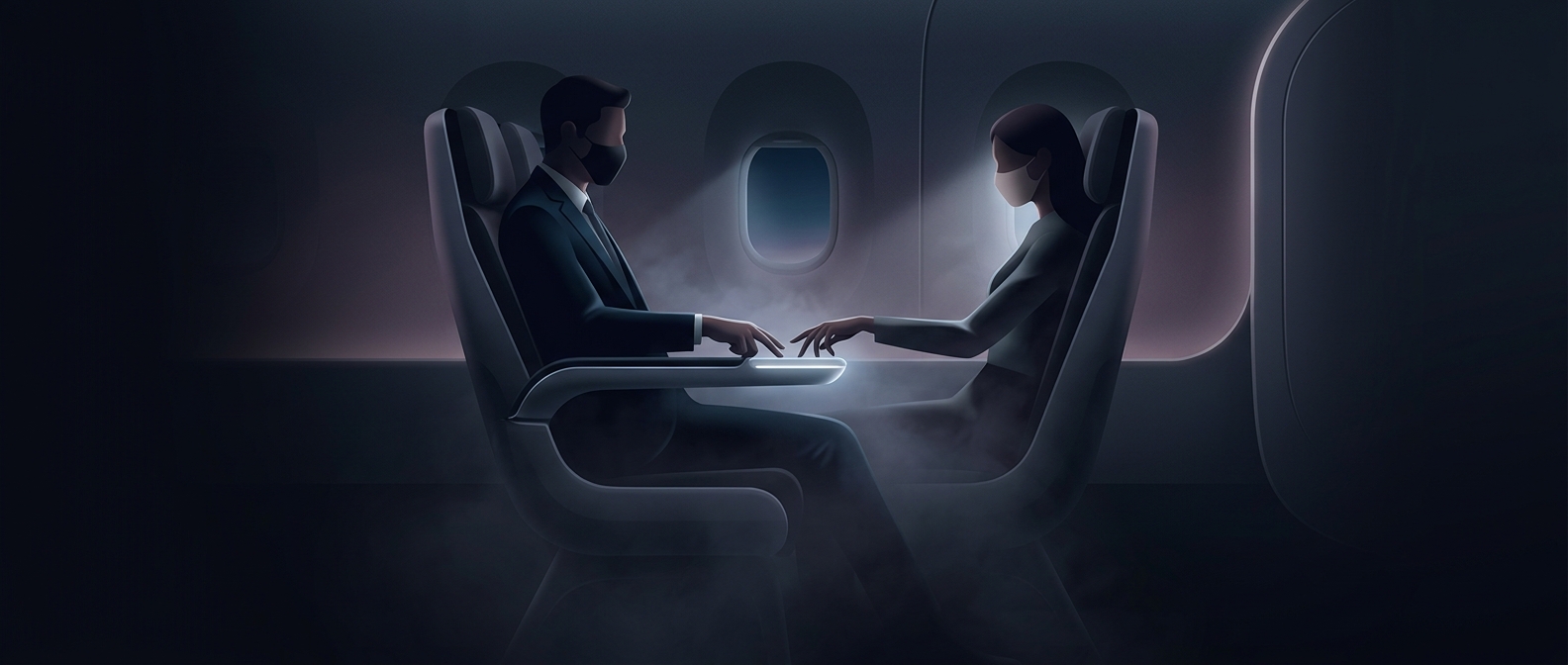
The silent battle for the middle armrest
Window seat gets the wall, aisle seat gets room to move, and the middle seat gets… the armrests. It’s an unspoken trade: the person with the least territory…
Discover more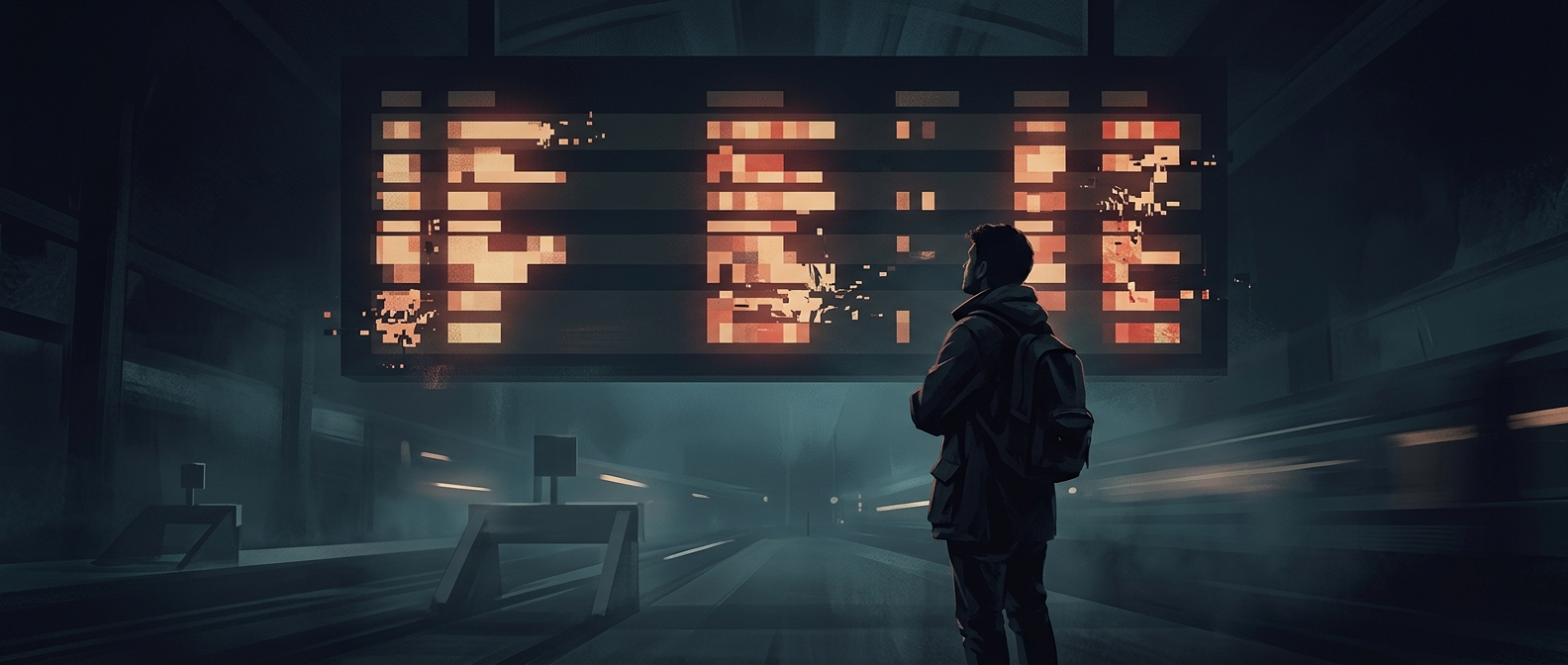
Why passengers glare at delayed train boards
A delayed train reflects a logistical problem passengers can't fix by glaring at the screen, even when the red message is hard to ignore.
Discover more
Rail companies selling highly restricted cheap fares
The cheap fare buys a seat, not much flexibility: advance-purchase tickets come with rules on changes, refunds, or which train you take. Rail companies fill…
Discover more STACKY FOR IPHONE
A bigger world.
One discovery
at a time.
Keep discovering with Stacky. Interesting facts in an app that is always within reach.
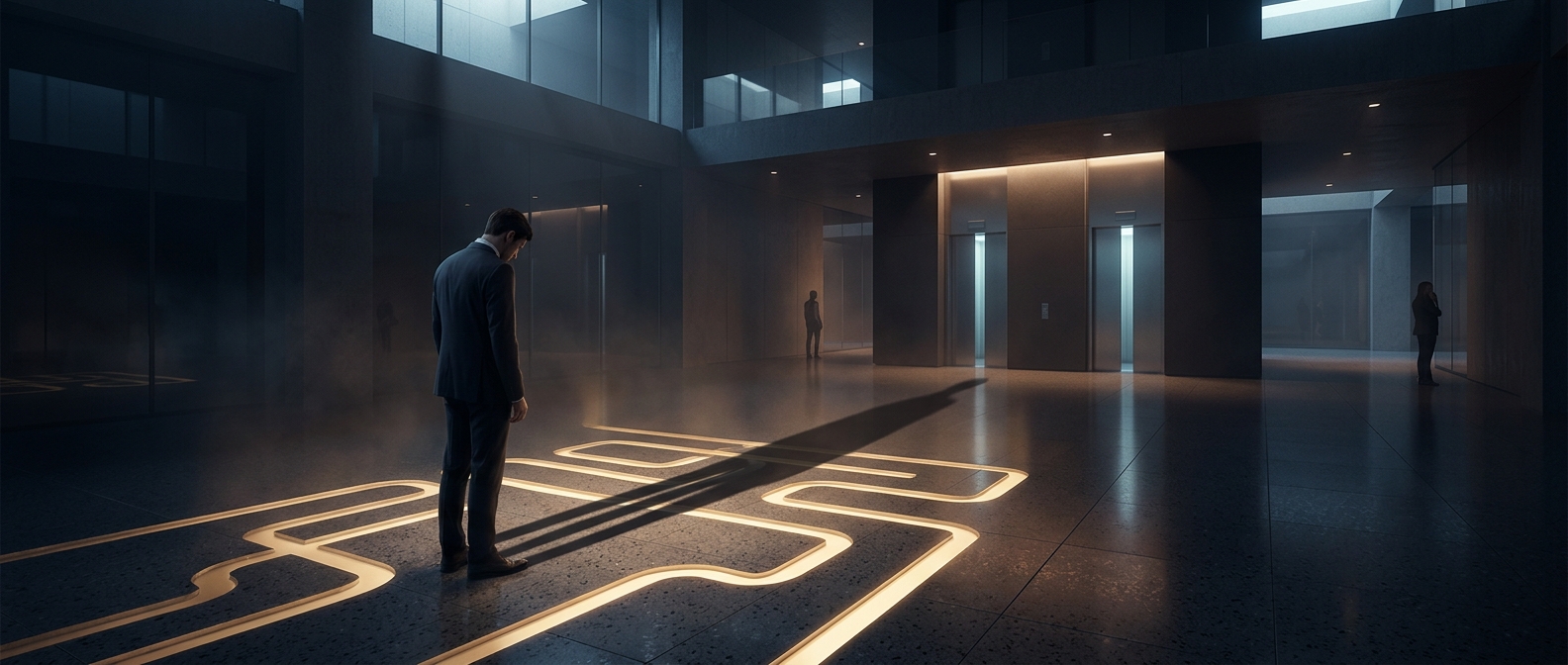
An idle elevator can wait where the next crowd will be
Controllers can park unused cars at the lobby or other busy floors to reduce the next passenger's wait. The car is not moving because someone pressed a…
Discover more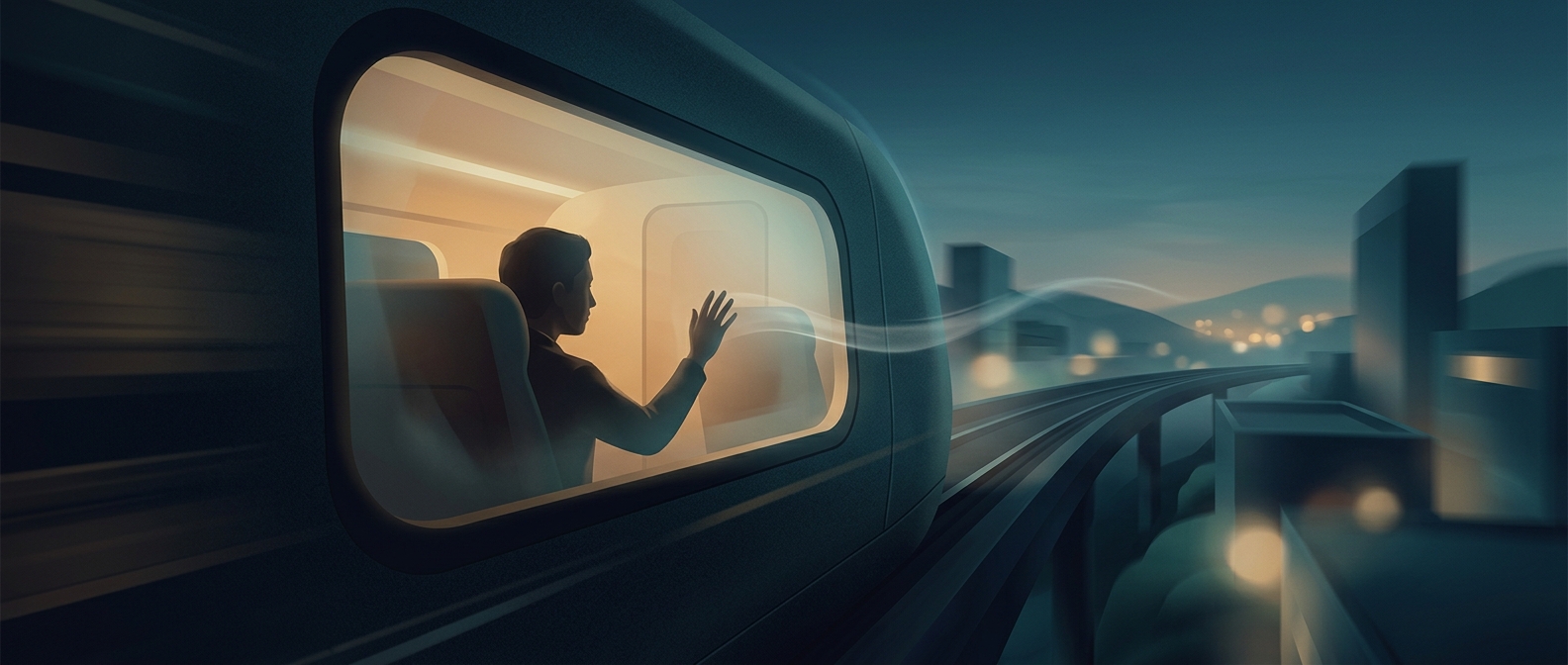
Waving at strangers from a moving passenger rail
Train windows turn strangers along the tracks into a passing audience. A wave is the simplest possible hello: no names, no awkward small talk, and the train…
Discover more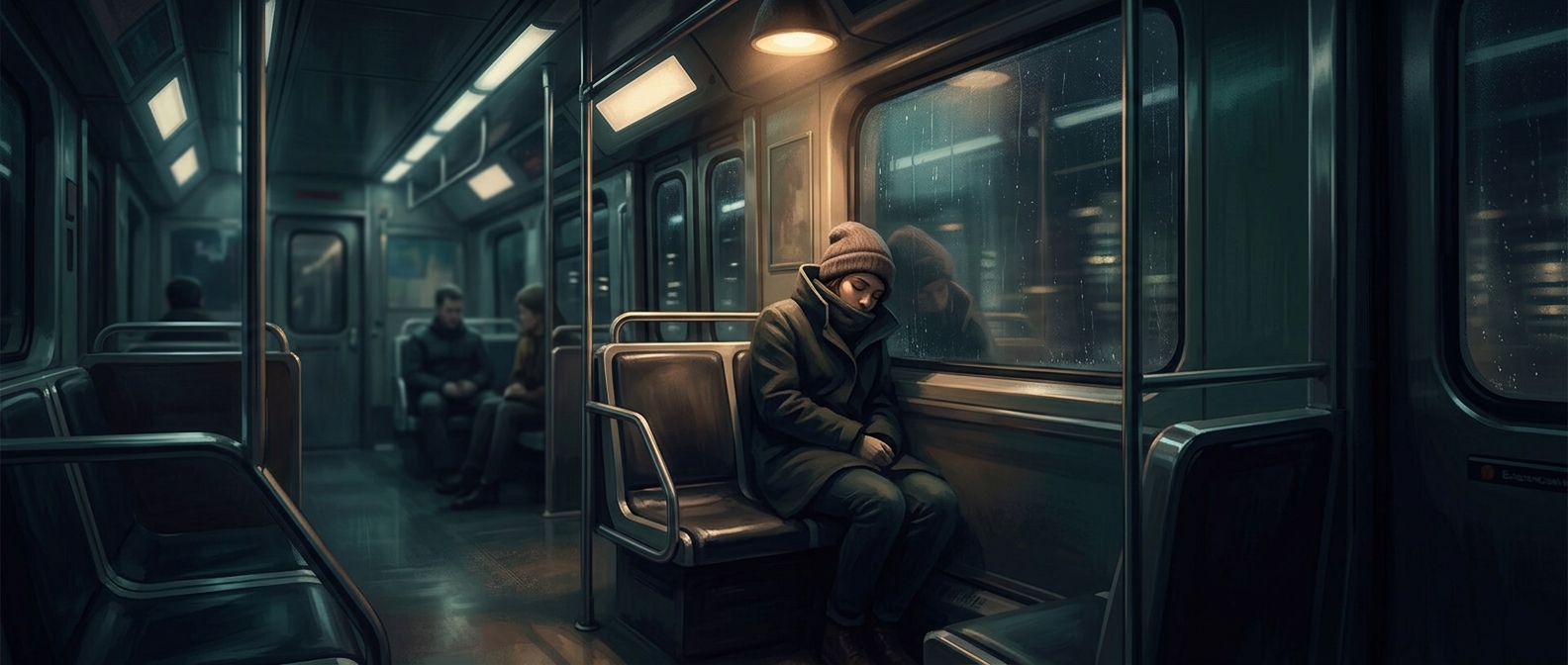
Why passengers pretend to sleep on crowded trains
A fake nap gives passengers a shield against eye contact, conversation, and the dreaded “Is this seat taken?” The train may be crowded, but a closed eyelid…
Discover more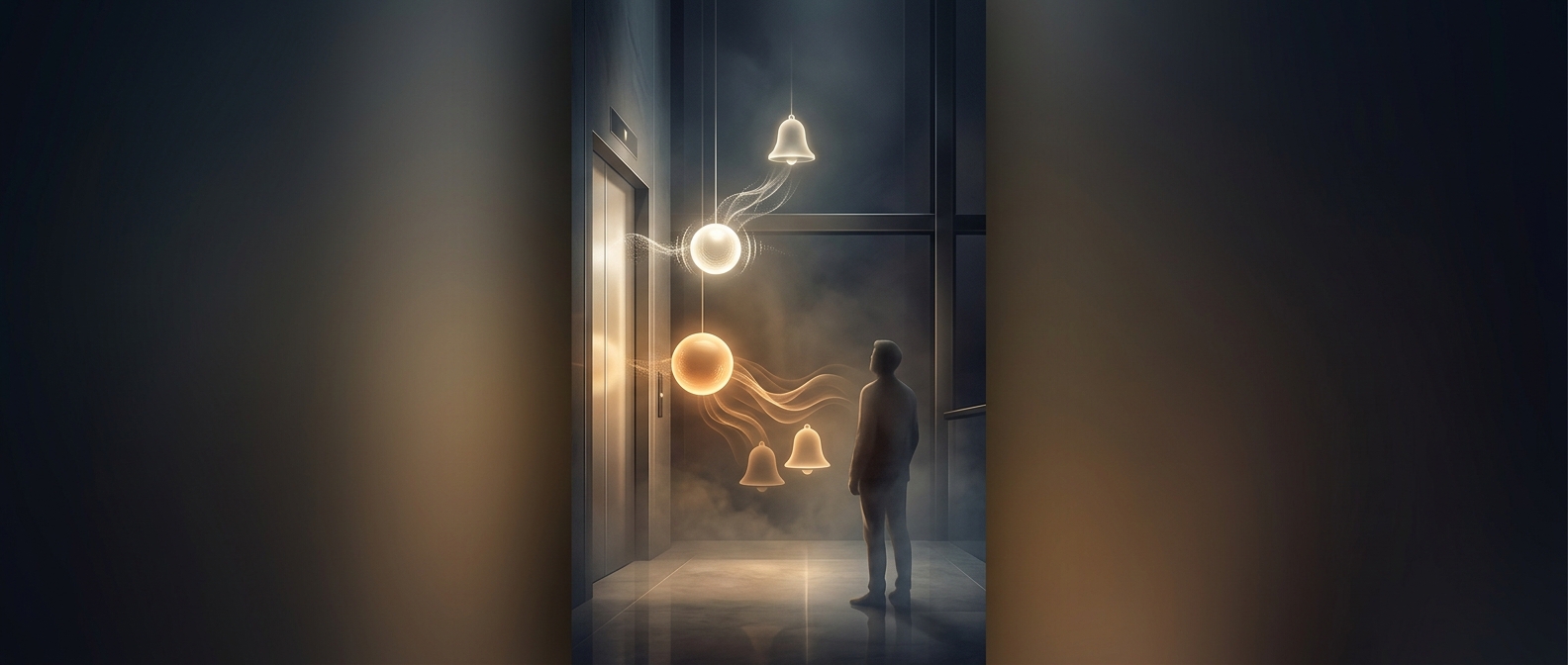
Elevator chimes can tell you which way you are going
One chime signals that the elevator is going up; two signal that it’s going down. The sounds help visually impaired passengers know which direction they’re…
Discover more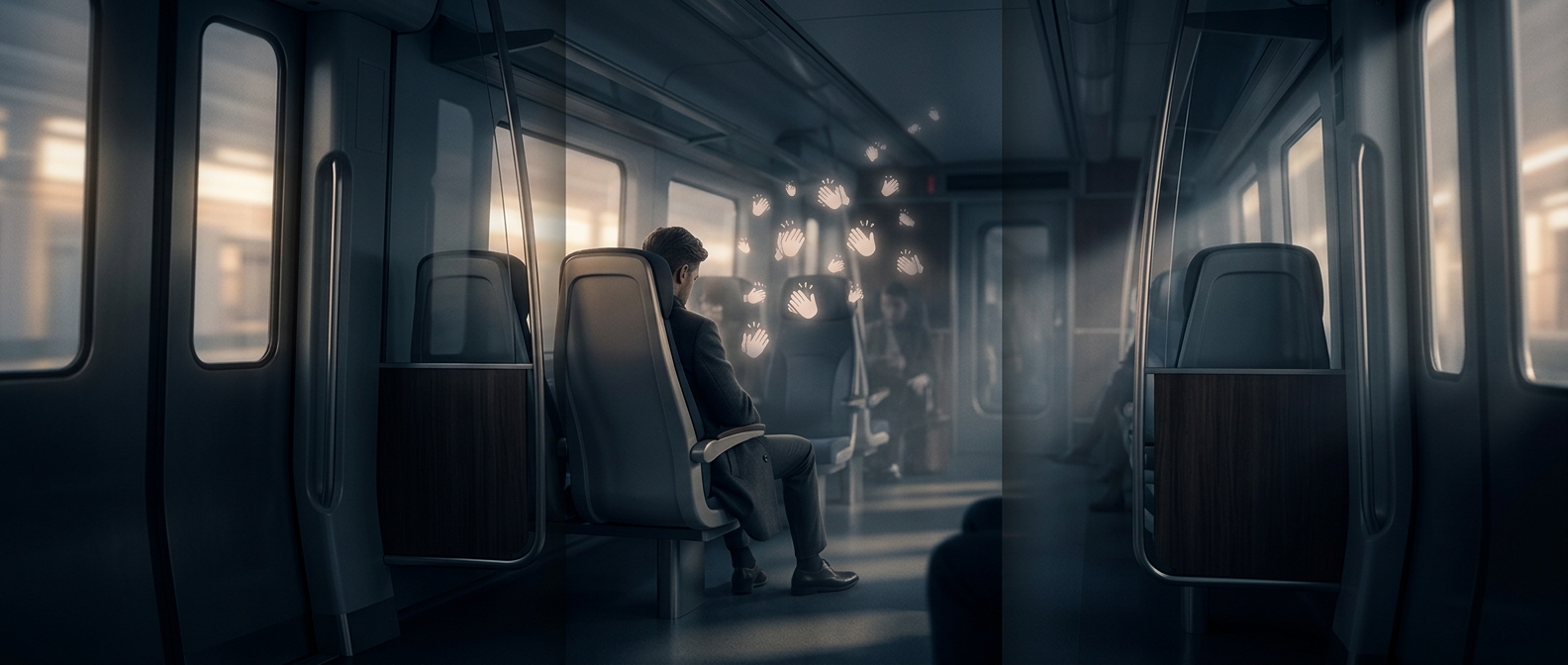
Why passengers clap when a train journey ends
A safe arrival after a long ride gives passengers a shared cue to applaud the crew. The clapping is part thanks, part relief: everyone trusted the same train…
Discover more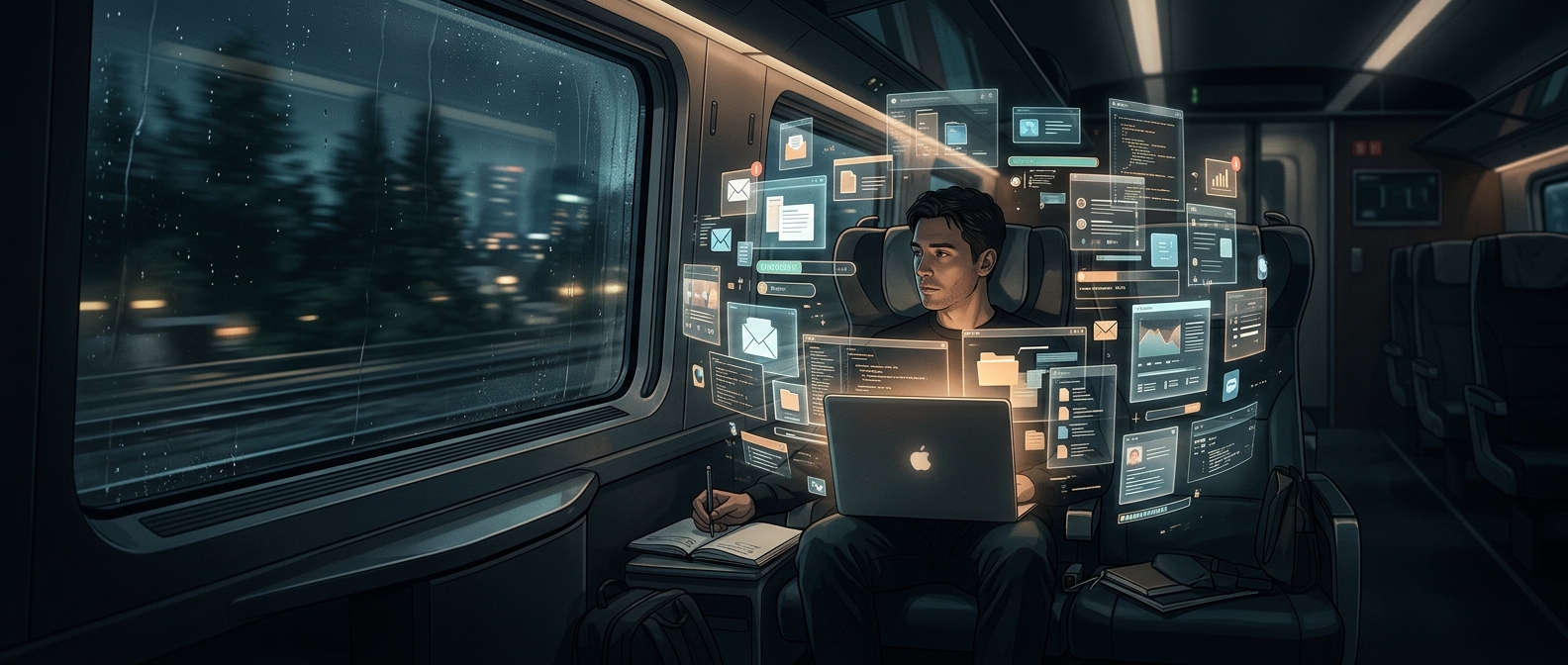
Why working on a train feels productive
On a train, someone else handles the steering, while a seat and table give you a place to settle in. The ride turns travel time into a block of uninterrupted…
Discover more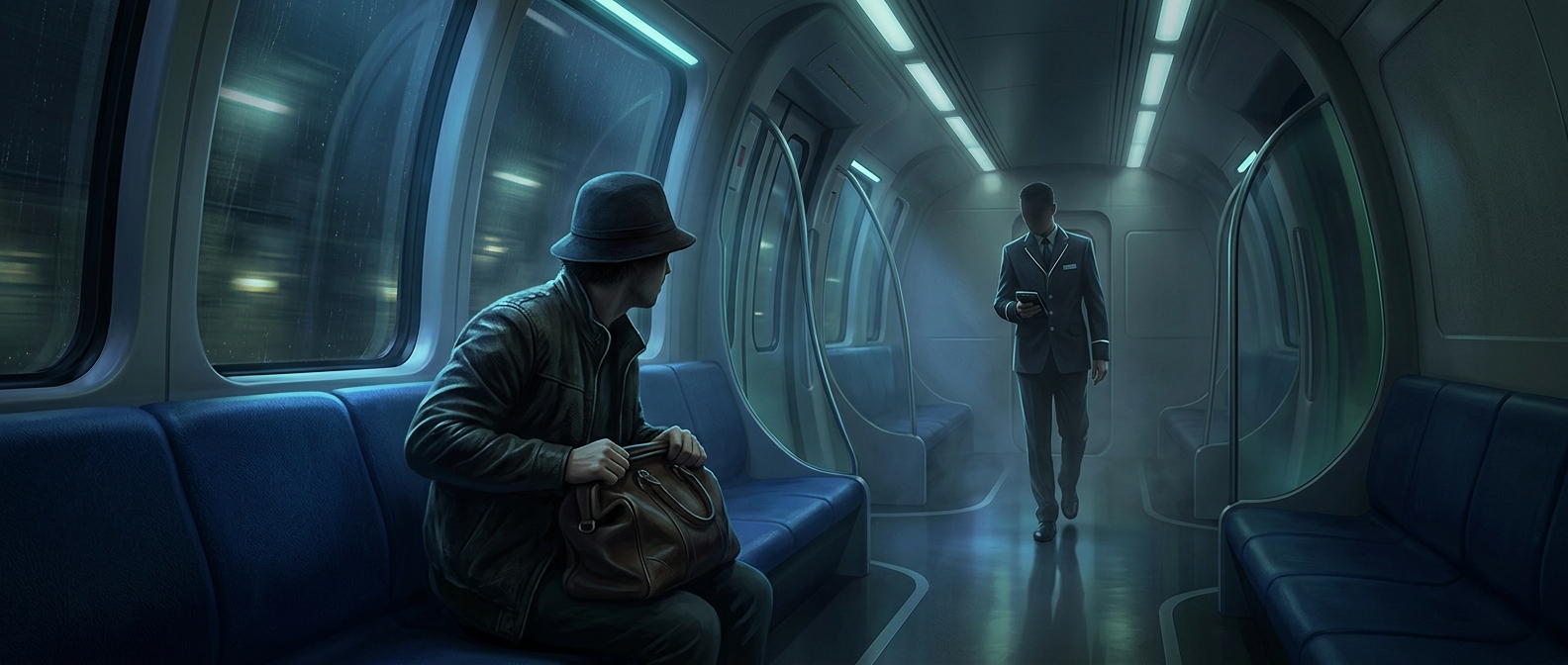
Panic of the ticket inspector approaching slowly
A ticket inspector works through the carriage in order; there’s no mystery about whose turn comes next. Each step turns the nearest pocket into a very urgent…
Discover more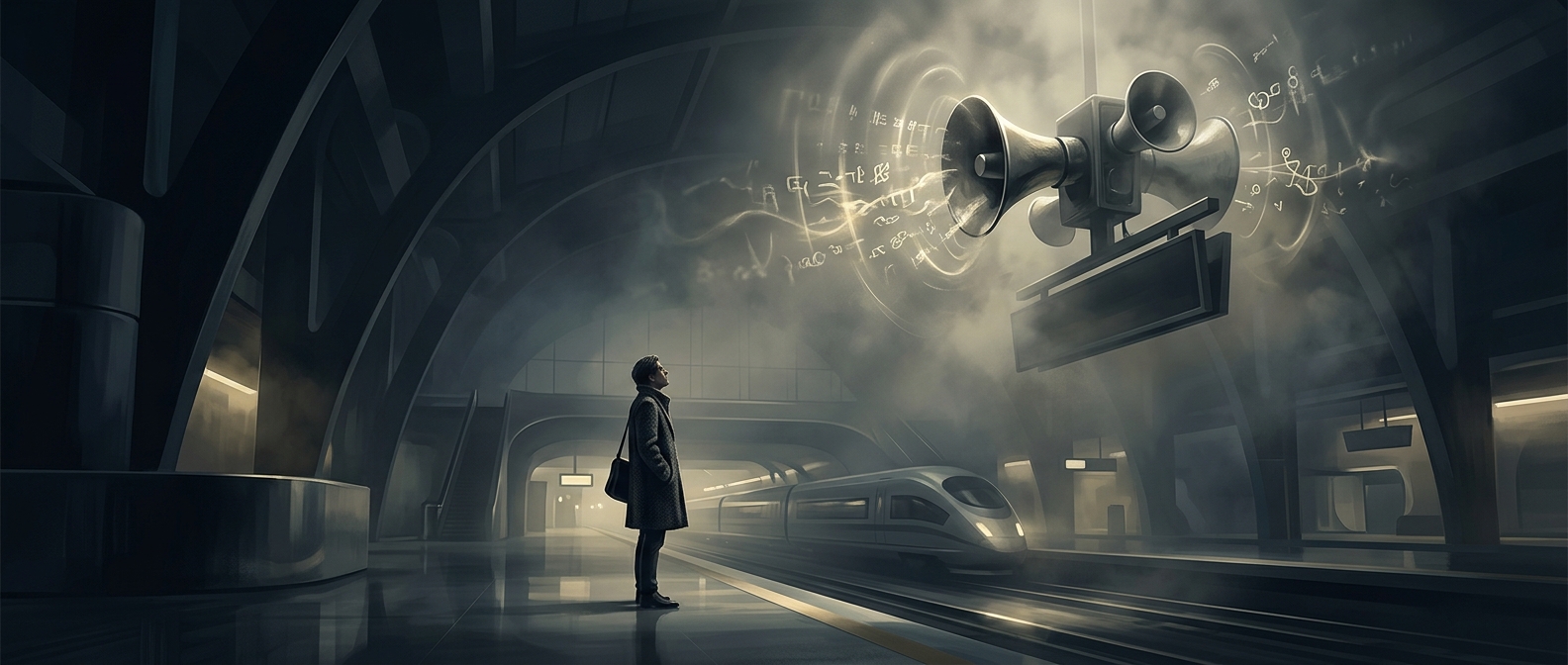
Train announcements are totally unintelligible
A train announcement has to compete with clattering wheels, rushing air, and sound bouncing off metal and glass. Those echoes smear speech together; the…
Discover more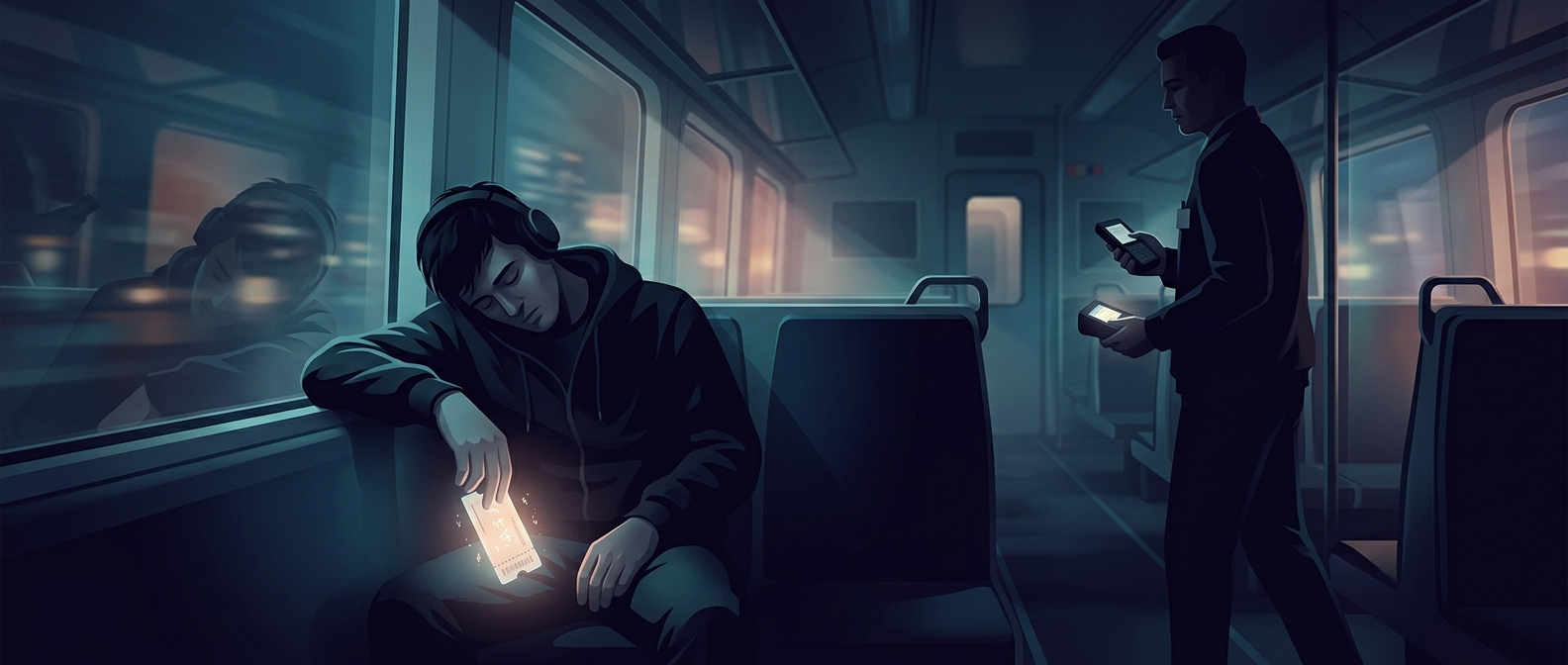
Why passengers pretend to sleep when inspectors approach
A sudden nap turns a fare inspection into a test of social nerve: the inspector has to wake someone who looks asleep, and the passenger gets to pretend this…
Discover more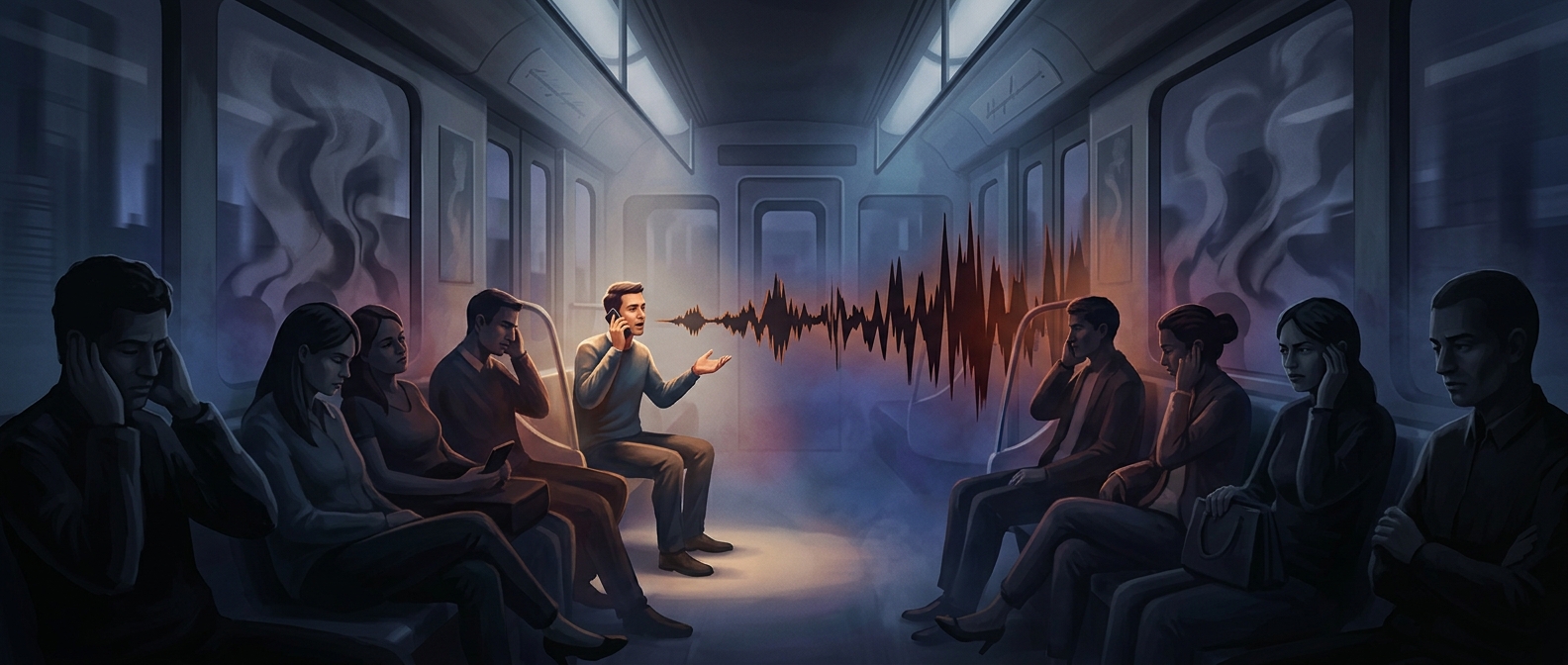
Shared hatred of loud talkers in an open carriage
In an open carriage, there are no walls to keep one person’s conversation to themselves. Sound travels down the shared space, turning a stranger’s phone call…
Discover more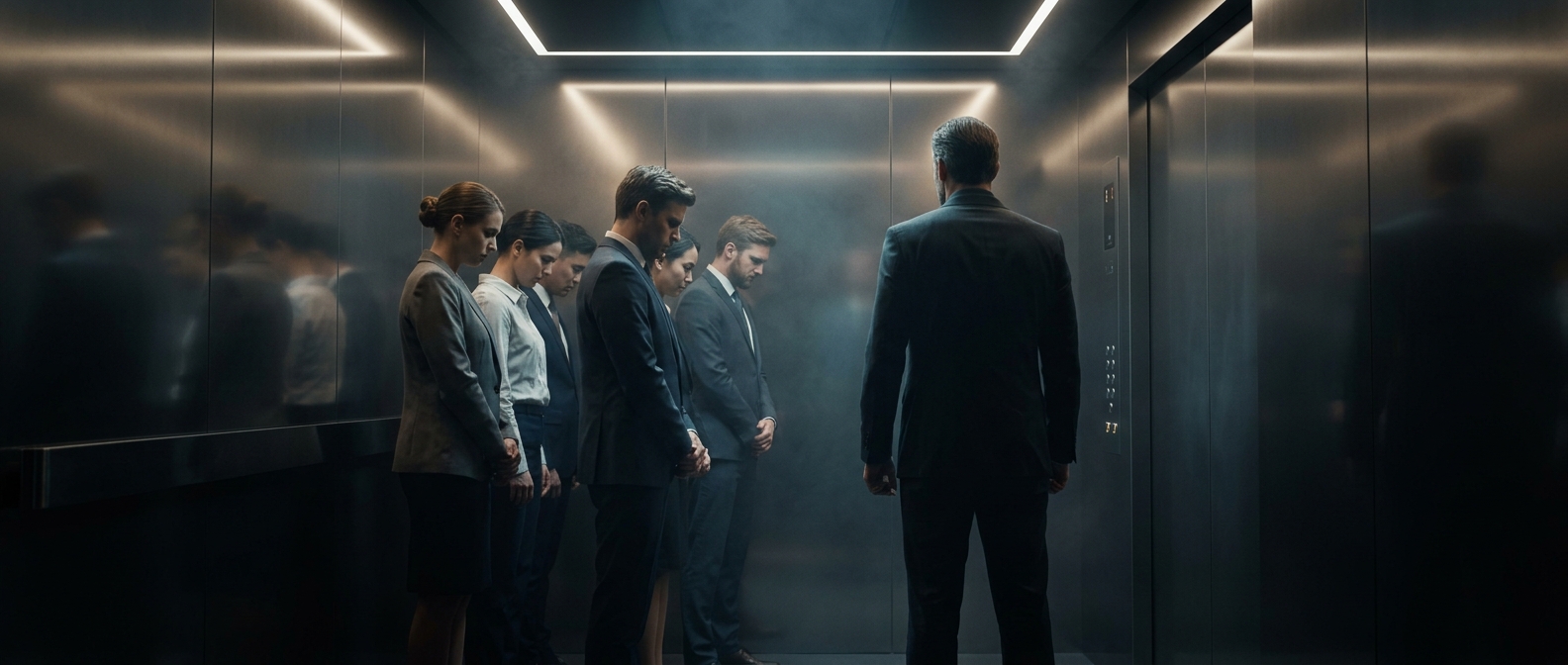
Why the boss makes an elevator go silent
An elevator traps coworkers in a small box with nowhere to look but at the floor display. Add the boss, and everyone starts editing their conversation in real…
Discover more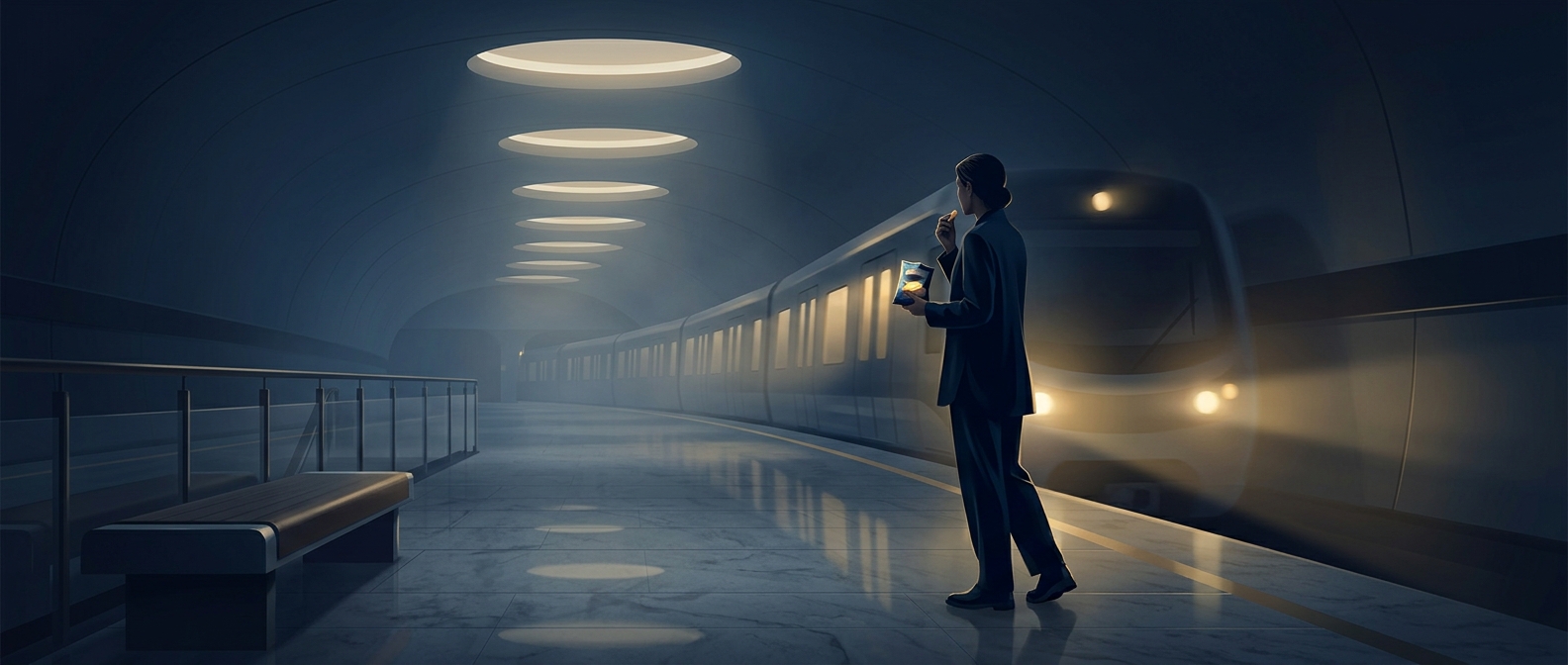
Why your train snack disappears before departure
The train is still waiting, but you’re already bored: unwrapping a snack gives your hands something to do and turns dead time into a small reward. The…
Discover more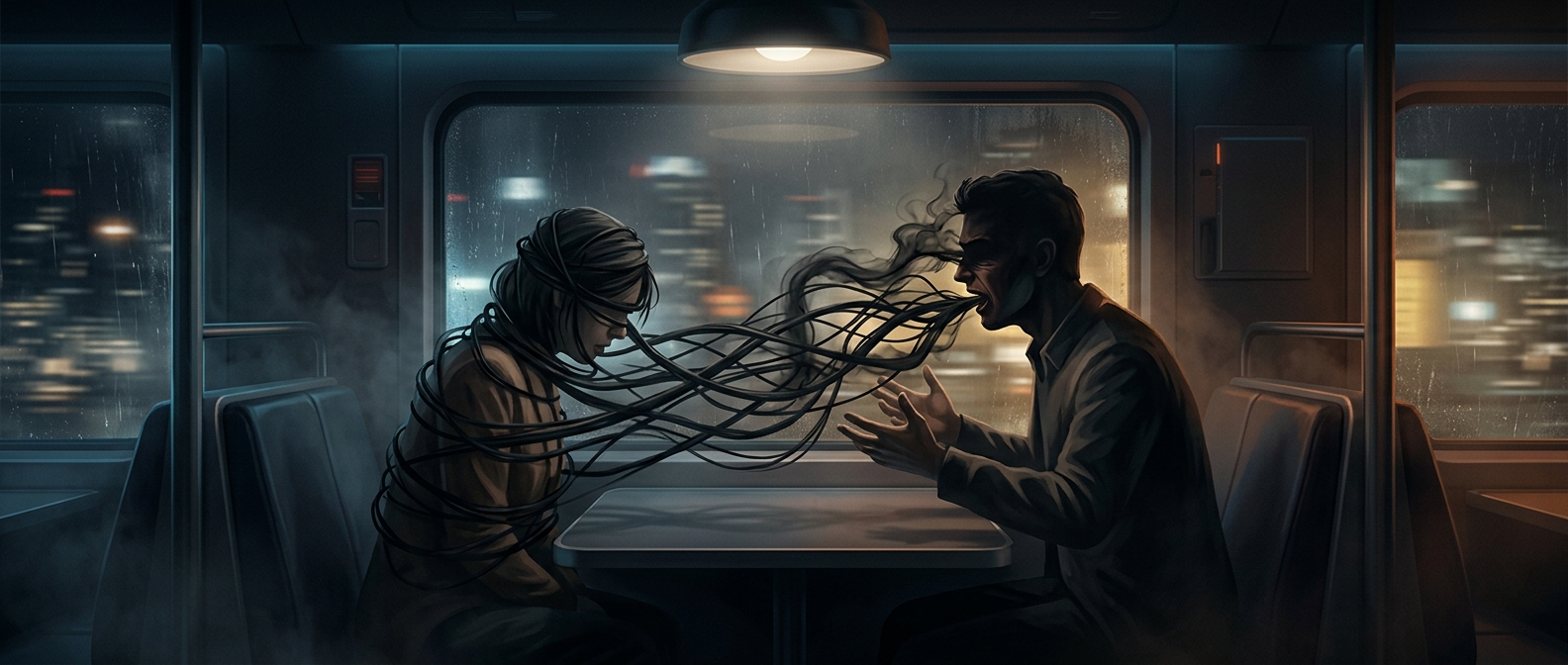
Feeling completely trapped in an awkward conversation
An awkward conversation feels inescapable when the setting traps you together: a lift, a train seat, a queue with nowhere to drift. Your feet are free, but…
Discover more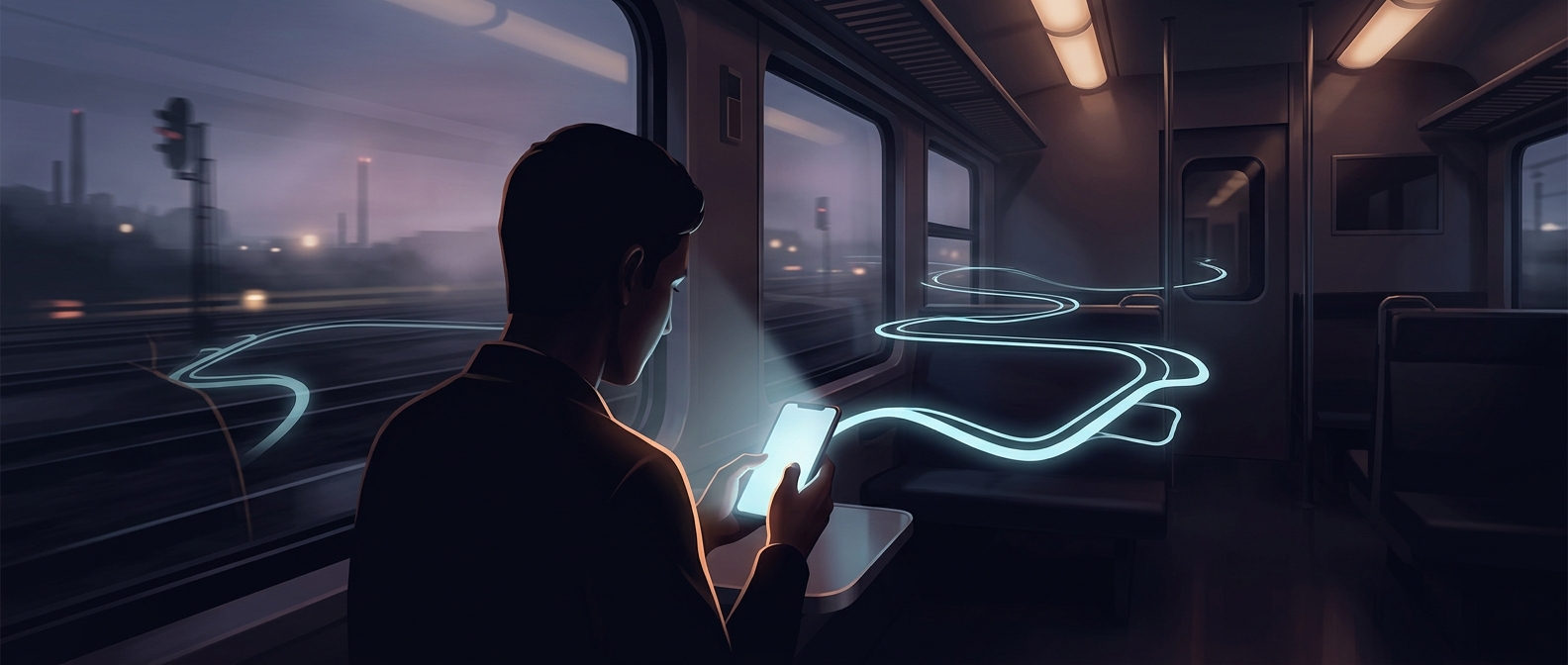
Tracking the rail journey purely on GPS apps
A GPS app follows the phone’s position from satellite signals, then shows that moving dot along the rail route. The app is tracking your device, not…
Discover more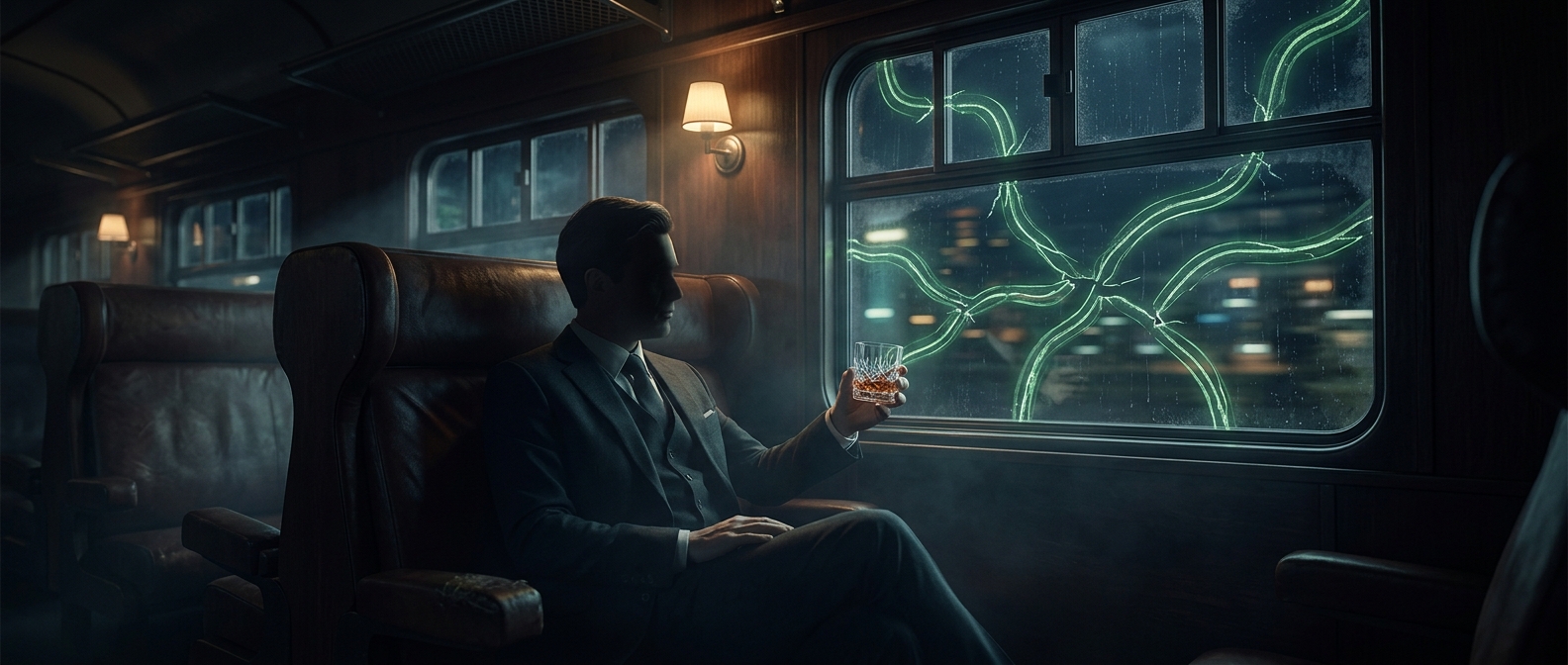
On British trains, your drink depends on the service you're riding
National Rail says alcohol is generally allowed, but some operators and services impose restrictions. The carriage may have a bar or trolley, yet the rules…
Discover more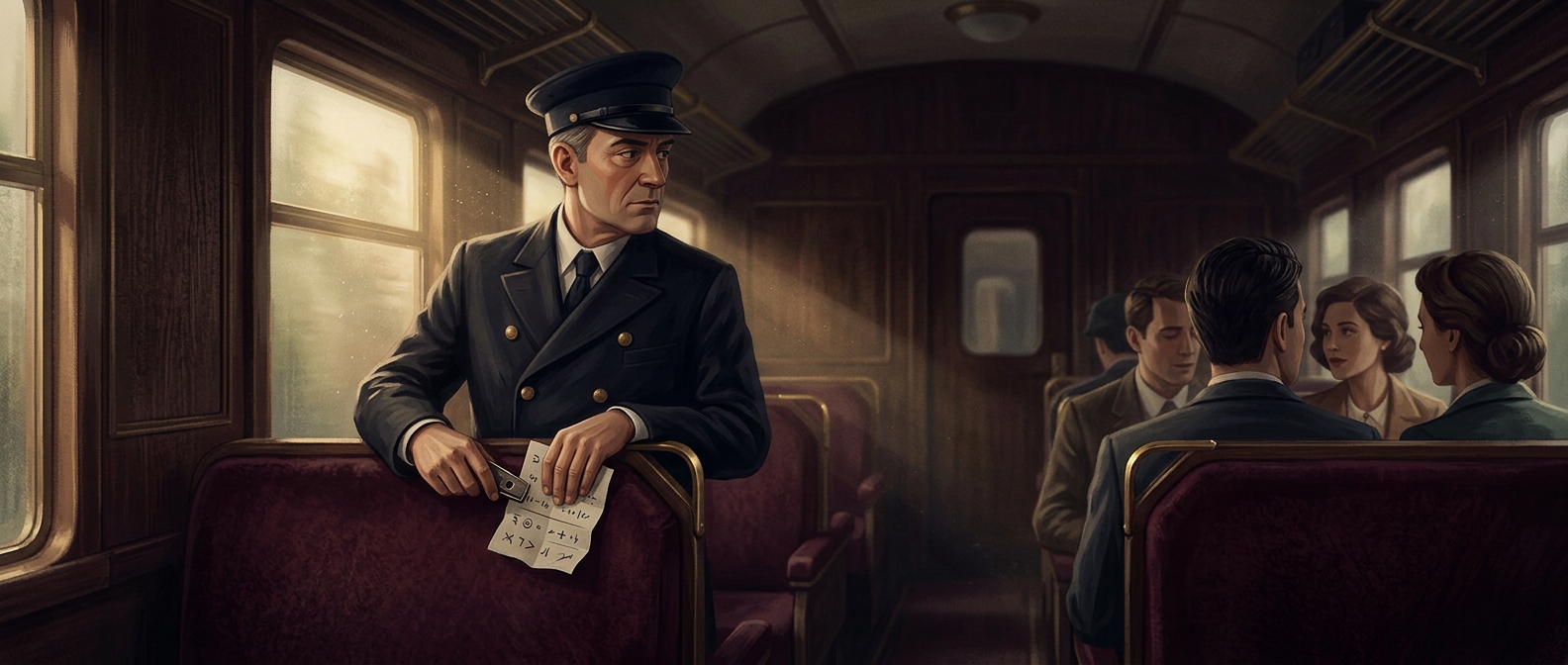
Train announcements can hide warnings about passengers
A routine-sounding announcement lets train staff alert one another to a passenger who needs attention without broadcasting the problem to the whole carriage.…
Discover more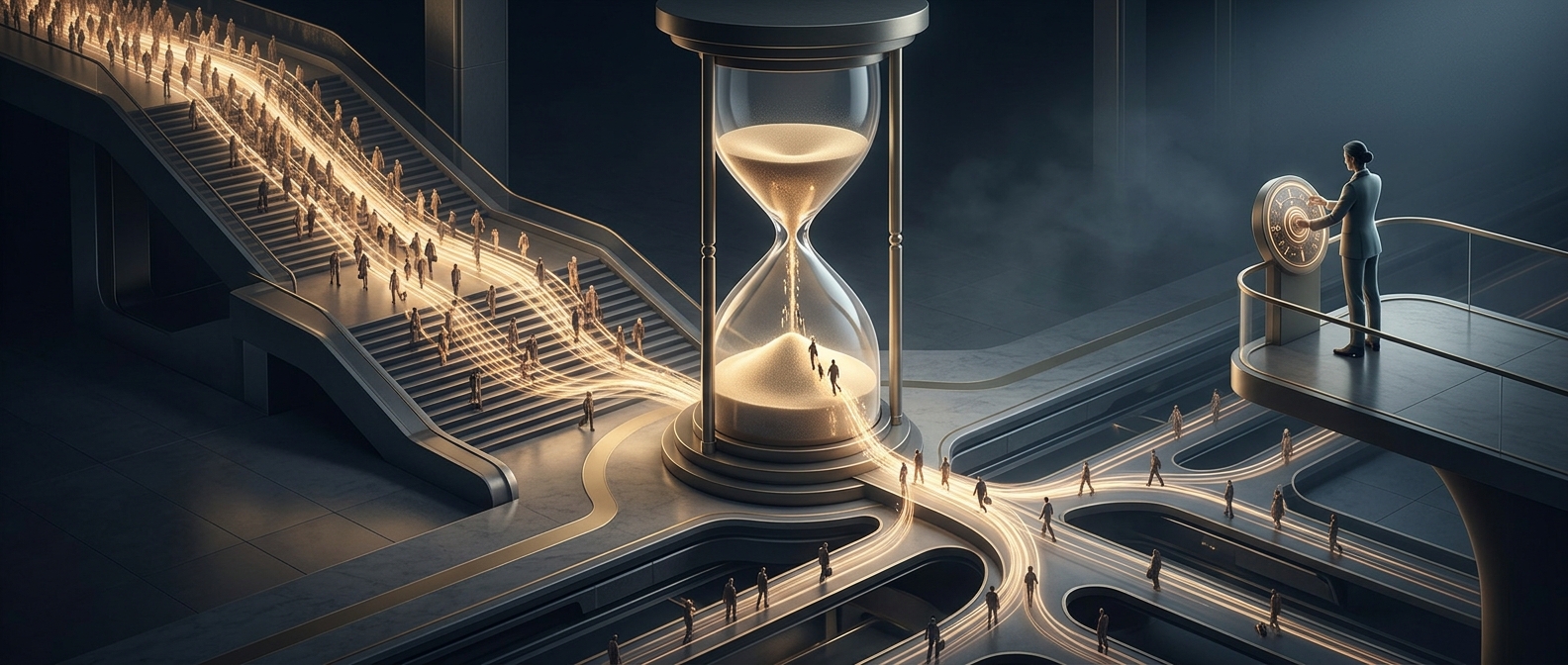
Dwell time manipulation controls passenger flow
Transit operators adjust how long vehicles wait at stops to keep them spaced out. Holding one back gives the vehicle ahead room to clear passengers and…
Discover more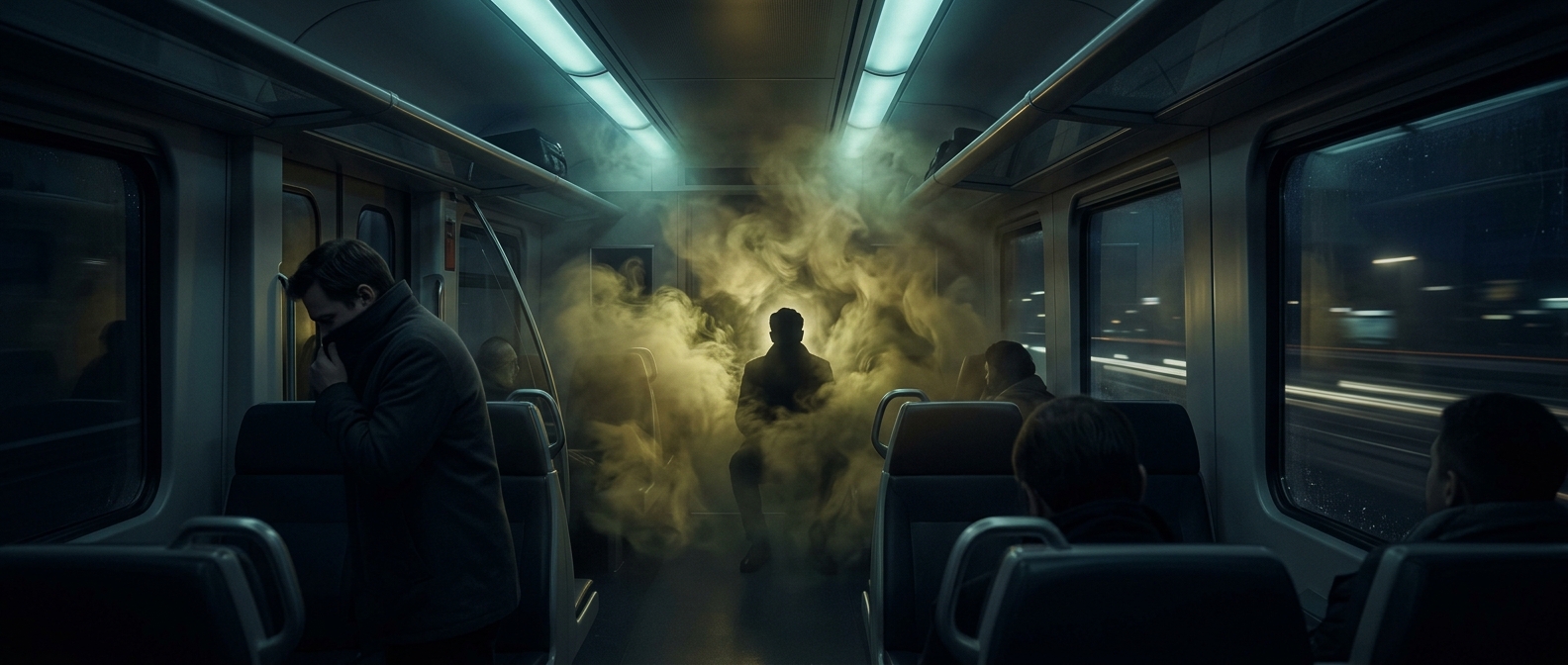
Avoiding the person who smells like heavy cologne
Moving away from a strong cologne gives its airborne scent molecules more room to disperse before they reach your nose. Distance is the simplest ventilation…
Discover more