Transport
Discover facts about transport. Small discoveries that change the way you see familiar things.
Transport

Early prams could hide babies from view
Deep sides and large fabric hoods shaded babies from sun and wind—and swallowed them from a passerby's view. The pram was a cozy little shelter with a…
Discover more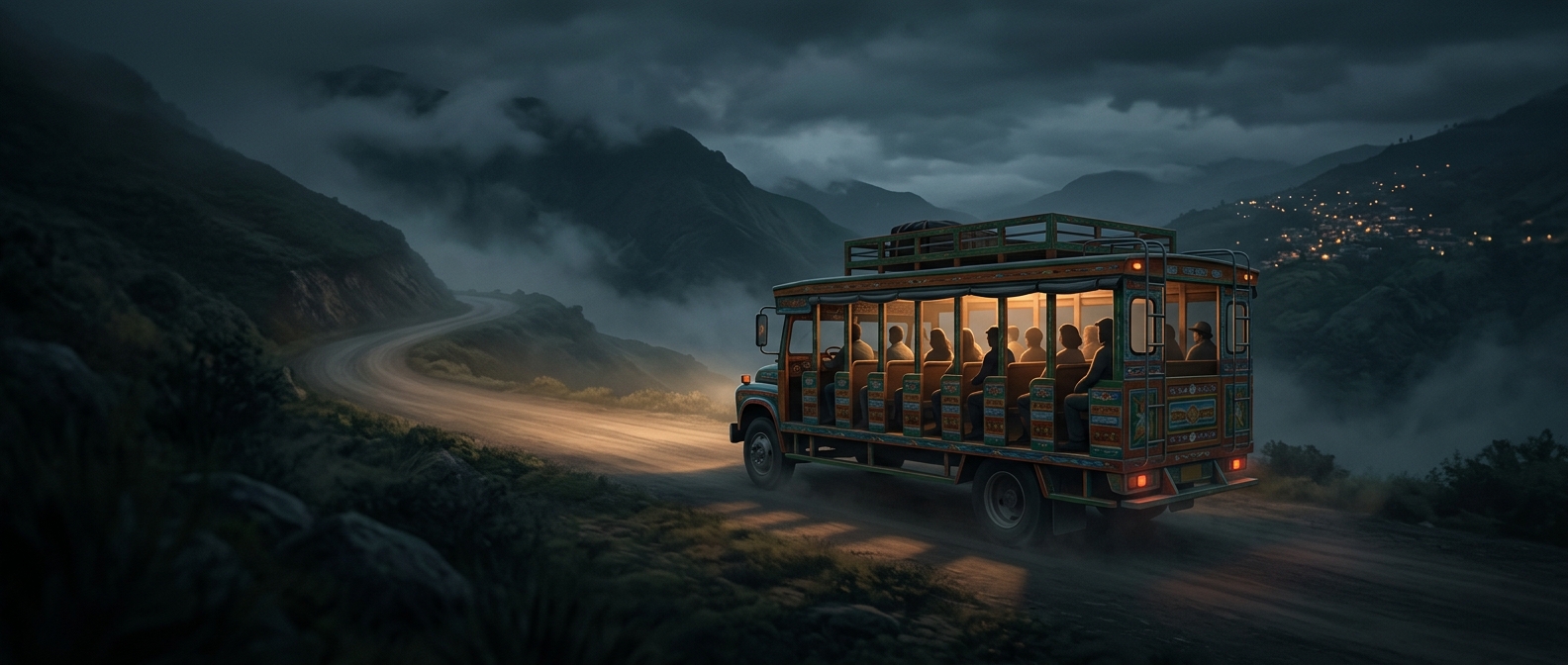
Colombia’s buses that have no doors or windows
Open sides let warm air rush through, a useful feature on hot rural routes where passengers and cargo need to climb aboard quickly. These buses trade…
Discover more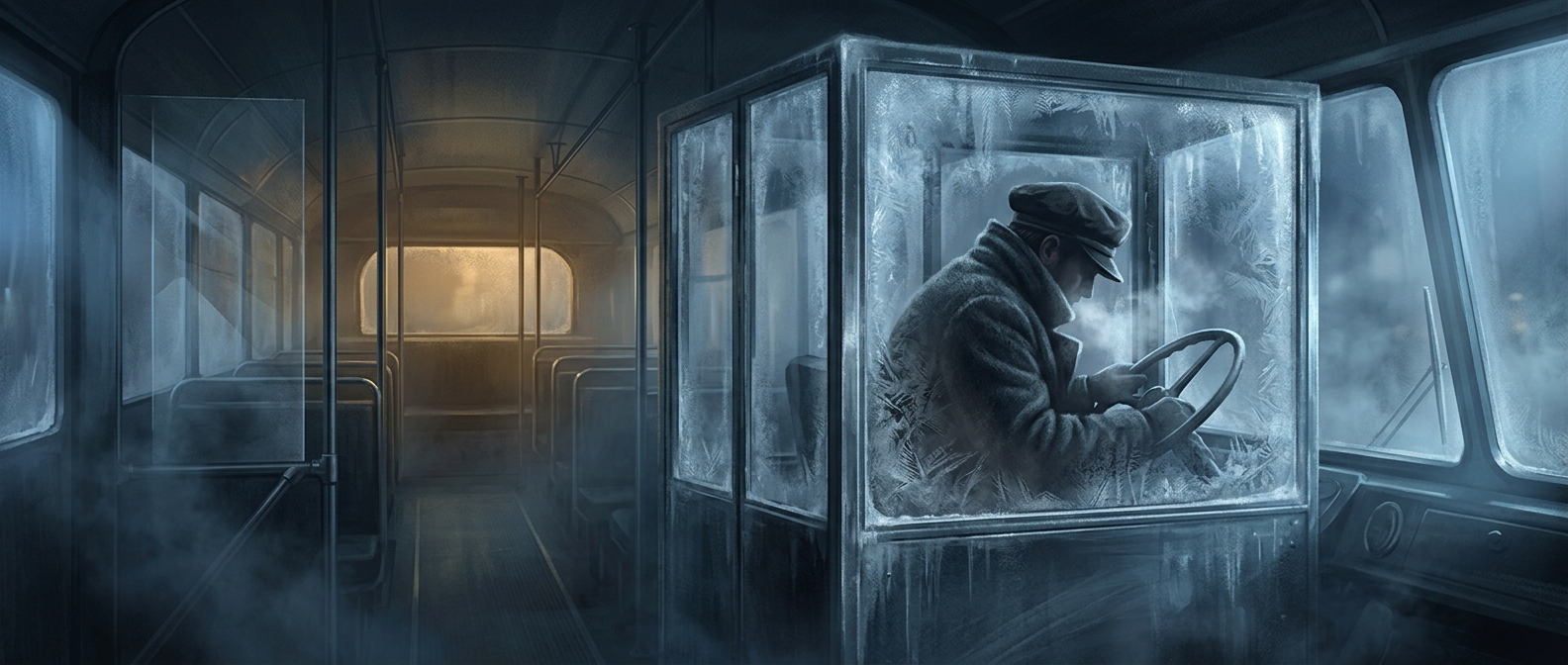
Some bus drivers worked inside a glass oven
On some older buses, the engine sat close to the driver’s cab, and glass around the workspace trapped its heat. The driver got a clear view of the road and a…
Discover more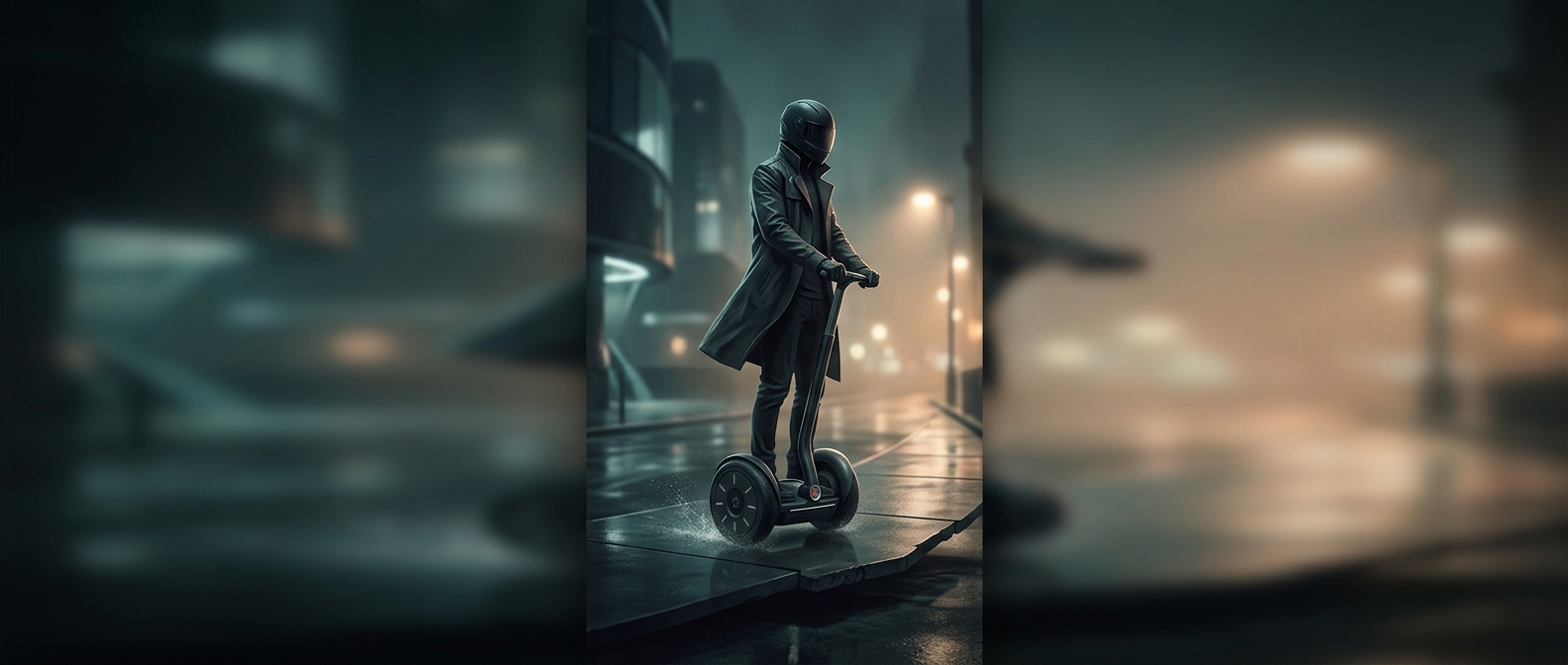
Why hoverboards don't actually hover
A hoverboard’s gyroscopes detect when the rider leans, then motors adjust the wheels to keep the deck balanced. Nothing leaves the pavement; the board just…
Discover more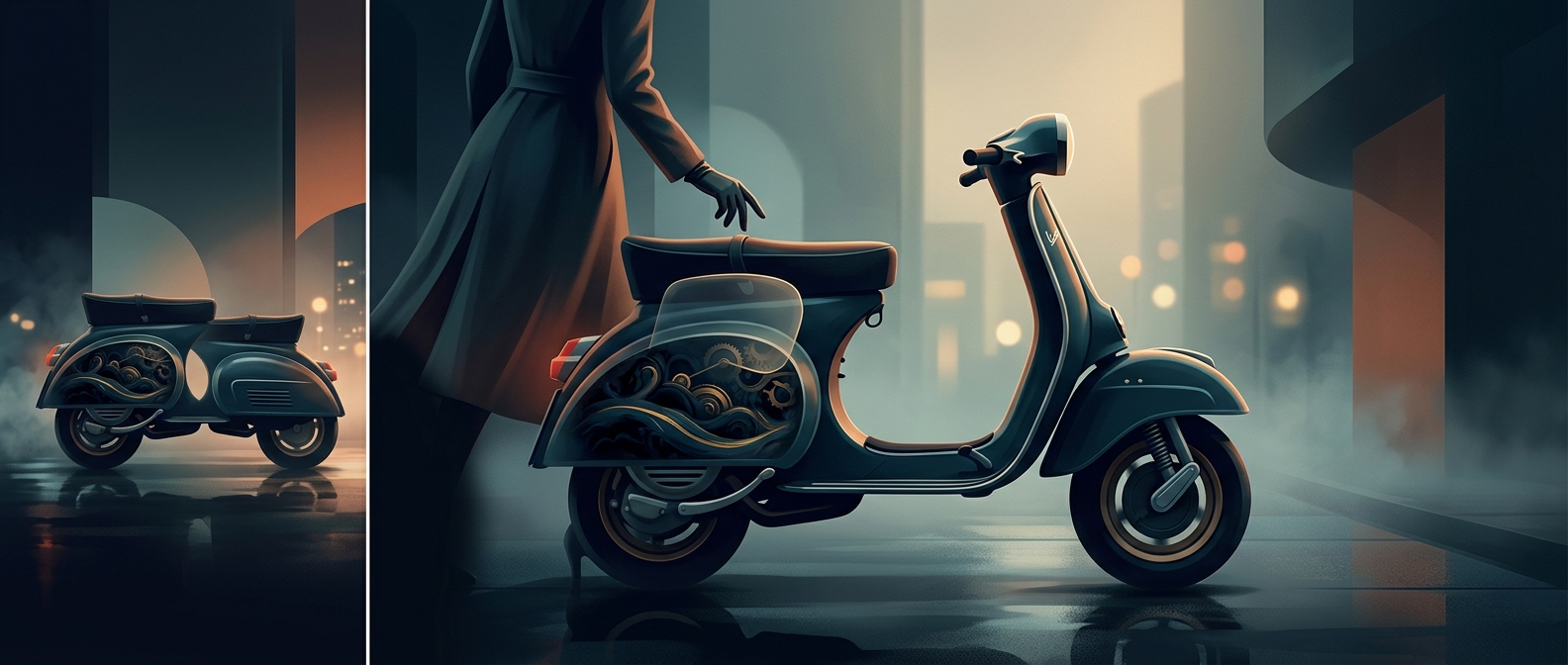
Why Vespas Have a Wide Front Shield
The broad shield blocks wind and road spray from the rider’s legs and torso. It also gives the scooter’s front end a smooth surface for air to flow around,…
Discover more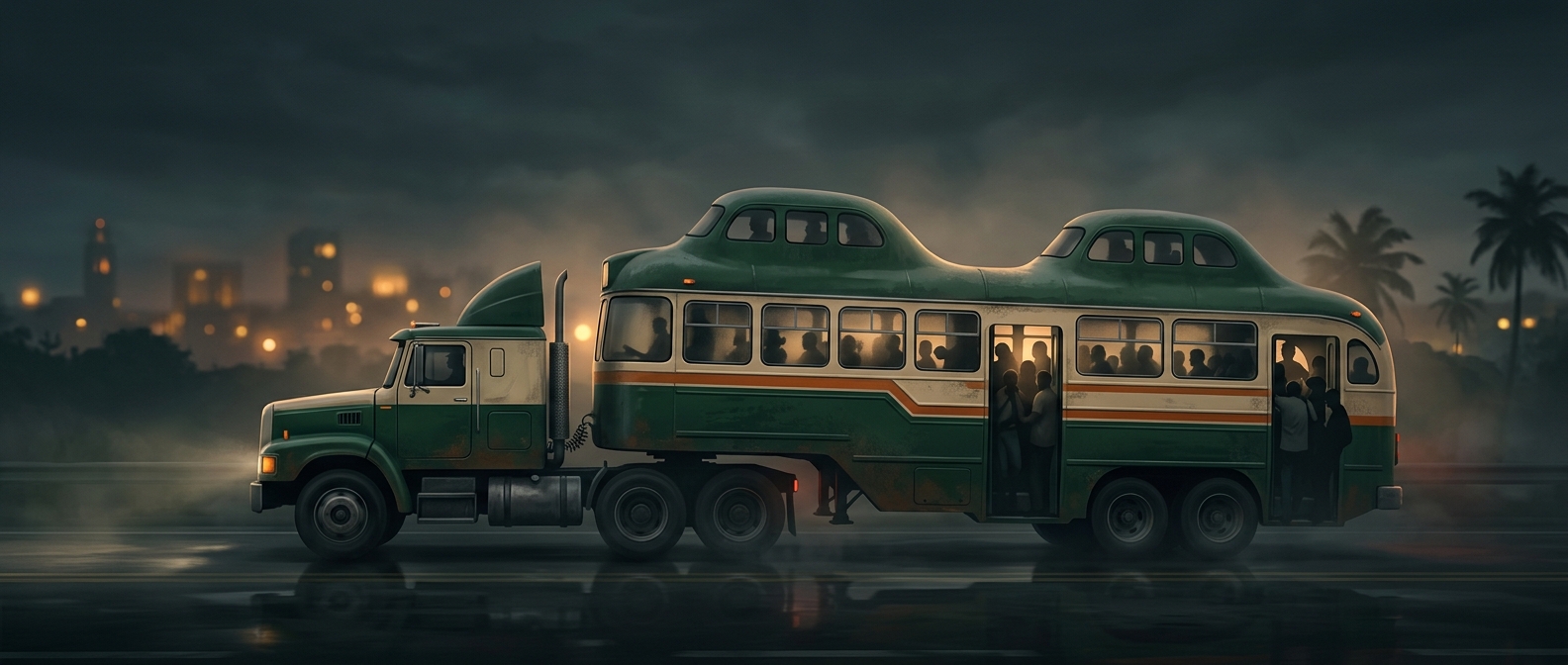
Cuba turned trailers into camel-shaped buses
During Cuba’s 1990s fuel crisis, truck tractors pulled huge passenger trailers built with two raised sections. The humps gave the makeshift buses their…
Discover more STACKY FOR IPHONE
A bigger world.
One discovery
at a time.
Keep discovering with Stacky. Interesting facts in an app that is always within reach.
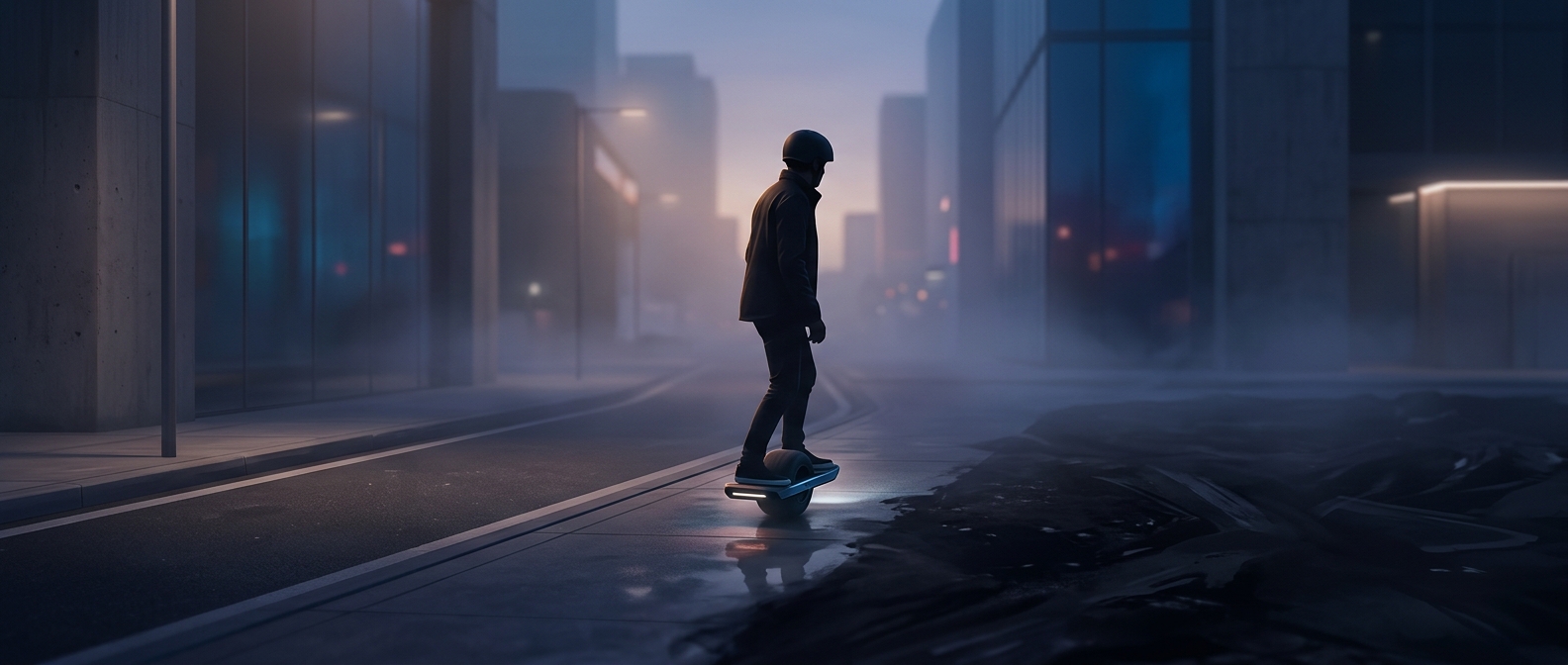
Why Onewheels leave cities guessing
A self-balancing, one-wheel board doesn’t fit neatly into rules written for bicycles or scooters, which have pedals, handlebars, or two wheels. Cities have to…
Discover more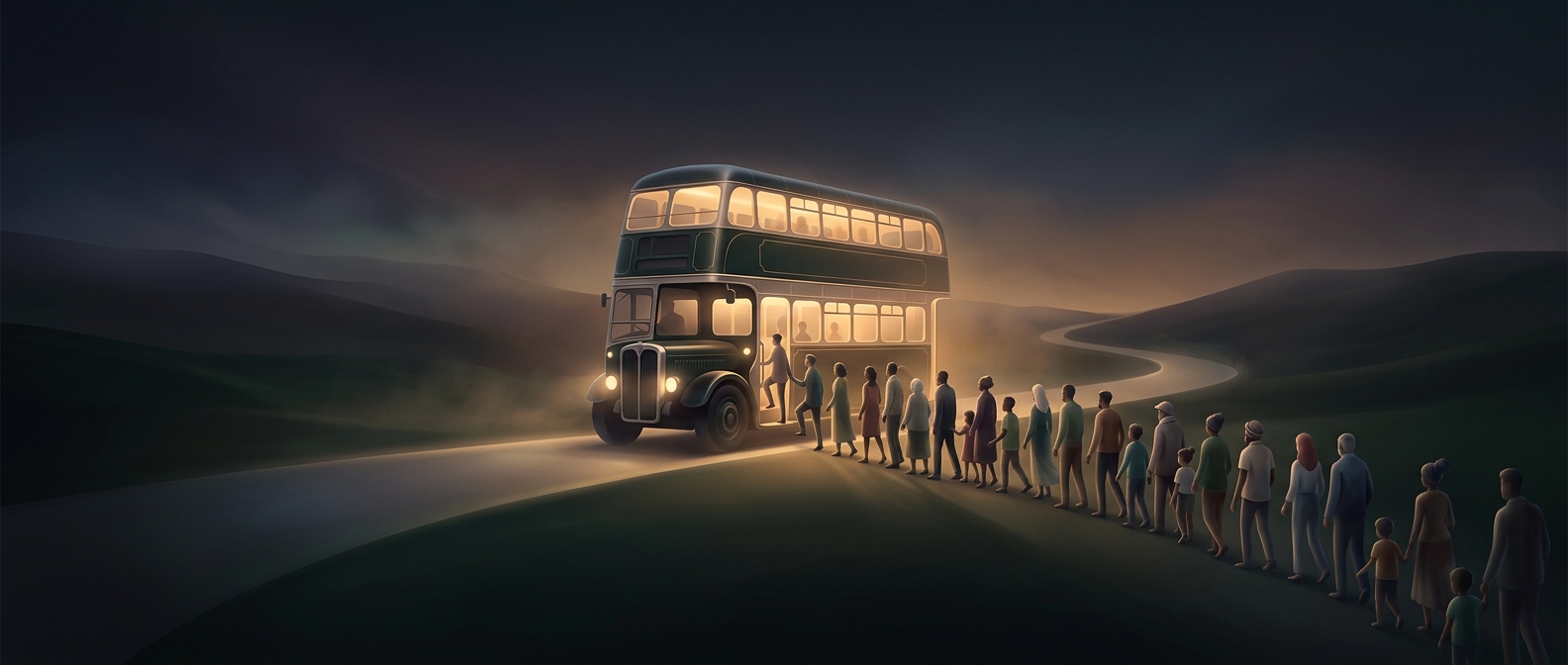
What omnibus really means
“Omnibus” comes from Latin for “for all.” The name suited a horse-drawn public carriage that carried passengers together along a route. Before buses had…
Discover more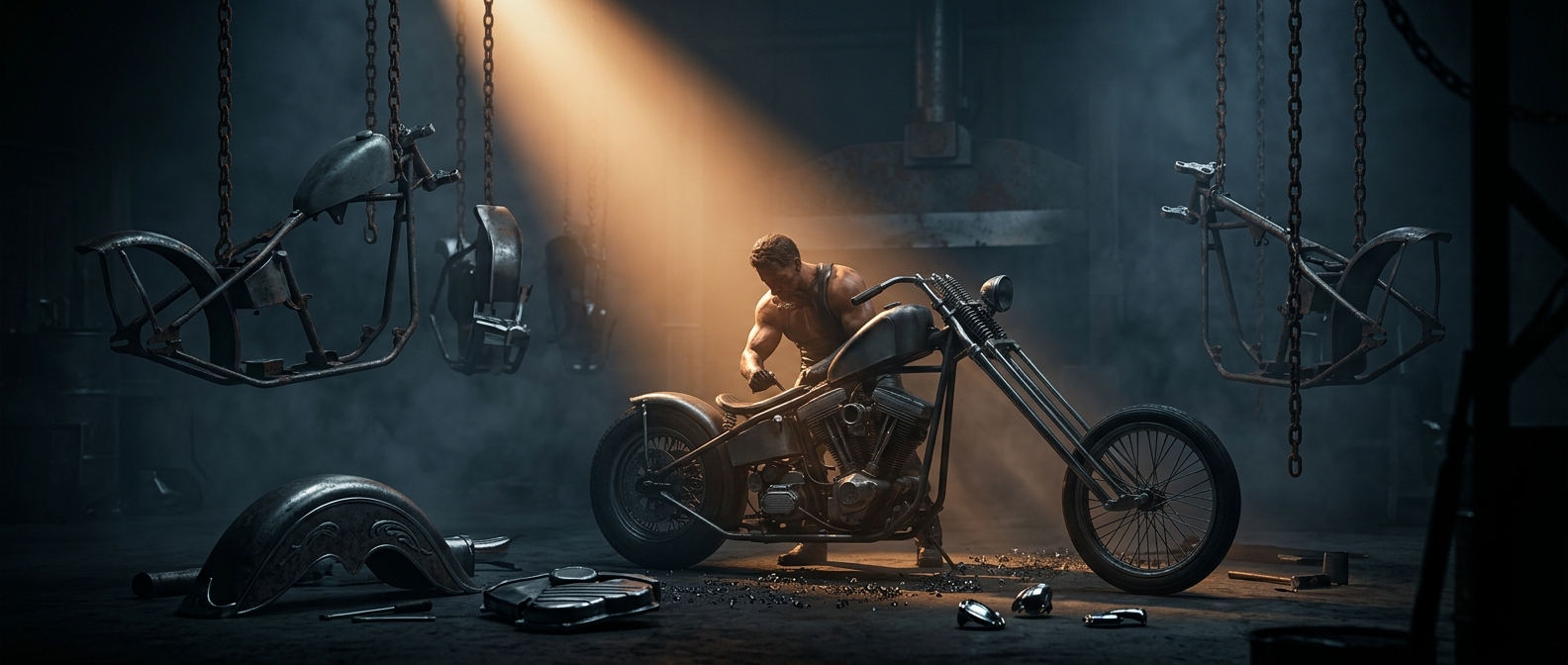
Why chopper motorcycles are called choppers
Custom builders cut away fenders and excess frame to make motorcycles lighter and leaner. The name is literal: they chopped the bike, then gave the result a…
Discover more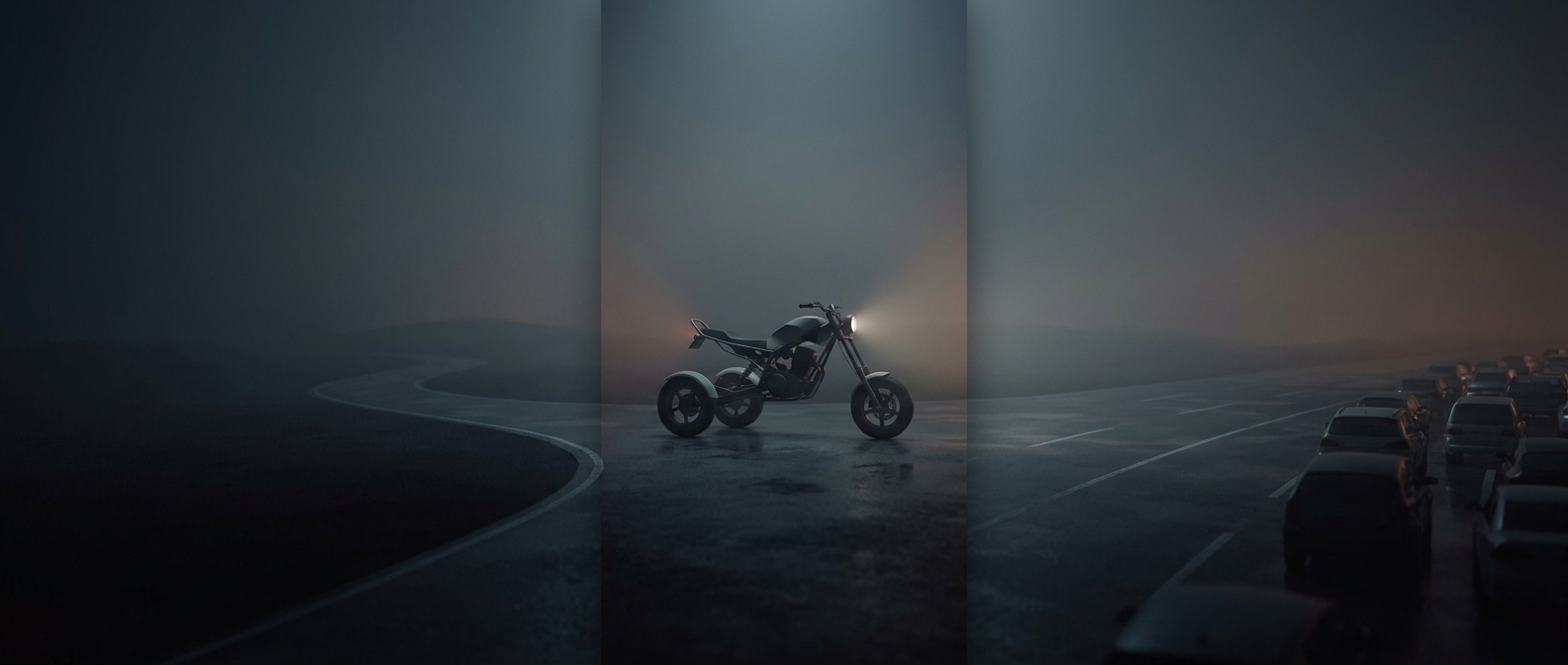
A non-leaning trike corners more like a car than a motorcycle
A rigid three-wheel setup can stay upright at a stop, but it doesn't bank into a curve like a two-wheeler. The rider feels the sideways force while the…
Discover more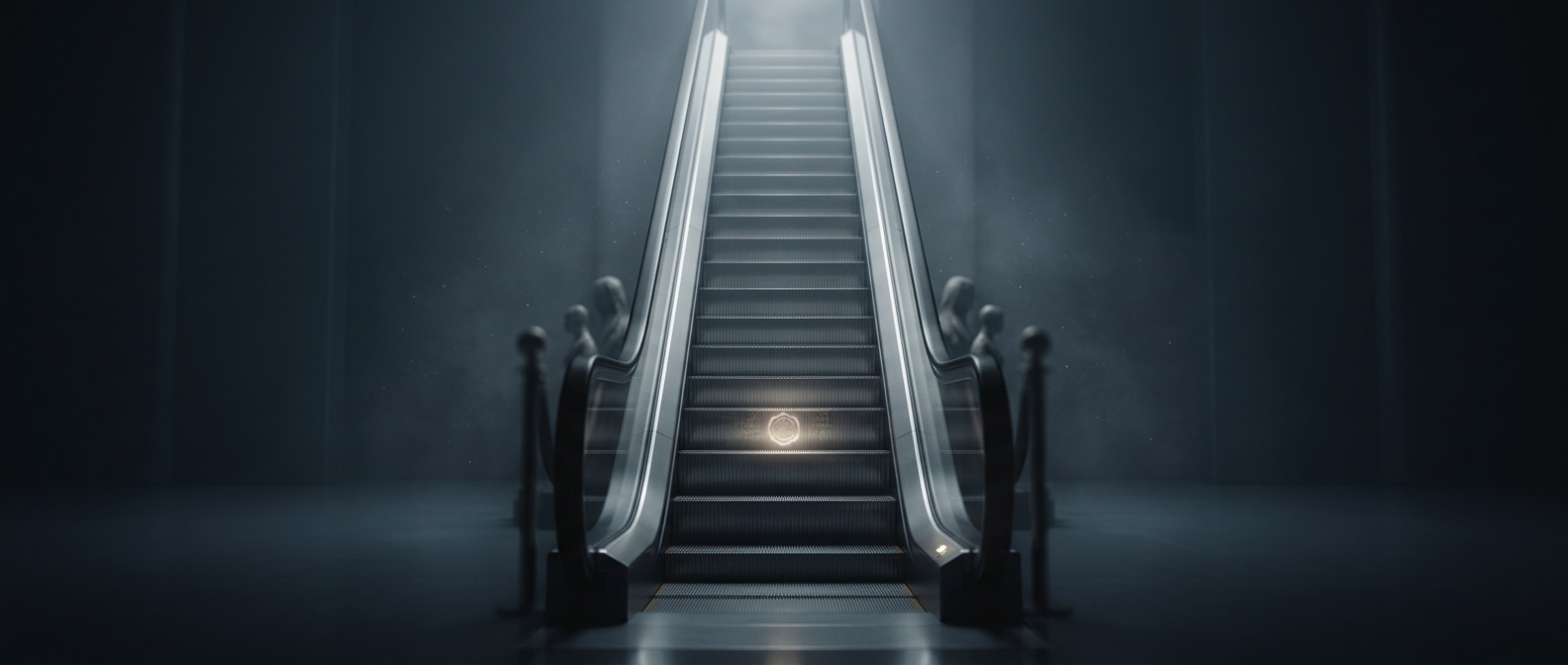
Why “escalator” stopped being a brand name
“Escalator” began as a trademark for a moving staircase. People used the brand name for the whole machine until it became an everyday word—a corporate logo…
Discover more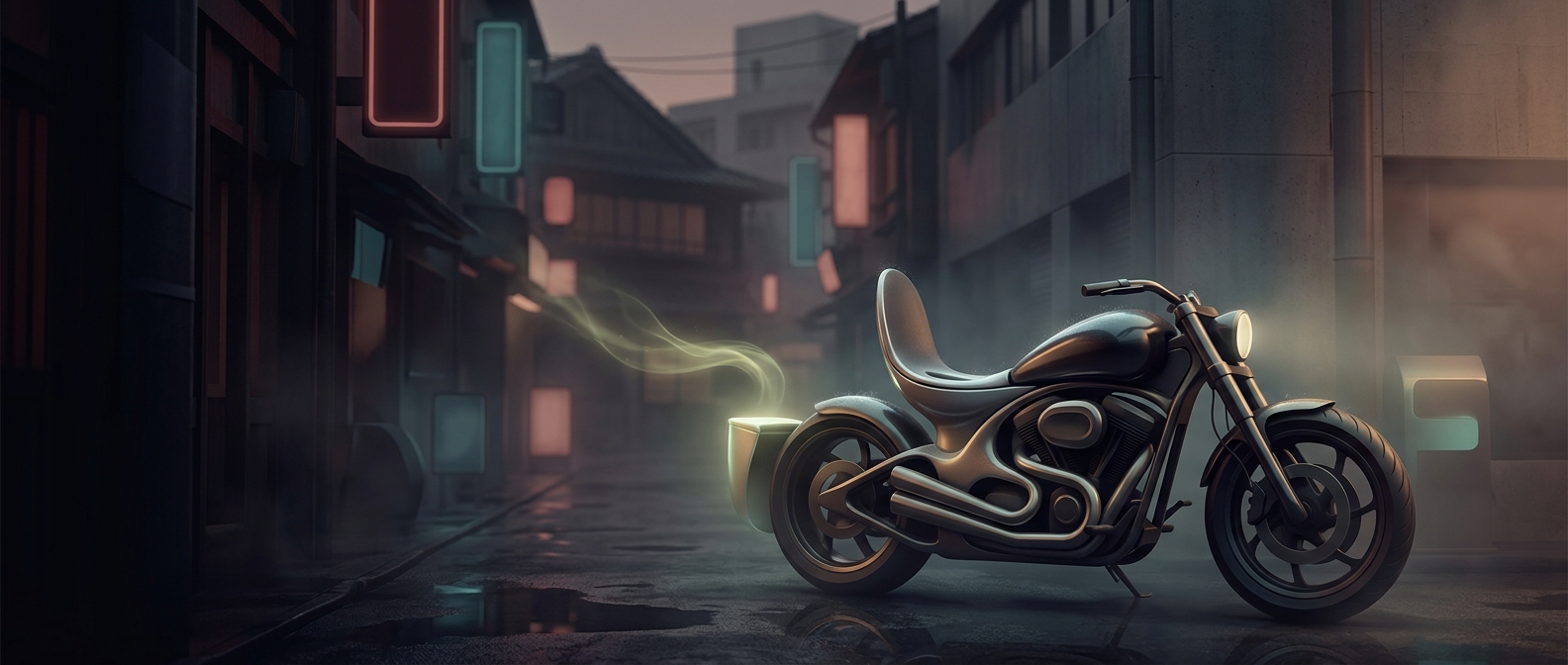
This biogas motorcycle gave its rider a toilet seat
TOTO's Toilet Bike Neo ran on processed biogas and used a porcelain toilet as its seat. The gas came from waste processing, not from the person riding it. The…
Discover more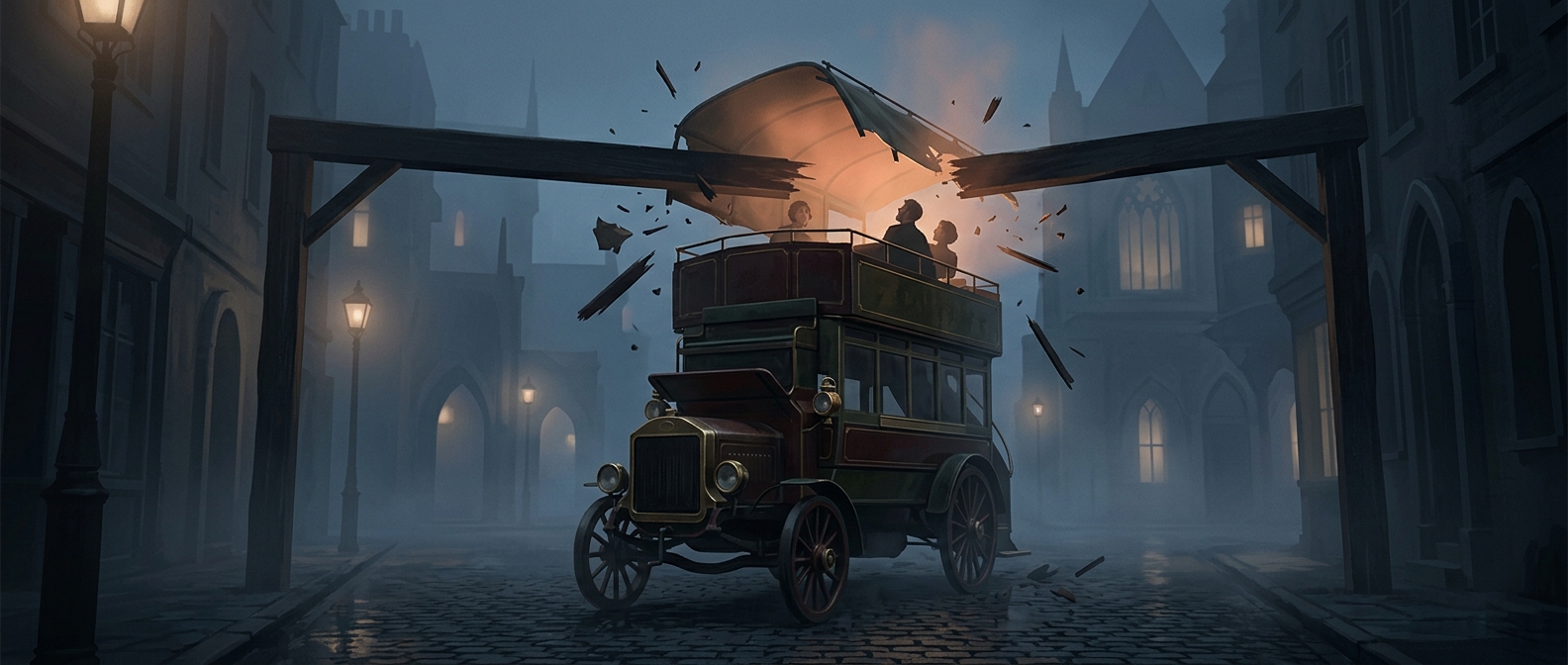
Open-top buses began as a practical workaround
An open upper deck gave early double-decker buses extra seats without the expense and weight of enclosing them. It was an efficient way to move a…
Discover more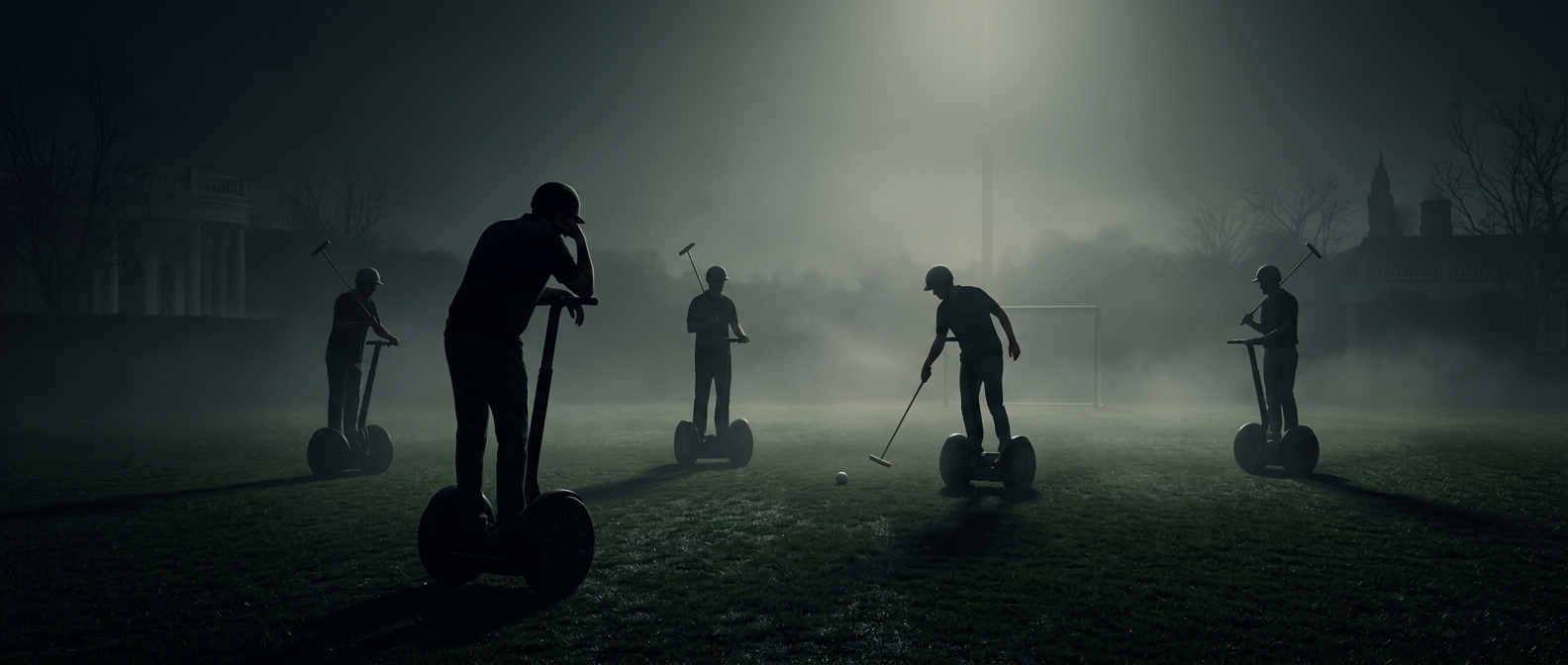
Polo played on Segways
A Segway polo player steers with the handlebar while swinging a mallet, balancing speed, direction, and a ball that refuses to stay put. It’s polo with a…
Discover more
The pogo stick turned a spring into a test of balance
Each landing compresses the spring; its rebound lifts the rider again. The difficult part is keeping that narrow support beneath your center of mass through…
Discover more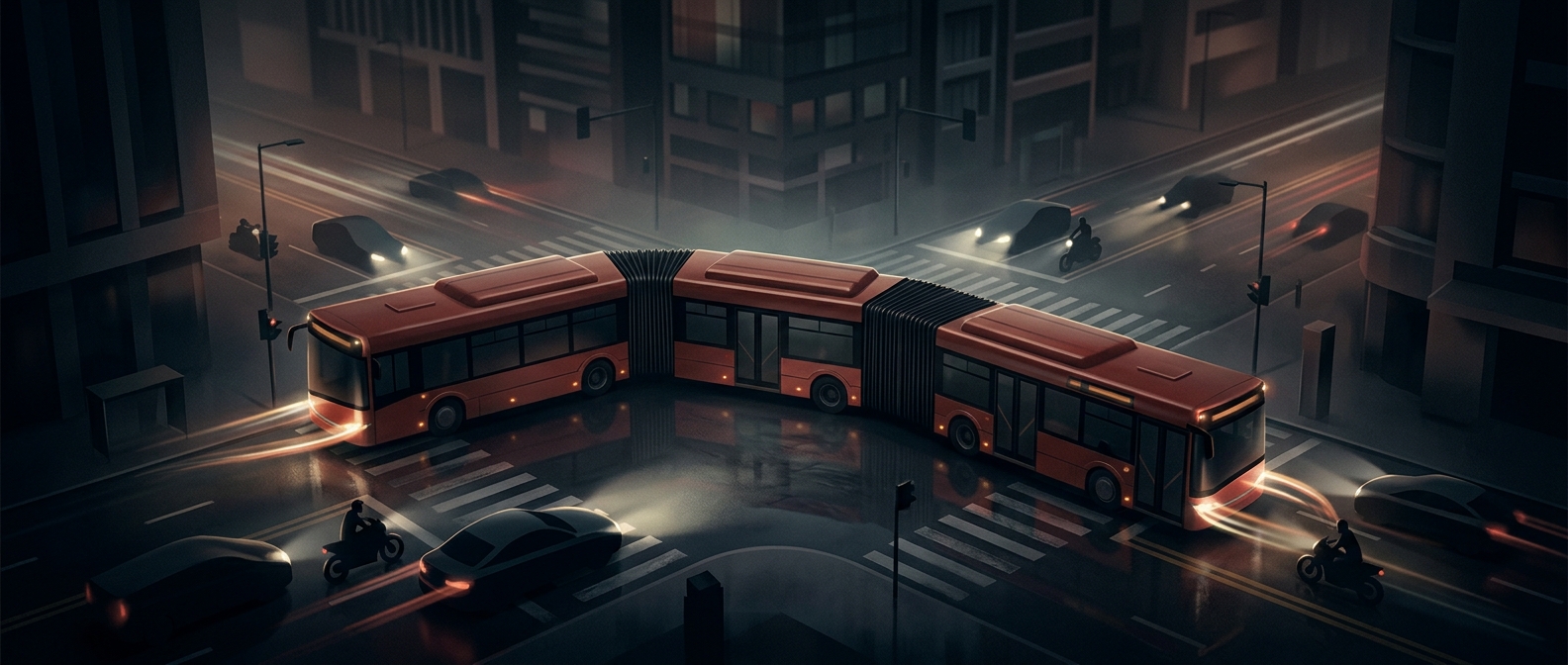
Bendy buses routinely block entire intersections
An articulated bus bends in the middle, but its long body still needs room to swing through a turn. The front clears the corner while the rear follows a wider…
Discover more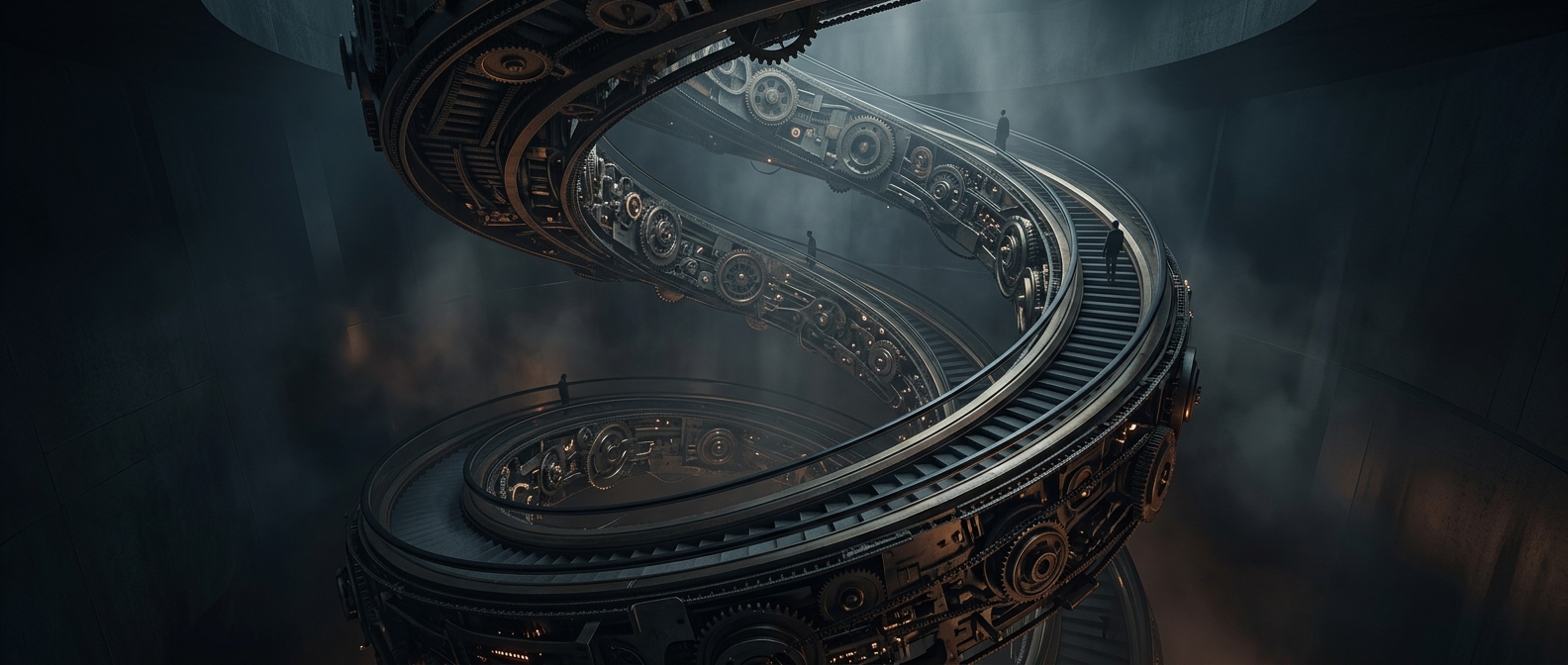
Why spiral escalators are so rare
Every step on a spiral escalator has to turn around a curve while staying level. That takes complicated tracks and carefully shaped steps, all for a ride that…
Discover more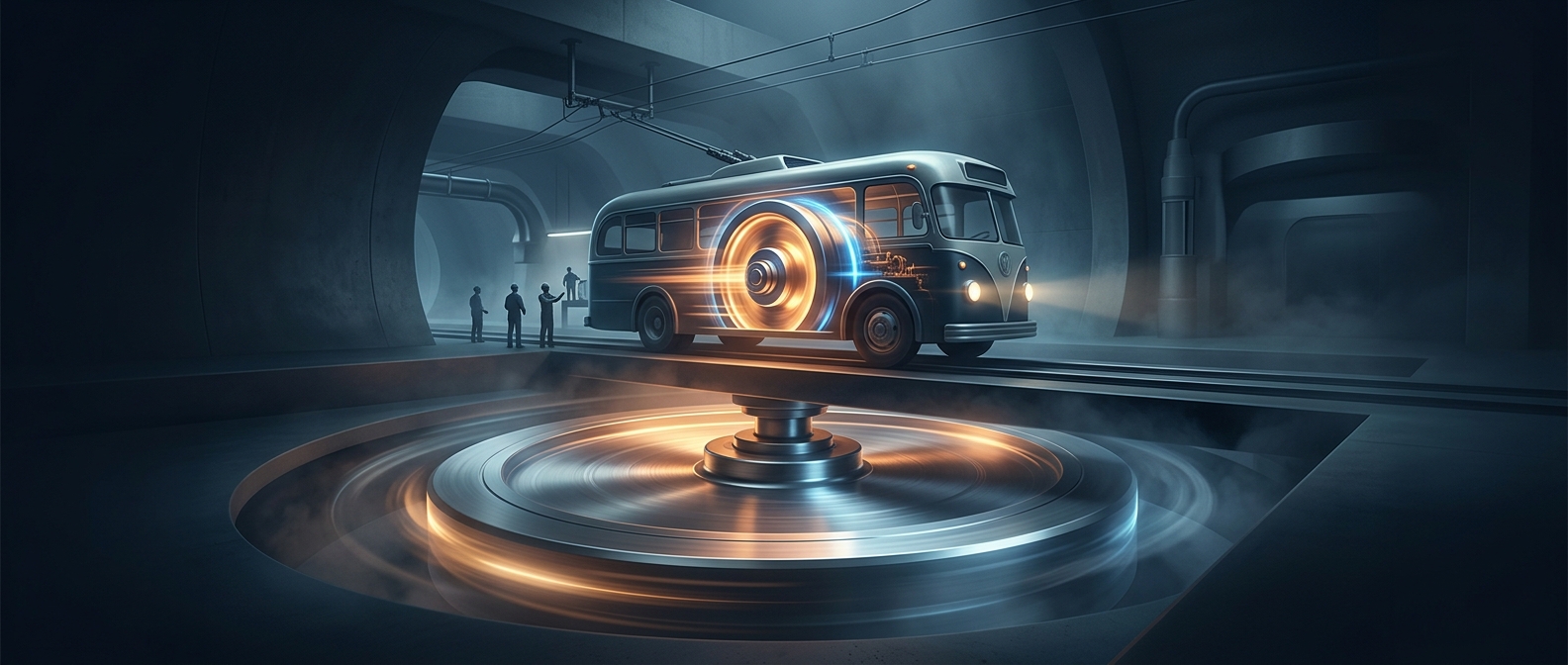
This bus recharged by spinning a 1.5-ton wheel
The 1950s gyrobus stored energy in a flywheel rather than a tank of fuel. Spun up to about 3,000 rpm, it supplied a generator for the electric drive and…
Discover more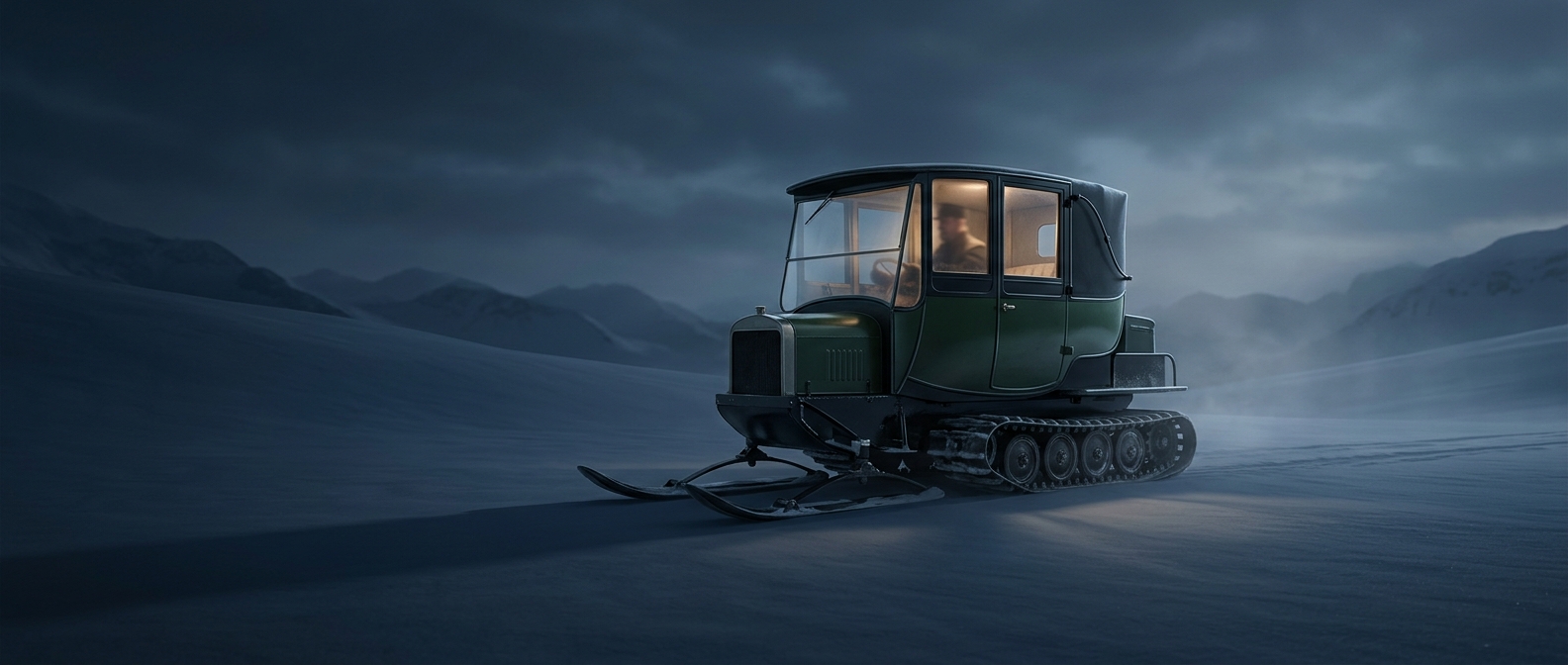
Snowmobiles once carried doctors through blizzards
Tracks spread a snowmobile’s weight across soft snow, while front skis steer over drifts. That let doctors reach isolated patients through terrain that turned…
Discover more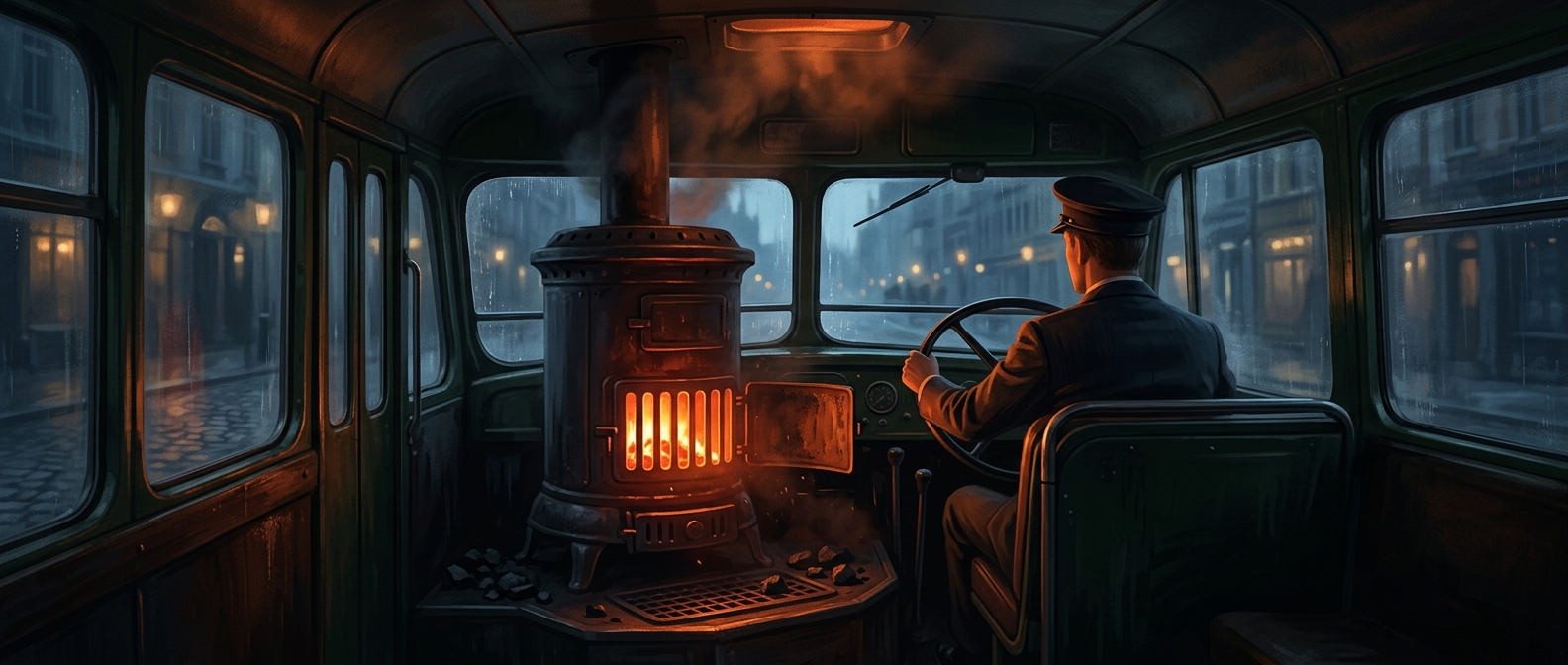
A bus can warm up before its engine starts
An independent fuel-burning heater warms the engine's coolant and passenger compartment before departure. Instead of waiting for a cold engine to produce…
Discover more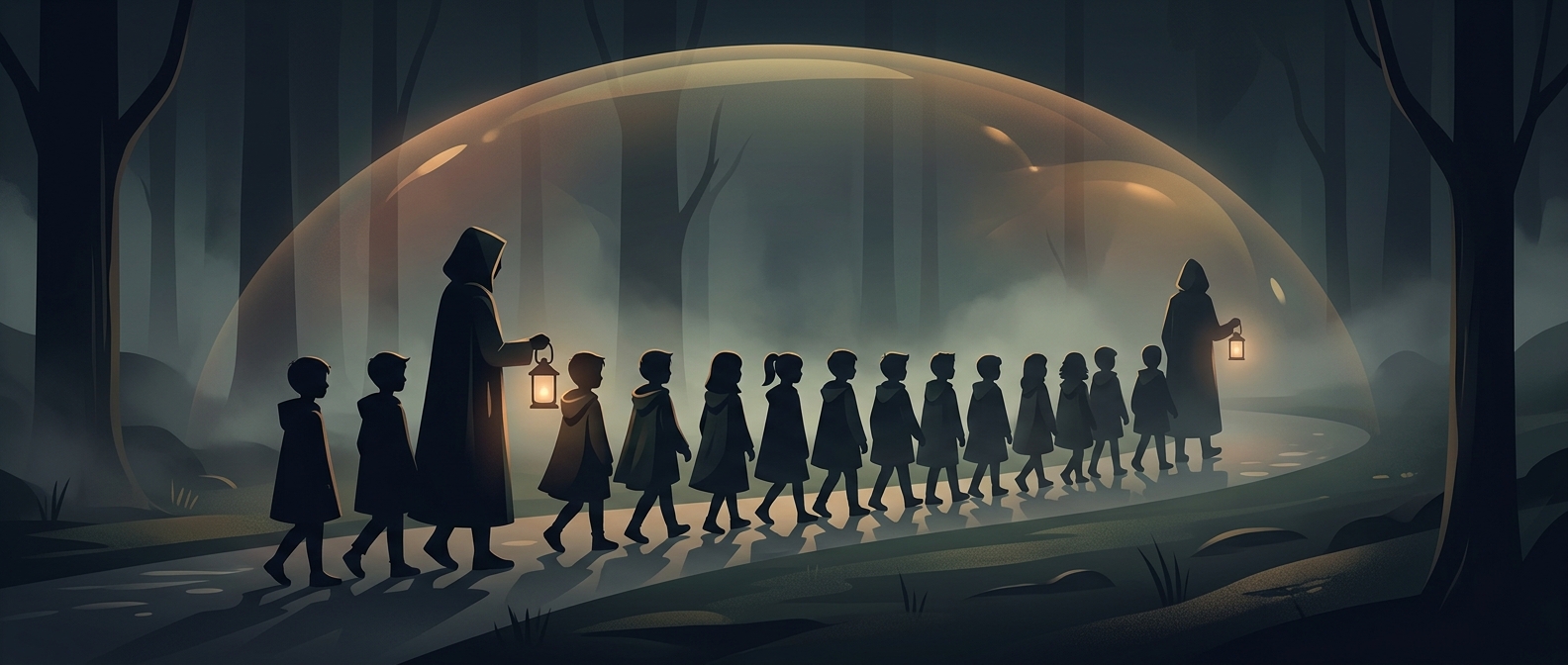
Chaperoned walking buses exist for children
Adults walk a set route, collecting children at planned stops and accompanying them to school. The group gets supervision and company, while the morning…
Discover more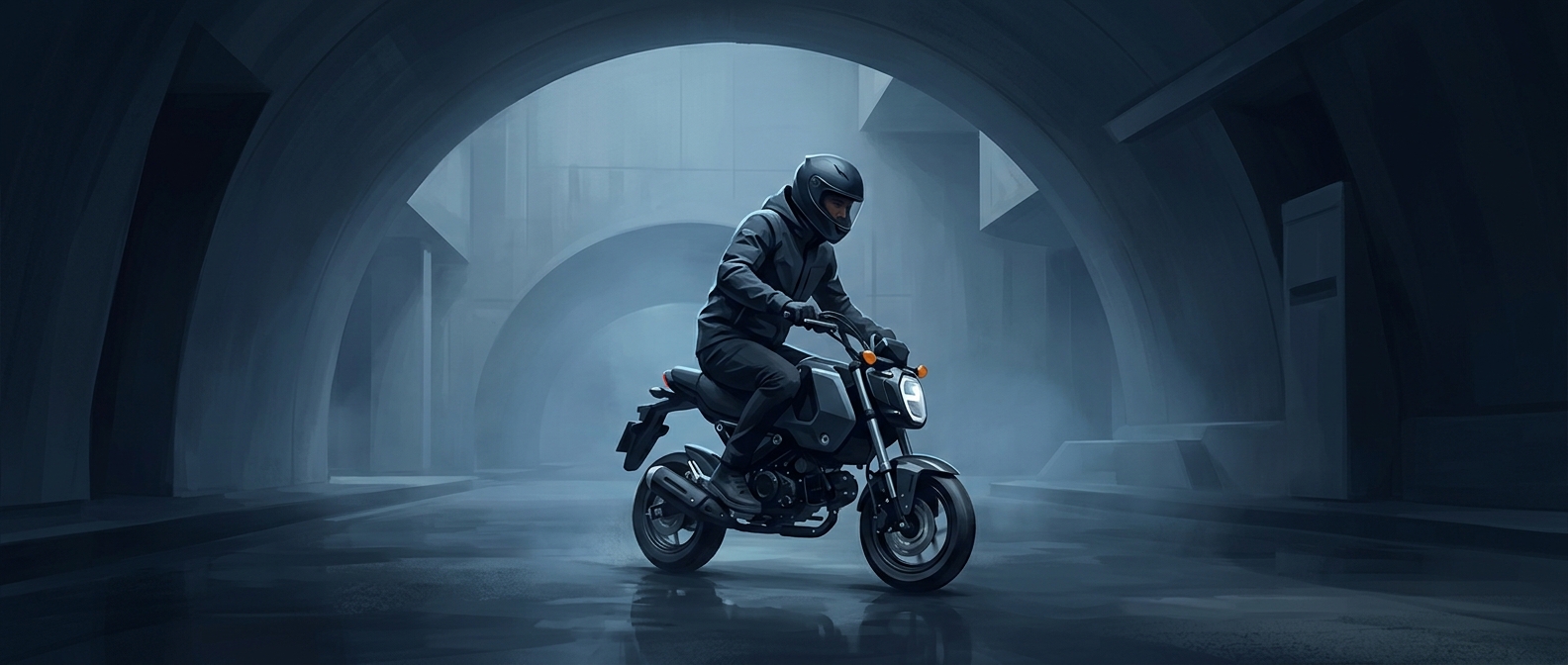
These tiny bikes are built for adults
These bikes pair adult-sized frames with small wheels, shrinking the space they take up in a crowded city or hallway. The trade-off is that potholes feel…
Discover more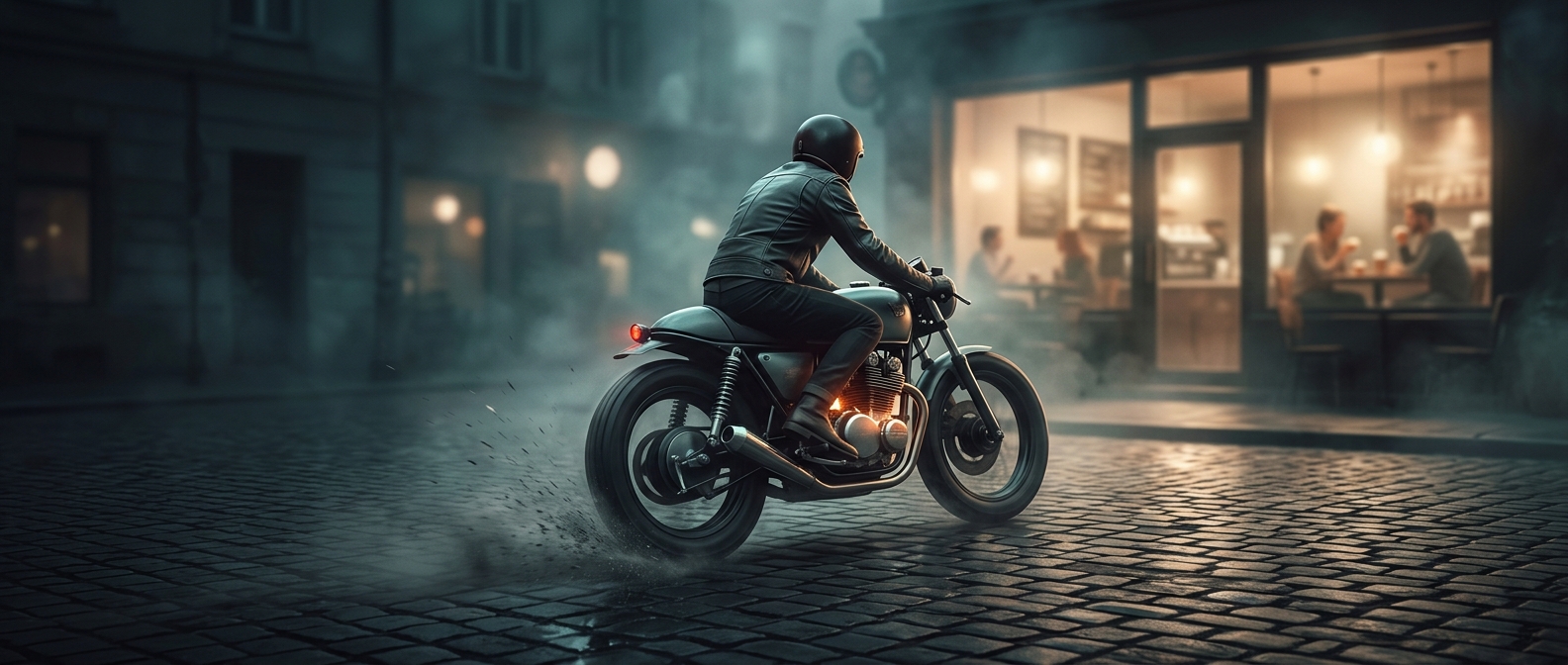
Cafe-racer folklore used a jukebox as a stopwatch
The famous story has riders racing to a landmark and back before a record finished. It captures the stripped-down speed culture around British motorcycle…
Discover more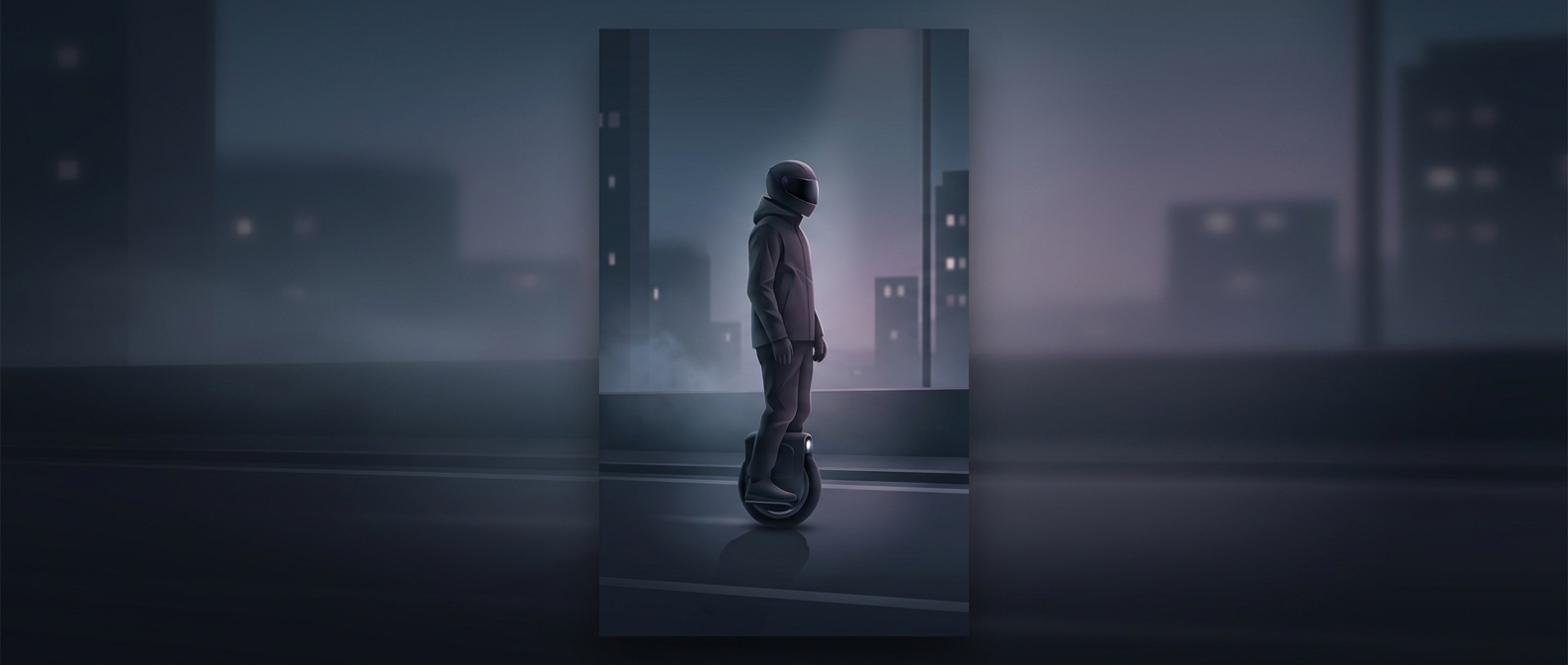
Electric unicycles make riders look like statues
The rider leans forward, the wheel rolls to keep up, and onboard sensors keep correcting the balance. From the sidewalk it looks like a person gliding without…
Discover more