Travel
Discover facts about travel. Small discoveries that change the way you see familiar things.
Travel

A gift may stay wrapped when you hand it over in India
In some Indian households, a recipient waits until later to open a present rather than inspecting it in front of the giver. The custom keeps attention on the…
Discover more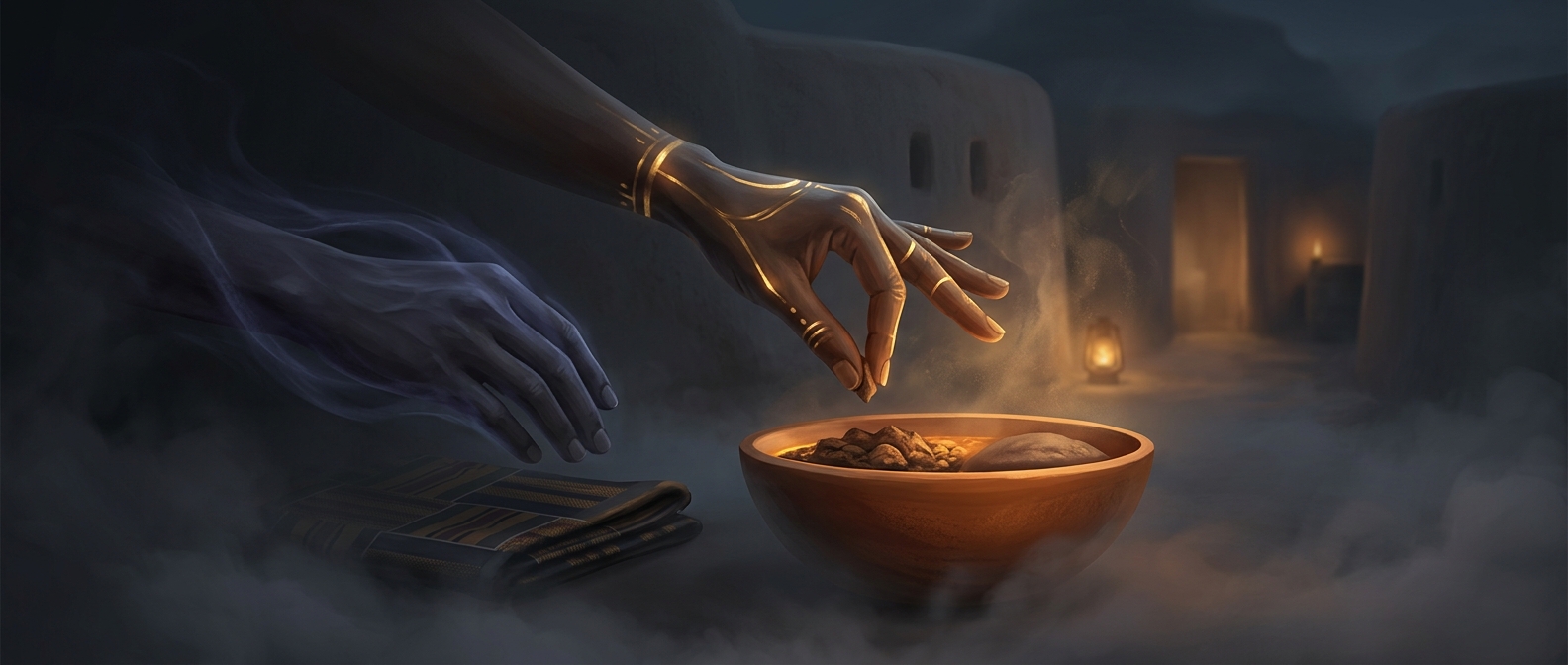
In Ghana, your left hand isn't for eating
The custom treats the left hand as unclean because it is used for toilet duties, so using it to eat, pass items, or gesture can be considered offensive.
Discover more
Bagged milk needs a pitcher before it needs a glass
In parts of Canada, milk is sold in flexible pouches rather than a single rigid carton. A pouch goes inside a reusable pitcher, and a snipped corner becomes…
Discover more
In Colombia, cheese goes into hot chocolate
In Colombia, people drop hunks of cheese into hot chocolate, where they melt into a gooey, salty-sweet treat.
Discover more
Why American drinks come with so much ice
US restaurants often fill glasses with ice, leaving less room for the drink and surprising visitors who aren't used to so much ice.
Discover more
Why Thai nicknames include Golf and Shrimp
Thai children may receive nicknames like “Golf,” “Bank,” or “Shrimp” to confuse malicious spirits, and keep using them as adults—even at work.
Discover more STACKY FOR IPHONE
A bigger world.
One discovery
at a time.
Keep discovering with Stacky. Interesting facts in an app that is always within reach.

The Indian head gesture that means more than yes
The side-to-side head bobble can signal agreement, understanding or uncertainty; its meaning depends on context.
Discover more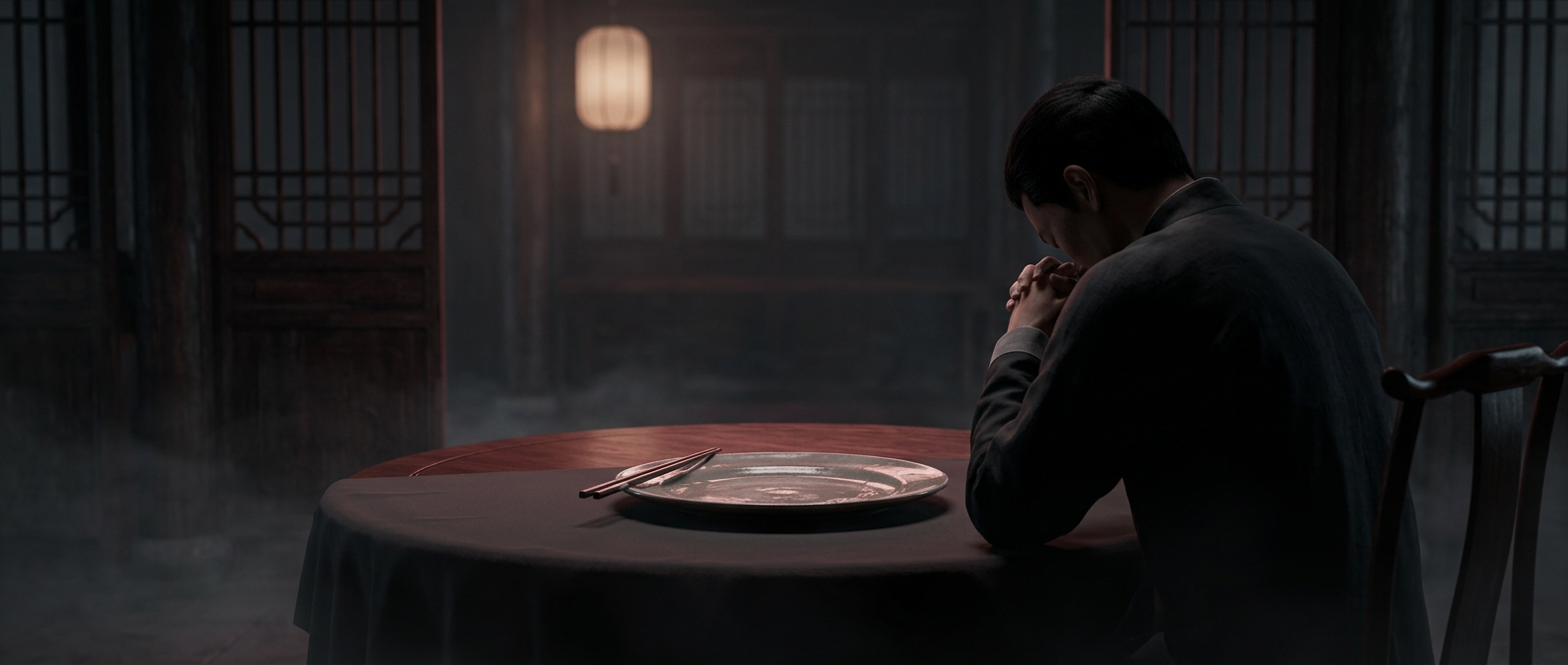
Why an empty plate can insult your host in China
In some Chinese dining settings, finishing every bite can suggest that the host did not serve enough food. Guests may leave some behind to show they were…
Discover more
Why pointing your feet can offend in Thailand
Because soles are considered dirty both literally and spiritually, showing them to another person or a religious icon is deeply disrespectful.
Discover more
In South Korea, men get Valentine's Day off
Women give men chocolates on February 14; men return the favor on White Day, a month later.
Discover more
Why giving a clock can be taboo in China
In Chinese, the phrase for giving someone a clock sounds like the phrase for attending a funeral, making a timepiece an ominous gift.
Discover more
Why some Chinese hosts expect you to refuse a gift
In some Chinese gift-giving settings, a host may expect you to decline a present several times before accepting it—a ritual of modesty rather than a genuine…
Discover more
Why Chicagoans reject ketchup on hot dogs
Chicago-style hot dogs traditionally get mustard, relish, and celery salt—not ketchup. Many locals see the sweet condiment as a break with the classic version.
Discover more
Costa Rica has a two-word reply for half a conversation
Pura vida literally means pure life, but its everyday jobs include hello, goodbye, and saying things are going well. The phrase works less like a literal…
Discover more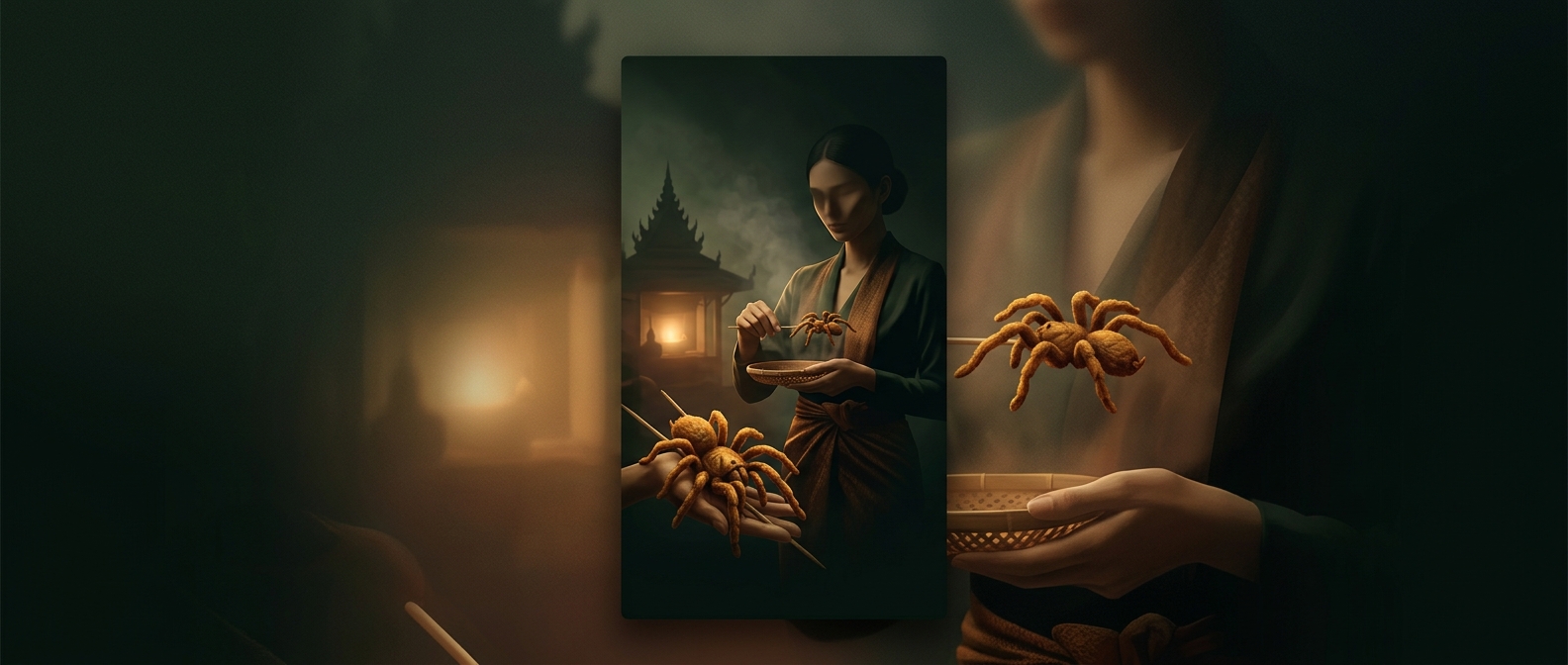
In Cambodia, tarantulas are a crunchy snack
In Cambodia, tarantulas are seasoned with garlic and salt, then deep-fried until crisp. They’re said to taste a bit like crab.
Discover more
The straw in a shared mate is not meant to be stirred
The person preparing the drink arranges the yerba and positions the filtered metal straw, or bombilla. Moving it can disturb that arrangement and bring fine…
Discover more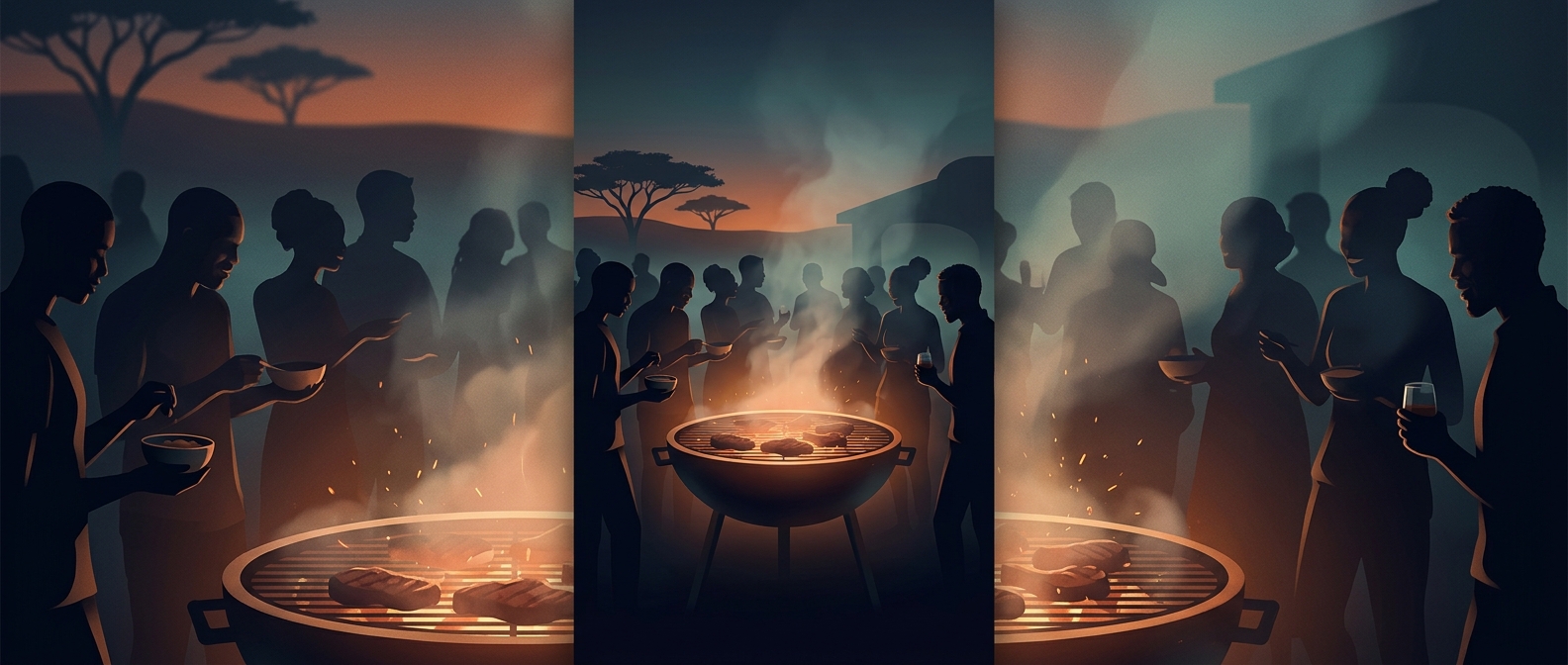
Why a South African braai isn't just a barbecue
A braai is an hours-long social ritual centered on grilled meat over a wood fire; for many, using gas instead of coals misses the point.
Discover more
Zambia's giant mushrooms belong to a termite farming system
Termitomyces fungi live in partnership with fungus-growing termites, which supply plant material to their underground gardens. Some produce enormous mushrooms…
Discover more
Plain rice is part of the flavor balance in a Japanese meal
Seasoned dishes and plain rice are commonly eaten together, so the rice provides a mild contrast rather than needing its own layer of sauce. Pouring soy sauce…
Discover more
Why crossing your fingers can offend in Vietnam
In Vietnam, crossed fingers can be an offensive gesture because they represent female anatomy rather than a wish for good luck.
Discover more
Why spitting can be a blessing among the Maasai
Among the Maasai, spitting can express respect or offer a blessing. People may spit on their hands before greeting someone or onto a newborn to wish the baby…
Discover more
Why some Southerners put peanuts in Coca-Cola
In a Southern tradition, roasted peanuts go right into Coca-Cola, pairing their salty crunch with the fizzy drink in one gulp.
Discover more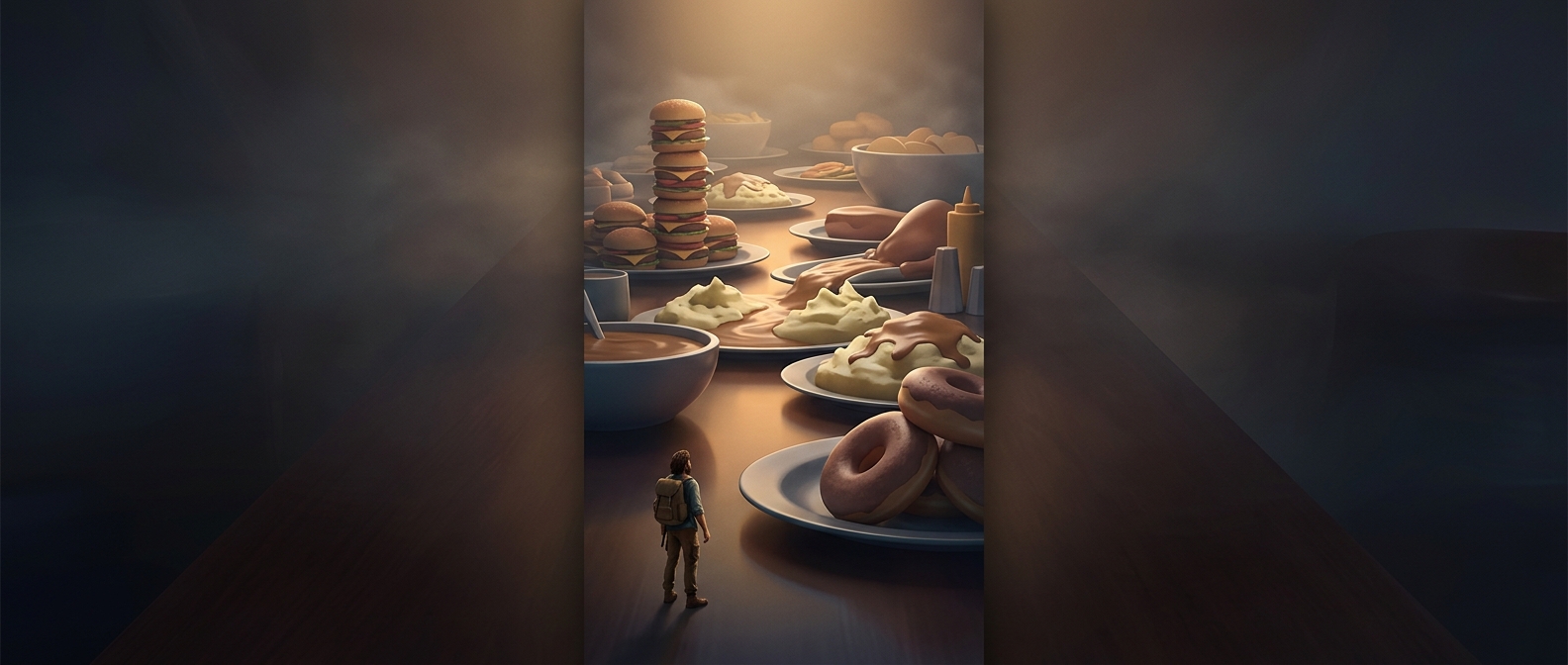
American portions can equal three meals elsewhere
Some standard U.S. portions can equal three meals elsewhere, leaving diners stuffed.
Discover more
Why Nigerians call and hang up
“Flashing” means calling and hanging up before the other person answers, signaling “call me back” so they pay for the conversation. It helps keep mobile bills…
Discover more