Travel
Discover facts about travel. Small discoveries that change the way you see familiar things.
Travel
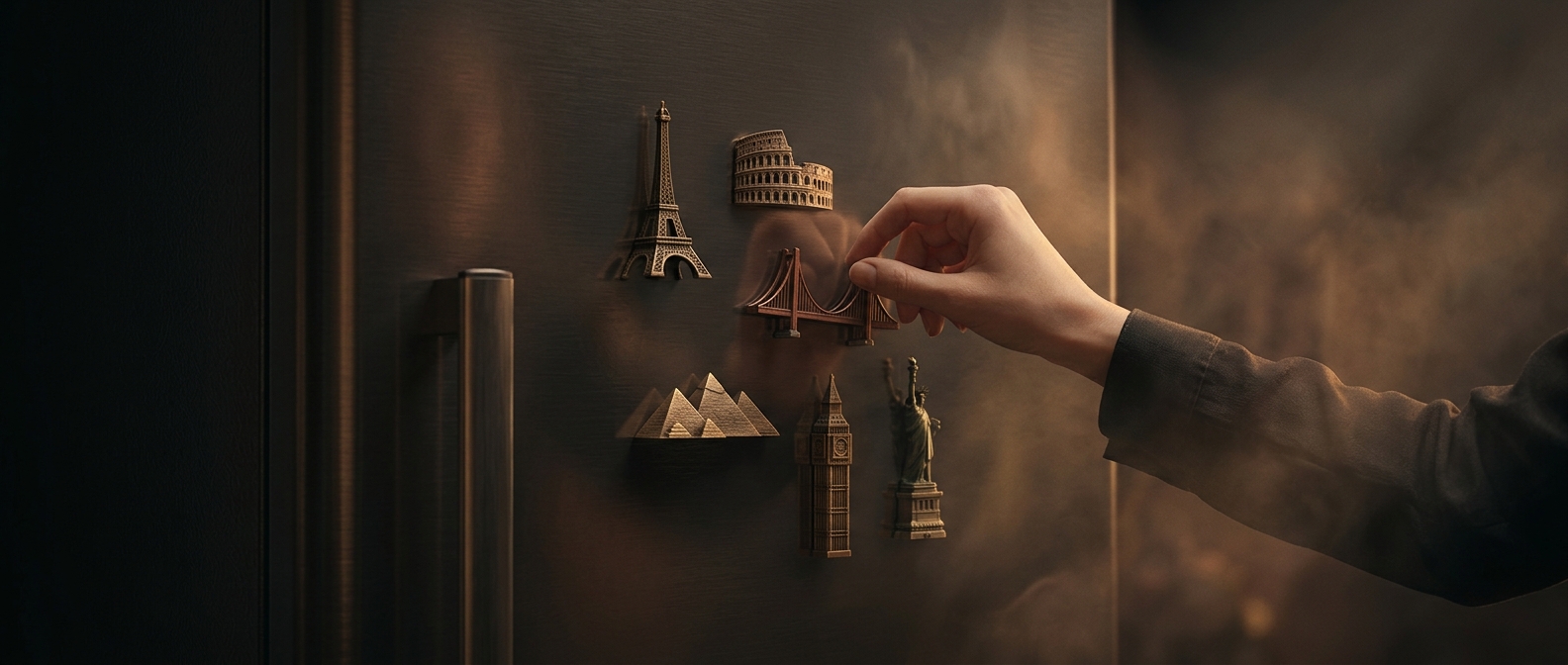
Fridge magnets became popular due to their tiny footprints
Souvenir makers shifted from decorative plates to small, inexpensive magnets that fit in a pocket and stick to refrigerators.
Discover more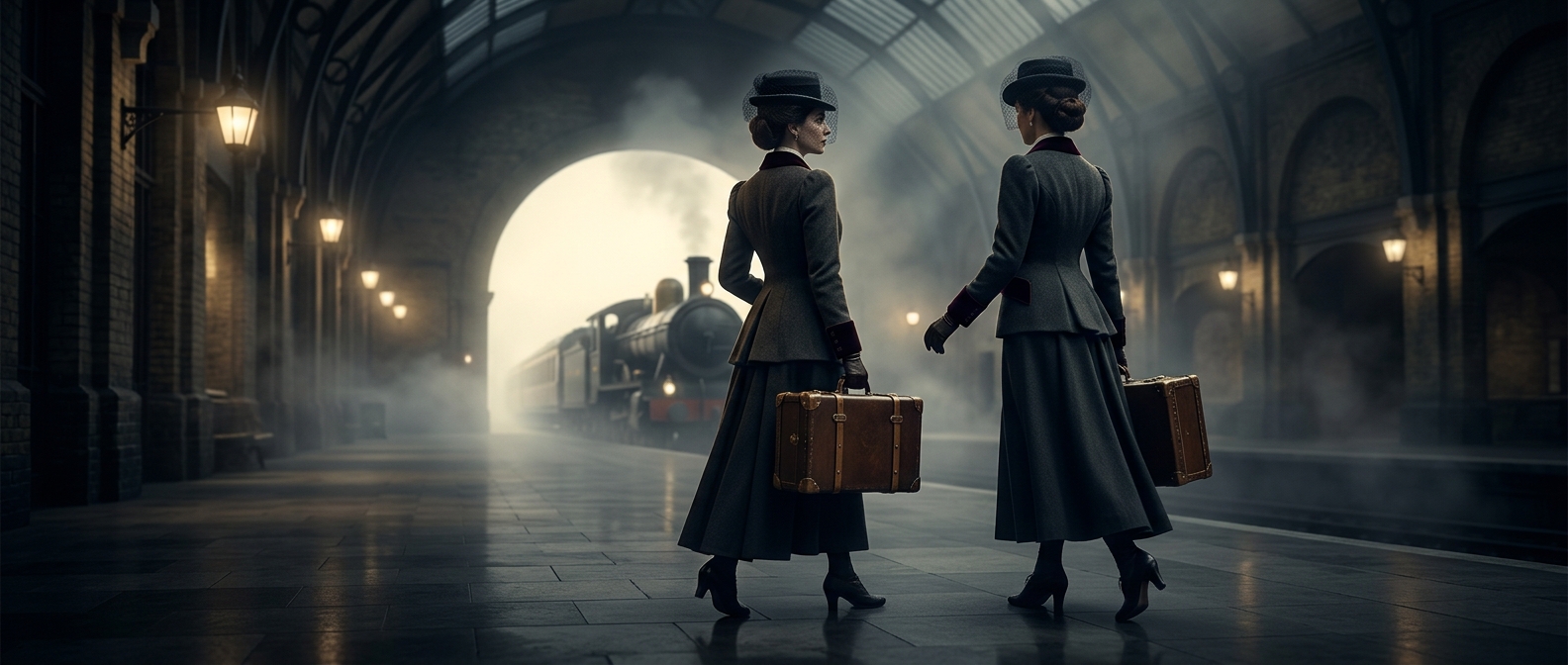
Early airline luxury extended to what passengers wore
In the era when air travel was an expensive occasion, publicity often showed passengers in suits, ties, and carefully chosen dresses. The cabin belonged to…
Discover more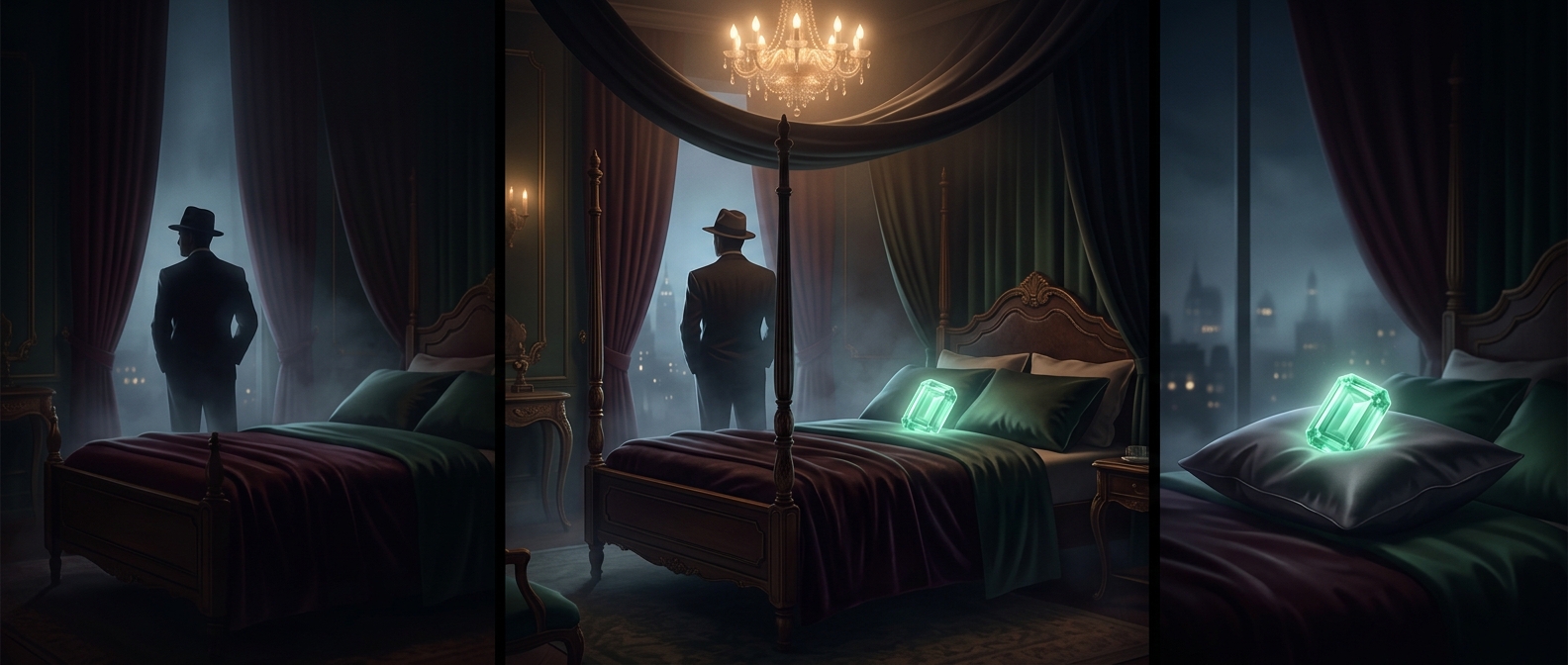
Why hotels leave mints on your pillow
The tradition is said to trace back to a Hollywood actor who left chocolates leading to a hotel bed; hotel managers copied the romantic gesture with a single…
Discover more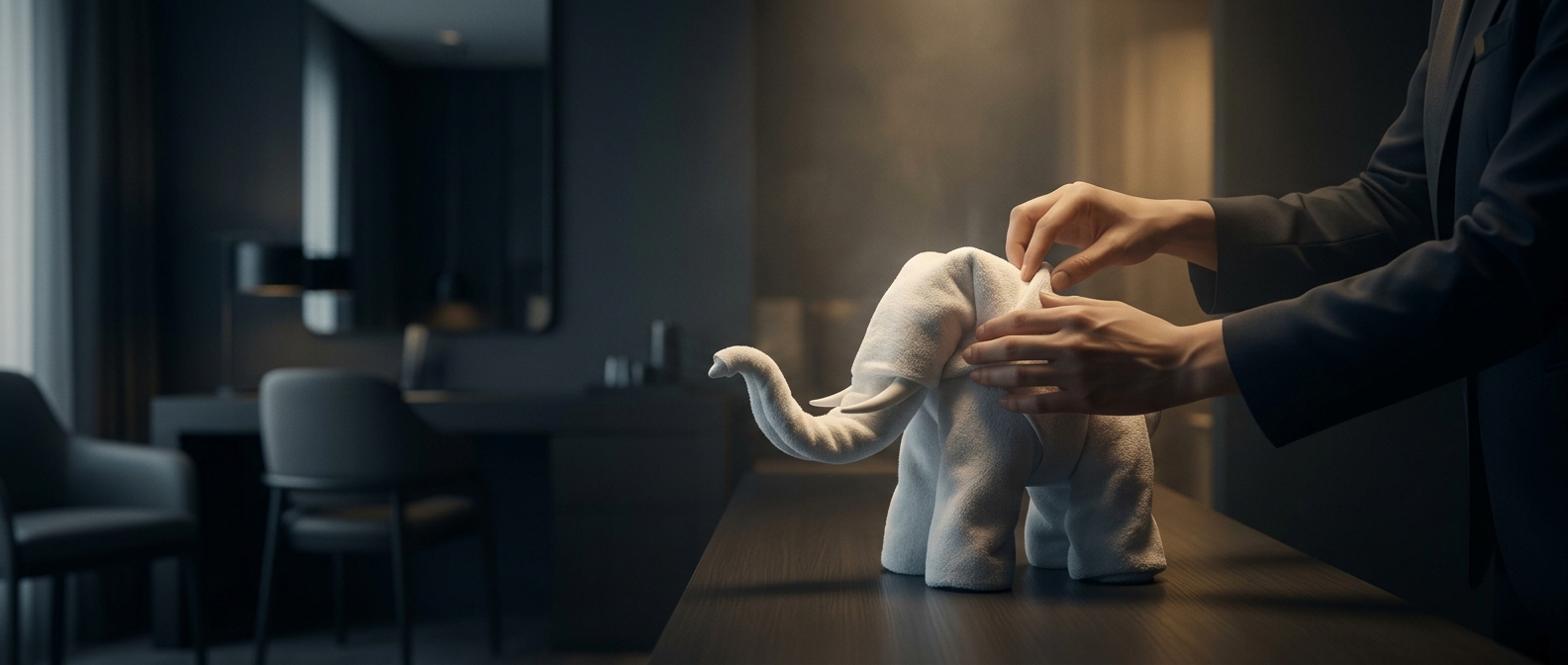
Folding towels into animals is a strict hospitality art
Housekeepers are trained in precise towel-folding techniques, including exactly how many folds it takes to turn a terrycloth towel into a swan.
Discover more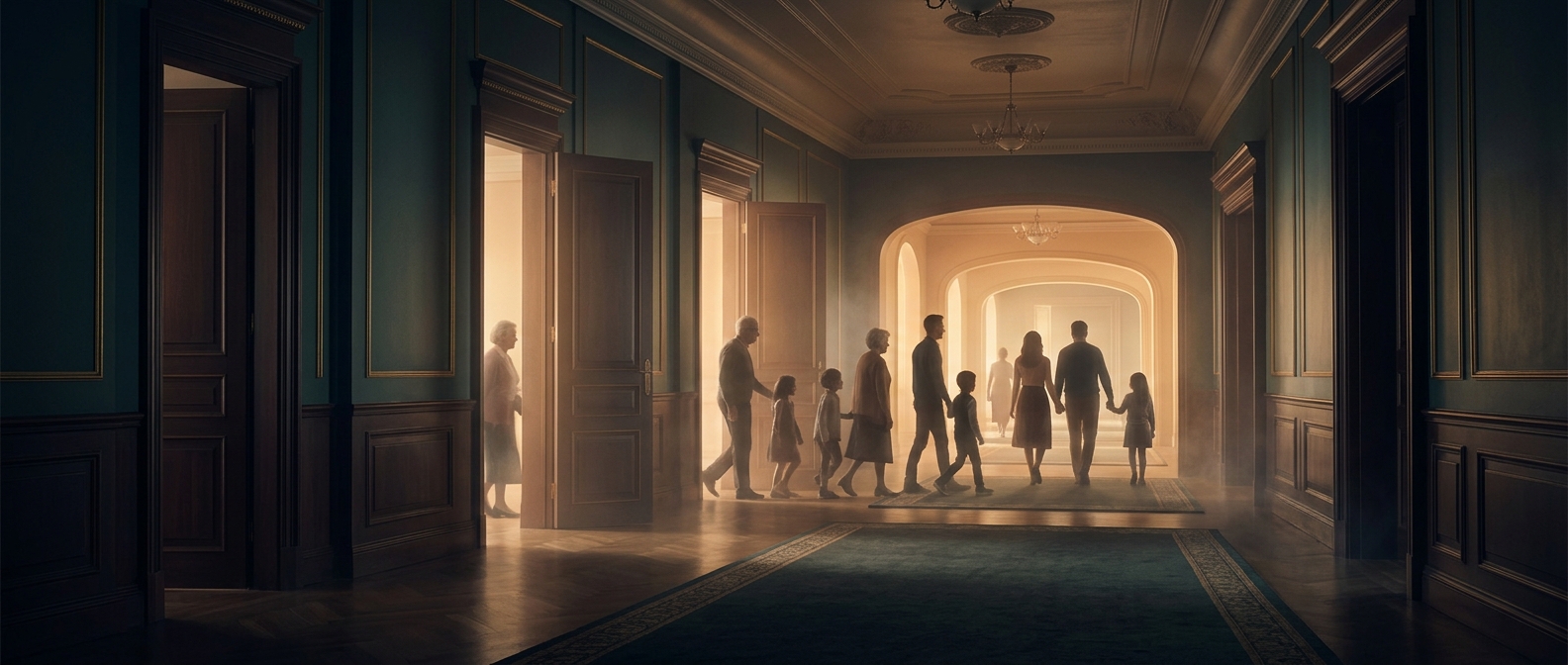
Connecting hotel rooms were built for massive families
The lockable doors let large families, sometimes traveling with six children and a nanny, use adjoining rooms without being separated by a hallway.
Discover more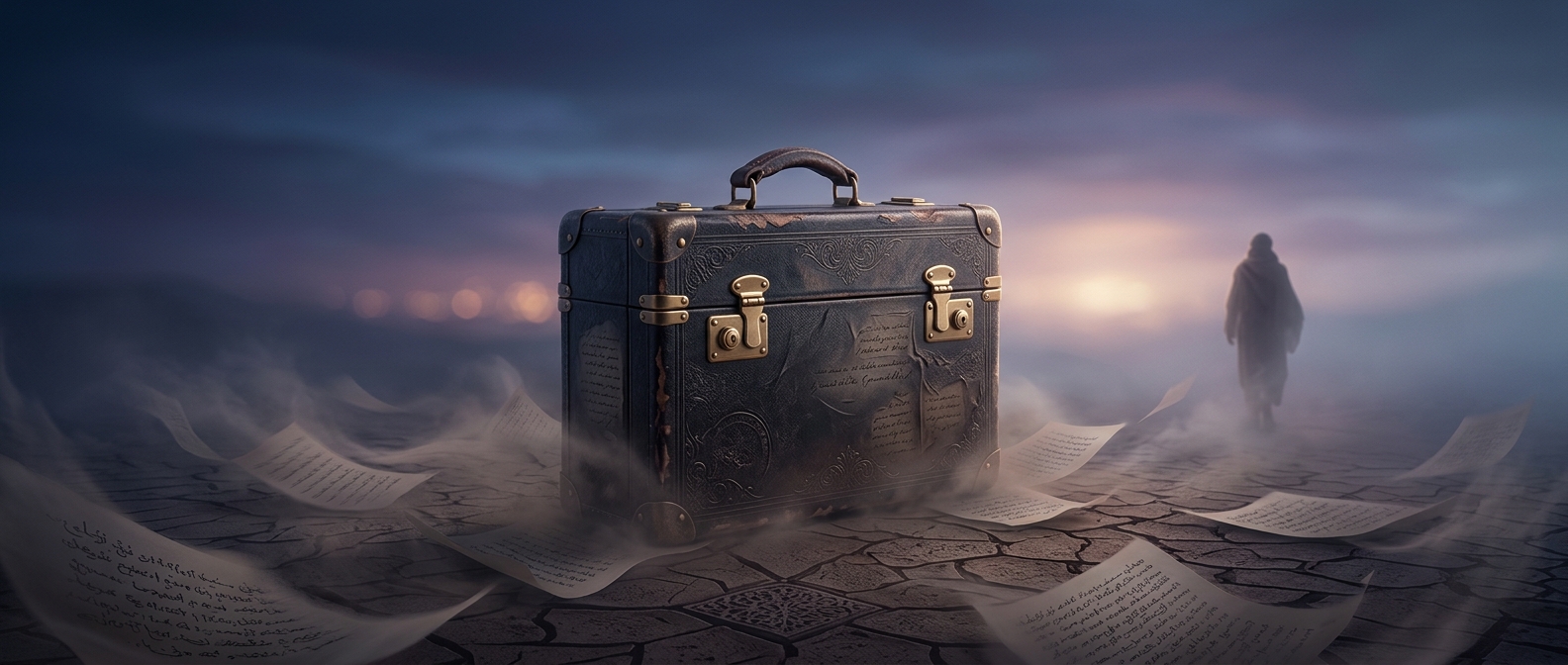
Early rigid suitcases were built from treated paper
Vulcanized fiberboard was made from layers of chemically treated paper, pressed into a hard, durable material. Those rigid vintage suitcases were essentially…
Discover more STACKY FOR IPHONE
A bigger world.
One discovery
at a time.
Keep discovering with Stacky. Interesting facts in an app that is always within reach.
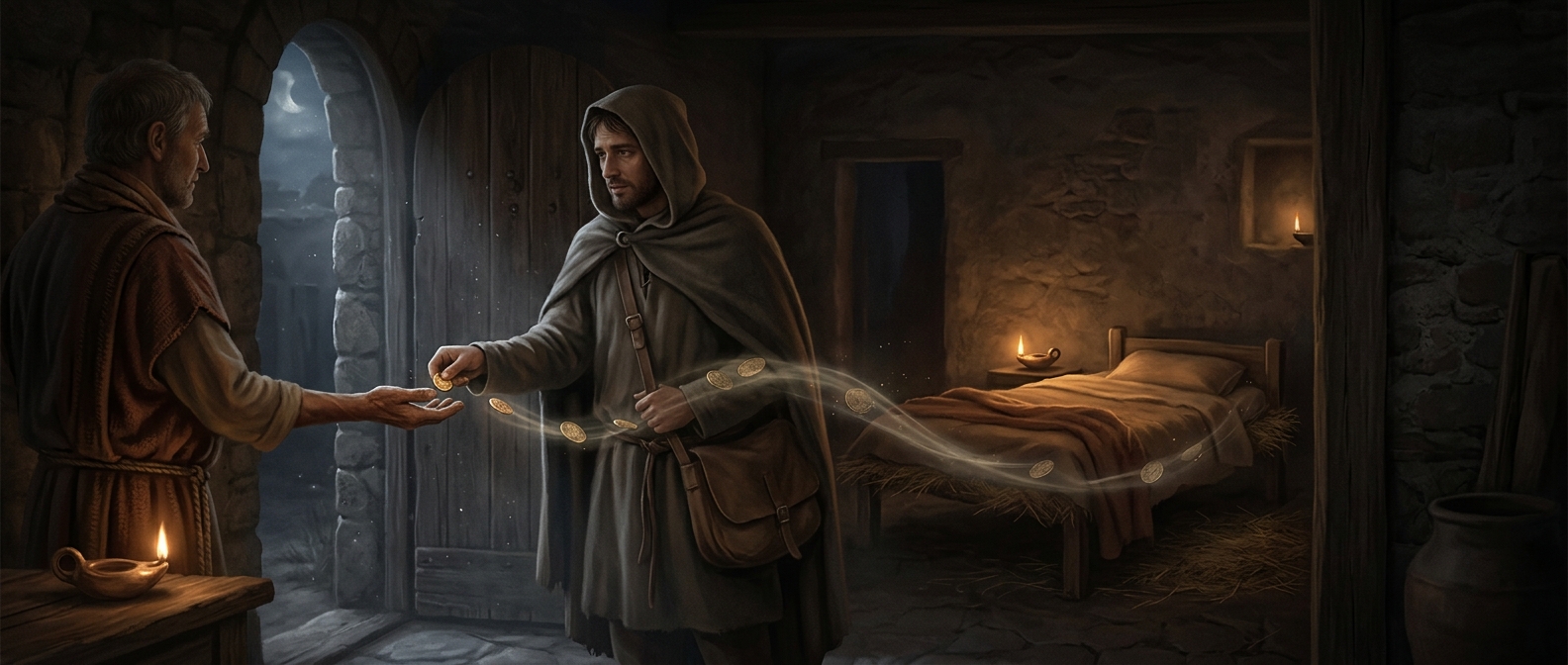
Paying to sleep in private homes predates modern hotels
Before modern hotels, travelers could pay families to stay in spare rooms—an arrangement that resembles today's bed-and-breakfasts.
Discover more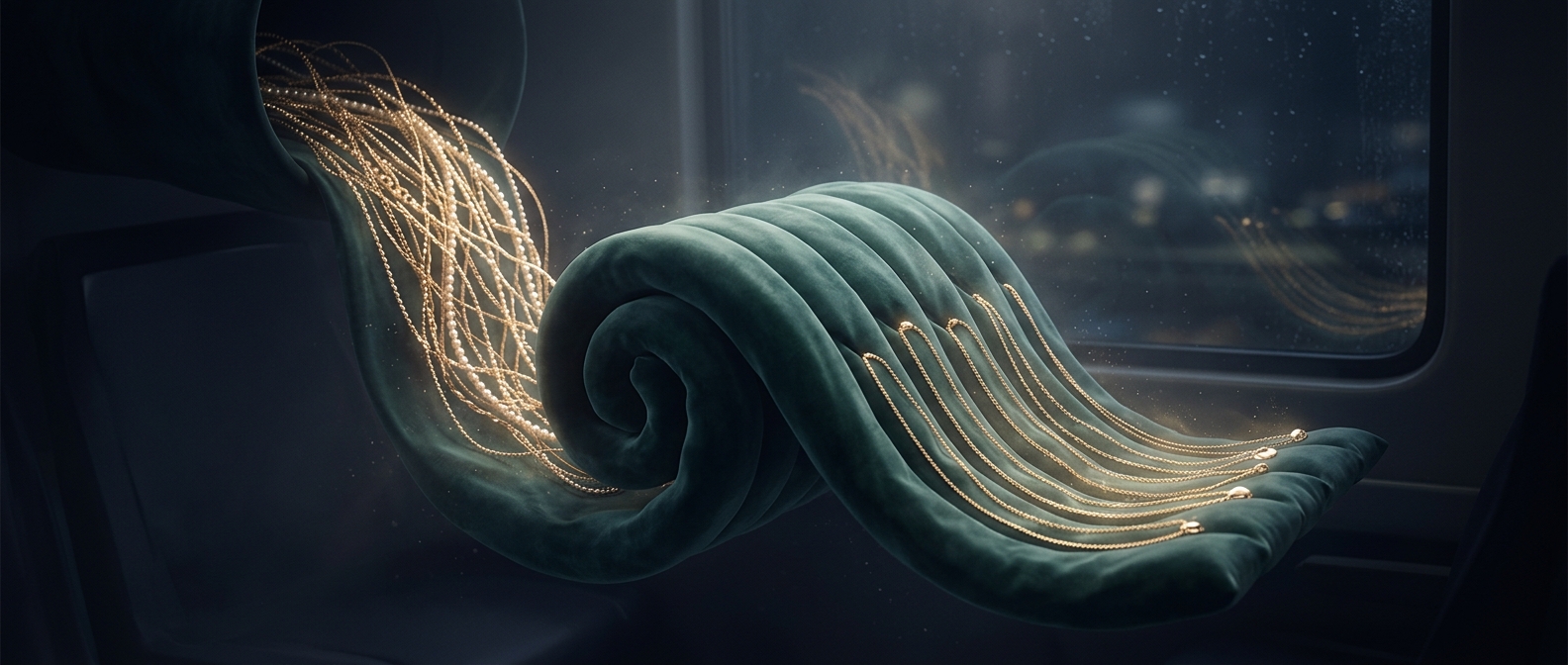
Soft fabric rolls keep necklaces from tangling in transit
The roll holds each necklace flat and in place, so it’s less likely to become a tangled knot in your luggage.
Discover more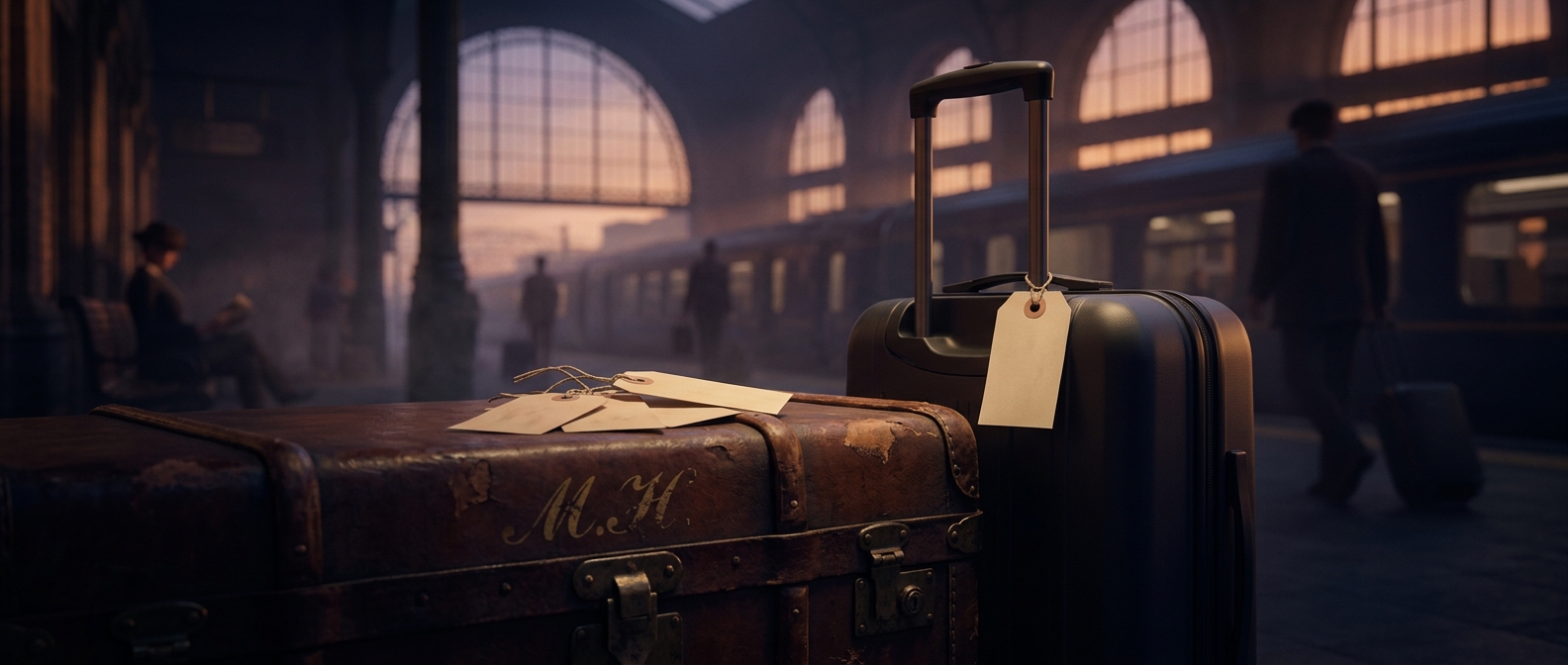
Paper luggage tags replaced hand painted monograms
As more people began traveling, paper loops offered a cheap way to distinguish otherwise similar trunks.
Discover more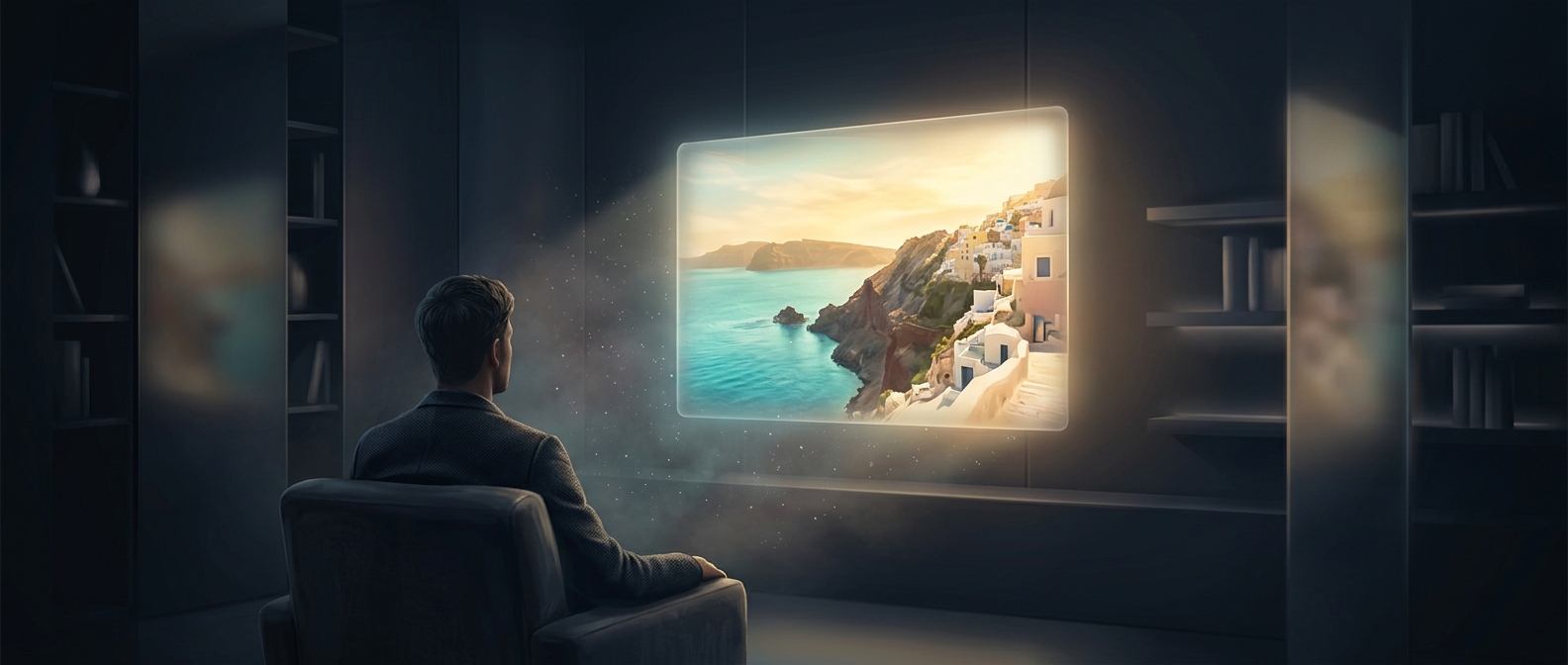
Armchair travel let readers explore before the trip was possible
Travel accounts and images bring distant places into the home, letting someone imagine a journey they may never take. The reader gets selected sights and…
Discover more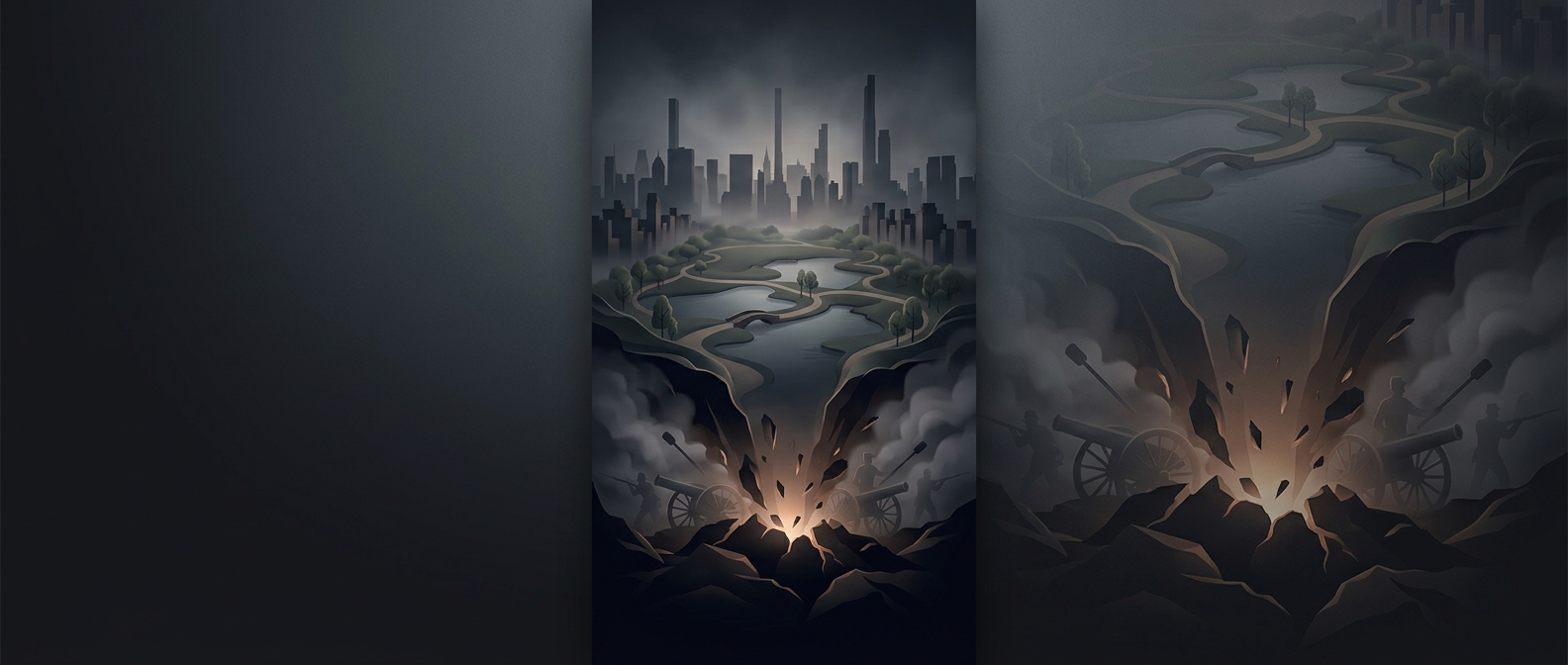
Central Park took explosives to create
Designers blasted bedrock with more gunpowder than was fired at Gettysburg, imported millions of cubic yards of topsoil, and displaced thousands of residents.
Discover more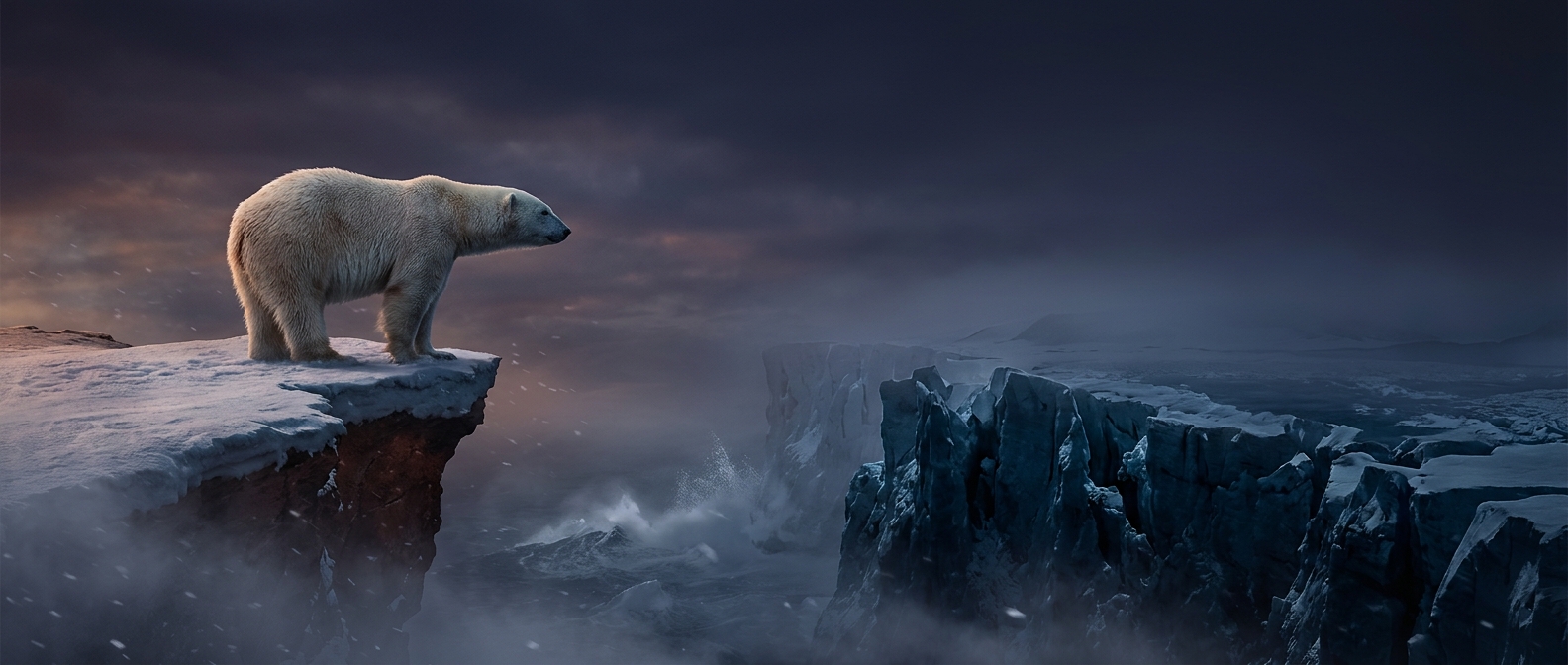
Antarctica has the cold, but not the polar bears
Polar bears evolved in the north and hunt from sea ice. Cold habitat at the other pole was never connected to them by an ice-covered route across the oceans.…
Discover more
One Times Square made its outer walls the main attraction
For years, the building earned its reputation as an advertising powerhouse while much of its interior was little used. The valuable asset was exposure to the…
Discover more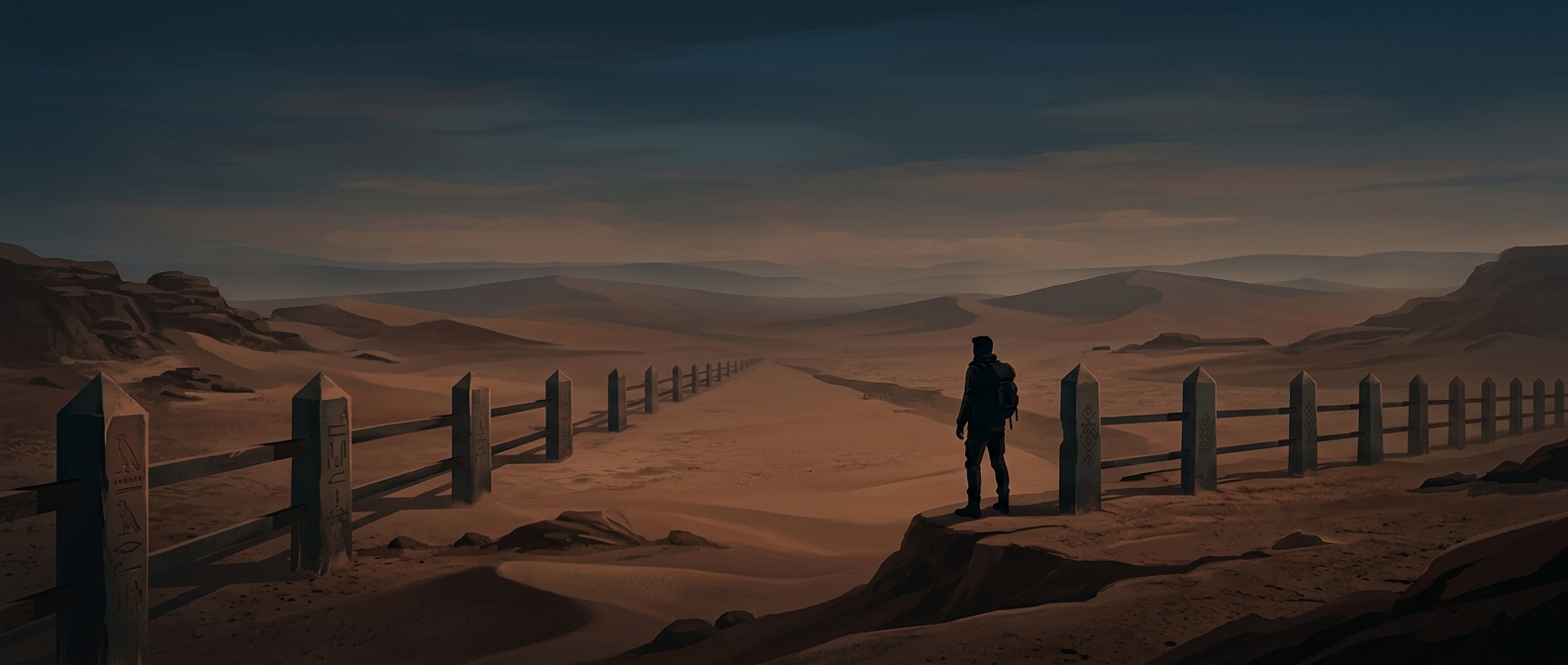
The desert caught between two unwanted border claims
Bir Tawil lies between Egypt and Sudan. Each country's preferred border gives it the more valuable Hala'ib area while leaving Bir Tawil to the other side.…
Discover more
A male platypus carries a venom-delivering spur on each hind ankle
The spur connects to a gland, with venom production associated especially with the breeding season. A strike can cause severe, lasting pain in humans. The…
Discover more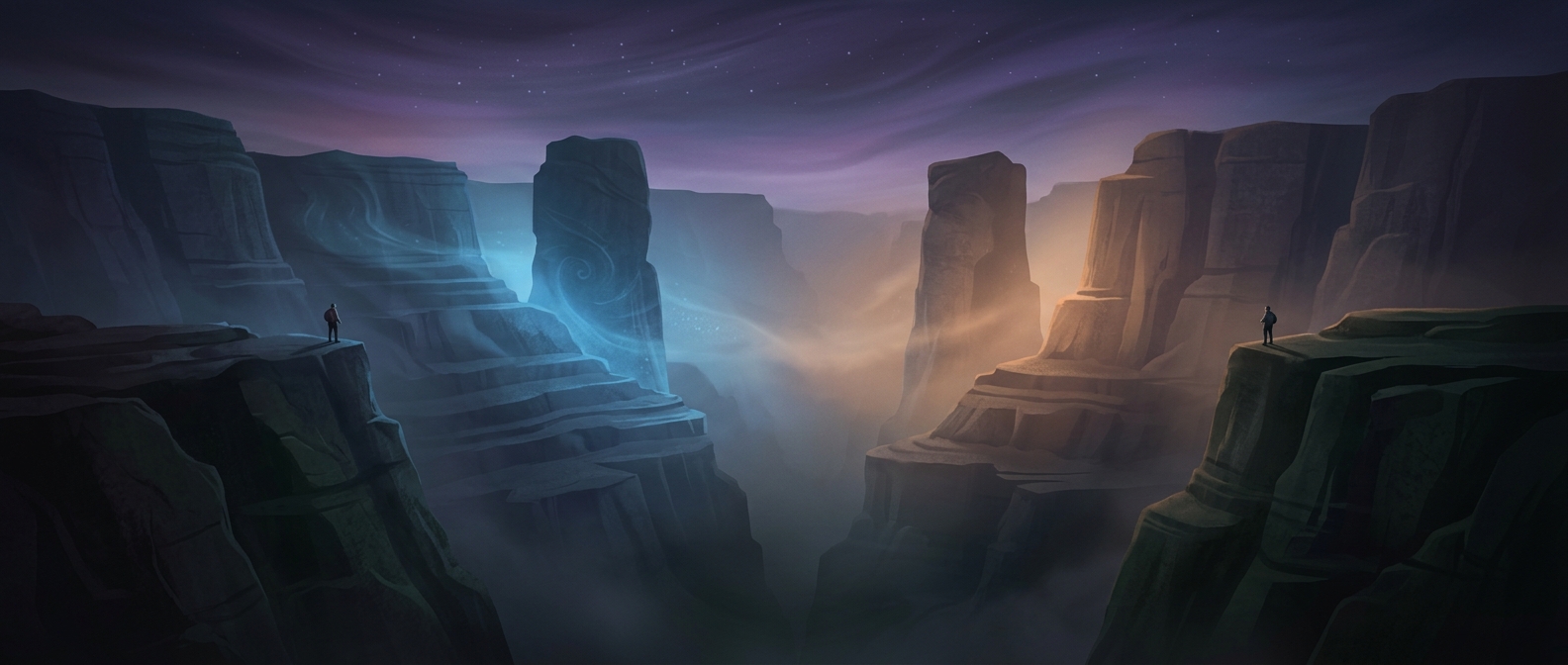
The Grand Canyon is much younger than the rocks it exposes
Some rock near its bottom is close to two billion years old, while the familiar canyon landscape largely developed over the past five or six million years.…
Discover more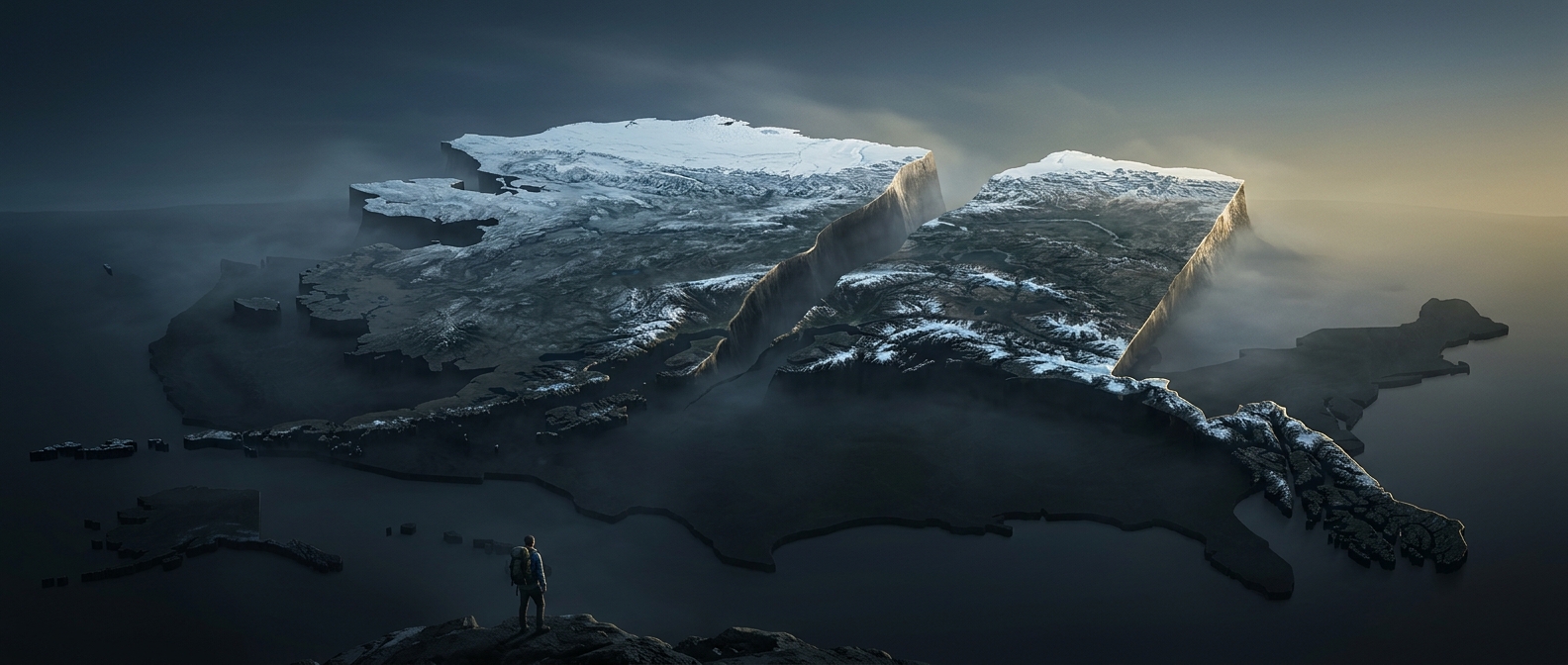
Cut Alaska in half and both pieces beat Texas
Alaska is more than twice the size of Texas, so even if divided in half, each piece would still be larger than Texas.
Discover more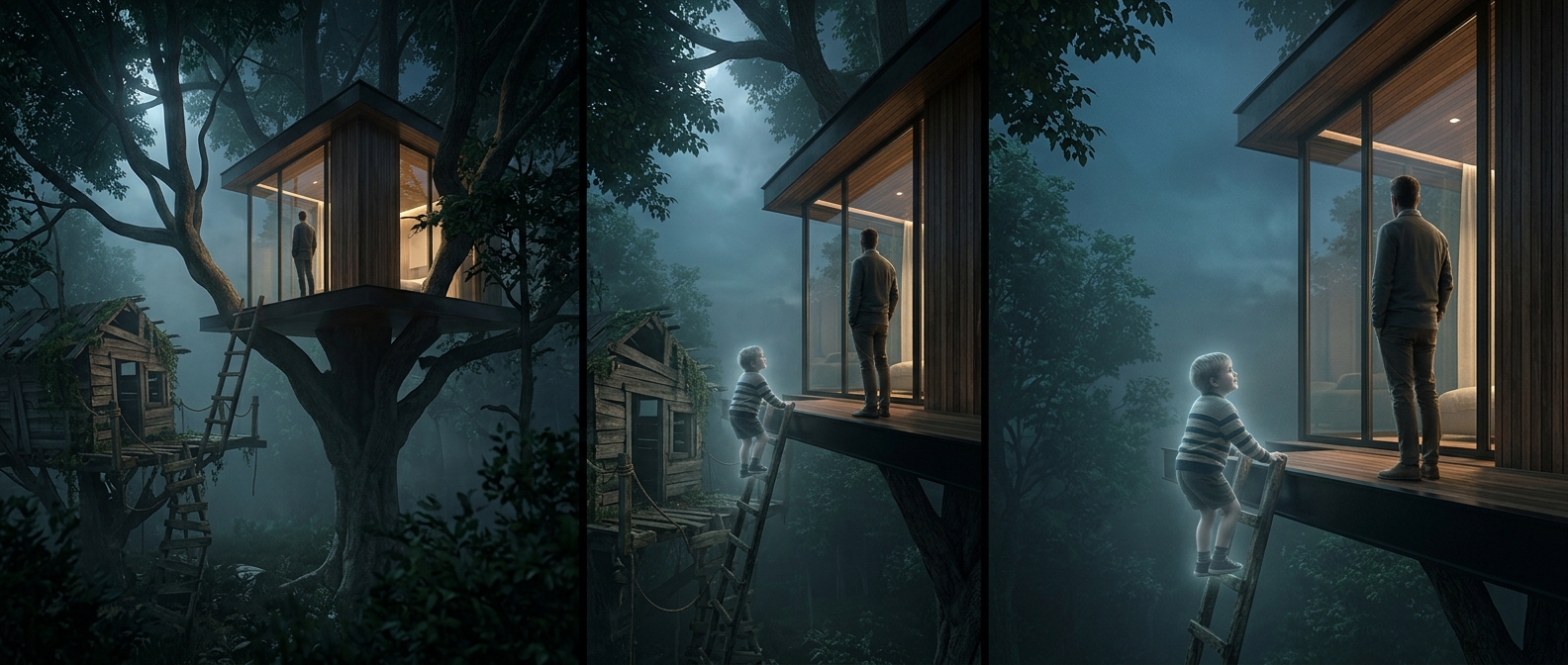
Why adults pay extra to sleep in treehouses
For many adults, a treehouse stay turns a childhood fantasy into a real getaway—though the rooms may still be drafty and reached by a complicated staircase.
Discover more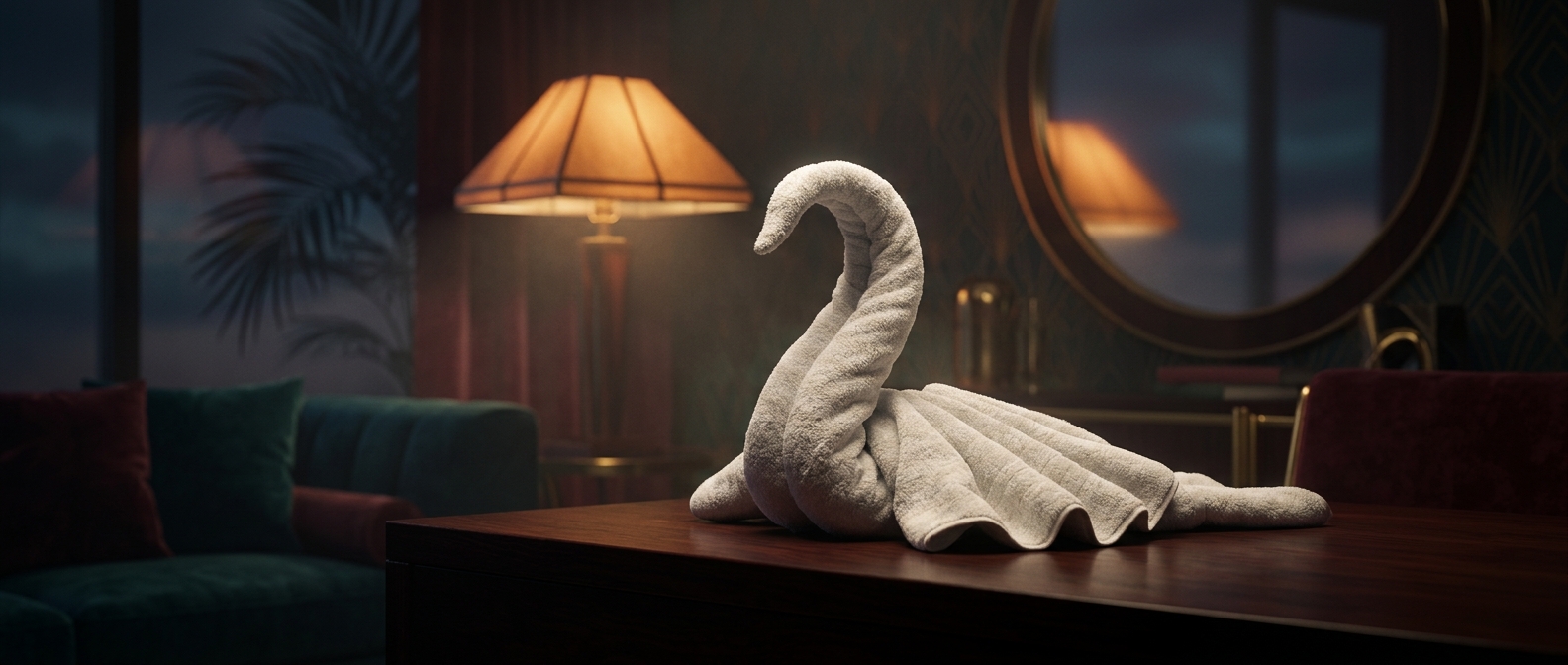
Towel swans became resort staples in the 80s
Resorts popularized towel origami as a low-cost way to make rooms feel more luxurious; the decorations cost little beyond housekeeping time.
Discover more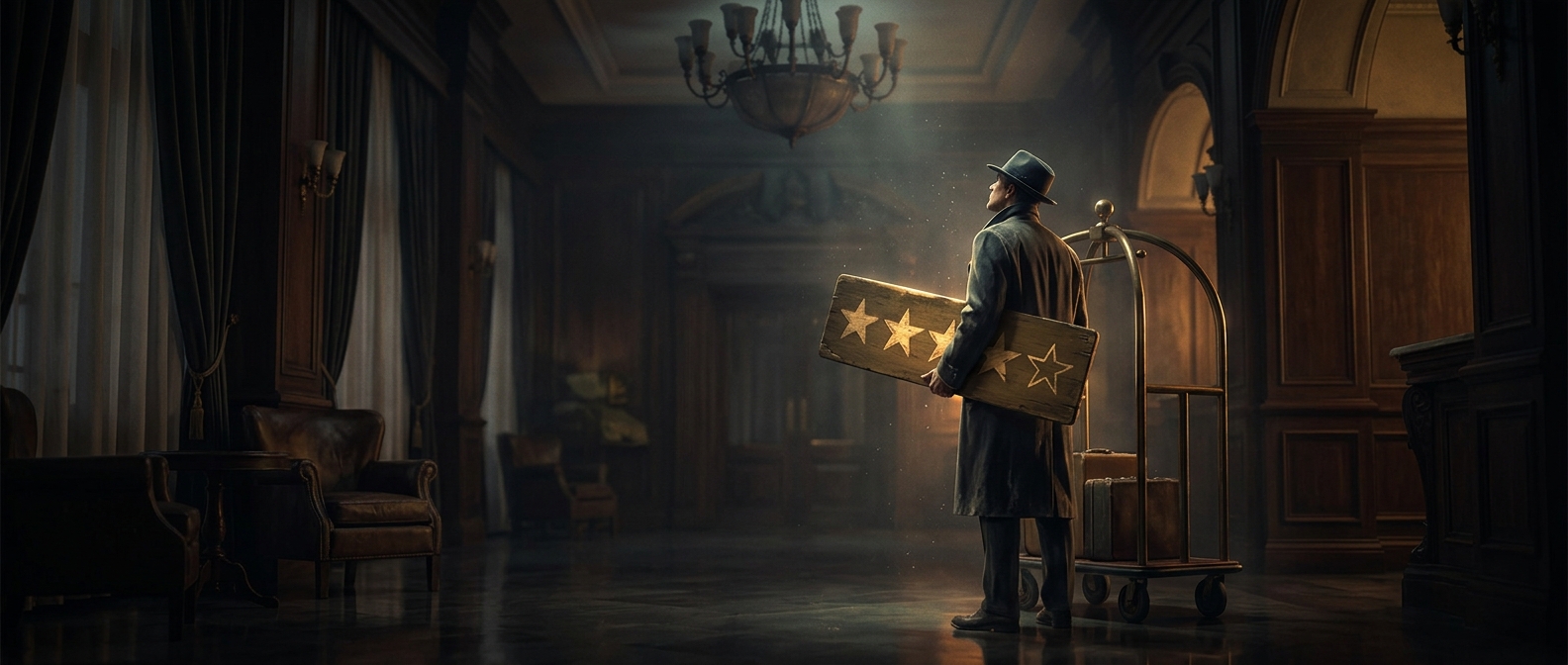
Who invented the five-star hotel rating
An oil company created a modern hotel-rating scale in 1958 to encourage road trips—and, in turn, gasoline sales.
Discover more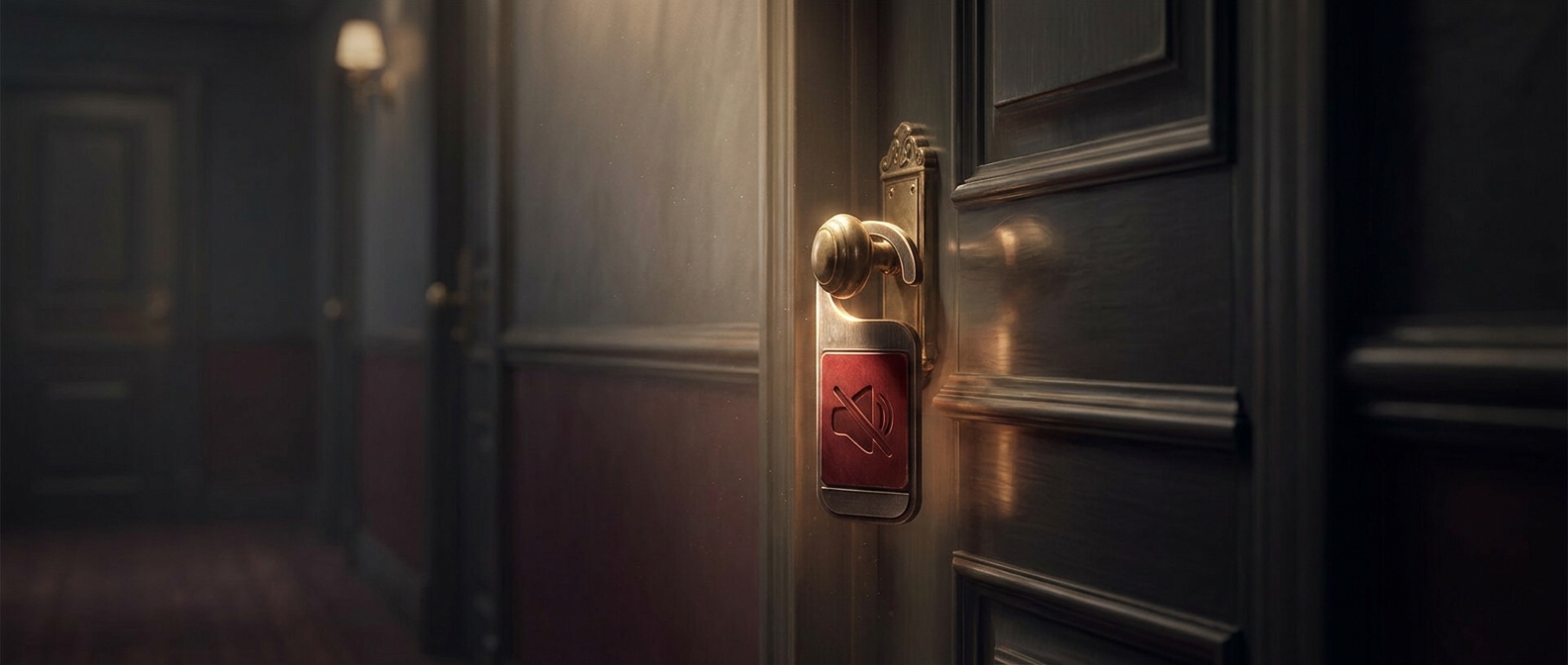
Do not disturb signs started in the early 1900s
Early 20th-century hotels introduced door hangers so guests could signal that they didn’t want housekeeping to enter.
Discover more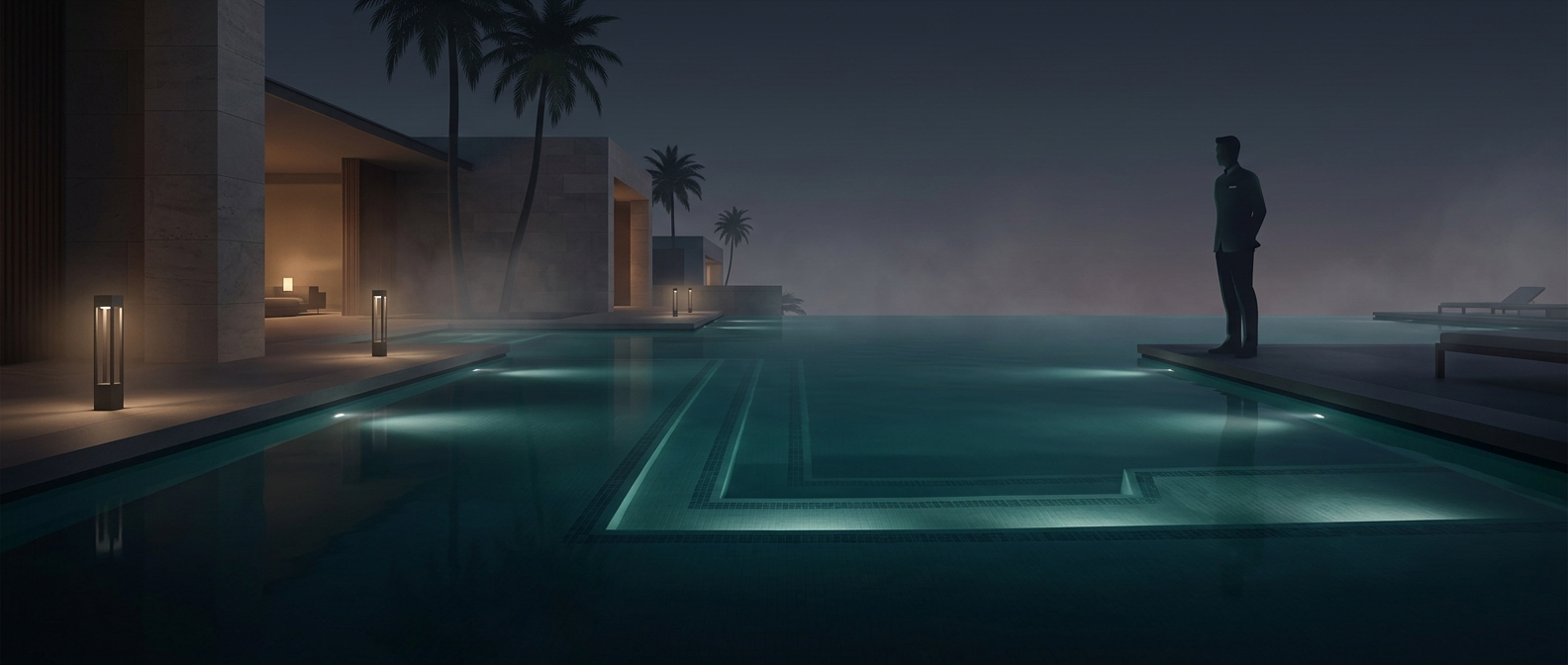
A hotel pool can be open without a lifeguard on duty
Some jurisdictions allow qualifying guest-only hotel pools to operate without a lifeguard, under specified conditions and warning-sign rules. The exact…
Discover more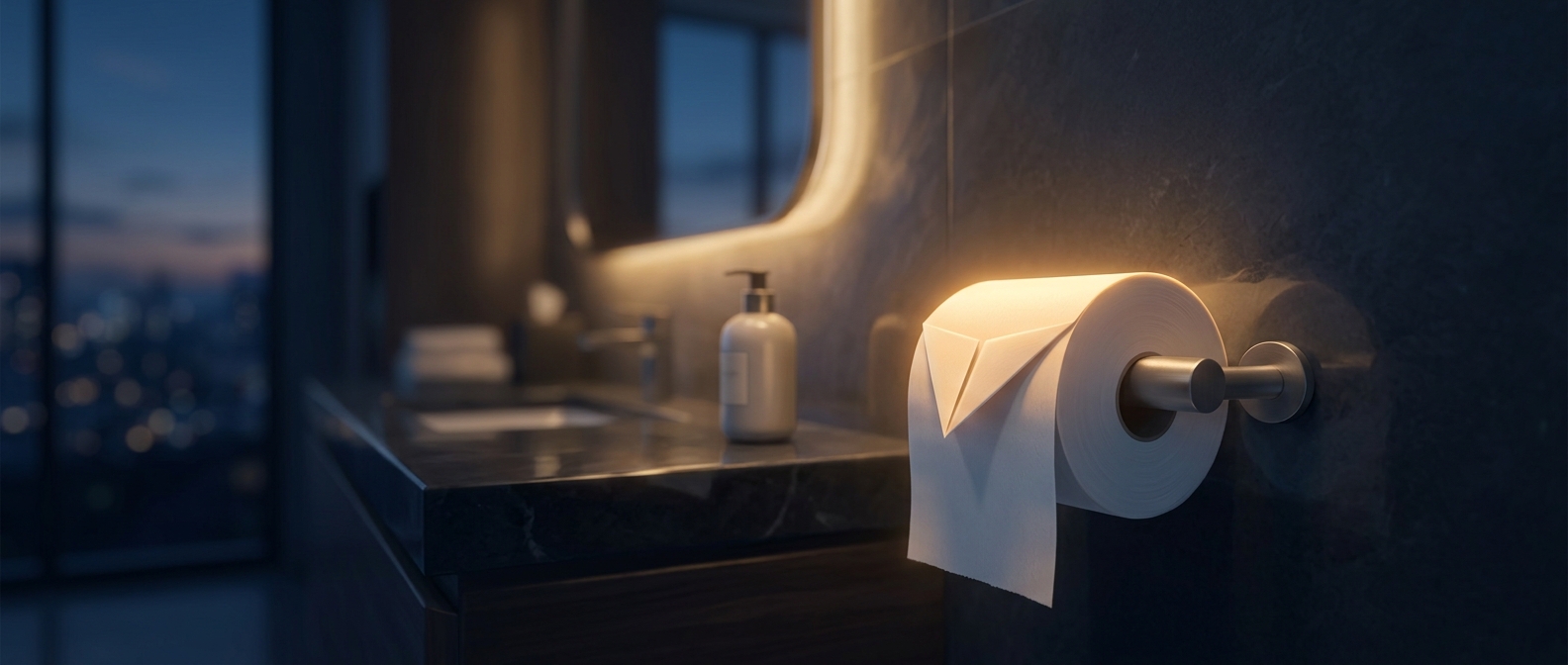
Why hotels fold the end of the toilet roll
The folded tip is a quick visual signal to guests and supervisors that a housekeeper has attended to the bathroom.
Discover more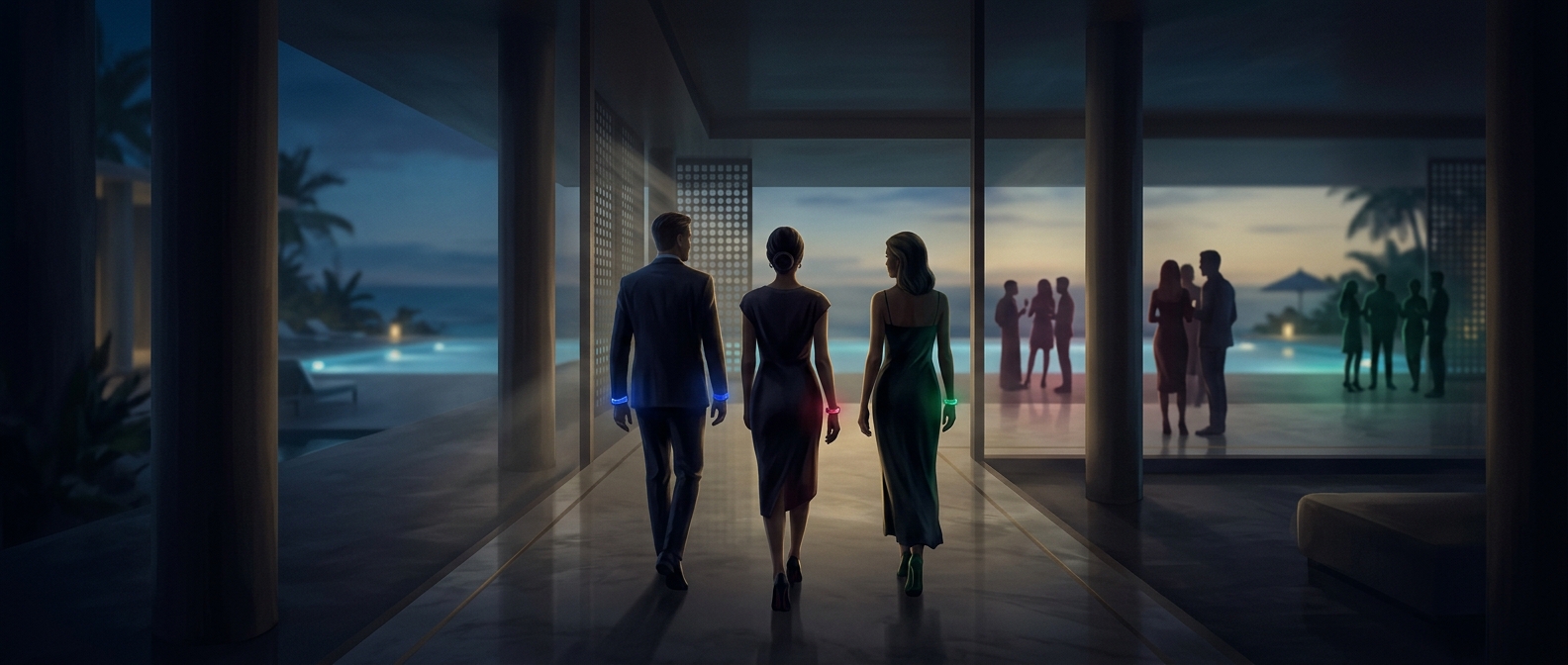
Resort wristbands help staff spot outsiders
Resort wristbands let staff distinguish guests from outsiders and track access to amenities, such as drinks and the poolside buffet.
Discover more