Travel
Discover facts about travel. Small discoveries that change the way you see familiar things.
Travel
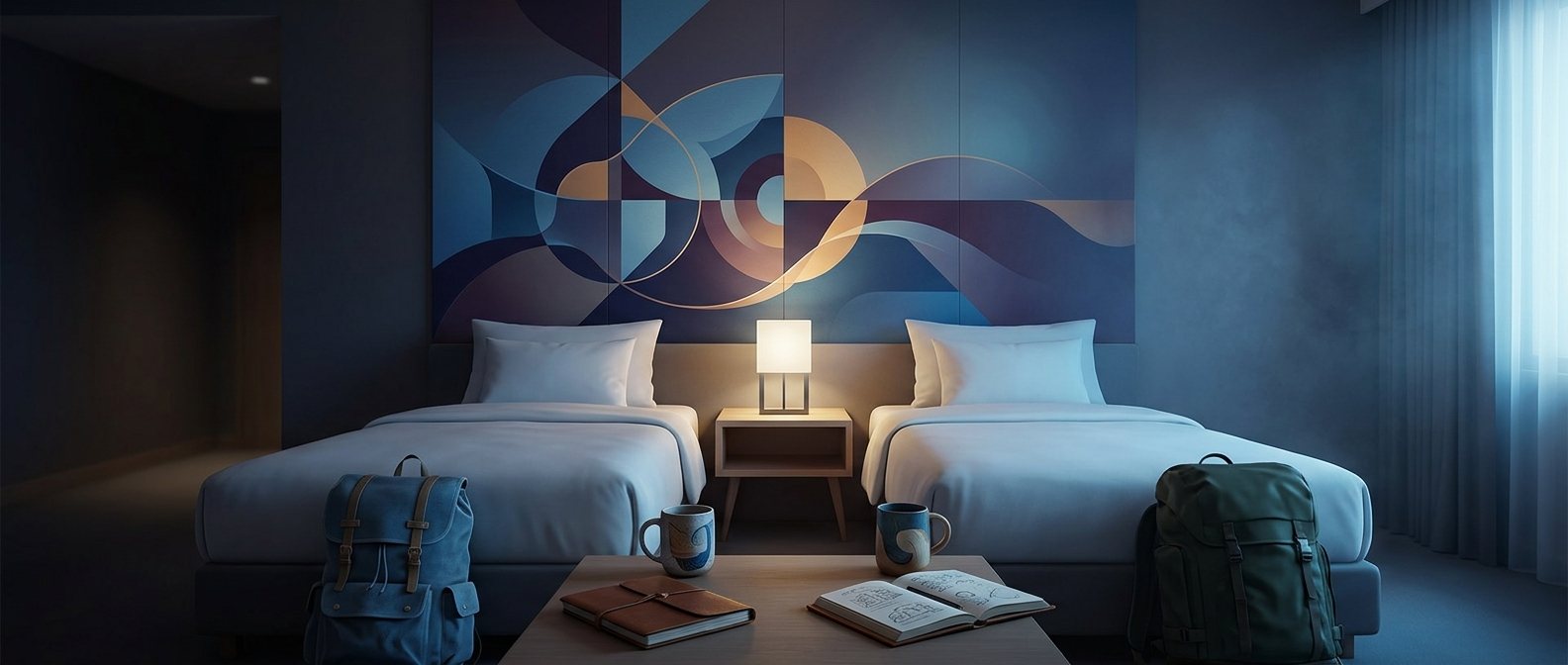
Twin hotel beds cater to platonic travel buddies
Two separate beds let hotels set up a room for a couple or for two guests who prefer not to share.
Discover more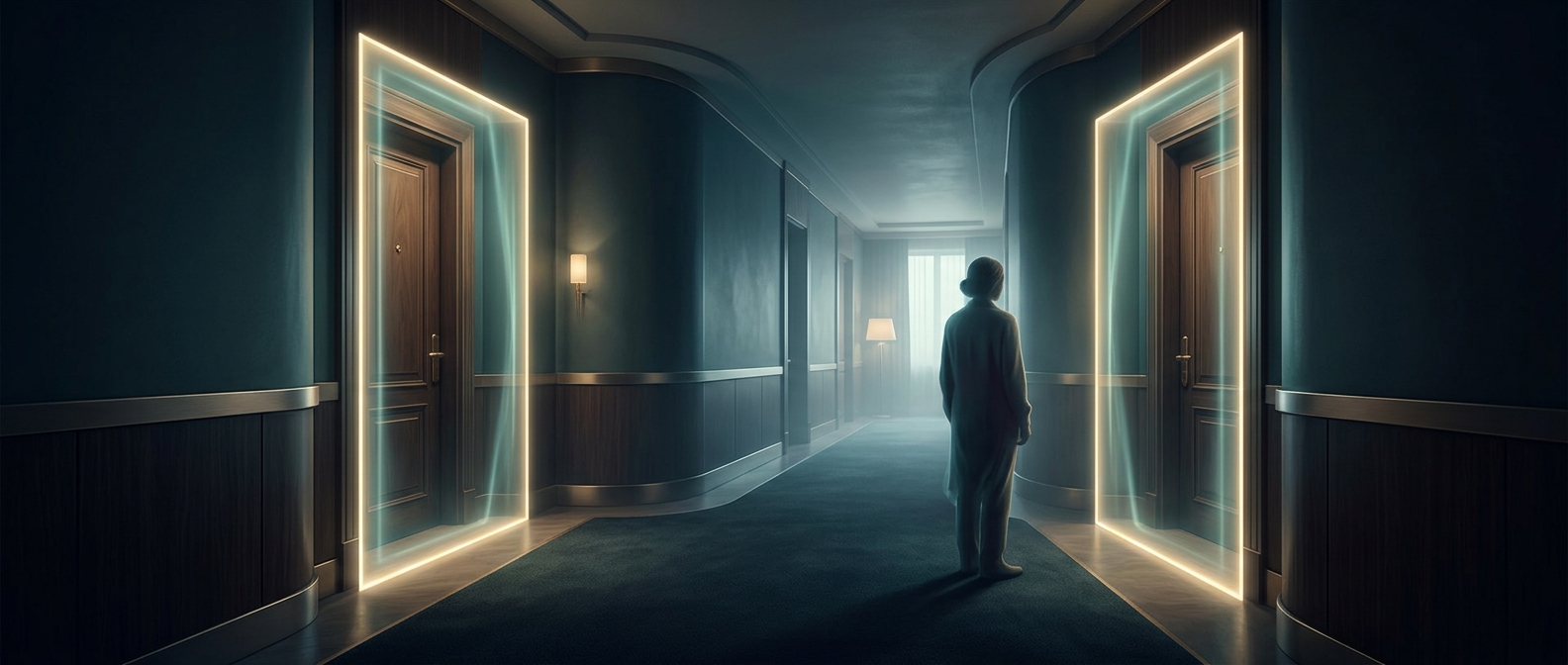
Connecting doors require double acoustic seals
They usually have two doors, one on each side of the opening. The air gap between them helps reduce sound passing between rooms.
Discover more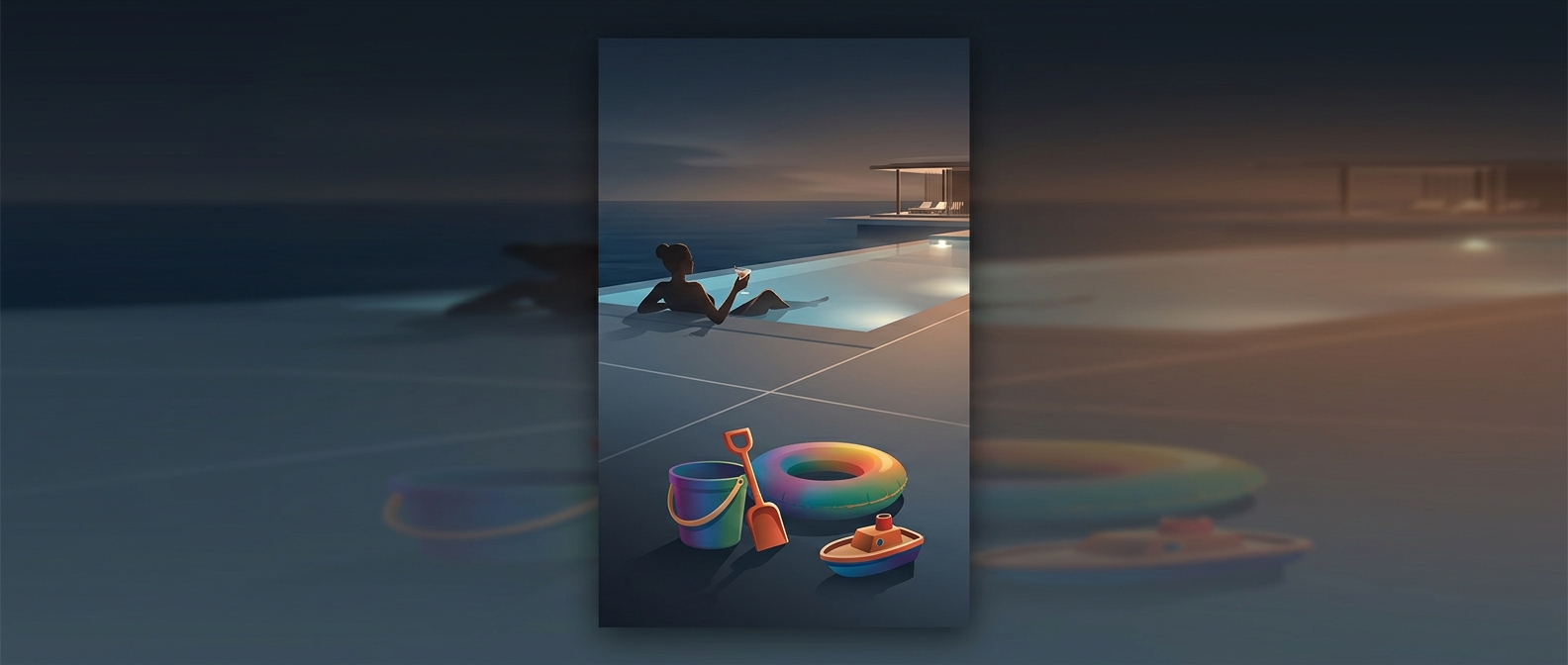
Adult-only resorts ban children for noise control
Some resorts cater to travelers seeking a quieter stay, marketing the absence of children as a luxury. Guests can relax by the pool or read without the noise…
Discover more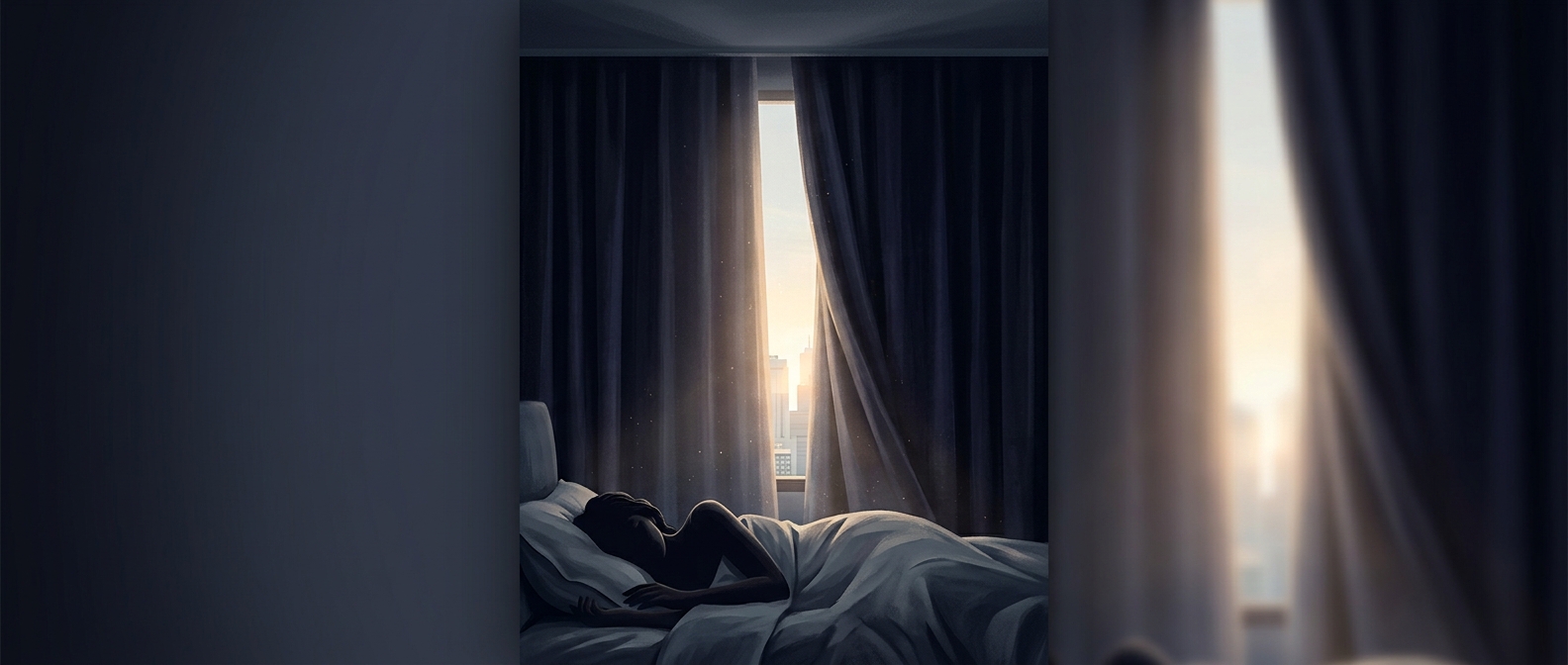
Blackout curtains overlap to block morning sun
Overlapping panels cover the gap between the curtains, blocking the narrow beam of morning light that could otherwise reach the bed.
Discover more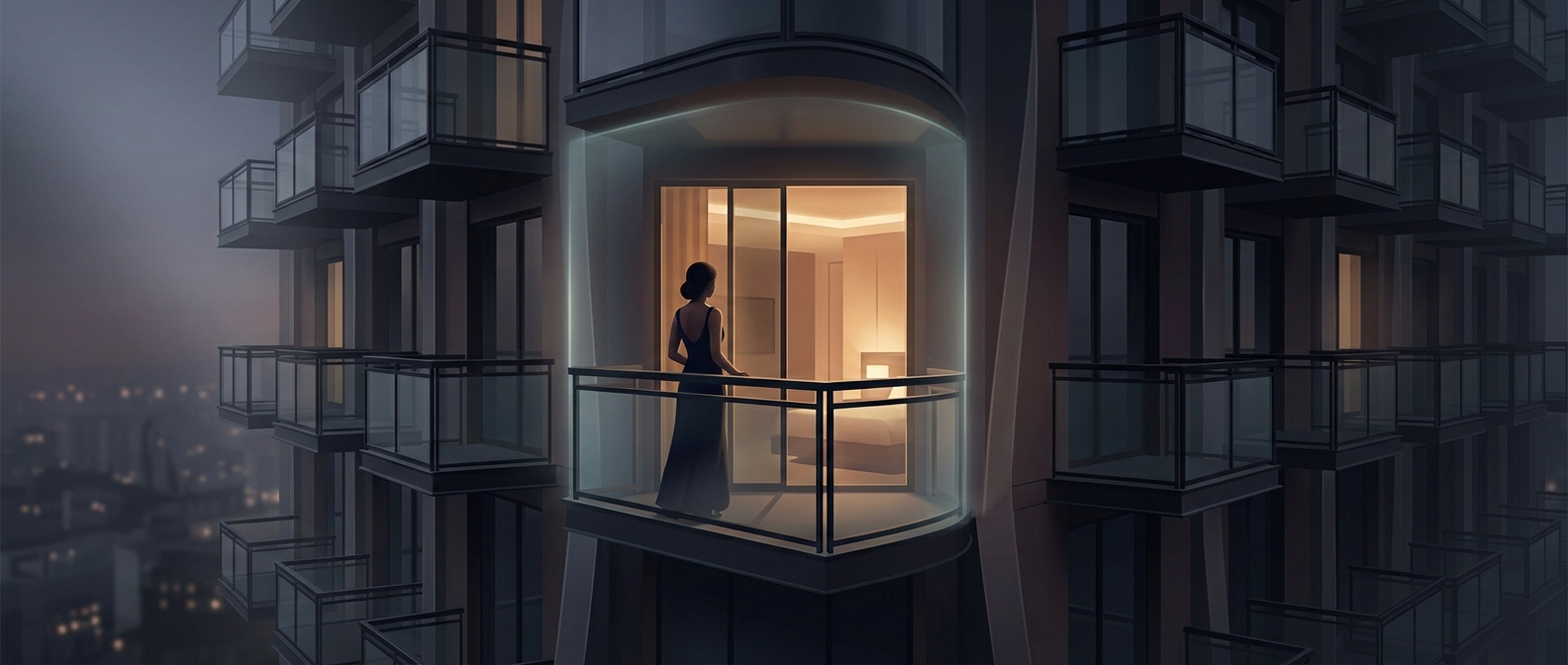
A hotel balcony is a room with the fourth wall removed
A balcony turns a view behind glass into a place you can actually occupy: breakfast, air and the surrounding landscape become part of the room's usable space.…
Discover more
Activity directors enforce mandatory resort fun
Activity directors roam resorts with microphones, rallying guests to join activities such as water aerobics and trivia.
Discover more STACKY FOR IPHONE
A bigger world.
One discovery
at a time.
Keep discovering with Stacky. Interesting facts in an app that is always within reach.
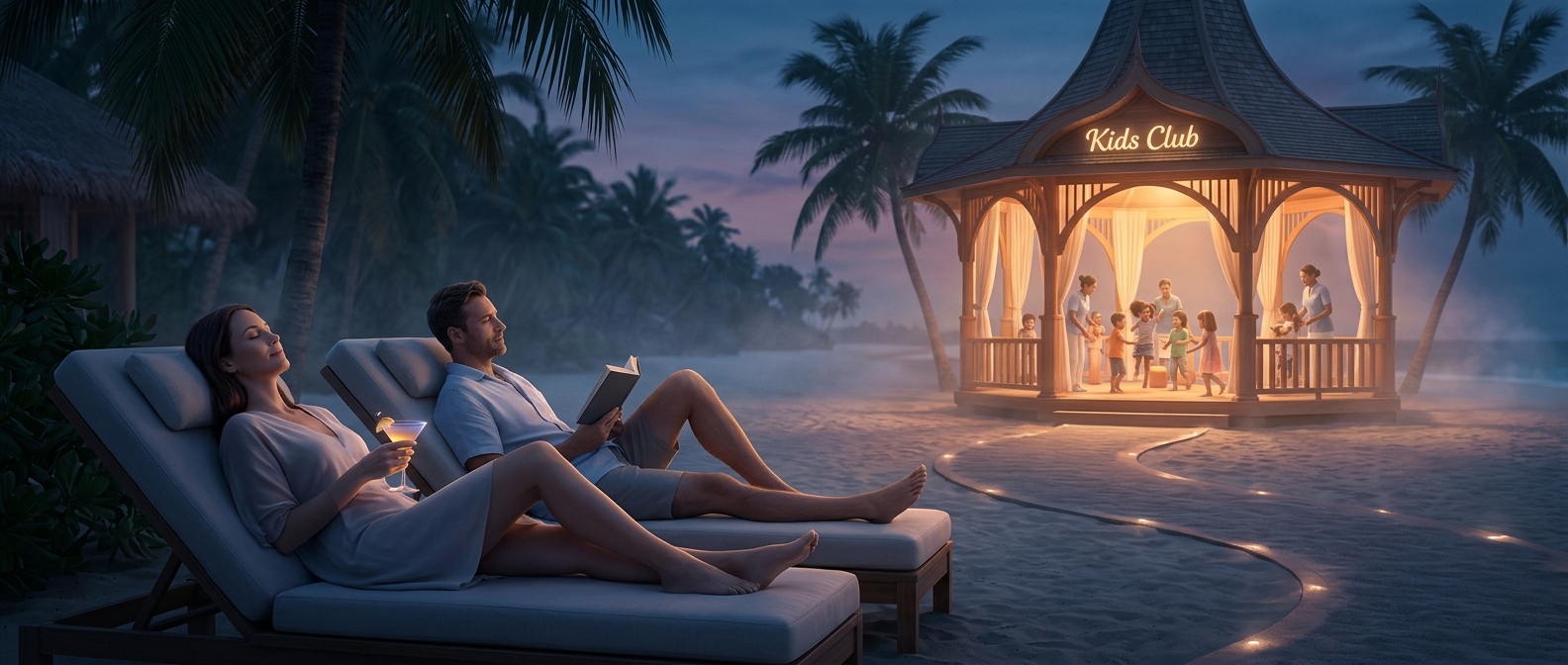
Why resort kids' clubs feel like an escape
Resort kids' clubs keep children busy with activities, giving parents time to enjoy the vacation they paid for.
Discover more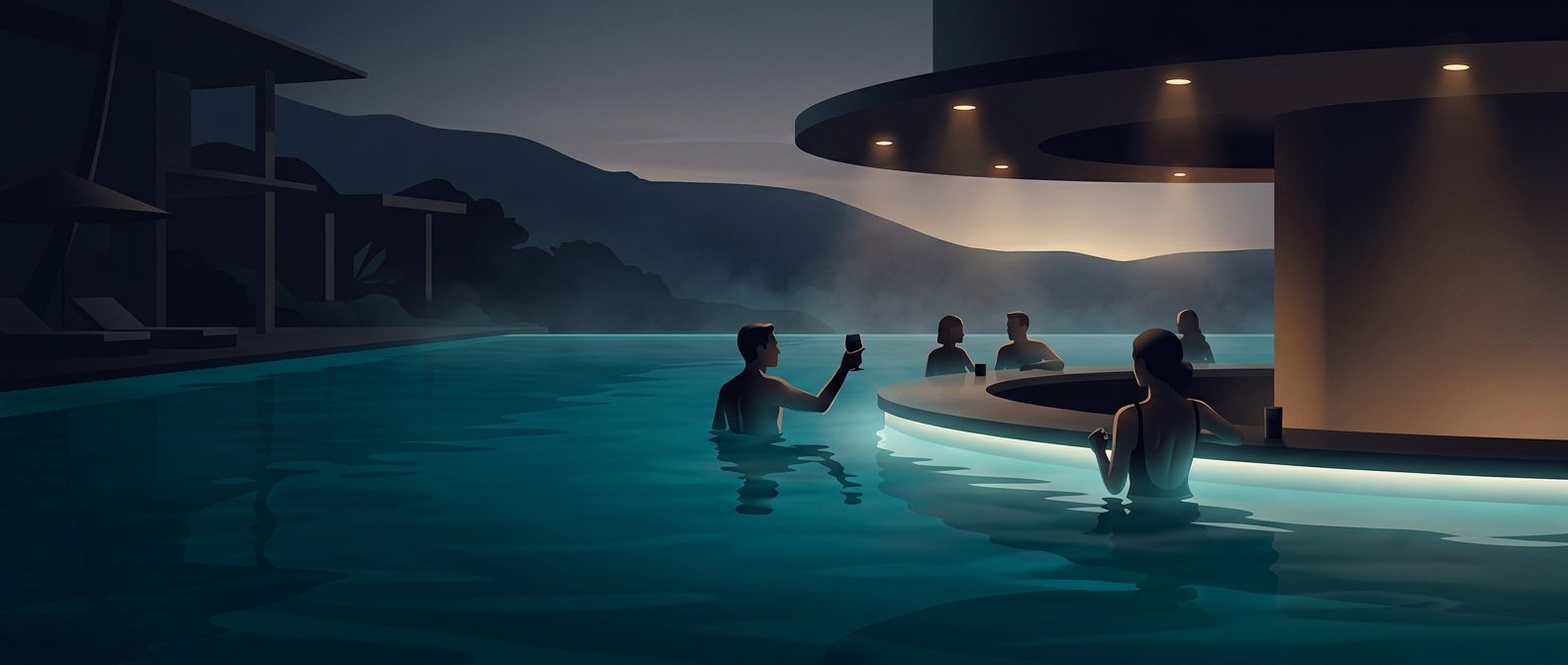
Swim-up bars keep guests submerged while mingling
Aquatic bar stools let guests sit in the pool and socialize without climbing out for a drink.
Discover more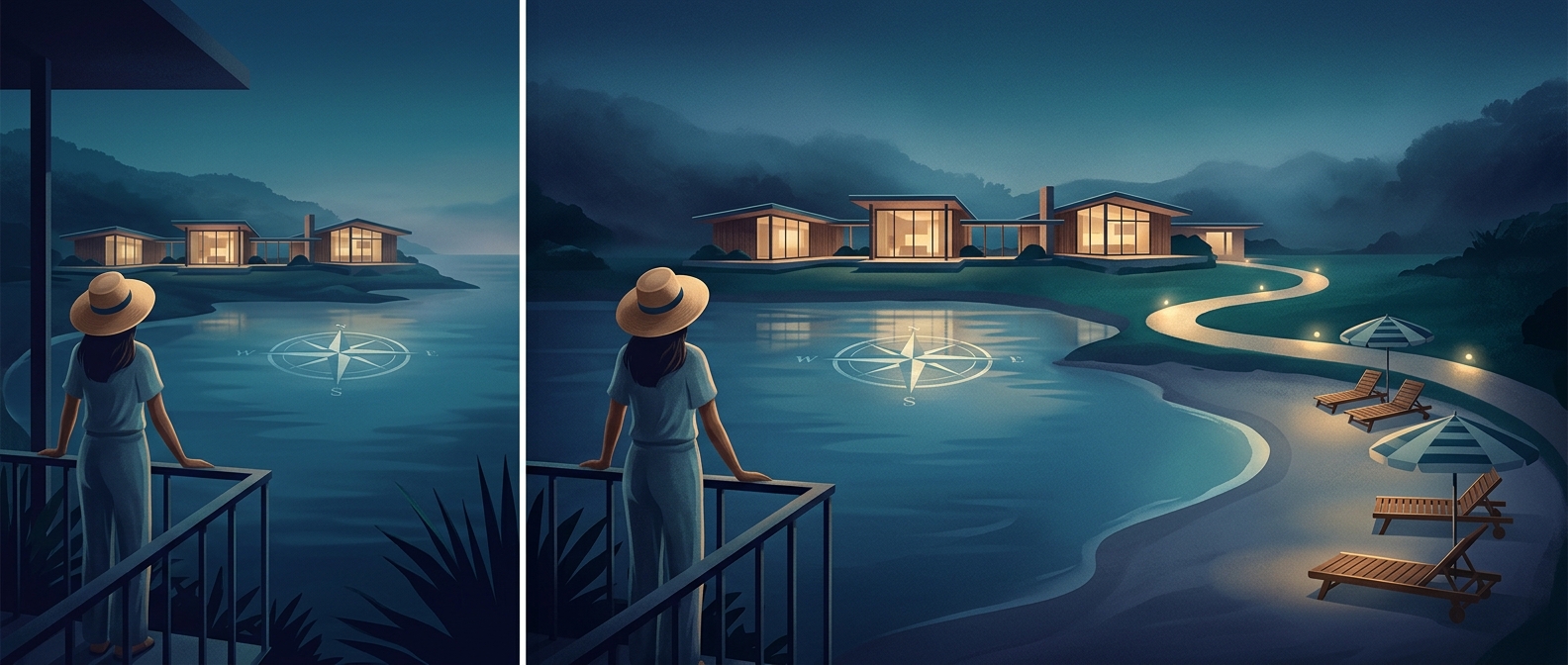
The vacation package that started all-inclusive resorts
By charging upfront for the whole vacation, Club Med pioneered the all-inclusive package in Spain in 1950; guests didn't have to pay for each item separately.
Discover more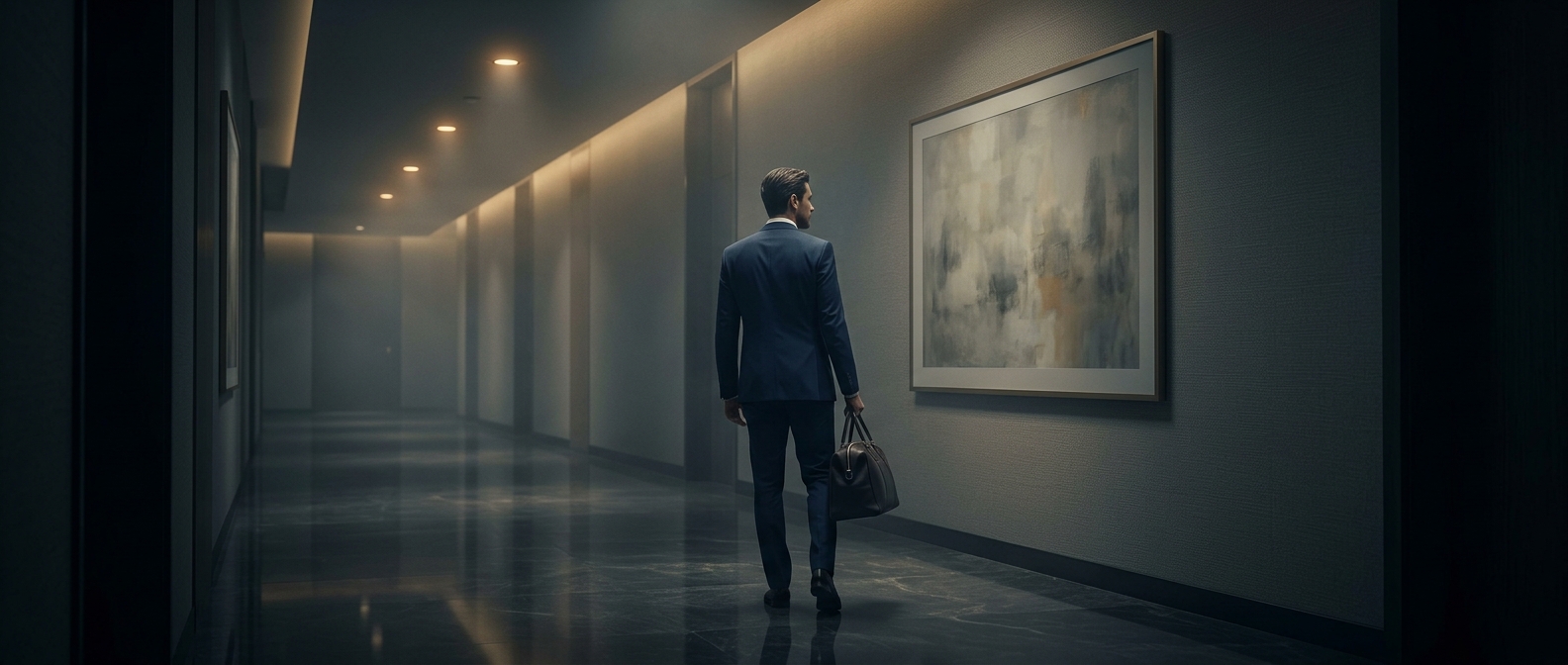
Why hotel art is designed to be forgettable
Buyers favor mass-produced, muted landscapes because they’re unlikely to offend guests, leaving rooms filled with art most people barely notice.
Discover more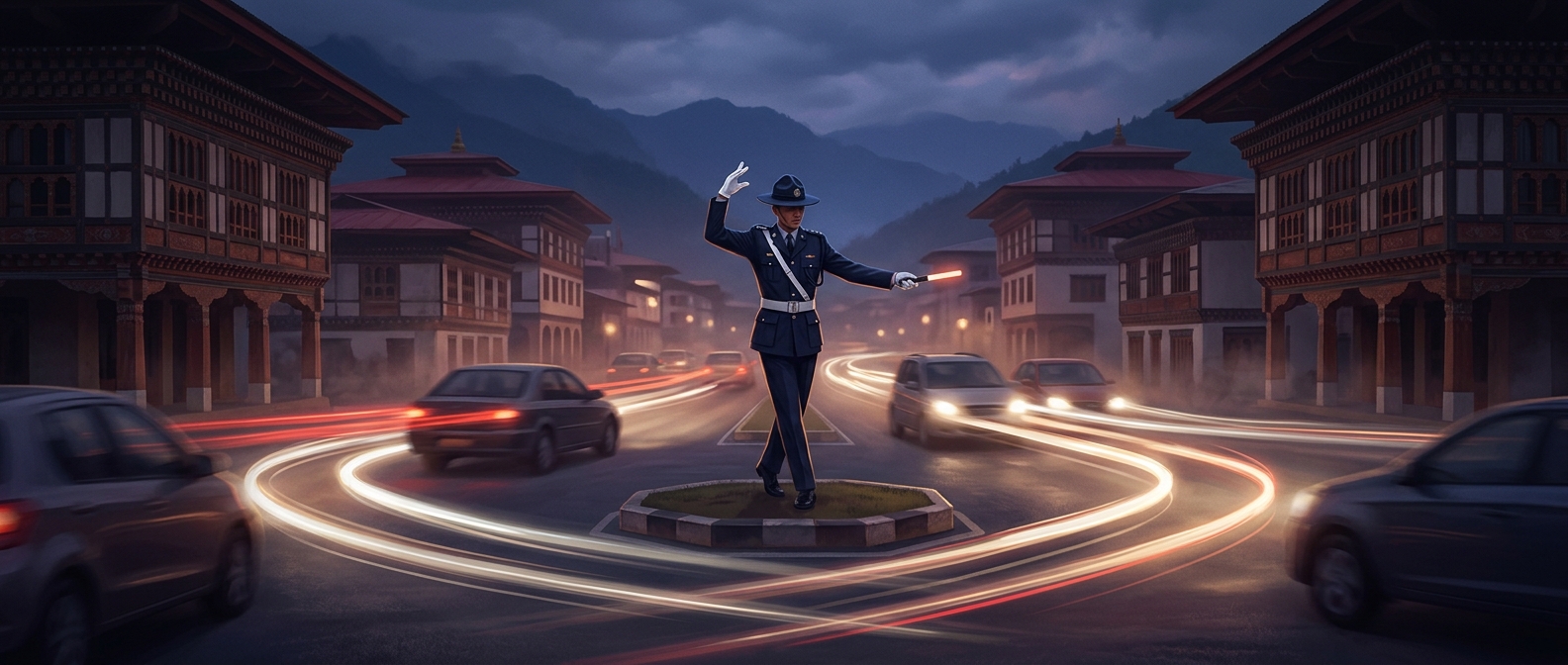
Thimphu’s traffic officers direct the crossroads by hand
In Bhutan’s capital, officers use practiced gestures to move traffic through central intersections. A trial traffic light was removed after residents…
Discover more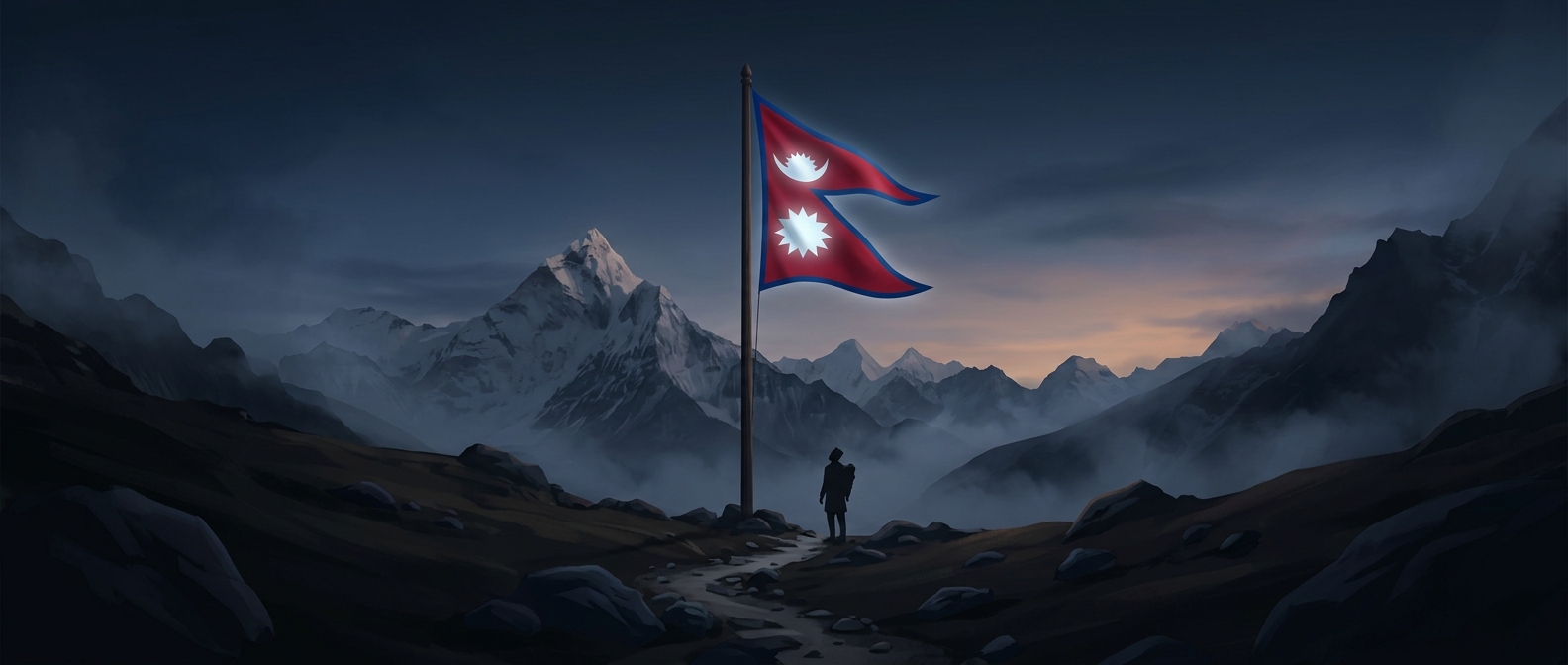
Why Nepal’s flag isn’t rectangular
Its two stacked pennants represent the Himalayas and two major religions.
Discover more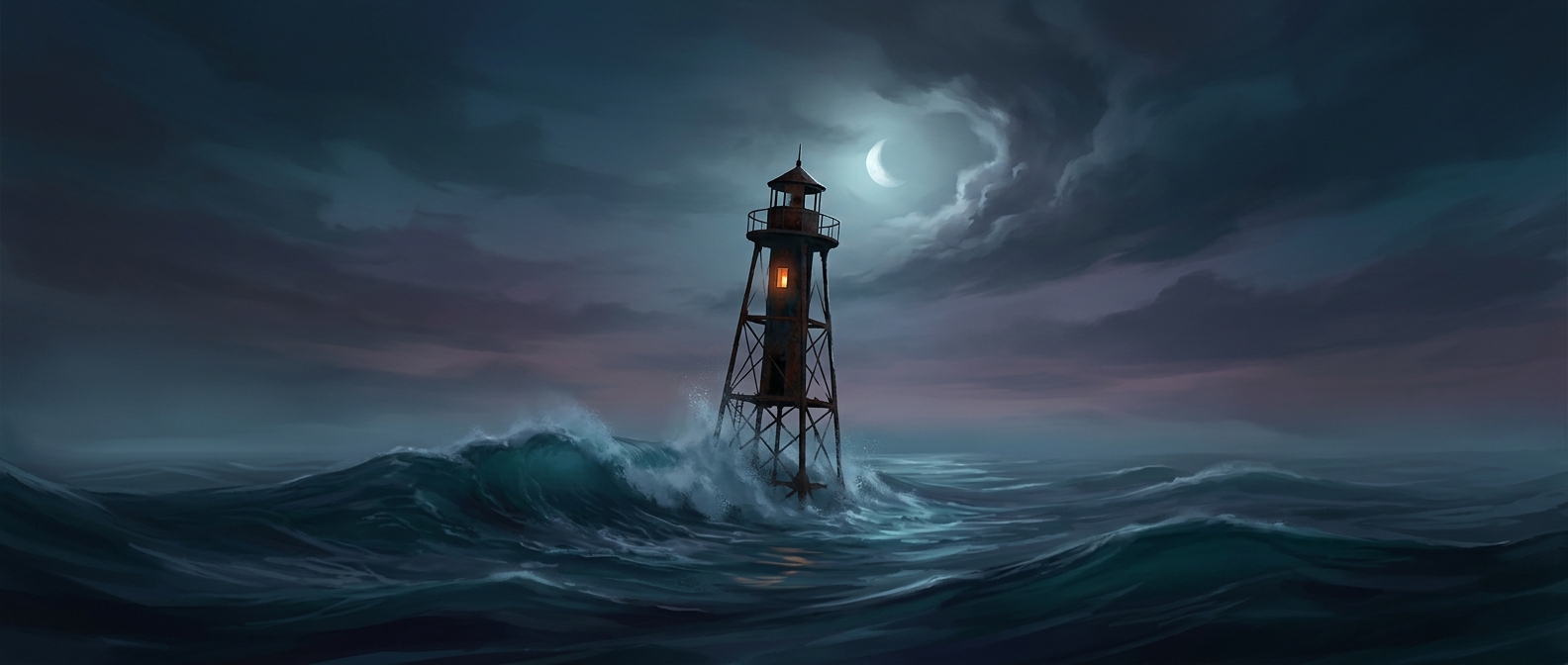
You can sleep in a lighthouse above shark-filled waters
The Frying Pan Tower is a decommissioned Coast Guard lighthouse turned offshore hotel, perched 85 feet above Atlantic waters.
Discover more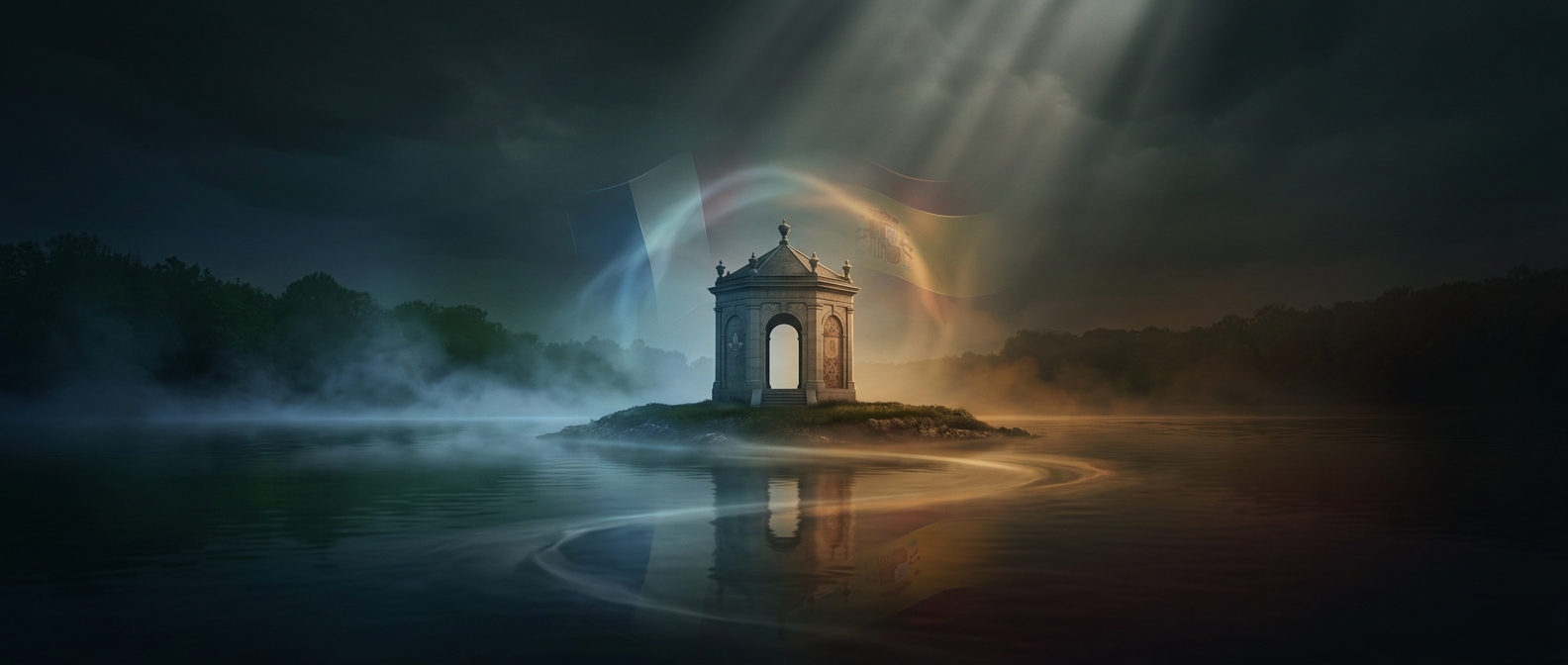
The island France and Spain swap every six months
Pheasant Island sits in the Bidasoa River between France and Spain. The two countries alternate its administration every six months under a shared…
Discover more
Why France has more time zones than any other country
France spans 12 time zones because its overseas territories are scattered across the globe, far beyond mainland Europe.
Discover more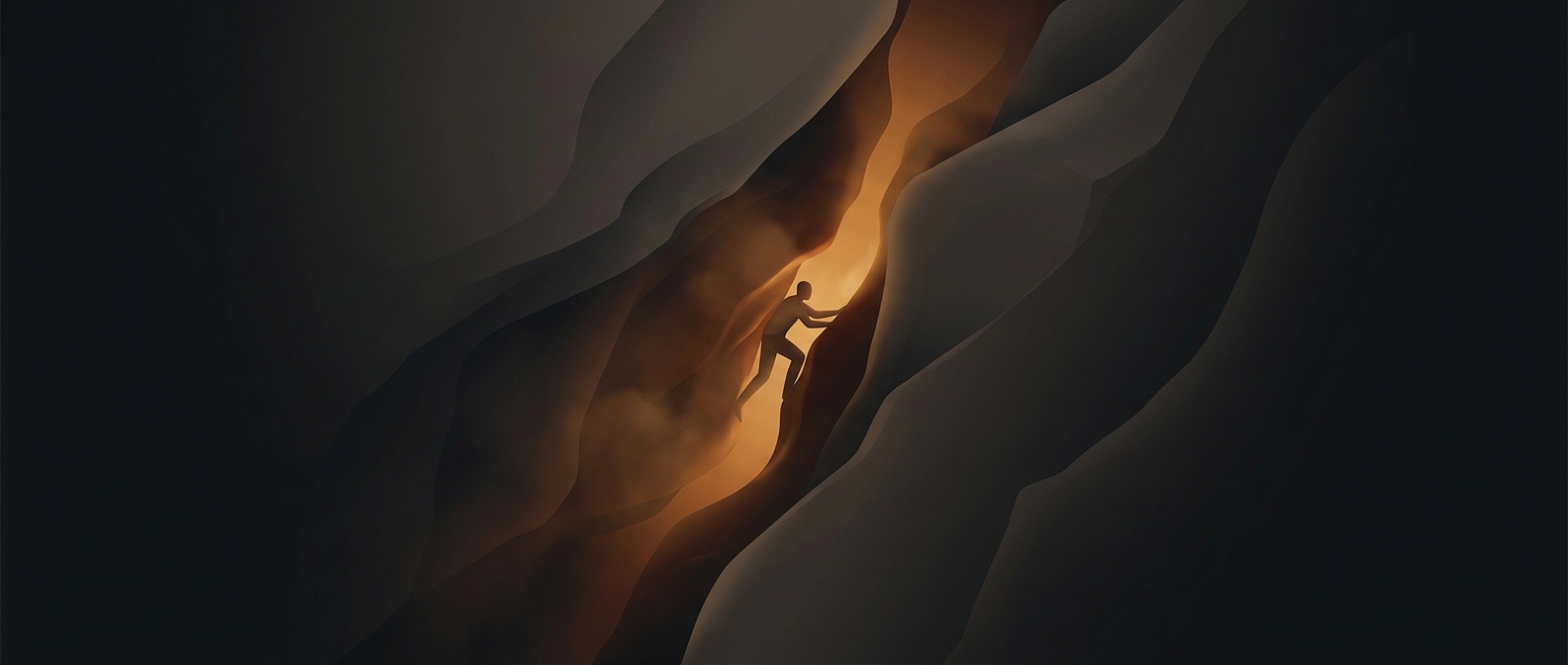
South African cave passages force visitors to wriggle on their stomachs
Some passages are so narrow that visitors have to wriggle through on their stomachs.
Discover more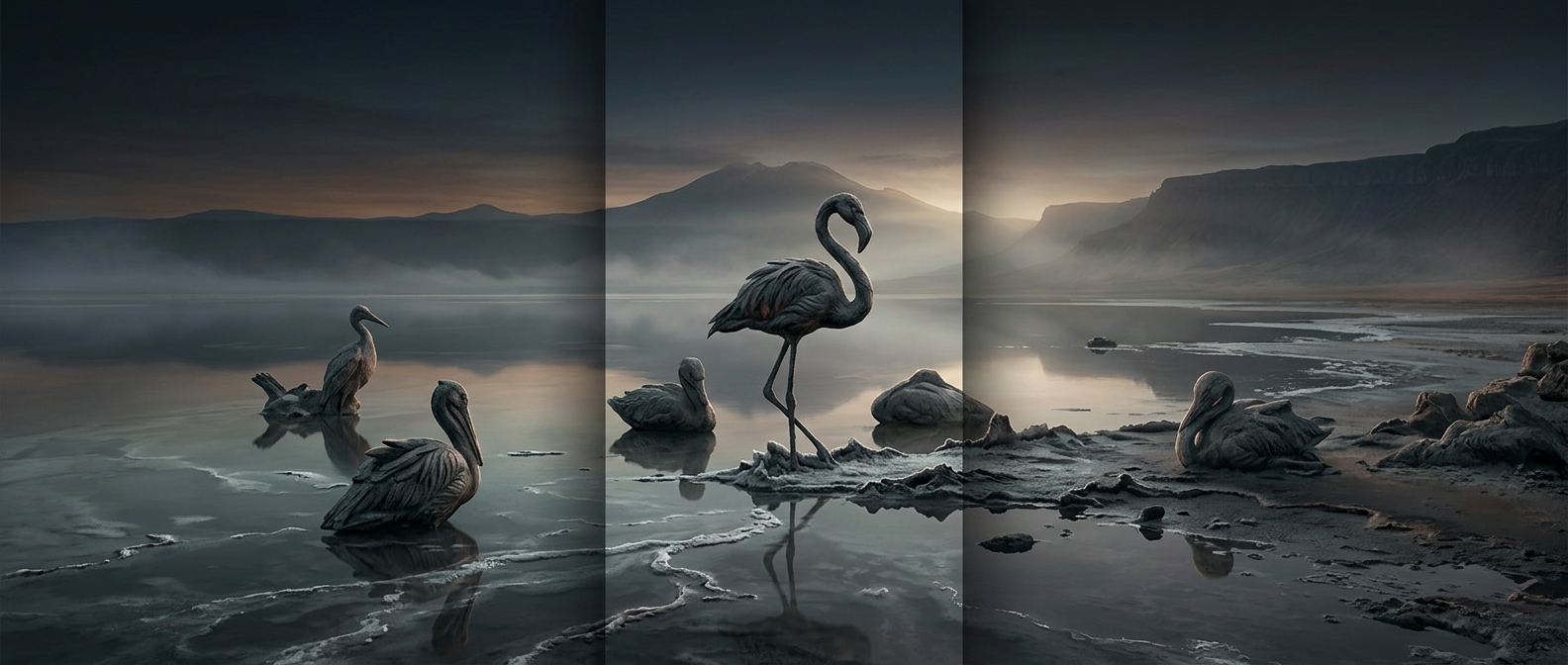
Lake Natron preserves dead animals in statue-like poses
Lake Natron's alkaline, mineral-rich water can preserve dead animals rather than making living ones instantly turn to stone. Photographer Nick Brandt placed…
Discover more
Mexican wooden boats look like floating piñatas
Trajineras have flat bottoms and oversized floral arches, making a ride down the canal feel like floating in a colorful parade float.
Discover more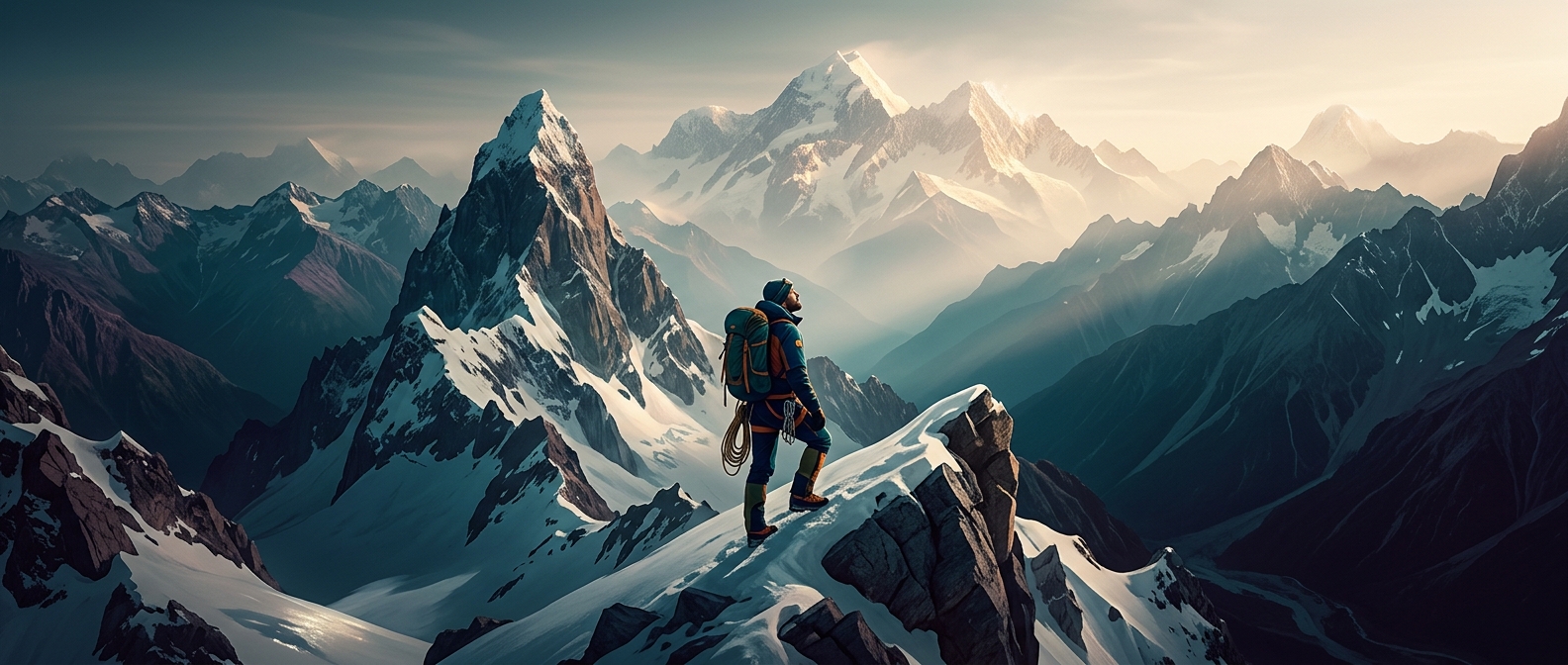
Why climbers train on Aoraki Mount Cook
Climbers use Aoraki Mount Cook to practice before bigger expeditions because its heavily glaciated, unforgiving slopes offer a demanding test.
Discover more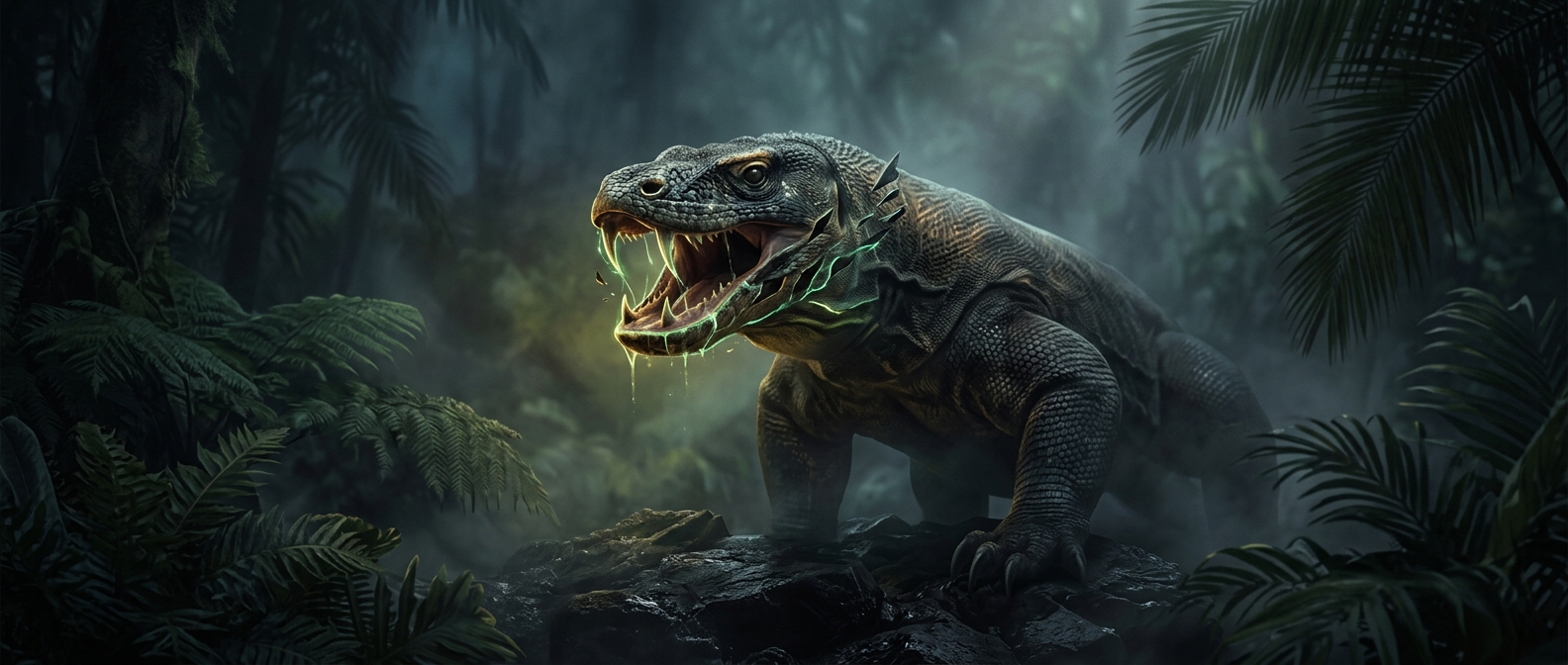
The venomous bite of a Komodo dragon
Komodo dragons deliver venom with their bite, and proteins in it can cause shock. The combination can leave prey badly injured and vulnerable after an attack.
Discover more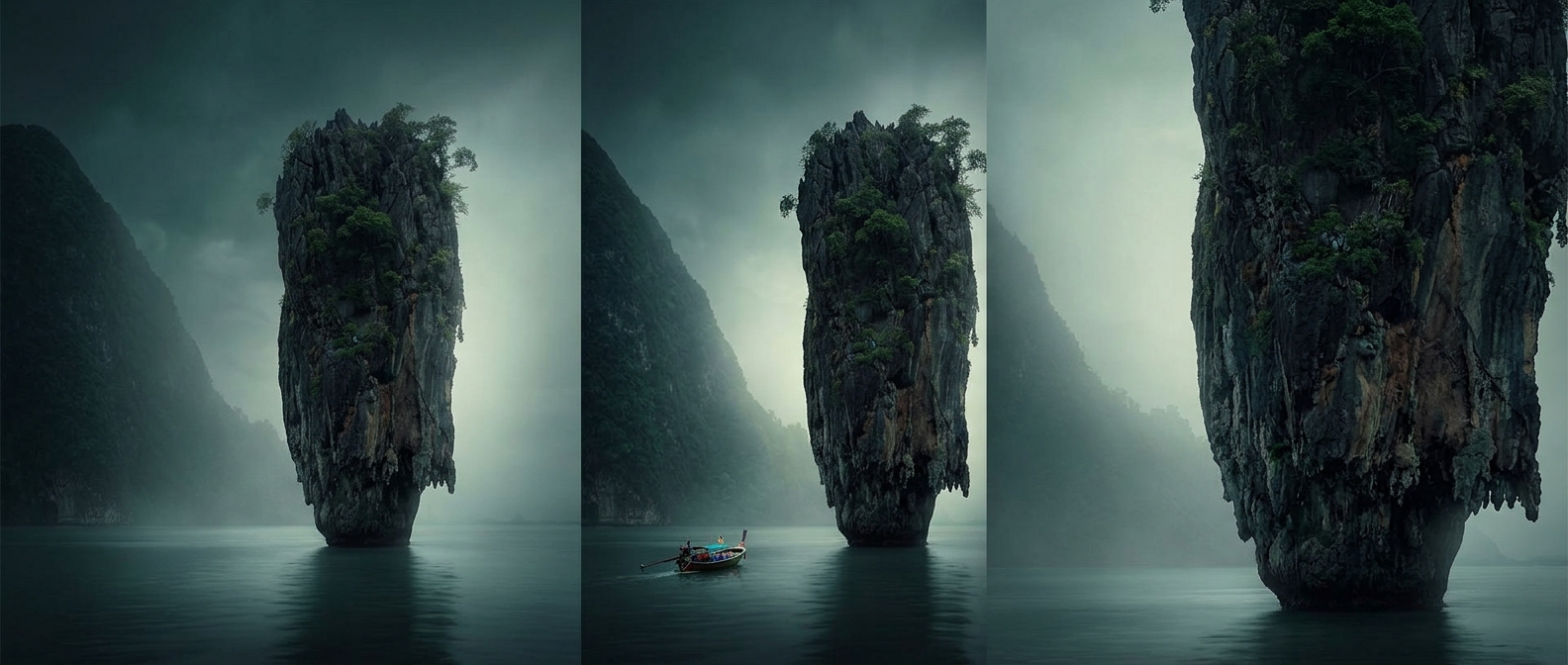
Why Thailand’s islands look like stone walls
The Phi Phi Islands rise in steep rock cliffs straight from turquoise water, rather than sloping gently into sandy beaches.
Discover more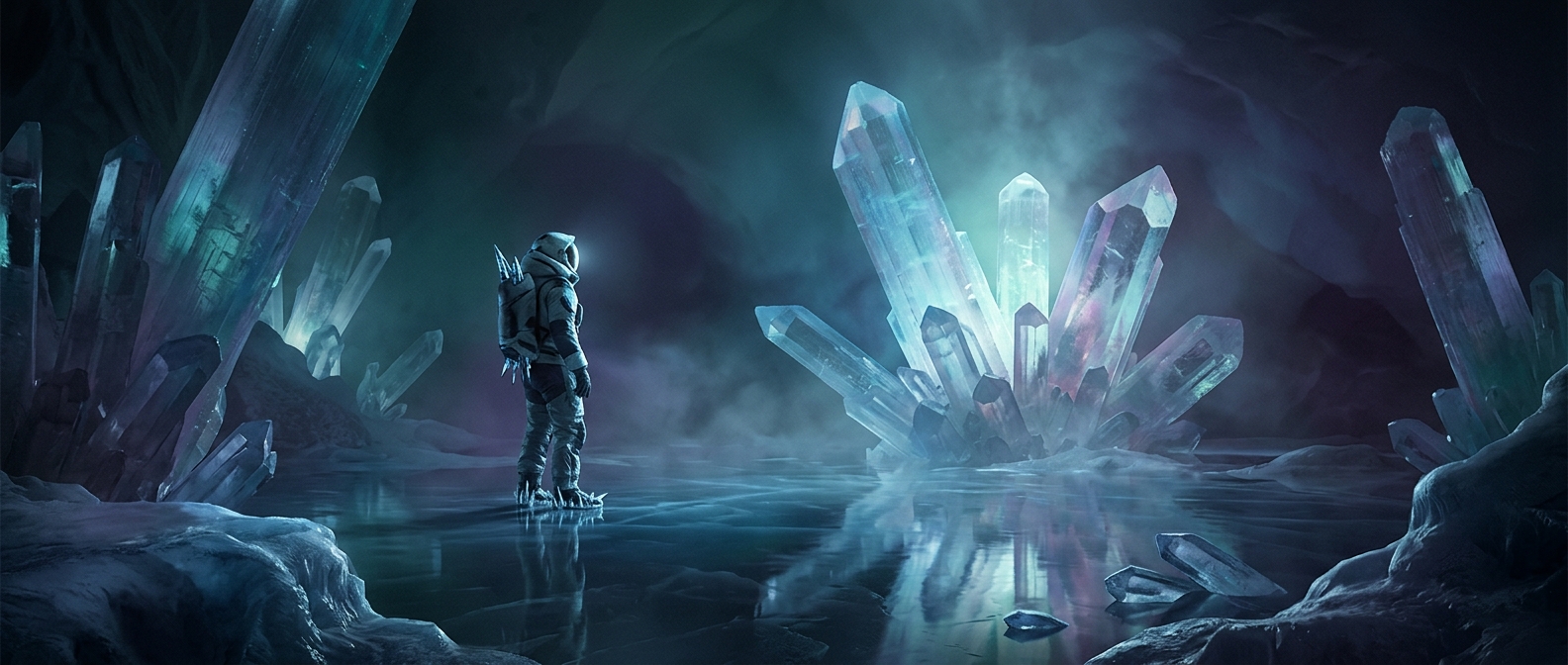
Mexico's crystal caves can kill you without cooling gear
The giant gypsum crystals at Naica formed in a hot, water-rich environment. Extreme heat combined with near-saturated humidity makes sweat evaporation…
Discover more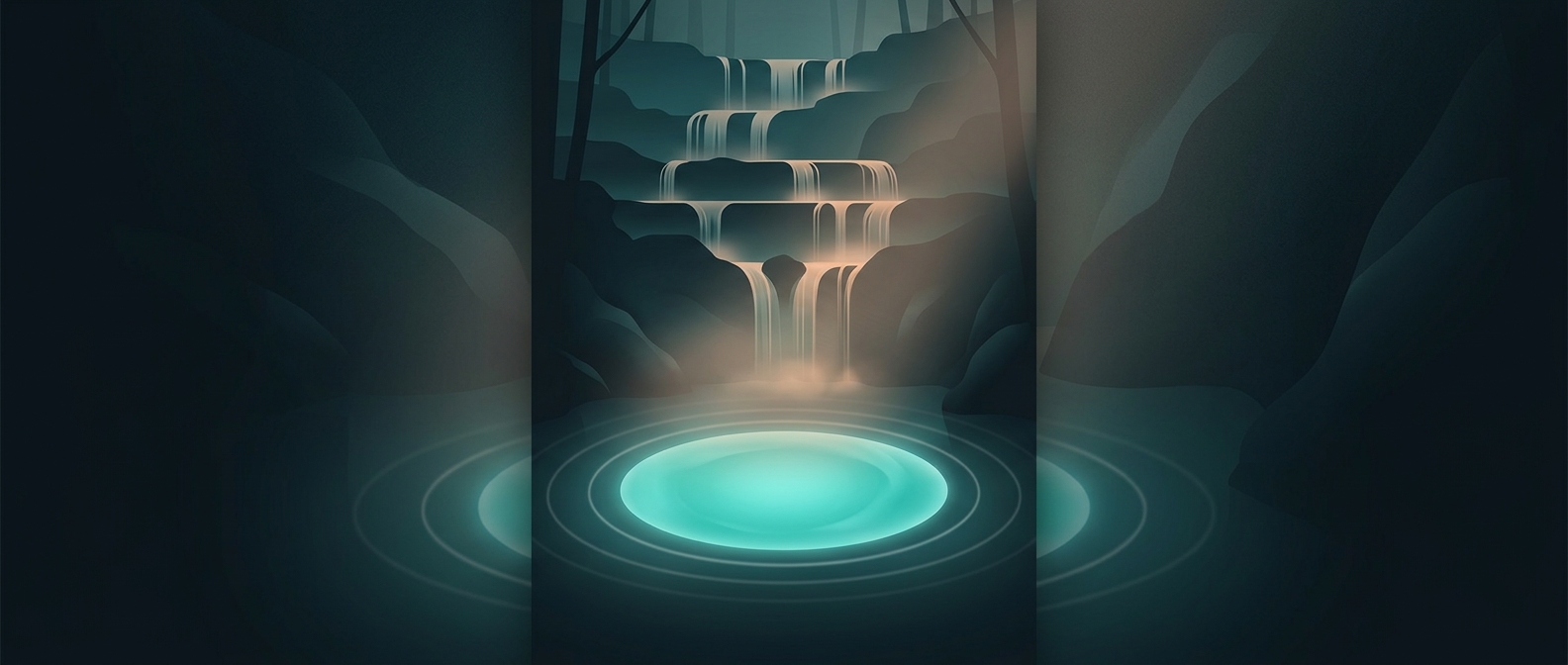
Laotian waterfalls create perfect turquoise pools
The cascade steps through shallow, multi-tiered limestone pools, giving it the look of a man-made resort.
Discover more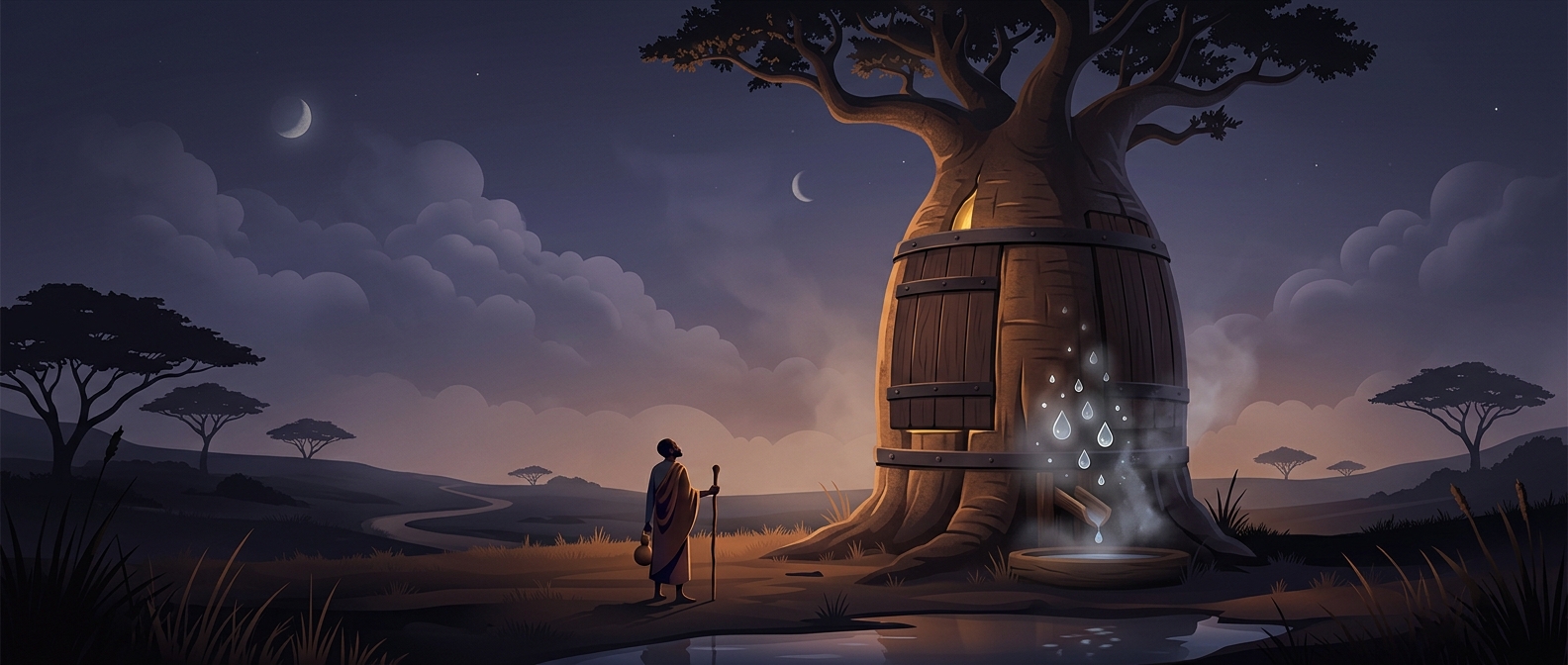
How baobabs survive with water-filled trunks
Their swollen trunks store thousands of gallons of water, helping baobabs survive dry periods in Madagascar.
Discover more