Health
Discover facts about health. Small discoveries that change the way you see familiar things.
Health

Why you should never pee on a jellyfish sting
Some jellyfish stinging cells have not fired when they first touch you. Urine’s pH and saltiness vary, and that change can trigger them to release more…
Discover more
Why “starve a fever, feed a cold” is bad advice
Fighting an infection takes energy: immune cells have to activate, communicate, and do their work. Skipping food doesn't make that job easier, and going…
Discover more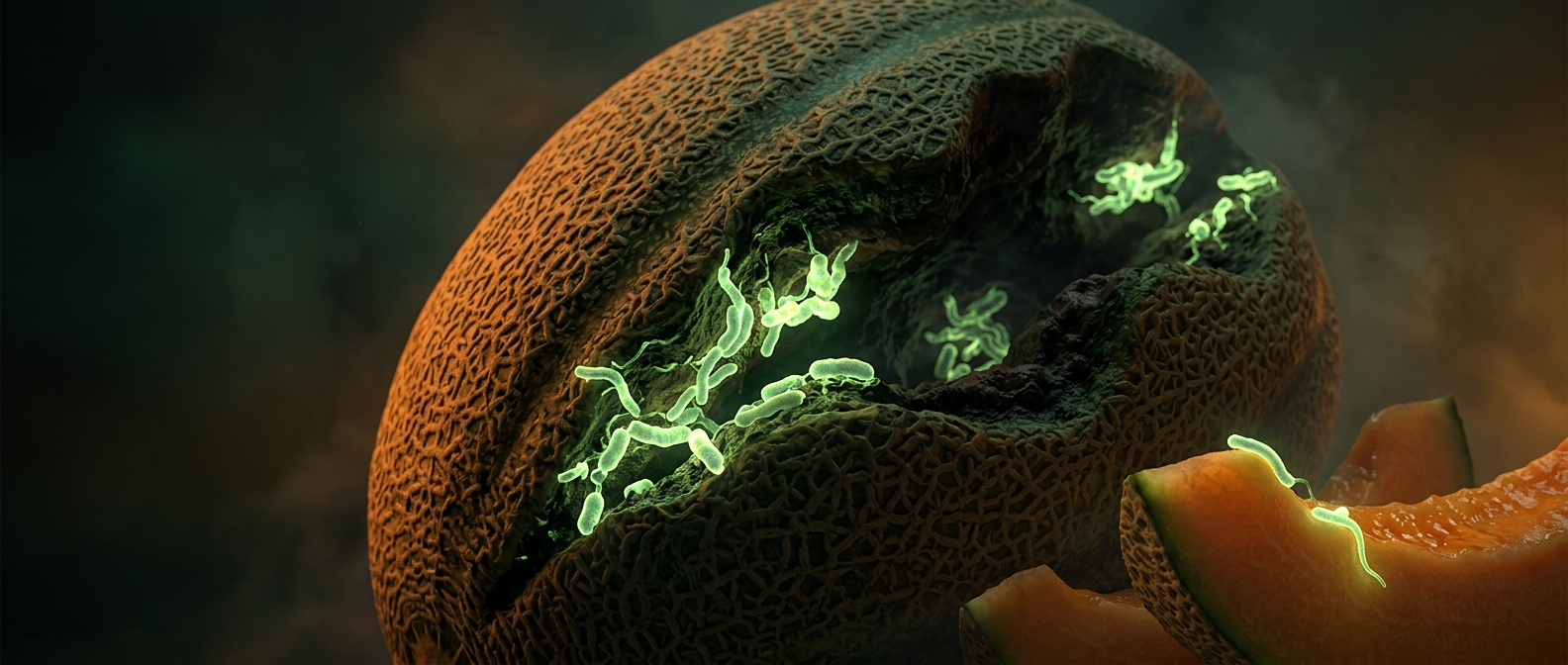
A clean-looking melon can contaminate its own knife
Bacteria on a melon’s rind can hitch a ride on the knife. Each slice drags the blade from the soil-exposed skin into the flesh, bringing surface microbes…
Discover more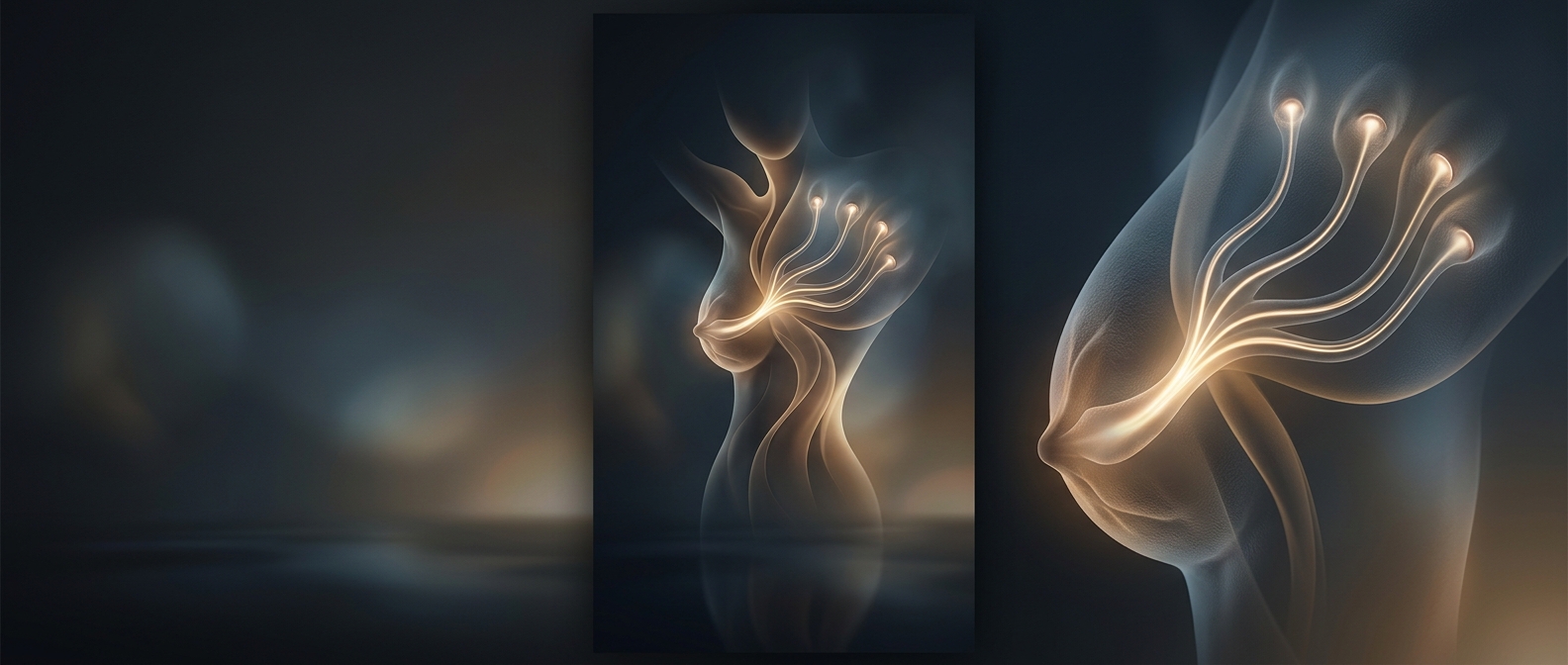
Mammary structures feature multiple independent exit ducts
Inside the breast, ducts carry milk toward the nipple and open at separate points. The nipple is therefore more like a row of tiny outlets than one shared…
Discover more
Can donating blood really burn 650 calories
After blood is donated, the body has to make replacement cells and proteins and restore plasma. Those rebuilding jobs use energy, and adding them up produces…
Discover more
Your skin makes its own radiation shield
UV exposure prompts skin to make more pigment, which absorbs and scatters some of the incoming radiation before it reaches cell nuclei. The extra pigment is a…
Discover more STACKY FOR IPHONE
A bigger world.
One discovery
at a time.
Keep discovering with Stacky. Interesting facts in an app that is always within reach.

Specific genetic mutations enable high altitude survival
Thin air gives the body less oxygen with each breath, prompting it to adjust how it handles oxygen. A variant of EPAS1 helps Tibetans make that adjustment…
Discover more
Your gut has a reverse gear
During vomiting, the usual downward-moving contractions in the gut reverse direction and push stomach contents up the esophagus. The digestive tract briefly…
Discover more
Motor units activate in a strict physical sequence
When a muscle needs more force, the nervous system first activates smaller motor units and then recruits larger ones. Adding them in stages lets force rise…
Discover more
Can a fast metabolism make you age faster
A faster metabolism can produce more reactive molecules as cells use energy, and those molecules can contribute to oxidative stress. But that possible strain…
Discover more
Left-handed people don’t actually die younger
The apparent age gap came from who was counted, not from left-handedness shortening lives. Because many older left-handers had been pushed into using their…
Discover more
Your decaf coffee may still contain caffeine
The decaffeination process takes out most caffeine, but trace amounts can remain in the beans. So “decaf” means greatly reduced caffeine, not a guaranteed…
Discover more
Victorians once climbed inside dead whales
As a whale decomposed, its carcass produced heat and gases that some people thought could relieve aching joints. In nineteenth-century Australia, that belief…
Discover more
Cecum forms a blind pouch at the primary junction
Where the small intestine joins the large intestine, the cecum makes a blind-ended pocket. Food’s remains continue into the large intestine, while the cecum…
Discover more
You started developing as a microscopic butt
The first opening in a human embryo develops into the anus; the mouth forms afterward. So the phrase “microscopic butt” is crude, but it points to a genuine…
Discover more
Red wine wasn’t as healthy as we were told
A glass of red wine came bundled with other differences in early studies: people who drank it often had more money and healthier diets, making wine hard to…
Discover more
Every human begins existence as a single fertilized egg
A fertilized egg does not grow into a body by simply getting bigger. It divides repeatedly, producing more cells that develop into different parts of the…
Discover more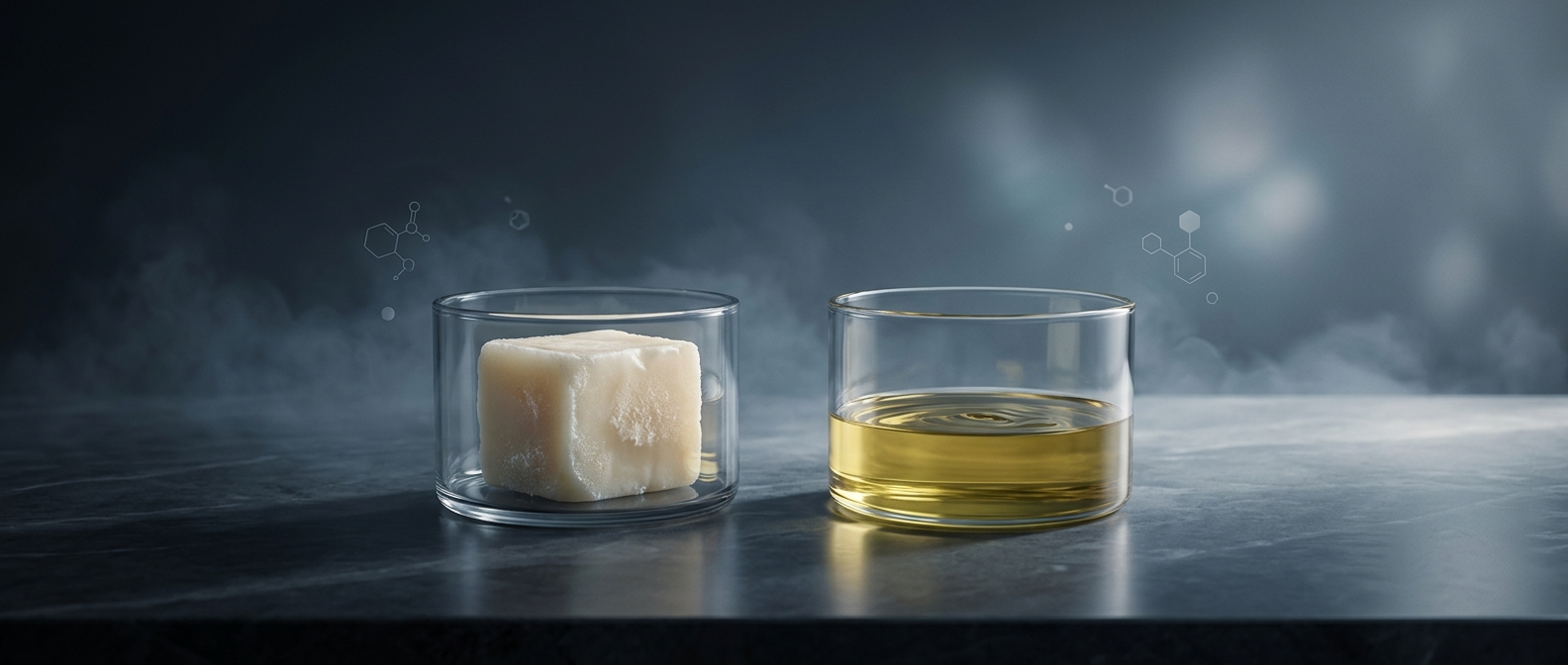
Saturated fats remain entirely solid at room temp
Saturated fat molecules have straight fatty-acid chains that can nestle close together. Packed tightly, they move less freely, which helps explain why many…
Discover more
You can talk in your sleep at any stage
Speaking and being awake are not an all-or-nothing package: the brain can produce words while a person remains asleep. That is why sleep talking can happen in…
Discover more
Margarine is an oil-and-water engineering problem
A spread needs to stay firm in the tub yet yield under a knife. Makers combine fats with different melting properties and hold water droplets in the mixture…
Discover more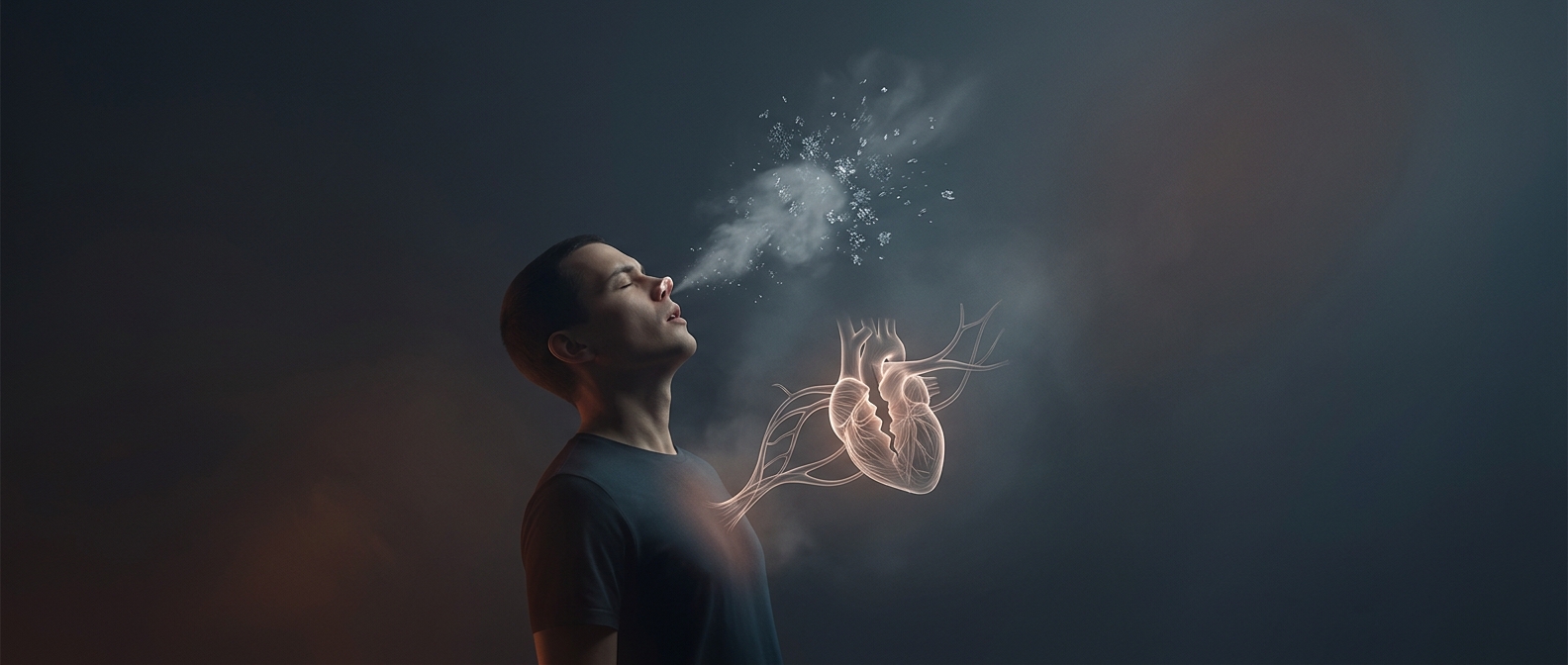
What your heart actually does when you sneeze
A sneeze changes pressure in your chest, which can briefly influence the vagus nerve, a nerve that helps regulate heart rhythm. That may delay the next beat…
Discover more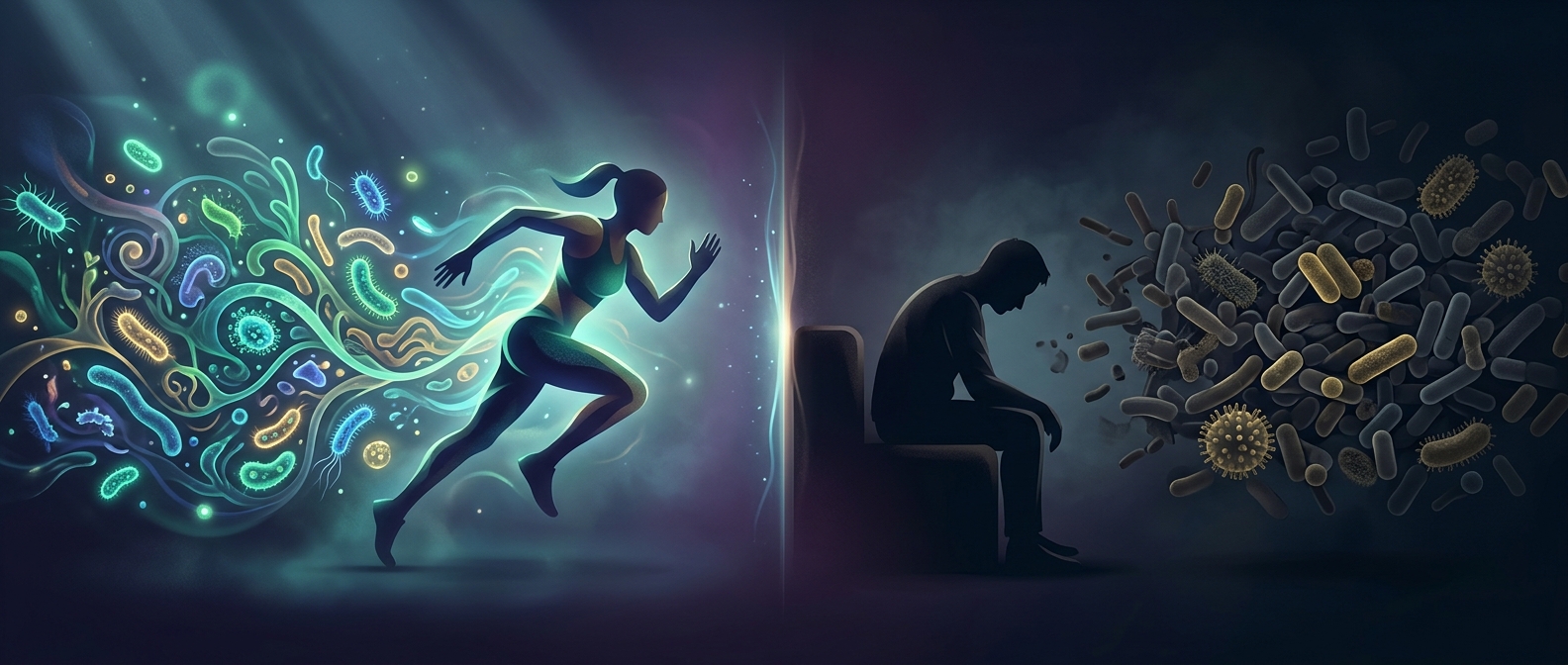
An exercise study found changes in gut microbes that faded afterward
Previously sedentary adults completed six weeks of exercise, then returned to inactivity. Researchers observed changes in gut microbes and, in lean…
Discover more
There’s trace gold in your hair
A growing hair shaft can take up trace elements from the body, leaving minute amounts of gold behind. It’s more like a chemical fingerprint than hidden…
Discover more
Turkey isn’t the reason you feel sleepy after dinner
The post-dinner sleepiness is more about the meal than a magical turkey effect: turkey contains roughly as much tryptophan as other meats, while a large,…
Discover more