Health
Discover facts about health. Small discoveries that change the way you see familiar things.
Health

Pleural fluid keeps lungs from sticking to chest walls
A thin film of fluid coats the surfaces of the lungs and chest wall, letting them glide past each other as the lungs expand. Without that slippery layer, each…
Discover more
Your heart cells beat as one
An electrical signal spreads from heart muscle cell to heart muscle cell through tiny connections called gap junctions. Instead of contracting one by one, the…
Discover more
Early pet exposure has been linked with fewer later allergies
In one birth-cohort study, children who lived with two or more dogs or cats in their first year showed less allergic sensitization at ages six to seven. That…
Discover more
Corsets could make overeating painful
A tightly laced corset limited how far the torso could expand. After a large meal, the stomach needed room, but the whalebone pressing against the ribs left…
Discover more
Fiber supplements fail to replicate whole foods
Whole vegetables deliver fiber alongside a wider range of nutrients; a fiber supplement adds bulk without that full package. It can provide the fiber, but it…
Discover more
A sleep study found a link with changes in brain volume
Researchers followed adults with brain scans and found poorer sleep quality associated with greater loss of volume in some cortical regions. The study…
Discover more STACKY FOR IPHONE
A bigger world.
One discovery
at a time.
Keep discovering with Stacky. Interesting facts in an app that is always within reach.

Your longest toe doesn't have to be the big toe
Many people have a second toe that extends farther than the first, often called Morton's toe. Its frequency varies between populations and studies. The…
Discover more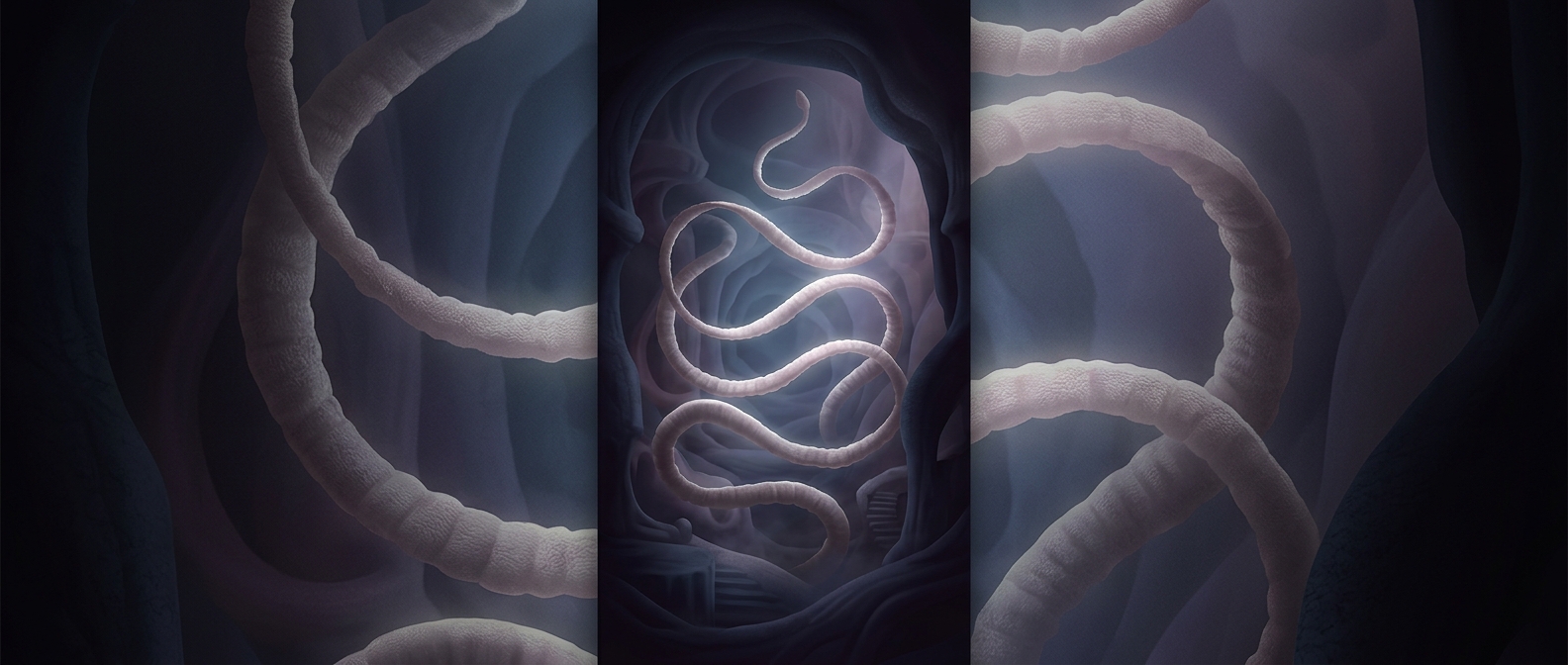
A tapeworm can live inside you for 30 years
Some tapeworms can grow more than 20 feet long, attaching to the intestinal wall and absorbing nutrients. They take in nourishment through their bodies while…
Discover more
You take 20,000 breaths without noticing
Most of the time, your brain handles breathing in the background by signaling the diaphragm to move. Notice it, and you may start directing each inhale and…
Discover more
Your face is probably more lopsided than you think
The two sides of a face don’t grow in perfectly matched conditions, so small differences in bone, soft tissue, or muscle can leave one eyebrow higher or one…
Discover more
Cervix acts as a highly secure gatekeeper to the human womb
Think of the cervix as a doorway that is usually shut, not an impenetrable lock: its closed opening and mucus help protect the uterus from bacteria. During…
Discover more
Ganglia operate as miniature processing hubs
A ganglion is a cluster of nerve-cell bodies that can handle some signal work locally and pass messages along. Think of it as a small relay station: not every…
Discover more
Why human jaws are surprisingly efficient
The way the human jaw is arranged lets chewing muscles produce an effective bite with relatively little effort compared with some great apes. So even on a…
Discover more
Two languages may help the brain compensate for dementia
A 2026 meta-analysis found that bilingual people in retrospective studies developed symptoms about 3.5 years later on average. One explanation is cognitive…
Discover more
Bronchial tubes look like an upside-down tree
As air moves deeper into your lungs, the airway divides again and again, from large tubes to much smaller ones. The upside-down-tree shape is a delivery…
Discover more
Why bronze-die pasta holds sauce better
Bronze dies leave tiny ridges and pores on the pasta’s surface. They give sauce places to grab, turning a slick noodle into a better landing spot for every…
Discover more
Epicranius muscles physically raise human brows
The epicranius spans the scalp, and its front section pulls the forehead upward. Since the eyebrows are attached to that moving skin, they rise with it. A…
Discover more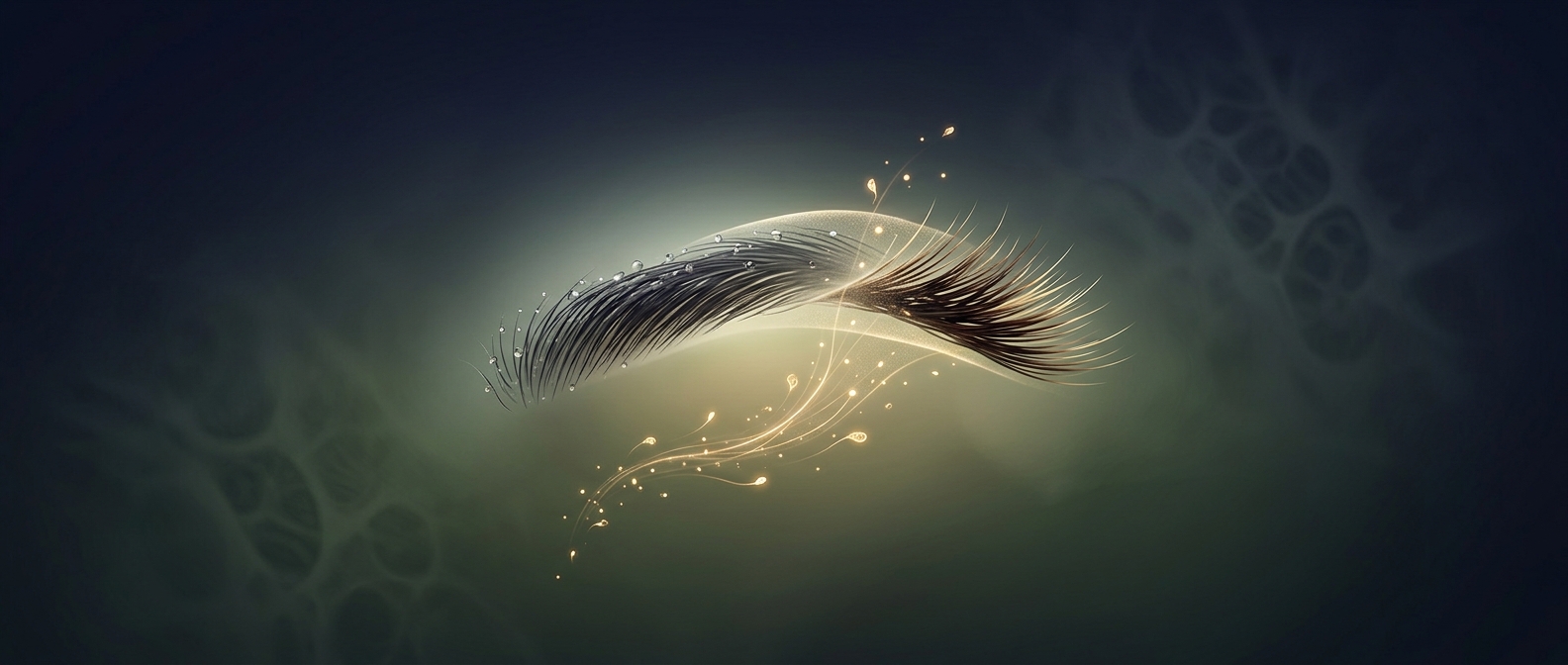
Your eyebrows have a shorter growth schedule than your scalp
Each hair passes through growing, transition, and resting phases, but eyebrow hairs spend far less time actively growing than scalp hairs. That timing helps…
Discover more
Microscopic alveoli resemble tight clusters of grapes
These tiny air sacs are where oxygen passes into the blood and carbon dioxide leaves it. Their grape-like clusters give the lungs a huge surface area for that…
Discover more
Blonde hair evolved twice in different parts of the world
The blonde hair found in some Melanesian populations did not come from the same mutation associated with European blonde hair. A different genetic change…
Discover more
The five-foot organ that dries out your food waste
As indigestible food moves through the large intestine, its lining absorbs water from the waste. What began as watery leftovers becomes formed stool—one last…
Discover more
Jazzercise pioneered the fitness franchise
Jazzercise did more than turn dance into a workout: it packaged classes into a franchise that could travel from one instructor and community to the next.…
Discover more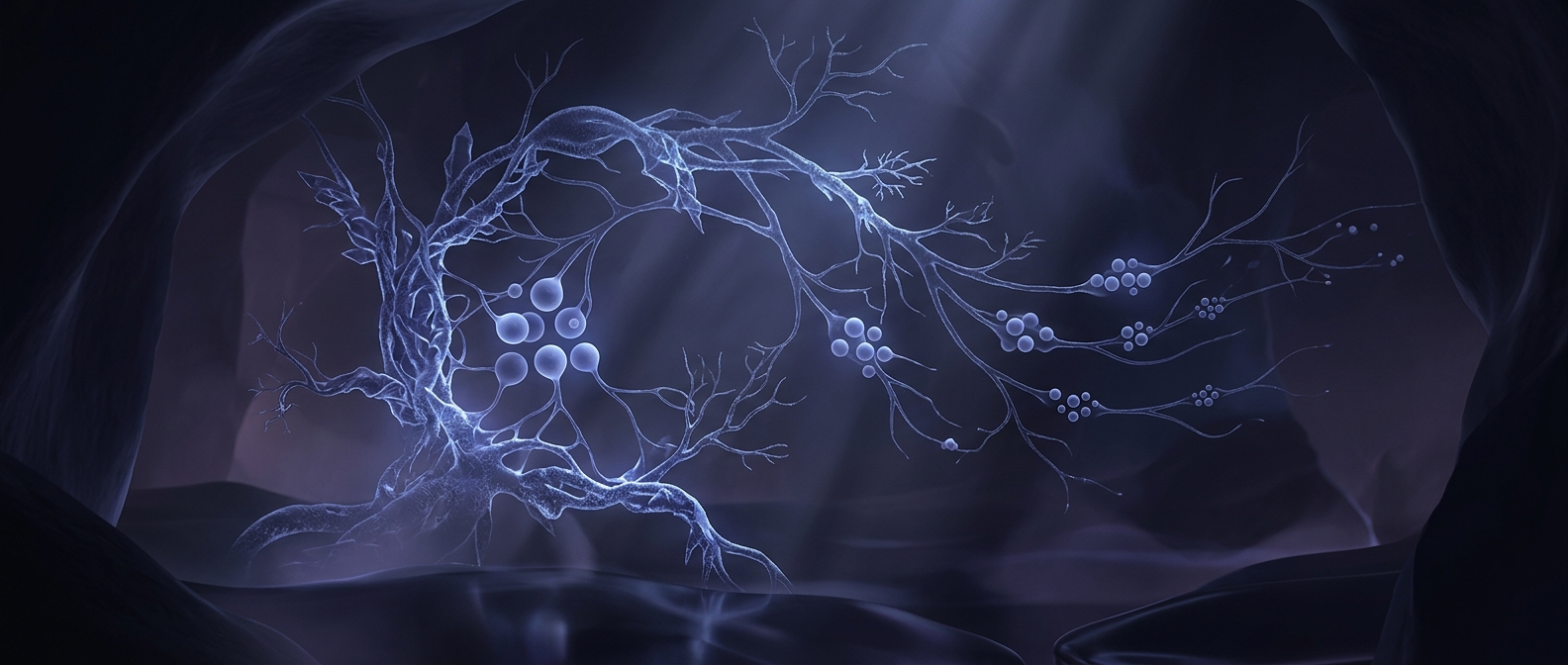
Sleeping mouse brains made more room between cells
A 2013 study measured a roughly 60% increase in the spaces between brain cells during sleep or anesthesia. Fluid moved through those spaces more readily,…
Discover more
Women's hearts tend to keep a faster resting beat
On average, female hearts are smaller, and a faster rhythm helps circulate blood. Cleveland Clinic lists typical adult averages of 79 beats a minute for women…
Discover more