Health
Discover facts about health. Small discoveries that change the way you see familiar things.
Health

The cabbage-soup diet changes the menu, not cabbage's chemistry
The short-term plan sharply restricts other foods while allowing plenty of low-calorie soup. Any rapid change on the scale comes from that restrictive eating…
Discover more
Human mouth heavily relies on ten distinct muscle groups
Speaking and chewing depend on many small muscles coordinating the jaw, tongue, lips, and face. If their timing slips, a simple word can become a lip bite;…
Discover more
Spinach’s iron is harder to absorb than the number suggests
Its iron is nonheme iron, the form found in plants, and compounds in the food can limit how much reaches the bloodstream. Vitamin C helps the body absorb this…
Discover more
Rectus sheath tightly encloses the front abdominal muscles
The vertical muscles at the front of your abdomen sit inside a sleeve of connective tissue called the rectus sheath. The sleeve encloses and separates the…
Discover more
One study tracked men's beards through the seasons
Researchers followed 14 men in Britain for 18 months and found beard growth rising toward summer. Scalp hair followed a different seasonal pattern. The result…
Discover more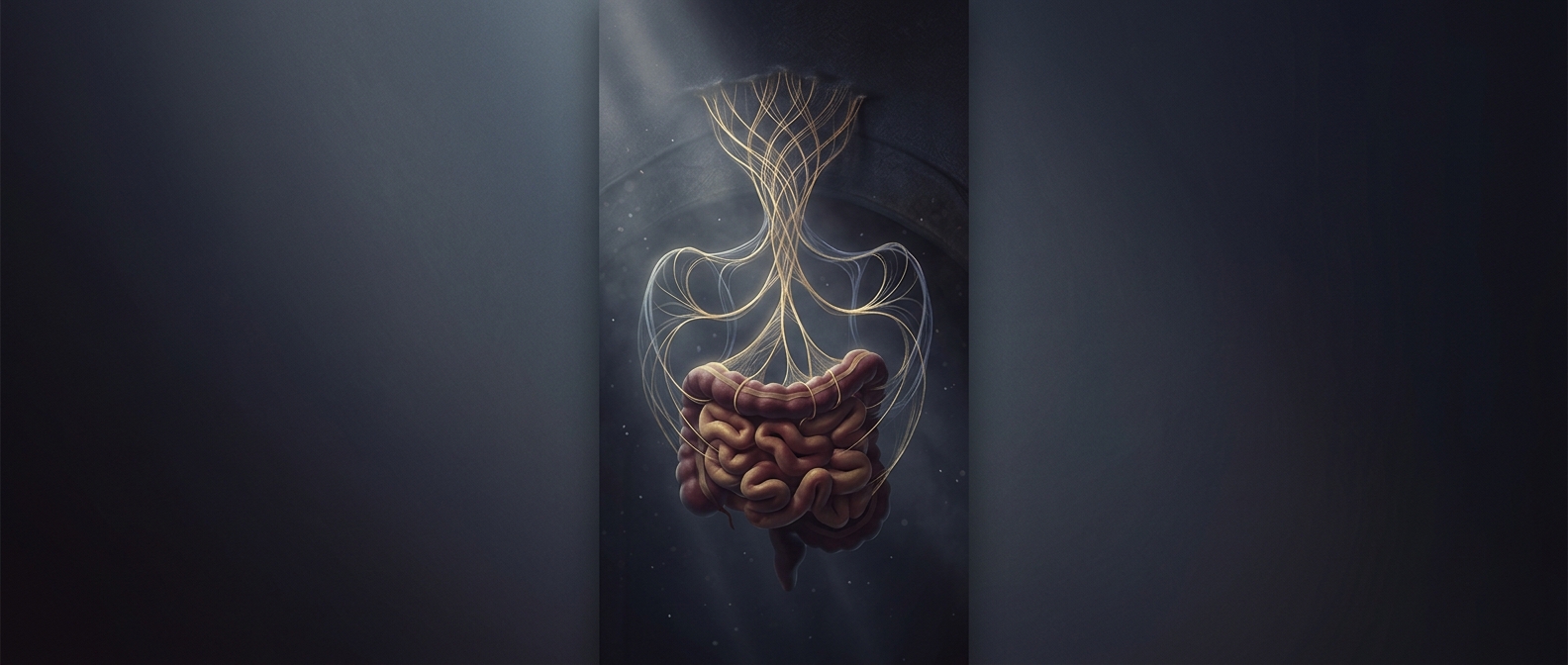
Mesentery tissue anchors intestines to the back wall
The intestines need to move, but they also need an anchor. The fan-shaped mesentery provides both: it attaches the loops to the back wall and supports them…
Discover more STACKY FOR IPHONE
A bigger world.
One discovery
at a time.
Keep discovering with Stacky. Interesting facts in an app that is always within reach.

Why sleeping in on weekends can ruin Monday
Sleeping much later on the weekend can shift your body clock later too. When Monday asks you to wake at the usual time, your internal schedule may still feel…
Discover more
Your eyes drain tears into your nose all day
Blinking spreads a protective film across the eye, and tiny openings near the inner corners drain it away. That plumbing is why tears usually don't pour down…
Discover more
Why undercooked kidney beans can make you sick
Red kidney beans contain a natural toxin that can trigger severe stomach and intestinal distress if the beans are undercooked. Sustained boiling breaks the…
Discover more
Hot yoga turns the studio into a 105-degree room
In a 105°F room, your body has a harder time shedding heat, so it sends more blood toward the skin and sweats to cool you. Your heart is doing extra work even…
Discover more
Some viruses can hide in your body for decades
The chickenpox virus can lie inactive inside nerve tissue for years, beyond the reach of the symptoms you remember from the first infection. If it…
Discover more
Inguinal canal provides a natural weak point in the groin
The inguinal canal is a passage through the lower abdominal wall near the groin. Because tissue has to pass through this area, it is a natural weak point;…
Discover more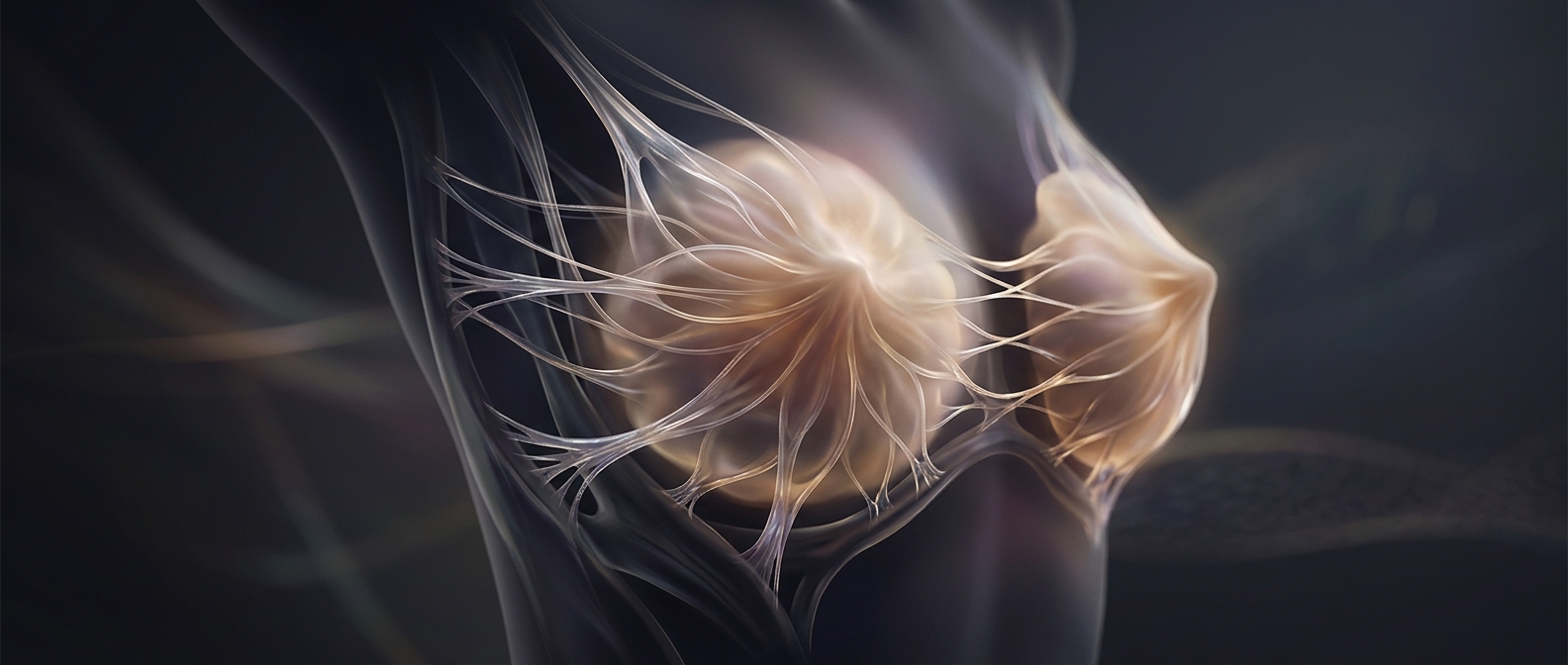
Cooper's ligaments suspend internal mammary tissue securely
Cooper’s ligaments are bands of connective tissue that anchor breast tissue to the chest wall. They help provide support, but they can stretch over time, so…
Discover more
Why boring meetings make you sleepy
A boring meeting gives the brain little to respond to, so its arousal level can drop. Heart rate may slow along with it, and that lower-alert state can feel a…
Discover more
Researchers used lasers to reveal a toilet flush's invisible plume
A study of a lidless commercial toilet showed a jet of tiny airborne droplets rising after flushing. Bright laser light made movement visible that an observer…
Discover more
A drink's temperature can matter independently of its ingredients
IARC classified regularly drinking very hot beverages—above 65°C, or 149°F—as probably carcinogenic, with concern focused on the esophagus. The issue is…
Discover more
Acclimatization takes weeks to fully activate
At high altitude, thinner air means each breath brings in less oxygen. The body adapts by changing how it works, including changes in gene activity, but those…
Discover more
Bladder walls actively prevent fluid from leaking back
The ureters enter the bladder through its wall, where their passage can be compressed as the bladder fills. The pressure helps act like a one-way valve,…
Discover more
Farting holds the official scientific name of flatulence
Flatulence is the clinical name for gas leaving the digestive tract through the anus. The gas can come from swallowed air or from microbes making gases as…
Discover more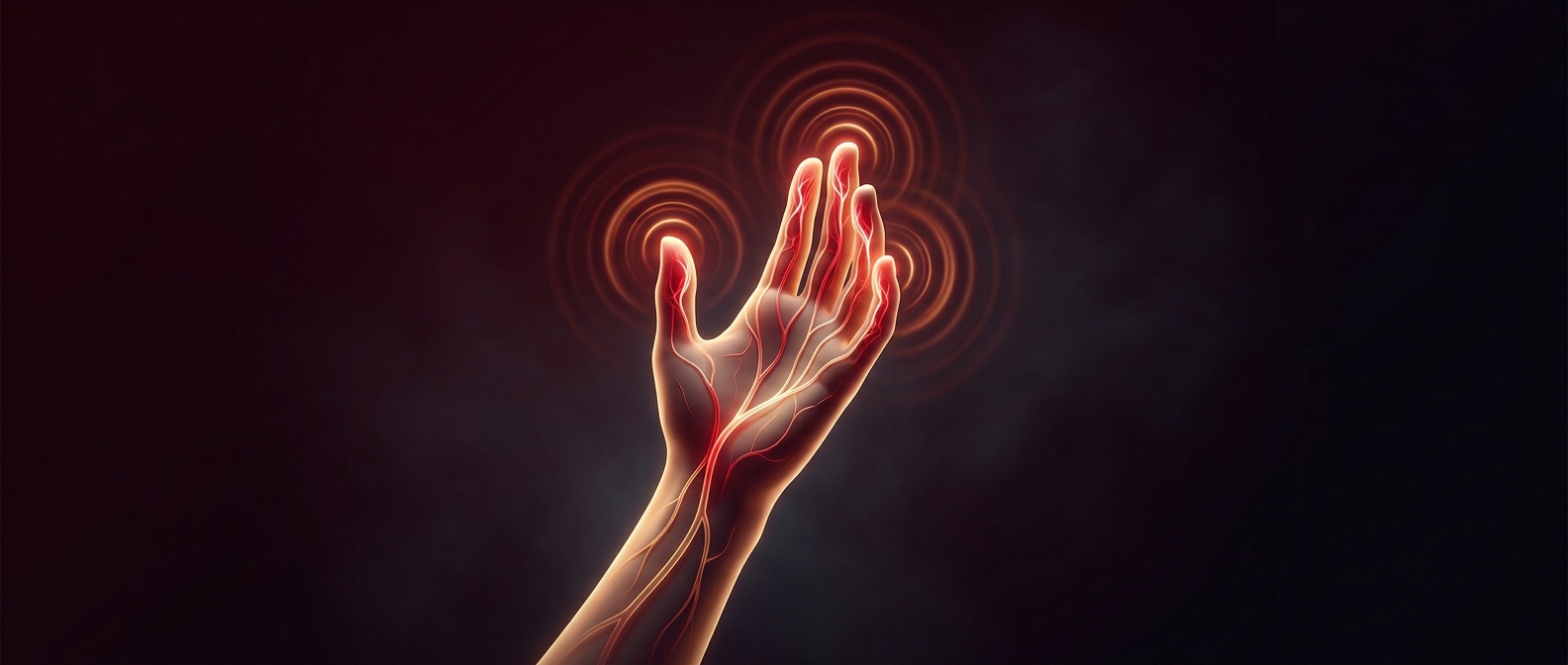
Why your fingertip seems to have its own pulse
An injury can make nearby tissue swell and become more sensitive, so each pulse of blood is easier to feel in a fingertip packed with nerve endings. The…
Discover more
The bloodletting behind the barber pole
Barber-surgeons once drew blood, then wrapped the wound in bandages—the red and white stripes preserve that memory. The pole itself represents the stick…
Discover more
Solid meals provide your daily water too
When you eat fresh produce, you swallow the water stored inside its cells, and your gut absorbs it along with the food. That is why drinking is not the only…
Discover more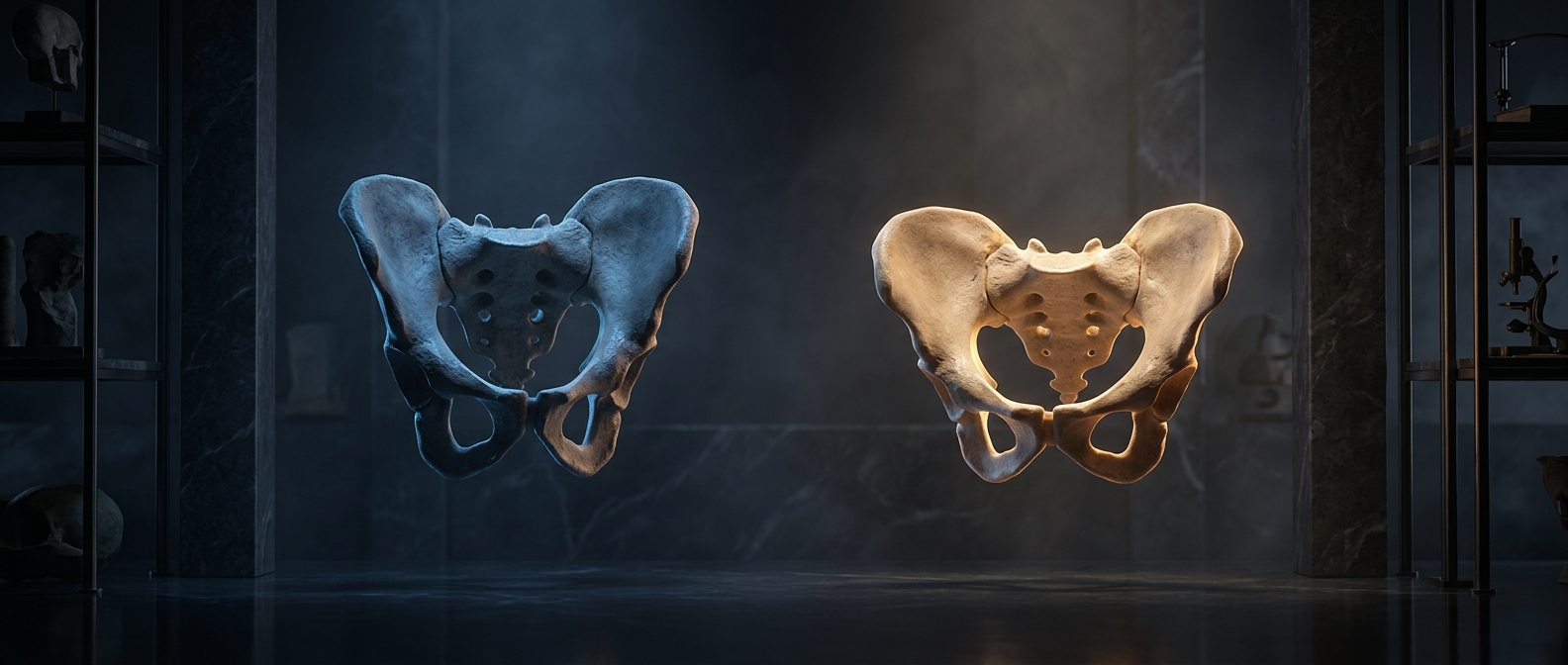
Pelvis bones vary aggressively in shape between sexes
The average difference is real: female pelvises tend to be wider and flatter than male pelvises, a pattern linked to childbirth. But “average” does a lot of…
Discover more
Your core has a built-in brace beneath the six-pack
The transverse abdominis wraps around the trunk and helps compress and stabilize the midsection. Its job is different from simply bending you forward, which…
Discover more