Health
Discover facts about health. Small discoveries that change the way you see familiar things.
Health

Why humans evolved around cooked food
Raw tough plants can take more work to chew and digest. Cooking softens them and makes nutrients easier to use, shifting some of that work from the body to…
Discover more
Earbuds can trap more than sound
A snug earbud can hold moisture in the ear canal, especially after a shower or during sleep. That warm, damp space helps bacteria grow and can contribute to…
Discover more
Why familiar music can help you focus
Unfamiliar sounds keep asking your brain, “What was that?” A familiar album is more predictable, so it may compete less with the task you’re trying to focus…
Discover more
The food pyramid squeezed a whole diet into six sections
The U.S. Food Guide Pyramid released in 1992 put bread, cereal, rice, and pasta at its broad base and fats and sweets at the top. The shape made relative…
Discover more
Neanderthal genes may raise your allergy risk
Some immune-receptor variants inherited from Neanderthals are associated with greater allergy risk. These receptors help the immune system recognize threats,…
Discover more
General anesthesia is closer to a coma than sleep
General anesthetic drugs suppress consciousness and responses to pain, while ordinary sleep is a natural state the brain cycles through and can usually be…
Discover more STACKY FOR IPHONE
A bigger world.
One discovery
at a time.
Keep discovering with Stacky. Interesting facts in an app that is always within reach.
Bicarbonate ions actively transport waste carbon dioxide
Carbon dioxide from working tissues doesn’t all ride through the blood as gas. Much of it is converted into bicarbonate ions for the trip to the lungs, where…
Discover more
Cochleas translate vibrations into raw data
Sound makes fluid inside the cochlea move, bending tiny sensory cells that turn the motion into electrical signals. Those signals travel to the brain, where…
Discover more
Isotonic contractions visibly change muscle length
In a shortening isotonic contraction, the muscle develops tension until it can overcome the resistance. Then its fibers shorten as their internal filaments…
Discover more
Bones get strength from a dense shell and a lighter interior
The outside is compact bone, while the interior includes a lattice of struts and spaces. That arrangement supports the body without making every bone a solid,…
Discover more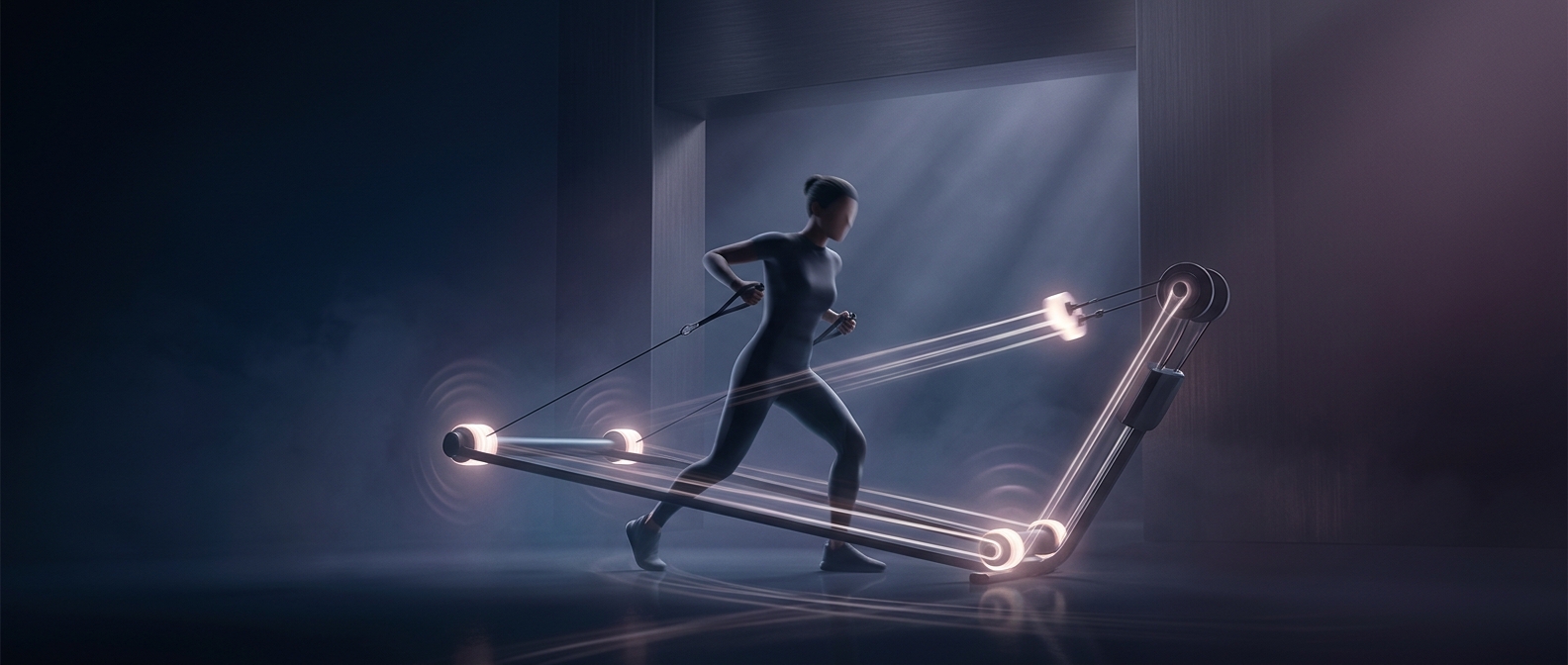
Why the Shake Weight became a punchline
Its makers sold the Shake Weight as an arm workout: you shook it, and its motion supplied resistance. On screen, that same action was easy to read as sexual…
Discover more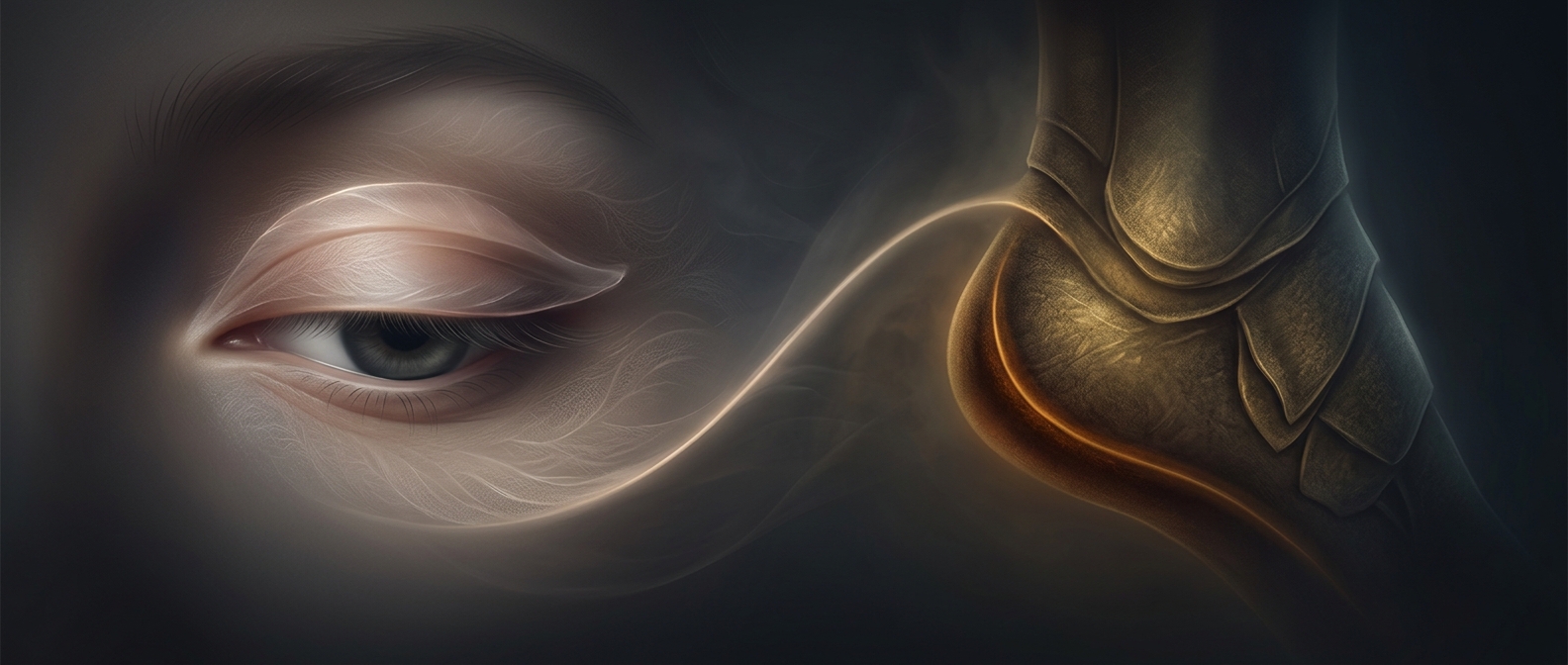
Why your eyelids are thin but your heels are tough
Eyelid skin stays thin so it can blink quickly; the soles of your feet build up thick, keratin-rich layers to withstand the repeated impact of walking. The…
Discover more
Anal canal utilizes internal and external control valves
Two ring-shaped muscles help control the anal canal: one works automatically, and the other can be consciously tightened or relaxed. The outer muscle gives…
Discover more
Your eyes can disagree with your inner ears on a journey
Reading in a moving car gives your eyes a mostly stationary page while your balance organs detect motion. That mismatch is central to explanations of motion…
Discover more
Intestinal microvilli act as a microscopic velvet lining
As digested food passes through, nutrients meet the intestine's lining and move into the body. Microvilli make that lining much more extensive by covering it…
Discover more
Fructose fails to trigger satiety signals like glucose
Fructose may be less effective than glucose at prompting the signals that help you feel satisfied. That difference can make it easier to consume more before…
Discover more
Your liver makes clotting proteins while managing fuel
It processes substances arriving in the blood, produces bile, and stores or releases energy supplies. These jobs run alongside its work on medicines and other…
Discover more
Heat shock proteins repair severe thermal damage
High heat can make a cell’s proteins lose their working shape. Heat shock proteins bind to some of the damaged proteins and help them refold, like a repair…
Discover more
How long you rest between sets changes your workout
After a hard set, muscles need time to restore some of the quick-use energy that powers forceful efforts. Longer rests let more of that recovery happen before…
Discover more
Rectum serves strictly as a temporary storage vault
Stool doesn't pass straight from the intestine out of the body: the rectum expands to hold it for a while. As its wall stretches, nerves register the filling…
Discover more
Grapefruit diets require eating citrus before every meal
The fruit got the credit, but the diet’s 500-calorie restriction was the more consequential part. Grapefruit didn’t switch on a fat-burning enzyme; the fad,…
Discover more
Your left cheek may be the more expressive one
Portrait studies find a recurring preference for showing the left cheek, which often conveys emotion more strongly. Researchers link this asymmetry to the…
Discover more
An angry memory can change how your arteries behave
In a 2024 experiment, recalling an anger-provoking experience temporarily reduced blood vessels' ability to widen. Researchers were measuring the response of…
Discover more
How your body replaces blood after you donate
A donation removes blood cells as well as fluid, and the body replaces those on different schedules. The kidneys sense the drop in oxygen delivery and send…
Discover more