Health
Discover facts about health. Small discoveries that change the way you see familiar things.
Health

Your fingers can detect texture far smaller than a fingerprint ridge
In an experiment, people distinguished surfaces with wrinkles only about 13 nanometers high. Sliding over the pattern changes friction and vibration, giving…
Discover more
A massage gun can improve movement without boosting power
A 2023 review found evidence of short-term improvements in flexibility and range of motion, but not a consistent advantage in strength or explosive…
Discover more
Horace Fletcher turned chewing into a health movement
The man nicknamed the Great Masticator urged people to chew food thoroughly before swallowing. The fad became known as Fletcherism, though his own experiments…
Discover more
Why carob never replaced chocolate
Carob has its own flavor rather than chocolate’s deep cocoa taste, and its texture can seem chalkier. The disappointment is often less about carob being bad…
Discover more
Your heartbeat can move an object resting on your belly
The abdominal aorta carries blood through the abdomen in pulses. In some positions, that movement reaches the surface strongly enough to shift a light object…
Discover more
Complimenting others directly boosts your own self-esteem
A compliment can do more than make the other person feel seen: searching for a real strength in them may train your attention to spot strengths more readily,…
Discover more STACKY FOR IPHONE
A bigger world.
One discovery
at a time.
Keep discovering with Stacky. Interesting facts in an app that is always within reach.
Blood changes how 'thick' it is as it flows
At high shear rates, blood's viscosity can be roughly four times water's, but the ratio rises at slower flow conditions. Cells change their arrangement and…
Discover more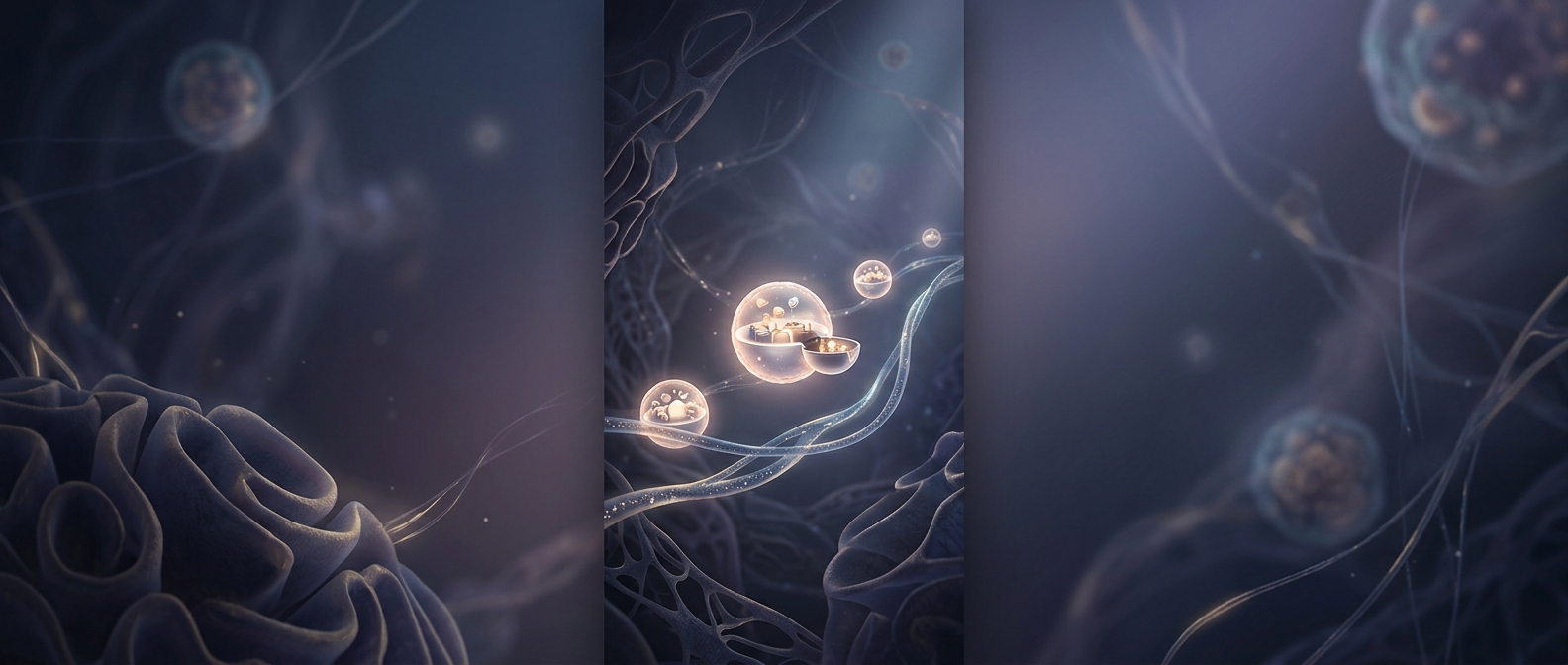
Exosomes are microscopic cargo ships
Cells can release tiny bubbles wrapped in membrane, carrying proteins and genetic material to other cells. These exosomes are more like sealed parcels than…
Discover more
Do you really need a sports drink
A brisk 20-minute walk usually doesn’t make you lose enough fluid or salt to need a sports drink. Those drinks are designed for long, intense exertion, when…
Discover more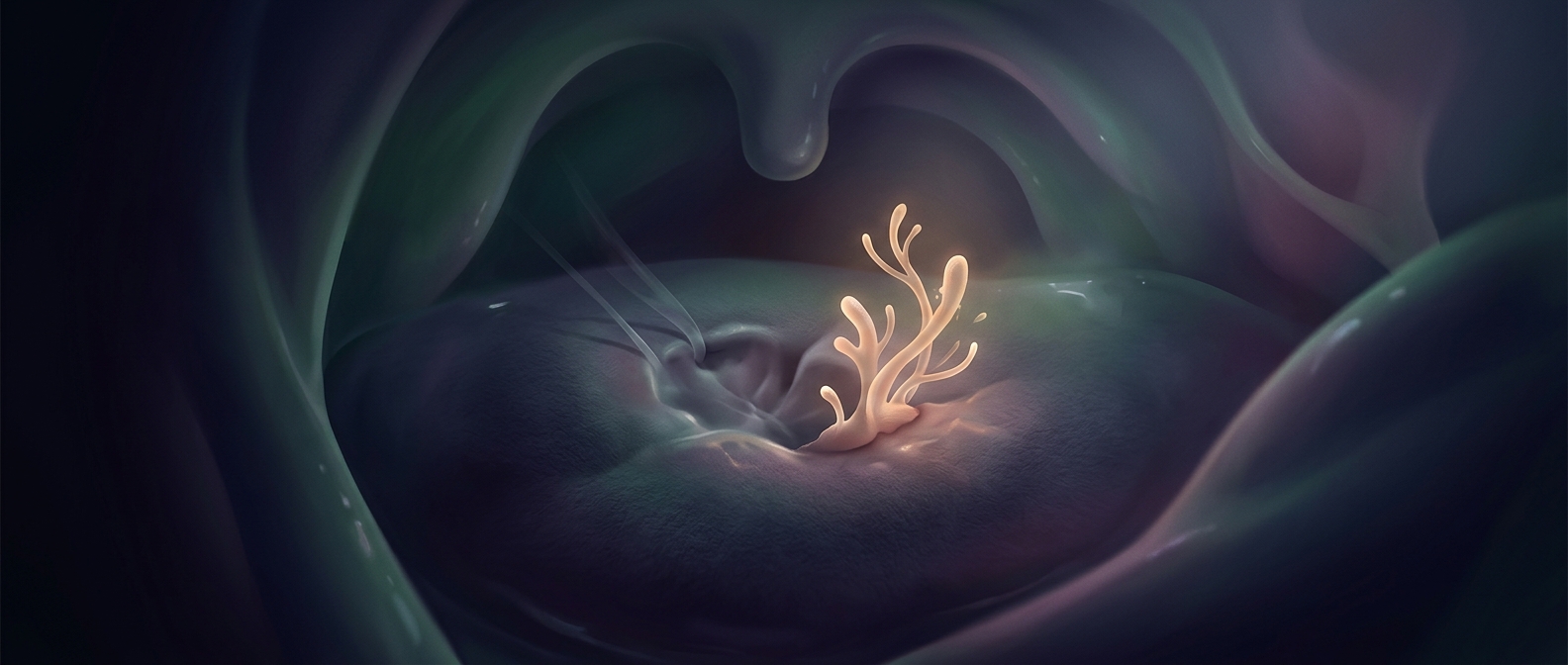
How tonsils can grow back after removal
Tonsil surgery can leave a small island of tissue behind, and that tissue can slowly enlarge. If it does, it may once again become a place where infections…
Discover more
A yawn can open the passage behind your ear's pop
Yawning or swallowing briefly opens the Eustachian tube between the middle ear and the back of the throat. Air can then equalize pressure across the eardrum.…
Discover more
Internal body temperature varies vastly throughout the day
When you move, working muscles release heat; when you are inactive, they make less. That helps explain why body temperature rises and falls during the day…
Discover more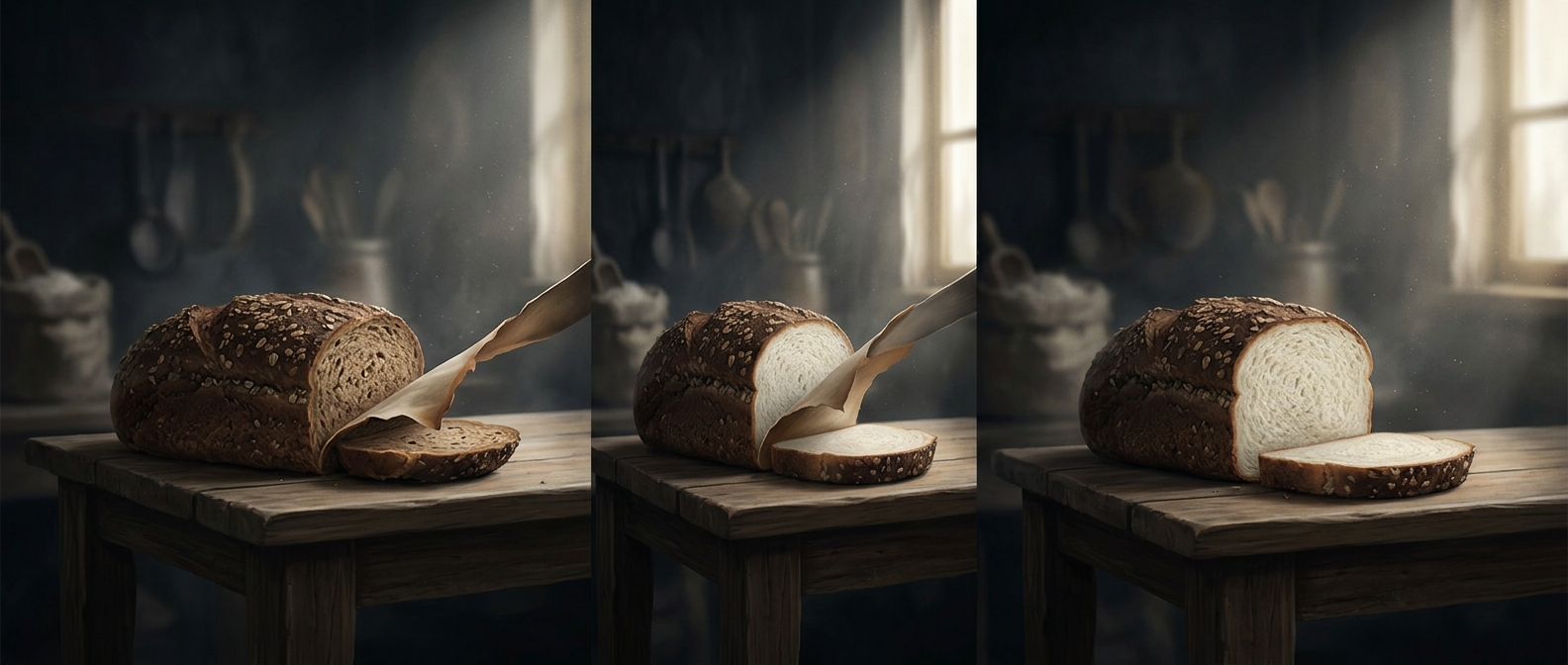
Why multigrain bread may still be white bread
“Multigrain” tells you there’s more than one kind of grain in the loaf; it says nothing about whether those grains are whole or refined. A bread can wear a…
Discover more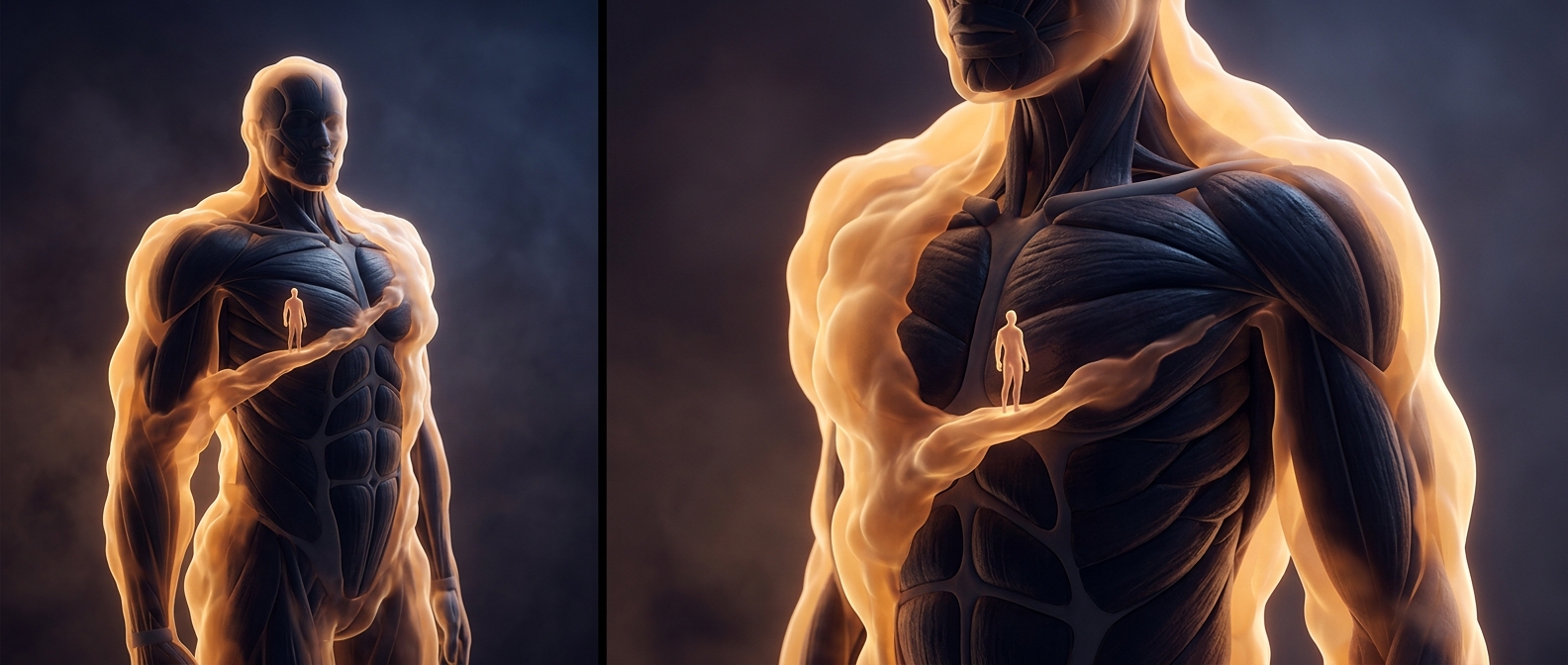
Subcutaneous fat sits entirely outside the muscular layer
Subcutaneous fat sits between the skin and the muscles. That position lets it cushion the tissues underneath and slow heat loss, like a layer of padding and…
Discover more
Canned beans are as nutritious as dried ones
Canning cooks and seals beans while preserving much of their nutritional value. They’re ready to eat without the long soaking and cooking dried beans usually…
Discover more
Cracking your knuckles won't cause arthritis
Synovial fluid helps a joint move smoothly. When you crack a knuckle, a pressure change in that fluid creates a gas cavity, producing the pop; it does not…
Discover more
You have a tiny leftover third eyelid
Birds and reptiles can slide a clear membrane across the eye like a built-in windshield wiper. The plica semilunaris in your inner eye corner is a small…
Discover more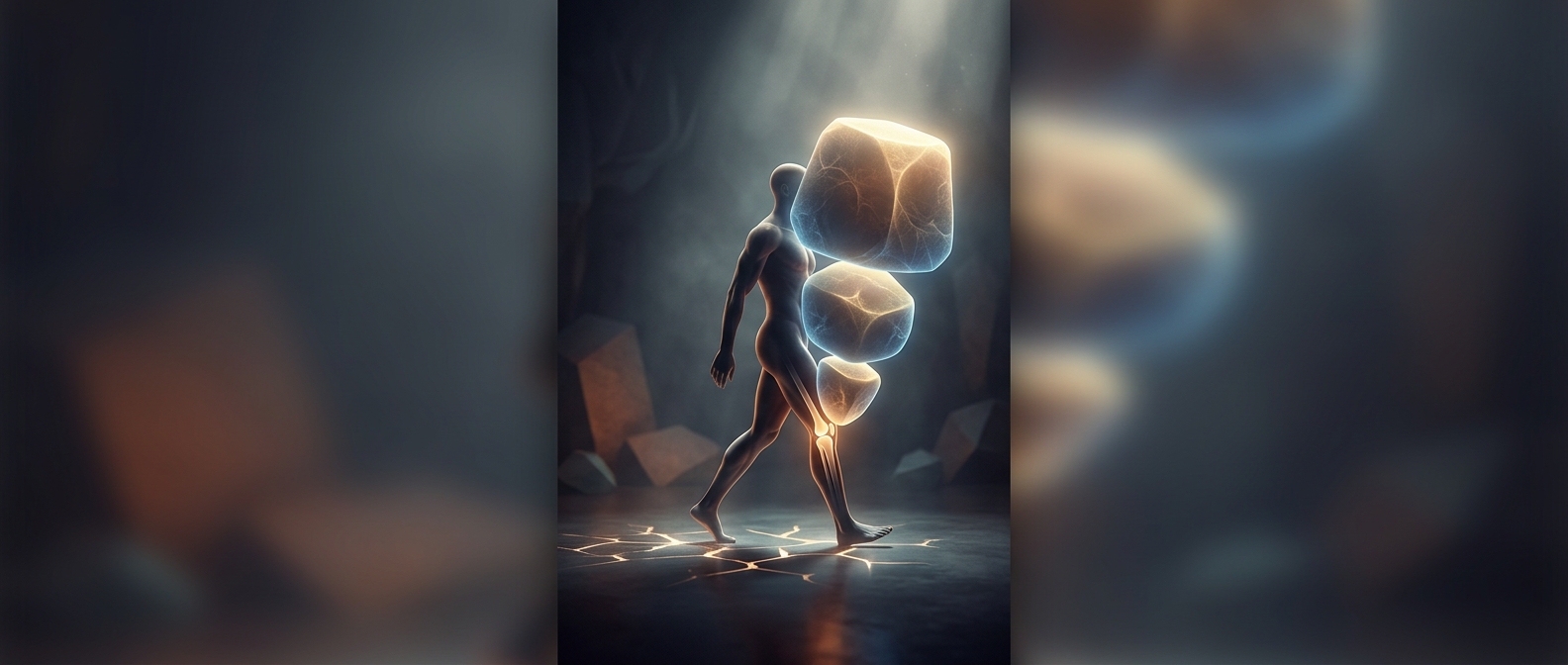
Your knee carries more than your weight when you walk
Muscles pulling across the joint add compression to the force from body weight. Measurements and models commonly put walking loads at several times body…
Discover more
Why your brain recognizes sounds so quickly
Sound reaches the brain through pathways that can flag a sudden noise quickly, before you have time to inspect what you’re seeing. That speed could help you…
Discover more
Walking at a brisk pace for thirty minutes a day drastically lowers your risk of developing heart disease
When you walk at a brisk pace, your muscles need more oxygen, so your heart speeds up to deliver it. That ordinary increase in demand is part of how walking…
Discover more
Sweeteners can’t turn into fat without calories
A zero-calorie sweetener supplies no usable energy for your body to store as fat. If you later eat more, those calories come from the other food—not from the…
Discover more
What really happens when you mix Pop Rocks and soda
Pop Rocks release gas as they dissolve, and soda brings its own bubbles. In your stomach, that extra gas may come back up as a loud burp—not an explosion.
Discover more
Why a hangover feels like the flu
Alcohol can prompt the immune system to release cytokines, chemical messengers that also help produce symptoms during illness. Those signals can leave you…
Discover more
You lose eyelashes every day without noticing
Your eyelashes don’t all grow and shed together. Each one follows its own months-long cycle, so a few can fall as others grow in—the daily turnover adds up to…
Discover more